
Experience
Elephant safari
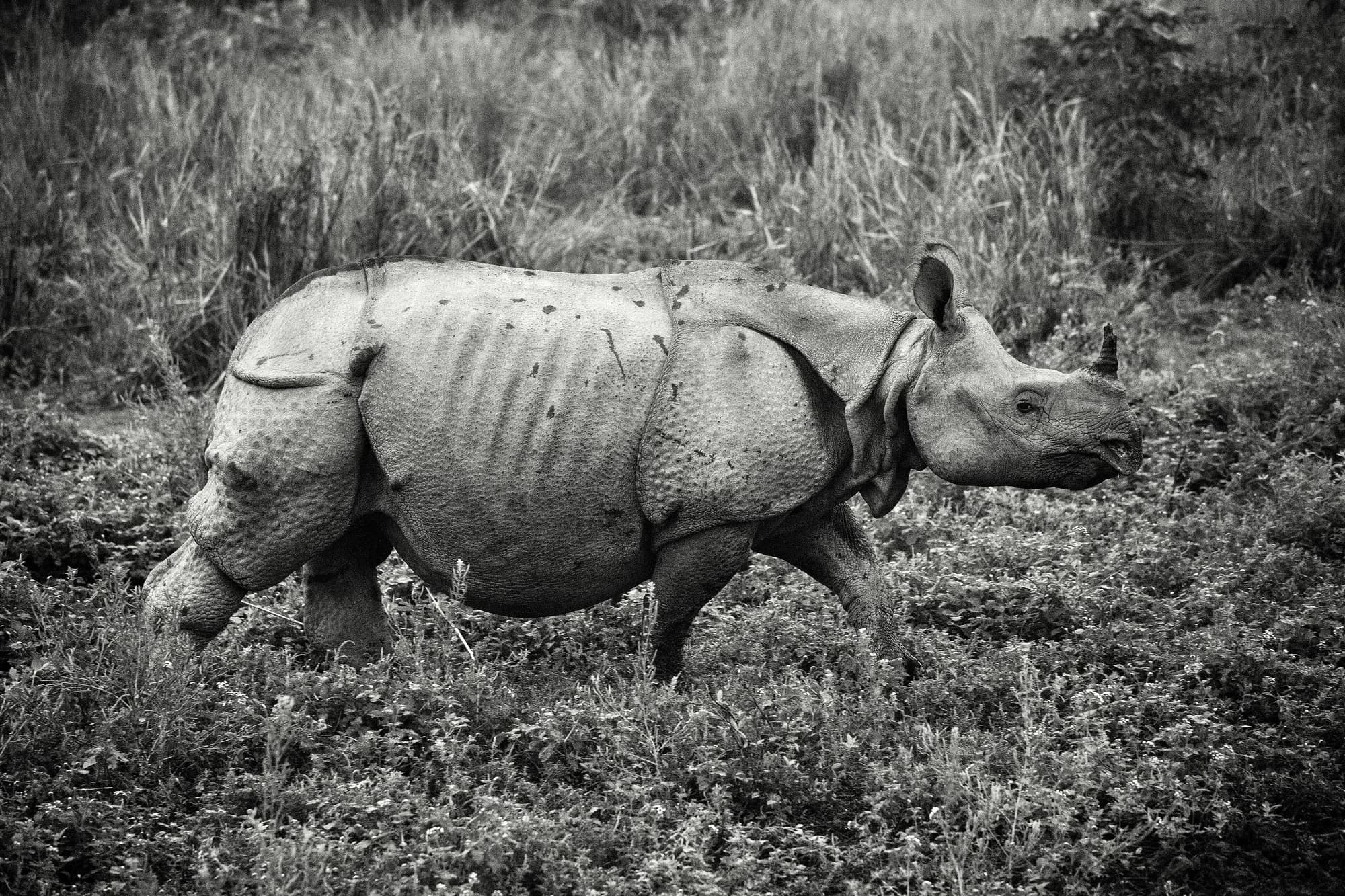
Dawn elephant-back rides in tall terai grasslands for close-up viewing of one-horned rhinos and swamp deer.
Checked 22 Sept 2026
- Offered at
- Kaziranga, Jaldapara, Manas
- Duration
- 1 hour per ride
- Departure shift
- Early morning dawn (5:30 AM – 7:30 AM)
- Seating capacity
- 4 tourists per padded howdah + mahout
- Target species
- Great one-horned rhino, wild buffalo, swamp deer
Riding atop a departmental elephant through 12-foot-tall elephant grass provides access to swampy grasslands where four-wheel-drive jeeps bog down or cannot see past the reeds.
Why elephant safaris exist in the terai
In the alluvial floodplains of Assam and West Bengal, dense elephant grass (Saccharum ravennae) grows up to 4 meters high. From an open jeep, vision is restricted to narrow cleared tracks.
Riding an elephant elevates your line of sight above the grass canopy. Furthermore, wild rhinos and deer view captive elephants as neutral jungle presences rather than threat vehicles, allowing close-up views within meters.
Reserves where elephant safaris operate
Elephant safaris have been phased out in most Indian tiger reserves, surviving exclusively in select northeastern terai habitats:
- Kaziranga National Park (Assam) — Premier elephant rides in Kohora (Central) and Bagori (Western) ranges for one-horned rhino and swamp deer encounters.
- Jaldapara National Park (West Bengal) — Department elephant rides starting from Holong lodge through grasslands along the Torsa river.
- Manas National Park (Assam) — Dawn grassland rides in the Bansbari range near the Bhutan border.
Dawn shift mechanics & howdah seating
Rides operate in two early morning slots (5:30 AM–6:30 AM and 6:30 AM–7:30 AM). Four tourists sit back-to-back on a padded wooden howdah frame, led by an experienced departmental mahout.
Because seats are limited to a small number of working elephants per range, advance ticket allocation through official department counters or authorized lodges is essential.
Department elephant welfare & ethics
Department elephants in Indian reserves are working forest animals. Outside tourist shift hours, they are used by forest guards for anti-poaching patrols, monitoring rhino calves, and navigating flooded terrain during monsoons.
Visitors concerned with captive animal welfare should evaluate whether to choose an elephant ride or opt for open jeep safaris along range tracks instead.
Questions people ask
How do I book an elephant safari at Kaziranga?
Is an elephant safari safe for young children?
What is the best month for elephant safaris in Kaziranga?
Read next
Terai grassland hub
Kaziranga National Park
Floodplain grassland, one-horned rhino in daylight, and the one Indian park where the headline animal is close to certain.
Species profile
One-horned rhino
The easiest large mammal in India to see well. Two-thirds of the world's population, standing in open grass in daylight.
Species profile
Indian elephant
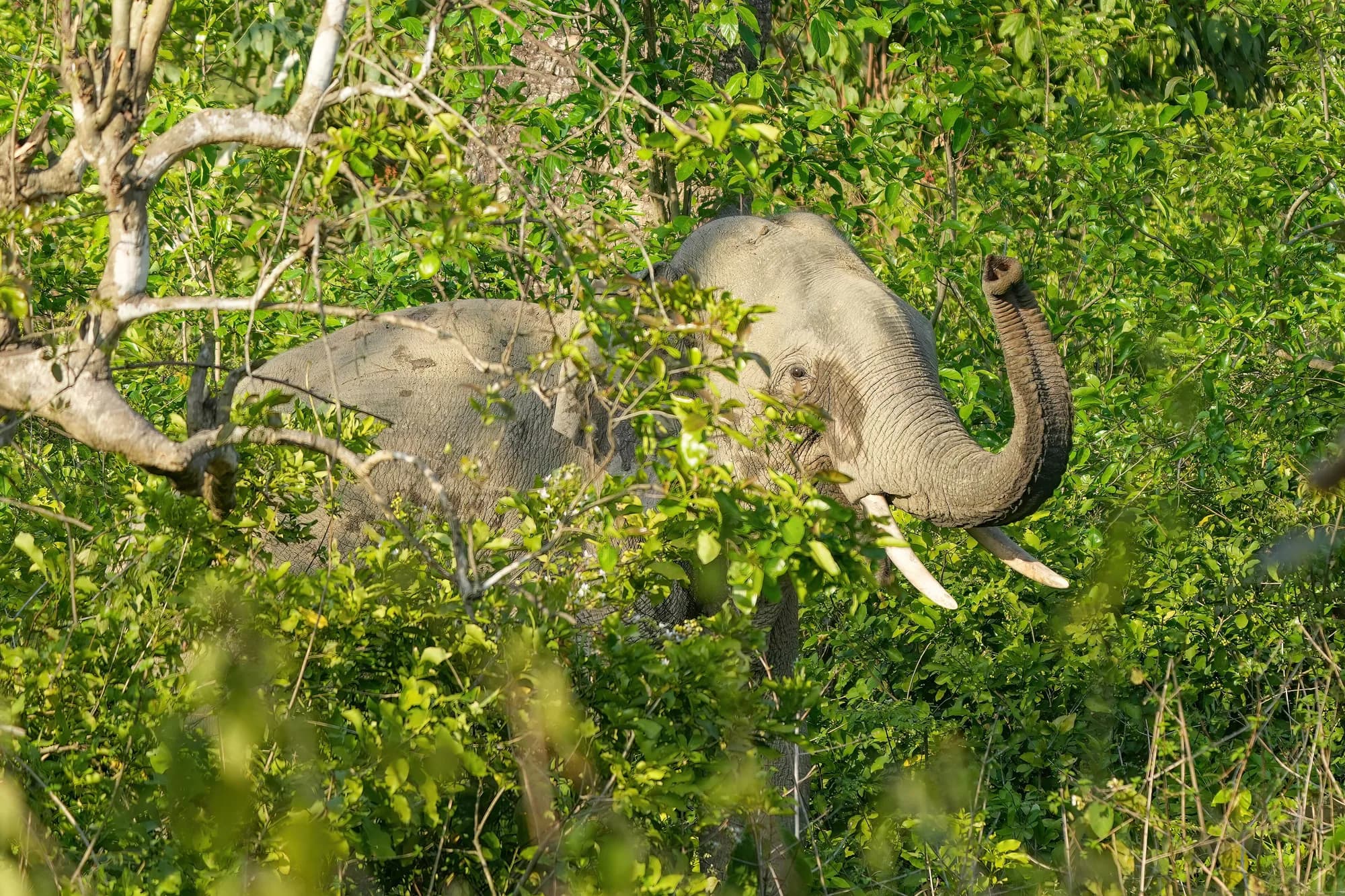
One of the few sightings better in a herd than alone. Where the numbers gather and the three months they are there.