
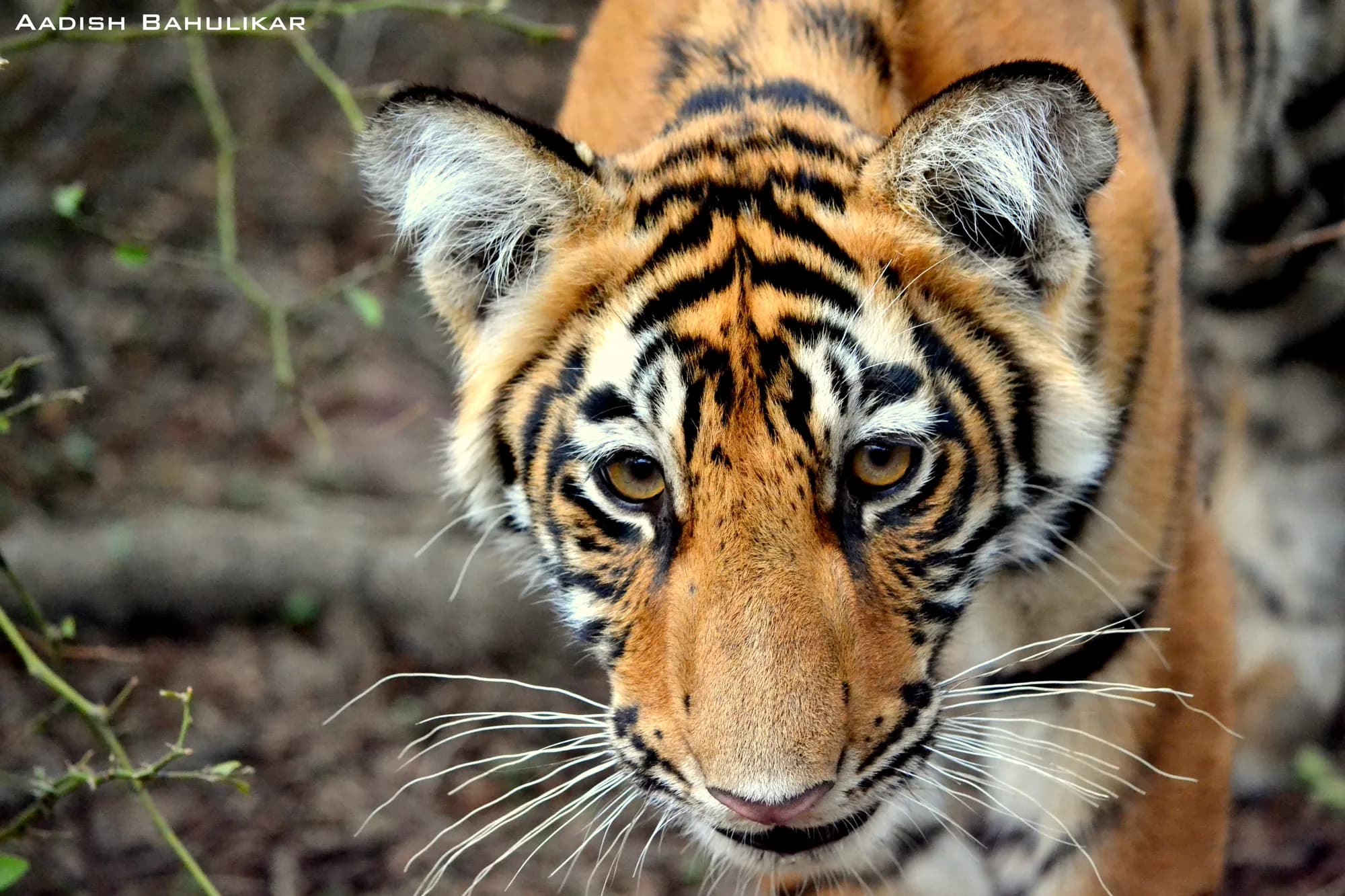
Experience
Wildlife photography
Full-day photography permits, custom vehicle beanbag setups, and camera positioning for serious wildlife photographers.
Checked 22 Sept 2026
- Special permit type
- Full-day / Half-day photography permits
- Available in
- Bandhavgarh, Kanha, Pench, Tadoba, Ranthambhore
- Vehicle access
- Cross-zone access across all core zones
- Vehicle quota
- Capped strictly at 2–5 vehicles per reserve day
- Recommended lenses
- 300mm–600mm prime / 100–400mm zoom
A full-day photography permit is a completely different product from a standard safari seat. It provides sunrise-to-sunset access across all core zones, bypassing shift exit deadlines and vehicle caps for serious cameramen.
Full-day vs regular shift permits
Standard safari permits restrict you to a single assigned zone for 3.5 hours. If a tiger moves across a zone boundary line, a regular jeep must turn back.
A full-day permit (available in Madhya Pradesh reserves like Bandhavgarh, Kanha, and Pench, as well as Ranthambhore) allows seamless entry across all core zones, non-stop access between morning and afternoon shift hours, and freedom to follow wildlife across zone boundaries. However, tariffs are premium — often 30 to 40 times the cost of a standard drive.
Jeep setup & camera stabilization
Tripod legs do not work inside a moving Gypsy. Professional photography setups rely on specialized vehicle modifications:
- Seat Removal — Rear seats are unbolted to allow low-angle shooting and room for heavy lens cases.
- Beanbag Mounts — Heavy-duty canvas beanbags (filled with rice or pulse seeds) rest on jeep side rails to support 400mm, 500mm, or 600mm telephoto lenses.
- Dust Protection — Indian forest tracks produce fine red dust. Neoprene lens covers, rain/dust sleeves, and micro-fiber clothes are mandatory.
Lighting, dust & zone positioning
Morning light cuts through misty sal forests at Kanha and Tala meadows at Bandhavgarh, creating dramatic golden light beams between 6:30 AM and 8:00 AM. In dry deciduous reserves like Tadoba and Ranthambhore, harsh midday glare requires positioning near shaded waterhole banks.
Instruct your driver to position the jeep with the sun behind your back whenever tracking moving predators.
Etiquette & field guidelines
Maintain respectful distances from mother cats with young cubs. Flash photography is strictly illegal inside all Indian national parks. Drone operation is prohibited under federal wildlife laws and carries severe confiscation and legal penalties.
Questions people ask
How do I book a full-day photography permit?
Are regular cameras allowed on normal safaris?
What camera gear is ideal for an Indian safari?
Read next
Camera gear packing list
What to pack
Most of what gets recommended online is sold by whoever is recommending it. This is the list that is actually short.
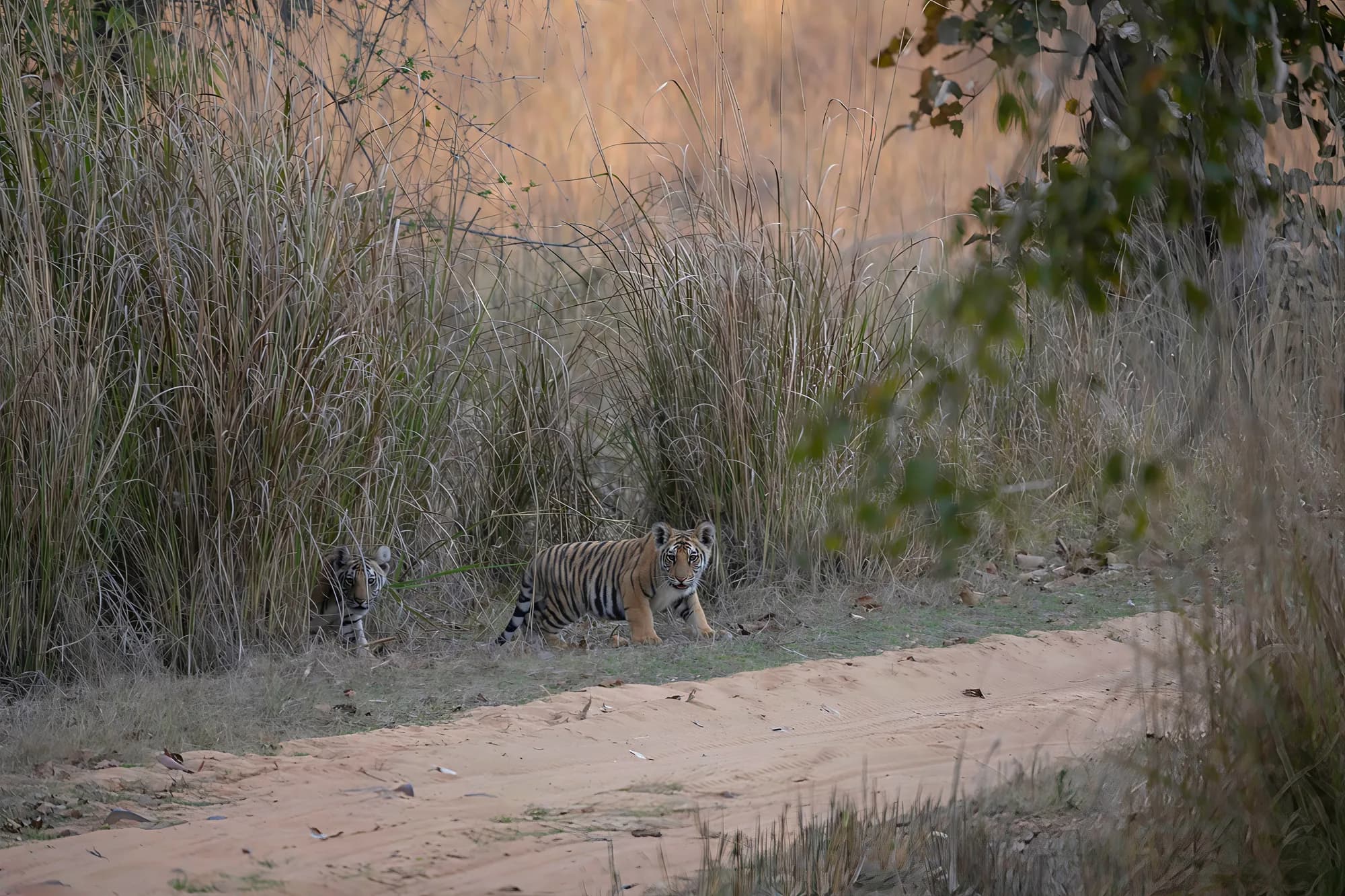
Premier photography park
Bandhavgarh
The highest tiger density in India in a compact area — which is why it is the reserve most often recommended for a first trip.
Open light waterholes
Tadoba
Open teak and bamboo, and a reputation for daylight sightings that has been earned rather than marketed.