
Species · Rhinoceros unicornis
One-horned rhino
The easiest large mammal in India to see well. Two-thirds of the world's population stands in open grass, in daylight, in one Assam floodplain.
Also called
- Gor (গড়) · Assamese
- Gainda (गैंडा) · Hindi
- Gondar (গন্ডার) · Bengali
Checked 14 Aug 2026
- Where
- Assam & north Bengal
- Best months
- November–April
- Reserves
- Kaziranga, Manas
- Population
- 2,613Kaziranga rhino census, Assam Forest Department, March 2022Kaziranga alone — roughly two-thirds of the world population.
Kaziranga holds the great majority; Manas and Jaldapara hold much smaller numbers.
Where it is
- Kaziranga
- Manas
Where to actually go
Ranked, with the reason each — these are not interchangeable.
Where you will not see one
- Central and southern IndiaKanha, Bandhavgarh, Tadoba, Ranthambore, Periyar, Kabini — no rhino in any of them. The range is Assam, north Bengal and a reintroduced population at Dudhwa, and nothing else.
- Anywhere expecting an African rhinoOne horn, not two, and plated skin that folds like armour. The white and black rhinos of Africa are different animals and are not present in India in the wild.
When to go
When to go
- J
- F
- M
- A
- M
- J
- J
- A
- S
- O
- N
- D
January: best. February: best. March: best. April: good. May: closed or unproductive. June: closed or unproductive. July: closed or unproductive. August: closed or unproductive. September: closed or unproductive. October: closed or unproductive. November: good. December: best.
Through the day
- Dawn
- Morning
- Midday
- Afternoon
- Dusk
- Night
Dawn: most active. Morning: most active. Midday: usually resting. Afternoon: active. Dusk: active. Night: not normally seen.
What it looks like in the field
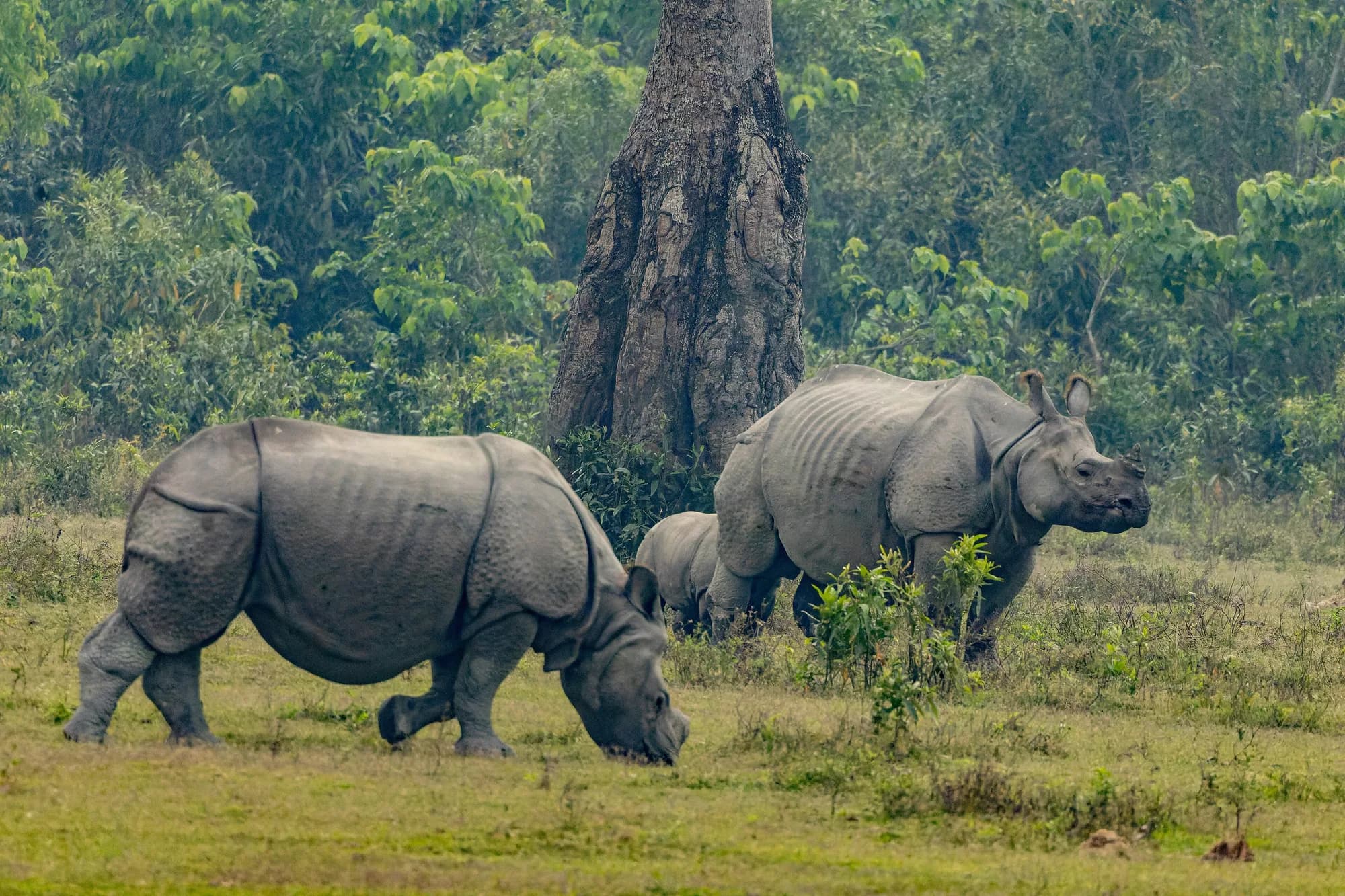
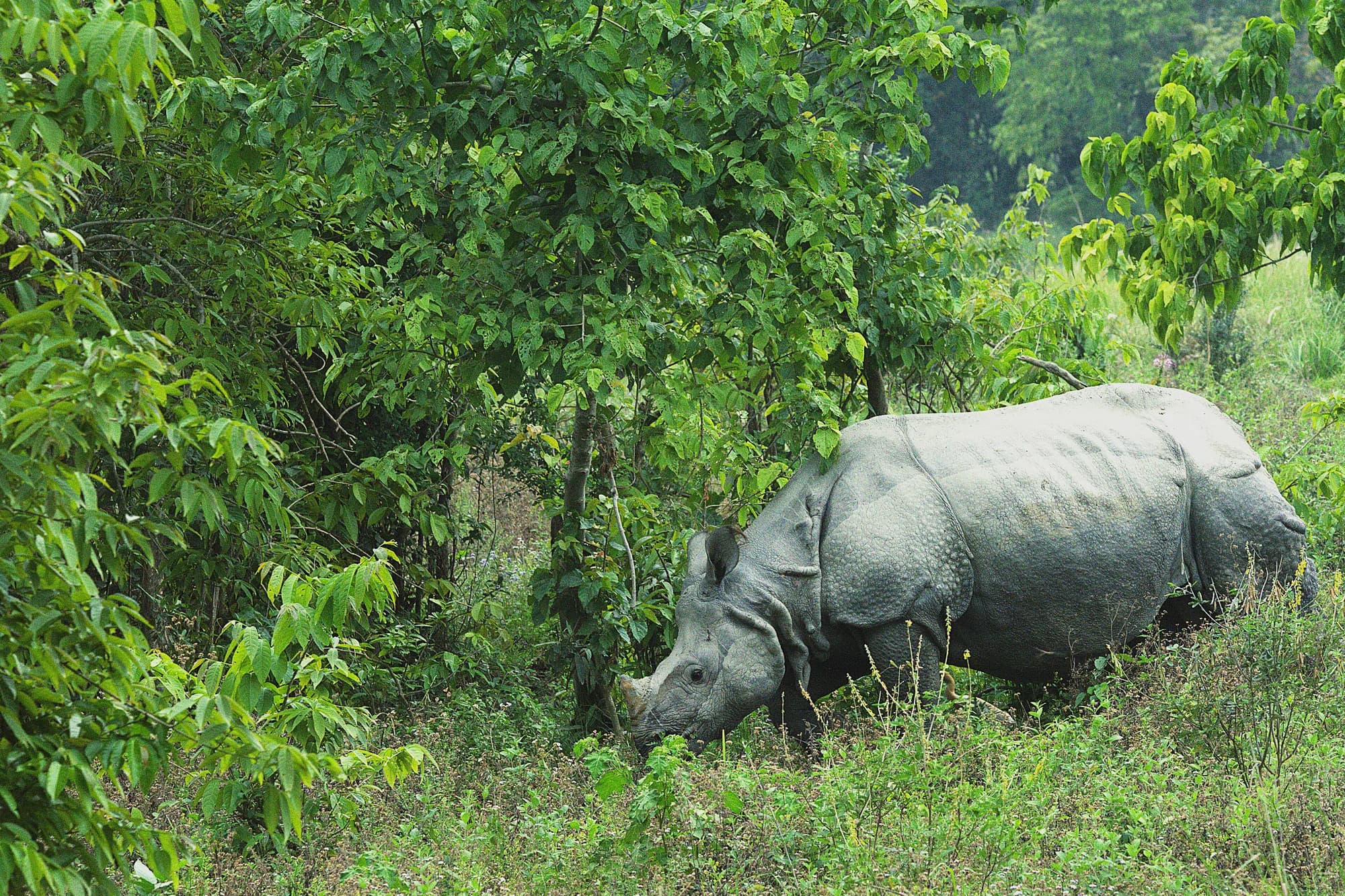
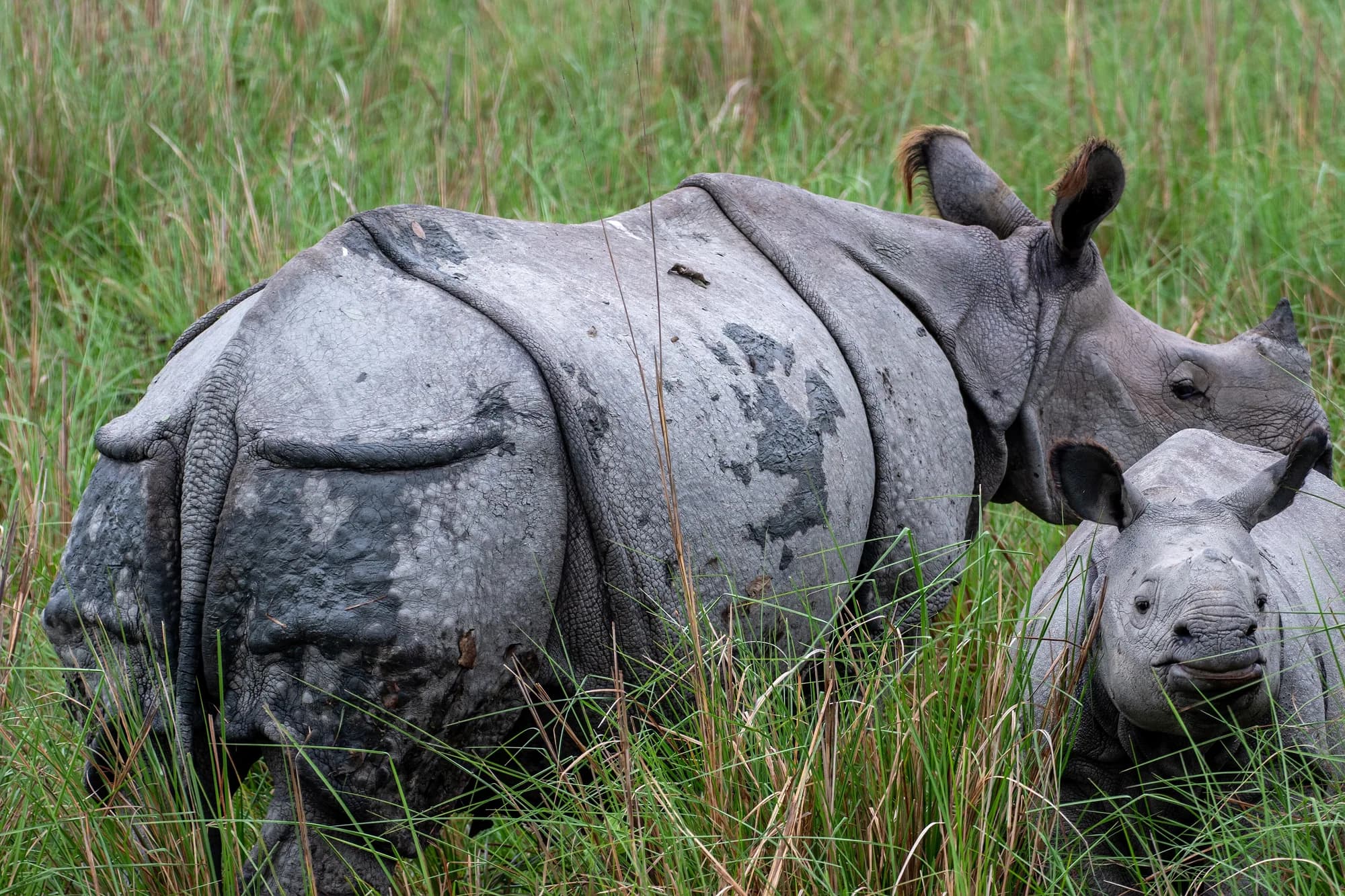
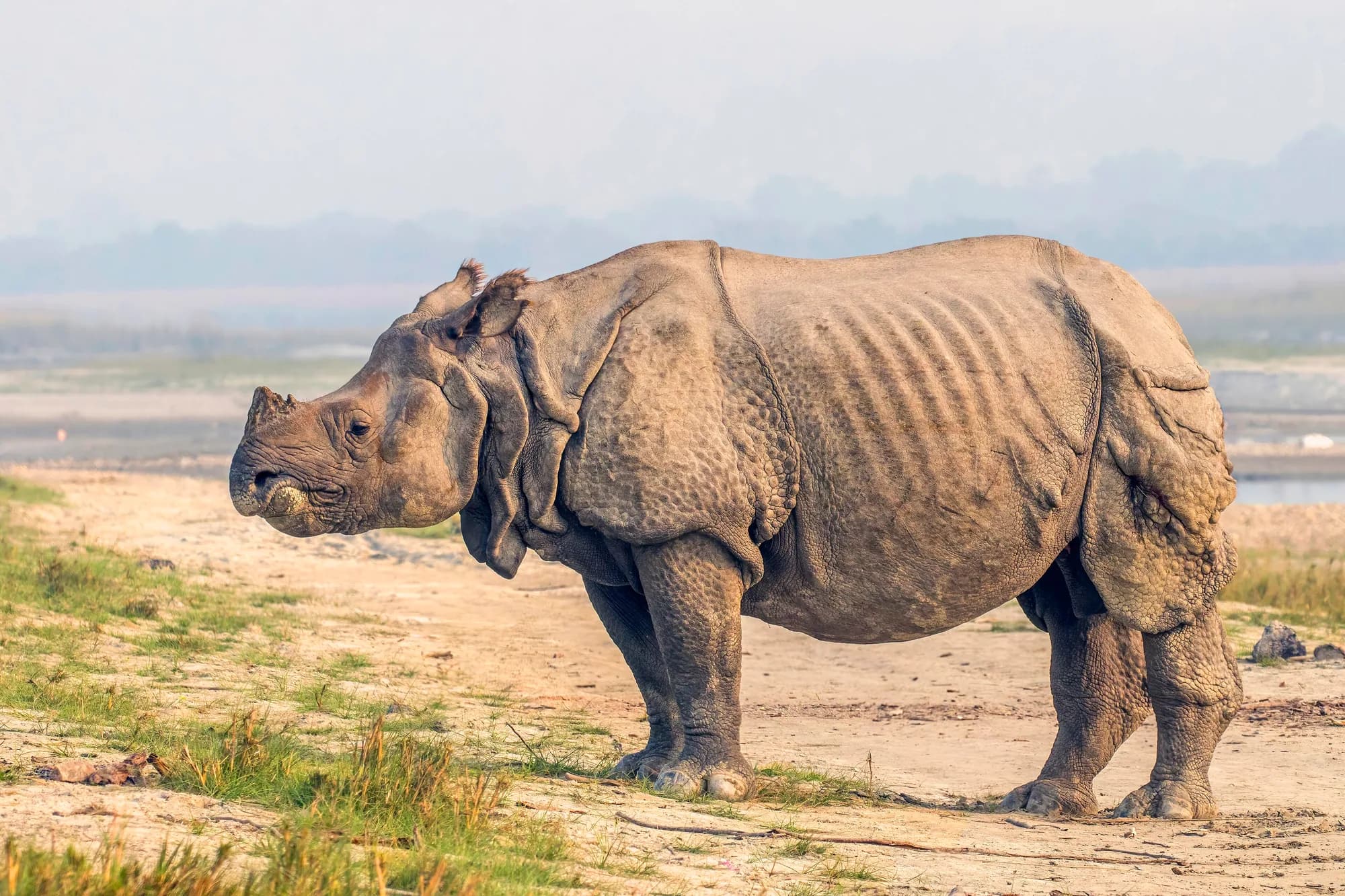
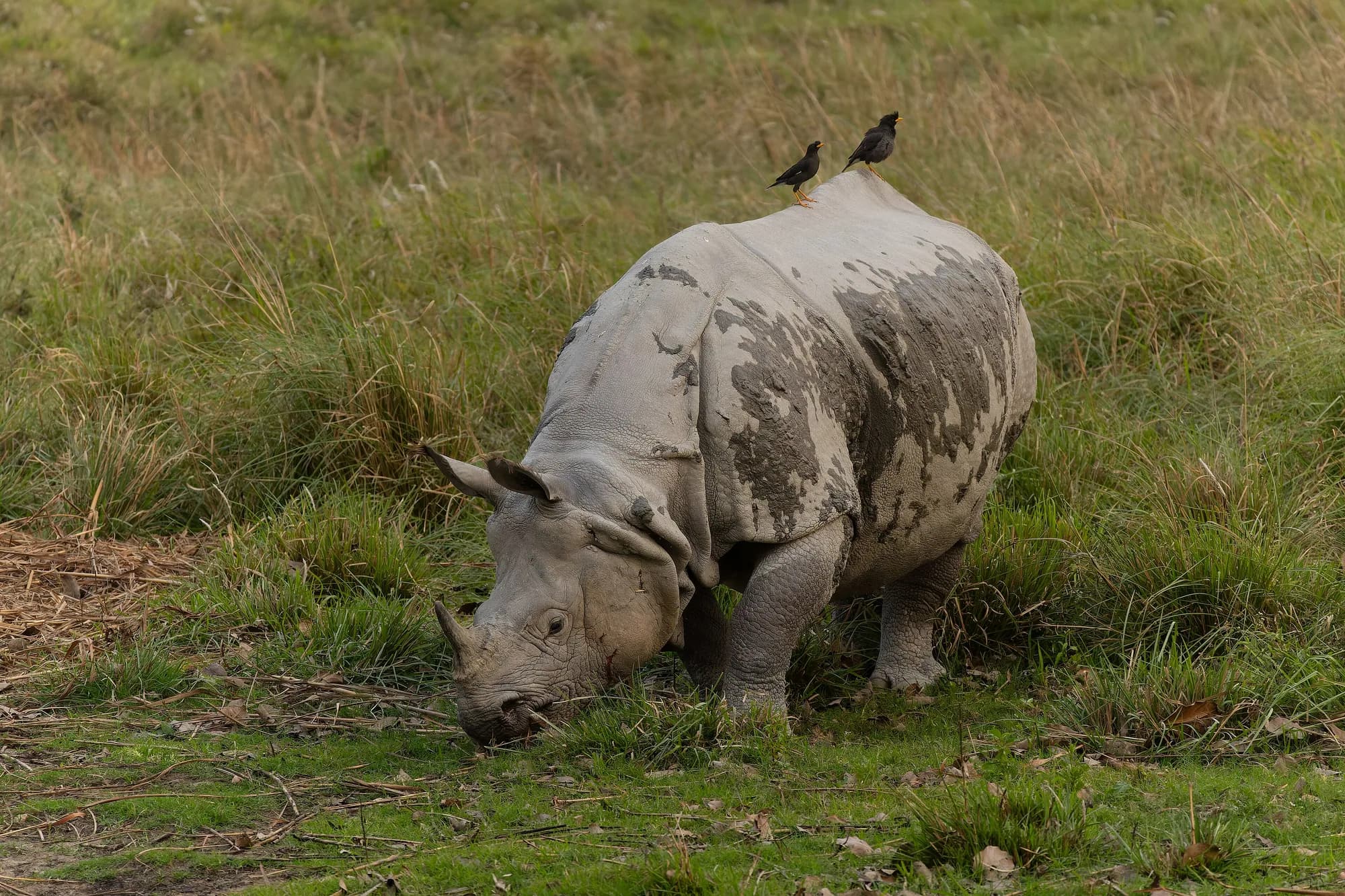
Photographs of One-horned rhino in the wild, in Indian reserves. We publish no captive, baited or digitally composited images, and no photograph whose licence we cannot show.
Why this one is different
Every other animal on this site is a probability. This one is close to an appointment. Kaziranga's grassland is open, the animals are enormous, and they graze in the middle of the day — which makes it the single best first wildlife trip in India for anyone who would find three blank drives demoralising.
If you want certainty rather than a story about patience, come here first.
How you see them
Jeep safaris across the grassland ranges. Some ranges also offer elephant-back rides, which we do not recommend and do not link to — our position on that is on the responsible safari page rather than buried here.
A jeep and a pair of binoculars are the entire equipment list. The grassland is open enough that nothing else helps.
Status and protection
Status and protection
- IUCN Red List
- Vulnerable
- Population trend
- ↑ Increasing
- Wildlife Protection Act 1972
- Schedule I (post-2022 amendment numbering)
- CITES
- Appendix I
Species-level assessment for Rhinoceros unicornis (e.T19496A18494149; last assessed 6 December 2018, published 2019).
Assessed 2019 · IUCN Red List assessment
What to book to see one
What you would be booking
- How it is seen
- Jeep safari through one of Kaziranga's ranges. Elephant-back rides are offered and we do not recommend them.
- Drives to book
- Three or four across two days, weighted to the mornings. Central range for the classic grassland, Western for the density.
- Zone or shift
- The ranges are genuinely different: Central (Kohora) for grassland and rhino, Western (Bagori) for the highest concentrations, Eastern (Agoratoli) for birds and water.
Kaziranga closes through the monsoon and floods most years — the park usually opens around November and closes in April. This is not a park you can plan around a summer holiday.
Kaziranga — the park in fullOn the same trip you would also get
- Wild water buffalo — the same Kaziranga grassland, and the wider horns
- Greater adjutant — Assam's other giant, on the beels
- Hoolock gibbon — three hours east, and India's only ape
- Great hornbill — in Kaziranga's forest blocks, not the grassland
Questions people ask
How likely am I to see a rhino at Kaziranga?
When is Kaziranga open?
Read next
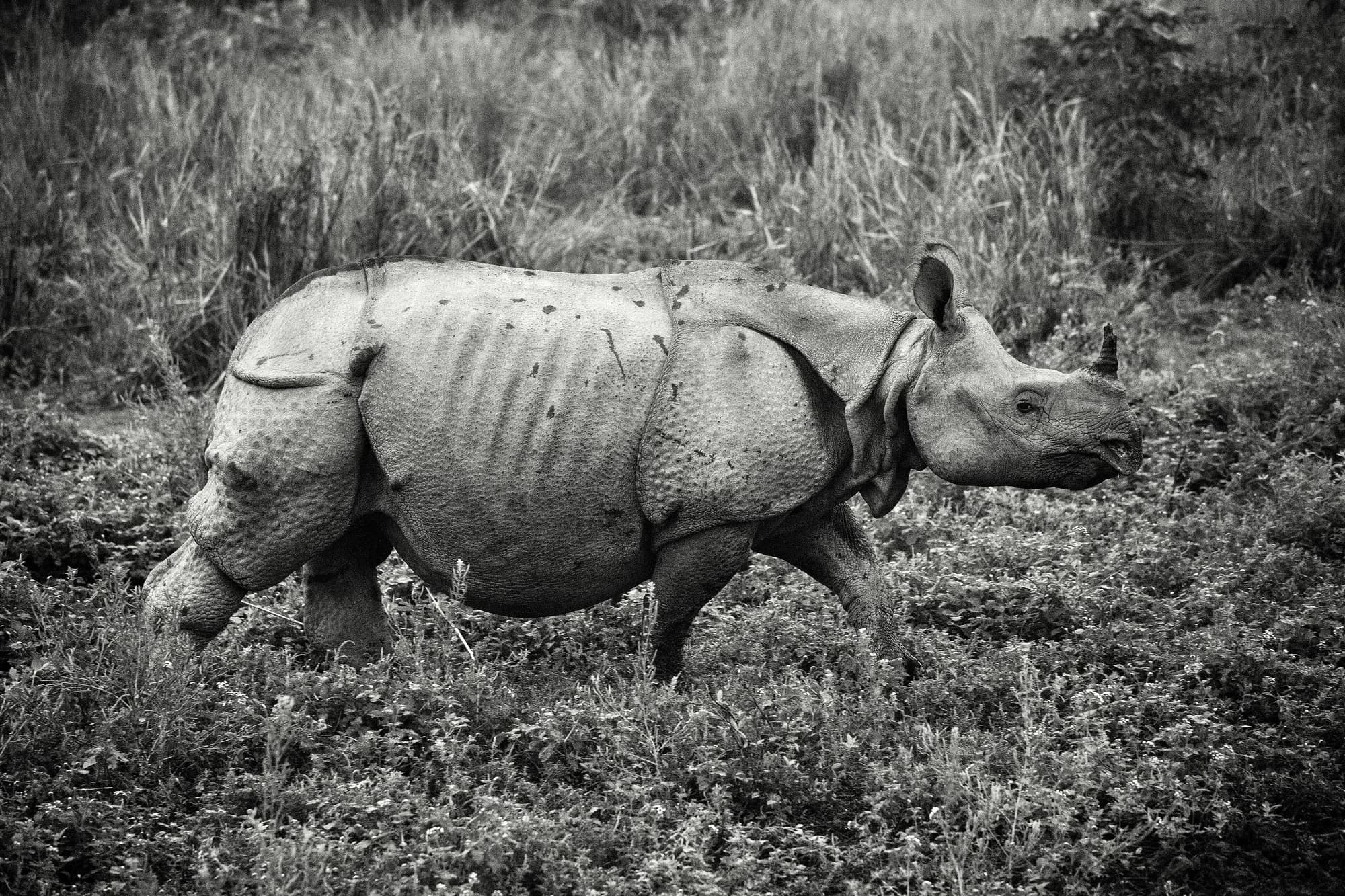
Ranges, permits and stays
Kaziranga
Floodplain grassland, one-horned rhino in daylight, and the one Indian park where the headline animal is close to certain.
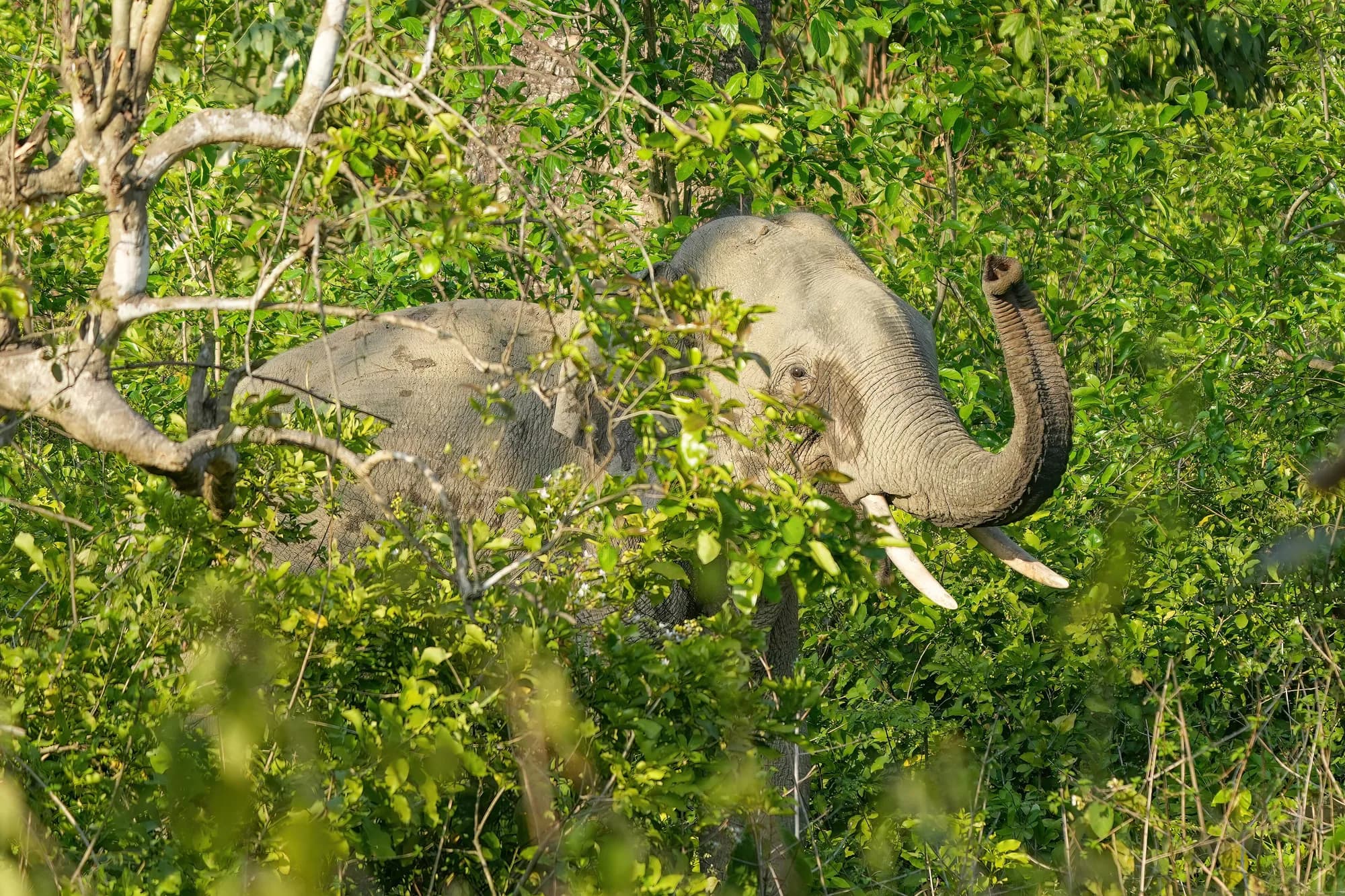
Why we do not link to elephant rides
Responsible safari
Where we stand on vehicle crowding, baiting and playback — and what we will not link to, whoever is paying.