
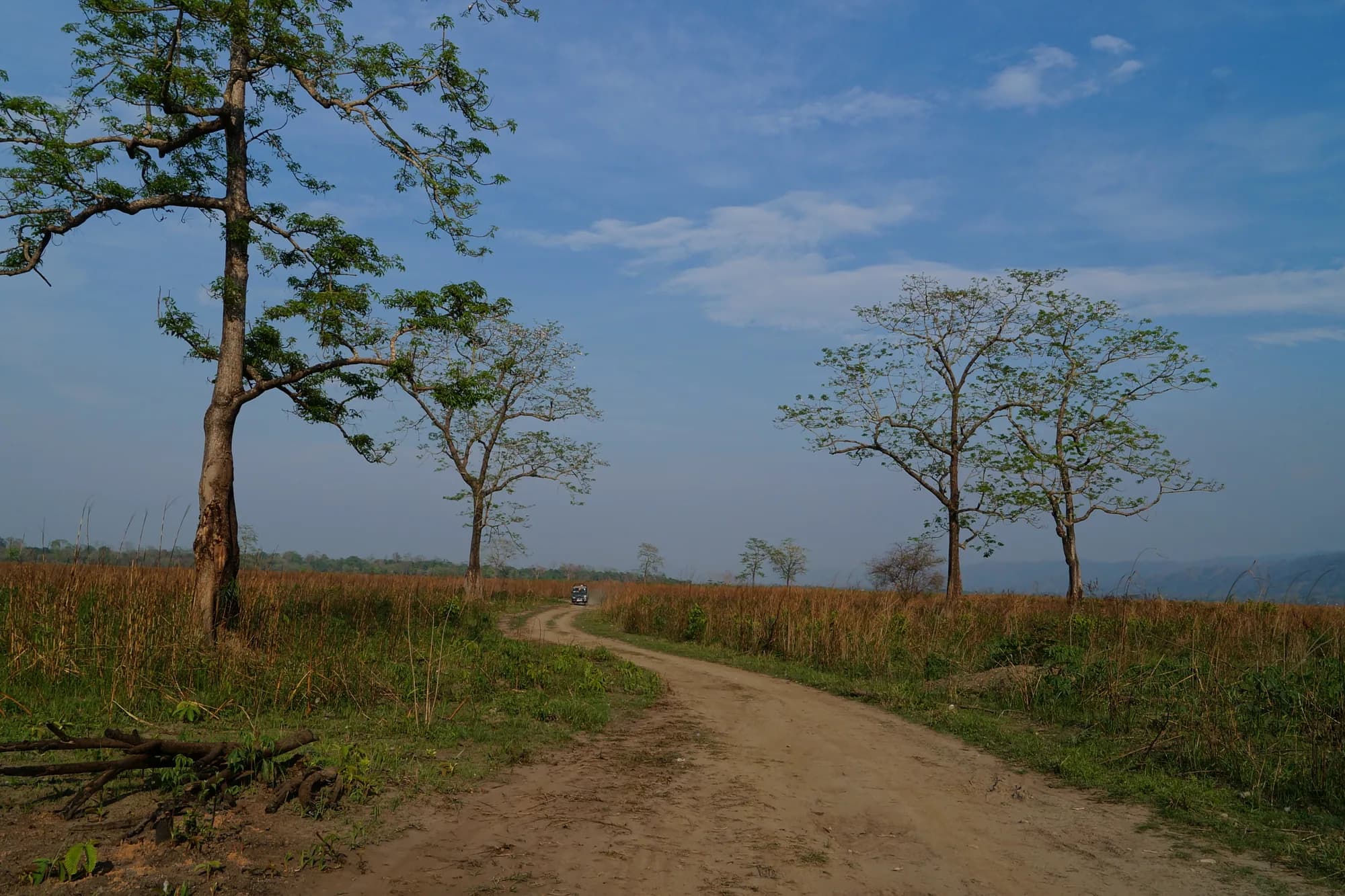
Guide · Start here
Your first safari: what nobody tells you
How a permit actually works, what a shift is, why the vehicle matters more than the lodge, and the four decisions that determine whether you see anything.
Checked 14 Aug 2026
- Shifts a day
- Two
- Drives we would book
- Five or six
- Decides your morning
- The zone
Almost everything written about a first Indian safari is written by someone selling one. This is the version we would give a friend: the mechanics, in order, with the parts that actually decide the outcome marked as such.
Safaris run in shifts, not on demand
- Dawn shift
- Gate opens at first light
- The long middle
- Park closed. Eat, sleep, wait.
- Afternoon shift
- Until the gate closes at dusk
- Dark
- No night drives in Indian core zones
Shifts and gate times move by an hour or so with the season and the park. The shape does not.
You do not turn up and drive in. Indian tiger reserves run two fixed shifts a day — one from around dawn, one in the afternoon until dusk — and a limited number of vehicles are admitted to each. The forest department sets that number, and it is the reason permits sell out rather than simply costing more.
A permit is tied to a specific date, a specific shift and a specific zone. It is not transferable between them. If you book an afternoon permit for one zone and the sightings that week are all happening in another, that is simply the trip you have.
A park is not one place
Every large reserve is divided into zones, each with its own gate, its own vehicle quota and its own resident animals. Zones are not interchangeable and the difference between them is the single most under-explained thing in this entire category. Two people can visit the same park in the same week, one in a zone with a tigress raising cubs and one in a zone without, and come away describing different parks.
Which zone you are in matters more than which park you are in.
Zones are usually split into core and buffer. Core zones carry the reputation and the tighter quotas; buffer zones are cheaper, easier to book, and in some reserves have become genuinely productive. A guide who tells you buffer is a waste of time is often telling you something that was true five years ago.
The vehicle decides your morning
You will spend far more of the trip thinking about the jeep than the room. A safari vehicle carries a driver and a forest-department guide, and the pairing is assigned rather than chosen at most gates. A driver who knows where a particular tigress has been moving, and a guide who can read an alarm call, are worth more than any amount of lodge frontage.
- Shared or private. A shared jeep costs less and fills the remaining seats with strangers. A private one means the vehicle goes where your guide thinks it should, and stops when you ask.
- Seat position. The back row is higher and better for photography; the front is smoother and better if you are prone to travel sickness on forest tracks.
- Canters. Some reserves run large open buses alongside jeeps. They are considerably cheaper and considerably less flexible.
What the odds actually are
- More drivesCheapest line on the quote
Six across three days rather than two. The single biggest change available.
- The right monthFree, if your dates move
March to June concentrates animals at what water is left.
- Choosing the zoneFree, but book early
Different gate, different quota, different resident animals.
- A private vehicleMeaningful
You go where the guide thinks, and stop when you ask.
- An expensive lodgeMost of the budget
Buys comfort. Does not buy sightings.
Ranked on effect, not on price. The two that move the odds most are the two that cost least — and the bottom one is where most budgets go.
No park guarantees a tiger, and any operator implying otherwise is telling you something about themselves rather than about the forest. What varies is how much the odds move with season, zone and the number of drives you book.
The single most effective thing you can do is book more drives. One drive is a lottery ticket. Six drives across three days, in a reserve with a decent density, turns the question from whether you will see one into how well. Current sighting rates by park and zone are not yet verified — we publish these only from forest-department or lodge-logged data, never from anecdote.
The four expensive mistakes
- 01Booking one night. One night is two drives at most, often one. It is the most common way to spend a great deal of money and see a forest.
- 02Choosing the lodge first. The lodge is where you sleep between the parts of the trip that matter. Choose the park and the zone, then find somewhere near that gate.
- 03Travelling in the wrong month. Most central Indian reserves close for the monsoon and the hottest pre-monsoon weeks are, for tigers, the best of the year. Comfort and sightings pull in opposite directions.
- 04Treating the guide as a driver. The guide is the reason you find anything. Ask what the forest is telling them, and the drive becomes a different experience.
Questions people ask
How many days do I need for a first safari?
Do I need a private jeep?
Can I book permits myself?
Is a buffer zone worth booking?
Read next
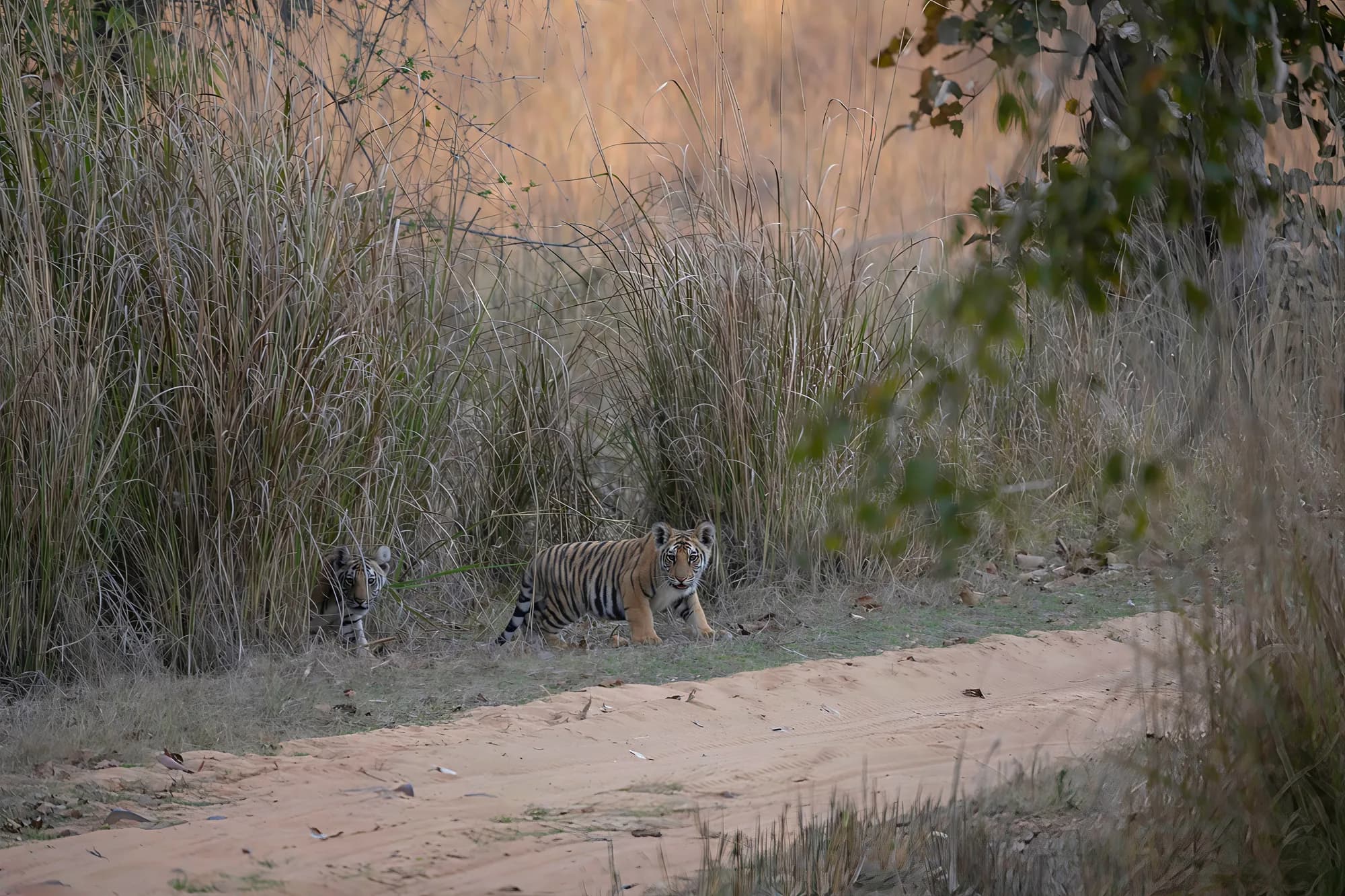
Where the odds actually are
The best tiger reserves, ranked honestly
Sighting odds, permit difficulty and what each reserve costs you in travel days — ranked for a traveller with a week, not a photographer with a month.
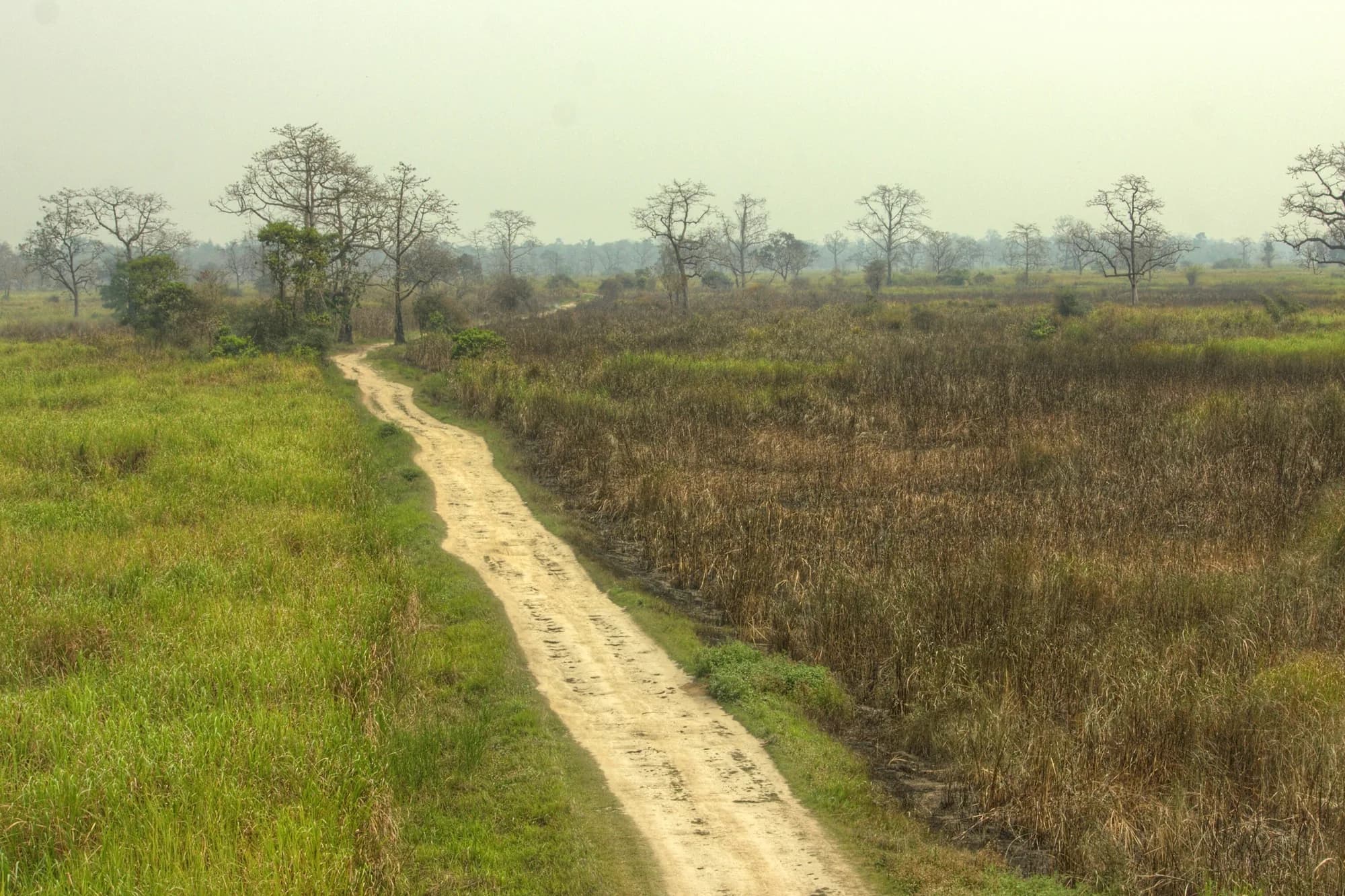
The decision that moves the odds most
When to go, month by month
The single decision that moves the odds most. Heat, crowds, closures and what is actually open, one page per month.
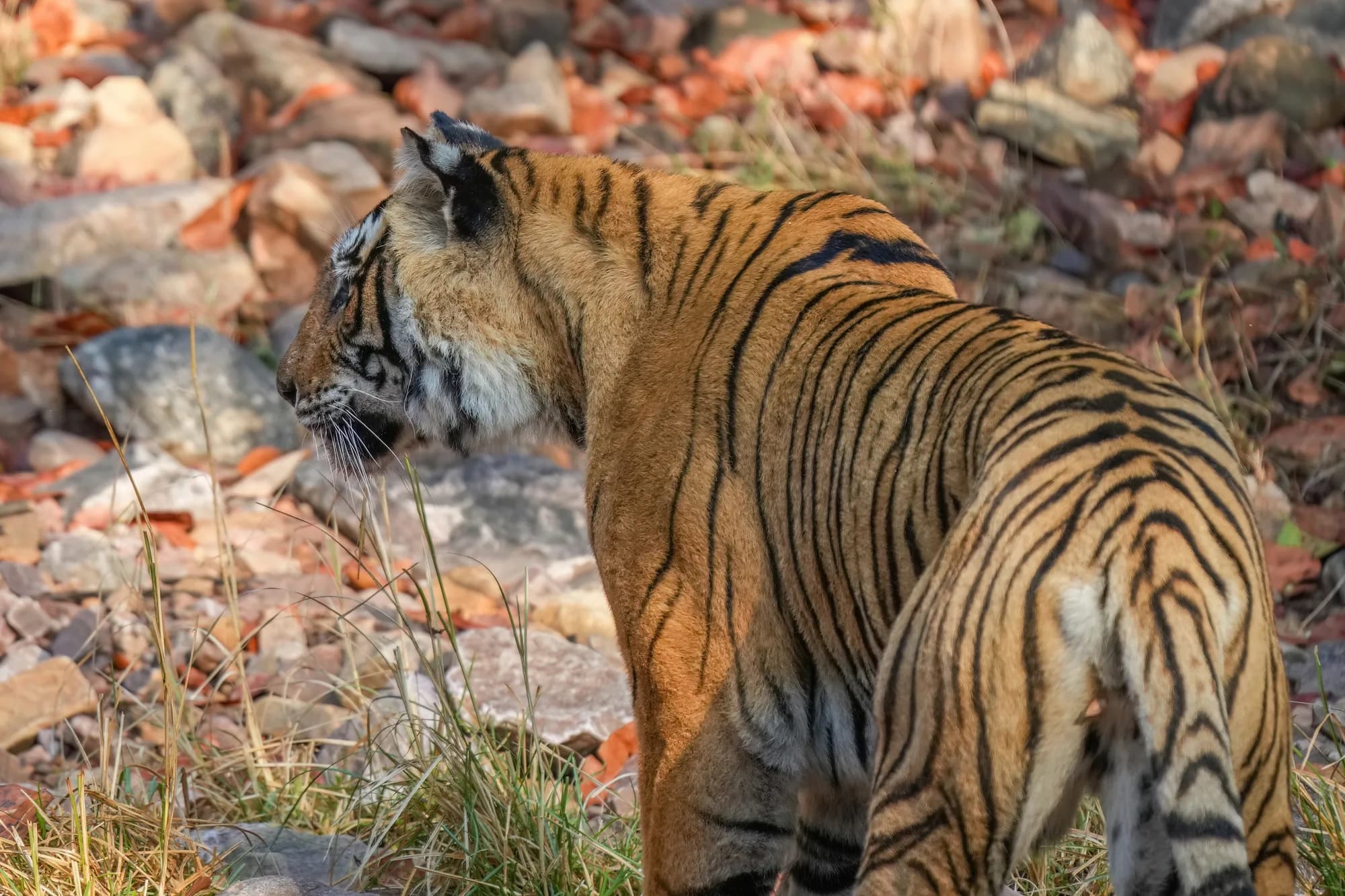
The full number
What a safari actually costs
Permit, vehicle, guide, stay and transfers broken out — and which of the five are fixed by the forest department rather than by whoever quoted you.
Permits, zones, stays
Every park we cover
All 226 are here — where each one is, when to go, and what it is a destination for. 110 go further and carry permits, fees and zones from the forest department, each with the date we read them.