
🇱🇰 Sri Lanka
What to come to Sri Lanka for
12 animals with a page here are a reason to travel to Sri Lanka — 7 mammals and 4 birds among them. Each one says which of the country's 10 national parks give you the odds, which month, and where it is honestly not worth looking.
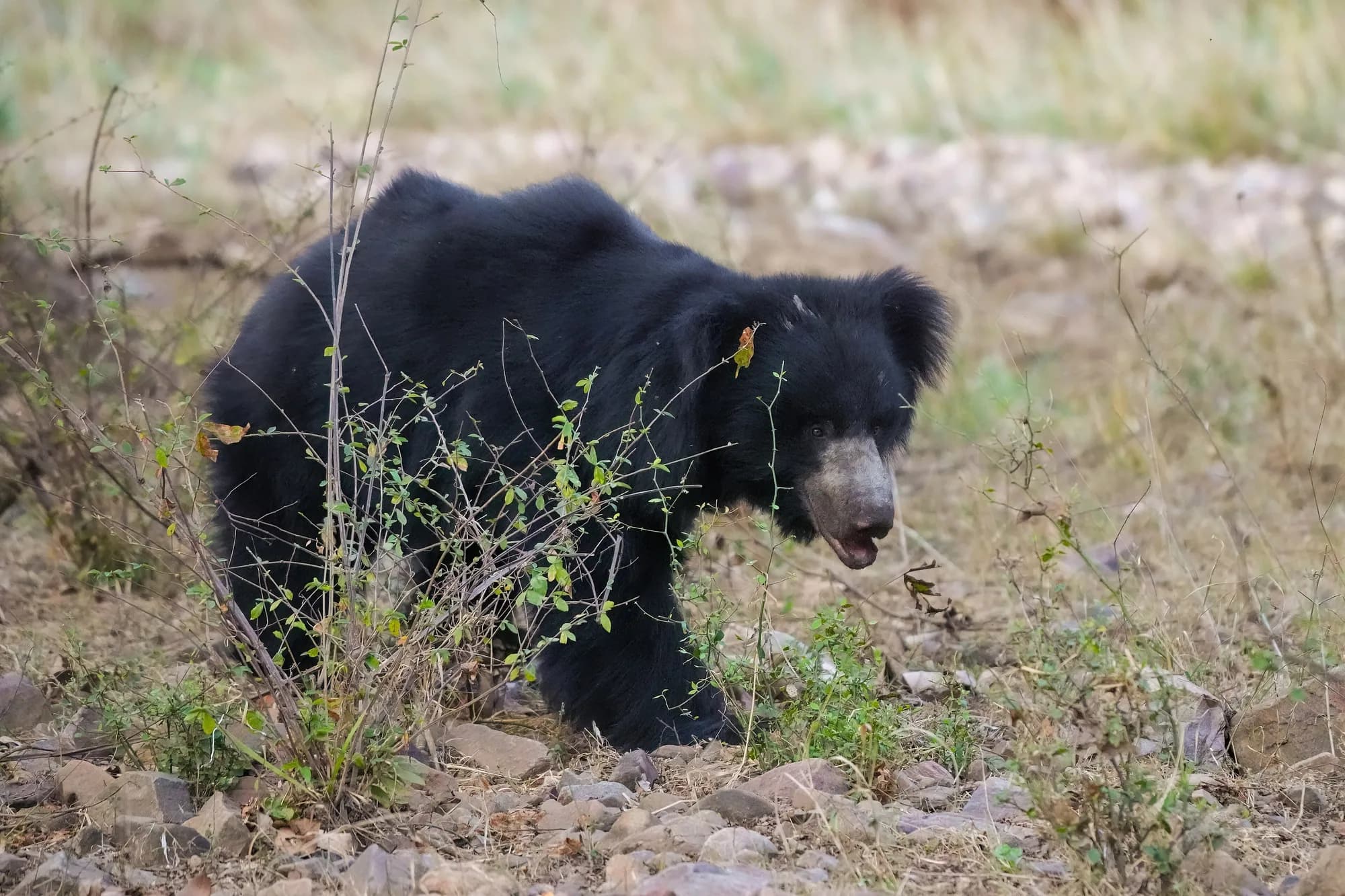 07 · Mammal
Sloth bear
The animal most guides would rather show you than a tiger, and the one most likely to be walked past in the dark. Where the diggings are, and why the odds are better on foot.
Nine reserves, and Satpura above all
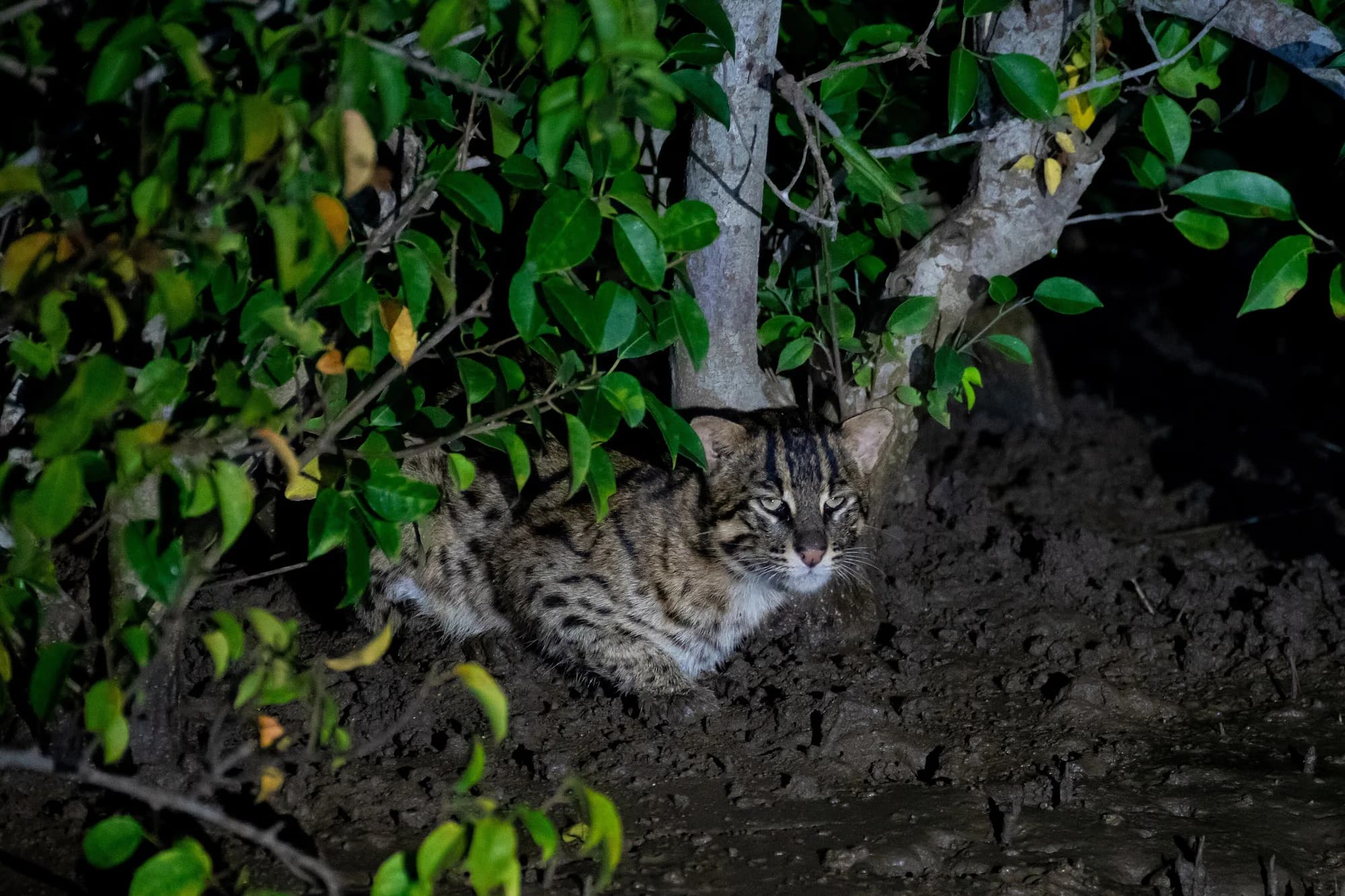 32 · Mammal
Fishing cat
A stocky, short-tailed wetland cat that hunts in the water. It is not a forest animal, which is why safari parks are the wrong place to look and Odisha's marshes are the right one.
Reed bed and mangrove, after dark
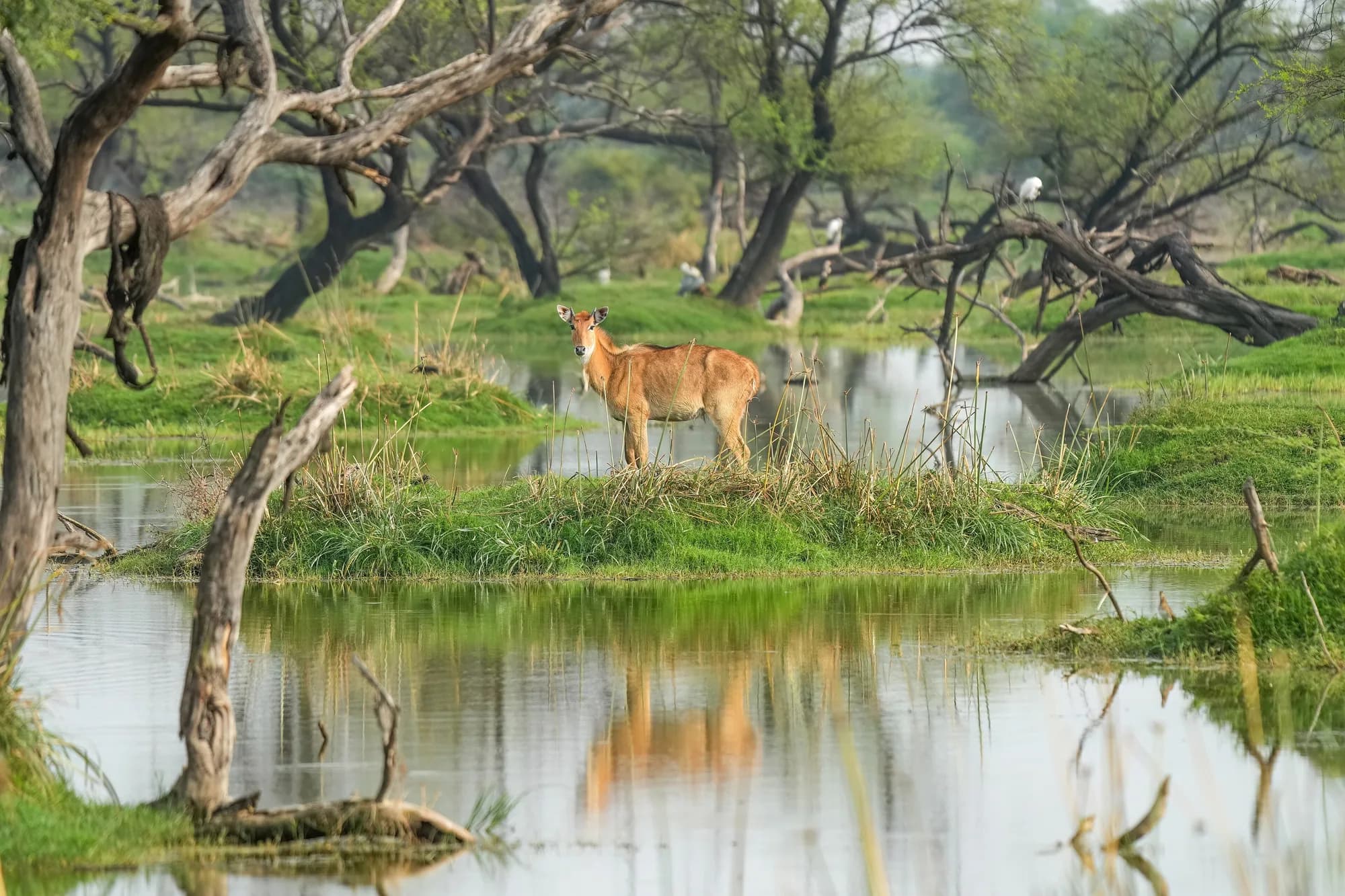 41 · Mammal
Sambar
India's largest deer, and the animal whose alarm call is worth more to you than any pugmark. When a sambar honks, the vehicle should stop.
Every reserve, and the call that matters most
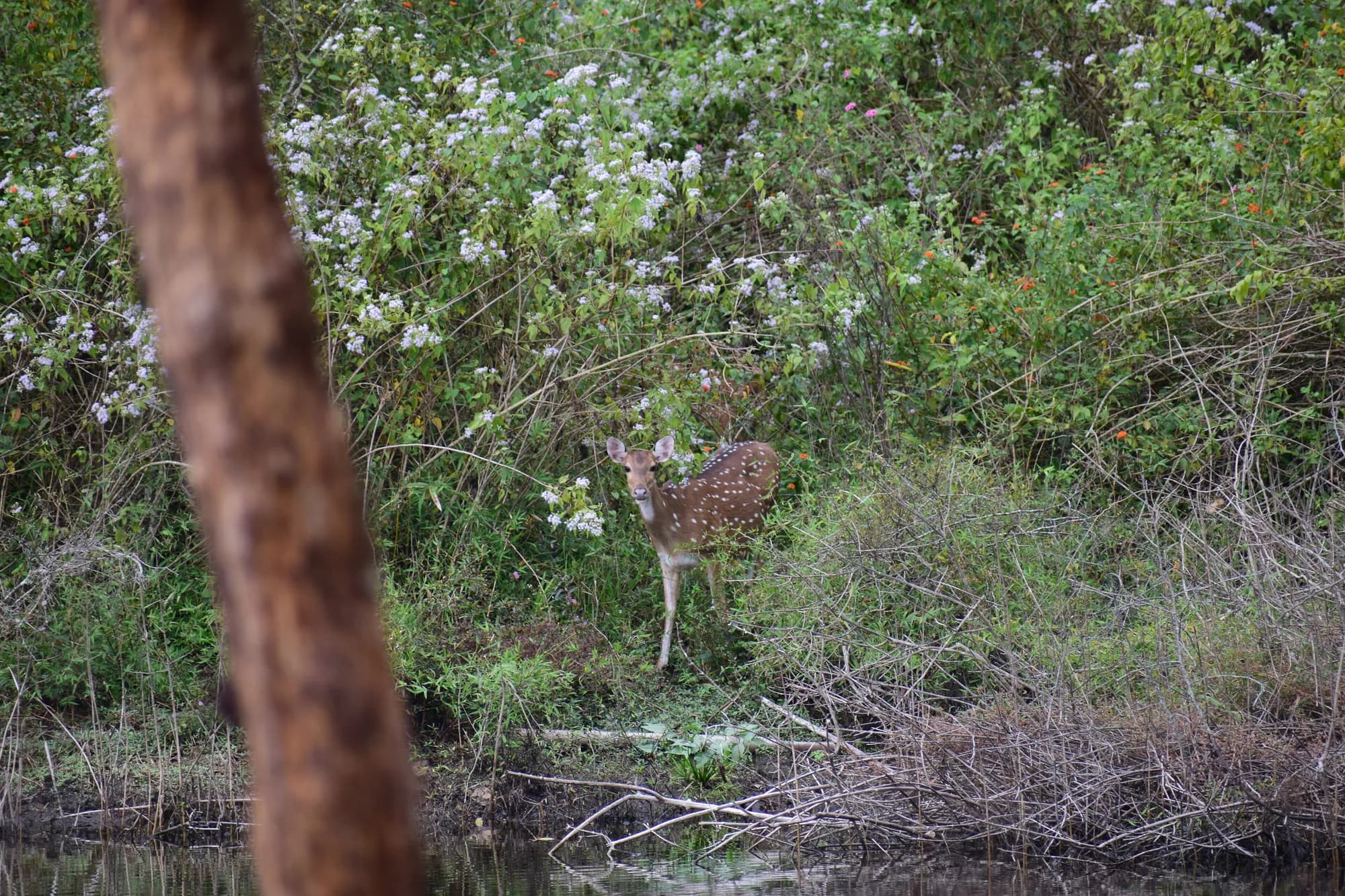 42 · Mammal
Chital
The spotted deer everyone sees within ten minutes and stops noticing by the second drive. Also the most common alarm call in central India, and the main reason tigers eat.
Every reserve, in very large numbers
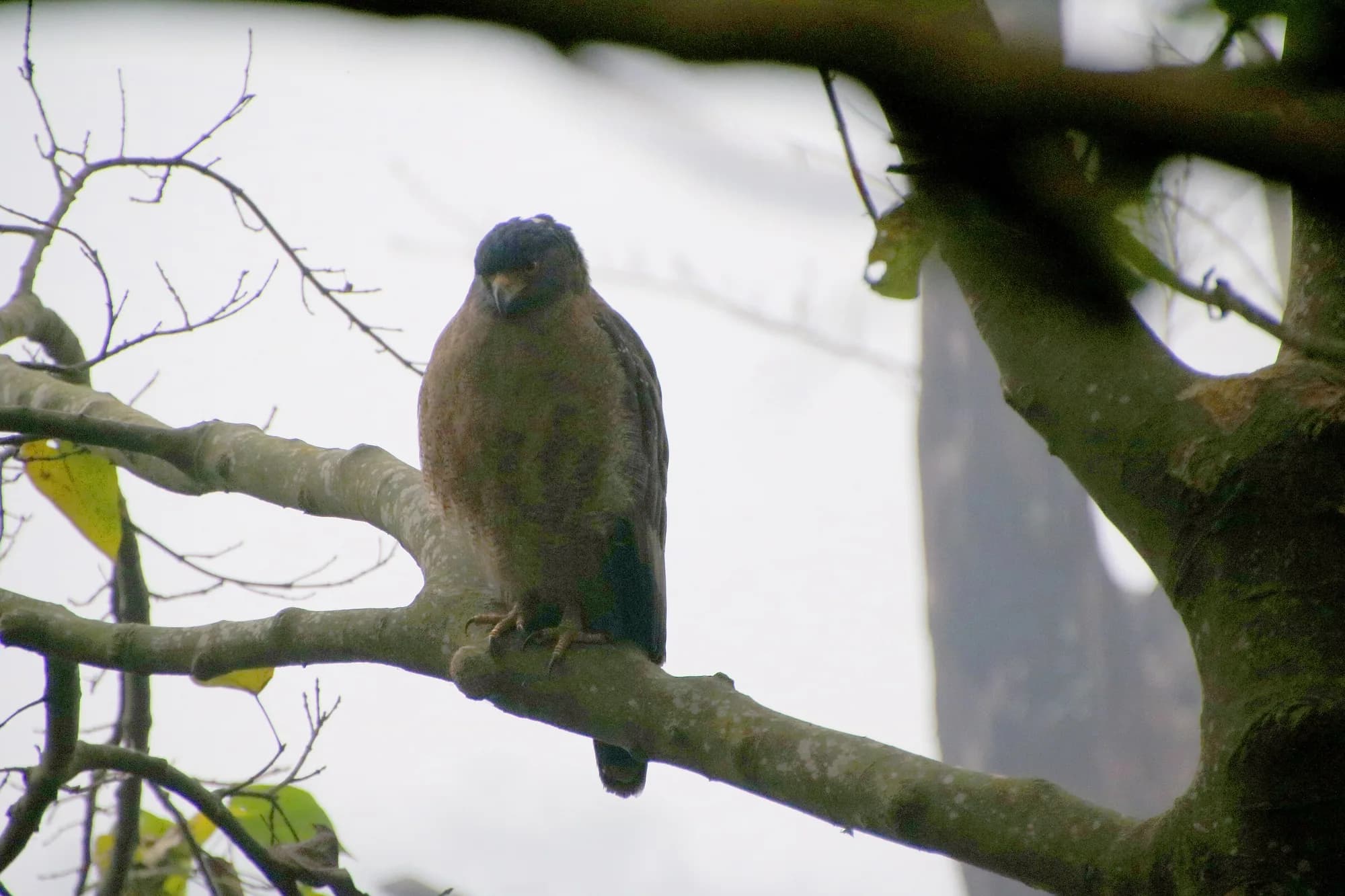 82 · Bird
Crested serpent eagle
The raptor every visitor photographs and nobody can identify. Its whistling call is part of the soundtrack of an Indian forest.
Every reserve, and nobody names it
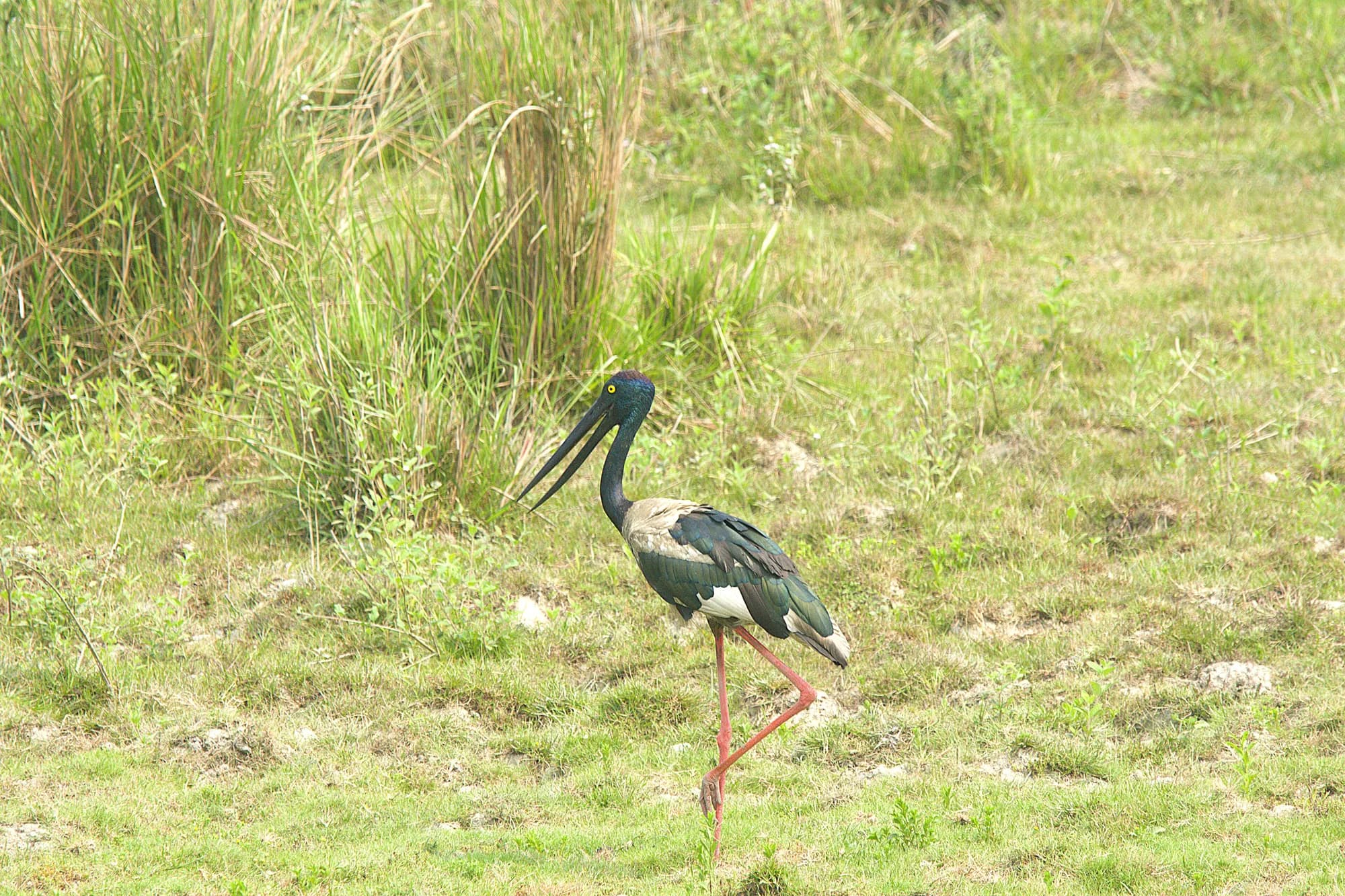 88 · Bird
Black-necked stork
A huge iridescent stork that holds the same wetland territory year after year. If your guide knows where the pair is, you will see them.
One pair, one wetland, for years
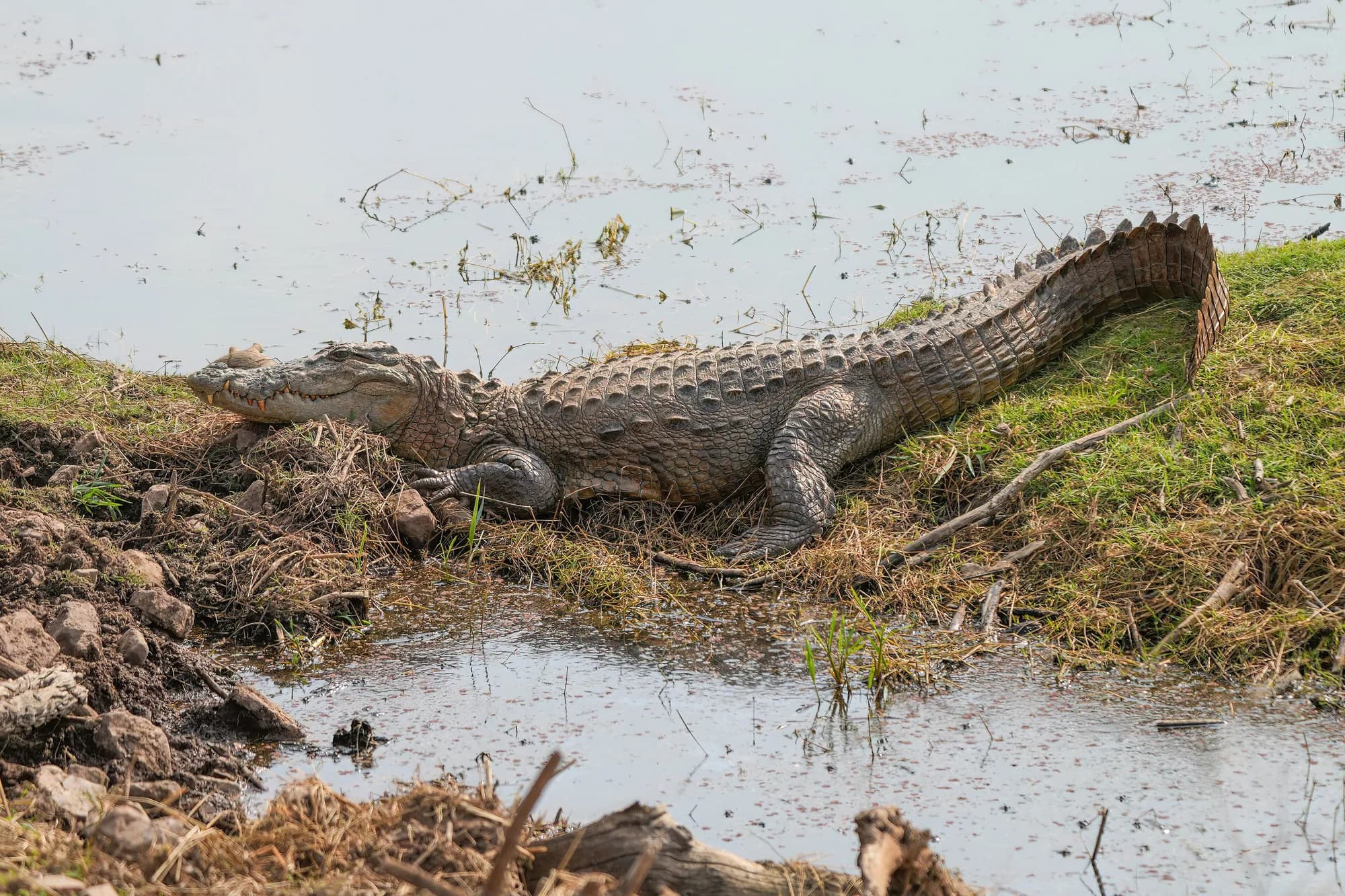 97 · Reptile
Mugger crocodile
The crocodile you will actually see in India — broad-snouted, common, and basking on the bank of every dry-forest lake while everyone photographs the deer behind it.
Every waterhole in the dry reserves
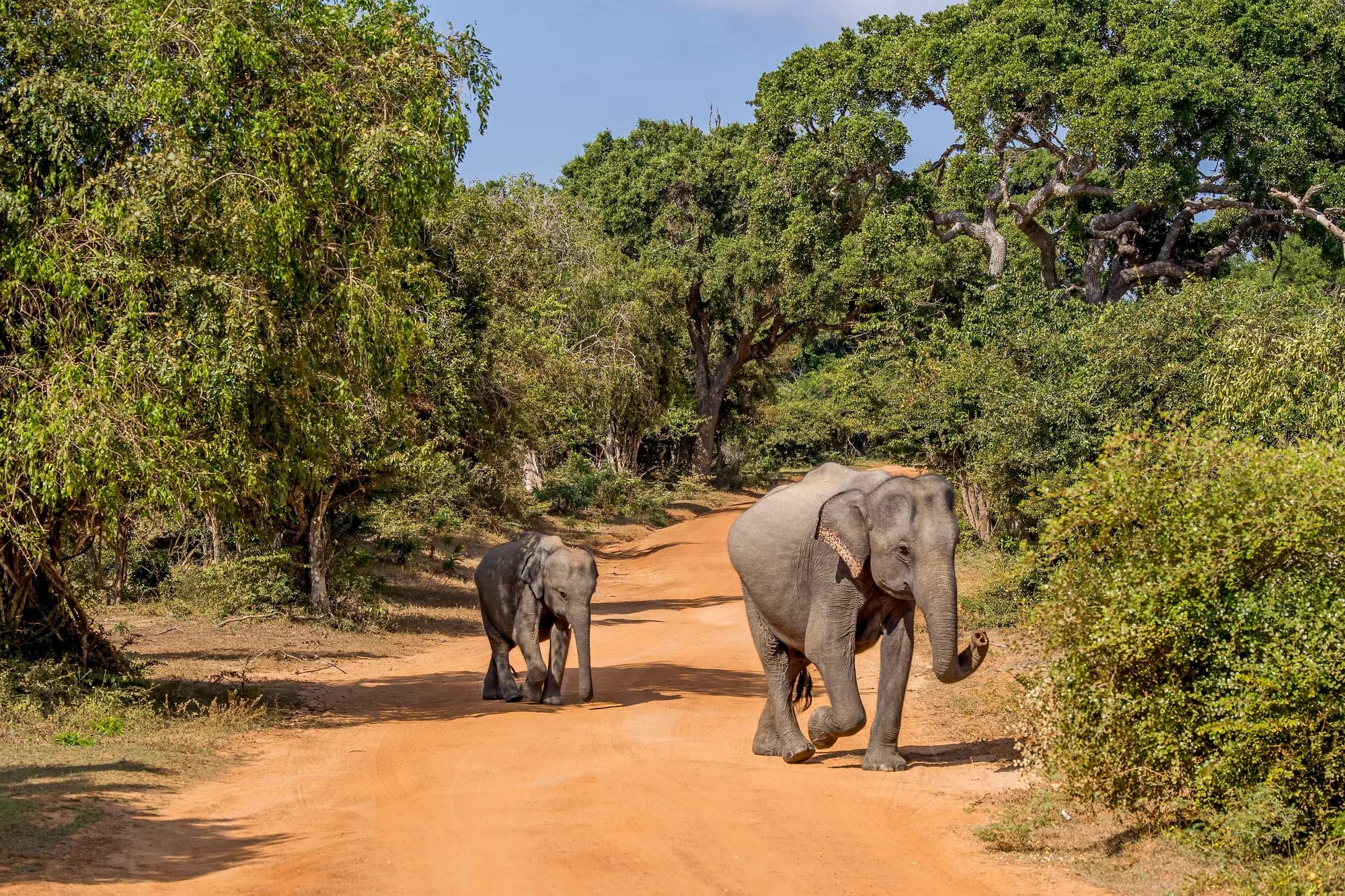 116 · Mammal
Sri Lankan elephant
The largest of the Asian elephant subspecies, on an island small enough that you can see several hundred in one afternoon. The Minneriya and Kaudulla gathering is the largest concentration of wild Asian elephants anywhere, and almost nobody outside Sri Lanka has heard of it.
Eight parks on this site, on one island
- 127 · Bird
Greater flamingo
The taller, paler of Africa's two flamingos, and the one people photograph while telling you about the other. Where the birds number in the hundreds of thousands the birds are lesser flamingos; the greater is the big pale one standing among them.
Soda lakes and coastal pans in four countries here
 150 · Mammal
Purple-faced langur
An Endangered monkey found on one island and nowhere else, in four forms that look different enough to be argued over. The shaggy highland one at Horton Plains — the bear monkey — is what most visitors actually meet, and the lowland form in the wet zone west of Colombo is among the most threatened primates in South Asia.
Sri Lanka only — cloud forest to lowland rainforest
 153 · Mammal
Sri Lankan leopard
The only big cat on the island and the top of the food chain with nothing to argue with — no tiger, no lion, no hyena, no wild dog. That absence is the whole difference between this leopard and the African one: it works the ground rather than the canopy, it moves more freely in daylight, and it does not have to haul a kill into a tree to keep it.
One island, three dry-zone parks, and no competition
 154 · Bird
Painted stork
Least Concern and increasing, which is close to unheard of among large Asian waterbirds. It nests in noisy colonies in trees standing in water, it fishes by touch rather than by sight, and it has quietly done well out of two thousand years of Sri Lankan and Indian irrigation.
Dry-zone tanks, coastal lagoons and village heronries
A species is listed here when one of Sri Lanka’s parks is a documented destination for it — not merely because the animal occurs in the country. Several of these animals are found in a dozen countries, so a page will send you elsewhere if elsewhere is better; that is the point of it. Every species page carries its IUCN category with the year it was assessed.