
🇷🇼 Rwanda
What to come to Rwanda for
13 animals with a page here are a reason to travel to Rwanda — 11 mammals and 2 birds among them. Each one says which of the country's 4 national parks give you the odds, which month, and where it is honestly not worth looking.
 101 · Mammal
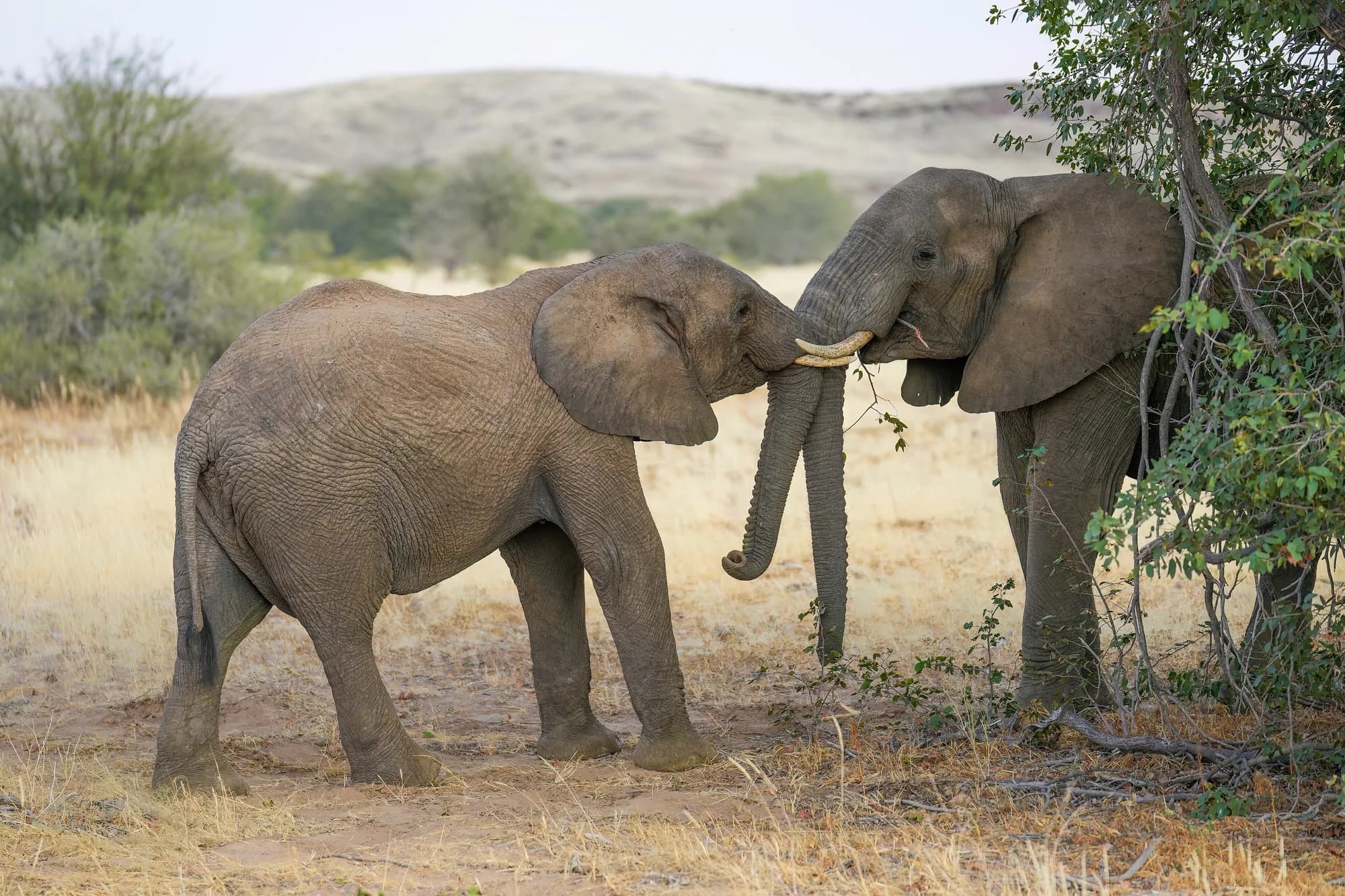
African savanna elephant
The animal most people have already seen by lunchtime on day one, which is exactly why it is worth reading about. The question on an African trip is almost never whether you will see elephants — it is whether you will see the thing that makes a herd worth two hours of your time.
Nine countries on this site, and the easiest of the big animals
 102 · Mammal
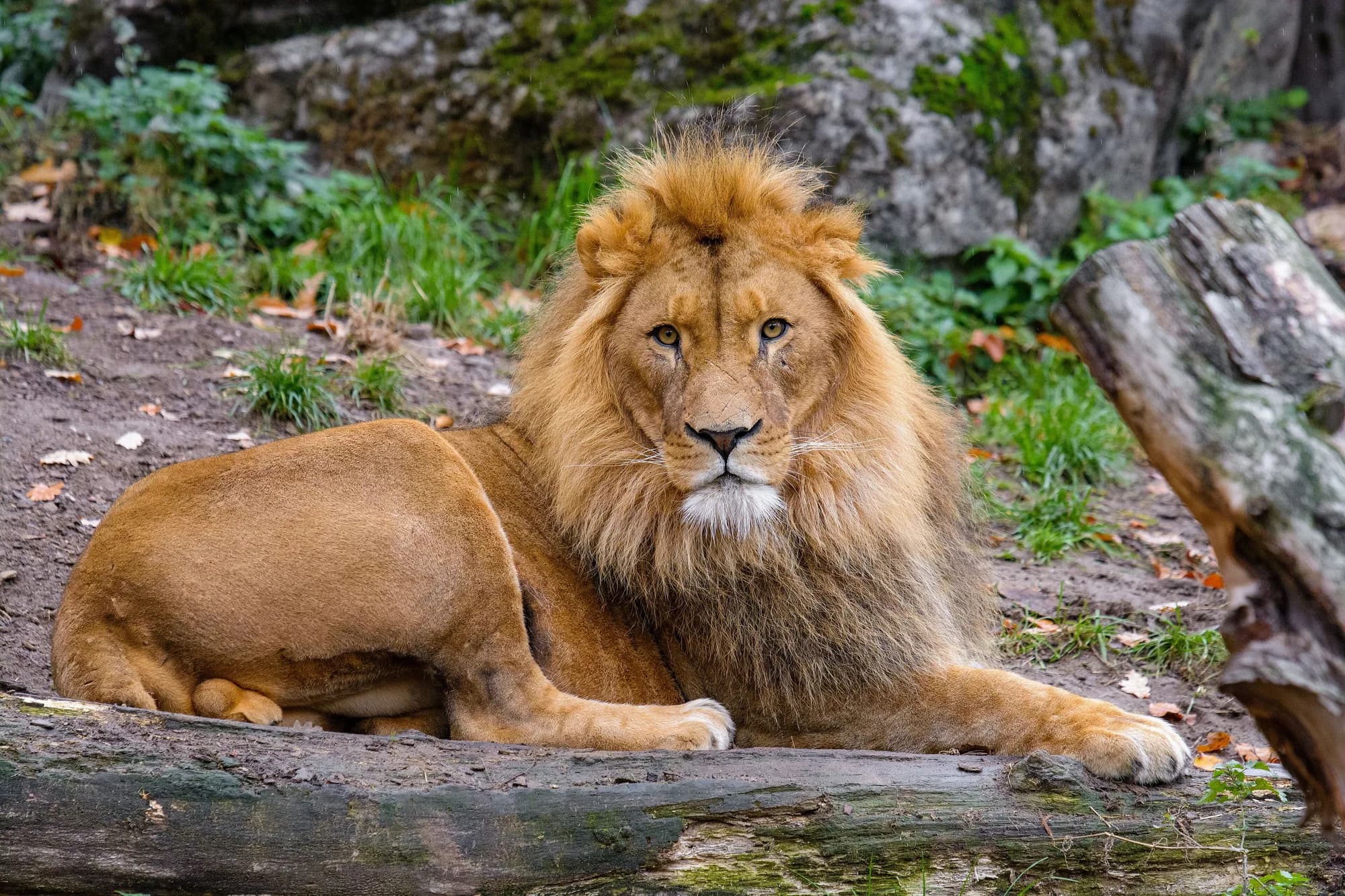
African lion
The animal everyone books the trip for, and the one most often seen asleep. Lions are not hard to find in a good park — they are hard to find doing anything, and the difference between those two sentences is most of what separates a good lion trip from a disappointing one.
Nine countries here, and thinner on the ground than it looks
 104 · Mammal
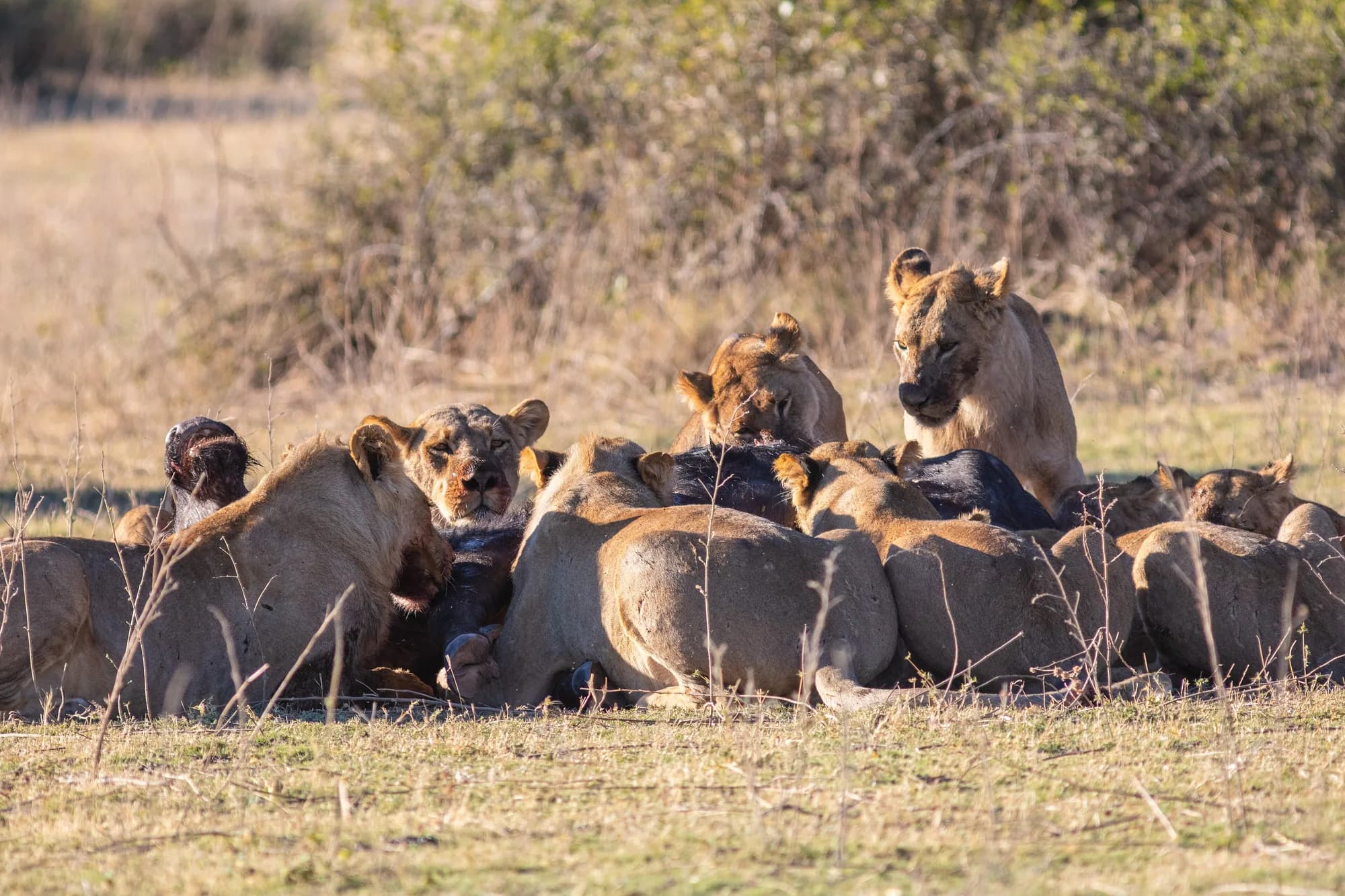
African buffalo
The Big Five animal nobody books for and every guide respects. A herd of a thousand moving to water at dusk is one of the genuine spectacles of a dry-season safari, and a lone old bull in long grass is the reason walking safaris are led by someone armed.
Eight countries here, and the least glamorous of the five
 107 · Mammal
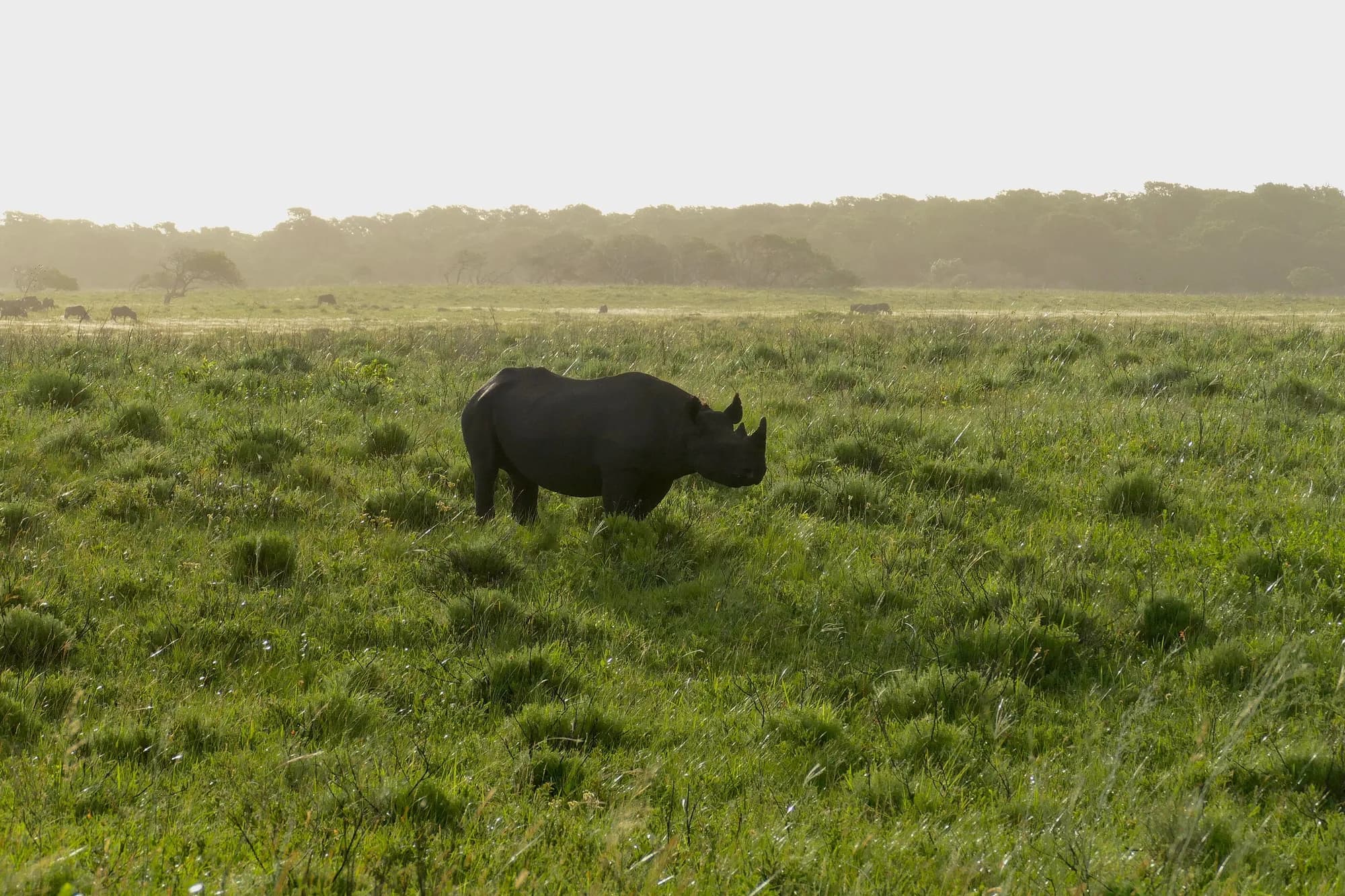
Black rhinoceros
A browser, usually alone, usually in thick bush, and the hardest of the Big Five to see well. Roughly 6,800 remain in the wild — fewer than the white rhino by a factor of two, and the two animals are told apart by the shape of the mouth, not the colour.
Seven countries here, and genuinely rare in all of them
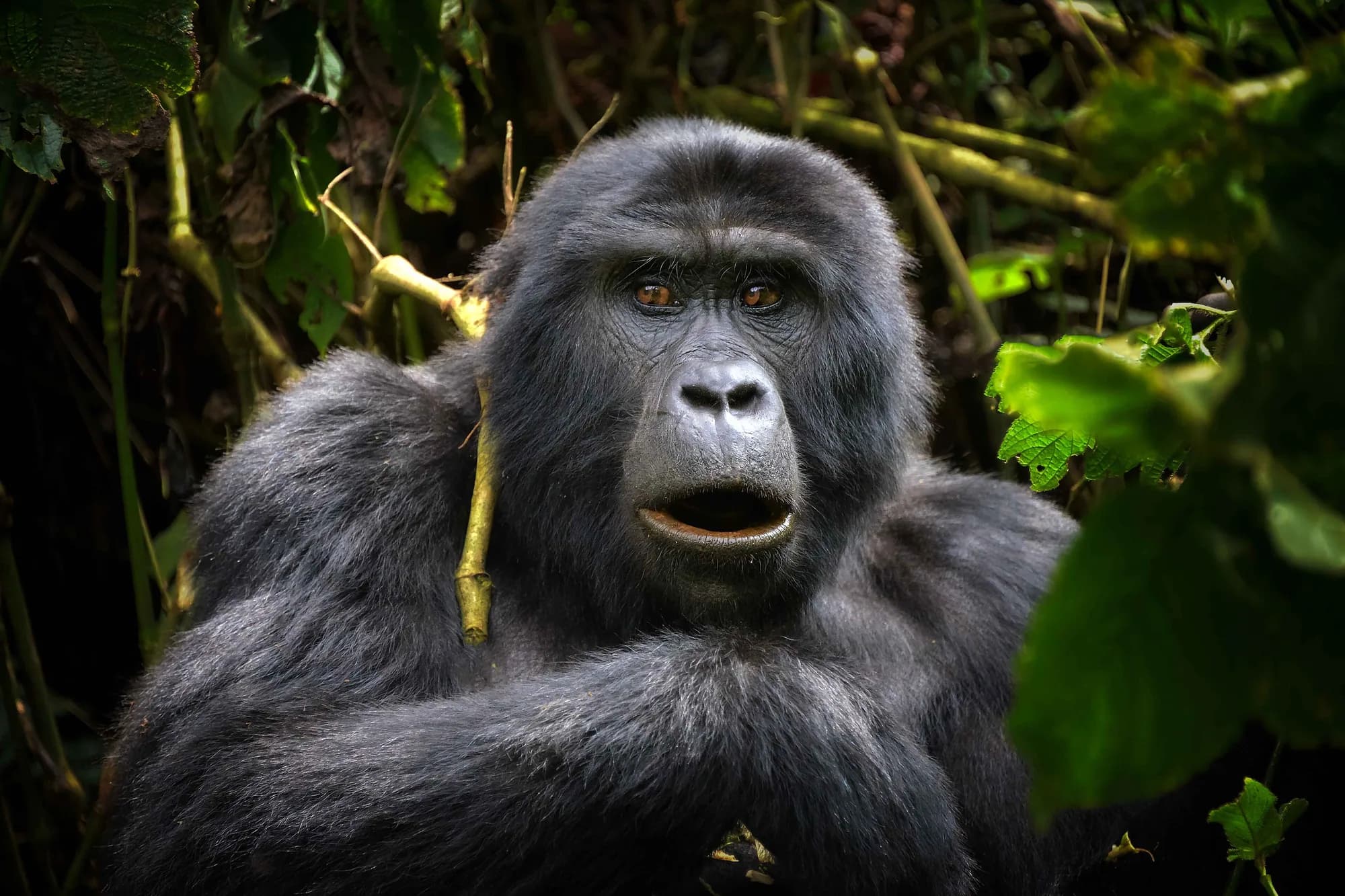 114 · Mammal
Mountain gorilla
Three national parks on this site hold the entire world population, and one hour with a habituated group is the most expensive and most reliably delivered wildlife encounter in Africa. It is also the rare conservation story that has gone the right way.
Bwindi, Mgahinga, Volcanoes — and nowhere else on earth
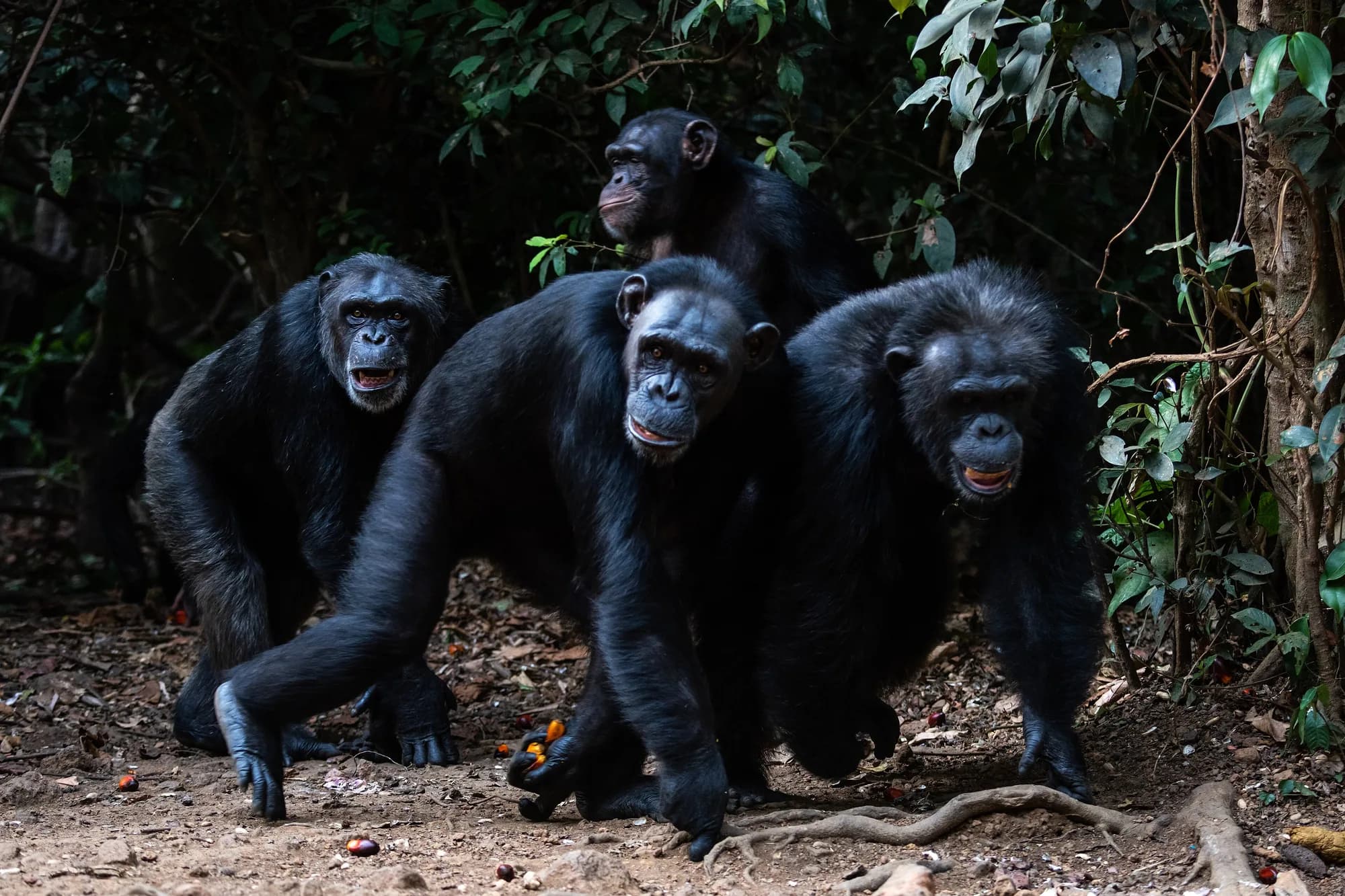 115 · Mammal
Chimpanzee
Louder, faster and far harder to keep up with than a gorilla, and the trek is nothing like the same experience. Kibale is the reliable one; Mahale, on the shore of Lake Tanganyika, is the one people remember.
Uganda, Rwanda and western Tanzania
- 126 · Mammal
Black-and-white colobus
The monkey with no thumbs and a white cape, and the one people photograph most on a forest trek without ever learning its name. A troop leaping between crowns with the mantle streaming is the best thing that happens on a gorilla trek that is not the gorillas.
Forest canopy in four countries here
- 135 · Mammal
Golden monkey
An orange-gold monkey confined to the bamboo of the Virunga volcanoes, and the best-value permit in the region. It costs a fraction of a gorilla trek, takes half a morning, and most people who go for the gorillas never hear of it.
Virunga bamboo — two parks here, and nowhere else
- 138 · Mammal
Masai giraffe
The giraffe almost everyone photographs on a first safari, with ragged vine-leaf blotches instead of clean lines. It is also the most numerous giraffe and the one that has lost the most animals — roughly half the population in three decades.
Kenya and Tanzania — the giraffe of the northern circuit
 139 · Bird
Shoebill
The bird more people fly to Africa for than any other, and one of the few that will still be exactly where you left it an hour later. A shoebill hunts by standing still, sometimes for a very long time, and the whole experience of seeing one is a boat, a wall of papyrus and a great deal of not moving.
Papyrus swamp, from the Sudd to Bangweulu
 142 · Bird
Rwenzori turaco
An Albertine Rift endemic that lives in exactly the forest people already travel to for gorillas, which makes it one of the easiest great birds in Africa to add to a trip you are taking anyway. Most visitors hear it long before they see it, and a good many never connect the barking in the canopy with the crimson flash that goes across the trail.
Albertine Rift montane forest, above about 2,000 m
 147 · Mammal
Blue monkey
It is not blue, it is not one animal, and the samango a guide pointed out to you in South Africa is the same species under a different name. This is the commonest forest monkey in East Africa and the one most people photograph without ever learning what they photographed.
Forest canopy, from Kakamega to Kasanka
 148 · Mammal
L'Hoest's monkey
A dark monkey with a white bib and a chestnut saddle that spends much of its day walking on the forest floor, which no other monkey in these forests does. Almost nobody books a trip for it and almost everybody who treks for gorillas or chimpanzees walks past one.
Albertine Rift forest — Nyungwe, Bwindi, Kibale
A species is listed here when one of Rwanda’s parks is a documented destination for it — not merely because the animal occurs in the country. Several of these animals are found in a dozen countries, so a page will send you elsewhere if elsewhere is better; that is the point of it. Every species page carries its IUCN category with the year it was assessed.