Guide · The difference that decides a trip
Core zone or buffer zone
Buffer is sold as the consolation prize and is often the only thing available. It is also uncapped, open when the core is shut, and more than half of some reserves.
Checked 1 Sept 2026
- Core, Bandhavgarh
- 111 vehicles a day
- Buffer, Bandhavgarh
- No cap
- Core closed
- 1 Jul – 30 Sep
Every Indian tiger reserve is legally two things: an inviolate core, and a buffer around it where people live and work. Tourism happens in both. What almost no operator explains is that the buffer is not a lesser version of the core — it runs under a different set of rules, and in three specific ways those rules favour the visitor.
What the two words actually mean
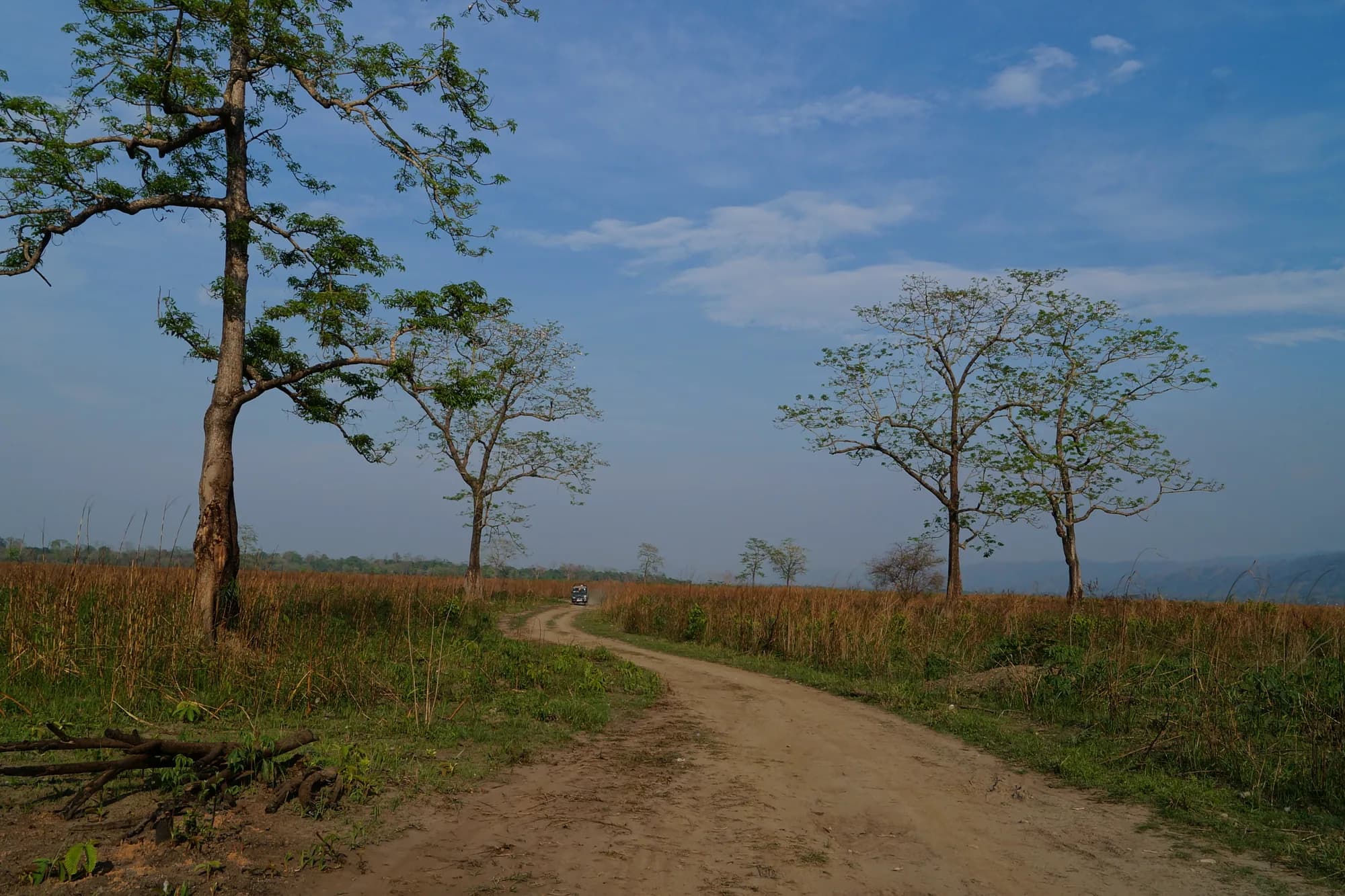
The core is the critical tiger habitat, kept free of human settlement. The buffer is the multiple-use area around it — forest, revenue land and villages — managed to keep the core connected to the wider landscape. Both are the reserve; only one is the postcard.
The sizes surprise people. Bandhavgarh is 1,536.93 sq km, of which 716.90 is core and 820.03 is buffer. The buffer is the larger half. It is not an overflow car park attached to the real park; it is most of the reserve.
Four differences that matter when you book
- The core is capped. The buffer usually is not. Bandhavgarh permits 111 vehicles a day across its three core zones and both shifts. For its three buffer zones the reserve states plainly that there is no capping on safari vehicles. A core zone can sell out; a buffer structurally cannot.
- The core closes. The buffer does not. In Madhya Pradesh the closure is statutory — Rule 12(2) makes 1 July to 30 September a prohibited period inside national parks and sanctuaries — and it applies to the core. Buffer zones stay open all year.
- The core has stricter rules. At Bandhavgarh, walking or getting out of the vehicle in the core is prohibited outright, with three named snack points as the only exception. Satpura permits trekking on prescribed routes at Pachmarhi and Madhai.
- Private vehicles are sometimes allowed in the buffer. Satpura permits private vehicles into the Churna zone, which is unusual and would be unthinkable in a core zone.
One permit buys one zone, in either half
This is the rule that shapes every itinerary and the one most often discovered at the gate. A permit names a zone, and every other zone is — in Bandhavgarh's own wording — out of bounds for that visitor. There is no upgrade at the gate, no crossing over when a sighting is called on the radio, and no refund for choosing wrong.
The practical consequence is arithmetic. Bandhavgarh has three core zones, so covering them all twice takes six permits, which takes three nights. Two nights buys four rounds and realistically two zones. The reserve's zoning, not anyone's marketing, is why three nights is the length usually recommended.
Which to book
- 01Booking early, travelling in season? Core. You have the choice, and the core is what the reserve's reputation is built on.
- 02Booking late, or travelling July to September? Buffer. It is uncapped and open, and the decision makes itself.
- 03Want to be out of the vehicle? Buffer, and specifically a reserve that permits it — Satpura's Pachmarhi and Madhai rather than any Bandhavgarh zone.
- 04Three nights or more? Do both. Six rounds covers three core zones twice, or two core zones and a buffer that most visitors never see.
One thing that does not differ: the permit fee. Bandhavgarh publishes one fee structure, and a buffer permit is not a cheaper product. What you save by going late is availability, not money.