
India / Vedanthangal / Vedanthangal Bird Sanctuary zones & safari routes
Vedanthangal Bird Sanctuary zones & safari routes
Vedanthangal Bird Sanctuary is organized into distinct safari zones across core forest and surrounding buffer boundaries. Each zone has dedicated entry gates, jeep quotas, and species habitat features.
Safari zones at a glance
| Zone / Range | Type | Entry Point | Best For | Open Months |
|---|---|---|---|---|
| Lake Bund Walking Trail Sector | Freshwater Lake & Barringtonia Canopy | Vedanthangal Main Gate | Paved bund walkway with 3 elevated watchtowers overlooking Barringtonia acutangula nesting trees | 06:00 – 18:00 |
| Karikili Bird Sanctuary Sector | Twin Lake Waterbird Foraging Zone | Karikili Gate (9 km away) | Twin shallow rainfed tanks supporting northern shovelers, garganeys and pintails | 06:00 – 18:00 |
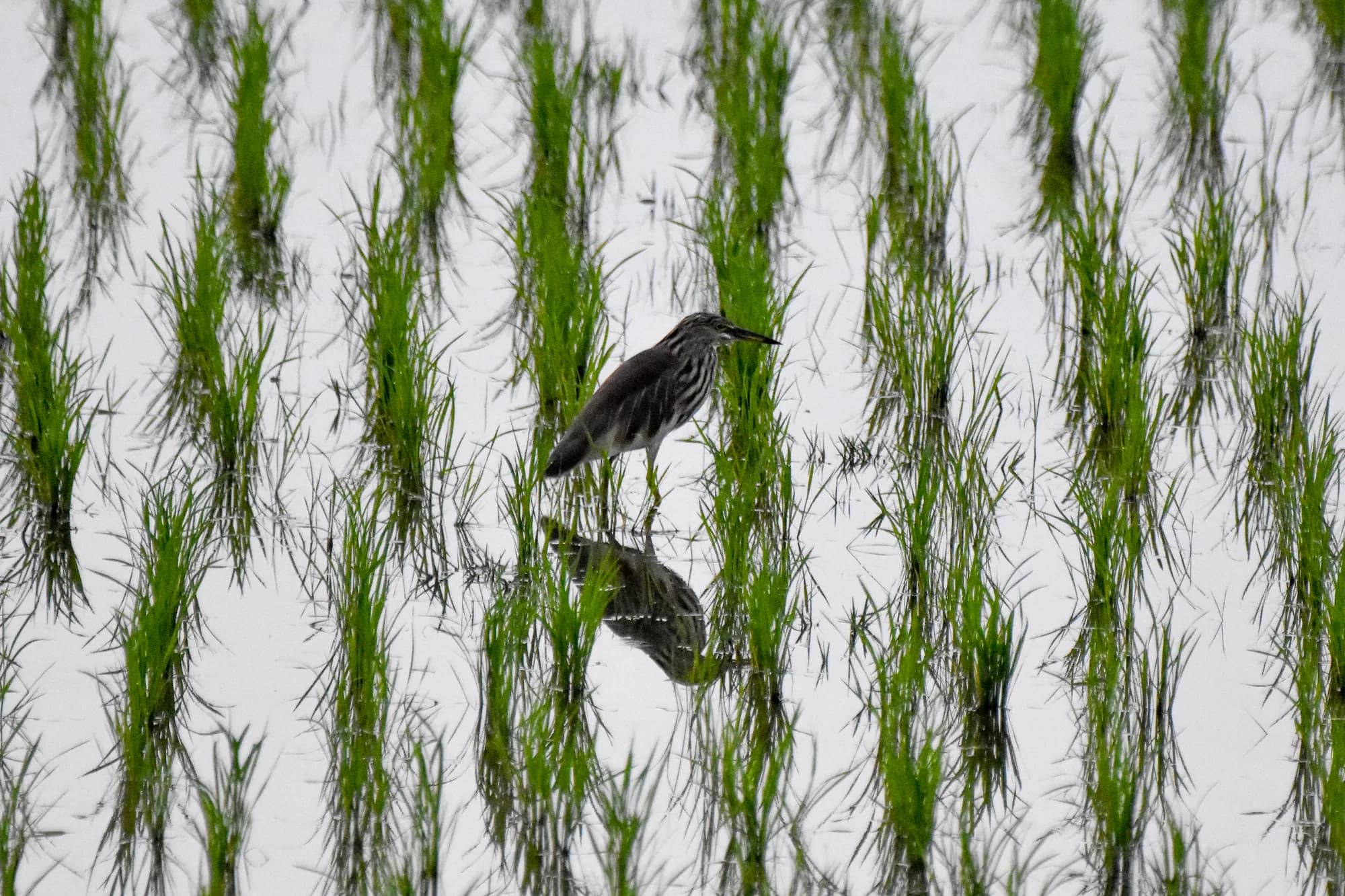
Safari vehicle on track in Vedanthangal Bird Sanctuary core zone
Ratio 16:9 · Zone landscape view
Lake Bund Walking Trail Sector profile
Lake Bund Walking Trail Sector is the primary core safari sector of Vedanthangal Bird Sanctuary, featuring key stream crossings, dense sal canopy, and high wildlife activity.
Karikili Bird Sanctuary Sector profile
Karikili Bird Sanctuary Sector offers scenic forest tracks, excellent birdwatching, and lower vehicle congestion.
Secondary core & buffer ranges
Buffer and secondary ranges provide critical wildlife corridor connectivity and eco-tourism safari options.
Gate access & entry point mapping
Each entry gate connects to specific safari tracks. Visitors must report to their assigned gate counter 30 minutes before shift departure.
Safari routes & terrain breakdown
The reserve terrain consists of unpaved forest tracks, riverbed causeways, open grassland glades, and hilly ridges.
Zone allotment & quota rules
Daily vehicle quotas are strictly regulated by the forest department to minimize environmental disturbance.
Which zone to choose based on target species
For predator tracking, choose primary core zones like Lake Bund Walking Trail Sector. For general mammal watching and birding, secondary zones offer excellent quiet drives.
Inter-zone transit & distance details
Inter-zone distances range between 15 to 45 km. Plan accommodation near your reserved gate to minimize early morning road transfers.