
India / Dampa / Wildlife of Dampa — gibbons, clouded leopards and hill primates
Wildlife of Dampa — gibbons, clouded leopards and hill primates
Dampa's dense evergreen forest holds one of Mizoram's only hoolock gibbon populations, a confirmed clouded leopard presence, and four primate species. It is one of India's most under-visited and biologically rich reserves.
Key species — what makes Dampa special
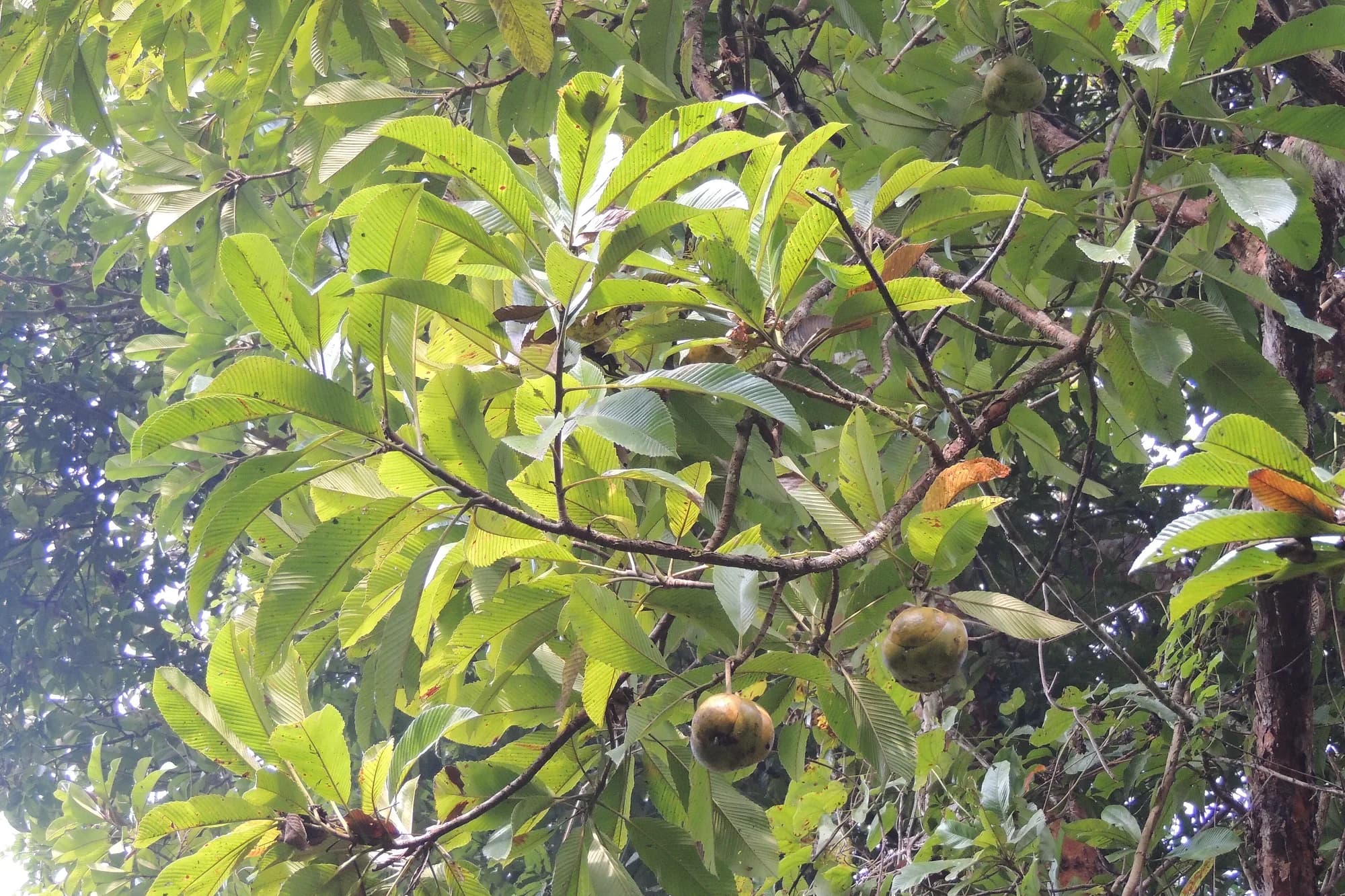
Capped langur in the hill forest canopy at Dampa Tiger Reserve
Ratio 16:9 · Alt: Capped langur sitting in the canopy of dense tropical forest at Dampa Tiger Reserve, Mizoram · Why: The capped langur is one of the four primate species that make Dampa a primate-watching destination.
| Species | IUCN Status | Habitat | Probability |
|---|---|---|---|
| Western Hoolock Gibbon | Endangered | Lowland evergreen | Very high (heard); moderate (seen) |
| Capped Langur | Vulnerable | Canopy, all zones | High |
| Clouded Leopard | Vulnerable | Dense forest, all altitudes | Very low (tracks: moderate) |
| Indian Elephant | Endangered | Buffer and forest edge | Moderate (herd movement) |
Hoolock gibbon
Dampa holds one of Mizoram's most important hoolock gibbon populations. Their loud whooping calls — primarily at dawn and at the end of the morning — carry 1–2 km and are a reliable indicator of presence. Direct sightings require patience: the best strategy is to locate a calling individual at dawn and watch the canopy. The lowland evergreen zone near Tlangnuam is the best area.
Clouded leopard
Clouded leopard (Neofelis nebulosa) is documented by camera trap data throughout the reserve. It is present at all altitude zones. Claw marks on large trees and fresh pugmarks on muddy trails are the most common signs. Direct sighting probability is very low — the species is strictly nocturnal and extremely cryptic. Camera trap images from the 2020–22 survey confirm a healthy population.
Capped langur and other primates
Capped langur (Trachypithecus pileatus) troops are common in the hill forest. Pigtailed macaque and stump-tailed macaque round out the primate list. Slow loris (Nycticebus bengalensis) is documented but strictly nocturnal. Four primate species total — Dampa is an excellent destination for primate-focused naturalists.
Elephant — the forest herd
Elephant herds of 20–40 individuals move through the northern buffer zone, occasionally crossing into the forest interior. Elephant presence is seasonal — herds are more likely to be encountered October–January when they move into the buffer for foraging. Fresh dung and broken vegetation are reliable indicators on the approach to Tlangnuam.
Other carnivores
Tiger numbers at Dampa are estimated at 3–5 individuals by recent camera surveys — barely viable. Leopard is more numerous and occasionally seen near the forest edge at dawn. Asiatic wild dog (dhole) has been recorded but no established packs are confirmed. Binturong (bearcat) is documented — nocturnal and rarely seen. Yellow-throated marten is occasionally sighted on daytime treks.
Ungulates
Gaur (bison) is documented but not reliably sighted — the forest density makes open sightings rare. Sambar and barking deer are present throughout. Hog deer occurs in the buffer grassland edges. Serow (Capricornis sumatraensis) is confirmed in the upper hill zone.
Birds
Dampa's ~240 bird species include Great Hornbill, Oriental Pied Hornbill, Blue-naped pitta, and a suite of Mizoram specialities including the Streaked wren-babbler and Streak-throated barwing. The forest is among the last Mizoram habitats for Grey-bellied tesia. Birding is best November–February when the forest is drier and visibility improves.
Reptiles and herpetofauna
King cobra has been documented. Burmese python is recorded. The Dampa area has poorly surveyed herpetofauna — several frog species are likely undescribed. Reticulated python has been photographed in the buffer zone. Forest lizards including the flying lizard genus (Draco) are visible during daytime treks on sunny days.
What to realistically expect
Certain: Hoolock gibbon calls; Capped langur; Pigtailed macaque. Probable: Gibbon visual sighting; barking deer; bird list of 30–50 species per day. Possible: Clouded leopard tracks; elephant herd at forest edge; serow (hill zone). Unlikely: Tiger, leopard visual sighting. Dampa is primarily a primate and birding destination — mammal sightings beyond primates are unpredictable.