
India / Dampa / Zones of Dampa Tiger Reserve — hill forest and trek routes
Zones of Dampa Tiger Reserve — hill forest and trek routes
Dampa has no vehicle safari circuit. Entry is by foot from Tlangnuam Forest Camp, with a compulsory forest guard. The reserve is divided by altitude into lowland evergreen and upper hill zones.
The zones — no conventional safari circuit
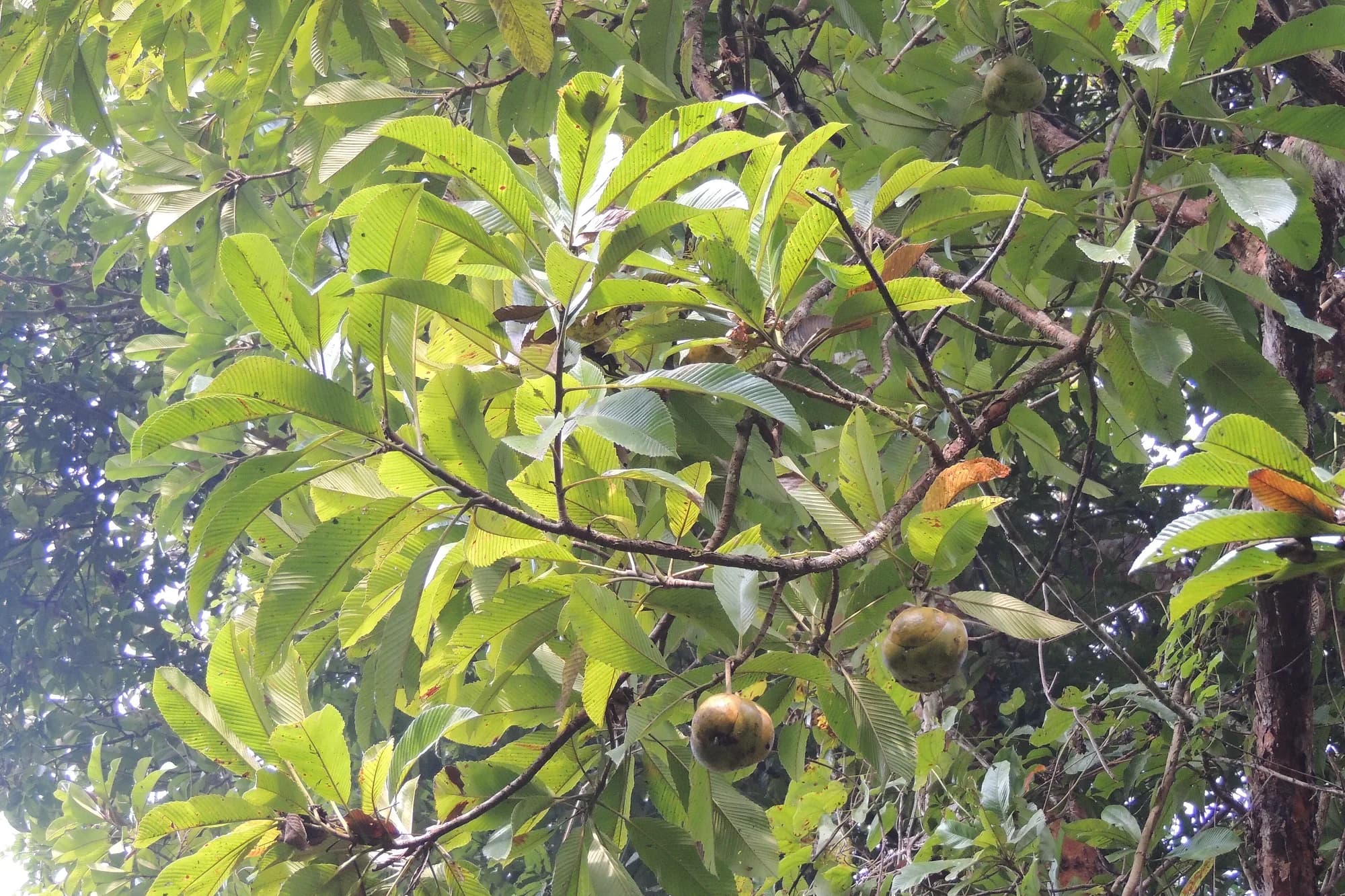
Lushai hill forest on the Bangladesh border — Dampa Tiger Reserve interior
Ratio 16:9 · Alt: Dense evergreen hill forest inside Dampa Tiger Reserve on the Mizoram-Bangladesh border · Why: The forest density explains both the clouded leopard density and the rarity of sightings.
| Area / Route | Type | Altitude | Access | Open |
|---|---|---|---|---|
| Tlangnuam Forest Camp Zone | Main entry / lowland forest | 400–700 m | Trek from camp | Nov – Apr |
| Upper Hill Zone | Tropical hill forest | 700–1,000 m | Full-day trek with guard | Nov – Mar |
| Bangladesh border fringe | Buffer / restricted | 200–400 m | Special permit required | Restricted |
Tlangnuam — the main access zone
Tlangnuam Forest Camp, reachable from Aizawl via NH306, is the only official entry point. All trekking routes originate here. The lowland forest around the camp is the primary zone for primate observation — hoolock gibbons call at dawn from the forest edge.
The upper hill zone
A full-day trek from Tlangnuam reaches the upper hill zone (700–1,000 m) where the forest transitions to tropical moist deciduous. Capped langurs are common at this elevation; clouded leopard sign (tracks and scratch marks) is regularly found. Overnight camping requires advance DFO permission.
Buffer and community forest edges
The northern buffer zone borders several Mizo villages. This edge is used by elephants and primates for foraging. Visitor access to the buffer is not officially restricted but the terrain is difficult and a guide is essential. The Bangladesh border fringe requires a special security permit and is effectively off-limits to casual visitors.
Primate zones — where gibbons call
Hoolock gibbons are concentrated in the lowland forest near Tlangnuam and along waterways. Their calls carry 1–2 km and are heard at dawn and occasionally at dusk. Capped langurs prefer the hill zone canopy. Rhesus macaques are common in forest edge areas near the camp.
Access rules and restrictions
ILP (Mizoram) required for all non-Mizo visitors. Forest entry permit from DFO Saiha. A forest guard is compulsory for all treks inside the reserve. No vehicle safari is available. Overnight camping requires advance written permission from the DFO.
What to realistically expect
Hoolock gibbons: very reliable at dawn in the lowland zone. Capped langurs: good probability in the hill zone. Clouded leopard: present but almost never seen — tracks are the usual evidence. Elephant: herd movement around the buffer, occasionally crossing the Tlangnuam area at night.
Photography conditions
The lowland forest is extremely dense. Light inside the forest requires ISOs of 3,200 or higher until mid-morning. The camp clearing and the forest edge road give the best bird photography. Primate photography is typically of fast-moving canopy subjects — a 500mm with fast AF is needed.
Guide and DFO requirements
Contact the DFO Saiha office at least 3–4 weeks before travel. A forest guard is assigned from the camp. Hiring a Mizo naturalist guide separately (in addition to the guard) is strongly recommended — very few guards have species identification knowledge. The Aizawl Forest Department office can provide contact details for local naturalists.
Planning your visit by zone
Plan for at least 3 nights at Tlangnuam camp. Day 1: acclimatise and do the forest edge in the morning. Days 2–3: full-day treks into the lower and upper forest. Add a fourth day if you want to attempt the hill zone overnight. Contact the DFO before finalising any itinerary — access conditions change each season.