
India / Jawai / Tracking zones of Jawai
Tracking zones of Jawai
Guide to Jawai's granite hillock tracking sectors, from Bera cave clusters to the Jawai Dam wetland margins.
All tracking zones, at a glance
Jawai's leopard territory spans approximately 100 square kilometers of wilderness split across several distinct granite monolith clusters: Bera Hills, Sena Hillock, Perwa Ridge, and the Jawai Dam wetland shorelines.
Perwa and Bera hillock safari track network
Ratio 4:3 · Alt: Private 4x4 Gypsy trail winding through Rabari village hills in Jawai
| Zone / Range | Type | Morning | Evening | Rest point | Open |
|---|---|---|---|---|---|
| Bera Granite Hillock Trail | Conservation Reserve | 20 Gypsies | 20 Gypsies | Bera Leopard Camp | Year Round |
| Perwa Dam & Backwaters | Waterway Buffer | 15 Gypsies | 15 Gypsies | Perwa Check-post | Year Round |
Private track network vs forest reserve boundaries
Unlike traditional tiger reserves divided into fenced core and buffer blocks, Jawai is a community conservation area where granite hillocks owned by local villagers interlock with revenue scrubland. Safaris use dirt tracks navigating between village pastures and hill footings.
Bera Hills & Central Granite Cluster
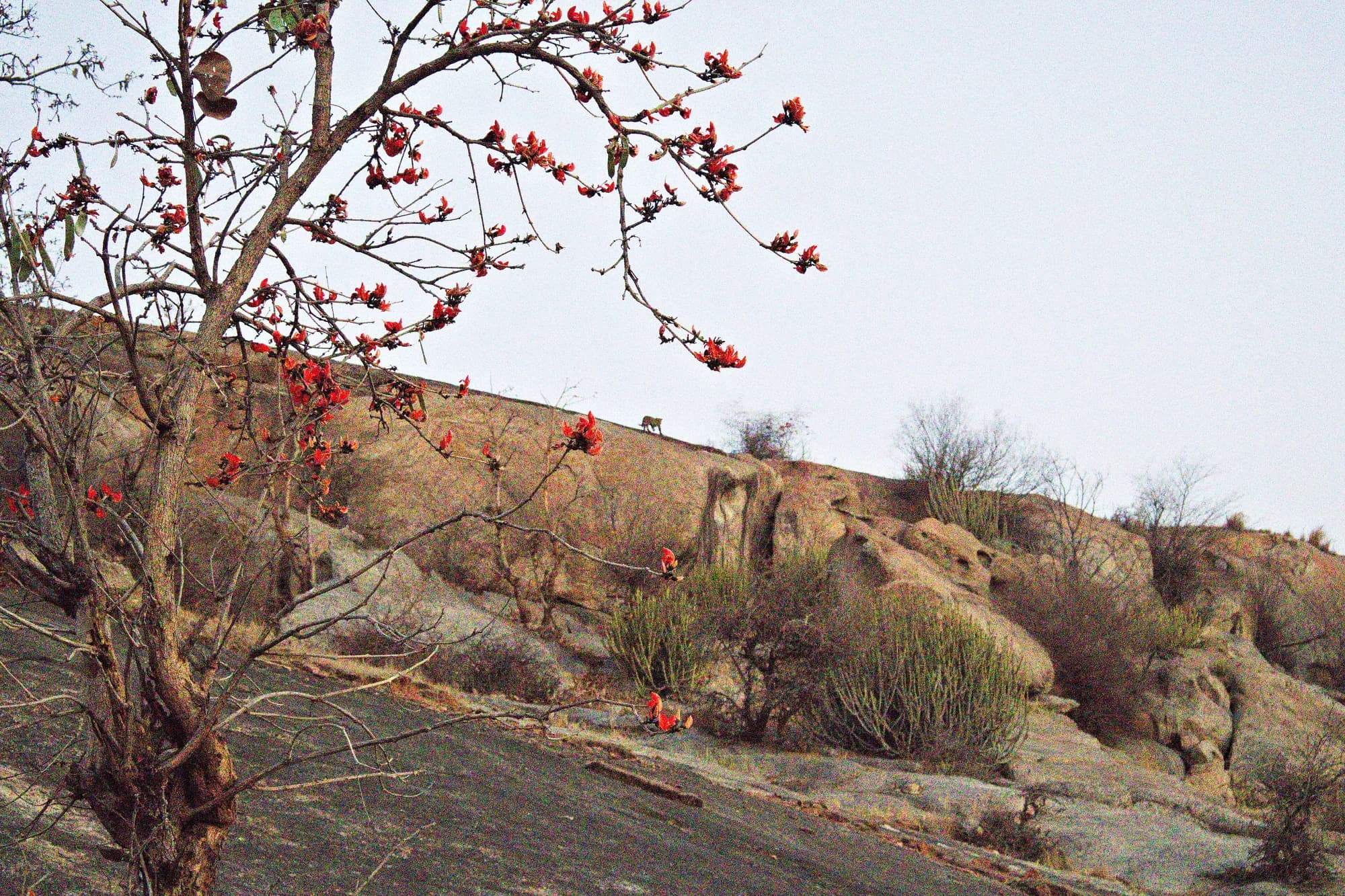
Bera Hills forms the epicenter of Jawai leopard tracking. Famous for resident mother leopards raising cubs in cave cavities, this central cluster offers high vantage points where 4x4 vehicles can observe cats sunning on broad boulder tops.
Sena Hillock & Eastern Cave Outcrops
Located southeast of Jawai Dam, Sena features steep vertical rock walls and dense acacia scrub at its base. It is preferred for evening drives when dominant territorial male leopards move from high cave ledges down to valley scrub tracks.
Perwa Crags & Southern Ridge
Perwa lies on the southern edge of the Jawai landscape, characterized by rugged granite formations interspaced with sandy river beds. It experiences lower safari vehicle density and is a key refuge for striped hyenas and nilgai.
Jawai Dam Shoreline & Wetland Buffer
The expansive mudflats and shallow waters surrounding Jawai Bandh reservoir house large mugger crocodile colonies and host thousands of wintering migratory birds. Sunset drives along the dam perimeter combine aquatic birding with distant leopard tracking.
Vehicle density & track etiquette
Because tracks are shared with local villagers and herders, safari drivers follow strict self-regulated vehicle counts around active leopard sightings. Drivers maintain respectful distances from mother-cub pairs and preserve herder passage corridors.
Rabari livestock trails & herder access
Rabari pastoralists walk through these hillock zones daily with sheep and goat herds. Leopards have adapted to human presence over centuries, allowing close non-aggressive views from open 4x4 vehicles as herders pass by without conflict.
How to pick your tracking area
Visitors planning a 2 to 3-day trip should split safaris between Bera Hills for prime leopard cave observation, Sena or Perwa for low-crowd wilderness tracking, and Jawai Dam for crocodile and waterfowl photography.
How we checked this
Verification Note
Zone boundaries and hillock tracks in Jawai reflect physical geography and local tracker community consensus. Standing status withheld pending formal government wildlife sanctuary notification.