
India / Neora Valley / Neora Valley wildlife
Neora Valley wildlife
India's most pristine primary Himalayan forest — holding both red panda and clouded leopard in a 88 sq km wilderness. No roads, no jeep safaris, 250+ bird species. Sightings are rare and precious.
Species at a glance
| Species | Status | Sighting Odds | Best Months |
|---|---|---|---|
| Red panda | Endangered (IUCN) | Rare — 1 in 3 guided days | Apr |
| Clouded leopard | Vulnerable (IUCN) | Extremely rare sight | Apr–May |
| Satyr tragopan | Near Threatened | Heard dawn calling Apr | Apr–May |
| Great hornbill | Vulnerable (IUCN) | Reliable Kolakham zone | Year-round |
| Himalayan black bear | Vulnerable (IUCN) | Rare — upper forest | Apr–May |
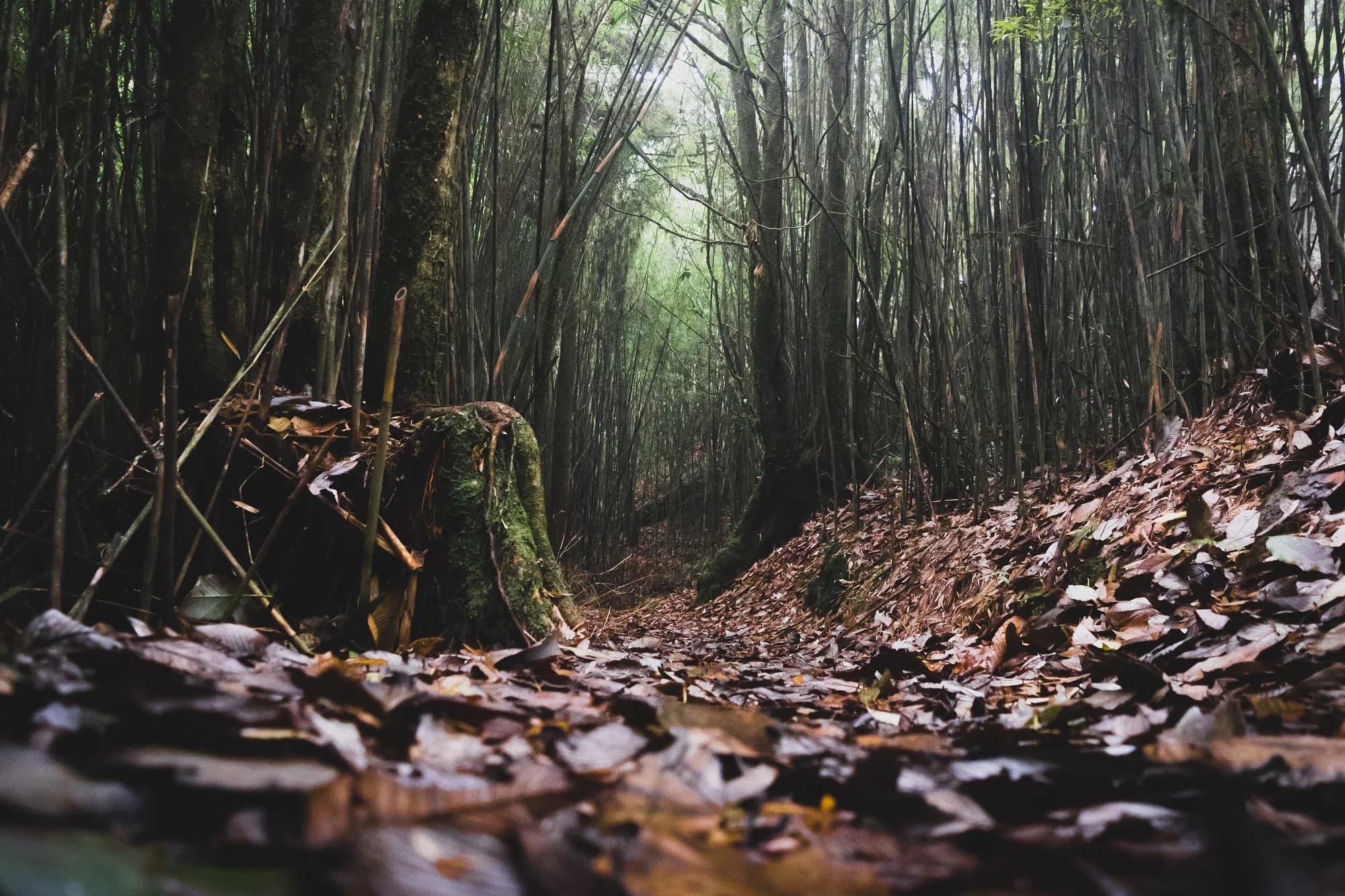
Dense moss-covered primary forest canopy in Neora Valley with rhododendron in bloom at altitude
Ratio 16:9 · Alt: Dense moss-covered primary forest interior in Neora Valley National Park showing multi-layered canopy with rhododendron trees in bloom at 2,600 m altitude
Key mammals
Neora Valley holds both red panda and clouded leopard — a unique combination in India. Red panda are present throughout the bamboo-rhododendron zone (2,200–2,900 m) but are cryptic and difficult to spot without experienced local guides. Clouded leopard sign (scratch marks, pugmarks) is regularly found above 2,800 m but visual sightings are extremely rare — perhaps 2–3 per decade.
Sighting odds by species
Red panda: around 1 in 3 guided days in April yields a sighting. Clouded leopard: essentially impossible — plan around sign and camera trap interest. Great hornbill: reliable at Kolakham. Satyr tragopan: heard more than seen, best in April dawn. Himalayan black bear: very rare visual.
Birdlife
Neora Valley has 250+ recorded bird species. Great hornbill is the flagship bird — reliably seen in the Kolakham lower forest. Satyr tragopan and blood pheasant breed in the mid-altitude zone. Rusty-bellied shortwing, tawny-bellied babbler and fire-tailed myzornis are birding targets. The mixed subtropical zone below 2,000 m holds a different community of lowland Himalayan species.
Habitat profile
One of India's least disturbed primary forests — 88 sq km of dense evergreen and mixed subtropical forest from 183 m to 3,200 m. The park has no internal road network and very few trails. The forest is so dense that even experienced guides report near-zero visibility beyond 10 m in some sections. This inaccessibility is also why wildlife populations remain high.
Best time by species
April: best for red panda, satyr tragopan and rhododendron bloom. October: post-monsoon clarity for birding and occasional red panda sighting. March: lower altitude rhododendron bloom and good birding; some red panda activity. November: winter pheasant movement in lower forest.
What not to expect
Tiger: not recorded in Neora Valley. Leopard (common): present but rarely seen in dense forest. Snow leopard: only in the very highest sections above 3,000 m and extremely rare. Do not come to Neora Valley expecting guaranteed wildlife — it is a rare-encounter wilderness park.
Photography and viewing ethics
The forest is dark and dense — bring a torch for pre-dawn walks. No flash photography. Respect guide instructions on approach distances — red panda are skittish. Do not handle, feed or approach any wildlife. Leeches are present May–September — wear leech socks.
Conservation notes
Neora Valley is one of the few remaining habitats in India where clouded leopard territory overlaps with red panda. Camera trap studies by WII have documented both species sharing habitat above 2,500 m. The primary threat is firewood collection from buffer and community forests surrounding the core.
Data source
Species data from WII and Forest Dept records
Species distribution and population estimates from Wildlife Institute of India (WII) surveys and state forest department census records. Sighting odds based on guide field reports and operator data. Checked 8 Sep 2026.