
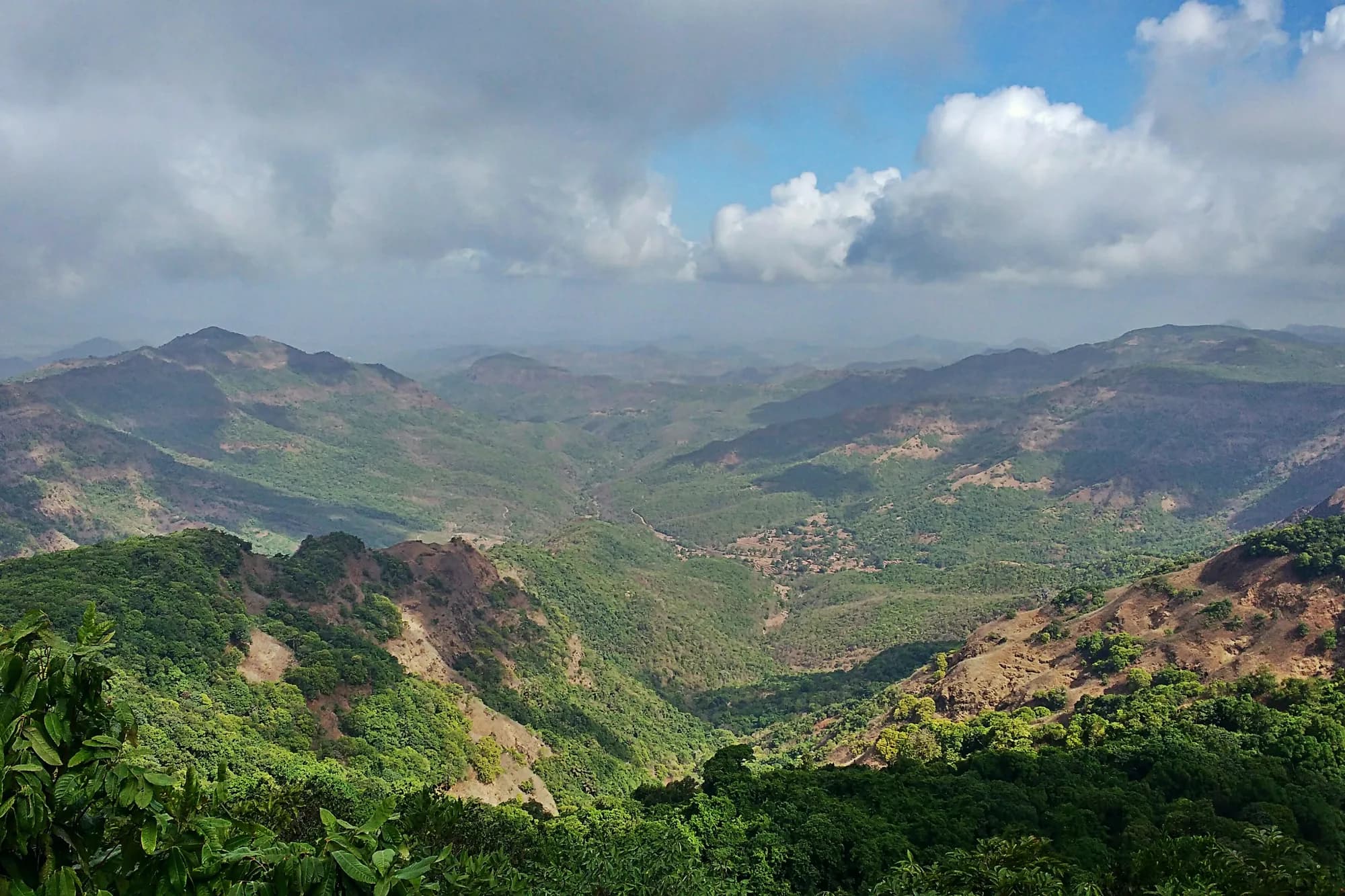
India / Radhanagari / Wildlife sightings at Radhanagari Wildlife Sanctuary
Wildlife sightings at Radhanagari Wildlife Sanctuary
Sighting probabilities and tracking insights for Radhanagari Wildlife Sanctuary. Understand species movements across core waterholes, stream corridors, and seasonal feeding grounds.
Species sighting probability summary
| Target Species | Est. Sighting Odds | Peak Season | Best Zone / Hotspot | Best Time of Day |
|---|---|---|---|---|
| Gaur (Indian Bison) | Abundant (98%+) | Oct–May | Dajipur High Plateau Meadows | Morning 06:00 – 09:30 |
| Malabar Giant Squirrel | Abundant (95%+) | Round the year | Rautwadi Evergreen Canopy Trees | Round the day |
| Indian Leopard | High (70%+) | Oct–Apr | Dajipur & Forest Border Ridges | Dusk & Night (camera traps) |
| Great Hornbill | High (75%+) | Nov–Feb | Emergent Forest Canopy | Morning & Mid-day |
Wildlife tracking on forest path in Radhanagari Wildlife Sanctuary
Ratio 16:9 · Sighting moment preview
Apex predator sighting dynamics
Predators move along dry riverbeds and main jeep tracks early in the morning before heat levels rise.
Major mammal sighting hotspots
Core meadow openings and central stream banks provide consistent views of deer herds, wild boar, and foraging mammals.
Birding sighting hotspots & seasonal arrivals
Winter (Nov–Feb) brings migratory raptors, waterfowl, and flycatchers to river wetlands and forest edges.
Season-by-season sighting probability
Summer (Mar–May) delivers peak sighting frequency as vegetation thins and animals visit perennial water sources daily.
Morning vs. evening shift comparison
Morning shifts offer cold-weather tracking along dust roads, while evening shifts excel for animals emerging to drink near dusk.
Waterhole tracking & alarm calls
Listen carefully for langur, spotted deer, and sambar alarm calls. Guides use alarm call direction to position jeeps ahead of moving predators.
Historical sighting trends & ranger logs
Check daily gate sighting boards at the range office before departing to see where big cats were spotted during recent shifts.
Tips to maximize sighting chances
Book multi-day safaris across different zones and hire experienced local drivers familiar with territorial animal movements.