
Mount Kenya
Glaciers on the equator, and a quieter climb than Kilimanjaro
Africa's second-highest mountain and a UNESCO site, climbed by far fewer people than Kilimanjaro and, most say, the better walk — glaciers on the equator, afro-alpine giant lobelia, and a technical summit that stops most trekkers at Point Lenana.
Mount Kenya at a glance
- County
- Nyeri
- Area
- Not publishedNot recorded
- Best months
- January–February and July–OctoberOur reading, not a departmental statement
- Safari zones
- Not publishedNot verified from the department yet
- Permit
- USD 70non-resident adult, per day · read 27 September 2026
- Booking
- Kenya Wildlife ServiceBook direct — we take no commission
Permit data last verified .
When to go
- J
- F
- M
- A
- M
- J
- J
- A
- S
- O
- N
- D
January: best. February: best. March: best. April: best. May: best. June: best. July: best. August: best. September: best. October: best. November: marginal. December: marginal.
Everything on Mount Kenya
These ten pages are written park by park, each figure carrying the department document it came from and the date it was read. For Mount Kenya they are not written yet, so they are listed here rather than linked — we would rather show you the shape of the work than send you to an empty page.
- Being written
Safari booking
How to book, which portal, when slots open
Know more - Being written
Permits & fees
Fee table by nationality, with the source and date
Know more - Being written
Zones
Every zone, its gate, and what people actually see
Know more - Being written
Best time to visit
Month by month, closures and sighting patterns
Know more - Being written
Where to stay
Lodges and camps by tier, and what each is near
Know more - Being written
Wildlife
Species present, populations, realistic odds
Know more - Being written
How to reach
Rail, air and road, with verified transfer times
Know more - Being written
Itineraries
Two, three and five night trips a partner can deliver
Know more - Being written
Safari cost
The full trip budget, not the headline number
Know more - Being written
Sightings log
What guests reported, and when
Know more
What Mount Kenya is a destination for
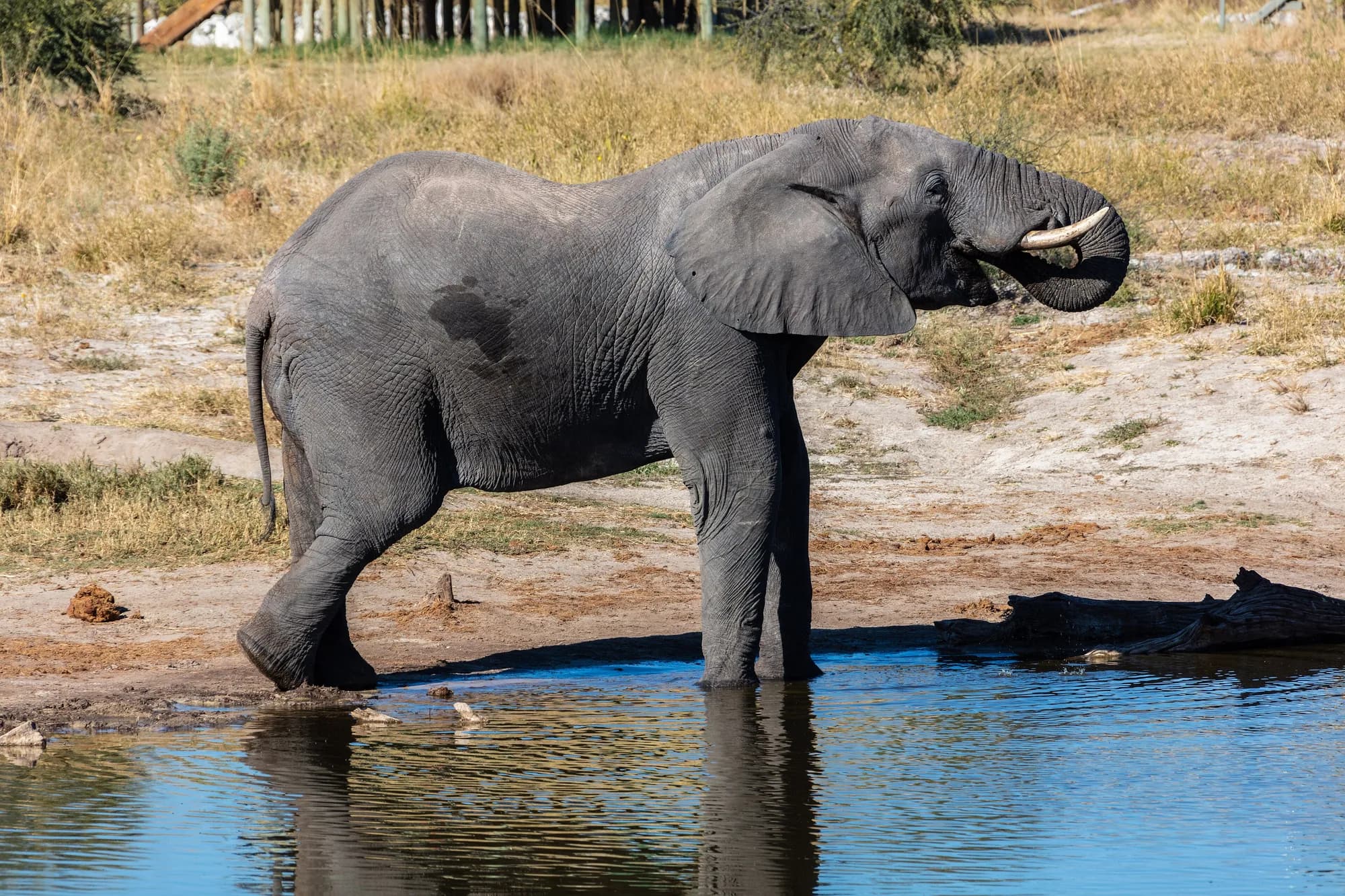
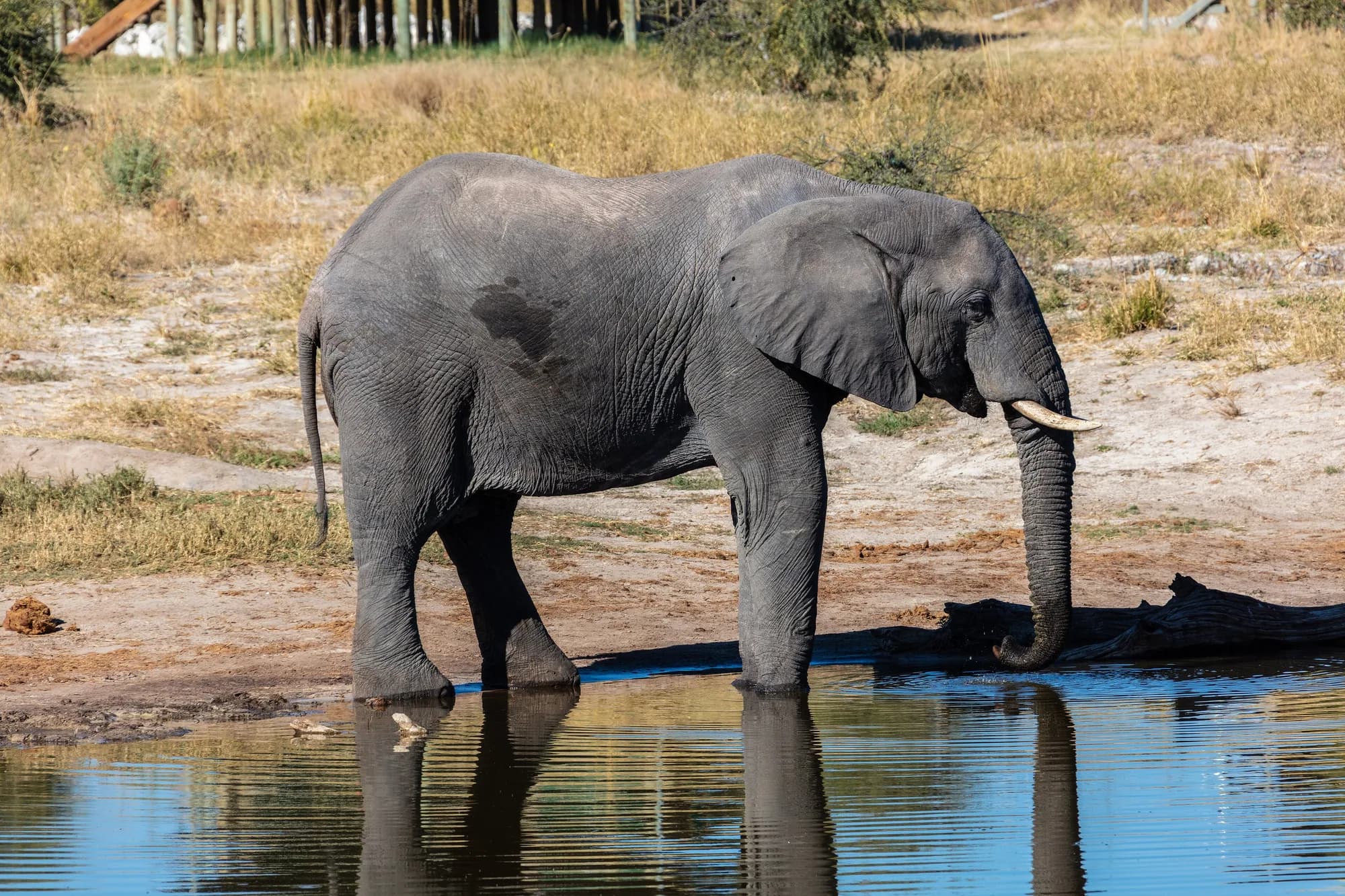
African savanna elephant
Nine countries on this site, and the easiest of the big animals
Black-and-white colobus
Forest canopy in four countries here
Rock hyrax
Rocky ground across the continent — three countries here
Also recorded here, and not yet written up: Mount Kenya mole shrew.
Questions people ask about Mount Kenya
What is the best time to visit Mount Kenya?
January–February and July–October. That is our reading of when the park rewards a trip. Its official closure window is not something we have verified from the department, so confirm the dates before you book.
How much does a safari at Mount Kenya cost?
Conservation fee, charged per person per day at the gate. KWS publishes four visitor tiers on one schedule: East African citizens and Kenya residents in shillings, and African citizens and all other nationalities in US dollars. Rates are per adult and per child or student. A non-resident adult pays USD 70 and a child USD 35; an African citizen USD 30 and USD 15; an East African citizen KSh 800 and KSh 400; a Kenya resident KSh 1,100 and KSh 550. The schedule bands parks rather than naming a rate park by park. This one sits in “MOUNTAIN PARK”, printed on the document as “Mt. Kenya National Park” — so the rate above is the band's rate, and the mapping from band to park is the one step between the document and this page. Vehicles are charged separately and by seat count: KSh 600 under six seats, KSh 1,500 for six to twelve, KSh 3,000 for thirteen to twenty-four, KSh 4,500 for twenty-five to forty-four and KSh 5,000 above that. Source: Kenya Wildlife Service — Conservation Fees 2025, read 27 September 2026.
How do I book a safari at Mount Kenya?
Through Kenya Wildlife Service. KWS sells park entry through its own eCitizen-linked system and at the gate. Conservation fees are per day and are not a booking — what does need booking is anything inside the park, and in Amboseli and the Mara ecosystem in migration season that is months ahead. Book direct: we take no payment from travellers and earn nothing from this answer.