
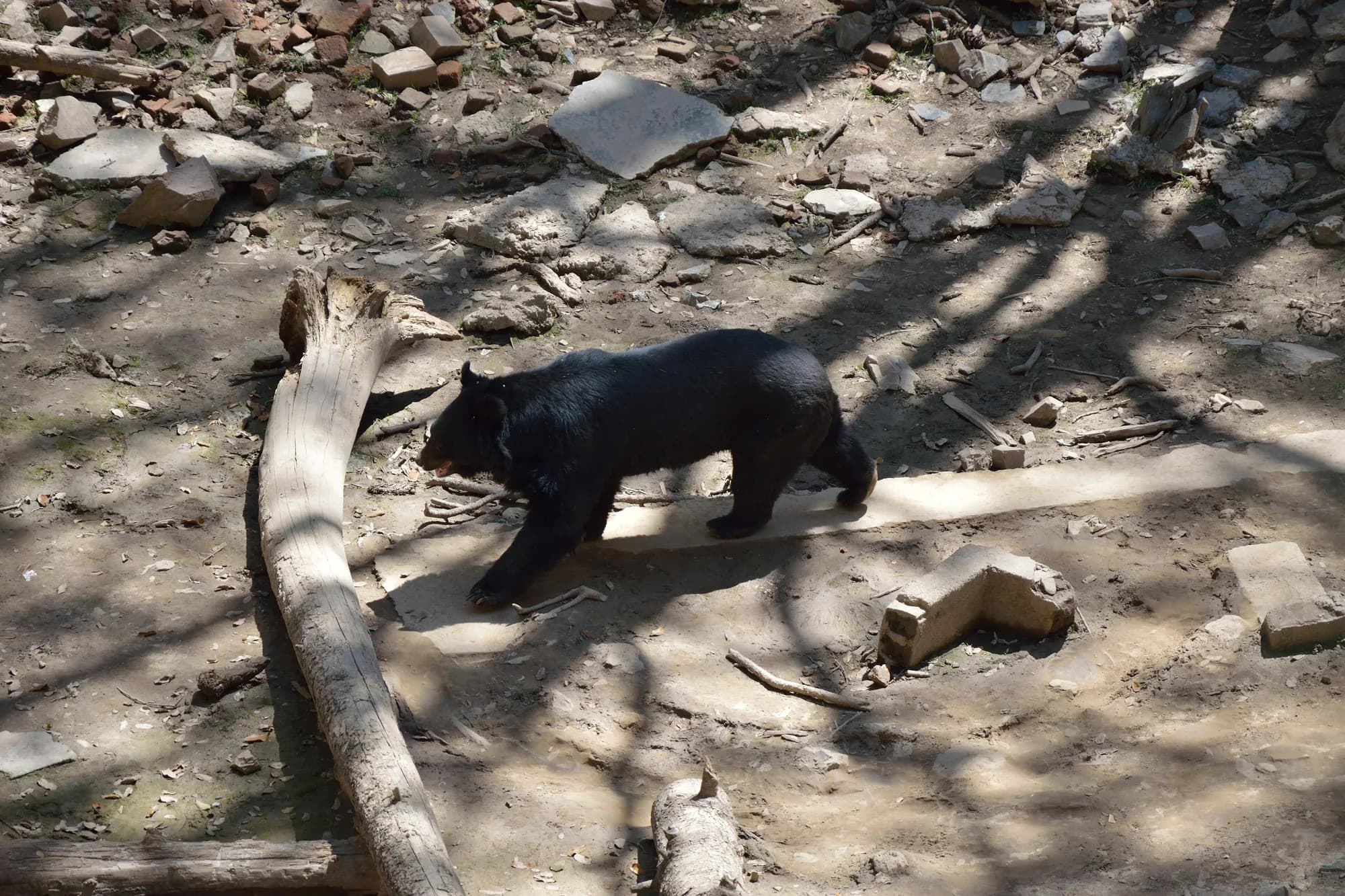
Species · Ursus thibetanus
Asiatic black bear
The Himalayan bear, black with a white chevron on the chest. It is confused with the sloth bear constantly in trip reports, and the two do not overlap anywhere you are likely to be.
Also called
- Kala bhalu (काला भालू) · Hindi
- Haput · Kashmiri
- Bhalu · Garhwali
Checked 31 Aug 2026
- Where
- Himalaya and the Northeast hills
- Best months
- April–June, then September–November
- Altitude
- About 1,200–3,500 m in summer
- Note
- White chevron on the chest
Temperate broadleaf and conifer forest along the Himalayan arc and through the Northeast hills. It is an altitude animal: below roughly 1,000 metres you are in sloth bear country, not this.
Where it is
Where to actually go
Ranked, with the reason each — these are not interchangeable.
- 01DachigamJammu & KashmirThe most dependable place in India for the species, and one of the few where bears are watched rather than merely known to exist.Autumn, on the walnut and oak
- 02CorbettUttarakhandPresent on the higher ridges above the tourism zones. Real, and not what the reserve is visited for.Ridge forest, not Dhikala
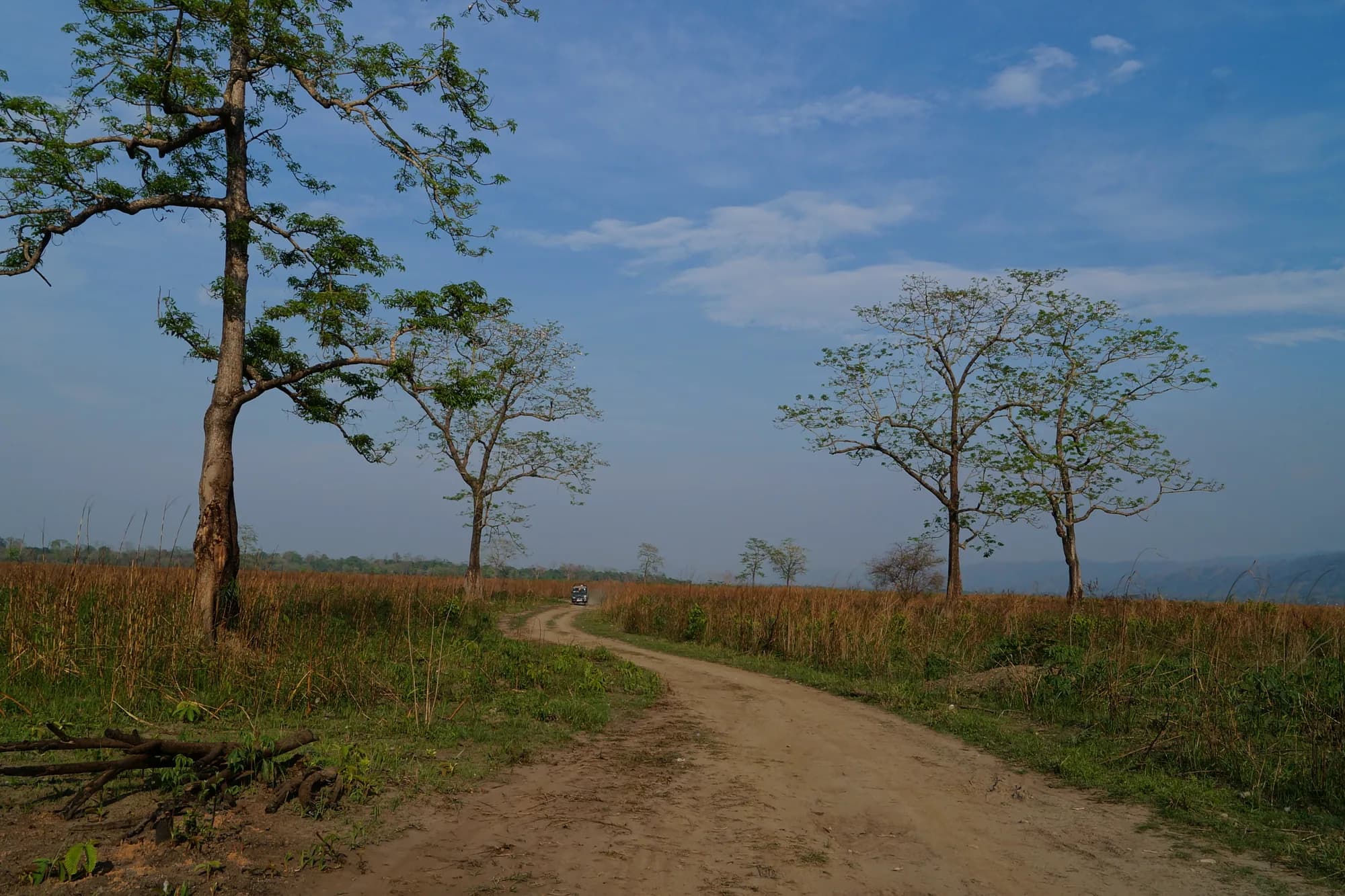
- 03PakkeArunachal PradeshNortheast hill forest with bears through it, seen occasionally on the higher roads.Low odds, high country
Where you will not see one
- Central Indian tiger reservesKanha, Bandhavgarh, Tadoba and Satpura have sloth bears. There are no Asiatic black bears anywhere in central India, and a black bear in a Madhya Pradesh trip report is a sloth bear that was named wrong.
- Winter above the treelineThey den from about December to March at altitude. Trekking high in midwinter to look for one is trekking to look at snow.
When to go
When to go
- J
- F
- M
- A
- M
- J
- J
- A
- S
- O
- N
- D
January: marginal. February: marginal. March: good. April: best. May: best. June: good. July: closed or unproductive. August: closed or unproductive. September: marginal. October: best. November: best. December: marginal.
Through the day
- Dawn
- Morning
- Midday
- Afternoon
- Dusk
- Night
Dawn: active. Morning: active. Midday: usually resting. Afternoon: active. Dusk: most active. Night: active.
Telling it apart
Told apart from
Nowhere, in practice — their ranges barely touch
Shape and coat. The sloth bear is shaggy and unkempt with a long pale muzzle and a cream U or Y on the chest; the black bear is sleek, with a short dark muzzle, a neck ruff, and a narrow white crescent.
High Himalaya
Colour and altitude. The brown bear is sandy to grey-brown, above the treeline, with no chest mark at all.
Marks chosen to be usable from a moving vehicle — a asiatic black bear is rarely still and never close enough for anything subtler.
What it looks like in the field
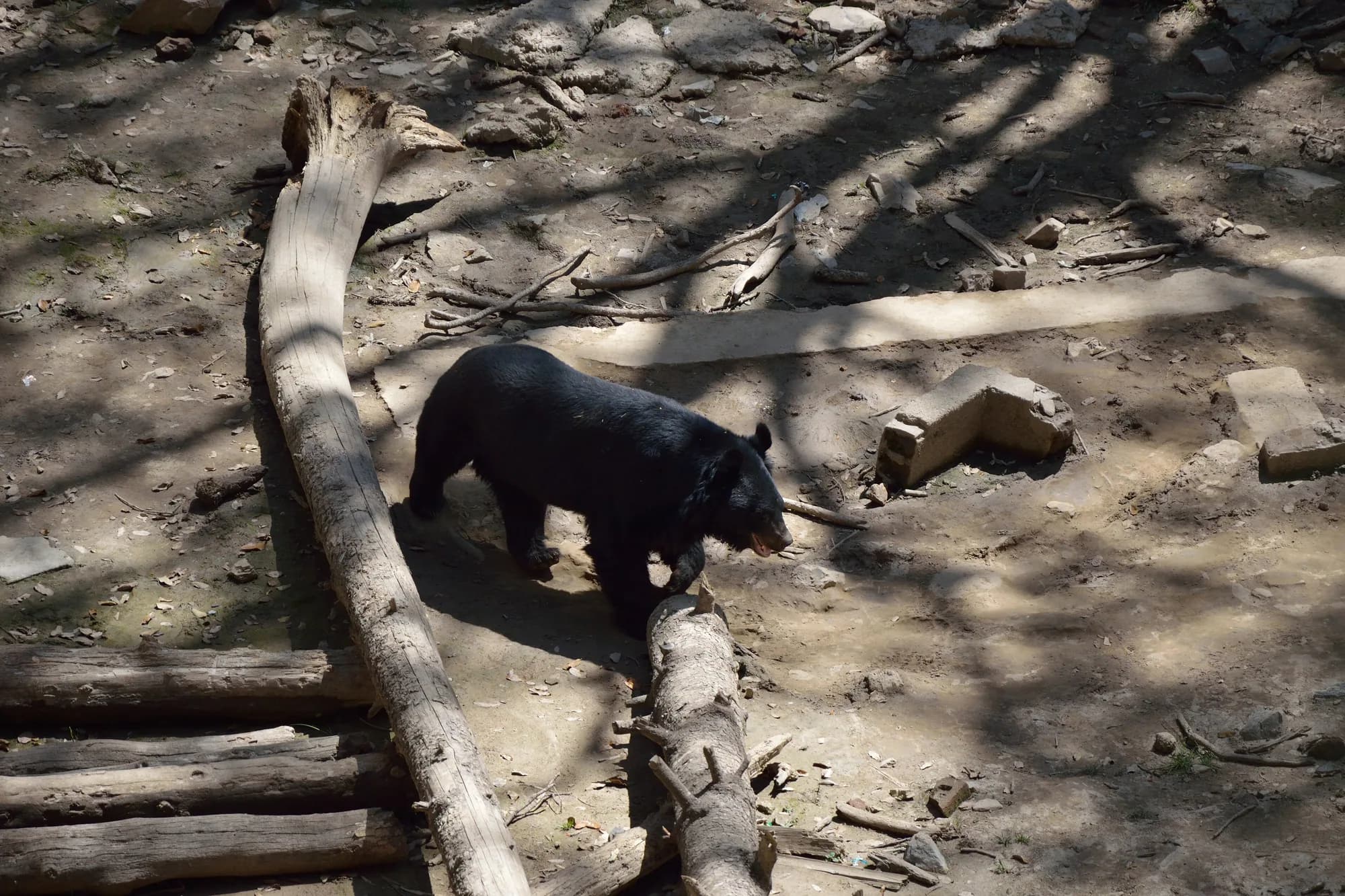
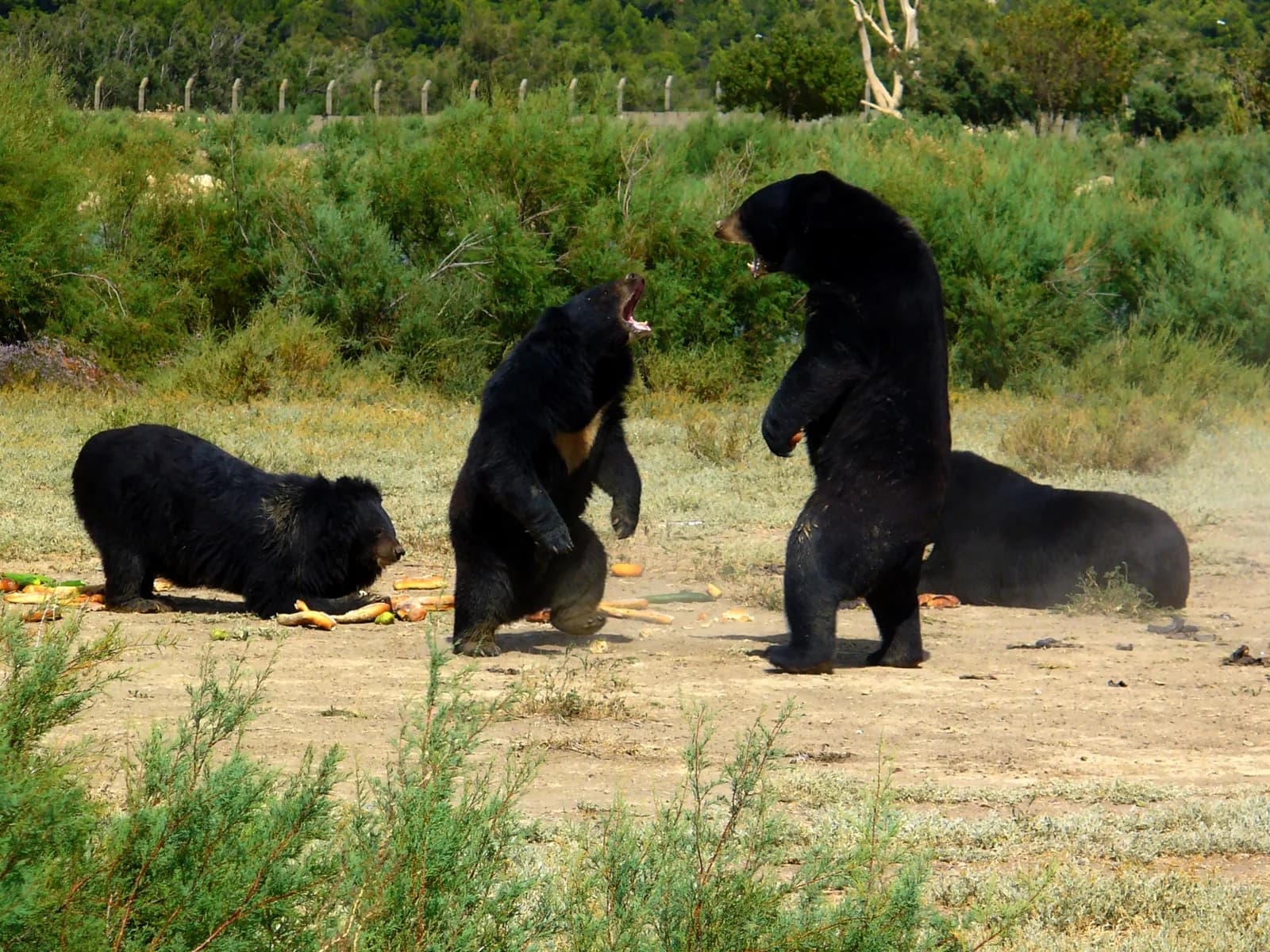
Photographs of Asiatic black bear in the wild, in Indian reserves. We publish no captive, baited or digitally composited images, and no photograph whose licence we cannot show.
The chevron, and the sloth bear problem
India has three bears and two of them are black. The one you are most likely to meet — in Kanha, in Tadoba, at Daroji — is the sloth bear, and it is the one people mean when they say black bear. This animal is a different creature living a thousand metres higher.
Why autumn is the season
They are omnivores that spend the autumn putting on fat for the den, and that means oak mast, walnut and wild fruit. Bears come down to feed, climb, and stay in one patch of forest for days, which is the only period when looking for one is a plan rather than a hope.
The broken branches wedged in an oak crown are a feeding platform, and they last long after the bear has gone.
Status and protection
Status and protection
- IUCN Red List
- Vulnerable
- Population trend
- ↓ Decreasing
- Wildlife Protection Act 1972
- Schedule I (post-2022 amendment numbering)
- CITES
- Appendix I
Species-level assessment matching the binomial given (Ursus thibetanus). Criteria A2cd; date assessed 17 March 2016, year published 2020.
Assessed 2020 · IUCN Red List assessment
What to book to see one
What you would be booking
- How it is seen
- Walking, from a hill road or a forest rest house — not from a jeep on a safari circuit.
- Drives to book
- There is no drive count that helps. This is an animal you meet by being in the right forest at dawn, several days running.
Give a bear on a slope a very wide berth. Asiatic black bears account for a large share of India's serious wildlife injuries, almost all of them surprise encounters on foot in thick cover.
Corbett — the park in fullQuestions people ask
Where can I see an Asiatic black bear in India?
Is the Asiatic black bear the same as the sloth bear?
Are they dangerous?
Read next
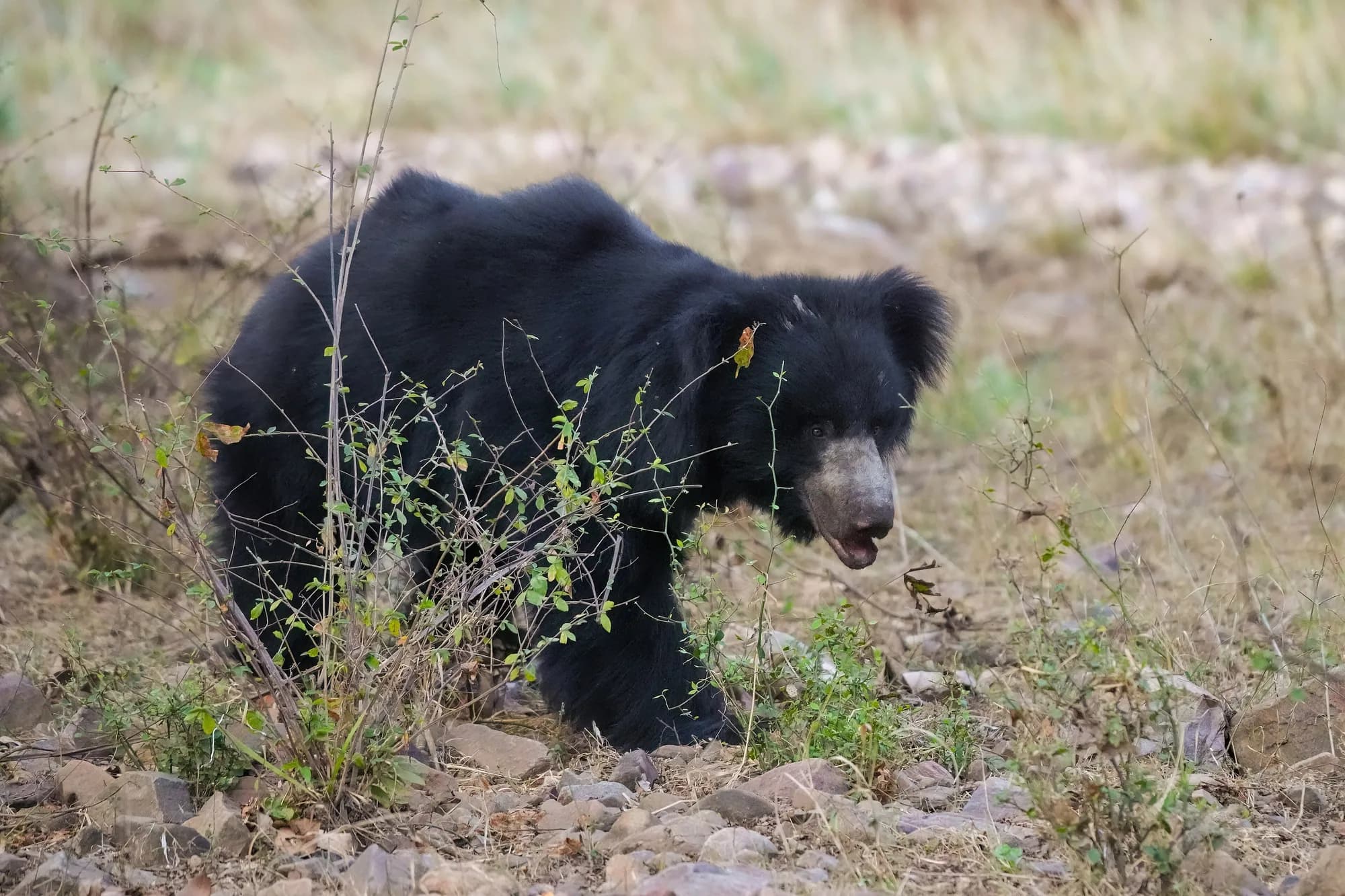
Nine reserves, and Satpura above all
Sloth bear — the animal it is confused with
The animal most guides would rather show you than a tiger, and the one most likely to be walked past in the dark. Where the diggings are, and why the odds are better on foot.
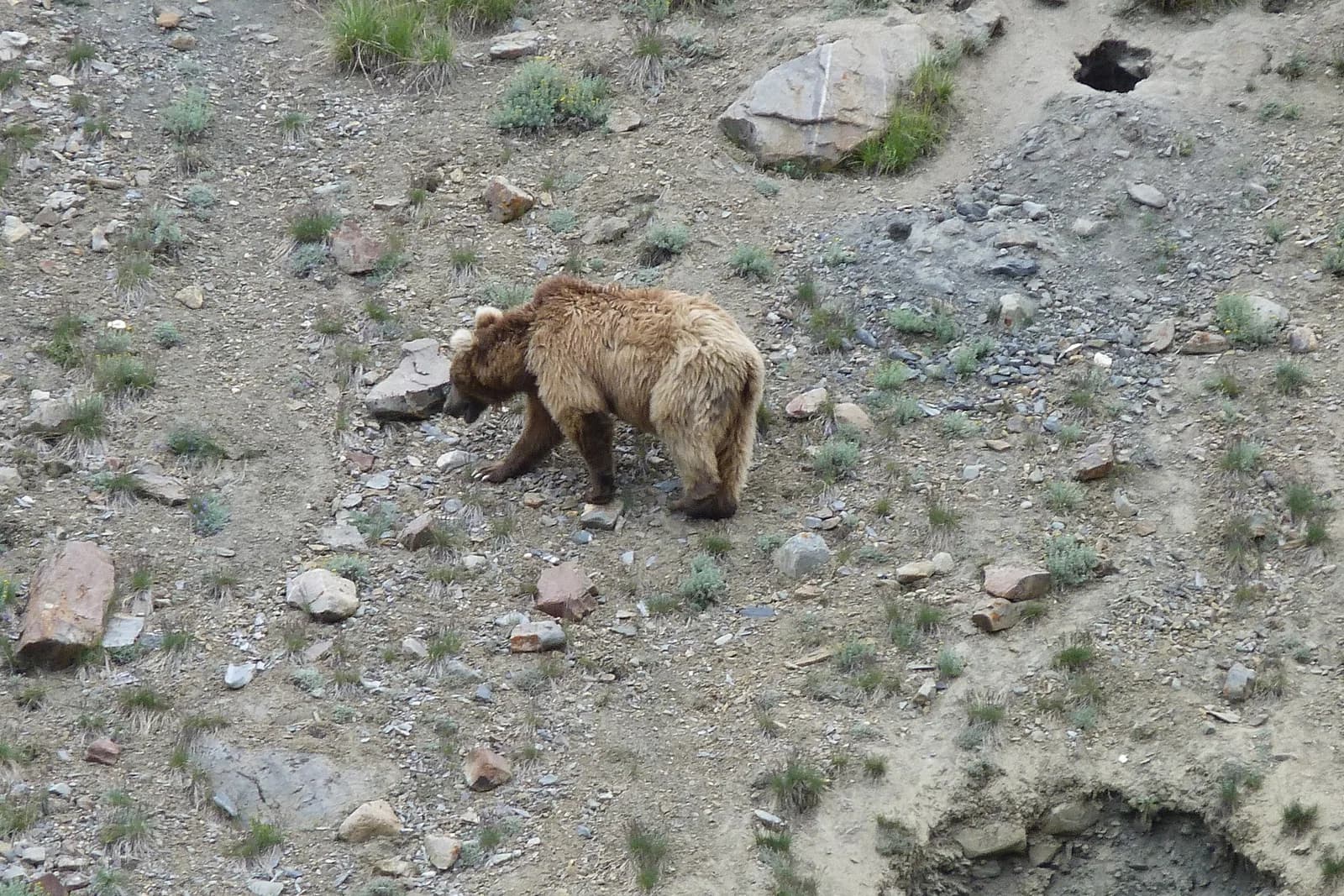
Alpine meadow above the treeline
Himalayan brown bear — higher again
India's largest carnivore by weight, sandy-brown and confined to a handful of high valleys. It is sold as a bonus on snow leopard trips, and in the snow leopard season it is asleep.
Uttarakhand
Corbett — the park in full
River, sal and grassland in the Himalayan foothills, and the oldest national park in India. The most varied terrain on this list and the hardest tigers to see because of it.
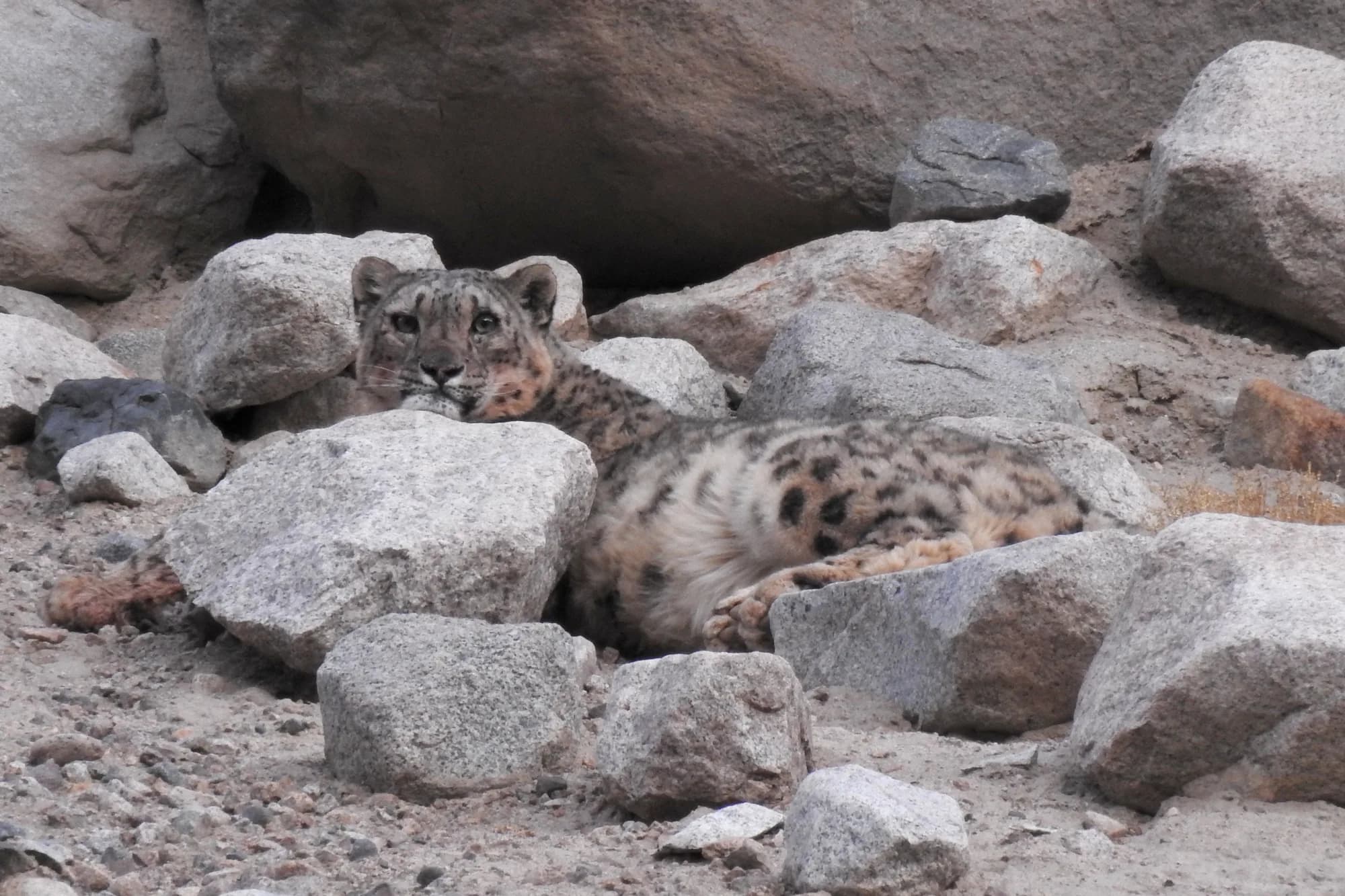
Ladakh and Spiti, in winter
Snow leopard — where and when
Not a safari. A mountain expedition with a chance of the animal — cold, high, and measured in days of patience rather than in drives.