
Species · Canis lupus chanco
Tibetan wolf
The wolf of the high plateau — woolly, pale, and far more often seen on a snow leopard trip than anyone books it for. It is also the most persecuted large carnivore in Ladakh.
Also called
- Shanku · Ladakhi
- Bhediya (भेड़िया) · Hindi
Checked 31 Aug 2026
- Where
- Ladakh, Spiti, north Sikkim
- Best months
- December–March
- Altitude
- Above about 3,500 m
- Note
- Hunts kiang, bharal and livestock
High steppe and mountain valley across the trans-Himalaya. It is thinly spread over enormous country, and unlike the snow leopard it uses open ground, which is why it is usually seen at long range and rarely twice.
Where it is
- Hemis
- Spiti
Where to actually go
Ranked, with the reason each — these are not interchangeable.
- 01Hanle and the ChangthangLadakhOpen plain with kiang herds, and wolves working them in full view at distance.Best chance of a hunt
- 02Hemis and the Leh valleysLadakhRegularly seen by snow leopard teams through the winter season, often from the same vantage points.Comes free with the leopard trip
- 03SpitiHimachal PradeshPresent and seen most winters, usually crossing high ground above the villages.Long range
Where you will not see one
- The plains of central IndiaThat is the Indian wolf, a different and smaller subspecies of open grassland and scrub. The two do not meet.
- Assumed from a distant grey shapeFeral and free-ranging dogs are numerous around Ladakhi settlements and army camps, and at a kilometre they look identical. Most reported wolves near a road are dogs.
When to go
When to go
- J
- F
- M
- A
- M
- J
- J
- A
- S
- O
- N
- D
January: best. February: best. March: good. April: marginal. May: marginal. June: marginal. July: marginal. August: marginal. September: good. October: good. November: best. December: best.
Through the day
- Dawn
- Morning
- Midday
- Afternoon
- Dusk
- Night
Dawn: most active. Morning: active. Midday: usually resting. Afternoon: active. Dusk: most active. Night: active.
Telling it apart
Told apart from
Nowhere — the ranges are far apart
Coat and country. The Indian wolf is short-coated, sandy and lean, on grassland below 1,000 metres; the Tibetan wolf is heavy-coated and pale, above 3,500 metres.
Free-ranging dog
Near every Ladakhi settlement
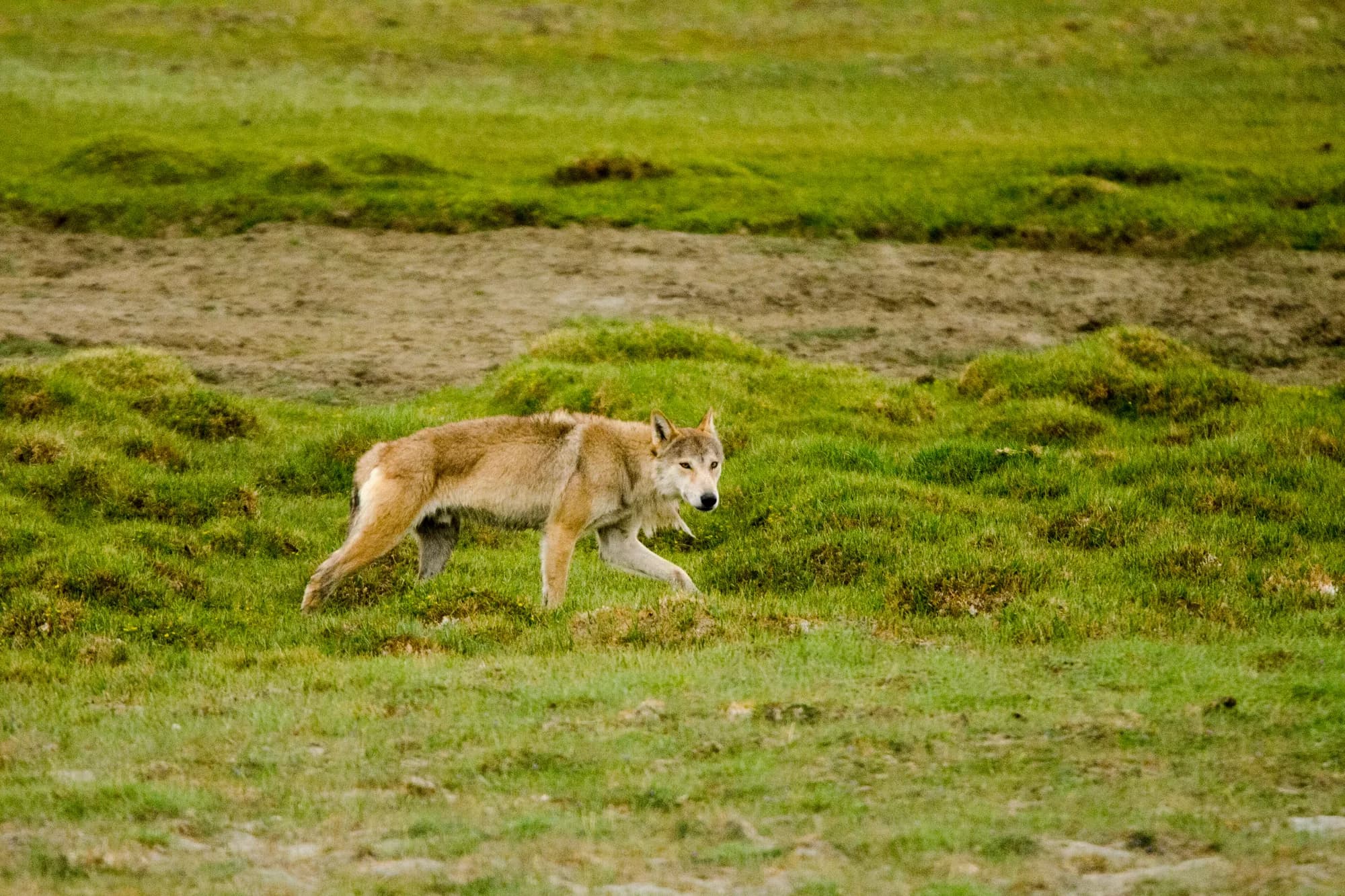
Proportions and gait. A wolf has longer legs, a straighter tail carried low, a heavier muzzle, and a steady trotting line that does not deviate. Dogs mill and change direction.
Marks chosen to be usable from a moving vehicle — a tibetan wolf is rarely still and never close enough for anything subtler.
What it looks like in the field
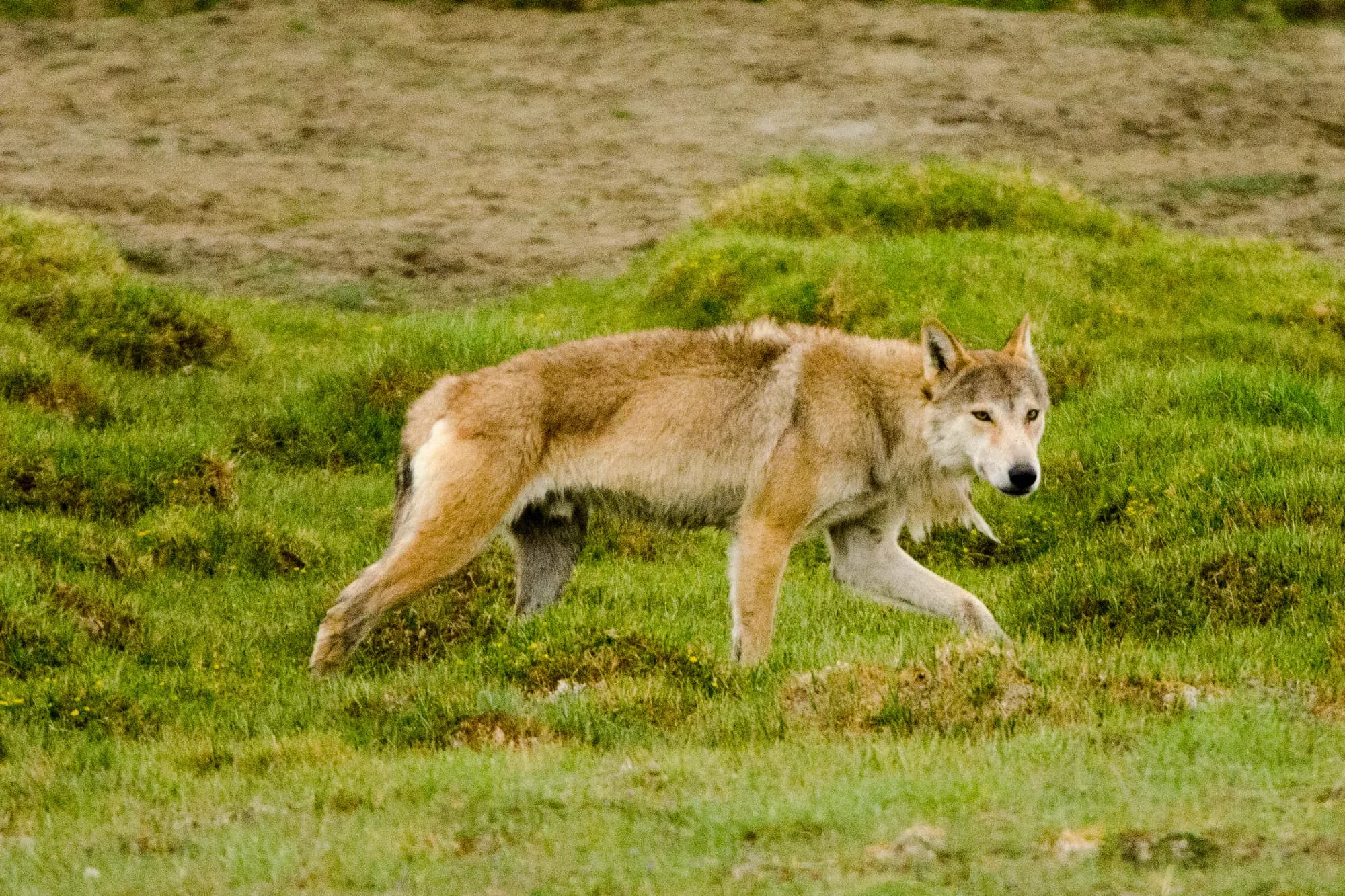
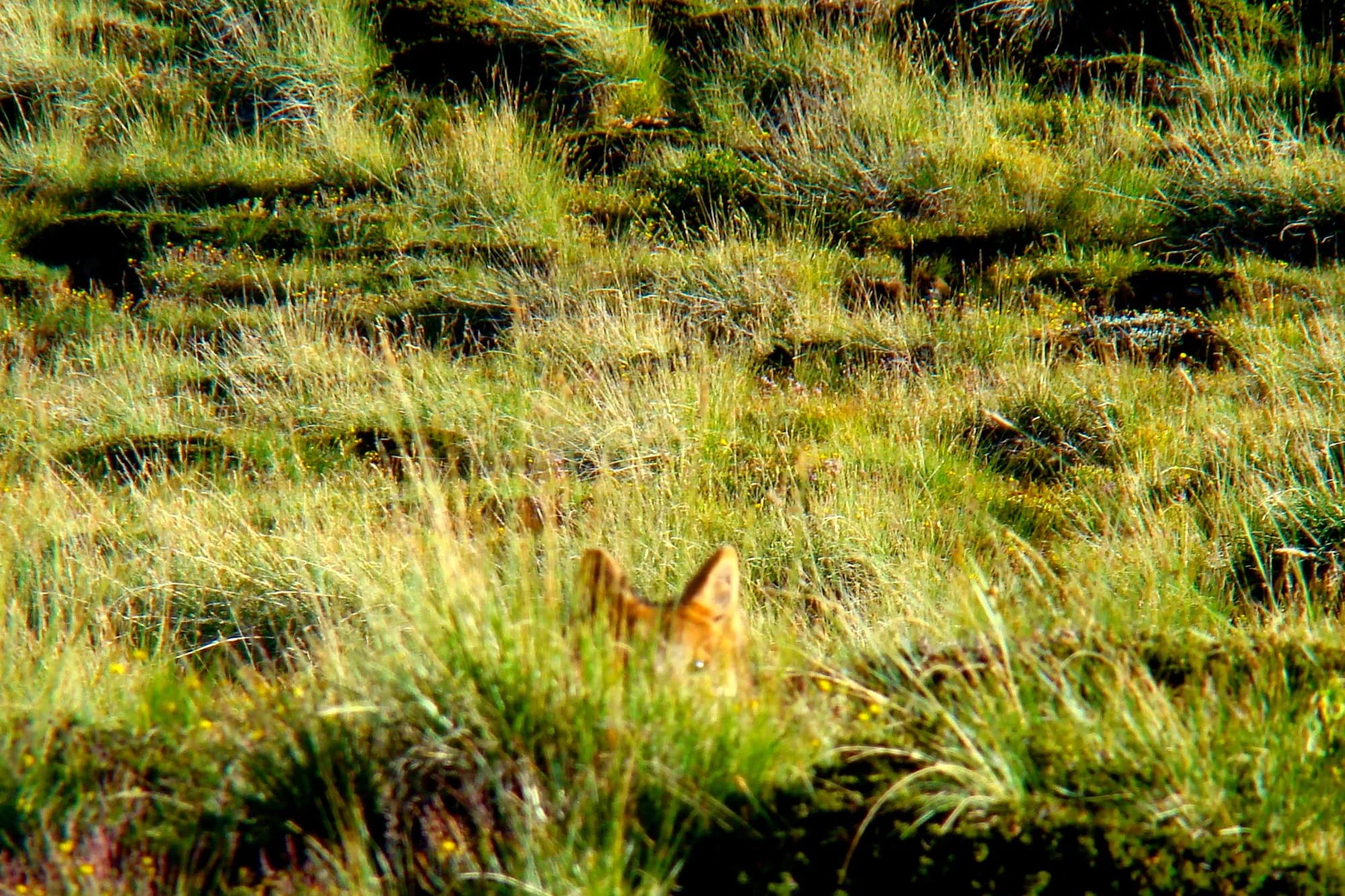
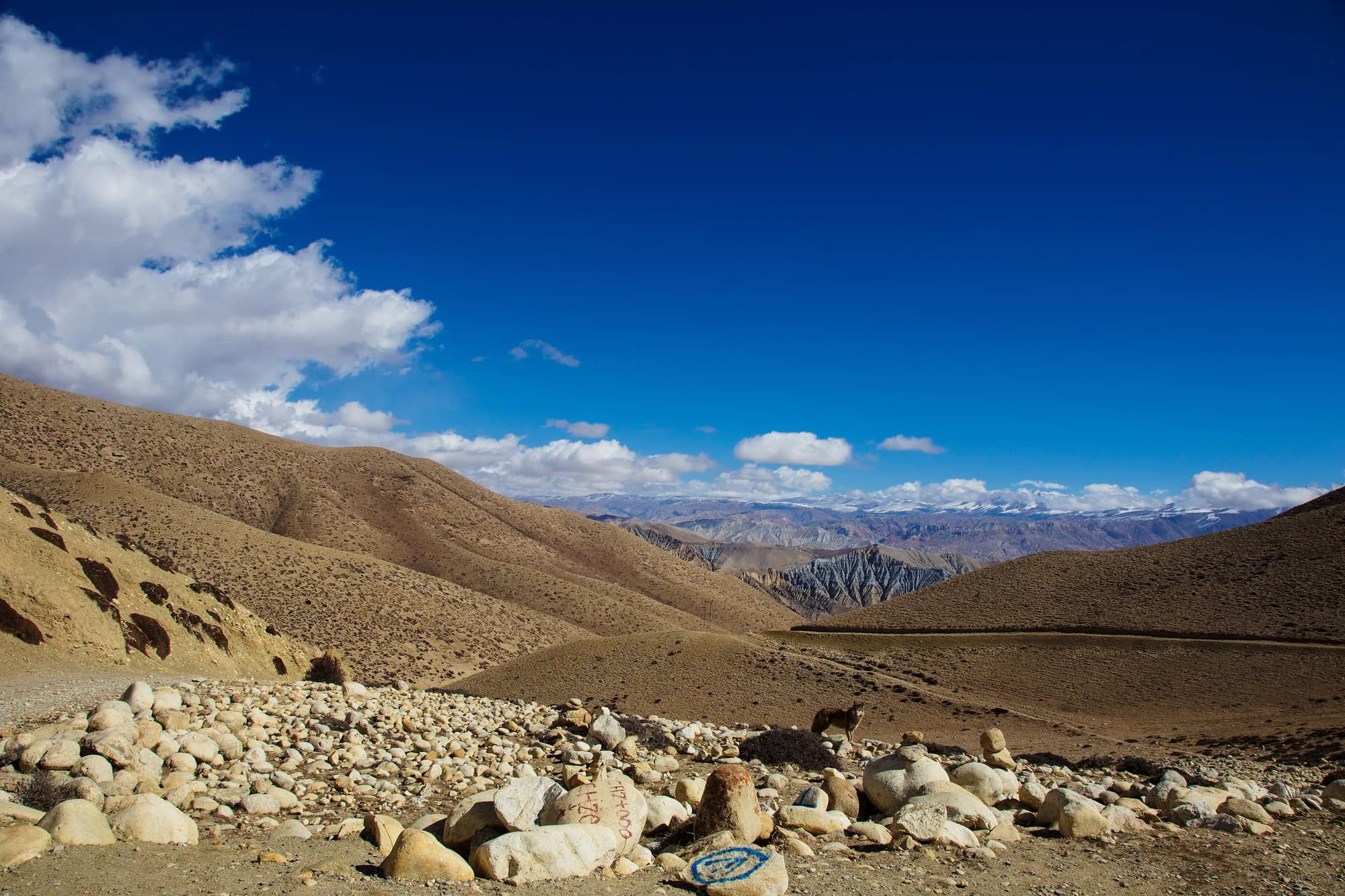
Photographs of Tibetan wolf in the wild, in Indian reserves. We publish no captive, baited or digitally composited images, and no photograph whose licence we cannot show.
Wolf or dog
Ladakh has a very large free-ranging dog population, concentrated around settlements, army posts and rubbish. At the ranges you will be working — a kilometre or more, through a scope — a large dog and a wolf look the same.
Shangdong
Across Ladakh there are stone-walled pits built into hillsides, baited so a wolf could get in and not out. They are old, they were effective, and they are the physical record of a long conflict between wolves and pastoralists.
A number of these traps have been formally dismantled by the villages that built them. That is the actual conservation story here, and it is not one about tourists.
Status and protection
Status and protection
- IUCN Red List
- Least Concern
- Population trend
- → Stable
- Wildlife Protection Act 1972
- Schedule I
- CITES
- Appendix I
SPECIES-LEVEL ASSESSMENT. The binomial given, Canis lupus chanco, is a subspecies; the Red List has no assessment at that rank.
Assessed 2025 · IUCN Red List assessment
What to book to see one
What you would be booking
- How it is seen
- Winter snow leopard trips out of Leh, or a Changthang trip in any season. It is not a species with its own itinerary.
- Drives to book
- No number applies. Spotters scanning for snow leopards find wolves regularly, and that is how most visitors see one.
Ask about shangdong — the stone wolf traps built into hillsides across Ladakh. Many have been ceremonially dismantled by local communities, and the story of why is the most interesting conservation conversation you will have on the trip.
Hemis — the park in fullQuestions people ask
Where can I see a Tibetan wolf?
Is it different from the Indian wolf?
How do I know it is not a dog?
Read next
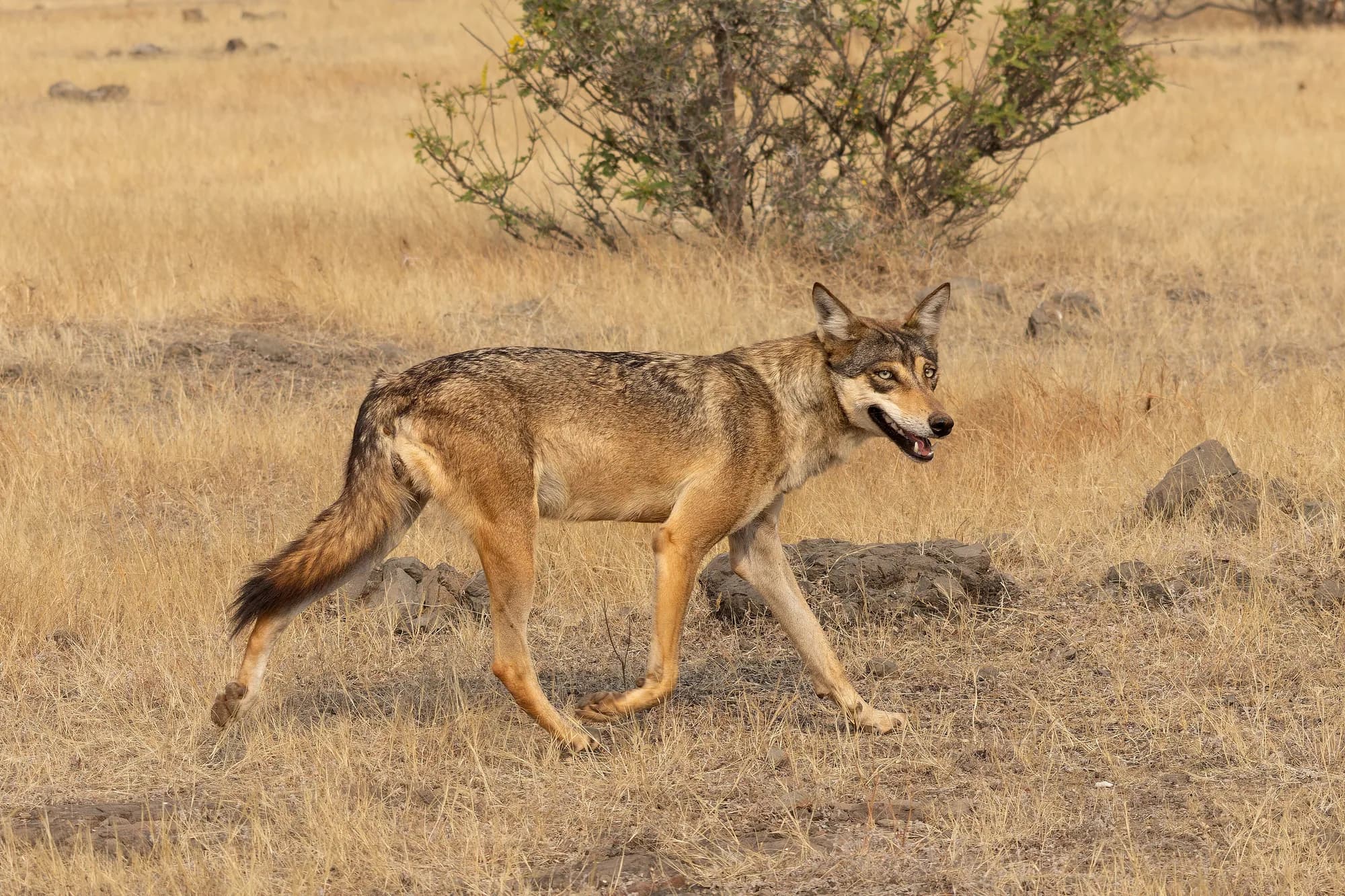
Grassland, not forest
Indian wolf — the plains subspecies
One of the oldest wolf lineages alive, hunting blackbuck across grassland that almost nobody protects. Rarer in India than the tiger, and with a fraction of the attention.
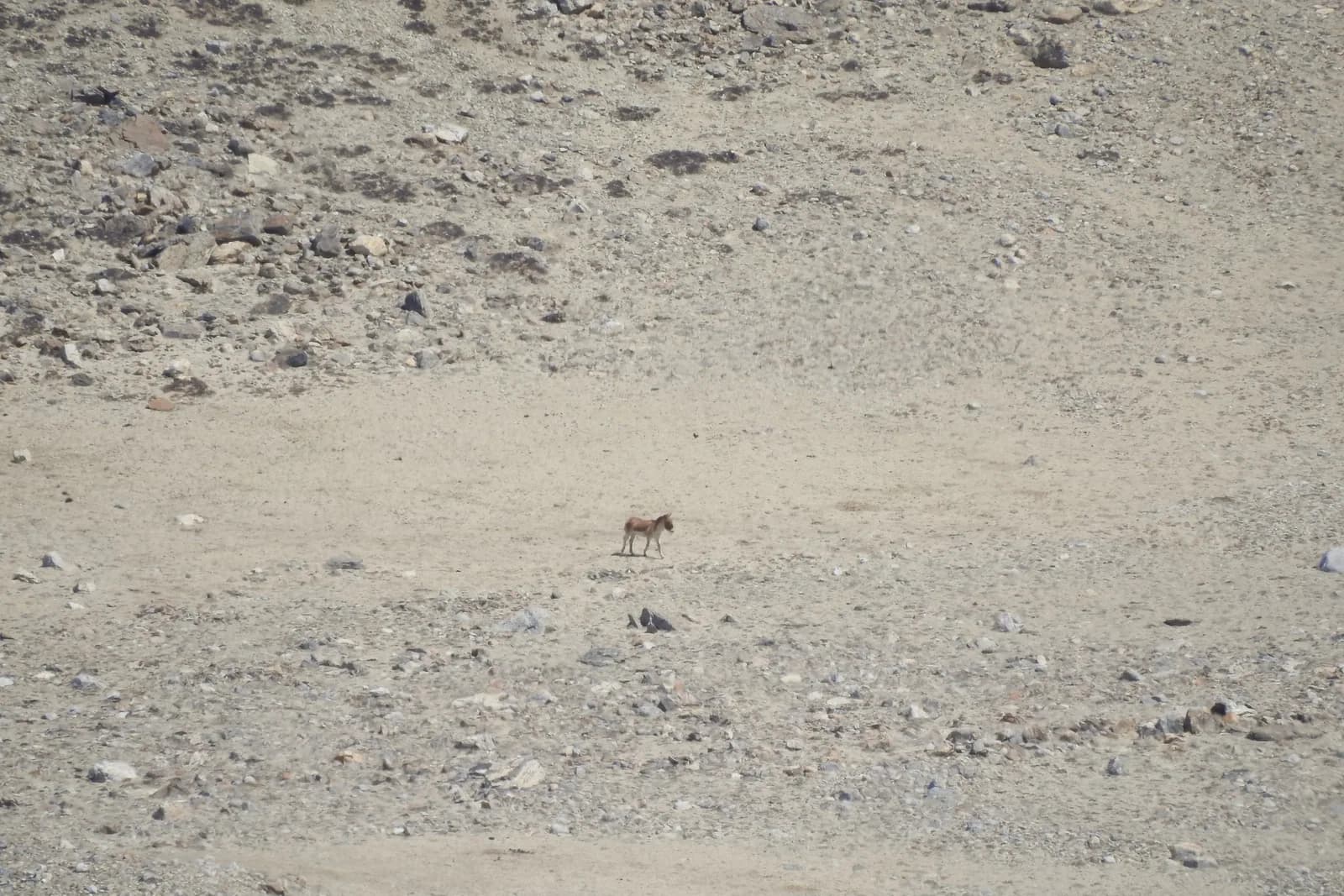
The Changthang plains, in herds
Kiang — the prey on the plateau
The Tibetan wild ass — chestnut, white-bellied, and the defining large mammal of eastern Ladakh. It is the one big animal on the Changthang you are almost certain to see.
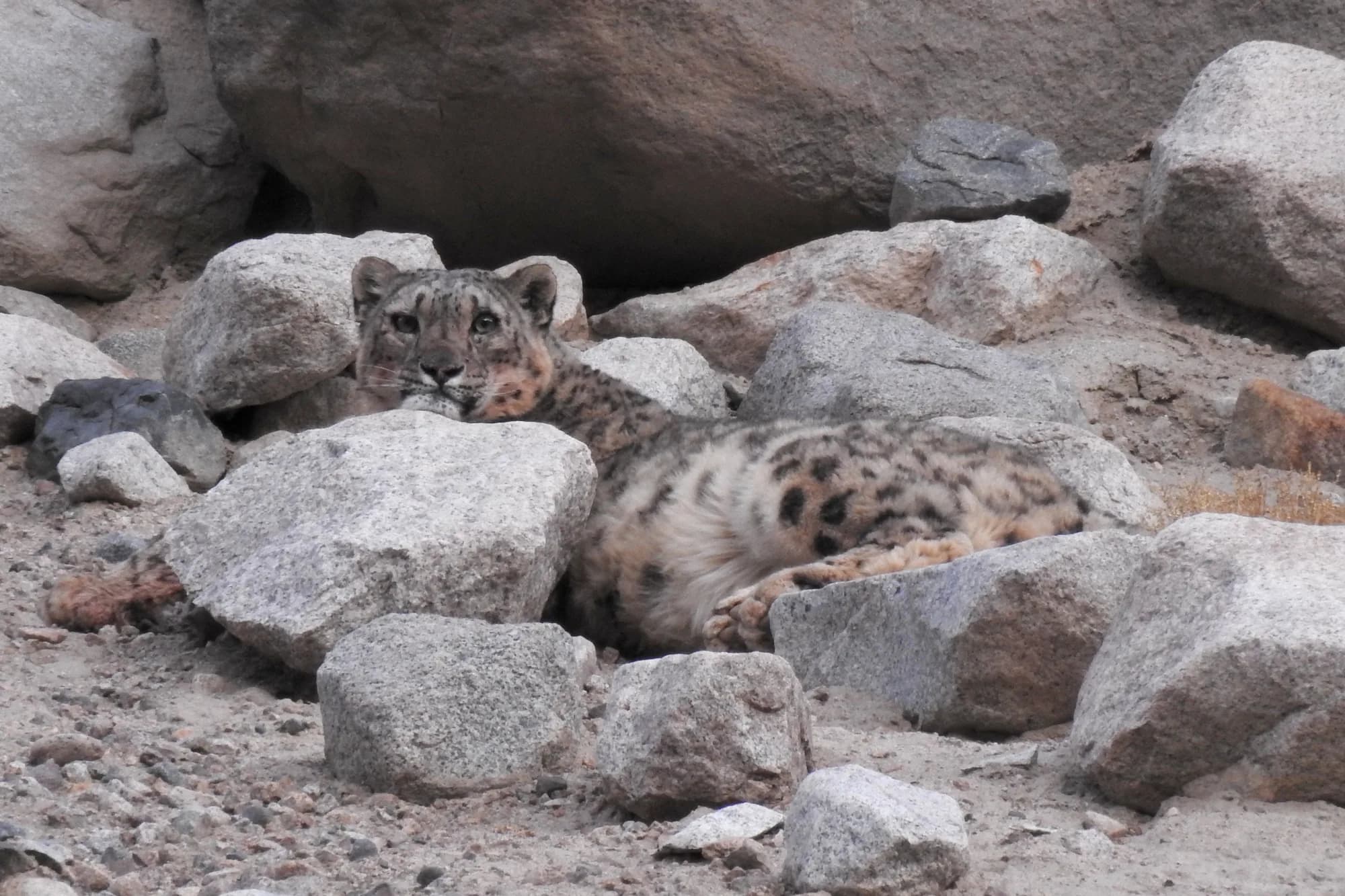
Ladakh and Spiti, in winter
Snow leopard — the trip you will be on
Not a safari. A mountain expedition with a chance of the animal — cold, high, and measured in days of patience rather than in drives.
Hemis — the park in full