
Species · Equus kiang
Kiang
The Tibetan wild ass — chestnut, white-bellied, and the defining large mammal of eastern Ladakh. It is the one big animal on the Changthang you are almost certain to see.
Also called
- Kyang · Ladakhi
- Tibbati gadha (तिब्बती गधा) · Hindi
Checked 31 Aug 2026
- Where
- Eastern Ladakh, and a little of Sikkim
- Best months
- May–September
- Altitude
- About 4,000–5,000 m
- Note
- Herds of ten to fifty
High-altitude steppe and plain, effectively the Changthang plateau of eastern Ladakh: Hanle, Tso Kar, Tso Moriri, Chushul. A small population persists in north Sikkim. Nowhere else in India.
Where it is
Where to actually go
Ranked, with the reason each — these are not interchangeable.
- 01Hanle and ChushulLadakhLarge herds on open plain, with black-necked cranes and Tibetan wolf in the same country.The best Changthang day
- 02Tso KarLadakhReliable herds around the salt lake basin, and easy to combine with the Leh–Manali route.Easiest to reach
- 03Tso MoririLadakhKiang along the approach and around the lake, in some of the most photogenic terrain in India.Scenery
Where you will not see one
- The Little Rann of KutchThat is the Indian wild ass, the khur — a different species, sandy rather than chestnut, at sea level rather than 4,500 metres. The two are routinely conflated as 'Indian wild ass'.
- Leh and the Indus valleyKiang are an eastern Ladakh animal. A day trip from Leh does not reach them; the Changthang does.
When to go
When to go
- J
- F
- M
- A
- M
- J
- J
- A
- S
- O
- N
- D
January: marginal. February: marginal. March: marginal. April: good. May: best. June: best. July: best. August: best. September: best. October: good. November: marginal. December: marginal.
Through the day
- Dawn
- Morning
- Midday
- Afternoon
- Dusk
- Night
Dawn: active. Morning: most active. Midday: active. Afternoon: most active. Dusk: active. Night: not normally seen.
Telling it apart
Told apart from
In writing, not in the field
Colour, size and place. The khur is sandy-fawn, smaller, and lives in the salt desert of Gujarat; the kiang is rich chestnut, larger, and lives above 4,000 metres in Ladakh.
Marks chosen to be usable from a moving vehicle — a kiang is rarely still and never close enough for anything subtler.
What it looks like in the field
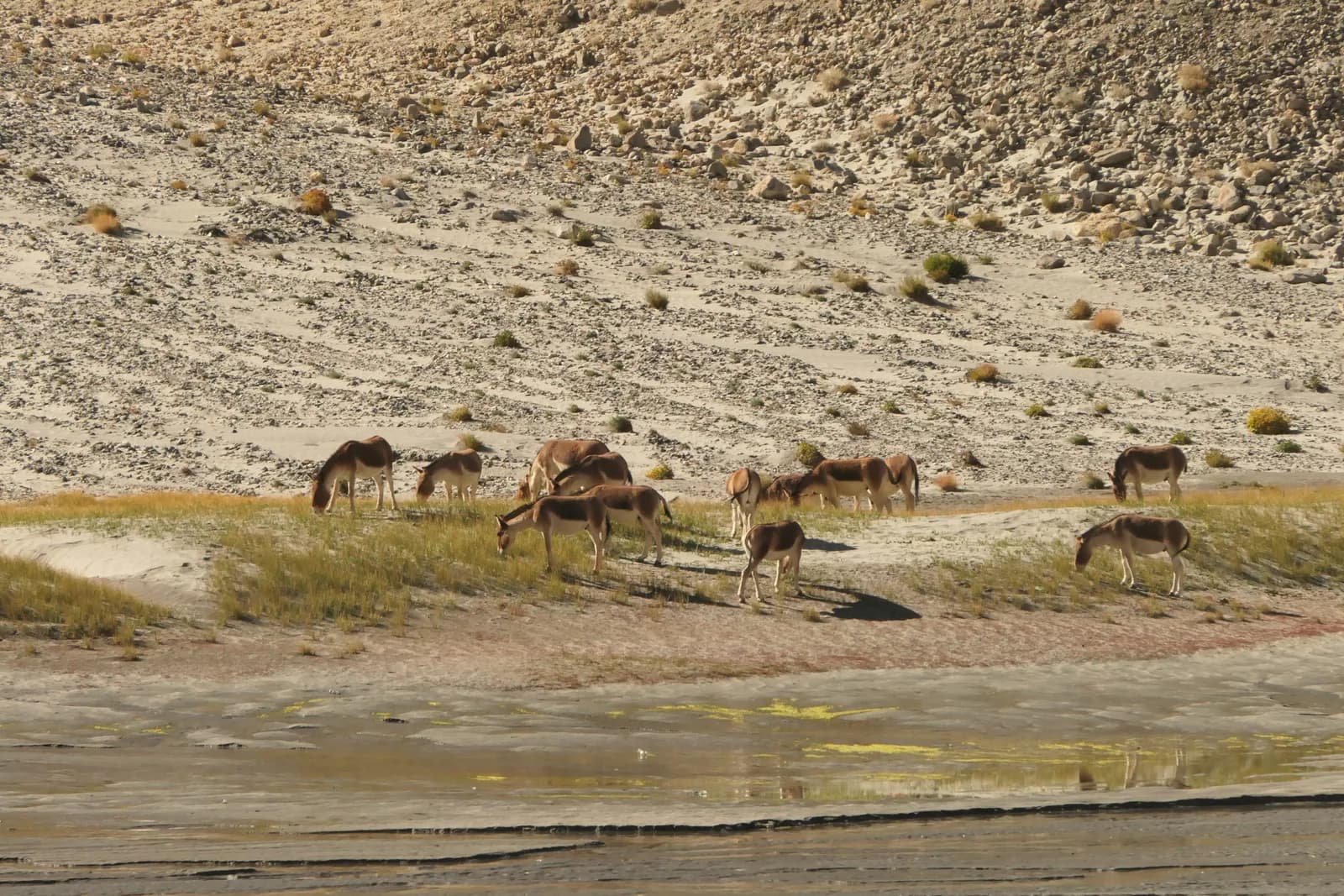
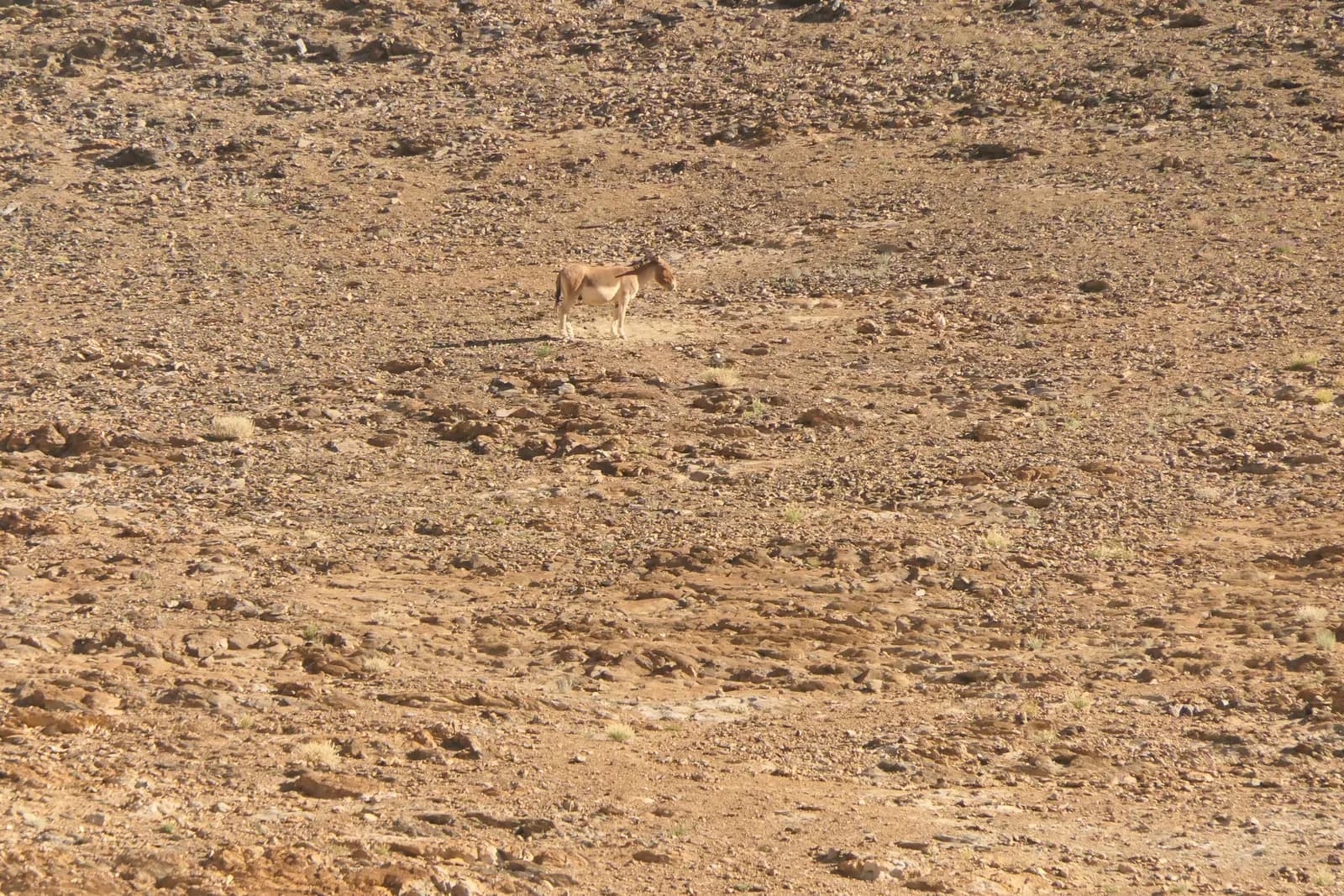
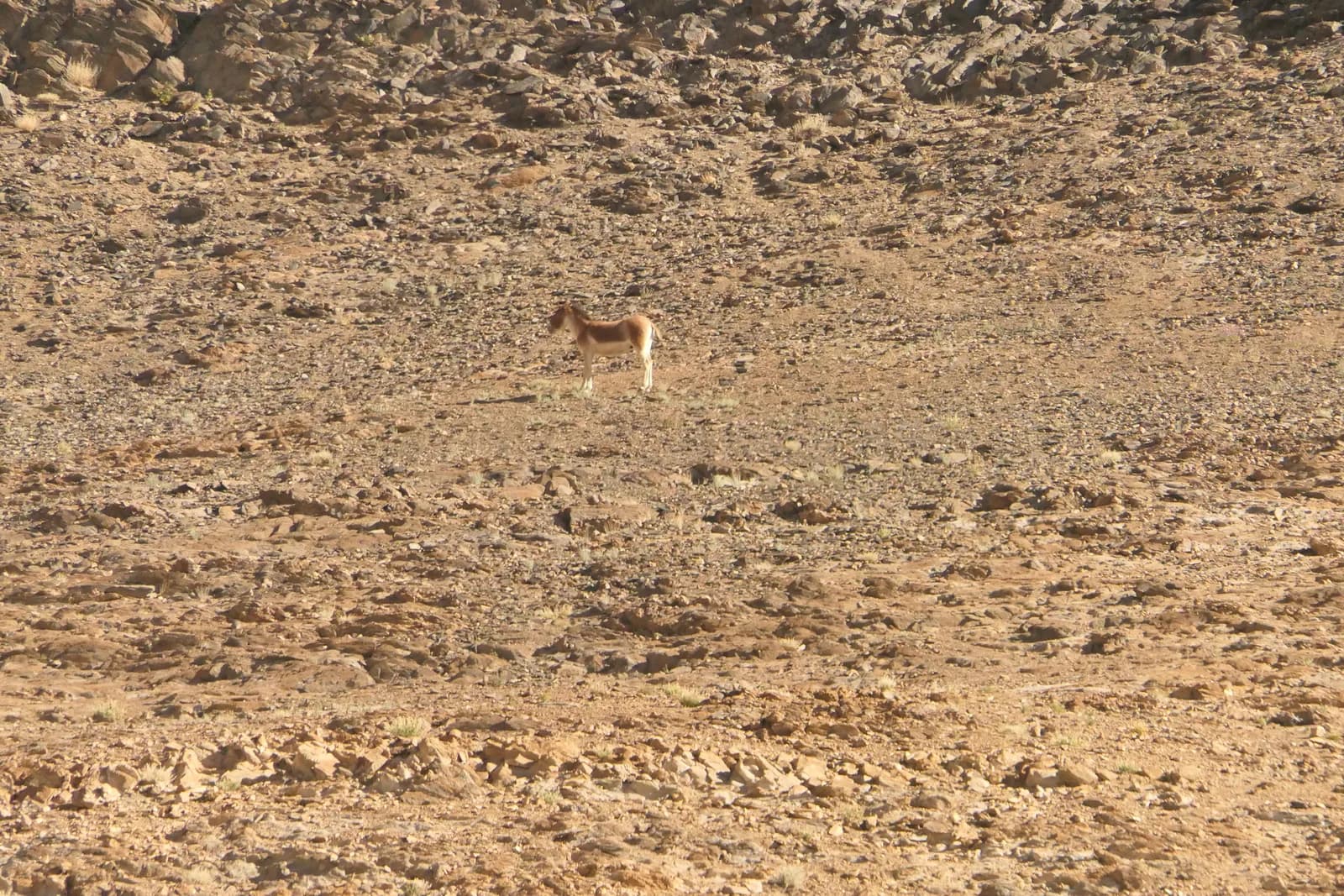
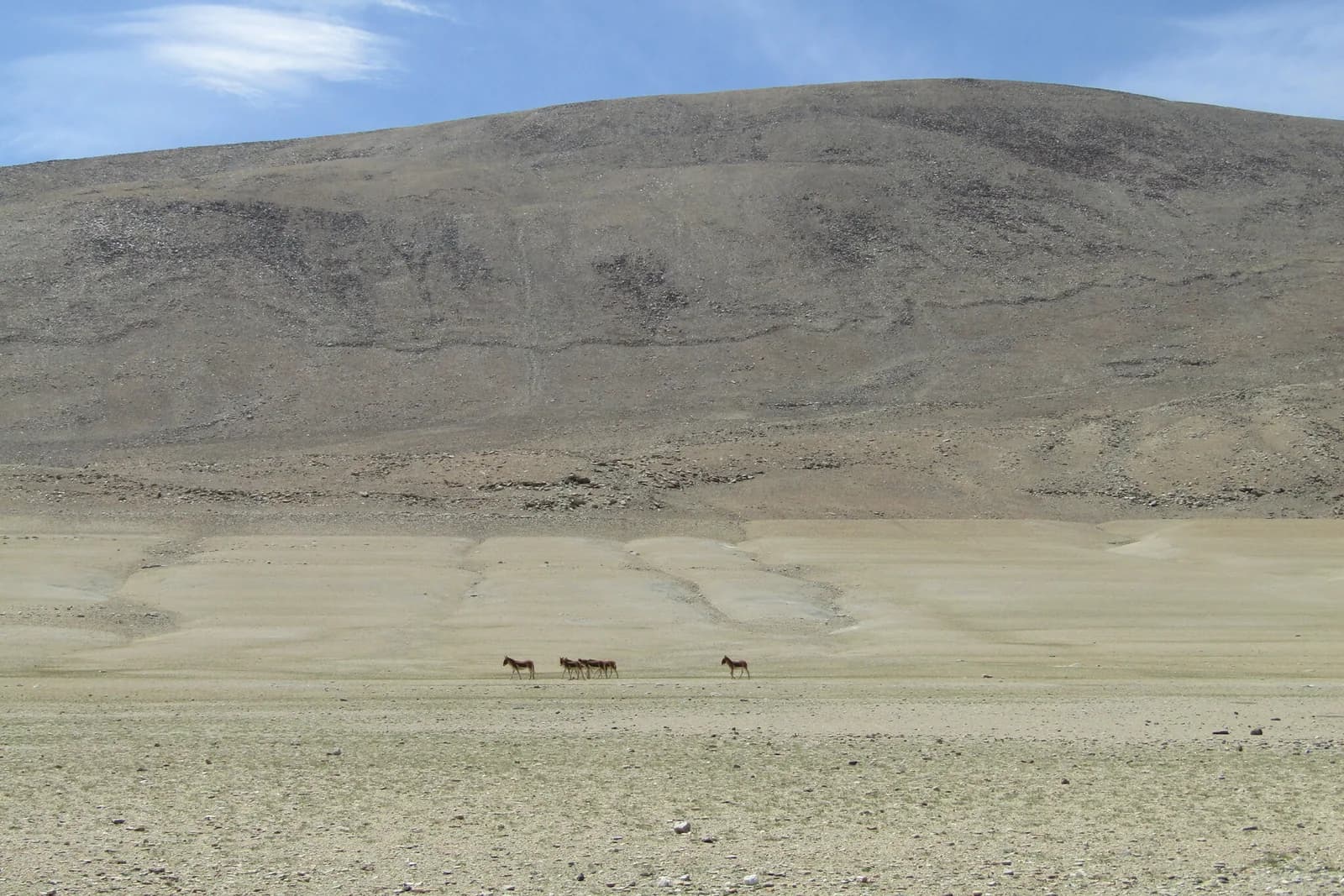
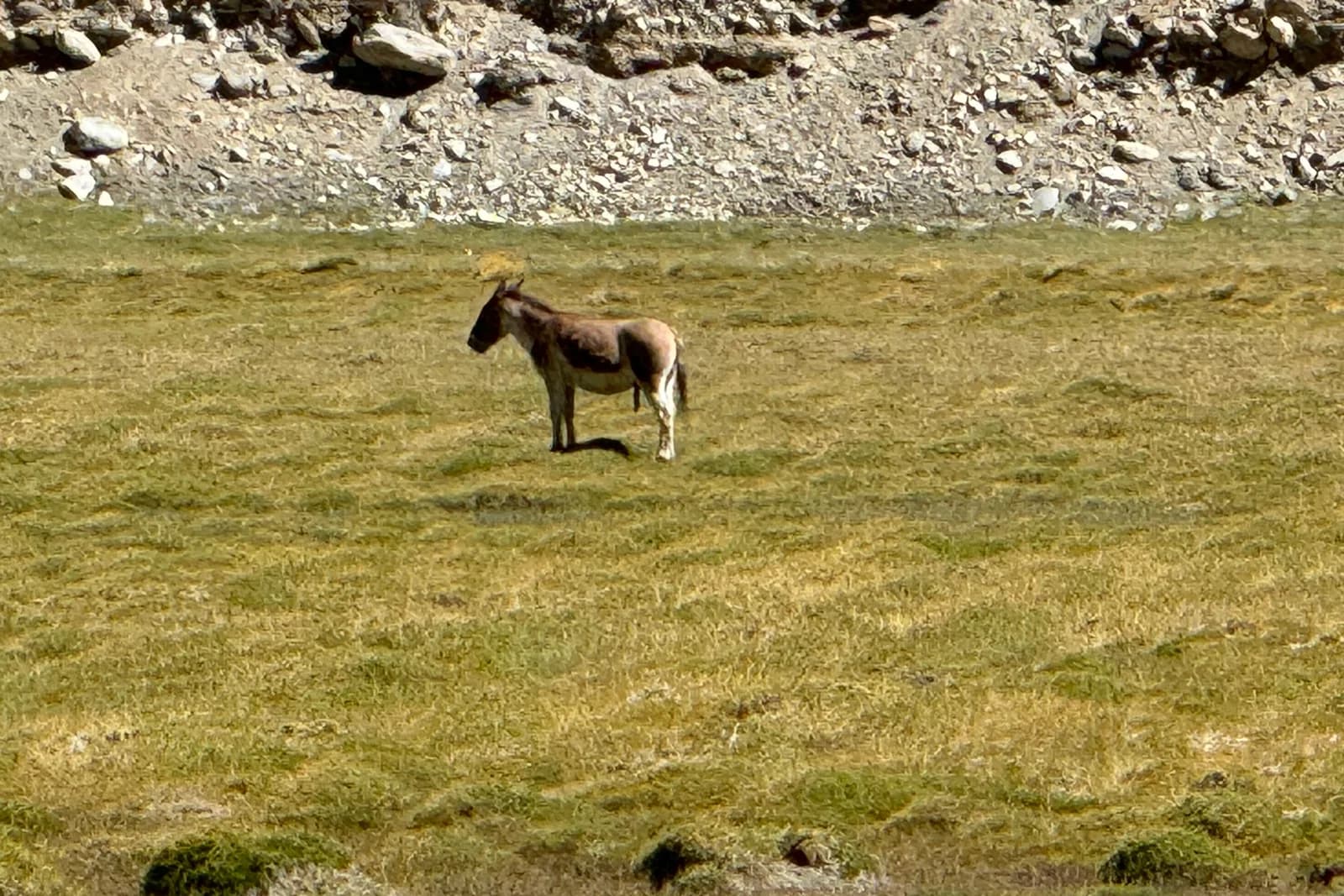
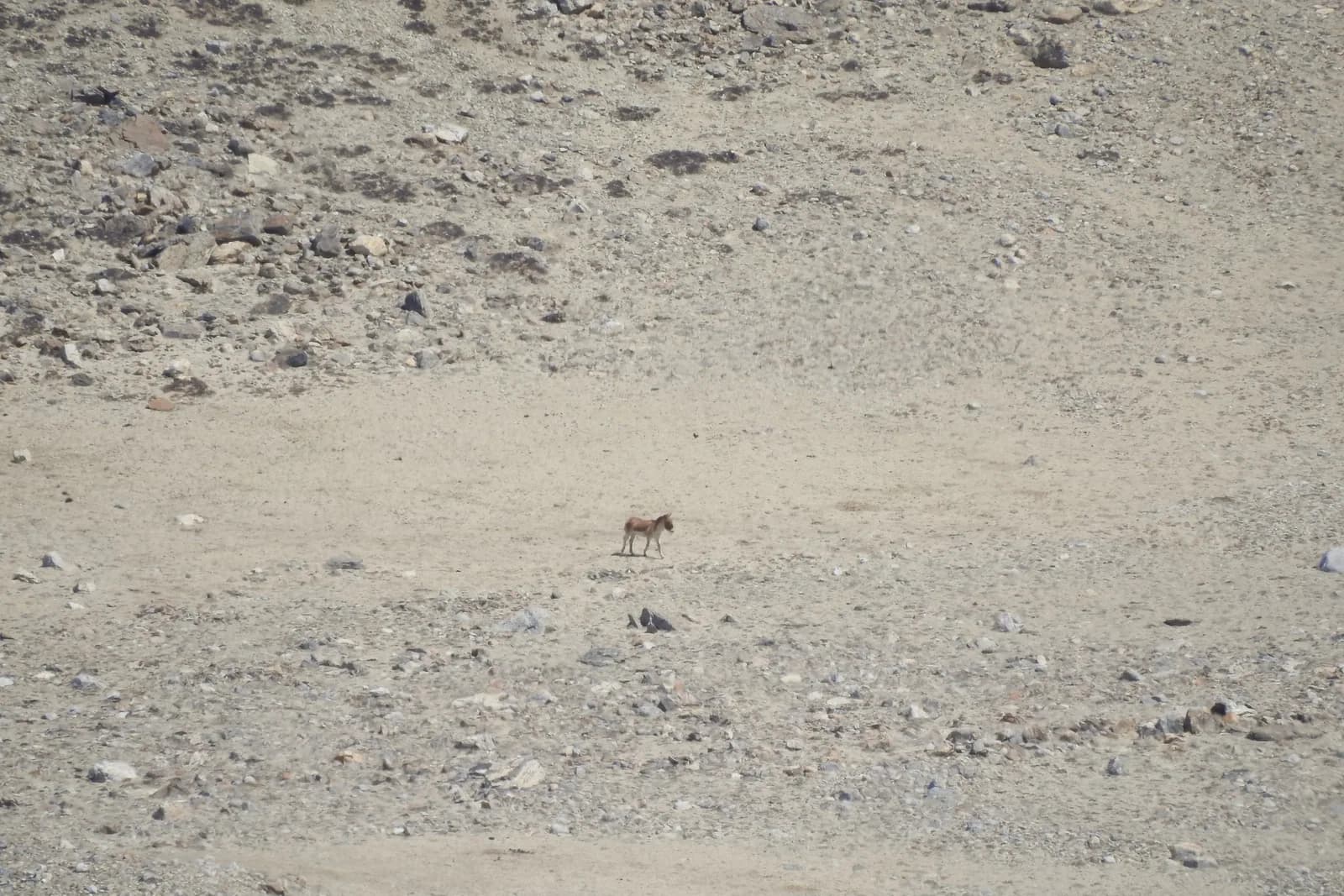
Photographs of Kiang in the wild, in Indian reserves. We publish no captive, baited or digitally composited images, and no photograph whose licence we cannot show.
Two wild asses, one careless name
India has two, and the phrase “Indian wild ass” belongs to only one of them. The khur lives in the Little Rann of Kutch, on salt flats at sea level. The kiang lives on the Tibetan plateau, four and a half thousand metres up.
What the Changthang actually is
High cold desert — grass, salt lakes and very little else — grazed by Changpa herders and their pashmina goats for as long as anyone has records of. The kiang shares that grass, which is the origin of the only real conflict the species has.
A wildlife trip here is also a trip through a working pastoral landscape. The animals and the herds are on the same ground and always have been.
Status and protection
Status and protection
- IUCN Red List
- Least Concern
- Population trend
- → Stable
- Wildlife Protection Act 1972
- Schedule I
- CITES
- Appendix II
Assessment is for the full species Equus kiang, which is the binomial given. Global scope.
Assessed 2015 · IUCN Red List assessment
What to book to see one
What you would be booking
- How it is seen
- A vehicle-based trip onto the Changthang — Tso Kar, Tso Moriri or Hanle — with permits arranged in advance.
- Drives to book
- One full day on the plateau is usually enough. They are among the easiest large mammals in India to find once you are in the right place.
The Changthang needs inner-line permits and acclimatisation. Arriving in Leh and driving to 4,500 metres the same day is how trips get cut short, and the animals are not going anywhere.
Changthang — the reserve in fullQuestions people ask
Where can I see a kiang?
Is the kiang the same as the Indian wild ass?
When should I go?
Read next
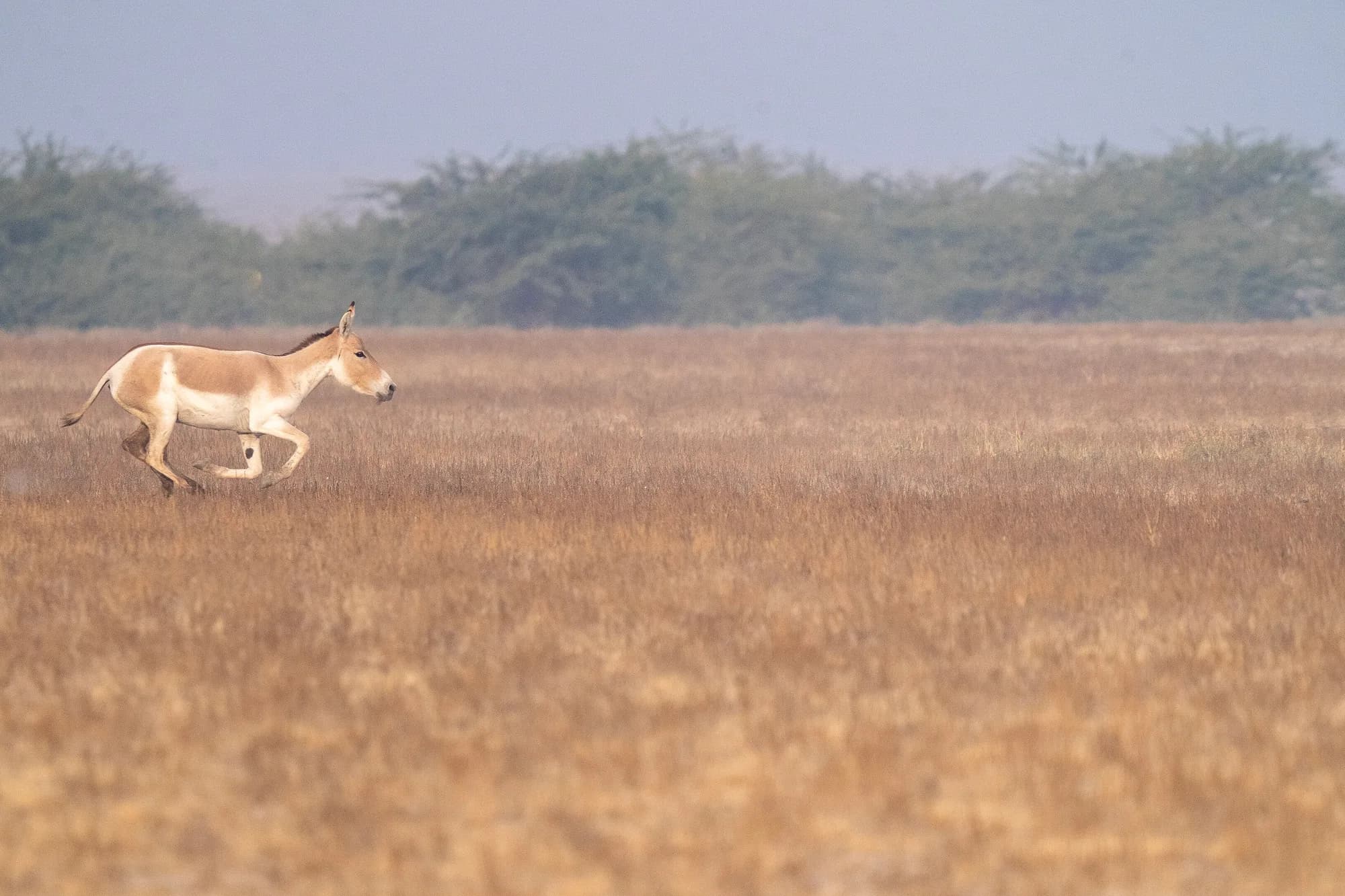
The Little Rann of Kachchh
Indian wild ass — the other one
A wild equid running across a salt desert that floods every monsoon and bakes solid every summer. One of the few Indian populations whose numbers are genuinely going up.
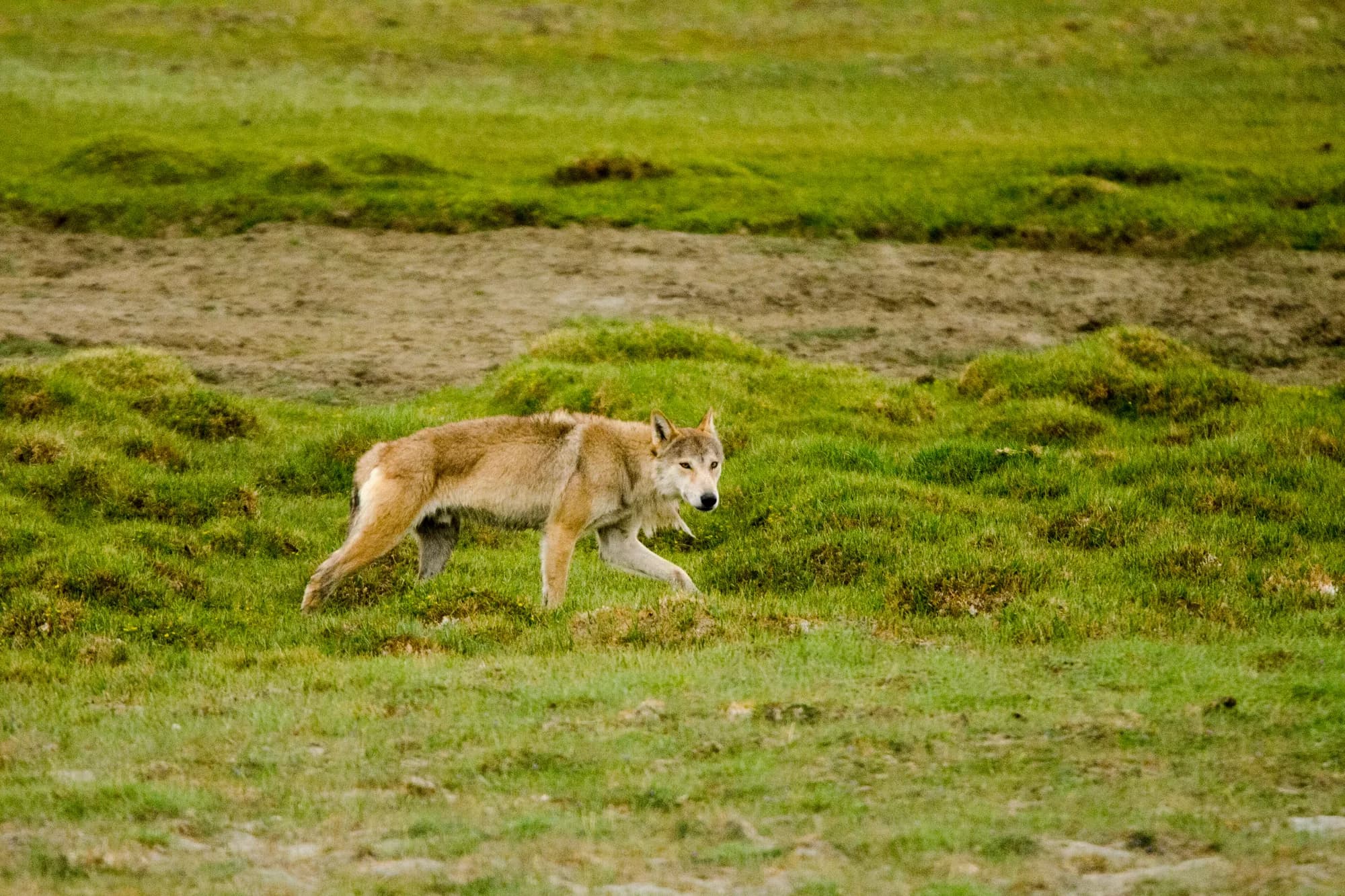
Open plateau, crossing at distance
Tibetan wolf — the same plains
The wolf of the high plateau — woolly, pale, and far more often seen on a snow leopard trip than anyone books it for. It is also the most persecuted large carnivore in Ladakh.
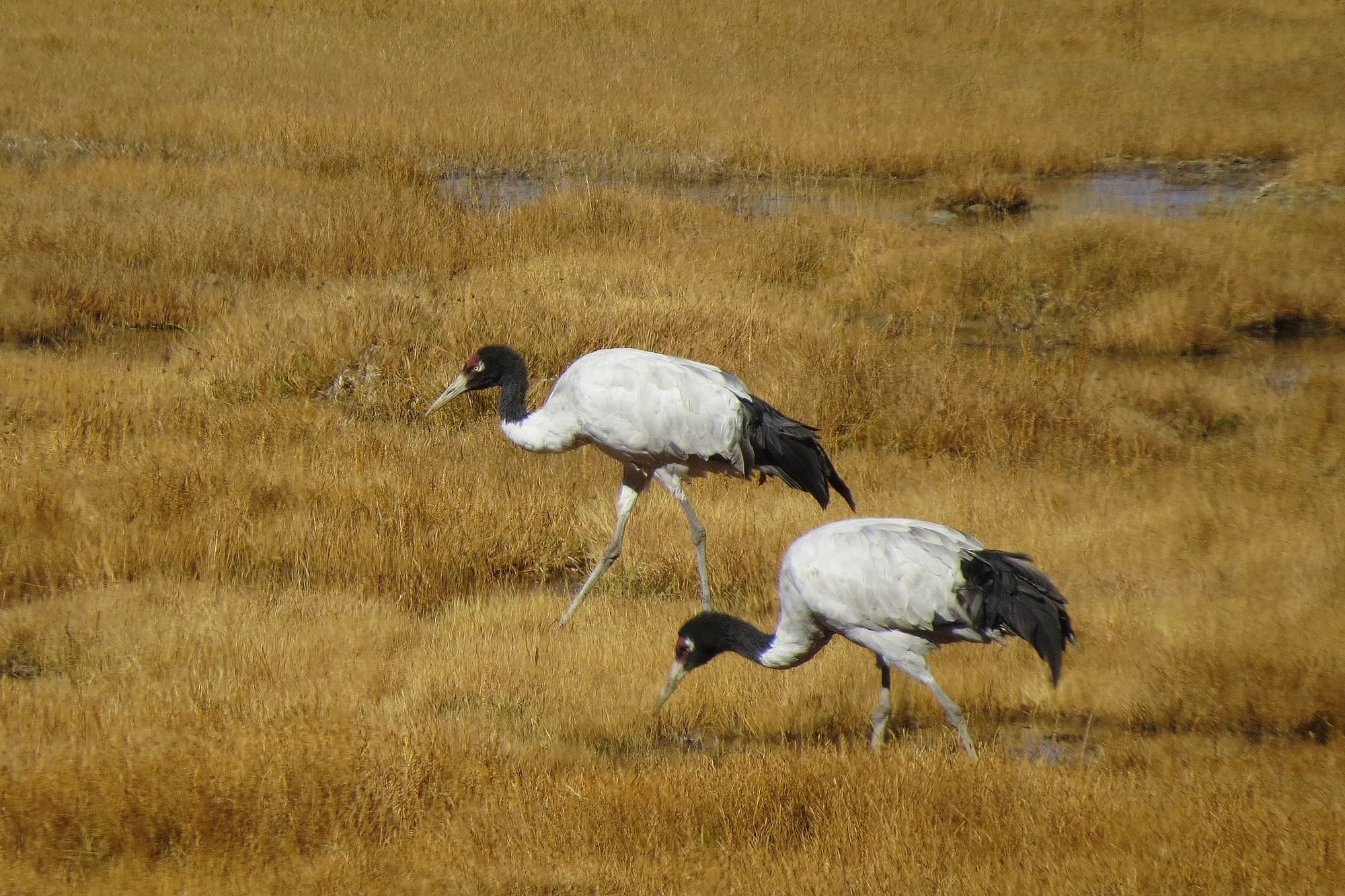
High-altitude marsh in Ladakh, in summer
Black-necked crane — the Changthang breeder
The only crane that breeds on the Tibetan plateau, and in India only in Ladakh. A handful of pairs, on wetlands at four thousand metres, in the months everyone else visits for snow leopard's opposite season.
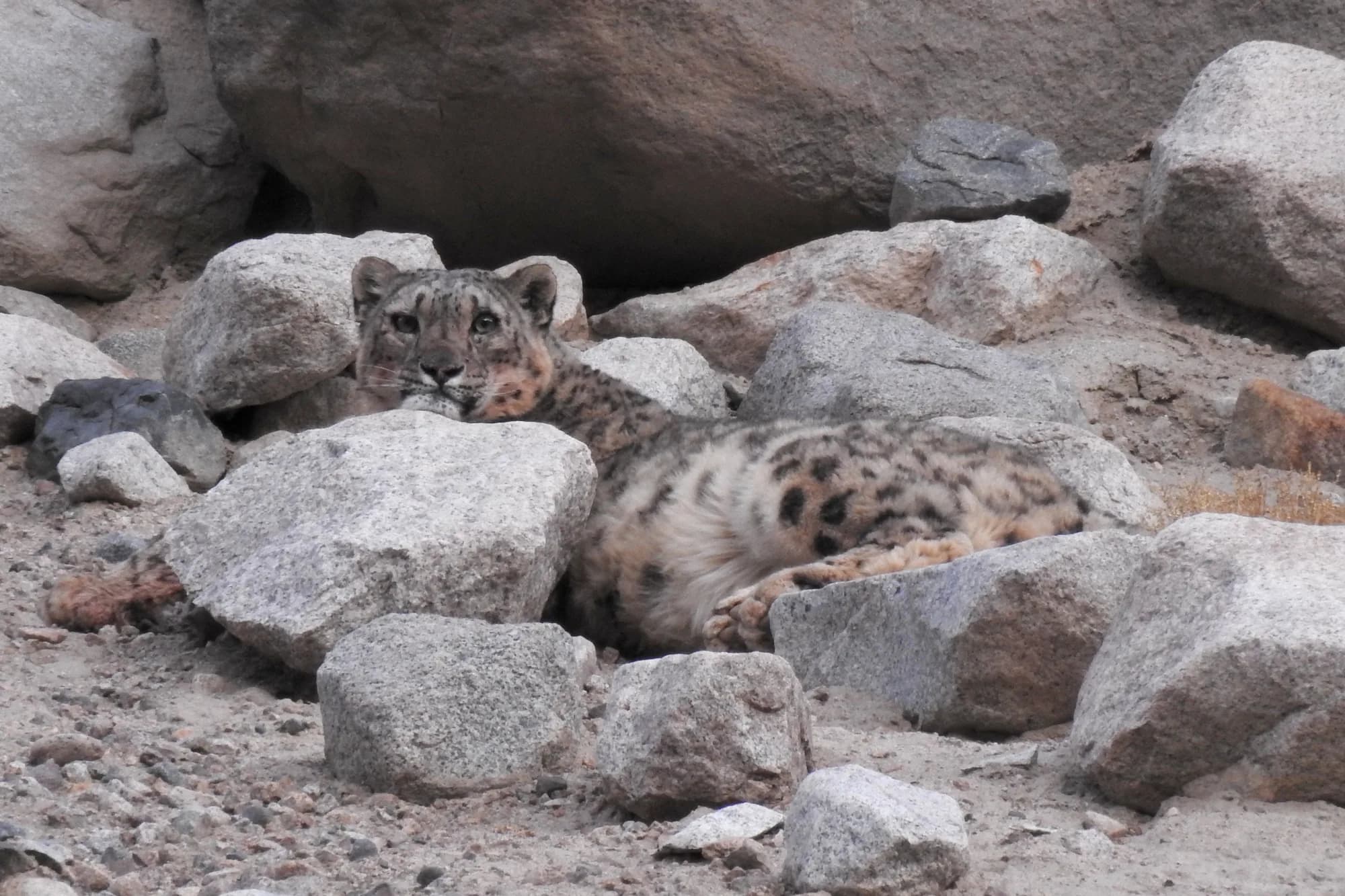
Ladakh and Spiti, in winter
Snow leopard — where and when
Not a safari. A mountain expedition with a chance of the animal — cold, high, and measured in days of patience rather than in drives.