
Species · Macaca radiata
Bonnet macaque
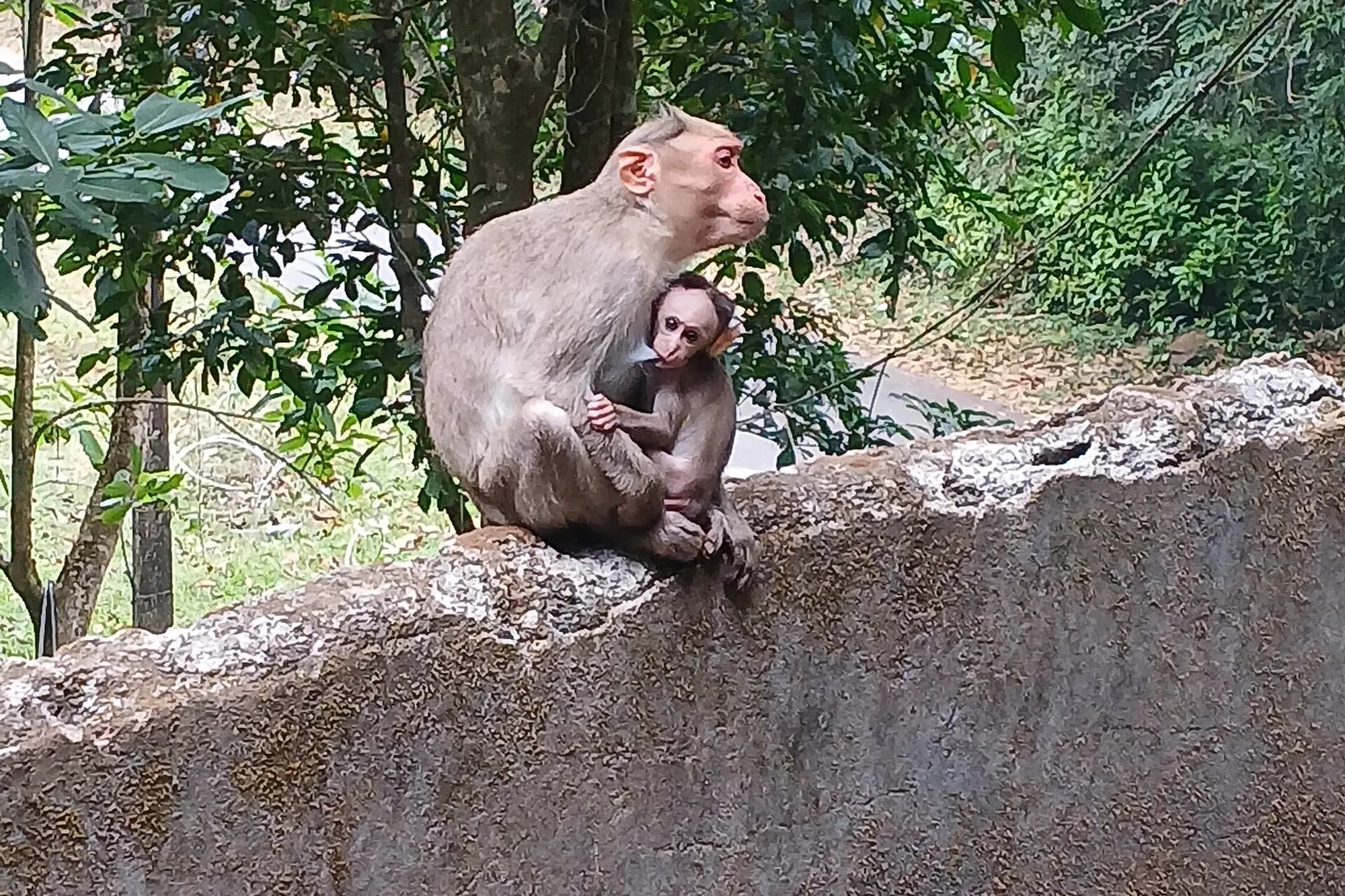
The southern macaque, named for the neat parting of hair on its crown. It is the monkey on every Ghats roadside, it is now formally in decline, and almost nobody photographs it on purpose.
Also called
- Manga (ಮಂಗ) · Kannada
- Korangu (குரங்கு) · Tamil
- Kurangu · Malayalam
- Makad · Marathi
Checked 31 Aug 2026
- Where
- Peninsular India, south of the Tapti and Godavari
- Best months
- Any
- Habit
- Troops of ten to thirty
- Note
- Tail longer than the body
Peninsular India south of a rough line along the Tapti and Godavari, in forest, scrub, plantation, temple ground and town. North of that line the rhesus macaque replaces it, and the two meet in a narrow contact zone across central India.
Where it is
Where to actually go
Ranked, with the reason each — these are not interchangeable.
- 01KabiniKarnatakaAbundant, relaxed and easy to watch properly rather than glance at.Troops at the water
- 02PeriyarKeralaCommon along the lake shore and the trekking routes, alongside Nilgiri langurs.Both primates together
- 03MudumalaiTamil NaduRoadside troops on the Ooty road, which is exactly where the feeding problem is worst and most visible.The conflict, up close
Where you will not see one
- Northern IndiaThe macaque in Delhi, Rajasthan, Uttarakhand or Corbett is a rhesus. Bonnet macaques do not occur there.
- Dismissed as 'just a monkey'It was uplisted to Vulnerable after real declines across parts of its range — road kills, persecution and the removal of avenue trees. The commonest species on your trip is not necessarily a secure one.
When to go
When to go
- J
- F
- M
- A
- M
- J
- J
- A
- S
- O
- N
- D
January: best. February: best. March: best. April: good. May: good. June: marginal. July: marginal. August: marginal. September: good. October: best. November: best. December: best.
Through the day
- Dawn
- Morning
- Midday
- Afternoon
- Dusk
- Night
Dawn: active. Morning: most active. Midday: usually resting. Afternoon: most active. Dusk: active. Night: not normally seen.
Telling it apart
Told apart from
Central India, where the ranges meet
Crown and rump. Rhesus have flat crown hair and an orange-red rump and hindquarters; bonnets have hair radiating from a central parting and no orange.
Wet Ghats forest
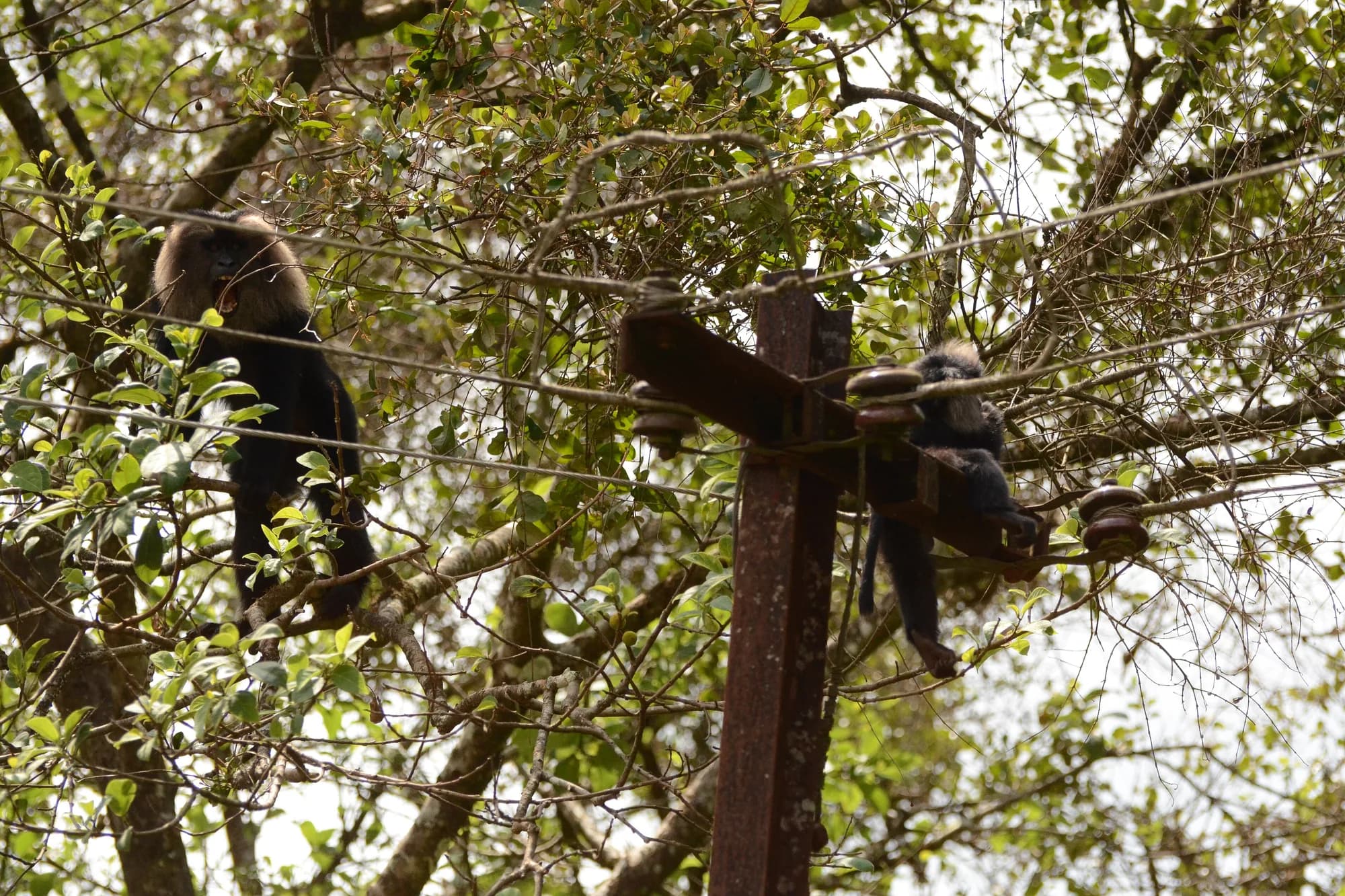
Mane and tail. The lion-tailed macaque is black with a silver mane and a tufted tail, and lives only in Ghats rainforest.
Marks chosen to be usable from a moving vehicle — a bonnet macaque is rarely still and never close enough for anything subtler.
What it looks like in the field
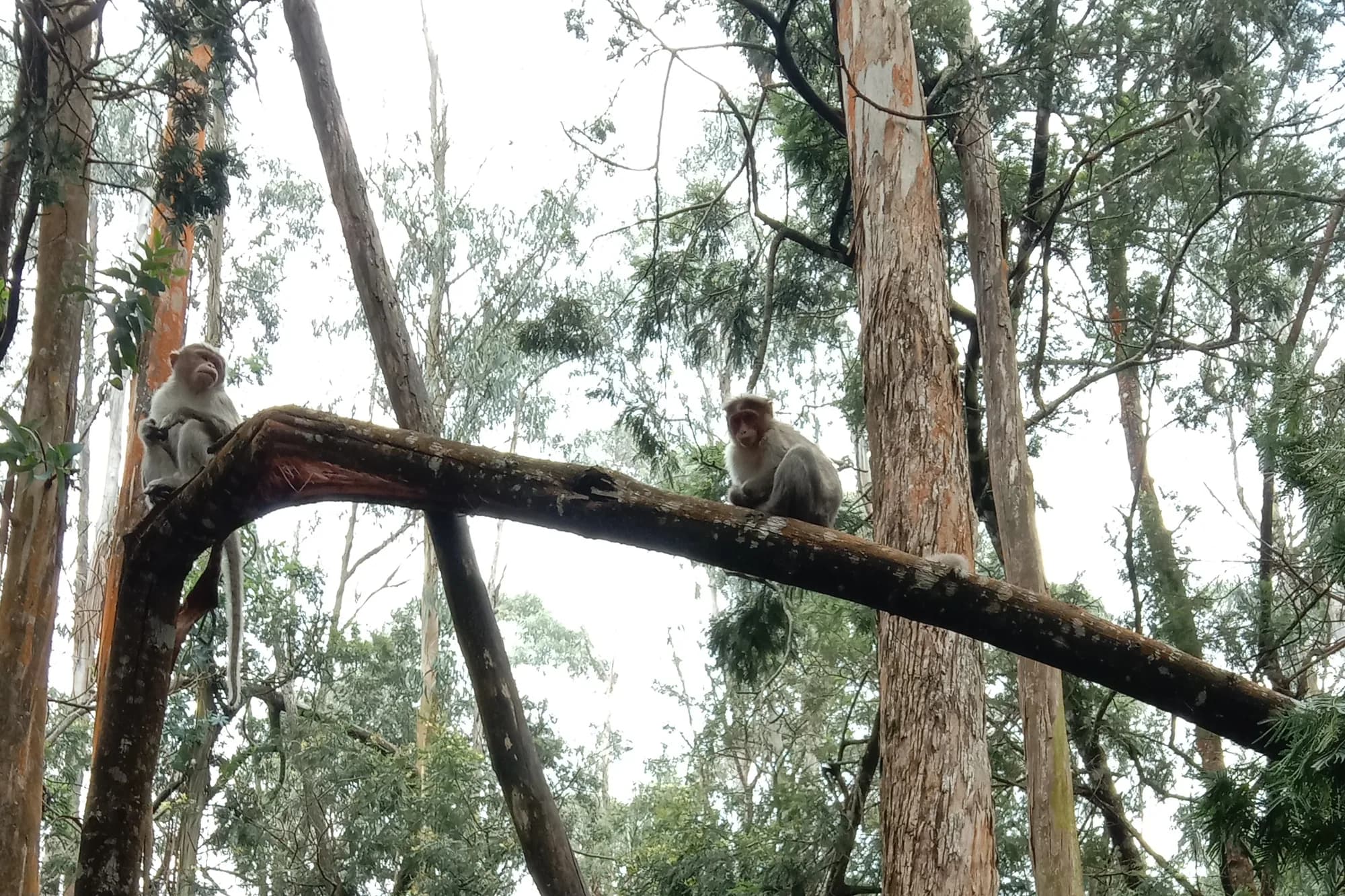
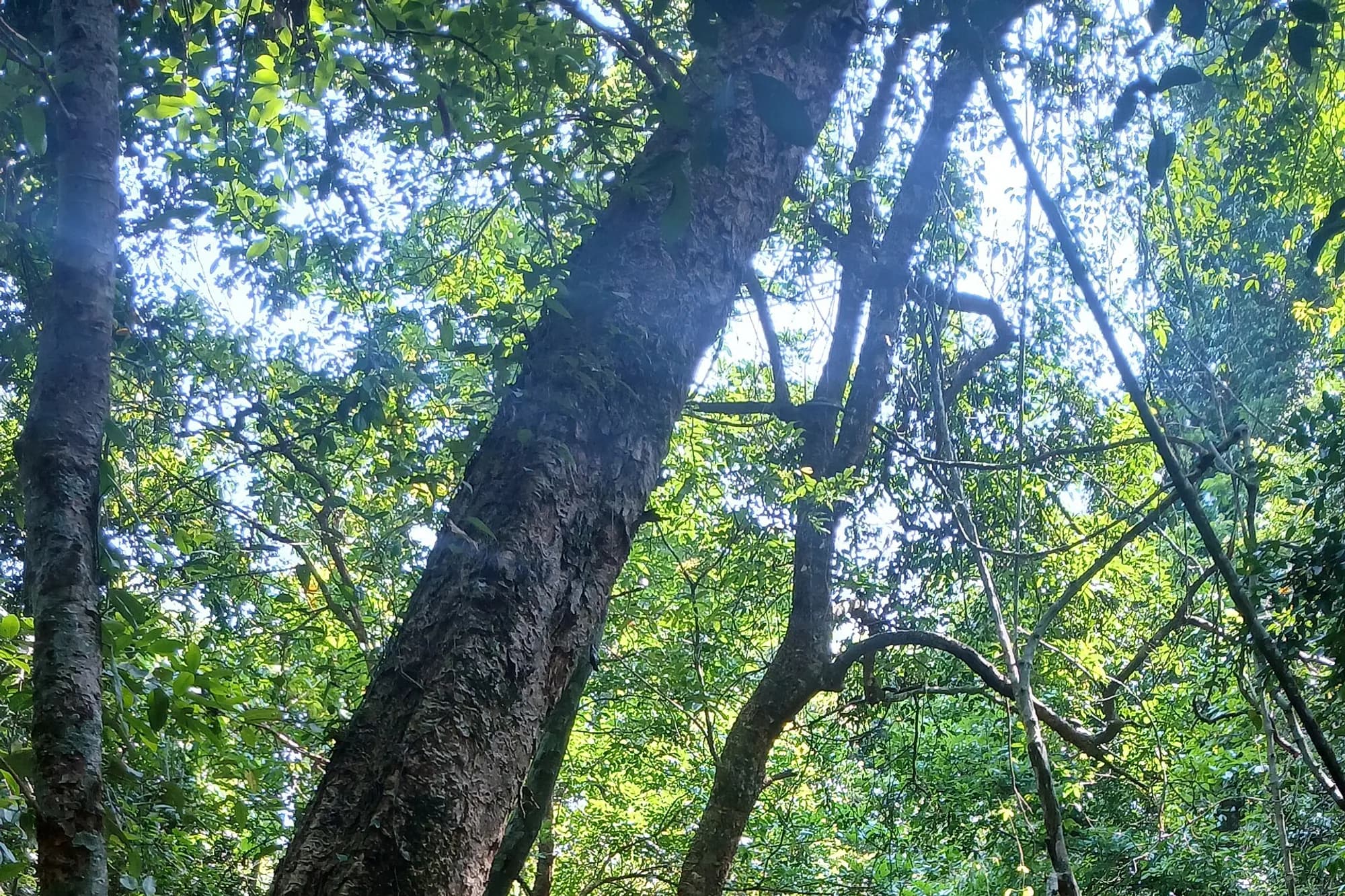
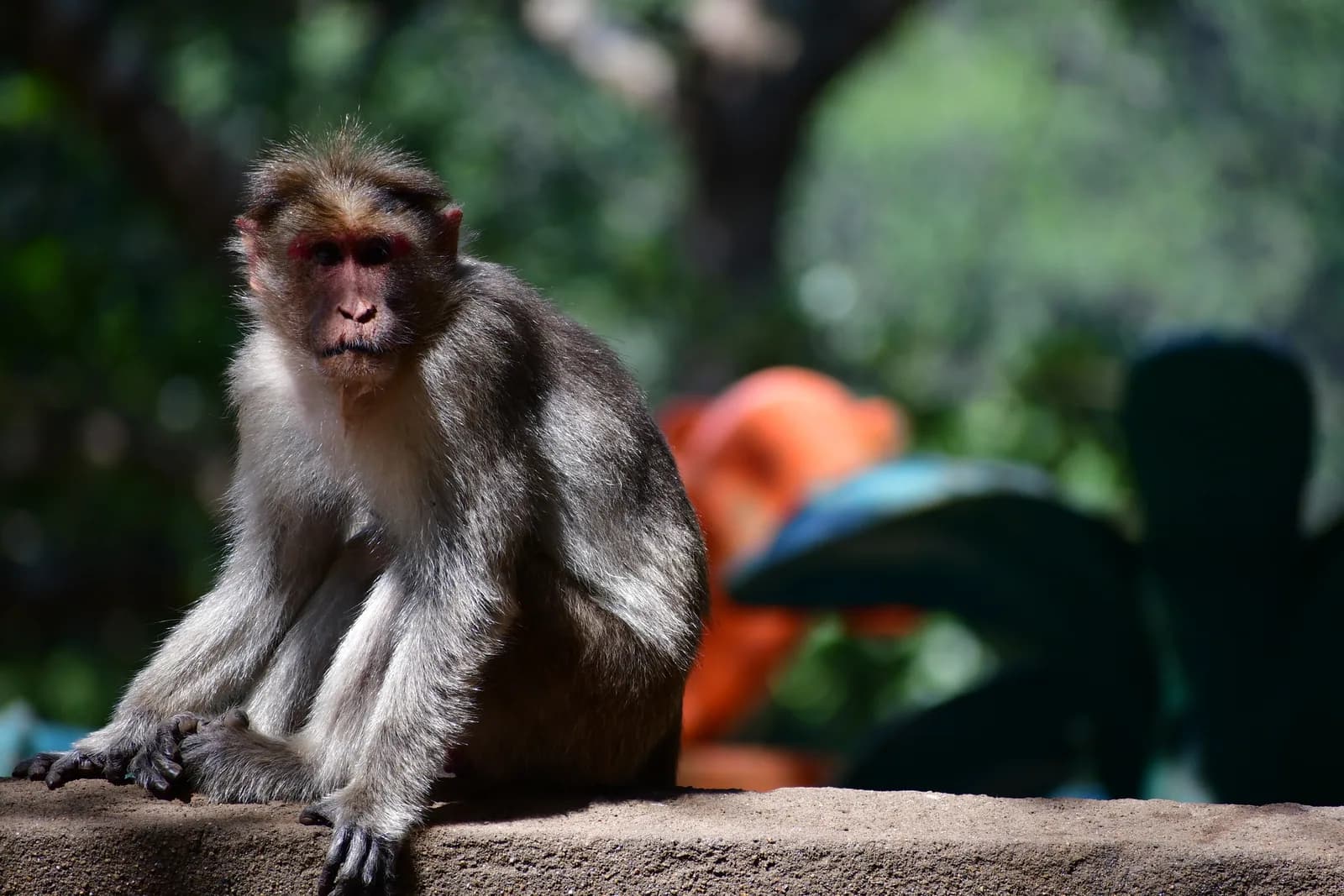
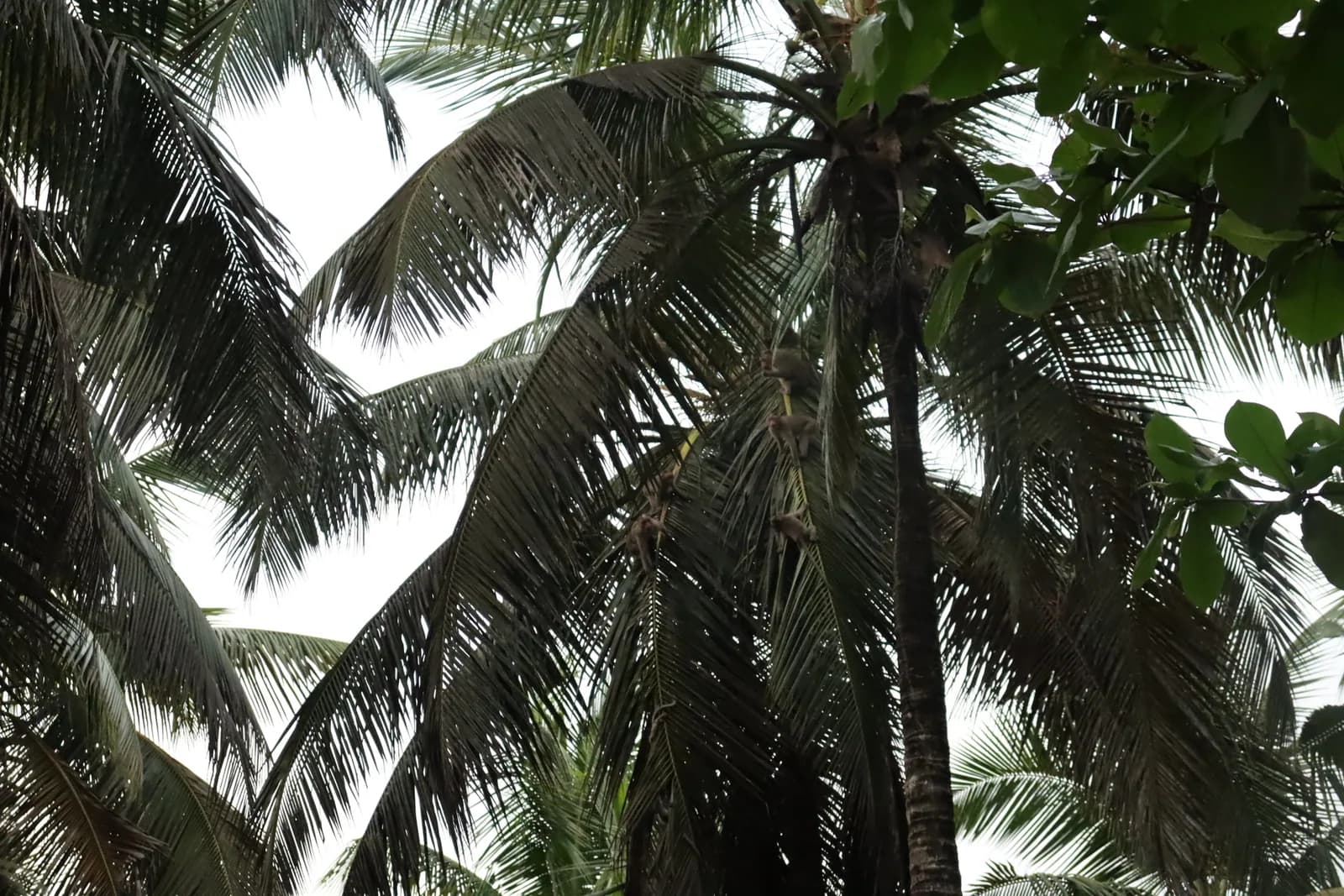
Photographs of Bonnet macaque in the wild, in Indian reserves. We publish no captive, baited or digitally composited images, and no photograph whose licence we cannot show.
The parting
Look at the top of the head. The hair grows outward from a whorl near the centre of the crown and falls away in every direction, like a cap put on slightly askew. That is the whole identification, and it works at any age.
A common species in decline
It is everywhere, and it has still been uplisted. Roadside troops die on highways, avenue trees along the old routes have been felled, and in places rhesus macaques released or spreading from the north are displacing it.
Abundance in the places tourists drive is not the same as a healthy range, and this species is the clearest illustration of that in India.
Status and protection
Status and protection
- IUCN Red List
- Vulnerable
- Population trend
- ↓ Decreasing
- Wildlife Protection Act 1972
- Schedule I
- CITES
- Appendix II
Species-level assessment of Macaca radiata, matching the binomial given. Criteria A2acd+3cd; date assessed 21 November 2015;
Assessed 2015 · IUCN Red List assessment
What to book to see one
What you would be booking
- How it is seen
- No arrangement required. Any drive in a southern reserve, and most roadsides in the Ghats.
- Drives to book
- None. You will see them before you reach the gate.
Do not feed them, and keep vehicle windows up at known roadside troops. Fed troops become aggressive, and aggressive troops get culled or relocated.
Kabini — the park in fullQuestions people ask
How do I tell a bonnet macaque from a rhesus macaque?
Where are bonnet macaques found?
Why is such a common monkey listed as Vulnerable?
Read next
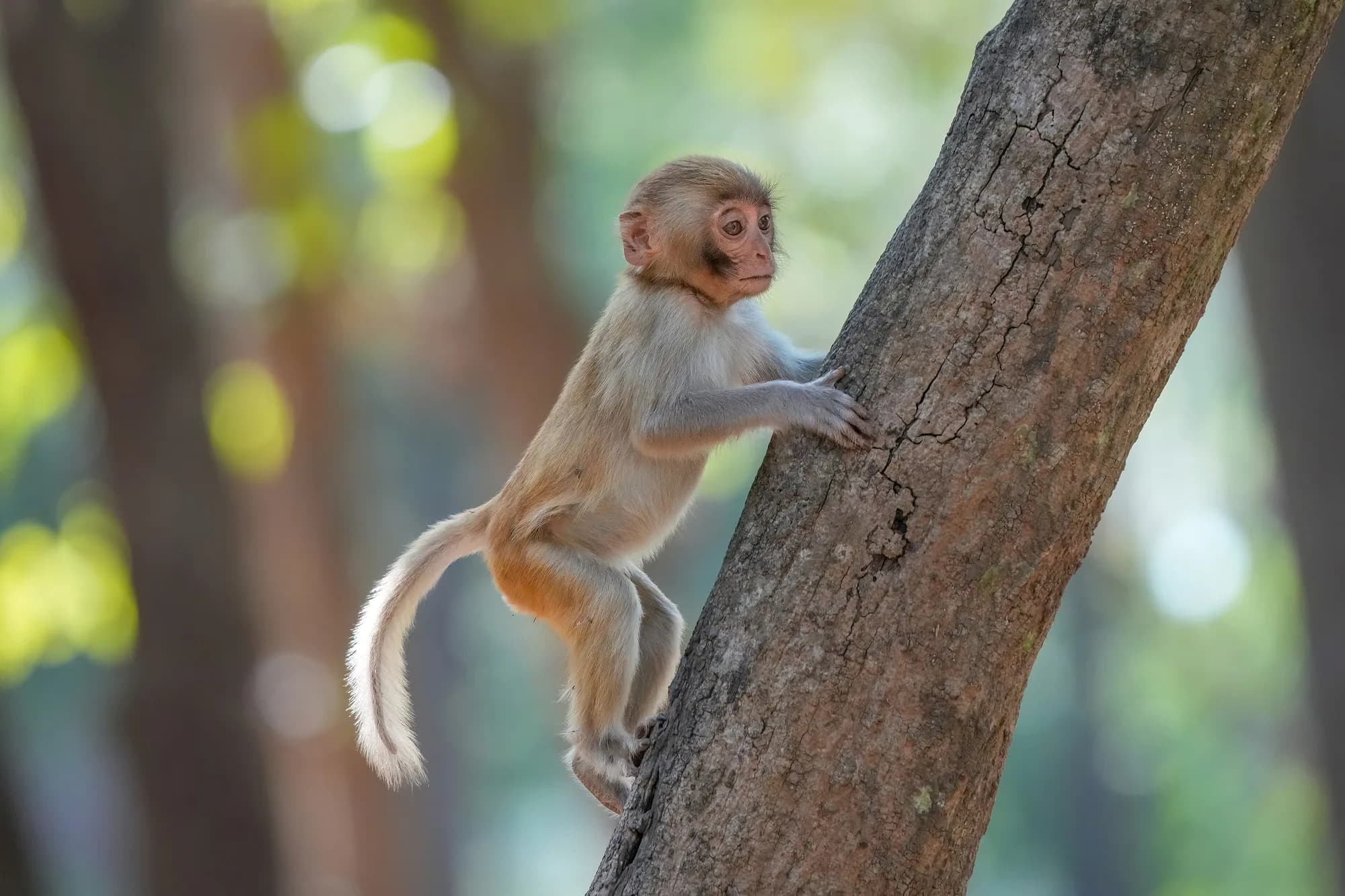
Everywhere in the north — including the car park
Rhesus macaque — the northern counterpart
The monkey you will actually meet: at temples, on roadsides, at park gates and on your lodge roof. Not a target species, and the one most likely to cost you a hospital visit.
Western Ghats rainforest canopy
Lion-tailed macaque — the rainforest one
A black macaque with a silver mane and a tufted tail, confined to fragments of Western Ghats rainforest. One of the most distinctive primates in Asia and among the least seen in India.
Western Ghats, and only there
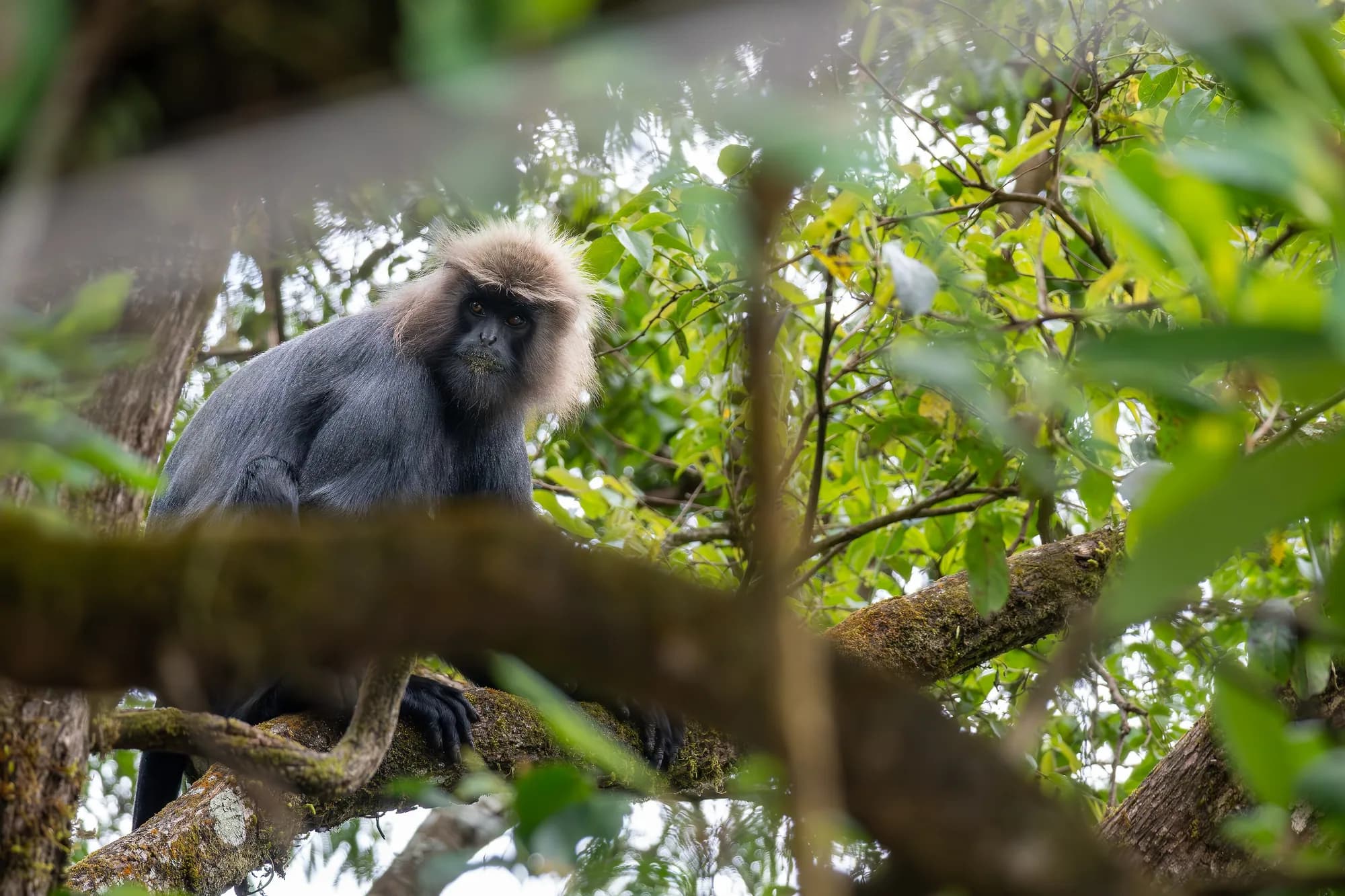
Nilgiri langur — the same forest
Glossy black with a golden head, endemic to the Western Ghats and loud enough to find by ear. It is the easiest Ghats endemic to see, and the one most often mistaken for the lion-tailed macaque people came for.
Karnataka
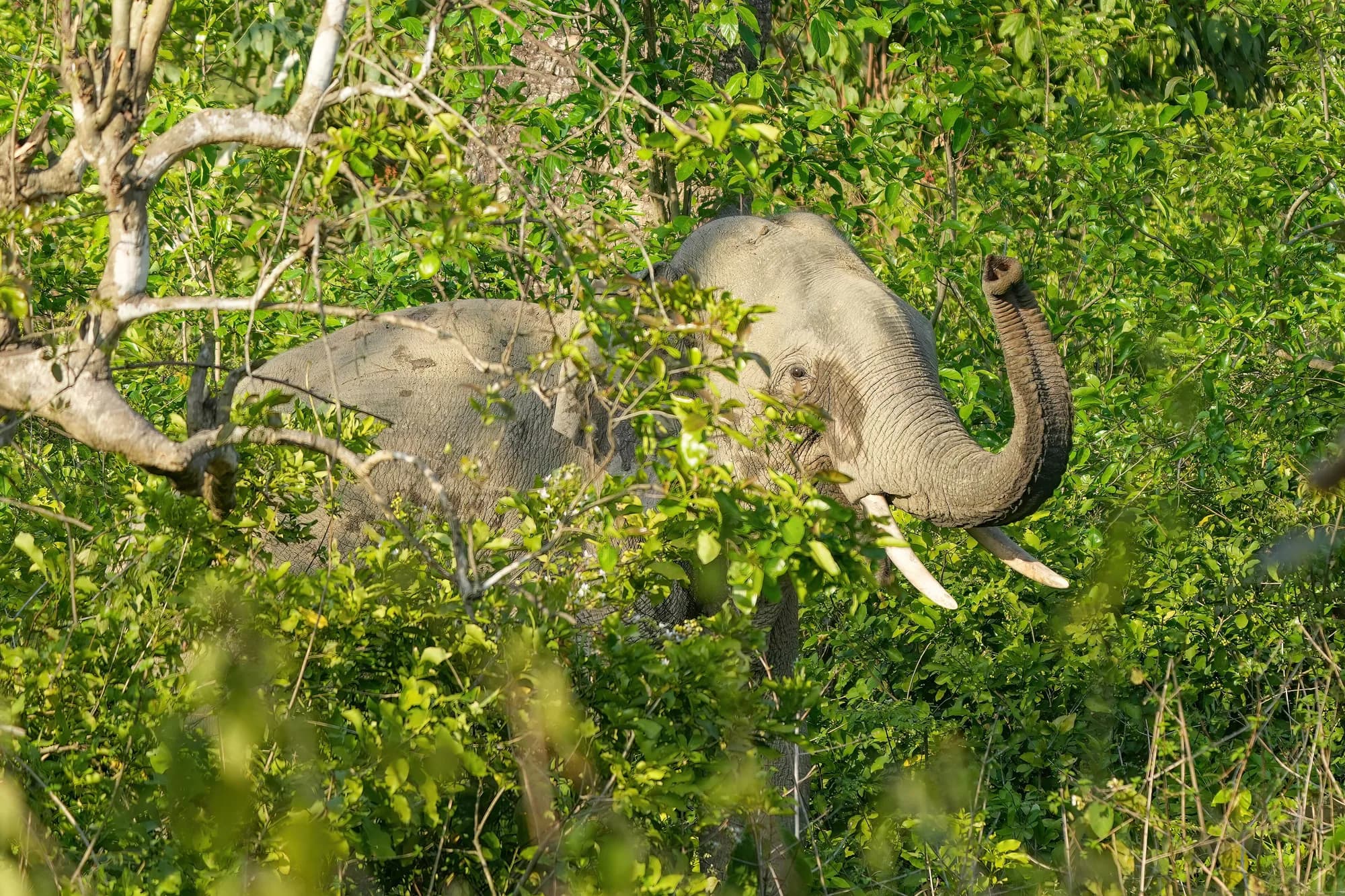
Kabini — the park in full
A reservoir edge that pulls every animal in the forest into a narrow strip through the dry months. The best elephants in India.