
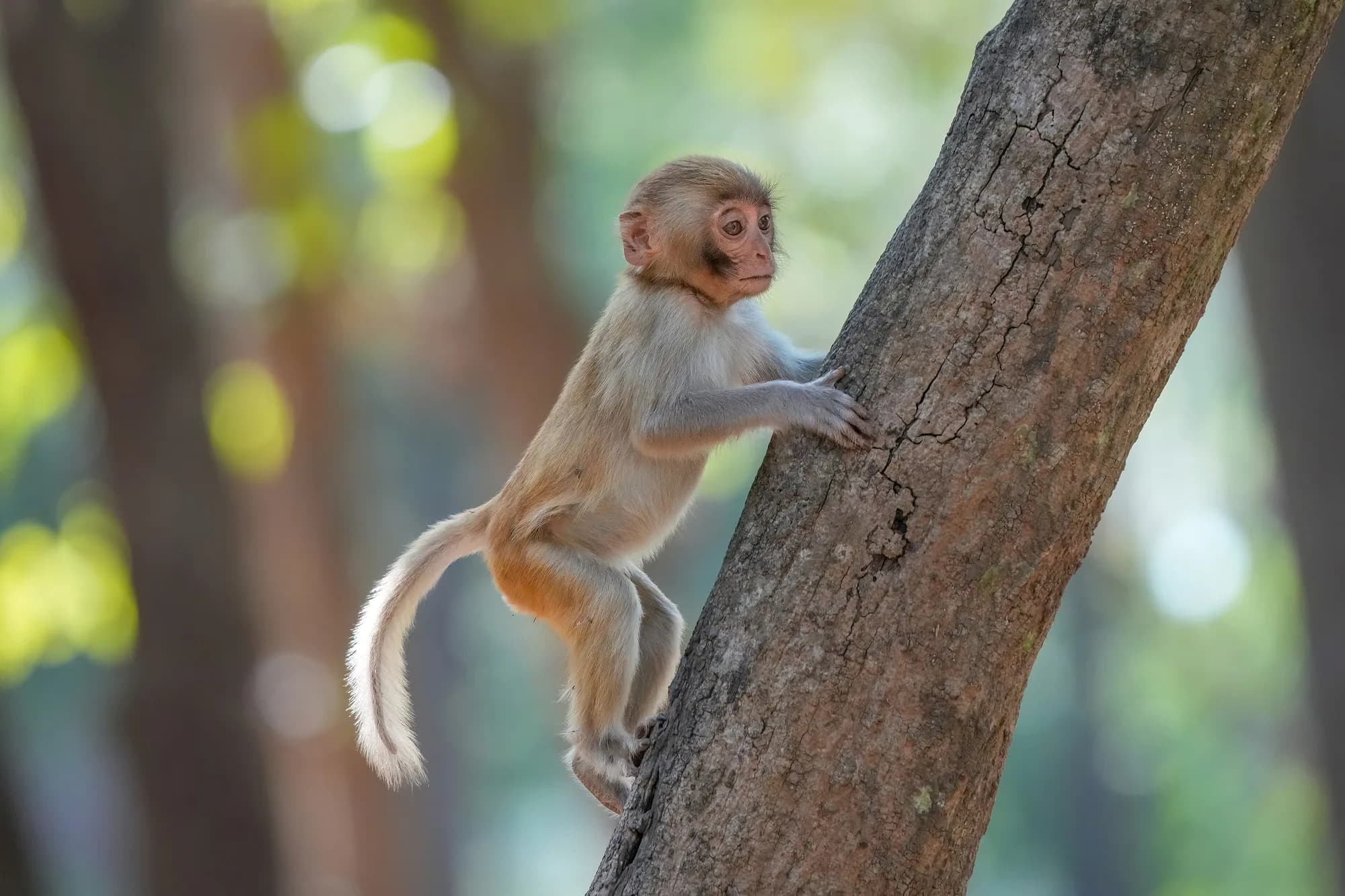
Species · Macaca mulatta
Rhesus macaque
The monkey you will actually meet: at temples, on roadsides, at park gates and on your lodge roof. Not a target species, and the one most likely to cost you a hospital visit.
Also called
- Bandar (बंदर) · Hindi
- Banor · Bengali
- Makad · Marathi
Checked 31 Aug 2026
- Where
- Across north and central India
- Best months
- Year-round
- Troop size
- Commonly 20–50
- Do not
- Feed it, or hold its gaze
One of the most adaptable primates on earth — forest, farmland, temple town and city alike. Its Indian range is expanding where langurs are declining.
Where it is
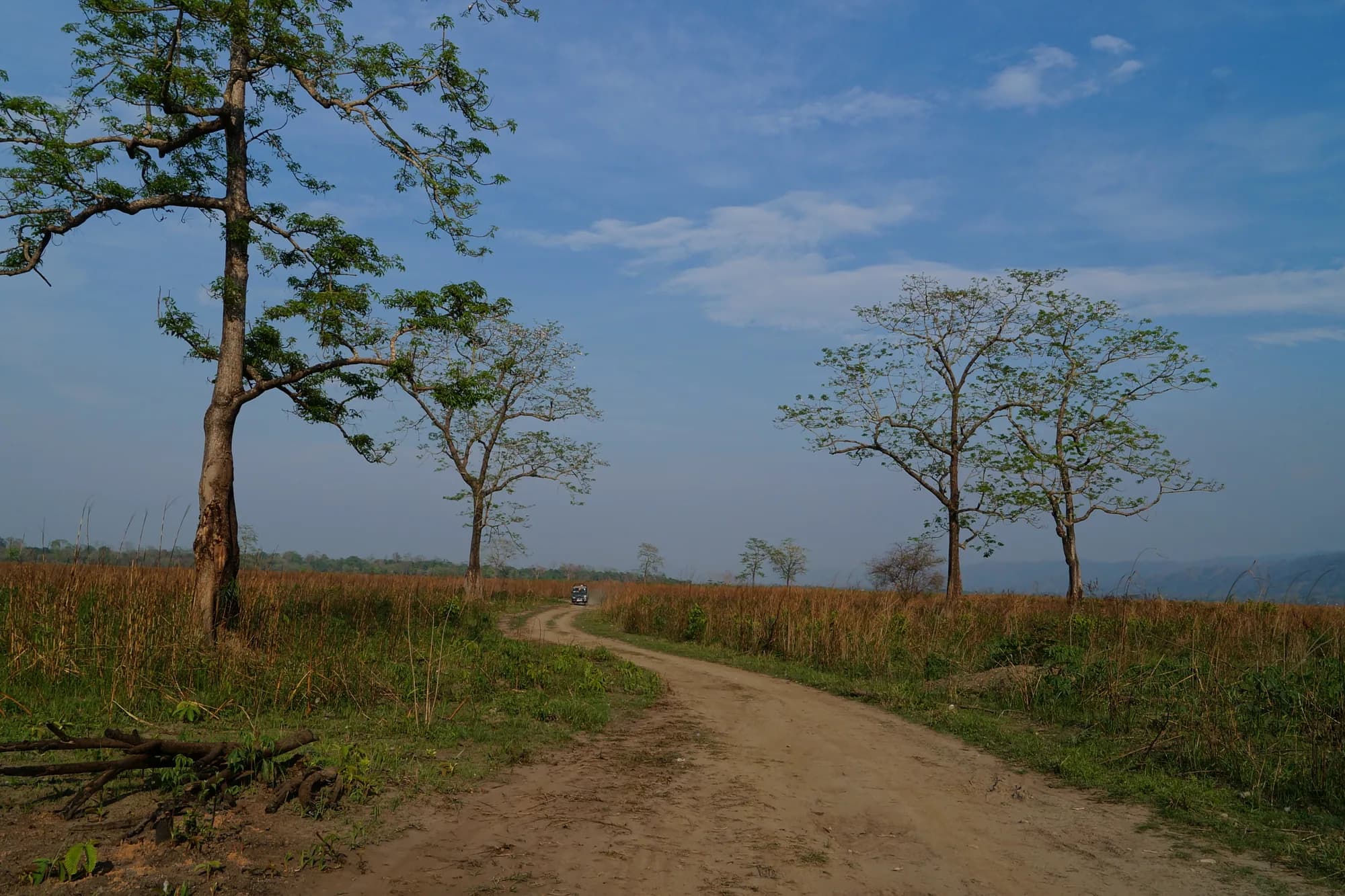
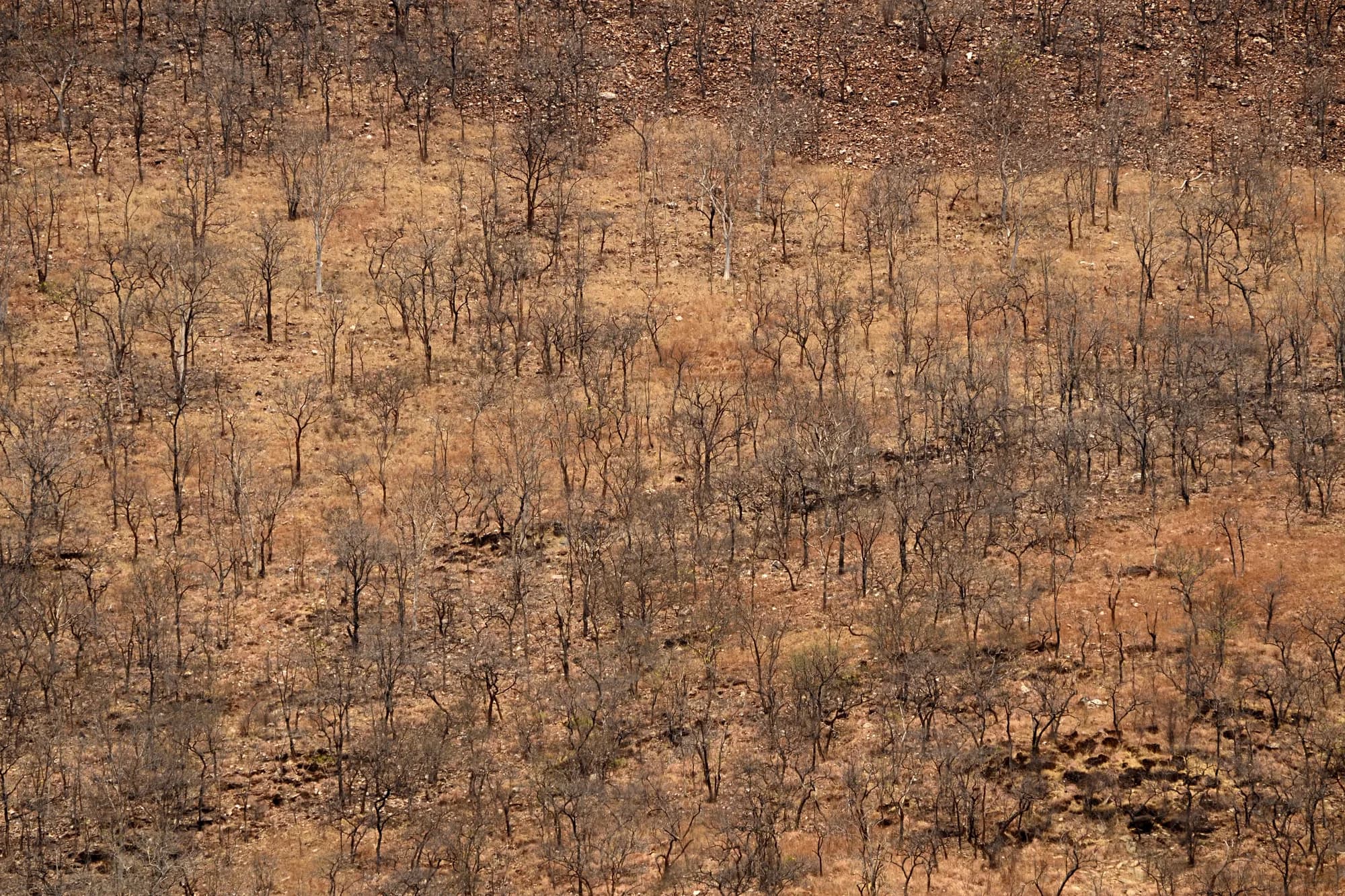
Where to actually go
Ranked, with the reason each — these are not interchangeable.
Where you will not see one
- The Western GhatsSouthern India has bonnet macaque instead, which has a distinctive whorl of hair on the crown.
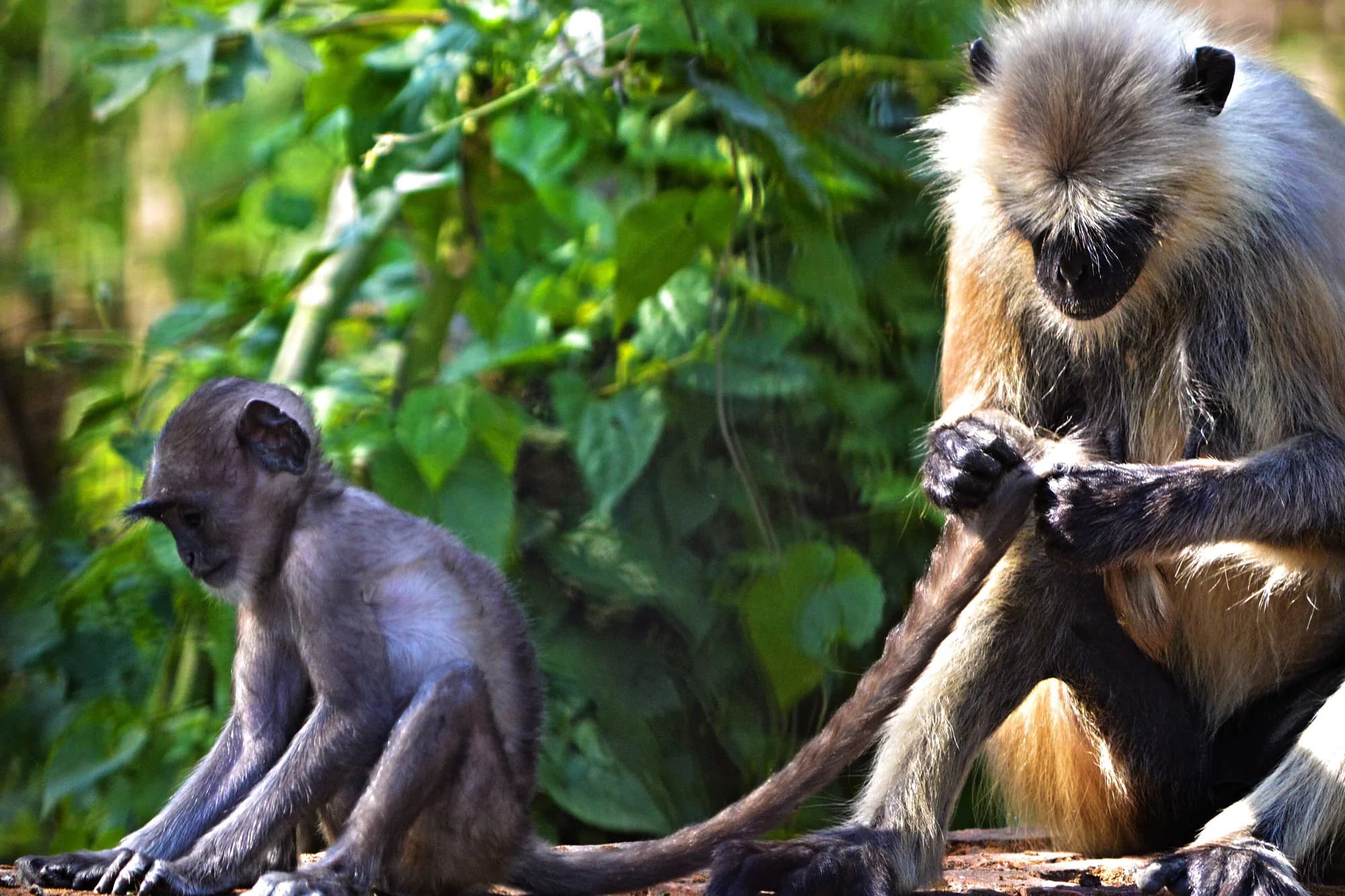
- Confused with a hanuman langurBuild and tail. Langurs are tall, grey, black-faced and long-tailed; rhesus are stocky, brown, pink-faced and short-tailed.
When to go
When to go
- J
- F
- M
- A
- M
- J
- J
- A
- S
- O
- N
- D
January: best. February: best. March: best. April: good. May: good. June: closed or unproductive. July: closed or unproductive. August: closed or unproductive. September: closed or unproductive. October: good. November: best. December: best.
Through the day
- Dawn
- Morning
- Midday
- Afternoon
- Dusk
- Night
Dawn: active. Morning: most active. Midday: active. Afternoon: active. Dusk: active. Night: not normally seen.
What it looks like in the field
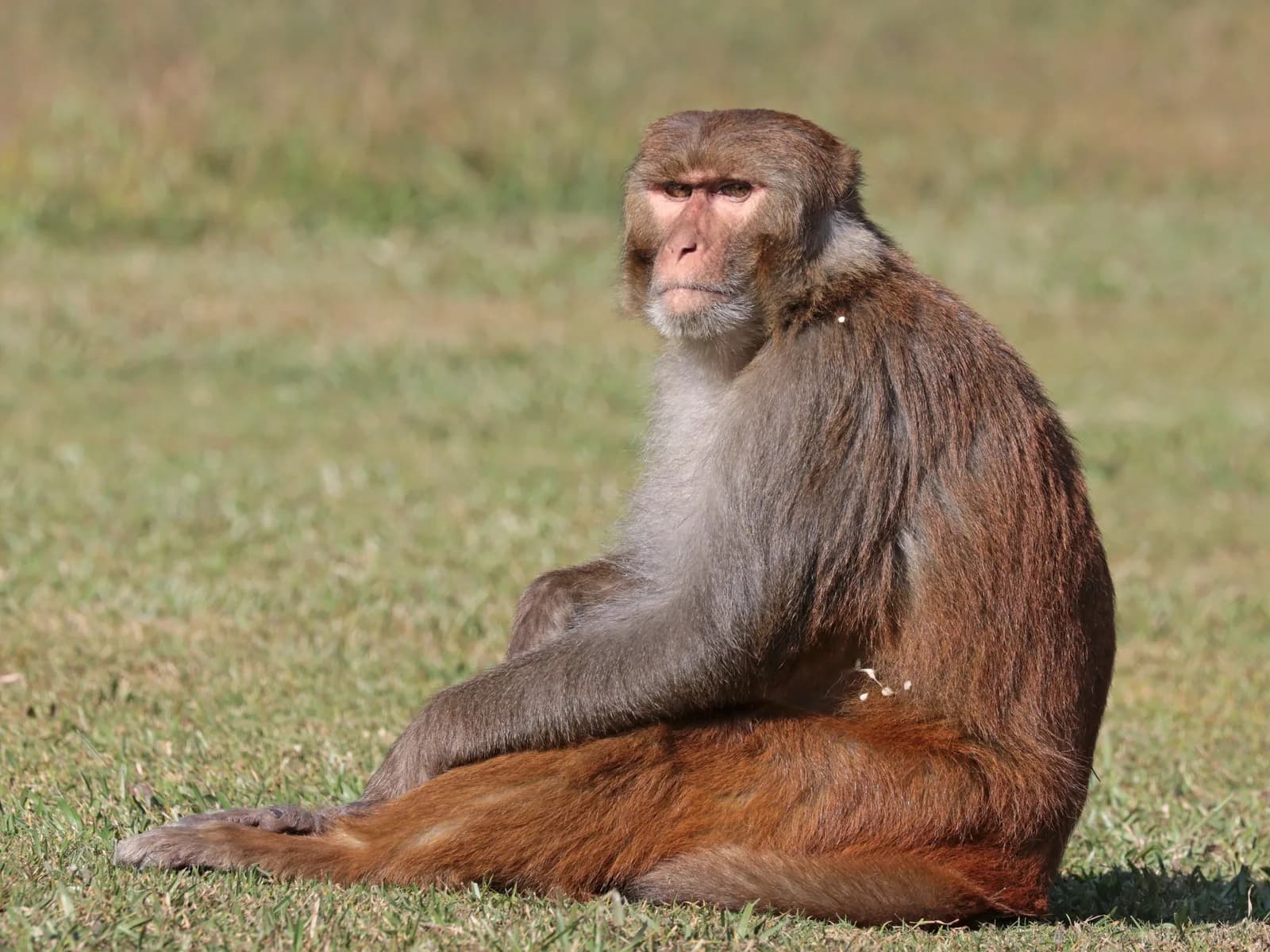
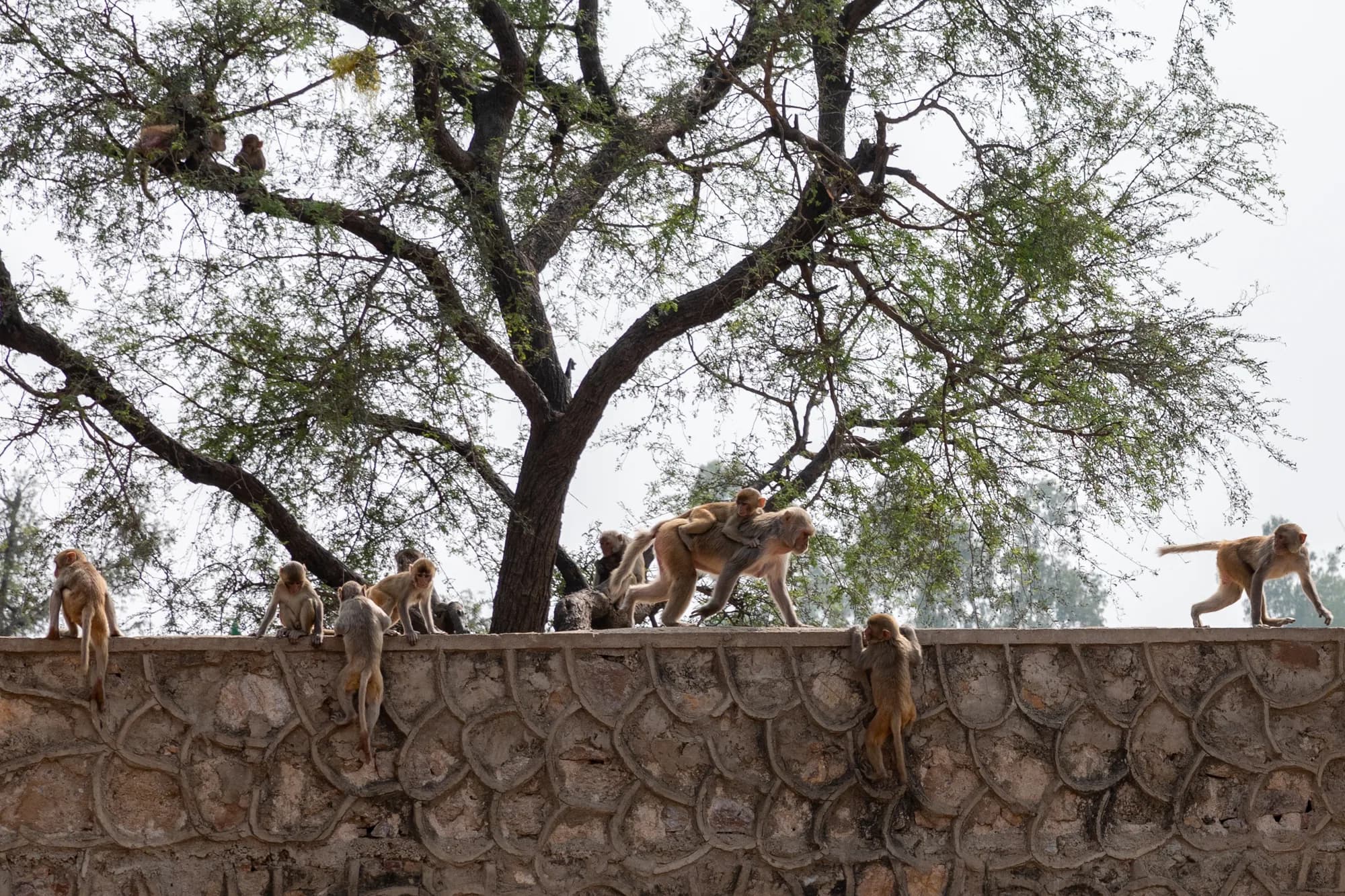
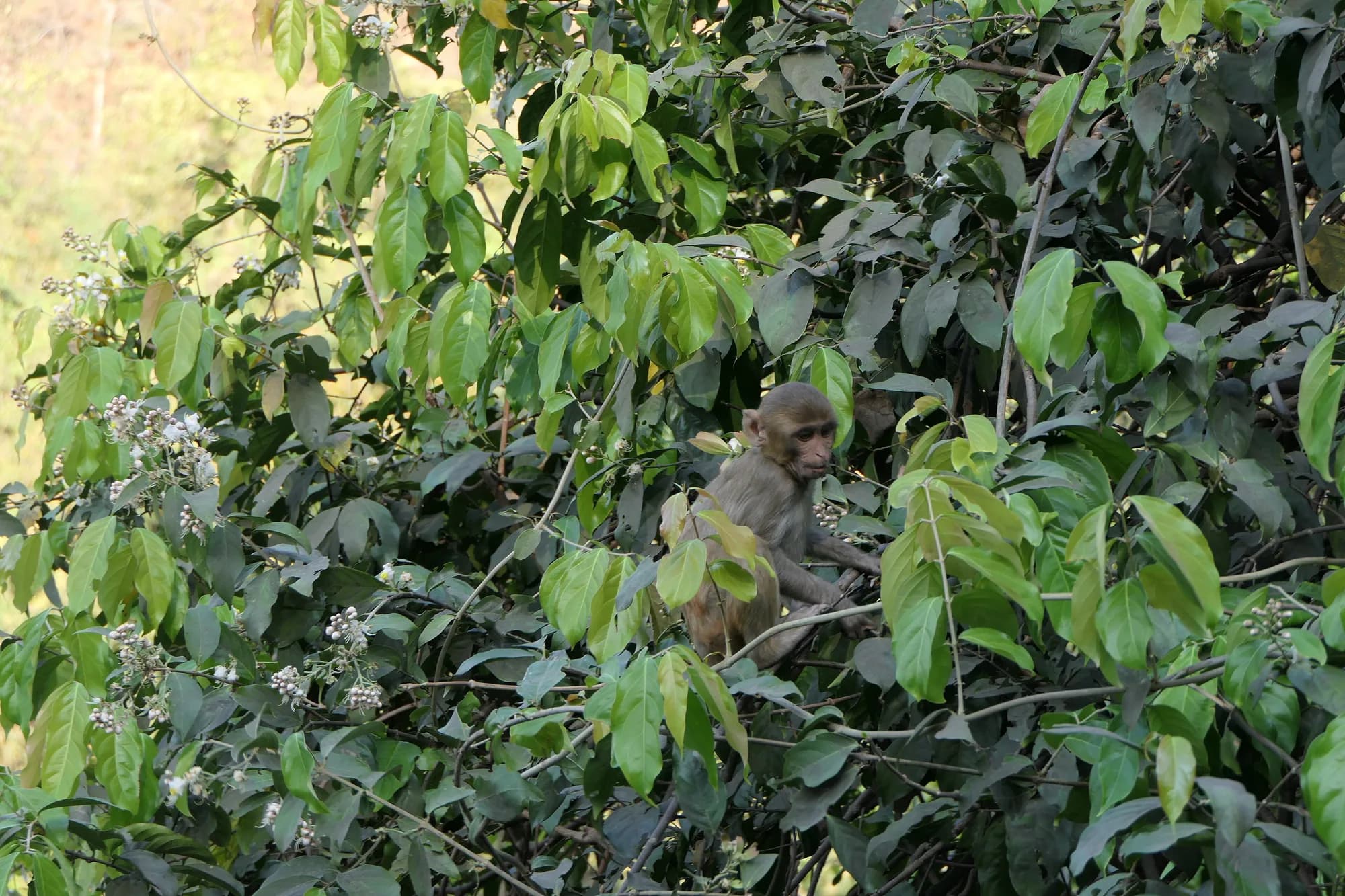
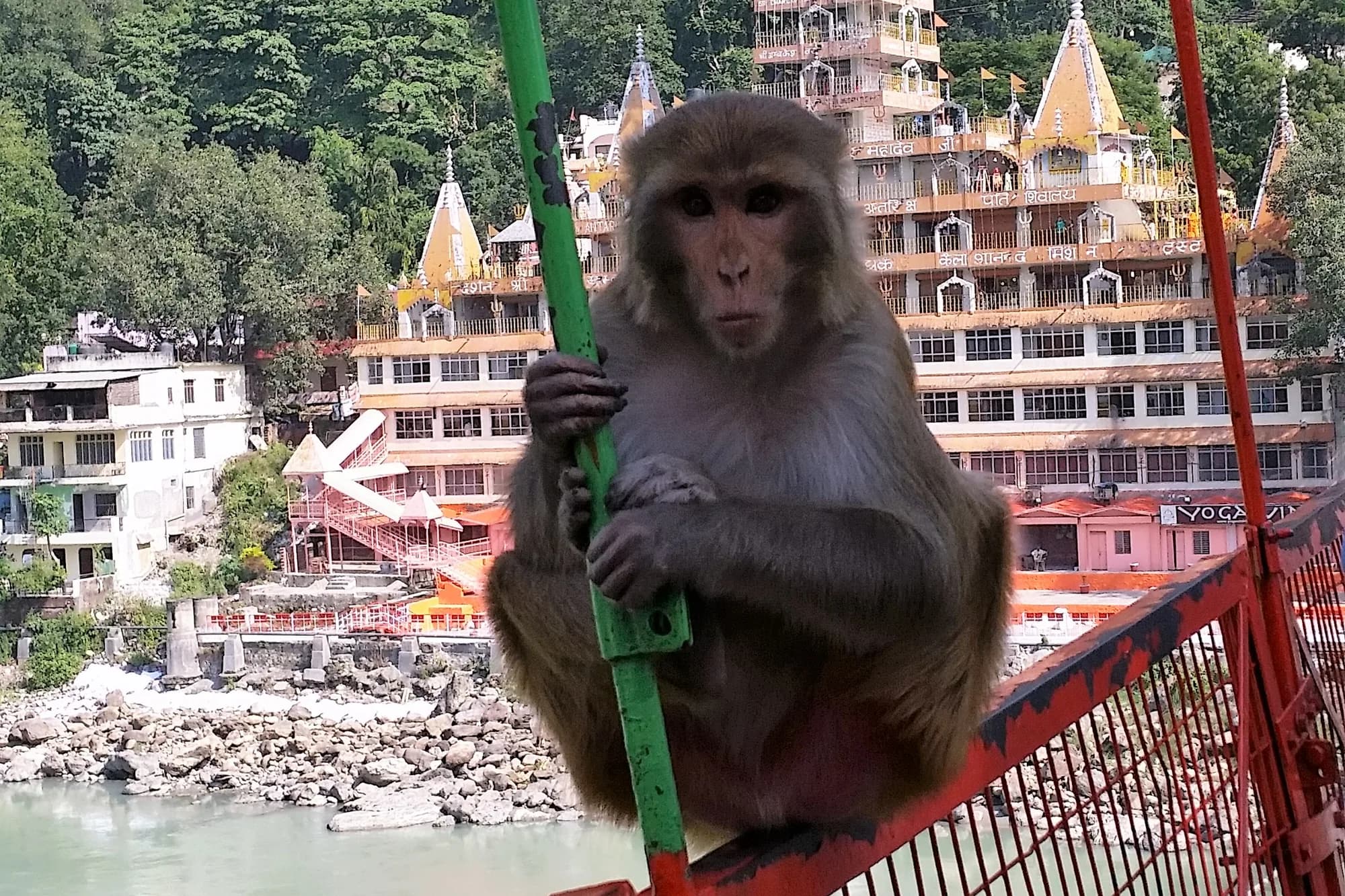
Photographs of Rhesus macaque in the wild, in Indian reserves. We publish no captive, baited or digitally composited images, and no photograph whose licence we cannot show.
How not to get bitten
This is the practical reason for this page. Rhesus macaques near people learn that bags contain food, and a habituated troop will take one off your shoulder. Bites and scratches happen most often at temples, viewpoints and lay-bys, not inside parks.
Four things, all of them boring and all of them effective. Do not feed them, ever, including by throwing food away from you. Do not carry visible food or a loose plastic bag. Do not hold eye contact — a direct stare is a threat and will be answered. And do not try to retrieve something a macaque has taken; it is gone.
What a sighting is actually like
Deep inside a park, a troop crossing a track: females with infants clinging underneath, juveniles playing at the edge, an adult male sitting apart and watching. Nobody looks at you. It is a completely different animal from the one that mugs pilgrims for prasad, and it is worth ten minutes of anybody’s drive.
Status and protection
Status and protection
- IUCN Red List
- Least Concern
- Population trend
- · Unknown
- Wildlife Protection Act 1972
- Not listed in Schedule I or Schedule II (post-2022 numbering)
- CITES
- Appendix II
Species-level assessment of Macaca mulatta, matching the binomial given.
Assessed 2015 · IUCN Red List assessment
What to book to see one
What you would be booking
- How it is seen
- No planning required. You will see them at gates, temples and lay-bys without trying.
- Drives to book
- Any. The interesting sightings are troops inside forest, behaving normally.
The sighting worth having is a troop deep in the park with no human food anywhere near it. That is a genuinely different animal from the one at the gate.
Corbett — the park in fullQuestions people ask
Are rhesus macaques dangerous?
How do I tell a macaque from a langur?
Where will I see them?
Read next
Every reserve, and your best spotter
Hanuman langur — the grey one
Grey, long-tailed and everywhere, and the single most useful animal on a drive. A langur troop has seen the leopard long before your guide has.
Western Ghats rainforest canopy
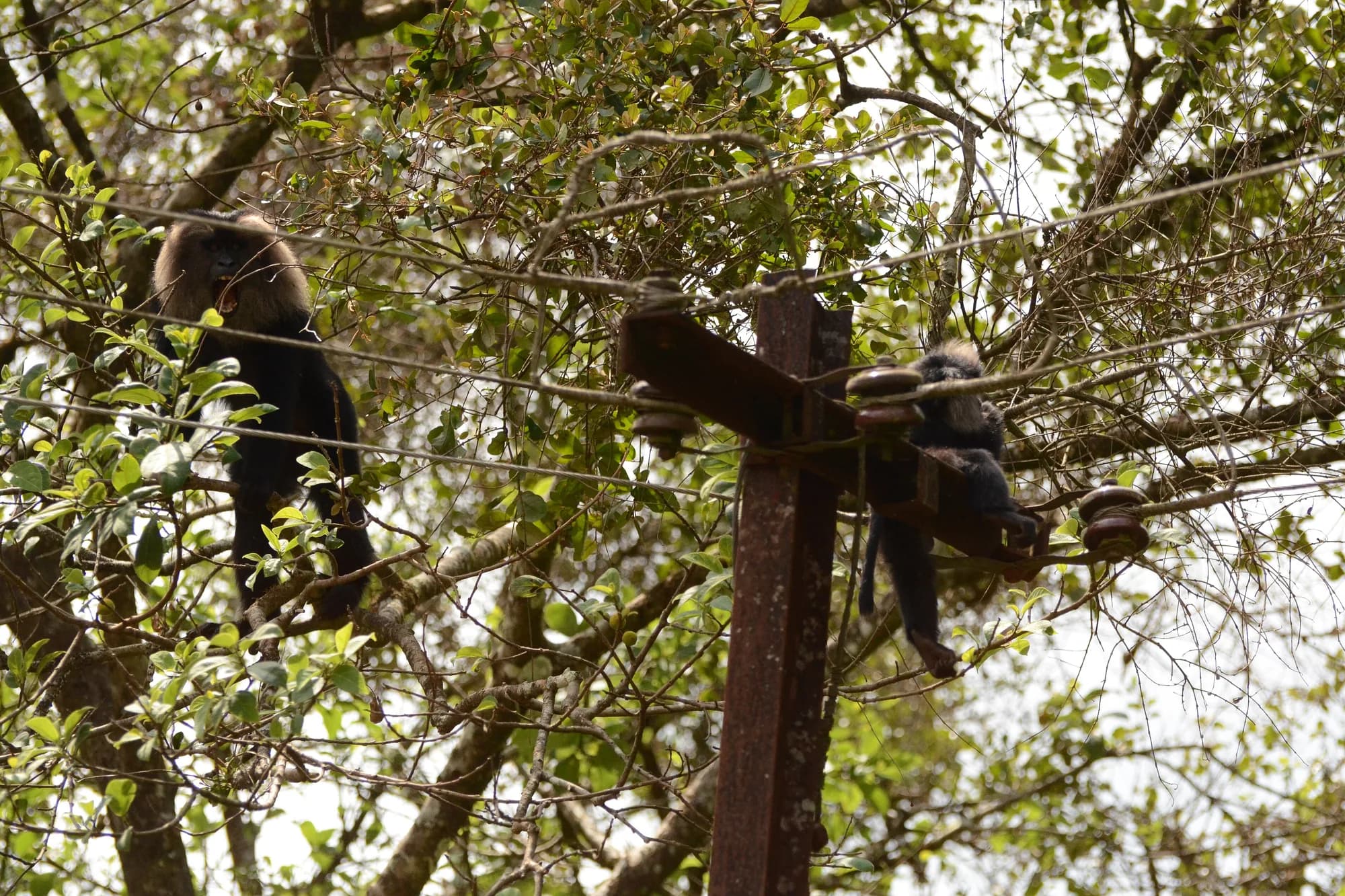
Lion-tailed macaque — the Ghats rarity
A black macaque with a silver mane and a tufted tail, confined to fragments of Western Ghats rainforest. One of the most distinctive primates in Asia and among the least seen in India.
Between two rivers, and nowhere else
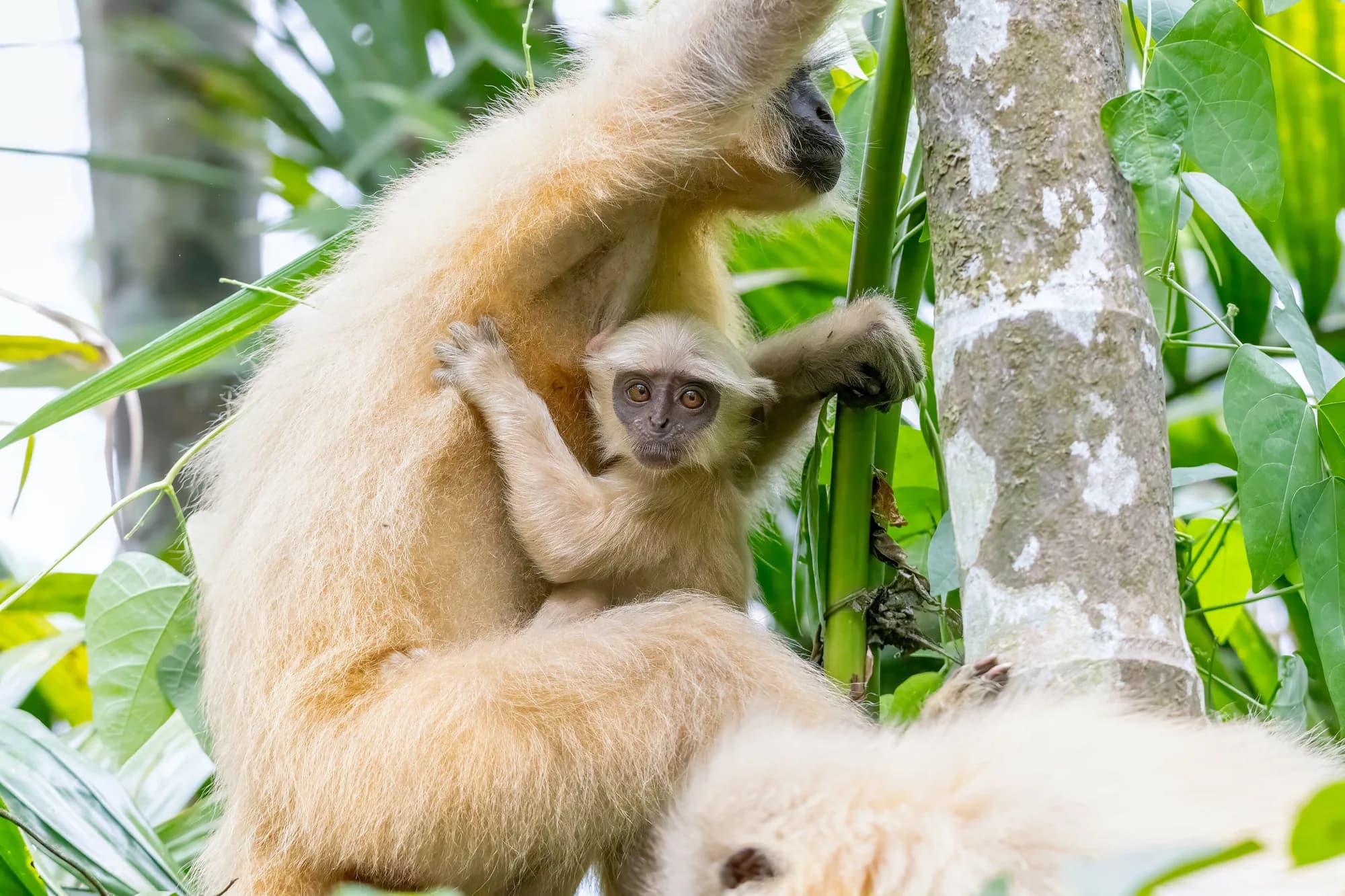
Golden langur — the Assam one
A cream-and-gold monkey living in a wedge of forest between two Assamese rivers and the Bhutan border. Unmistakable, findable, and almost entirely absent from Indian safari itineraries.
Our position
Responsible safari
Where we stand on vehicle crowding, baiting and playback — and what we will not link to, whoever is paying.