
Species · Semnopithecus johnii
Nilgiri langur
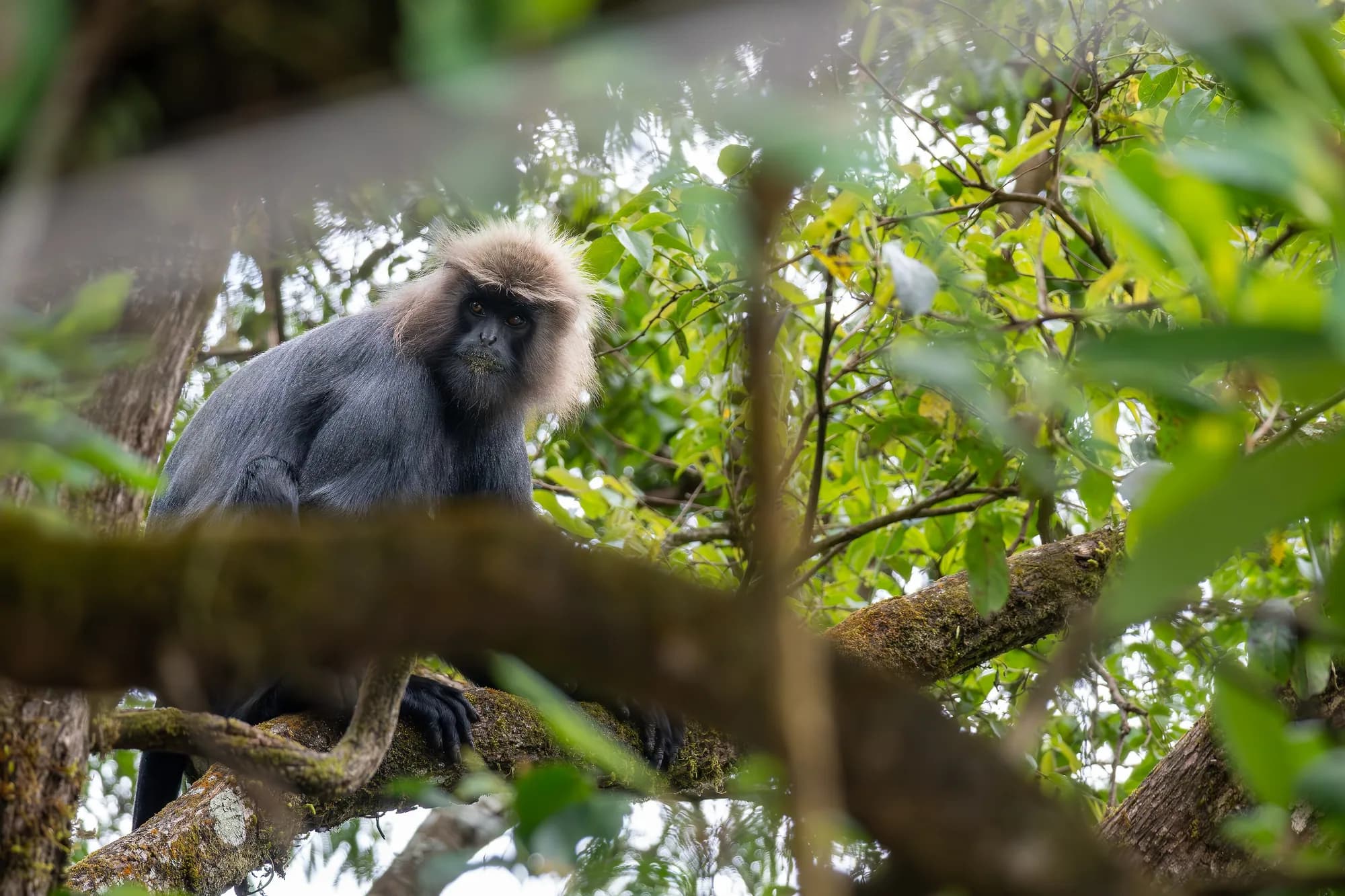
Glossy black with a golden head, endemic to the Western Ghats and loud enough to find by ear. It is the easiest Ghats endemic to see, and the one most often mistaken for the lion-tailed macaque people came for.
Also called
- Karim kurangu (കരിം കുരങ്ങ്) · Malayalam
- Karum kurangu · Tamil
Checked 31 Aug 2026
- Where
- Western Ghats, Kerala to south Karnataka
- Best months
- October–March
- Habit
- Troops of about ten
- Note
- A booming whoop, heard far
Evergreen and semi-evergreen forest along the Western Ghats from about Coorg south to the Agasthyamalai hills, mostly between 300 and 2,000 metres. Common inside forest, and gone from the plantations that now separate the blocks.
Where it is
Where to actually go
Ranked, with the reason each — these are not interchangeable.
- 01PeriyarKeralaAbundant along the lake shore, and the boat puts you at canopy height rather than under it.First boat of the day
- 02ParambikulamKeralaGood evergreen forest, quiet roads, and troops that are used to vehicles.Quieter than Periyar
- 03Silent ValleyKeralaThe best forest in the range, with langurs and lion-tailed macaques in the same canopy for a direct comparison.Both primates together
Where you will not see one
- Central and northern IndiaIt is a Western Ghats endemic. A black-and-gold langur anywhere north of Coorg is not this animal.
- Assumed to be a lion-tailed macaqueThe commonest mix-up in Ghats trip reports. Nilgiri langurs are abundant and easy; lion-tailed macaques are scarce, restricted, and a genuinely different sighting.
When to go
When to go
- J
- F
- M
- A
- M
- J
- J
- A
- S
- O
- N
- D
January: best. February: best. March: good. April: marginal. May: marginal. June: closed or unproductive. July: closed or unproductive. August: closed or unproductive. September: marginal. October: best. November: best. December: best.
Through the day
- Dawn
- Morning
- Midday
- Afternoon
- Dusk
- Night
Dawn: active. Morning: most active. Midday: usually resting. Afternoon: active. Dusk: active. Night: not normally seen.
Telling it apart
Told apart from
Valparai, Silent Valley, Anamalai
Face and tail. The macaque has a silver-grey mane framing a black face and a tufted tail; the langur has a plain black face, a golden crown, and a long untufted tail.
The dry eastern slope
Colour. Grey-buff with a black face, against glossy black with a gold head. They meet in the drier eastern Ghats foothills.
Marks chosen to be usable from a moving vehicle — a nilgiri langur is rarely still and never close enough for anything subtler.
What it looks like in the field
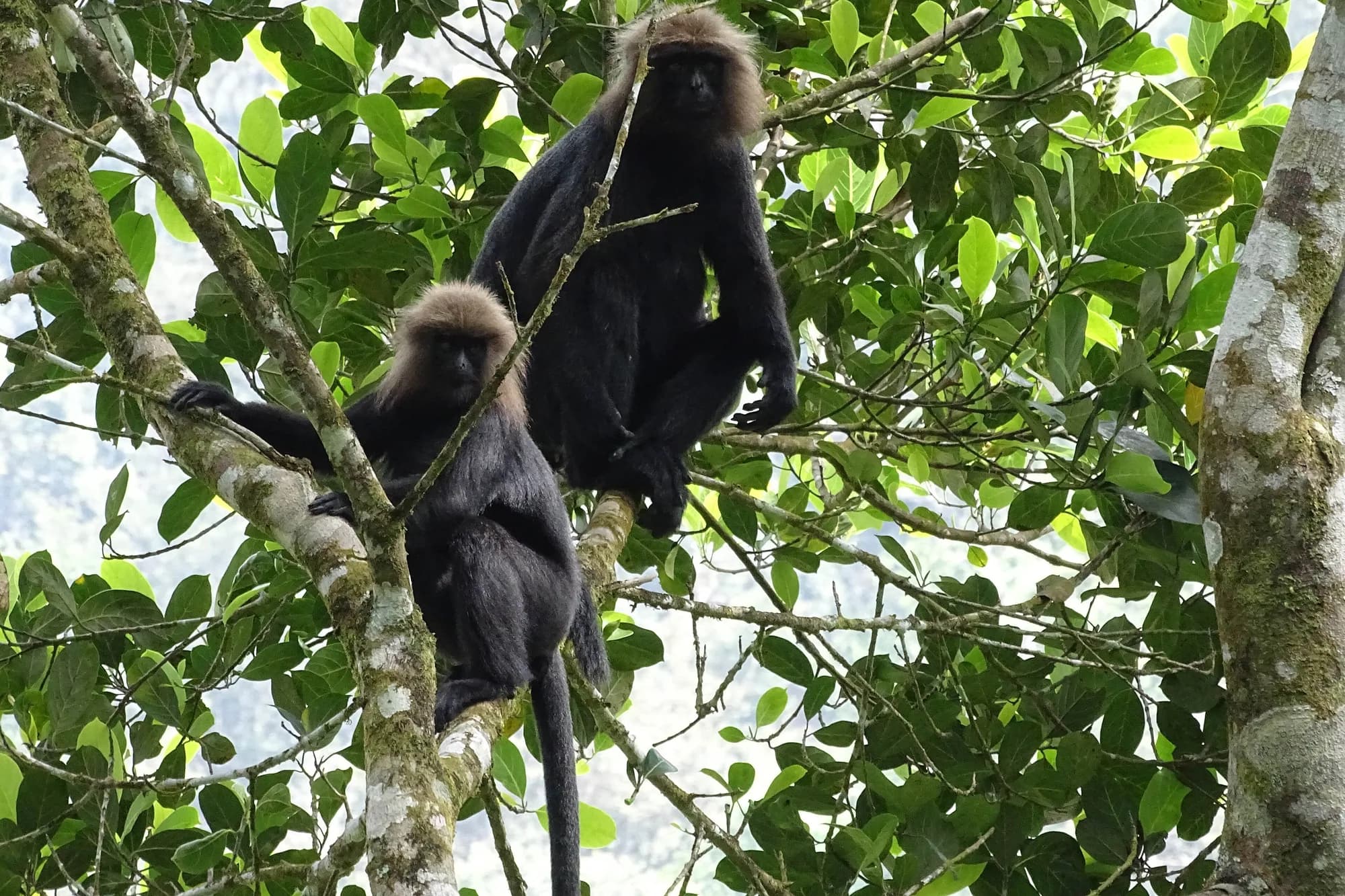
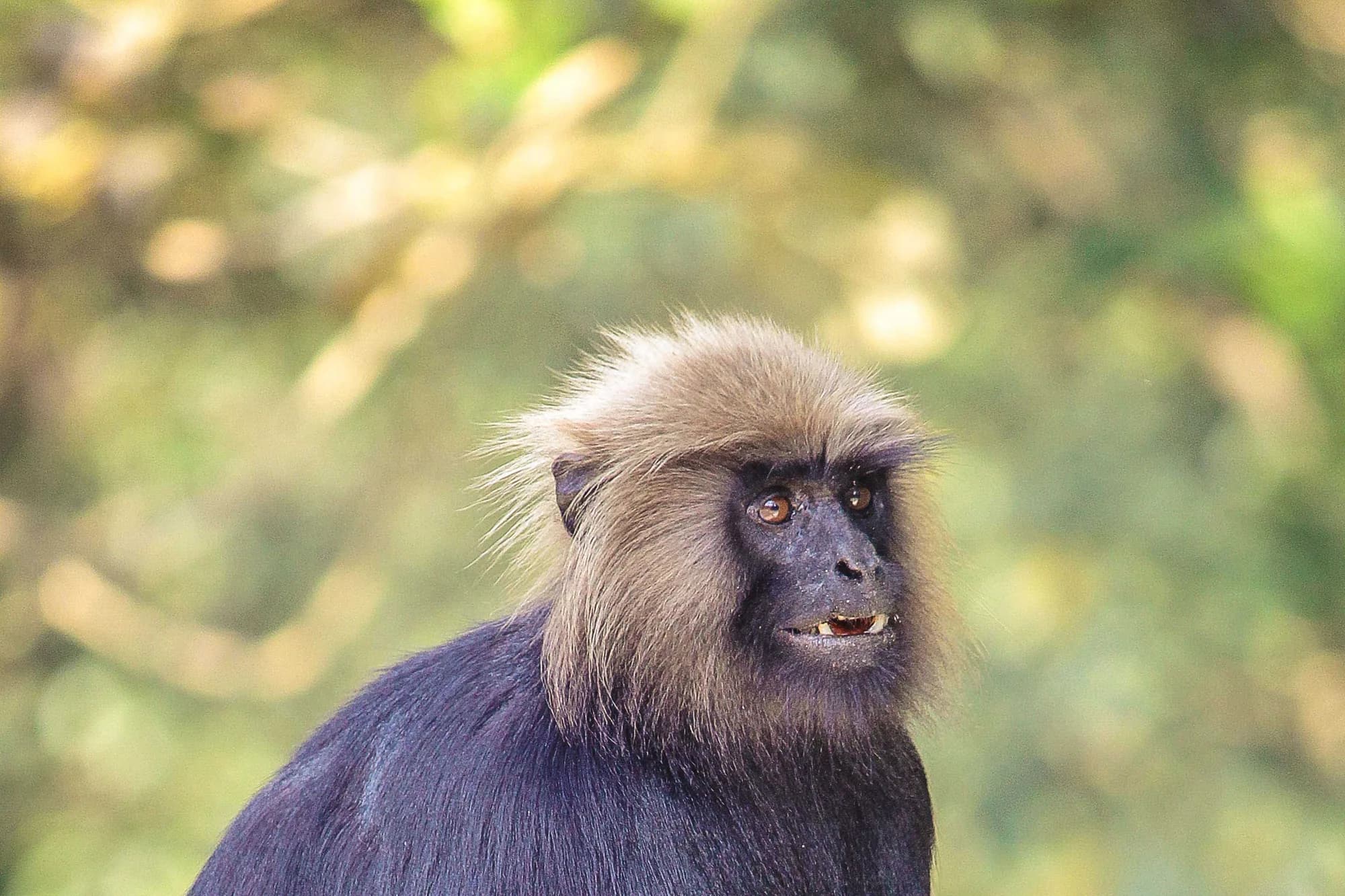
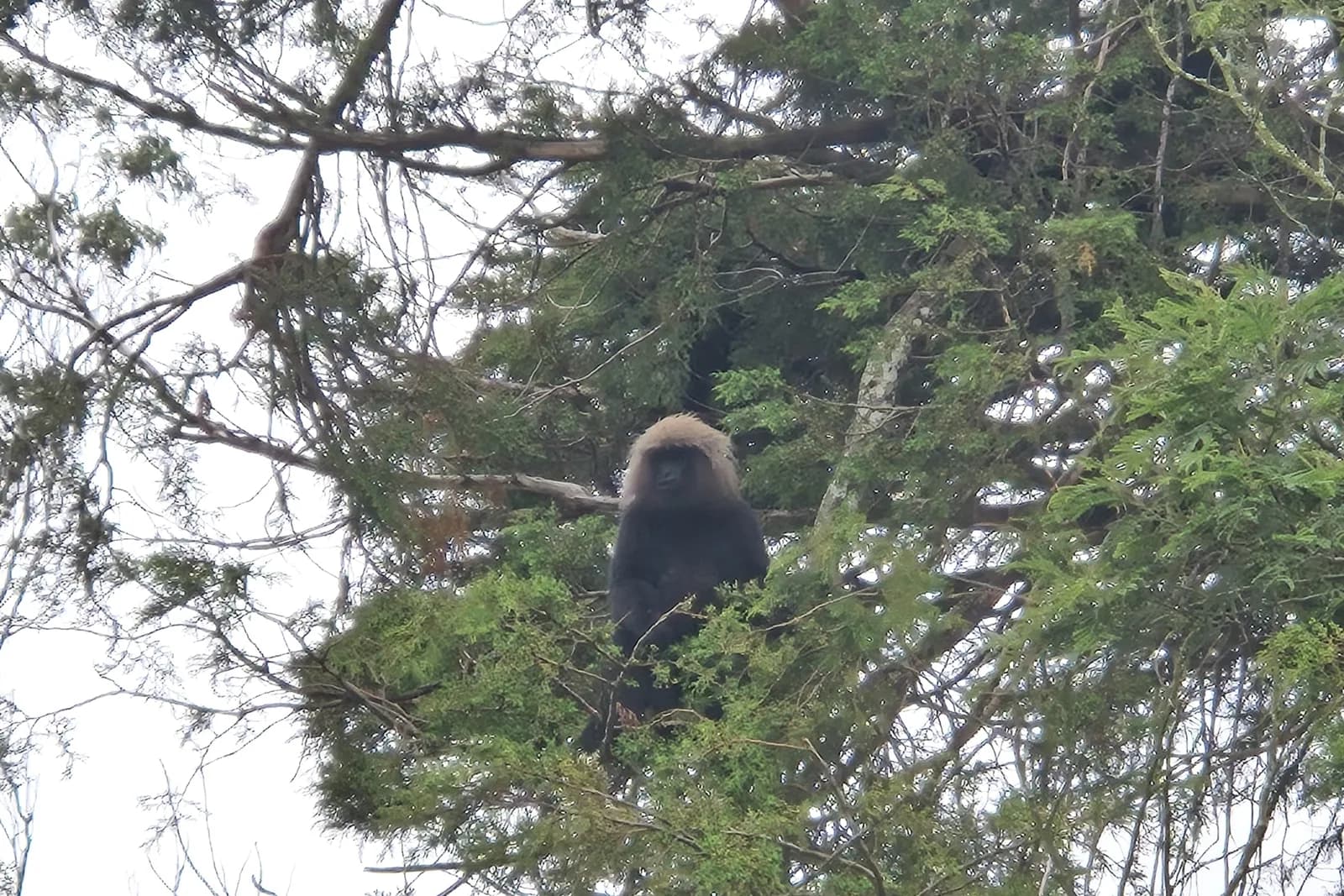
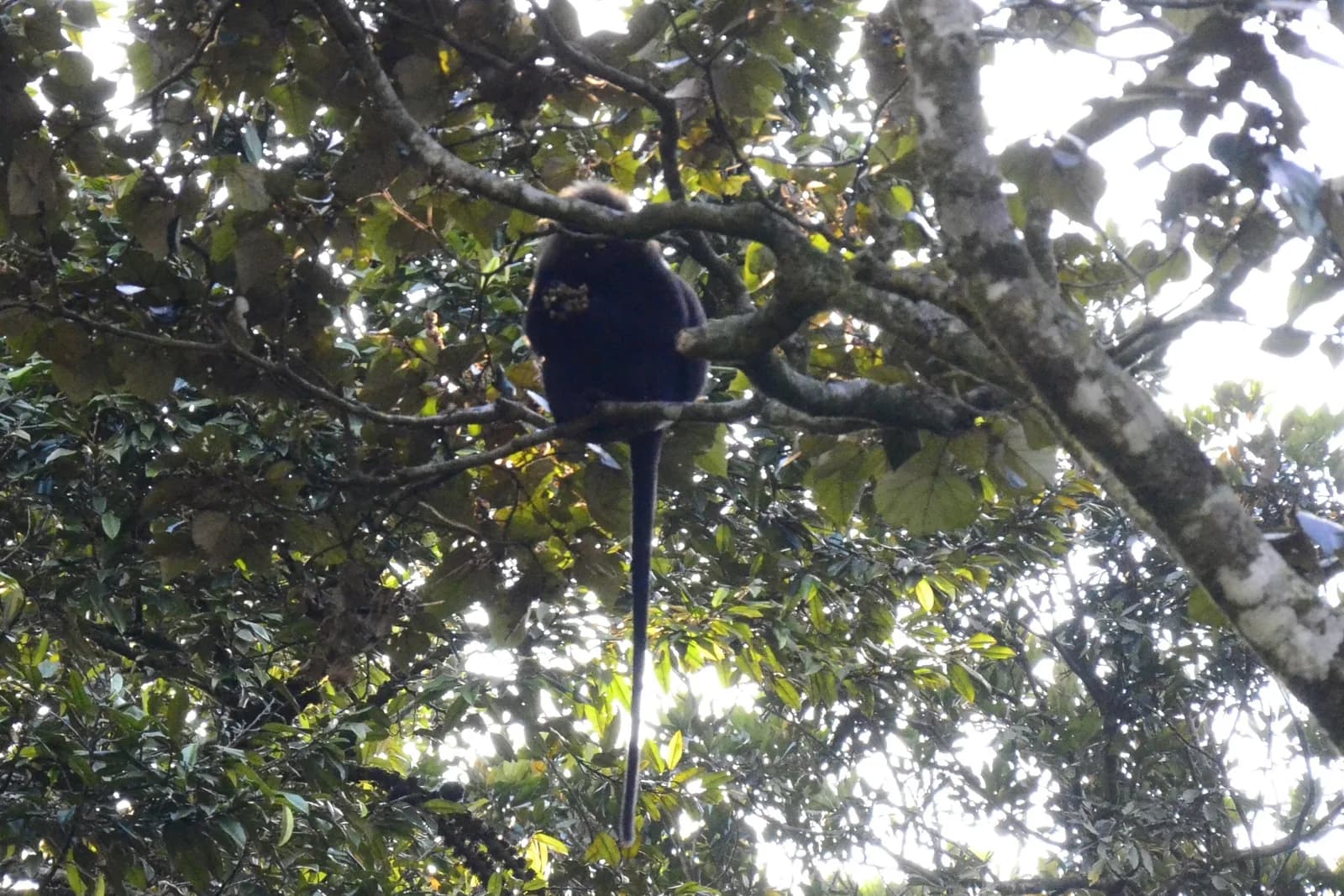
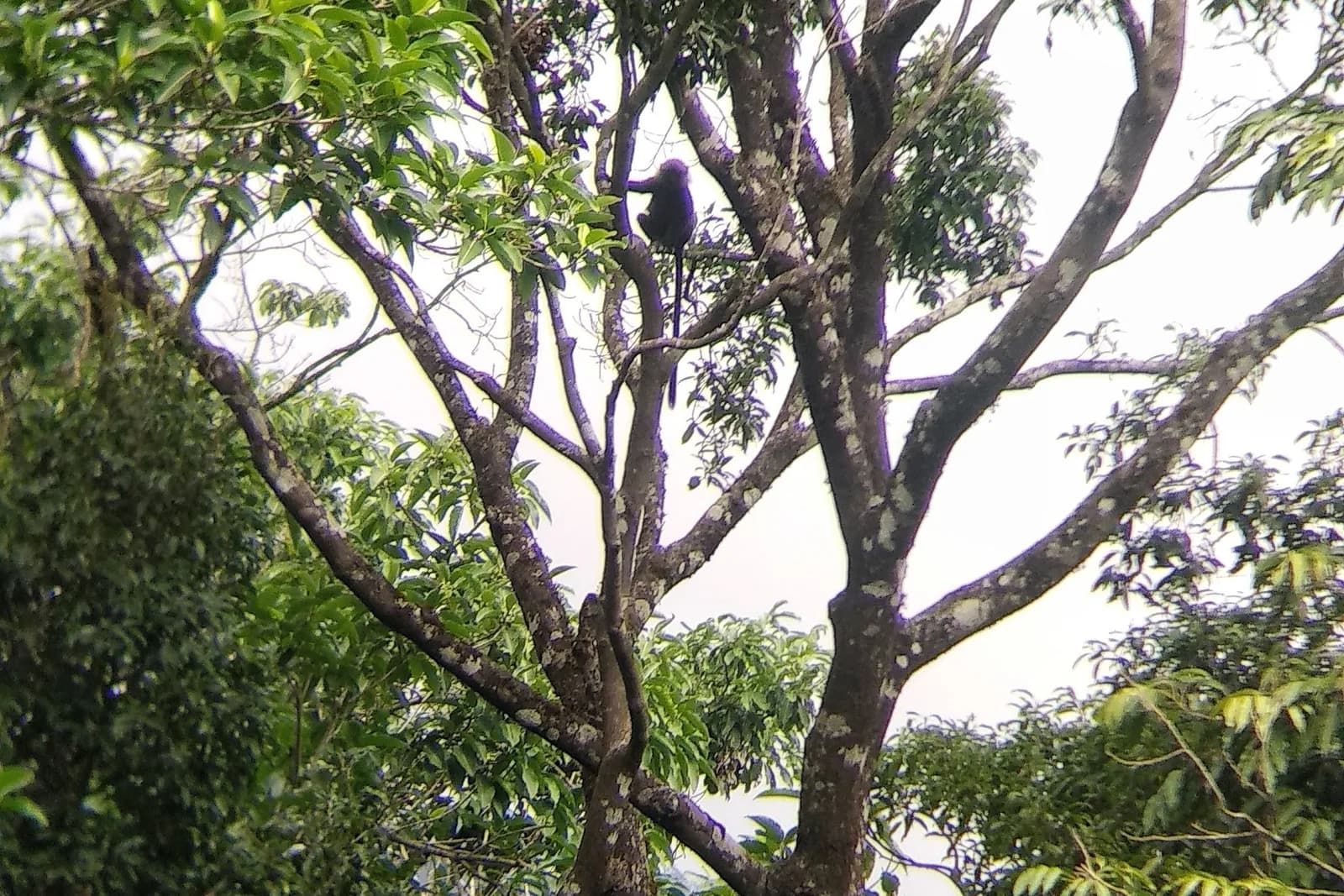
Photographs of Nilgiri langur in the wild, in Indian reserves. We publish no captive, baited or digitally composited images, and no photograph whose licence we cannot show.
Finding them by ear
Males give a deep resonant whoop, repeated, that carries a long way down a wet valley. At first light troops answer each other across the forest, and you can place three or four groups without seeing any of them.
What endemic actually costs
The species exists in one mountain range and nowhere else on earth. Inside continuous forest it does well. Between the blocks — across tea, cardamom and rubber — it does not cross, and the population is a set of islands rather than one range.
A canopy bridge over a plantation road is a serious piece of conservation for an animal that will not come down to cross.
Status and protection
Status and protection
- IUCN Red List
- Vulnerable
- Population trend
- → Stable
- Wildlife Protection Act 1972
- Schedule I (post-2022 amendment numbering)
- CITES
- Appendix II
Species-level global assessment. IUCN uses the binomial Semnopithecus johnii, matching the binomial supplied.
Assessed 2020 · IUCN Red List assessment
What to book to see one
What you would be booking
- How it is seen
- Any Ghats reserve with evergreen forest — a boat on the Periyar lake, or a forest road at Parambikulam or Wayanad.
- Drives to book
- One morning is usually enough. Be out at first light for the calling.
Periyar's lake boats put you level with canopy on the shoreline trees, which is a better angle on an arboreal monkey than any road.
Periyar — the park in fullQuestions people ask
Where can I see a Nilgiri langur?
Is it the same as a lion-tailed macaque?
When is the best time?
Read next
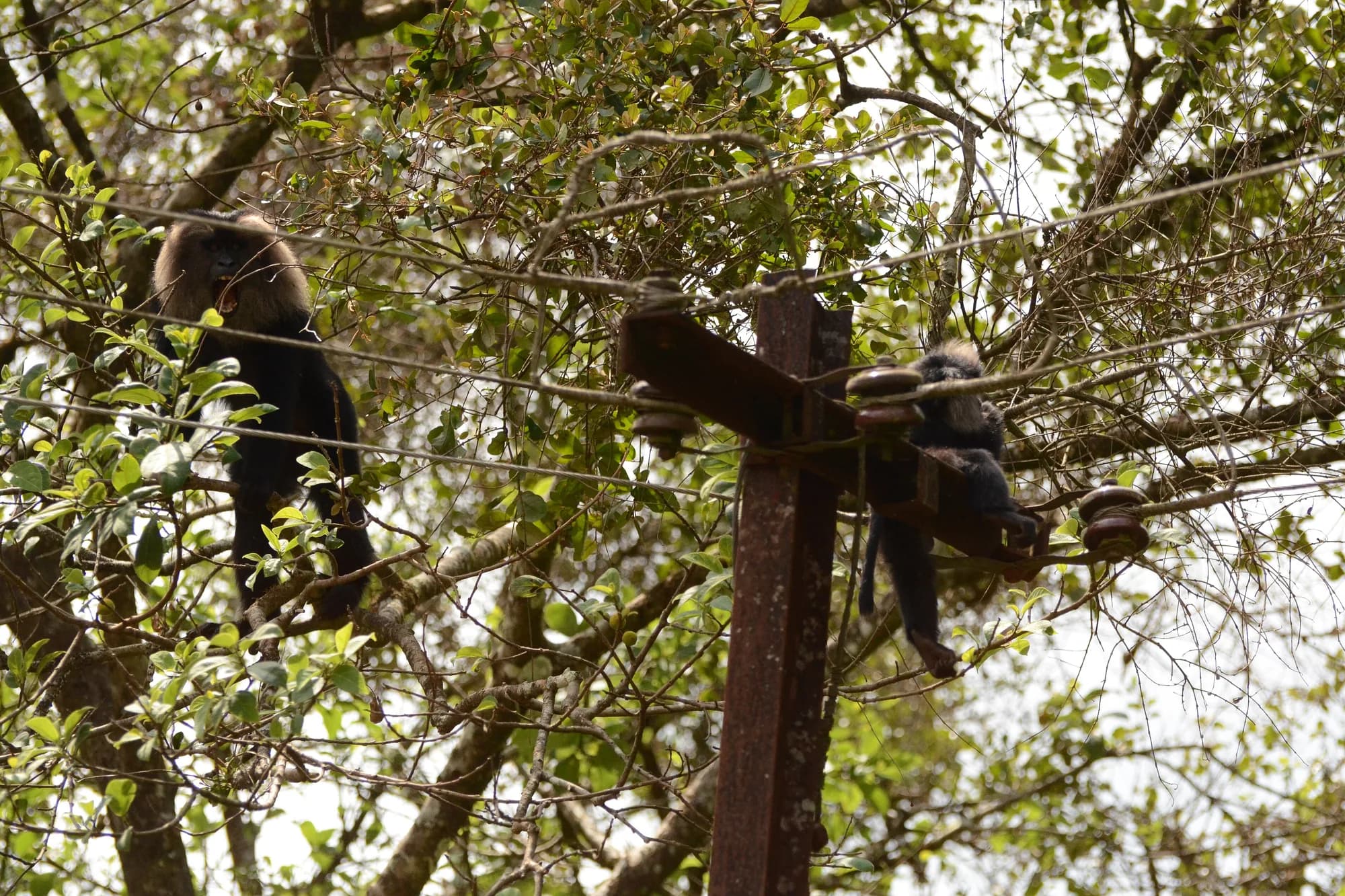
Western Ghats rainforest canopy
Lion-tailed macaque — the harder endemic
A black macaque with a silver mane and a tufted tail, confined to fragments of Western Ghats rainforest. One of the most distinctive primates in Asia and among the least seen in India.
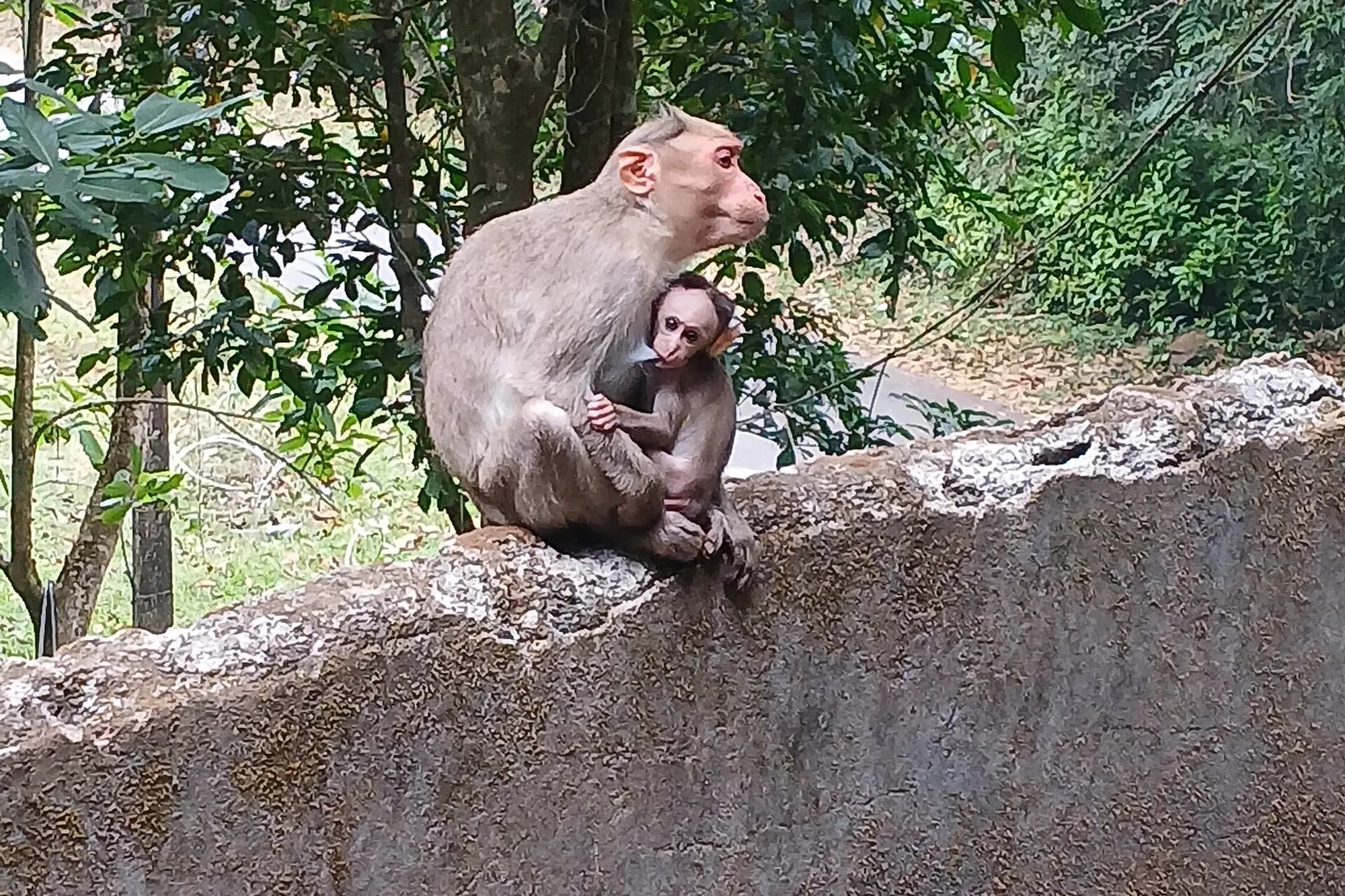
Peninsular India, usually on the road
Bonnet macaque — the one on the road
The southern macaque, named for the neat parting of hair on its crown. It is the monkey on every Ghats roadside, it is now formally in decline, and almost nobody photographs it on purpose.
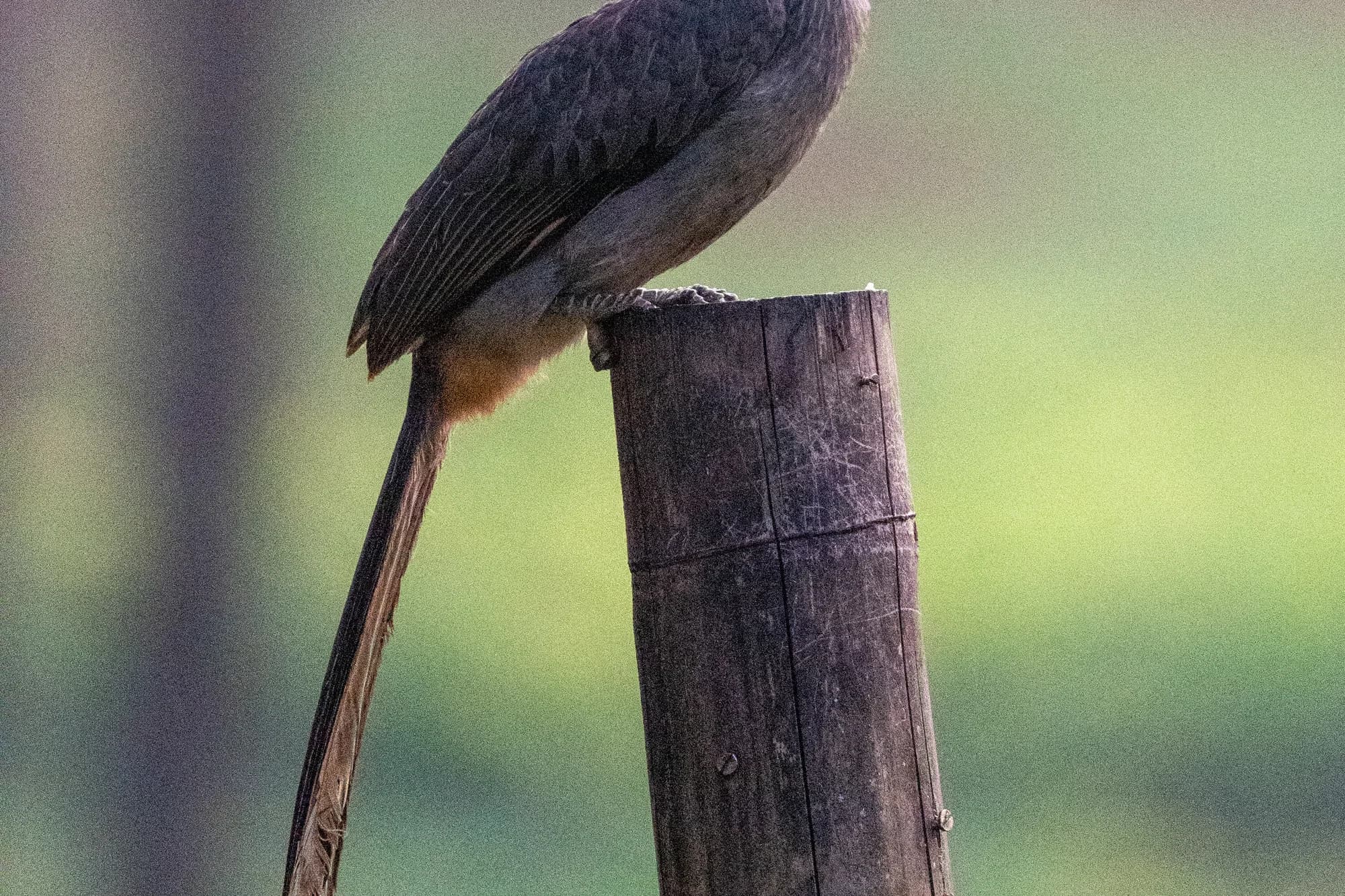
Western Ghats canopy, in noisy parties
Malabar grey hornbill — same forest
The Western Ghats' own hornbill — small, casque-less and endemic. It is common where the forest is intact, it announces itself constantly, and it is the easiest of India's four widespread hornbills to see badly and hardest to see well.
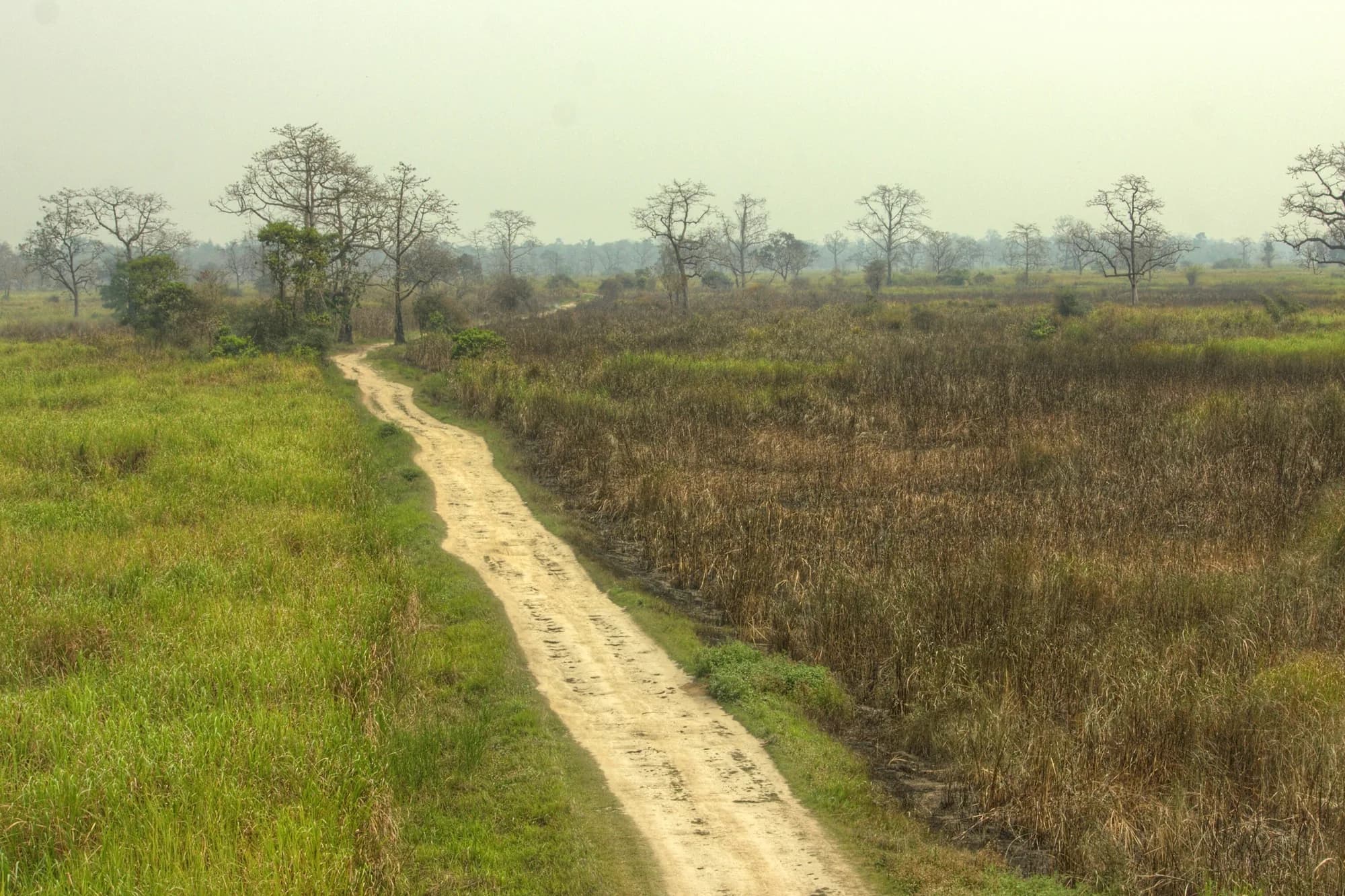
Kerala
Periyar — the park in full
A lake in the Western Ghats, walked and boated rather than driven. Elephants, hornbills and rain — not a tiger destination in any practical sense.