
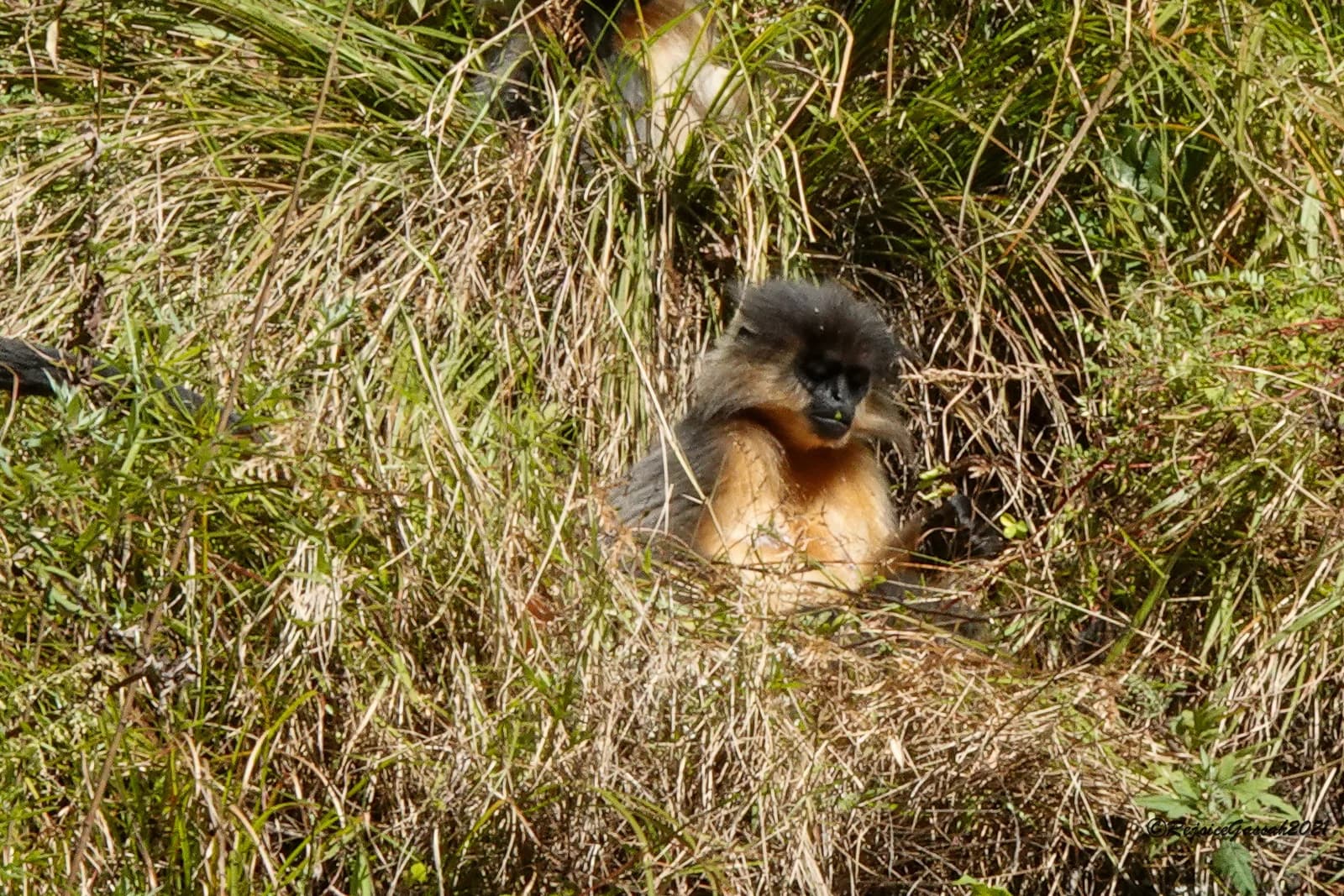
Species · Trachypithecus pileatus
Capped langur
The common langur of the Northeast, dark-capped with orange underparts that only show when it moves. It is easy to see and easy to name wrong, because three langurs share that corner of India.
Also called
- Mukhpora bandar · Assamese
- Topiwala langur (टोपीवाला लंगूर) · Hindi
Checked 31 Aug 2026
- Where
- Assam, Arunachal and the Northeast hills
- Best months
- November–April
- Habit
- Troops of eight to fifteen
- Note
- Orange belly, dark cap
Broadleaf forest through Assam, Arunachal, Meghalaya and the hill states, from the Brahmaputra valley up to around 3,000 metres. It is the default langur of the Northeast in the way the Hanuman langur is the default of the rest of India.
Where it is
Where to actually go
Ranked, with the reason each — these are not interchangeable.
- 01KazirangaAssamCommon along the wooded edges and through the Panbari block, and easily seen on a normal safari circuit.Panbari and woodland edge
- 02ManasAssamPresent through the riverine and hill forest, and the one park where you can compare them directly against golden langurs.Both langurs in a day
- 03NameriAssamTall riverine forest walked on foot, which puts you under the canopy where the troops feed.On foot
Where you will not see one
- Central and southern IndiaThe langur you see in Kanha, Ranthambore or Nagarhole is a Hanuman langur or a Nilgiri langur. Capped langurs do not occur west or south of the Northeast.
- On the groundUnlike Hanuman langurs, these rarely come down. Looking for them at eye level is looking in the wrong place.
When to go
When to go
- J
- F
- M
- A
- M
- J
- J
- A
- S
- O
- N
- D
January: best. February: best. March: best. April: good. May: marginal. June: closed or unproductive. July: closed or unproductive. August: closed or unproductive. September: marginal. October: good. November: best. December: best.
Through the day
- Dawn
- Morning
- Midday
- Afternoon
- Dusk
- Night
Dawn: active. Morning: most active. Midday: usually resting. Afternoon: active. Dusk: active. Night: not normally seen.
Telling it apart
Told apart from
Manas and the Bhutan border belt
Overall colour. Golden langurs are creamy gold to deep gold over the whole body with a dark face and no contrasting cap; capped langurs are grey-backed with orange only underneath.
The western edge of the range
Cap and belly. Hanuman langurs are uniformly grey-buff with no dark cap and no orange, and they spend far more time on the ground.
Marks chosen to be usable from a moving vehicle — a capped langur is rarely still and never close enough for anything subtler.
What it looks like in the field
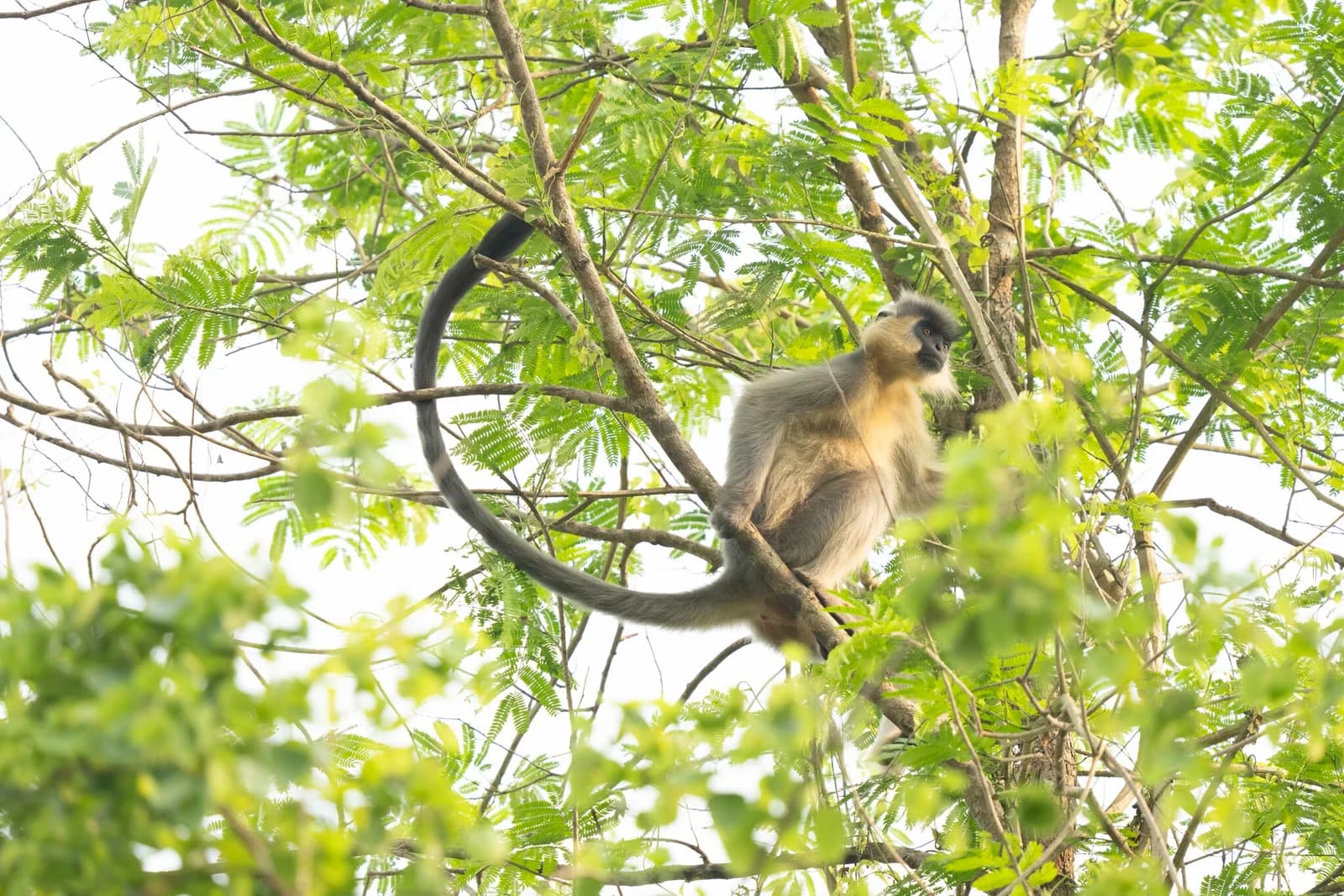
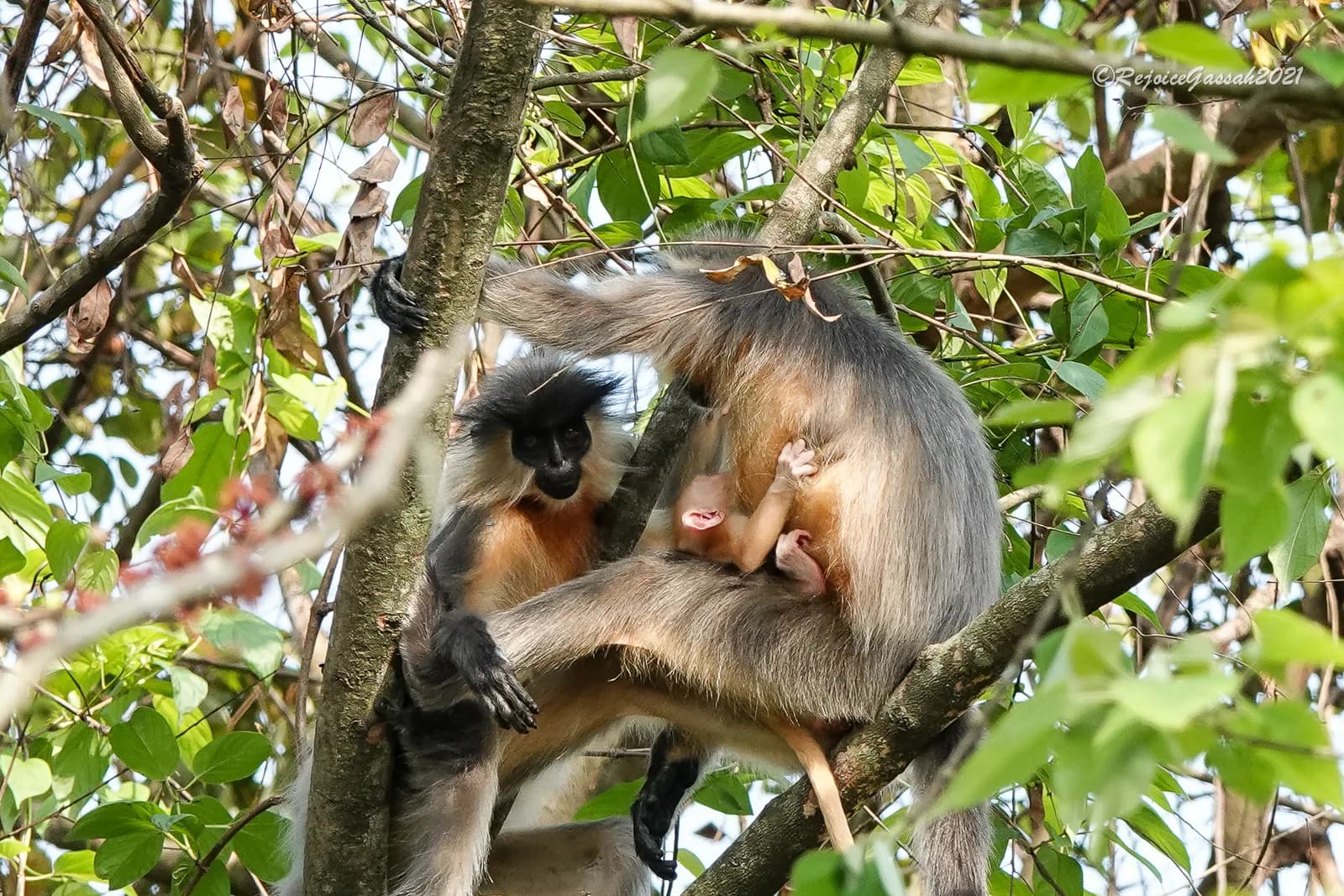
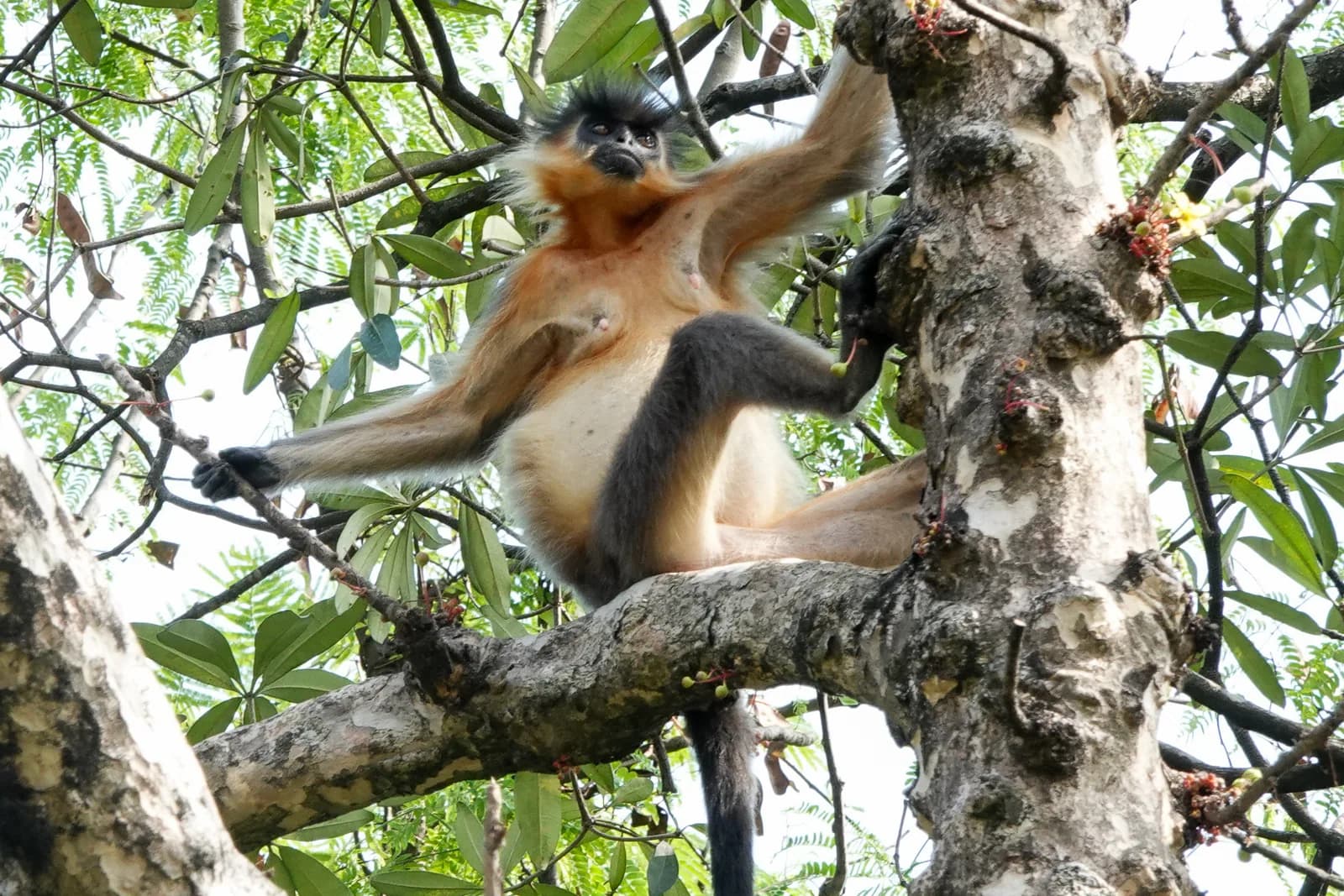
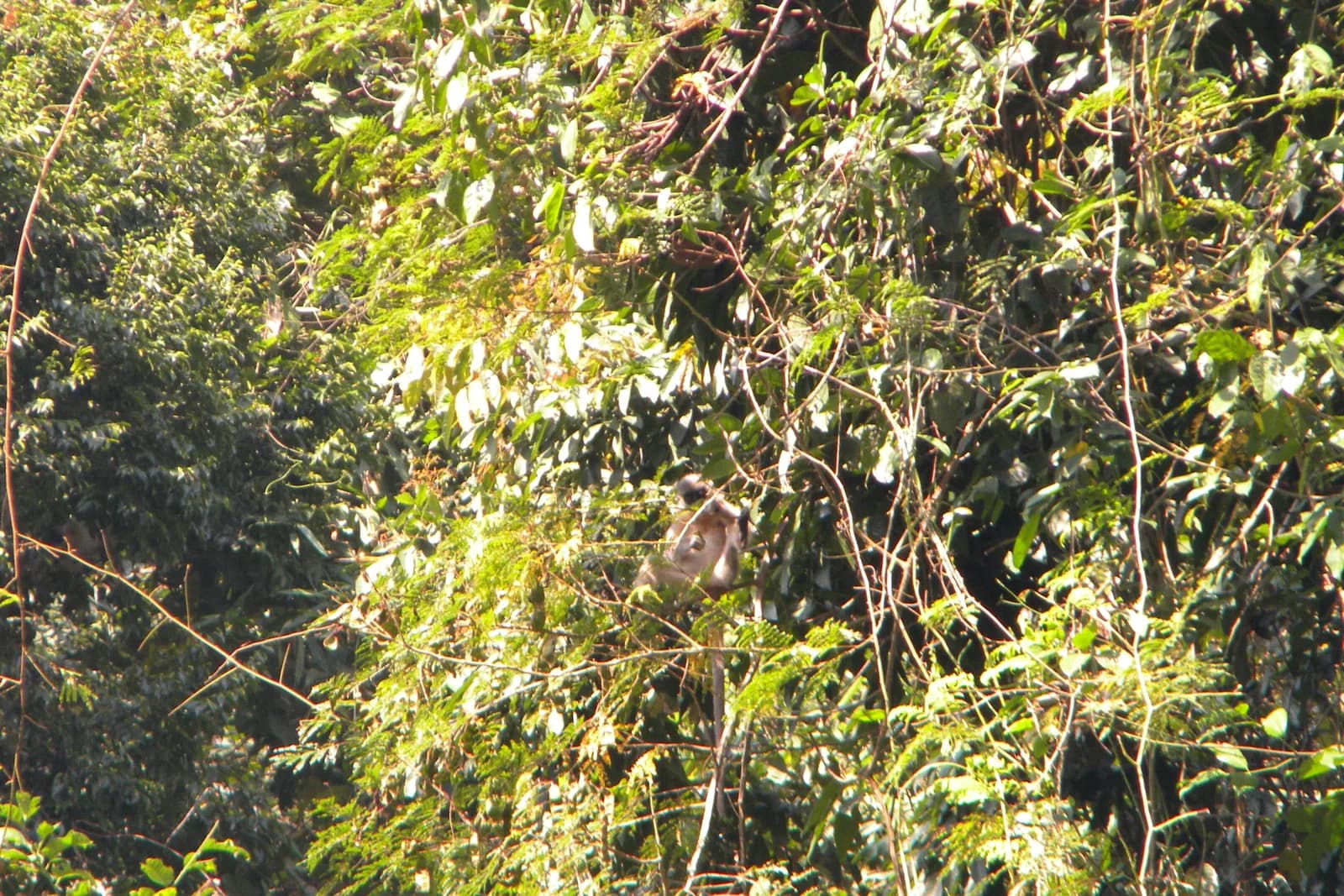
Photographs of Capped langur in the wild, in Indian reserves. We publish no captive, baited or digitally composited images, and no photograph whose licence we cannot show.
Naming the three langurs
The Northeast has capped langurs almost everywhere, golden langurs in a narrow belt along the Bhutan border, and Hanuman langurs pushing in from the west. Trip reports mix all three freely.
How to actually see one
They stay high. The orange belly, which is the field mark everyone quotes, is the part you can see least often, because you are usually looking at a grey back through leaves.
Listen for falling stalks and fruit. A feeding troop drops debris continuously, and it is audible from further away than the animals are visible.
Status and protection
Status and protection
- IUCN Red List
- Vulnerable
- Population trend
- ↓ Decreasing
- Wildlife Protection Act 1972
- Schedule I (post-2022 amendment numbering)
- CITES
- Appendix I
Species-level global assessment for Trachypithecus pileatus; binomial matches exactly. Criteria A2ac+3c.
Assessed 2024 · IUCN Red List assessment
What to book to see one
What you would be booking
- How it is seen
- Any jeep safari or forest walk in a Northeast reserve, with time spent looking up rather than along.
- Drives to book
- One or two drives at Kaziranga will usually do it, especially through Panbari and the wooded edges rather than the open grassland.
Troops give themselves away by falling debris and shaking branches long before you see an animal. Stop the vehicle when you hear it.
Kaziranga — the park in fullQuestions people ask
Where can I see a capped langur?
How is it different from a golden langur?
Are they easy to see?
Read next
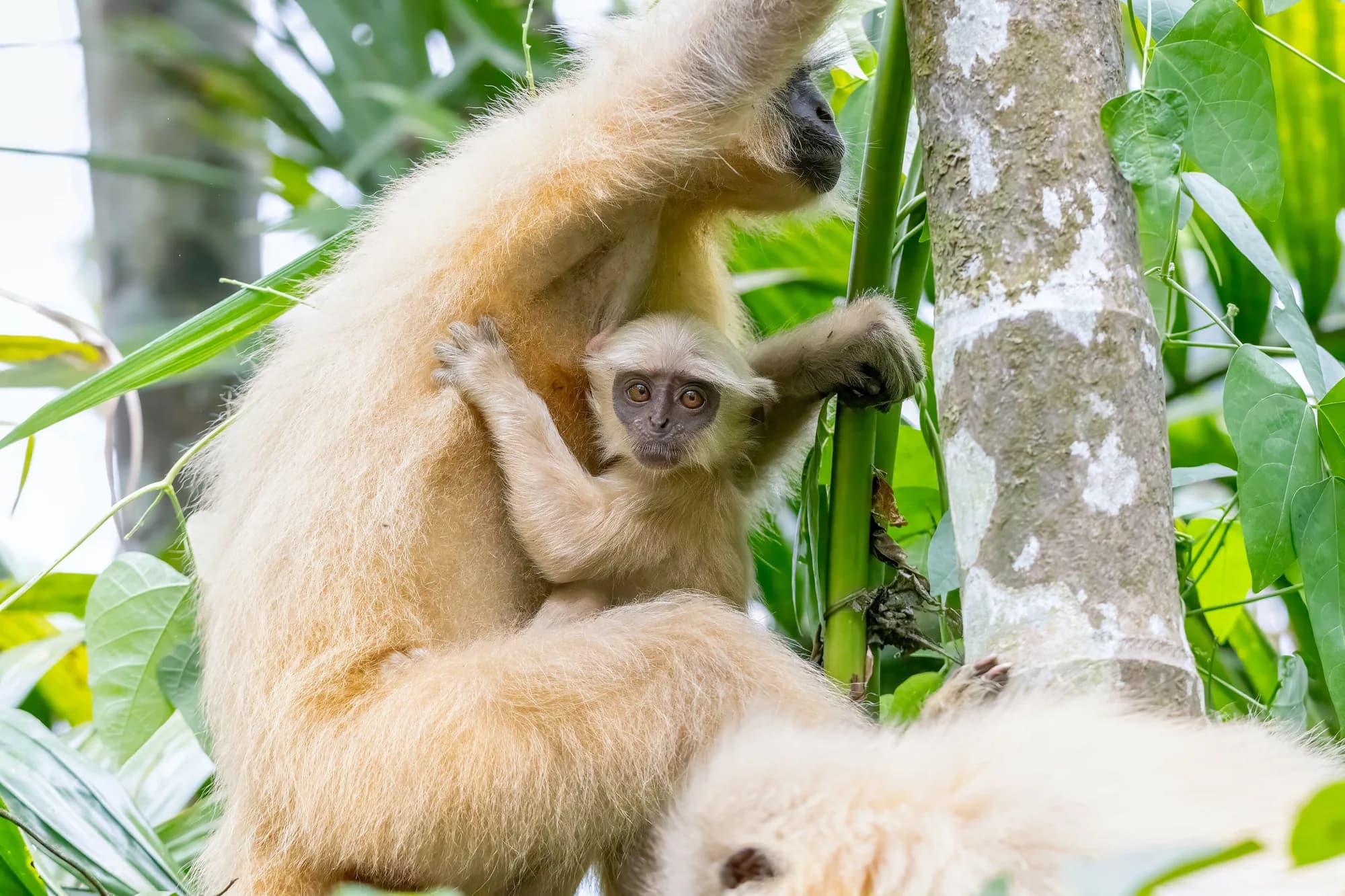
Between two rivers, and nowhere else
Golden langur — the Manas speciality
A cream-and-gold monkey living in a wedge of forest between two Assamese rivers and the Bhutan border. Unmistakable, findable, and almost entirely absent from Indian safari itineraries.
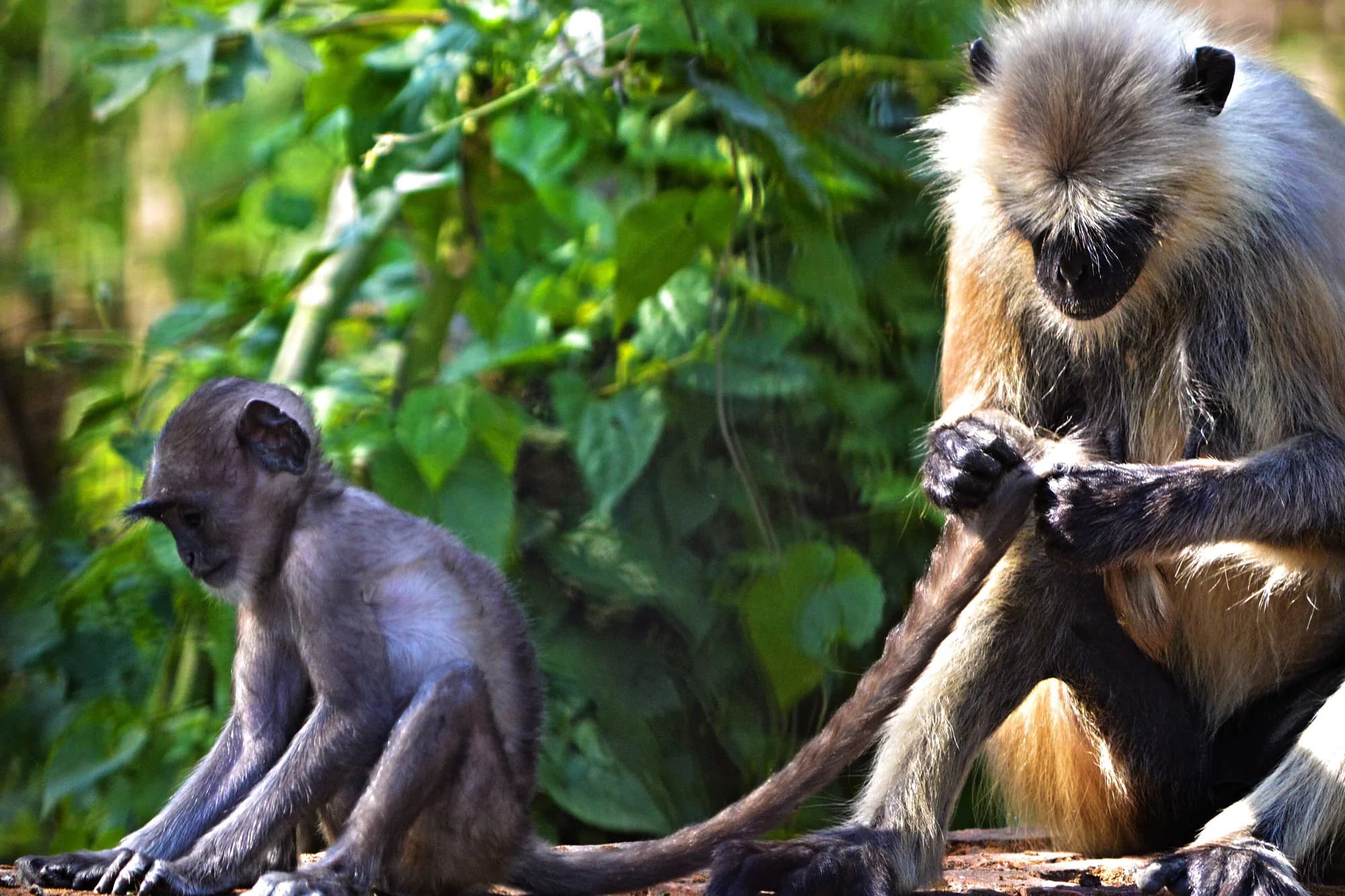
Every reserve, and your best spotter
Hanuman langur — the one everyone knows
Grey, long-tailed and everywhere, and the single most useful animal on a drive. A langur troop has seen the leopard long before your guide has.
Assam, and India's only ape
Hoolock gibbon — the same canopy
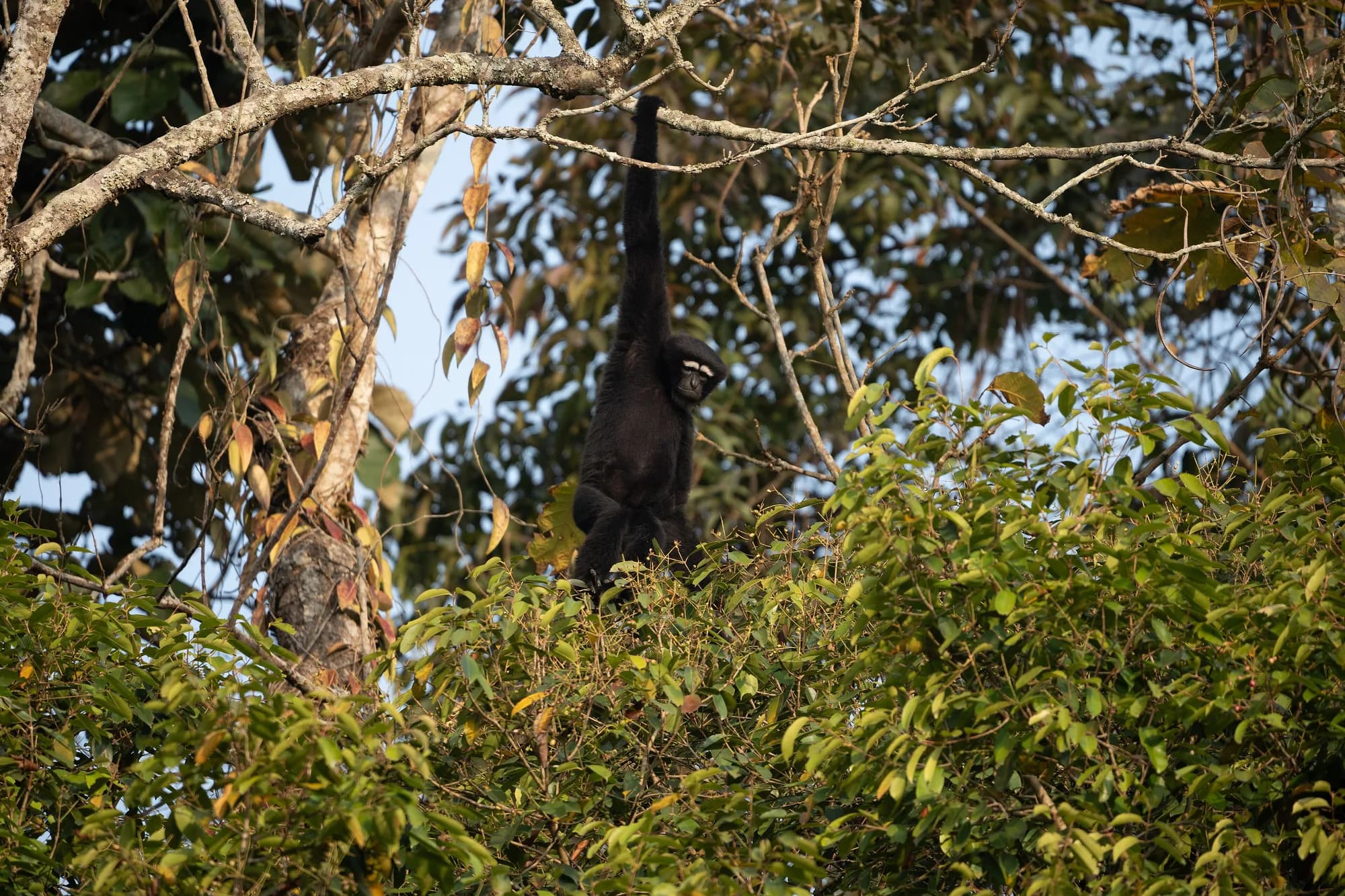
The only ape in India, in a forest island surrounded by tea. You will hear the pair duet across a kilometre of canopy before you have any idea where to look.
Assam
Kaziranga — the park in full
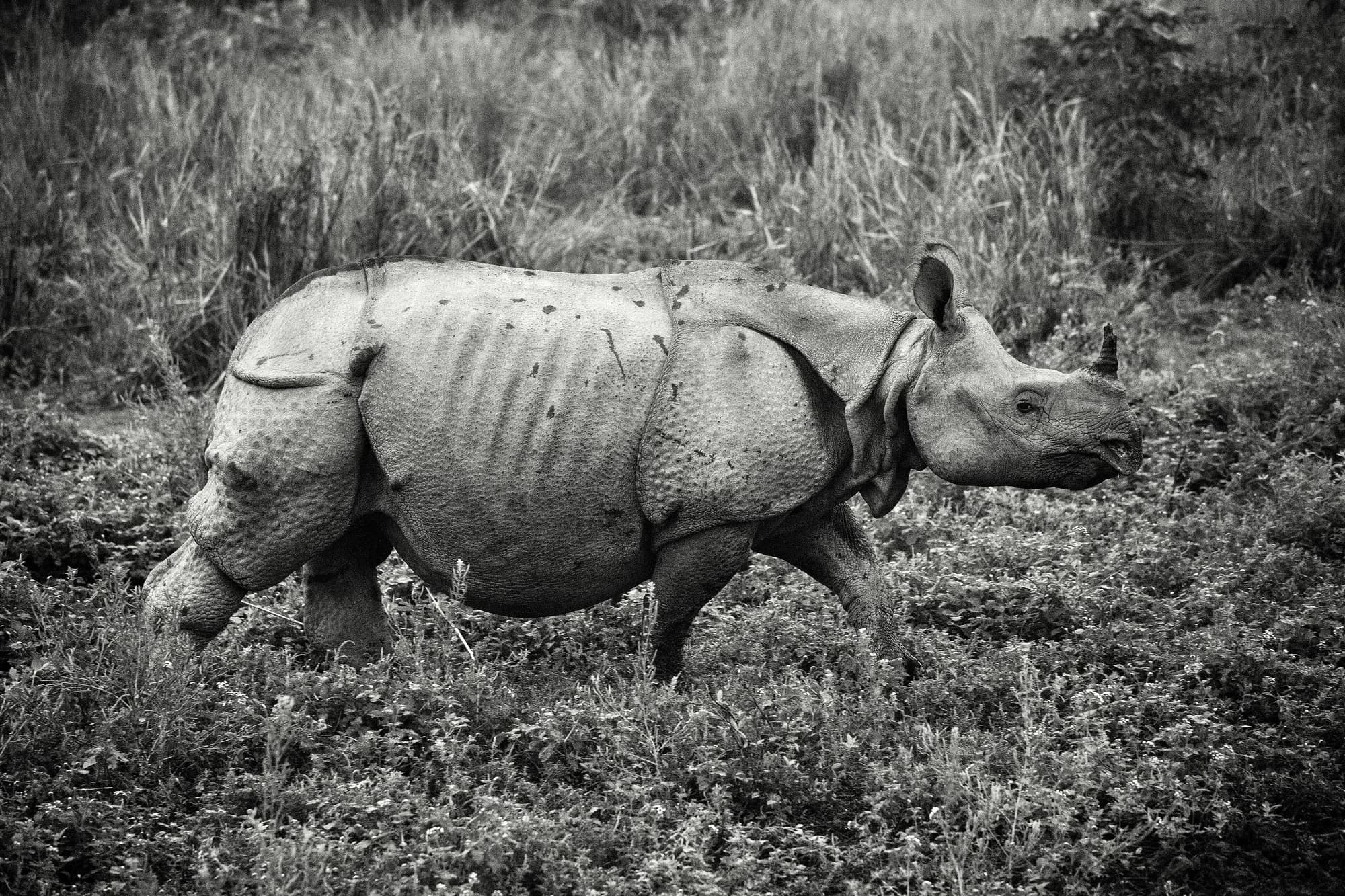
Floodplain grassland, one-horned rhino in daylight, and the one Indian park where the headline animal is close to certain.