
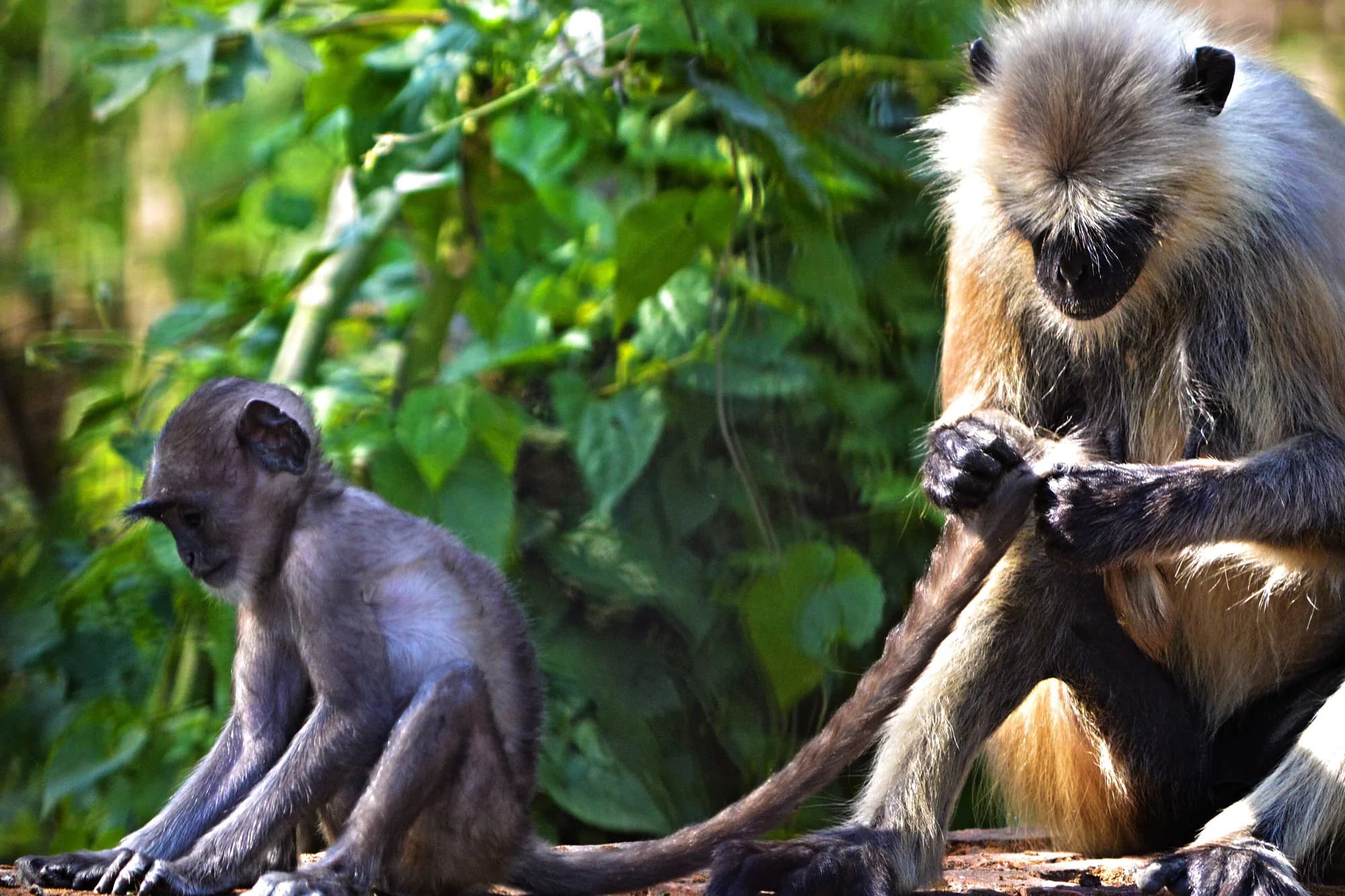
Species · Semnopithecus entellus
Hanuman langur
Grey, long-tailed and everywhere, and the single most useful animal on a drive. A langur troop has seen the leopard long before your guide has.
Also called
- Langur (लंगूर) · Hindi
- Bandar · Hindi
- Vanar · Marathi
Checked 30 Aug 2026
- Where
- Every reserve in this list
- Best months
- All year
- Value
- The best alarm caller
- Note
- Sees further than you
One of the most widely distributed primates in India, from desert scrub to hill forest to the middle of towns.
Where it is
Where to actually go
Ranked, with the reason each — these are not interchangeable.
- 01BandhavgarhMadhya PradeshAbundant, vocal, and in a reserve where what they are announcing is very often a tiger.Follow the troop, not the track
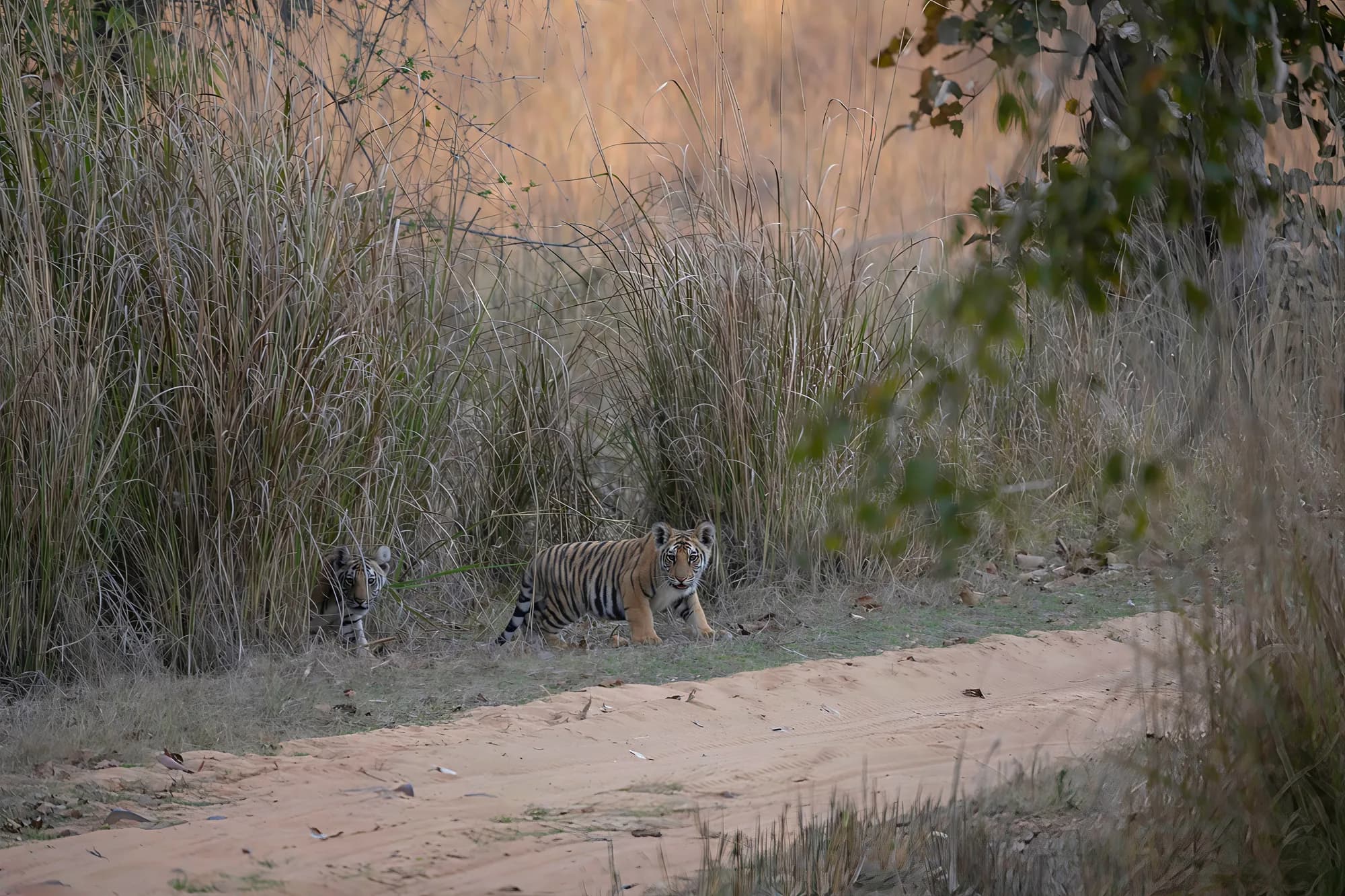
- 02JawaiRajasthanLangurs on the same granite as the leopards, which makes their alarm unusually informative.Watch the rocks
- 03RanthamboreRajasthanAround the fort and the lakes, calling constantly.Everywhere
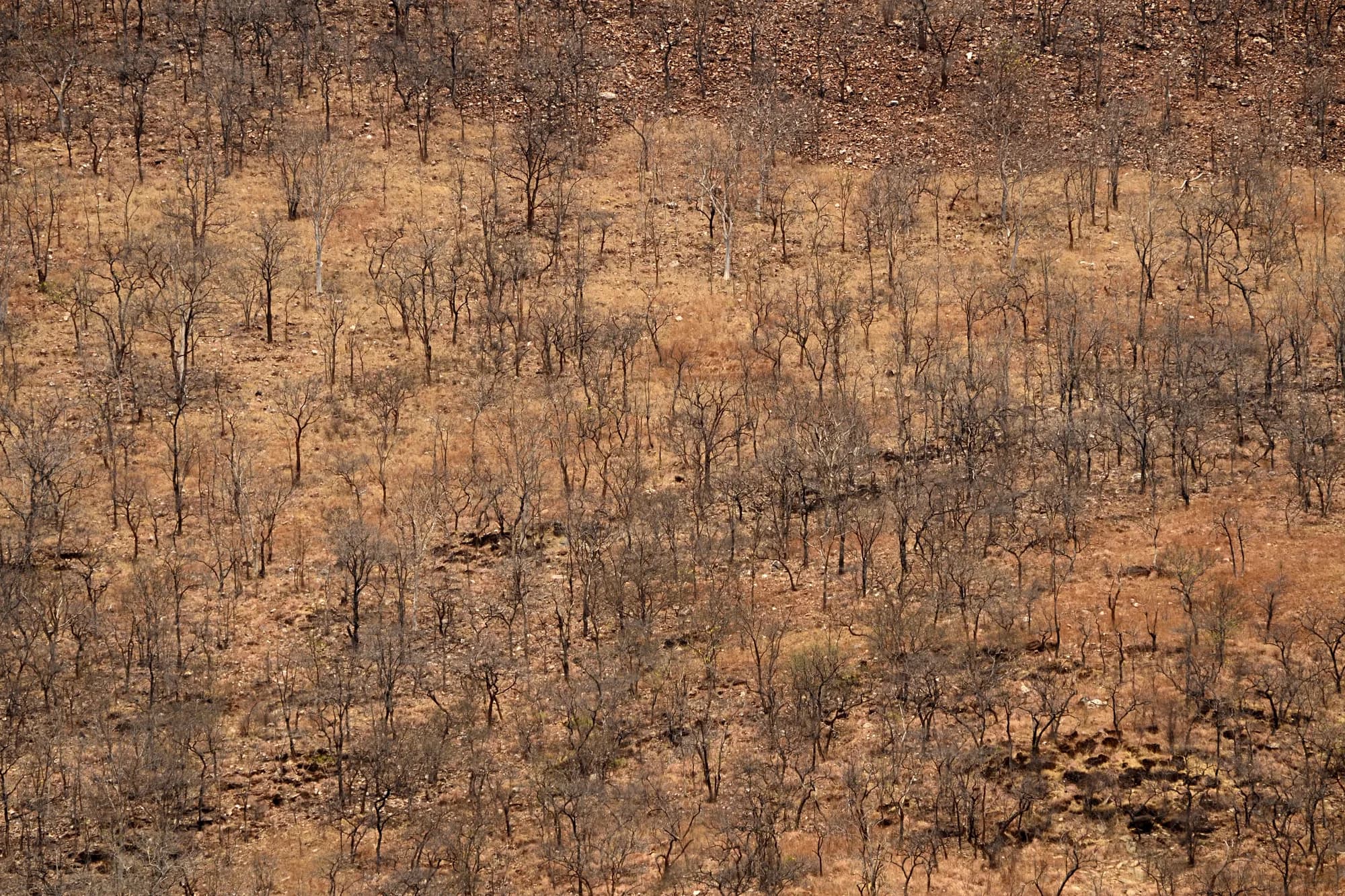
Where you will not see one
- Nowhere — that is the pointHanuman langurs are in essentially every reserve, and in a great many Indian towns. The useful question is never where they are but what they are looking at.
- Confused with a rhesus macaqueDifferent animal. Macaques are brown, stocky and short-tailed with a pink face; langurs are slim, grey and black-faced with a tail longer than the body.
When to go
When to go
- J
- F
- M
- A
- M
- J
- J
- A
- S
- O
- N
- D
January: best. February: best. March: best. April: best. May: best. June: best. July: good. August: good. September: good. October: best. November: best. December: best.
Through the day
- Dawn
- Morning
- Midday
- Afternoon
- Dusk
- Night
Dawn: most active. Morning: most active. Midday: active. Afternoon: active. Dusk: most active. Night: not normally seen.
Telling it apart
Told apart from
Rhesus macaque
Corbett, Ranthambore and every town
Colour and tail. Macaques are brown and stocky with a short tail and a pink face; langurs are silver-grey and slim with a black face and a tail longer than their body.
Nilgiri langur
Ghats forest only
A Western Ghats species and glossy black rather than grey, with a golden-brown head ruff. No overlap in appearance once seen.
Marks chosen to be usable from a moving vehicle — a hanuman langur is rarely still and never close enough for anything subtler.
What it looks like in the field
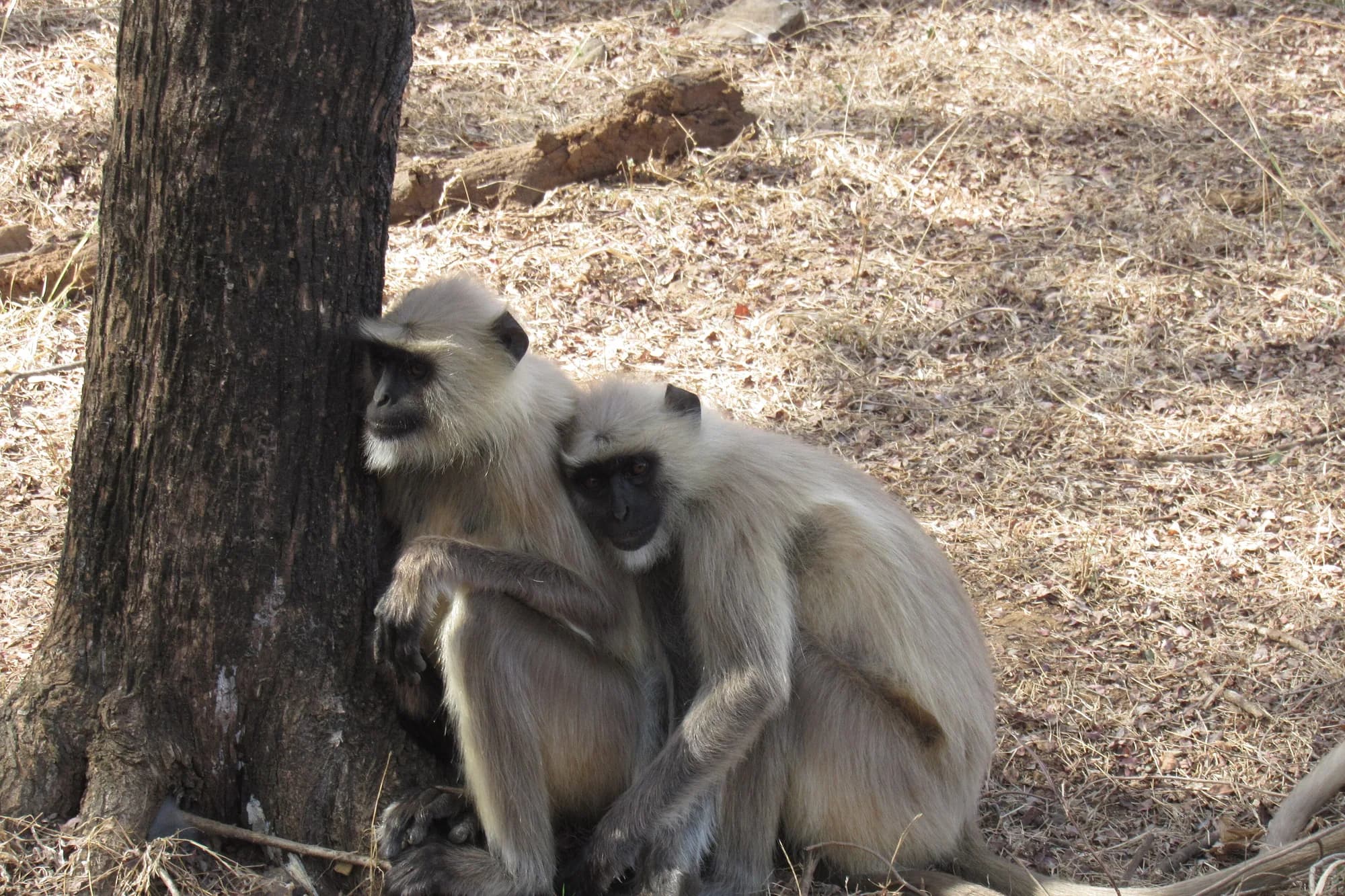
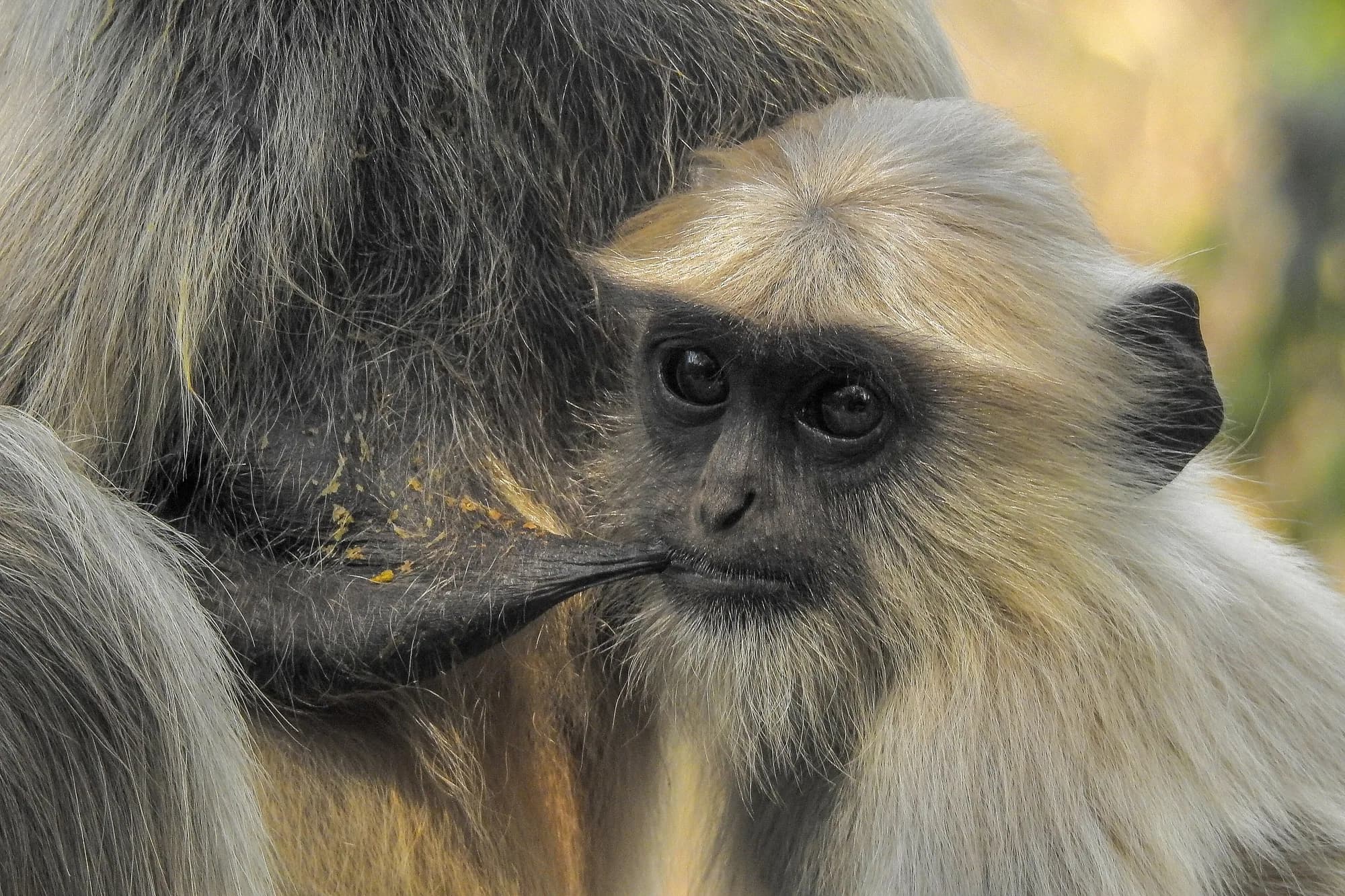
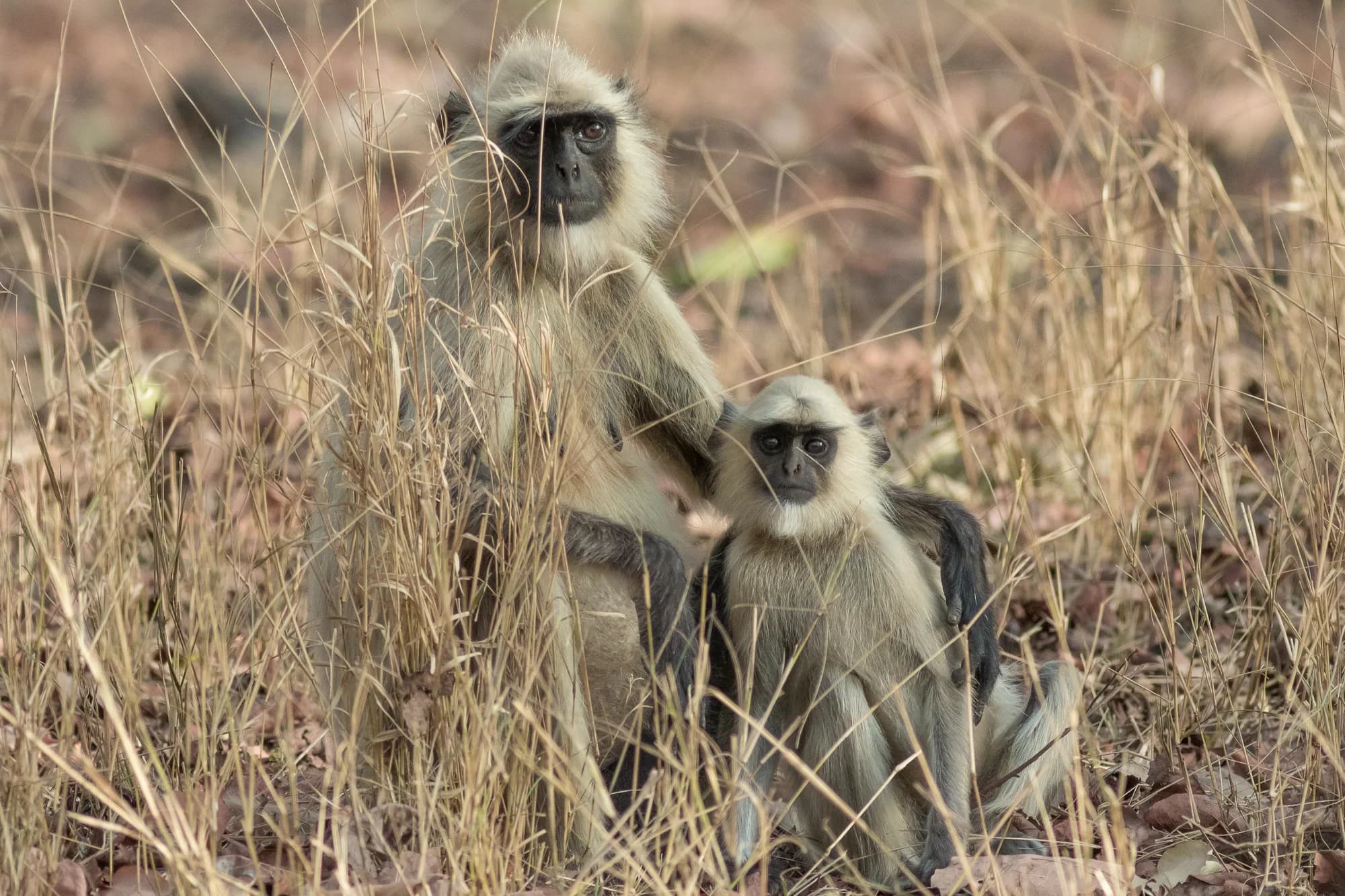
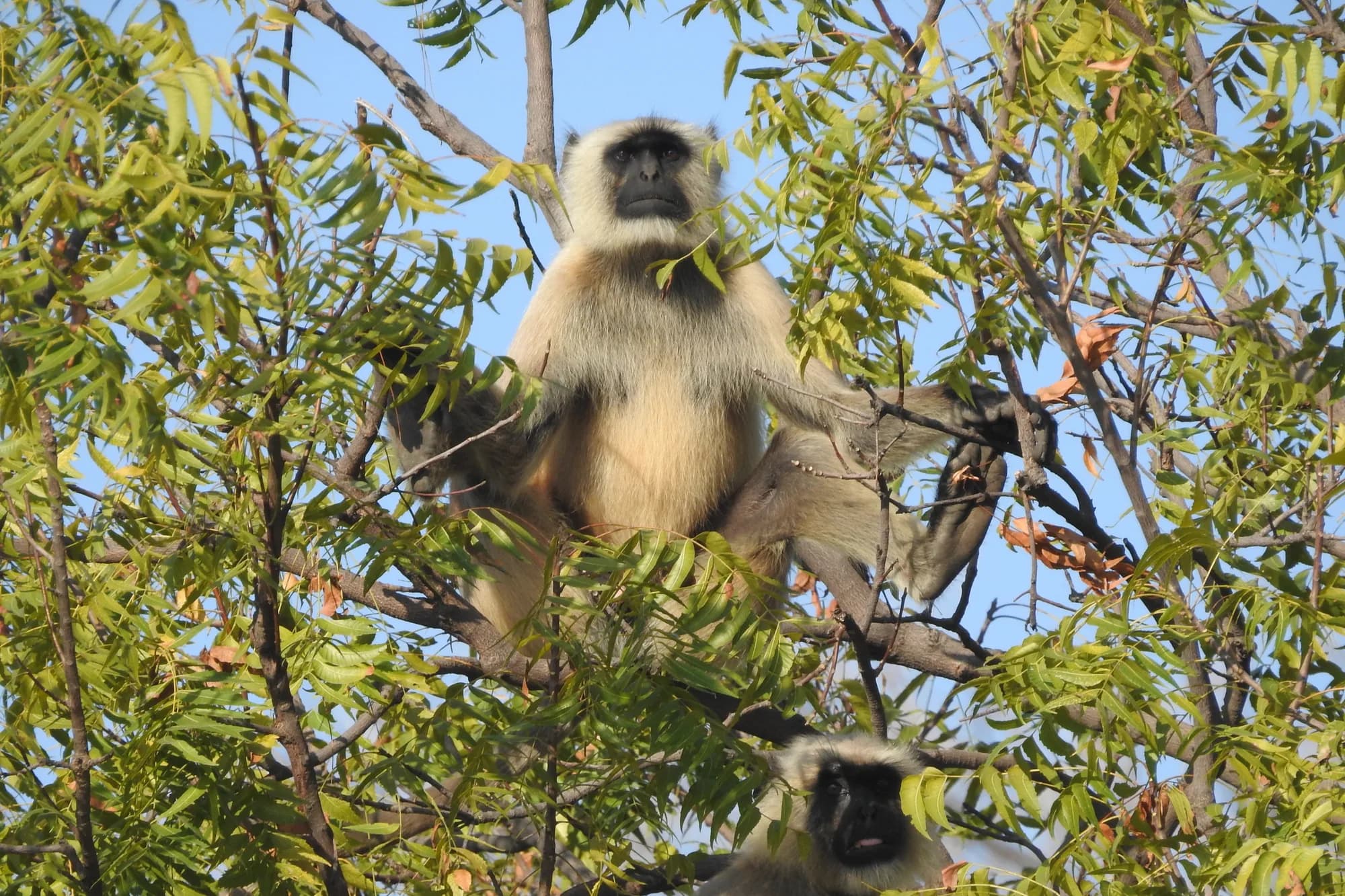
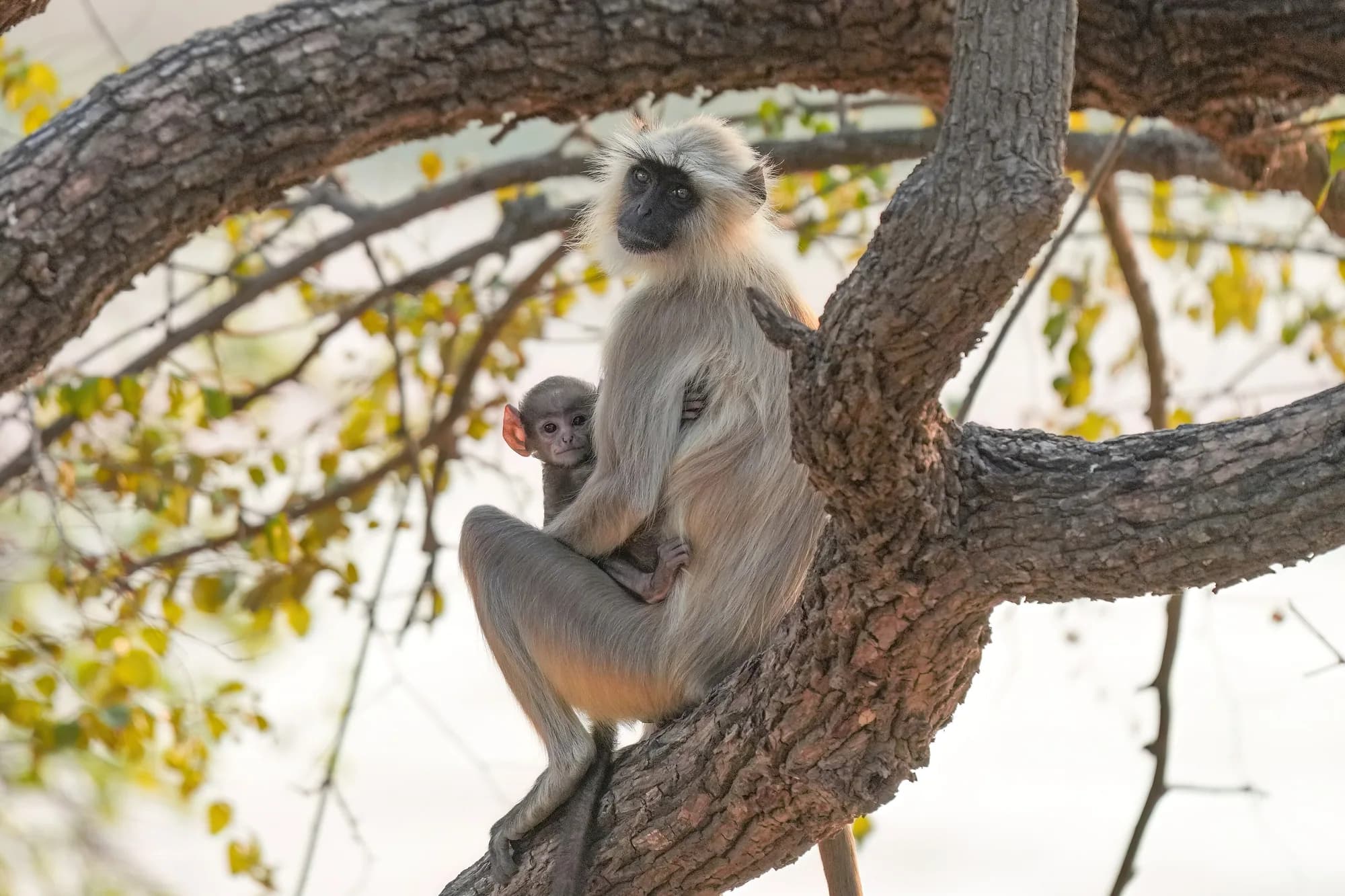
Photographs of Hanuman langur in the wild, in Indian reserves. We publish no captive, baited or digitally composited images, and no photograph whose licence we cannot show.
Your best spotter
A langur sits high, sees a long way down through cover you cannot see into at all, and objects loudly to predators. No guide, tracker or pugmark competes with that.
Most leopard sightings in India start with a langur losing its temper.
Working with the deer
Langurs and chital feed together constantly. The langurs drop leaves and fruit from the canopy and the deer clean it up, and in exchange the deer contribute much better hearing at ground level.
Two species with complementary senses watching for the same predator, which is a more sophisticated arrangement than most visitors realise they are looking at when they photograph deer under a tree.
Status and protection
Status and protection
- IUCN Red List
- Least Concern
- Population trend
- ↓ Decreasing
- Wildlife Protection Act 1972
- Schedule II (post-2022 amendment numbering)
- CITES
- Appendix I
Species-level global assessment for Semnopithecus entellus; binomial matches. IUCN titles this assessment 'Northern Plains Gray Langur' — i.e. IUCN applies S.
Assessed 2020 · IUCN Red List assessment
What to book to see one
What you would be booking
- How it is seen
- Any safari. There is nothing to arrange.
- Drives to book
- None. But treat every troop as information rather than scenery.
Watch which way they are looking. A troop that has gone quiet and is all facing one direction from high branches is the best predator indicator available to you, better than any track on the road.
Bandhavgarh — the park in fullQuestions people ask
Why do guides watch langurs?
What is the difference between a langur and a macaque?
Why are langurs always near deer?
Read next
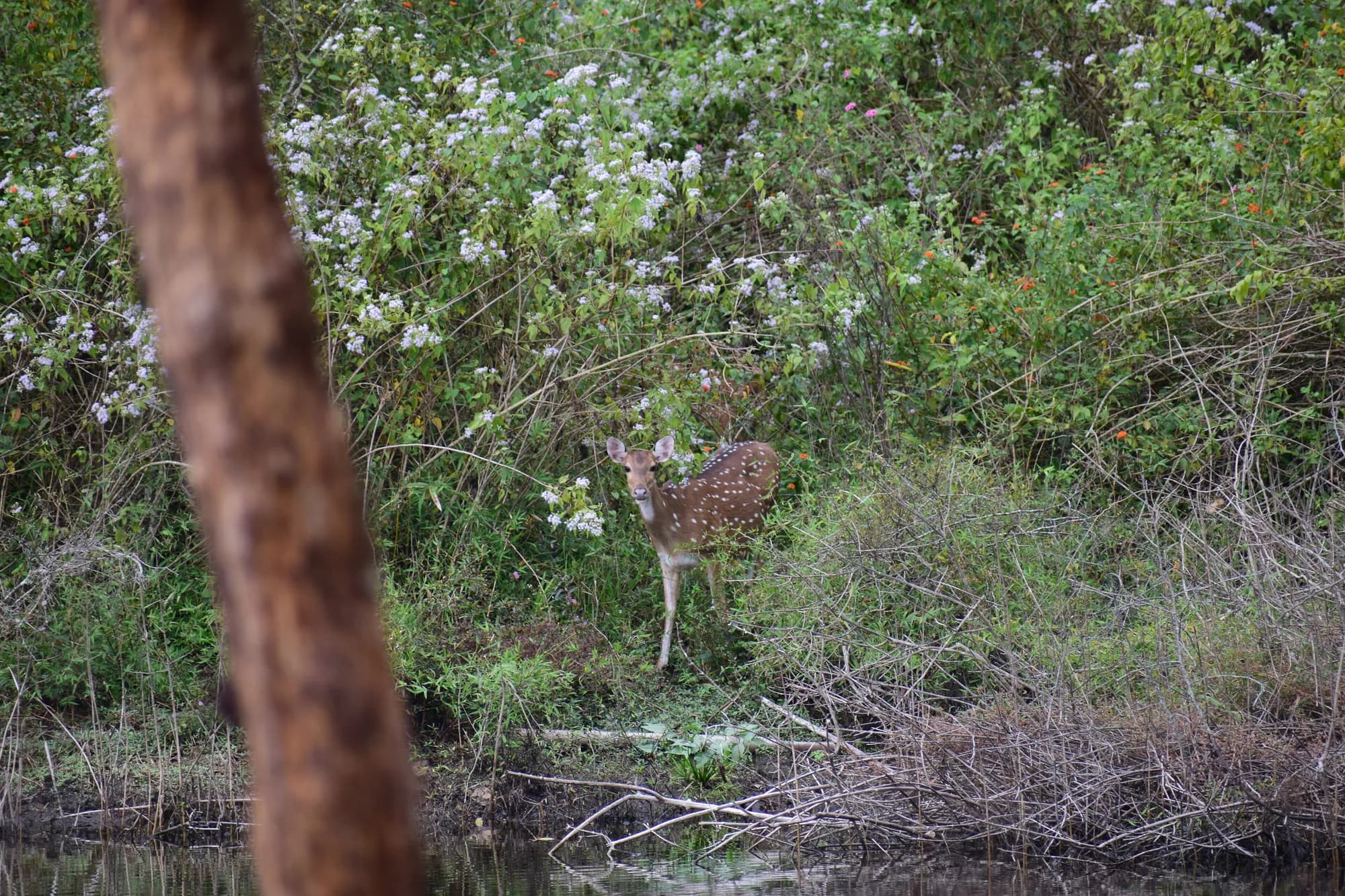
Every reserve, in very large numbers
Chital — the partner
The spotted deer everyone sees within ten minutes and stops noticing by the second drive. Also the most common alarm call in central India, and the main reason tigers eat.
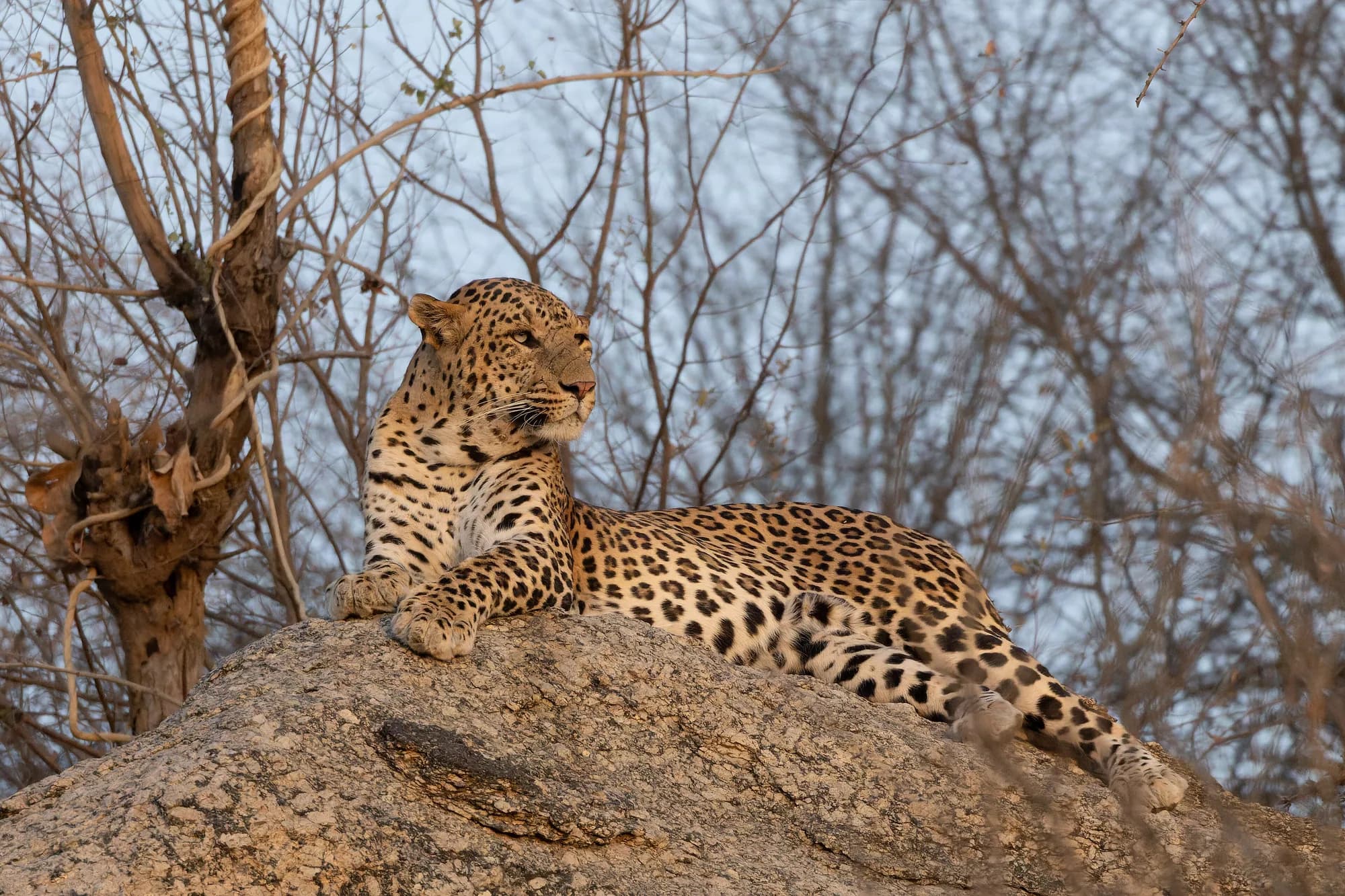
Everywhere, and reliably nowhere
Indian leopard — what they are calling at
Present in almost every reserve on this site and reliably seen in almost none of them. The two landscapes that change that, and why they do.
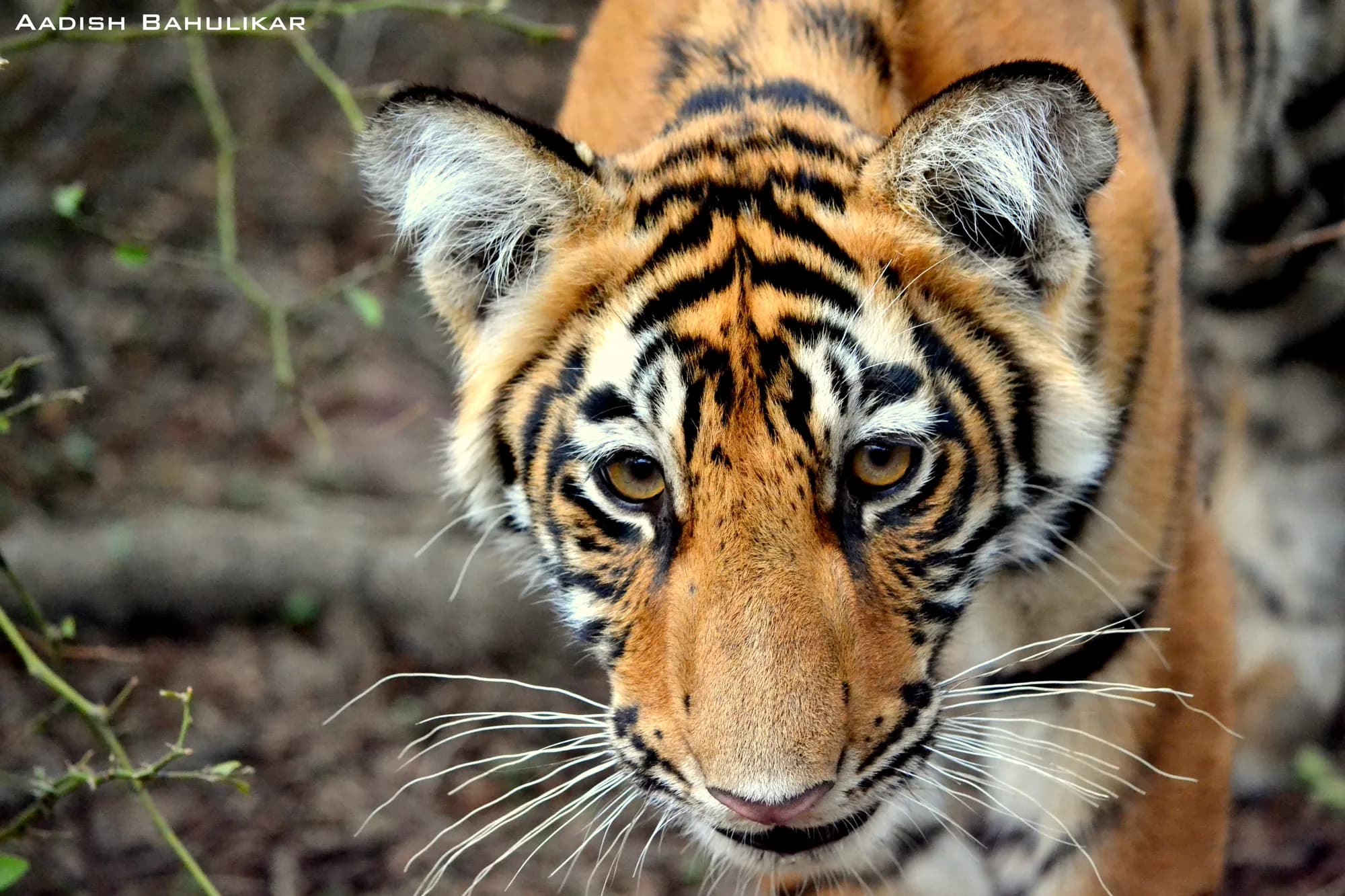
58 reserves, six worth the trip
Tiger — where and when
The animal most people come for, and the one most often missed. Where the odds actually are, and how they move by month and by zone.
Madhya Pradesh
Bandhavgarh — the park in full
The highest tiger density in India in a compact area — which is why it is the reserve most often recommended for a first trip.