
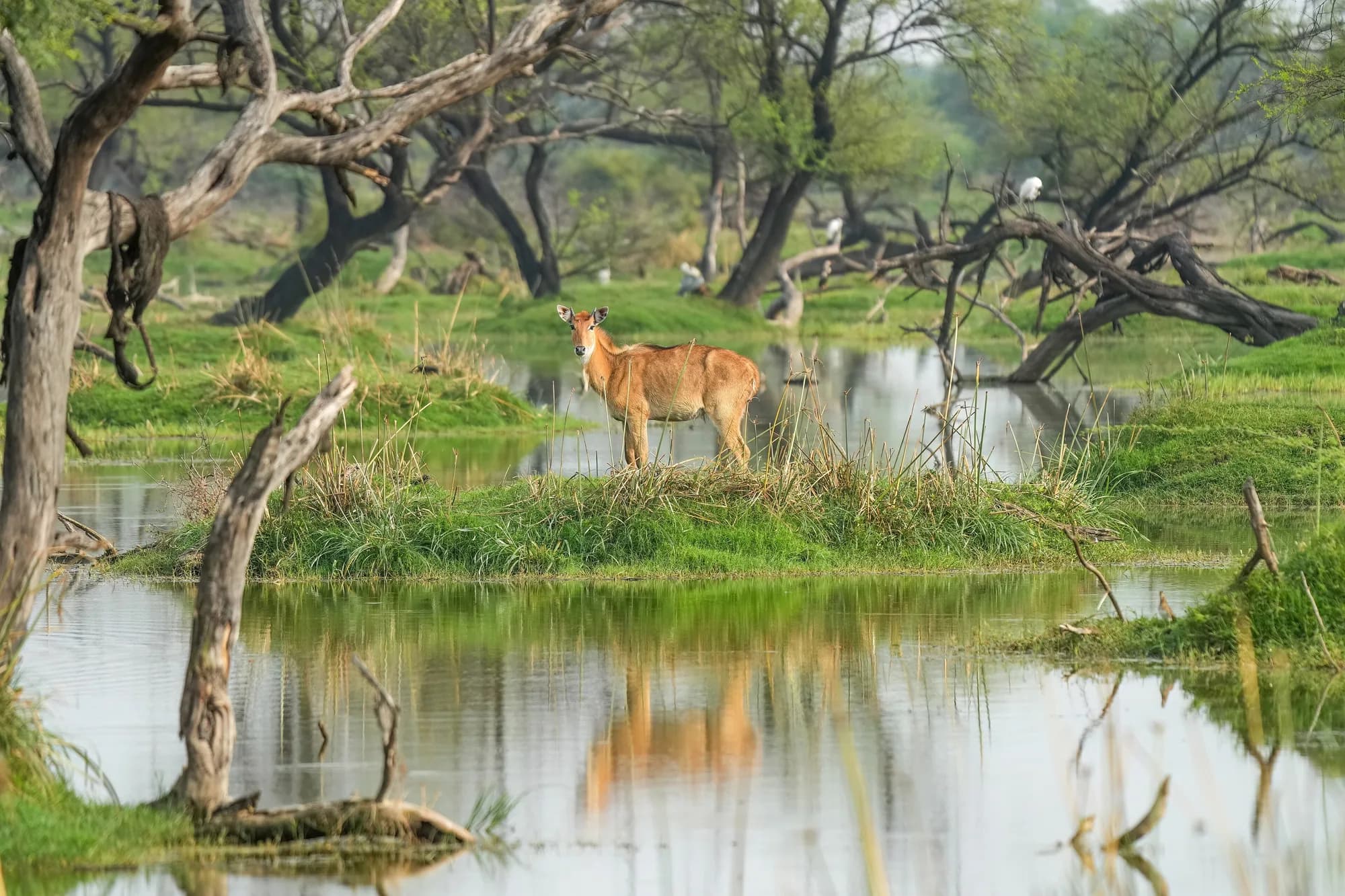
Species · Rusa unicolor
Sambar
India's largest deer, and the animal whose alarm call is worth more to you than any pugmark. When a sambar honks, the vehicle should stop.
Also called
- Sambar (सांभर) · Hindi
- Sambar · Marathi
- Kadave · Kannada
Checked 30 Aug 2026
- Where
- Every reserve in this list
- Best months
- November–June
- Alarm call
- The one to stop for
- Note
- India's largest deer
Forest across almost the whole of India, wherever there is cover and water. The most widely distributed large deer here.
Where it is
Where to actually go
Ranked, with the reason each — these are not interchangeable.
- 01KanhaMadhya PradeshSal forest with large stags, and enough open meadow edge to see them properly.Big antlers, good sightlines
- 02RanthamboreRajasthanThe lake sambar standing chest-deep in water are among the most photographed deer in India.Padam Talao in the hot months
- 03CorbettUttarakhandRiverine forest and chaurs, with regular sightings.Alongside the elephants
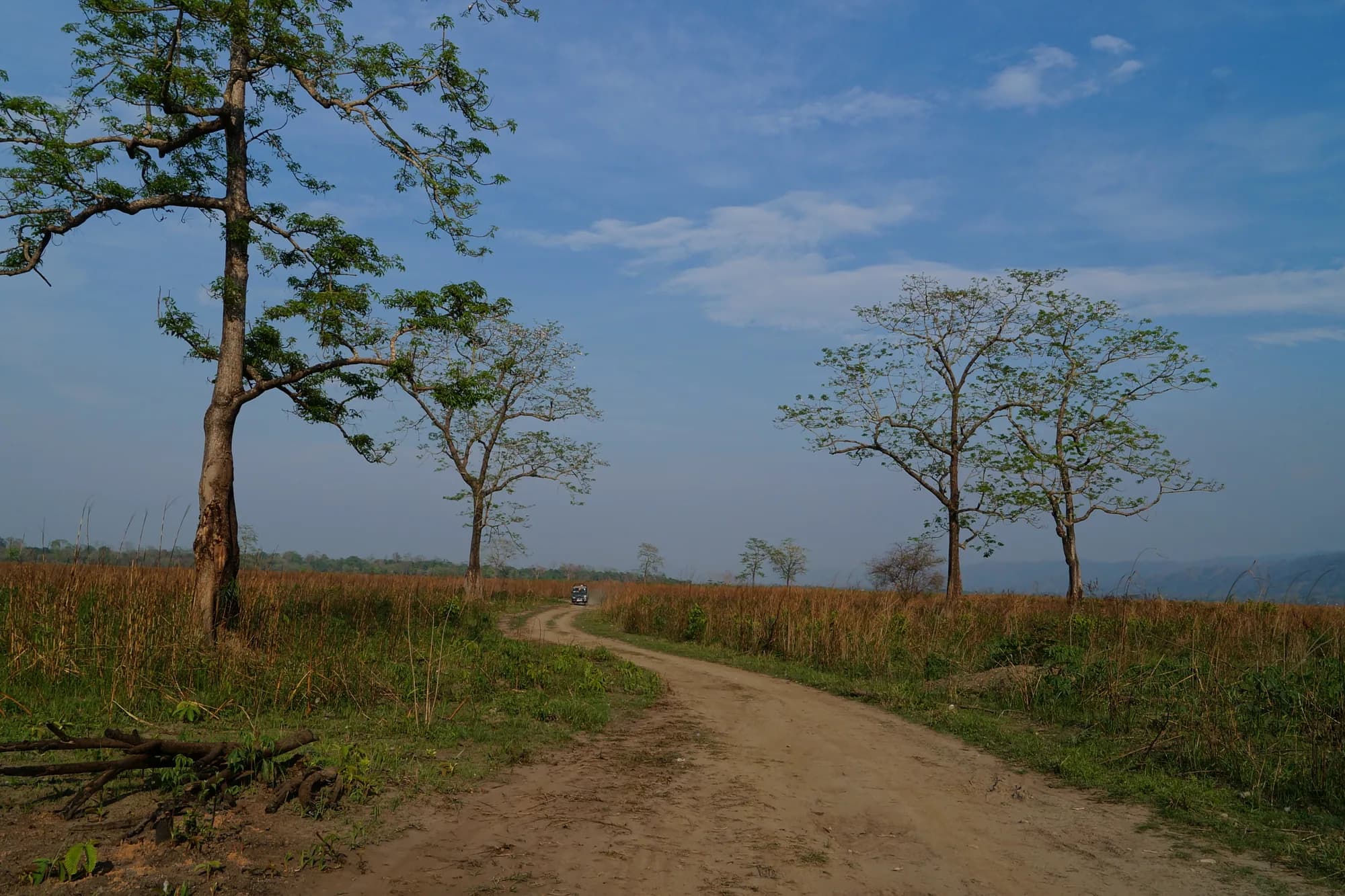
Where you will not see one
- Open grasslandSambar are forest animals. The large deer out on a Kaziranga grassland is more likely swamp deer or hog deer.
- Confused with a barasinghaBarasingha are paler and more golden with many-tined antlers; sambar are dark brown with three points a side and a shaggy neck.
When to go
When to go
- J
- F
- M
- A
- M
- J
- J
- A
- S
- O
- N
- D
January: good. February: good. March: best. April: best. May: best. June: best. July: closed or unproductive. August: closed or unproductive. September: closed or unproductive. October: marginal. November: good. December: good.
Through the day
- Dawn
- Morning
- Midday
- Afternoon
- Dusk
- Night
Dawn: most active. Morning: active. Midday: usually resting. Afternoon: active. Dusk: most active. Night: active.
What it looks like in the field
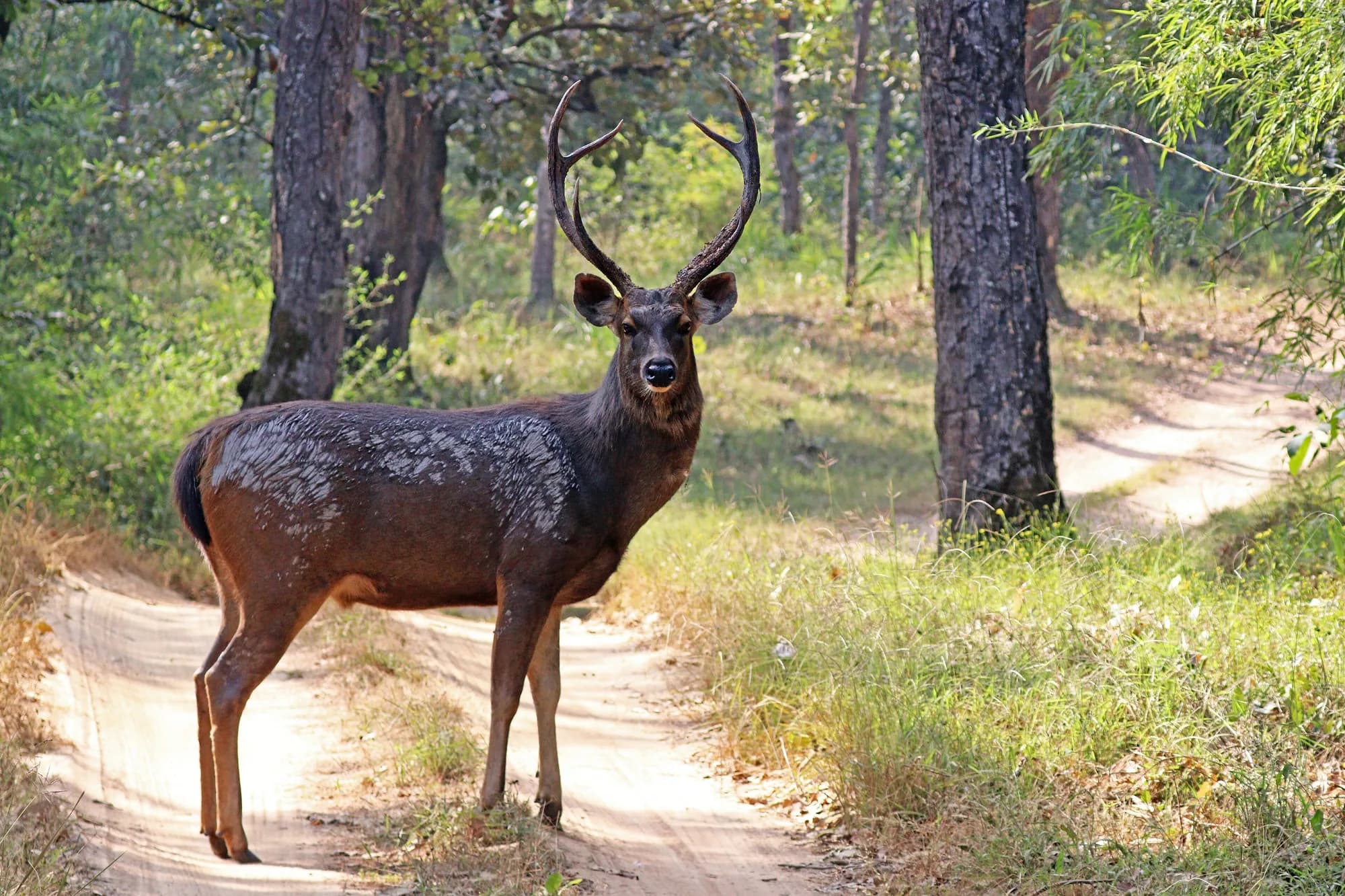
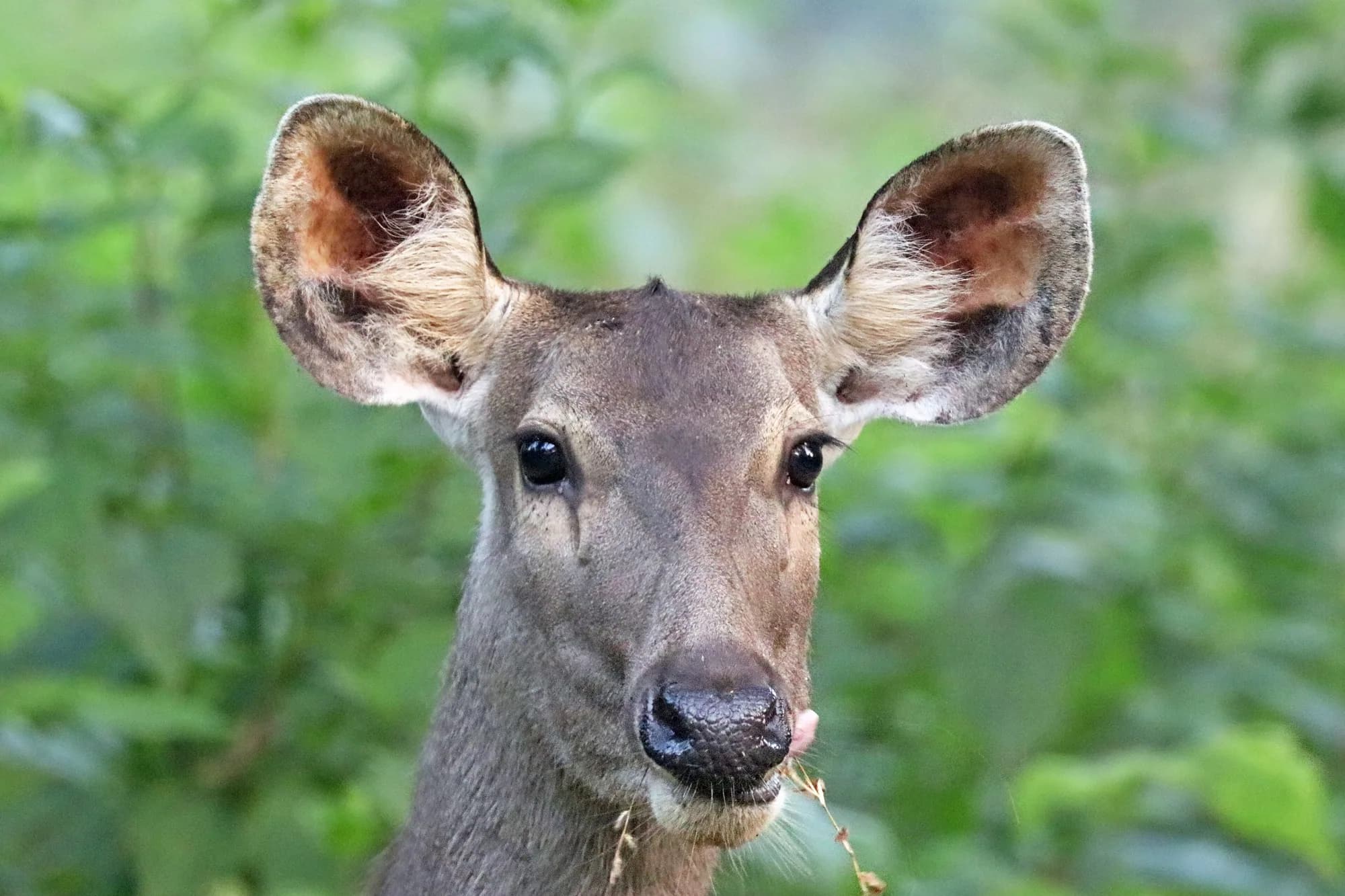
Photographs of Sambar in the wild, in Indian reserves. We publish no captive, baited or digitally composited images, and no photograph whose licence we cannot show.
The call, and why it matters
A single deep resonant honk, lower and slower than a chital’s bark, repeated at intervals. It carries a long way and it is the most reliable predator indicator in an Indian forest.
Chital call at everything. A sambar rarely calls without a reason.
What a sighting is actually like
Unhurried and often at the edge of the light. Sambar are large, dark and surprisingly quiet in cover, and the stags in the hot months standing in a pool with water to the belly are the better photograph.
Status and protection
Status and protection
- IUCN Red List
- Vulnerable
- Population trend
- ↓ Decreasing
- Wildlife Protection Act 1972
- Schedule I (post-2022 amendment numbering)
- CITES
- Not listed in any CITES Appendix
Species-level global assessment for Rusa unicolor; binomial matches exactly. No subspecies issue.
Assessed 2015 · IUCN Red List assessment
What to book to see one
What you would be booking
- How it is seen
- Any jeep safari. You do not need to arrange anything.
- Drives to book
- None required — but learn the call before you go, because it is the single most useful thing you can carry into a drive.
When your guide stops the vehicle for no visible reason, this is usually why. A sambar rarely calls without cause, and a repeated honk means something is moving.
Kanha — the park in fullQuestions people ask
What does a sambar alarm call sound like?
Why do guides stop for it?
Where can I see sambar?
Read next
58 reserves, six worth the trip
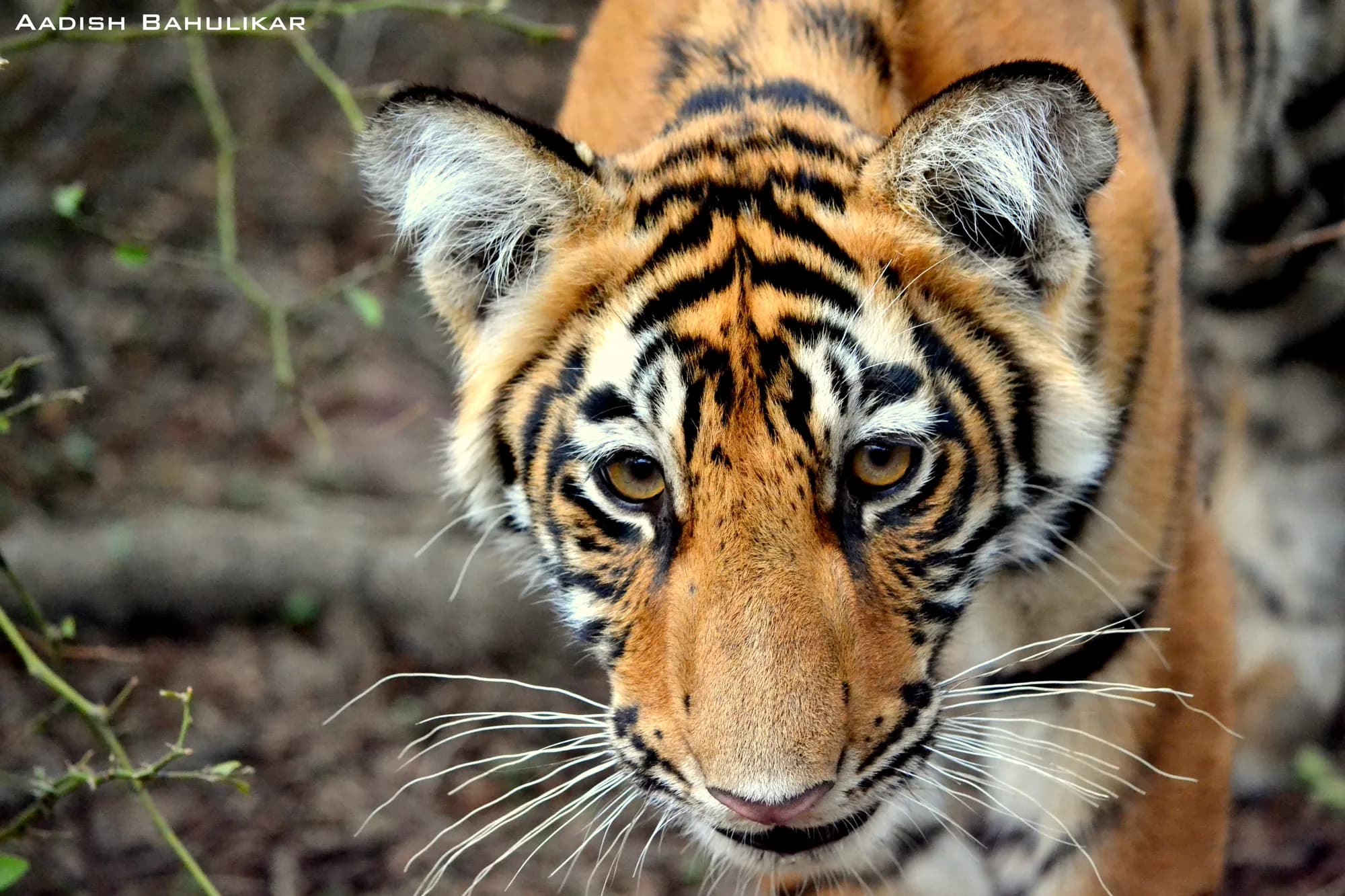
Tiger — what the call is announcing
The animal most people come for, and the one most often missed. Where the odds actually are, and how they move by month and by zone.
Madhya Pradesh
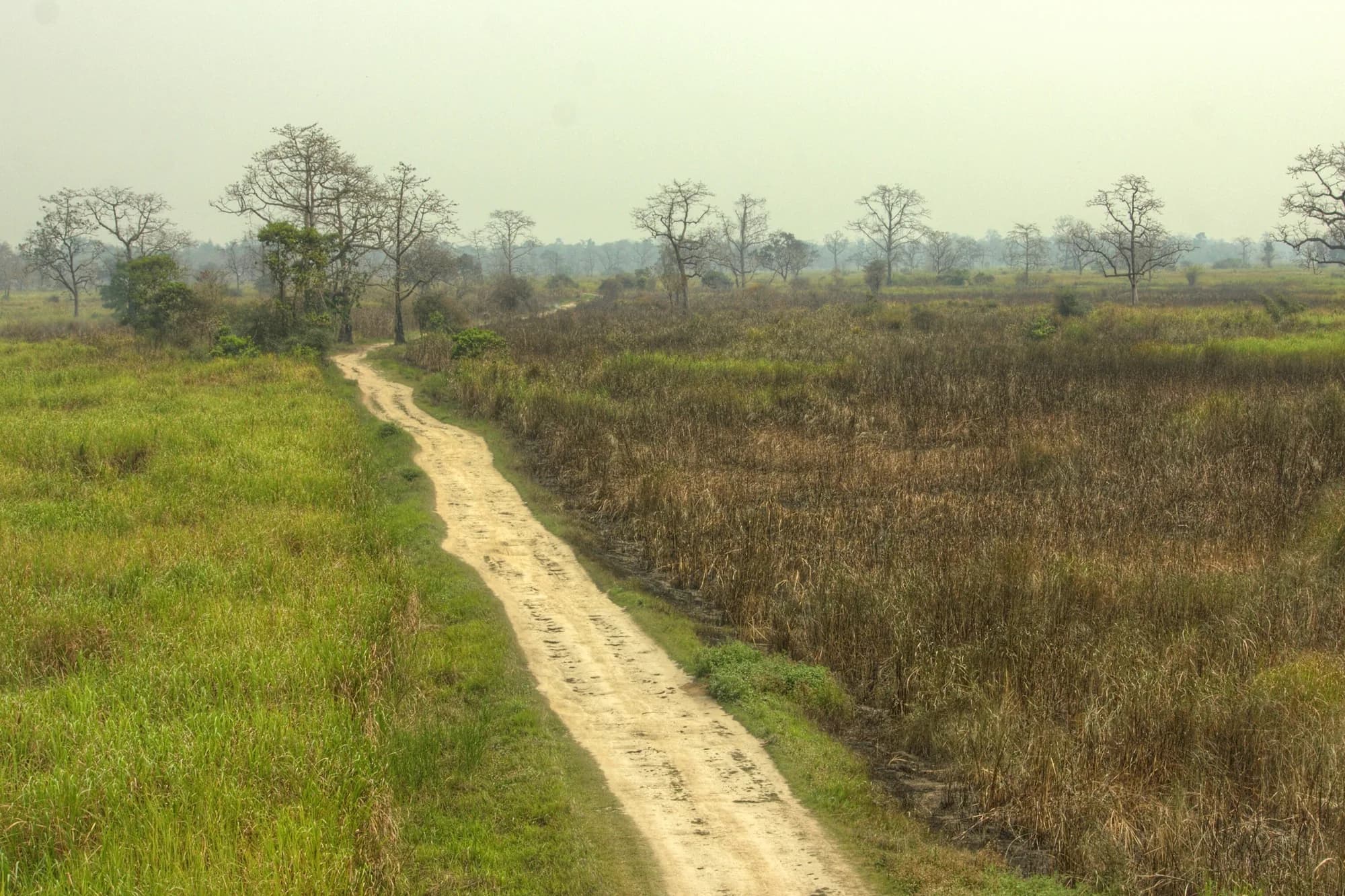
Kanha — the park in full
Sal forest and wide meadows, larger and calmer than Bandhavgarh. Repays four or five drives far more than two.
Every reserve, in very large numbers
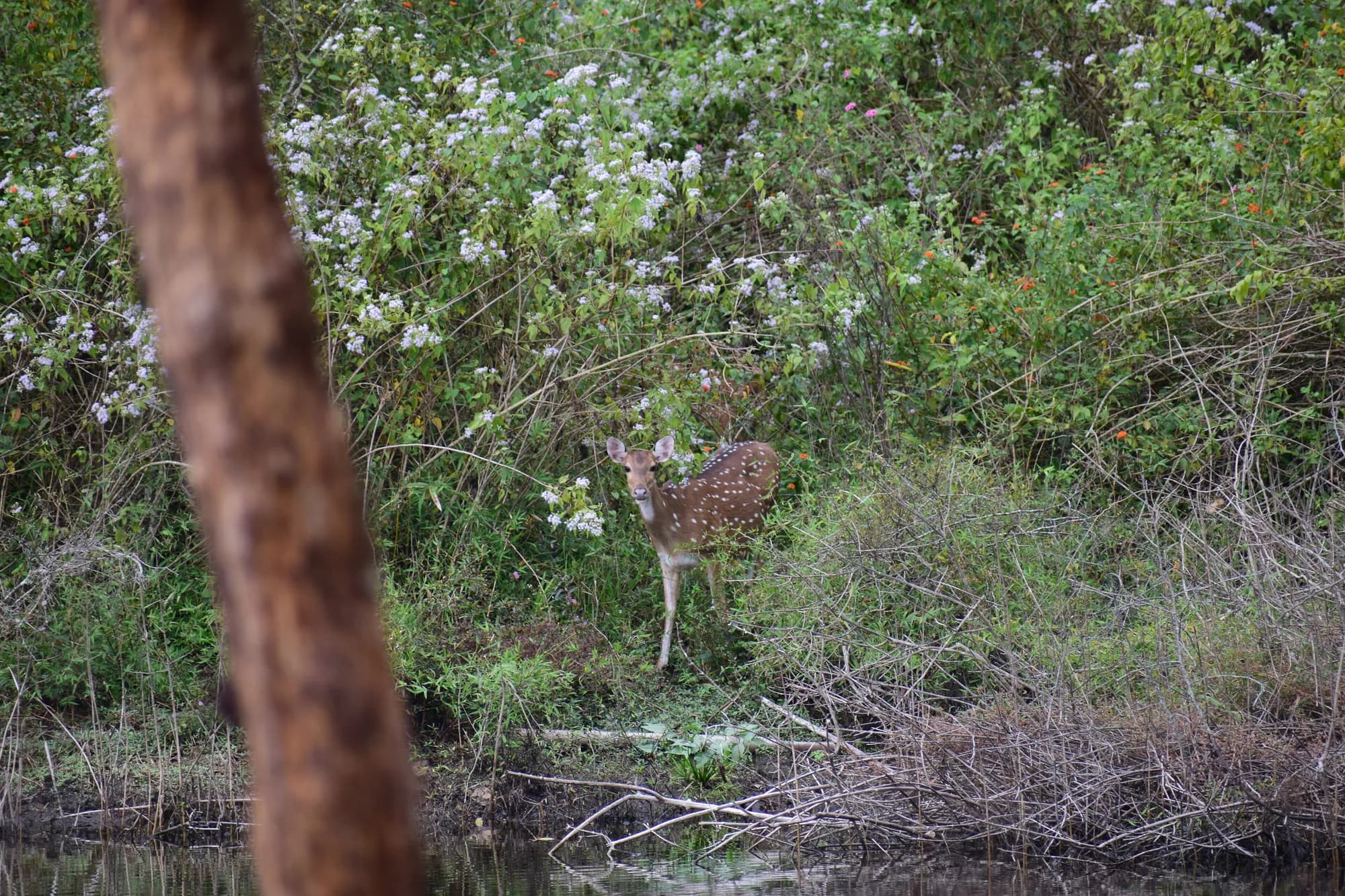
Chital — the other alarm caller
The spotted deer everyone sees within ten minutes and stops noticing by the second drive. Also the most common alarm call in central India, and the main reason tigers eat.
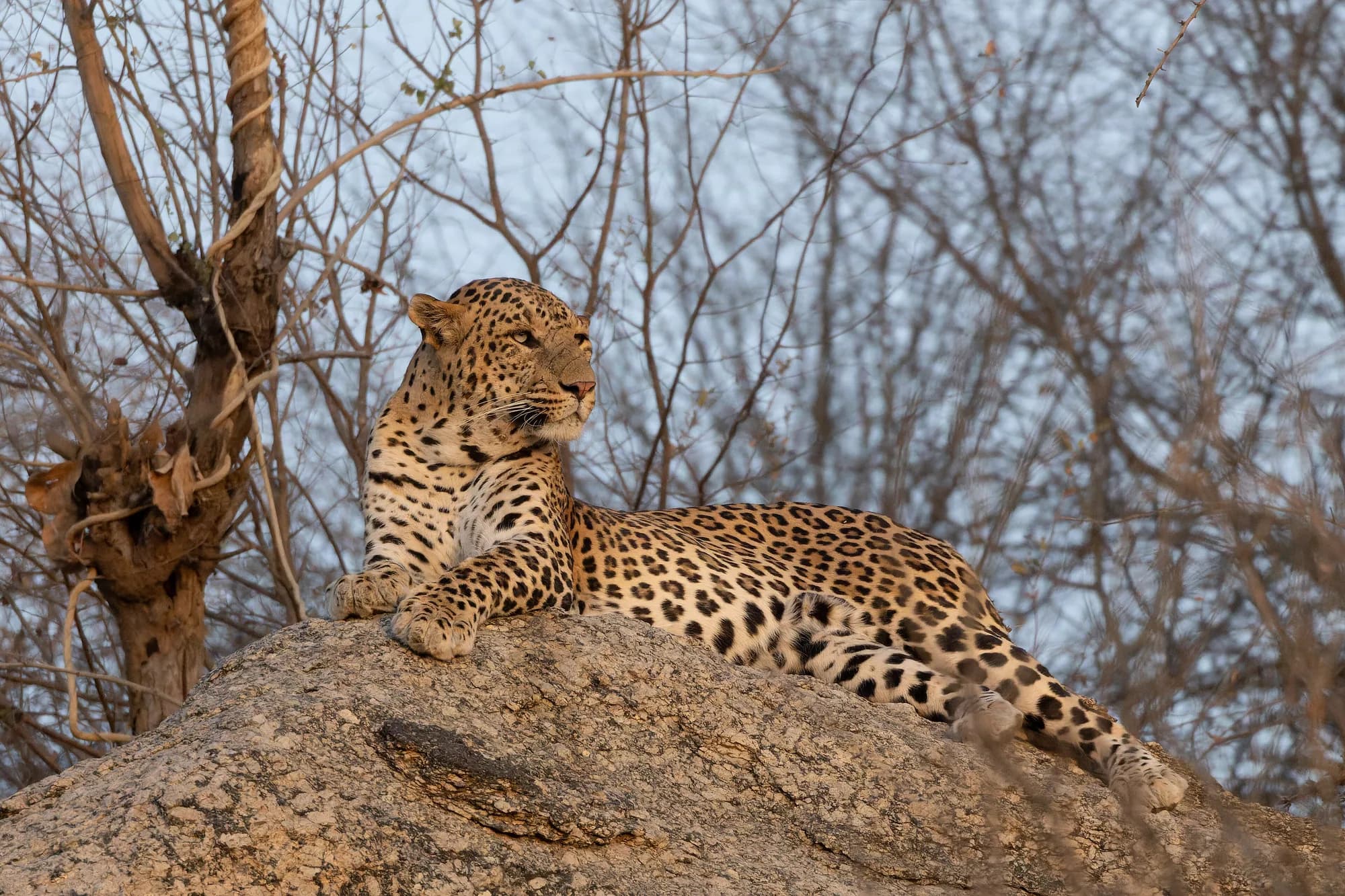
Everywhere, and reliably nowhere
Indian leopard — where and when
Present in almost every reserve on this site and reliably seen in almost none of them. The two landscapes that change that, and why they do.