
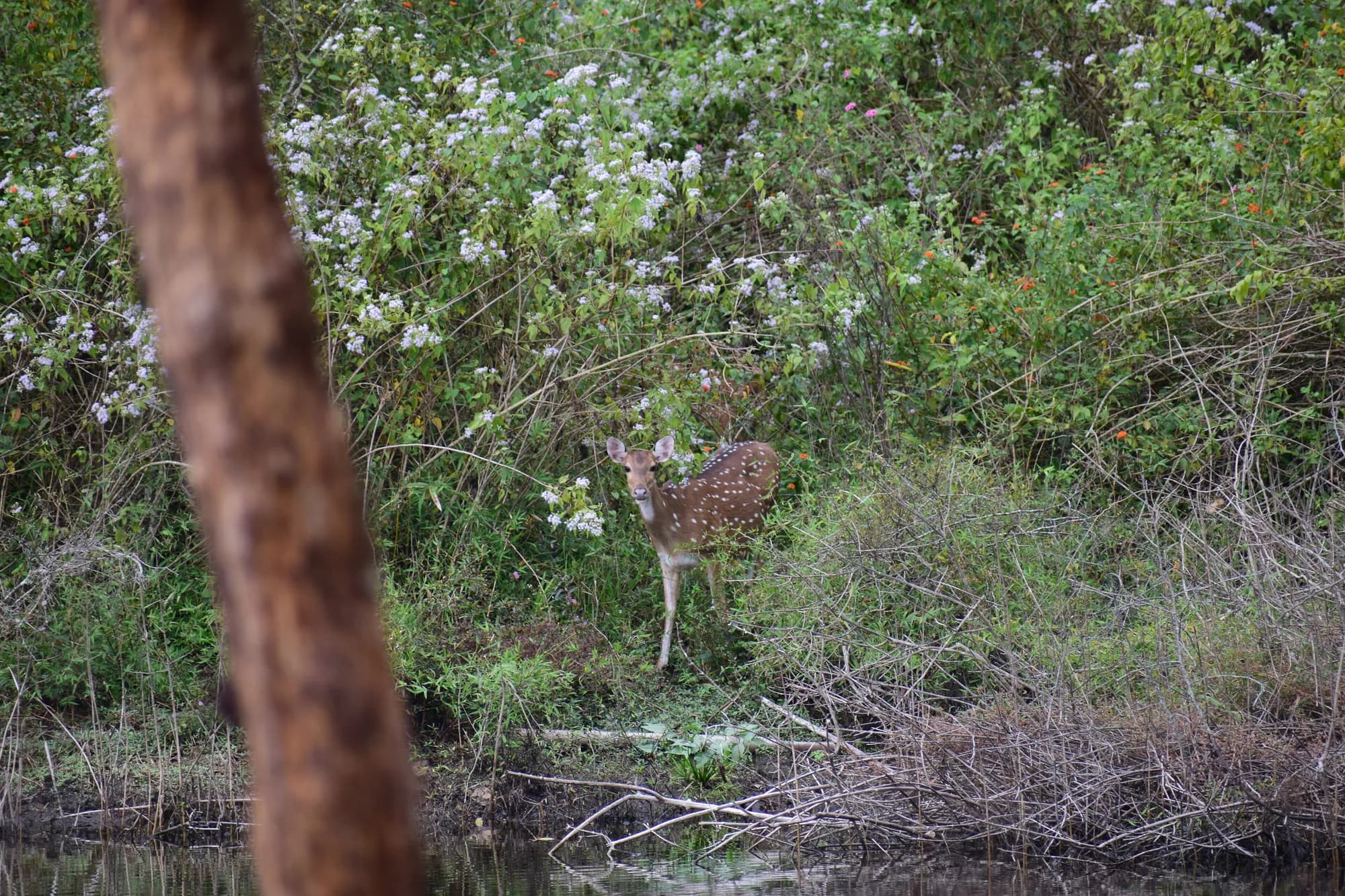
Species · Axis axis
Chital
The spotted deer everyone sees within ten minutes and stops noticing by the second drive. Also the most common alarm call in central India, and the main reason tigers eat.
Also called
- Chital (चीतल) · Hindi
- Hiran · Hindi
- Chitra · Marathi
Checked 30 Aug 2026
- Where
- Every reserve in this list
- Best months
- November–June
- Herds
- Often 50 or more
- Note
- Main tiger prey
Forest edge, meadow and open woodland across almost the whole of India. Among the most abundant wild ungulates in the country.
Where it is
Where to actually go
Ranked, with the reason each — these are not interchangeable.
- 01KanhaMadhya PradeshThe maidans hold herds of a size you will not see elsewhere, with barasingha mixed in.Meadows at first light
- 02CorbettUttarakhandThe chaurs give big open herds against grassland.Morning on the chaurs
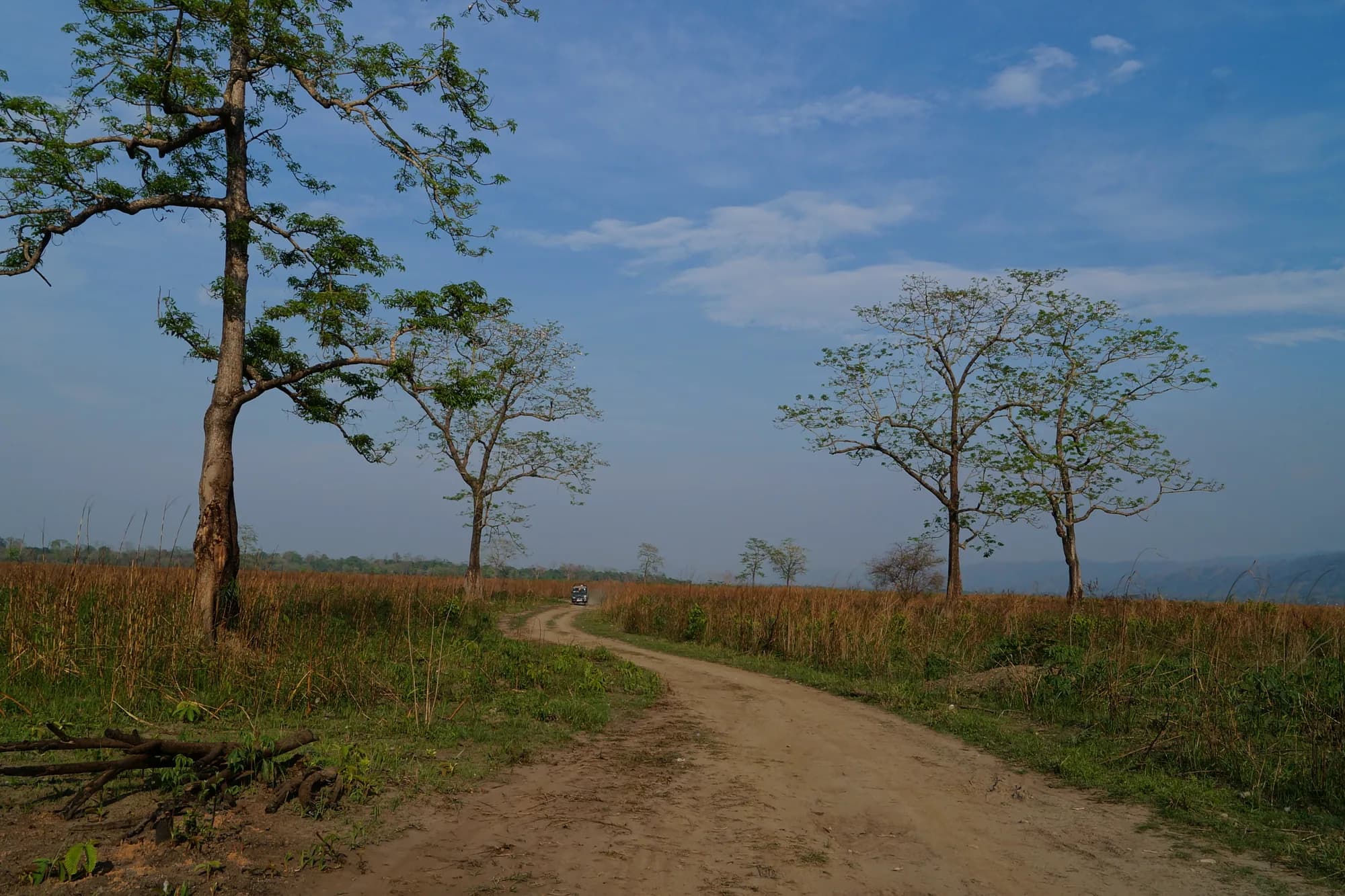
- 03BandhavgarhMadhya PradeshIndia's densest tiger reserve is dense in chital first, which is the actual reason for the tigers.Everywhere, constantly
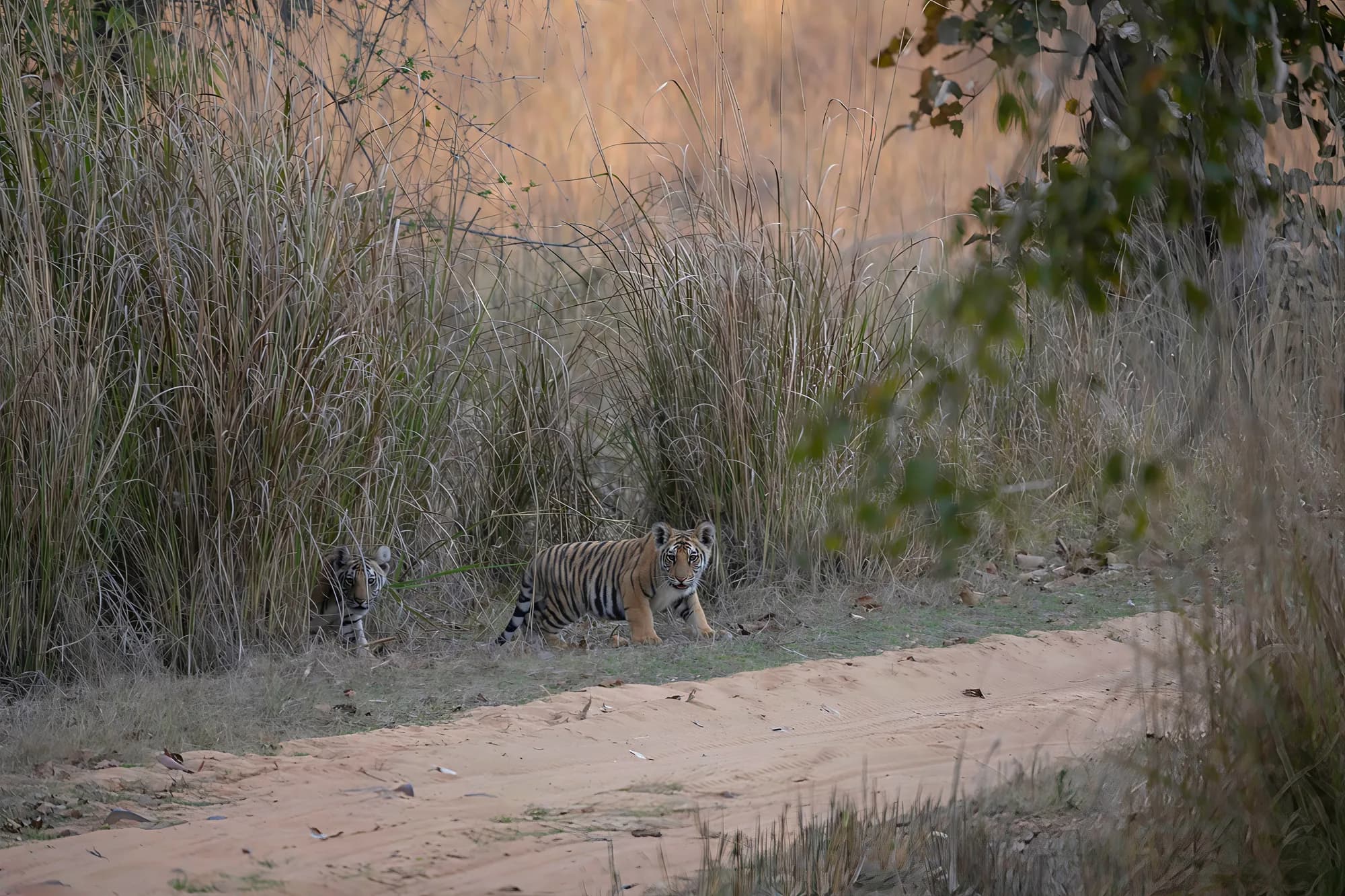
Where you will not see one
- Nowhere, reallyChital are present in essentially every reserve on this site. The useful information is not where they are but what they are telling you.
- Confused with hog deerIn Assam and the terai the two overlap. Hog deer are stockier, shorter-legged, and lose their spots as adults; chital keep them for life.
When to go
When to go
- J
- F
- M
- A
- M
- J
- J
- A
- S
- O
- N
- D
January: good. February: good. March: best. April: best. May: best. June: best. July: closed or unproductive. August: closed or unproductive. September: closed or unproductive. October: marginal. November: good. December: good.
Through the day
- Dawn
- Morning
- Midday
- Afternoon
- Dusk
- Night
Dawn: most active. Morning: most active. Midday: usually resting. Afternoon: active. Dusk: most active. Night: not normally seen.
What it looks like in the field
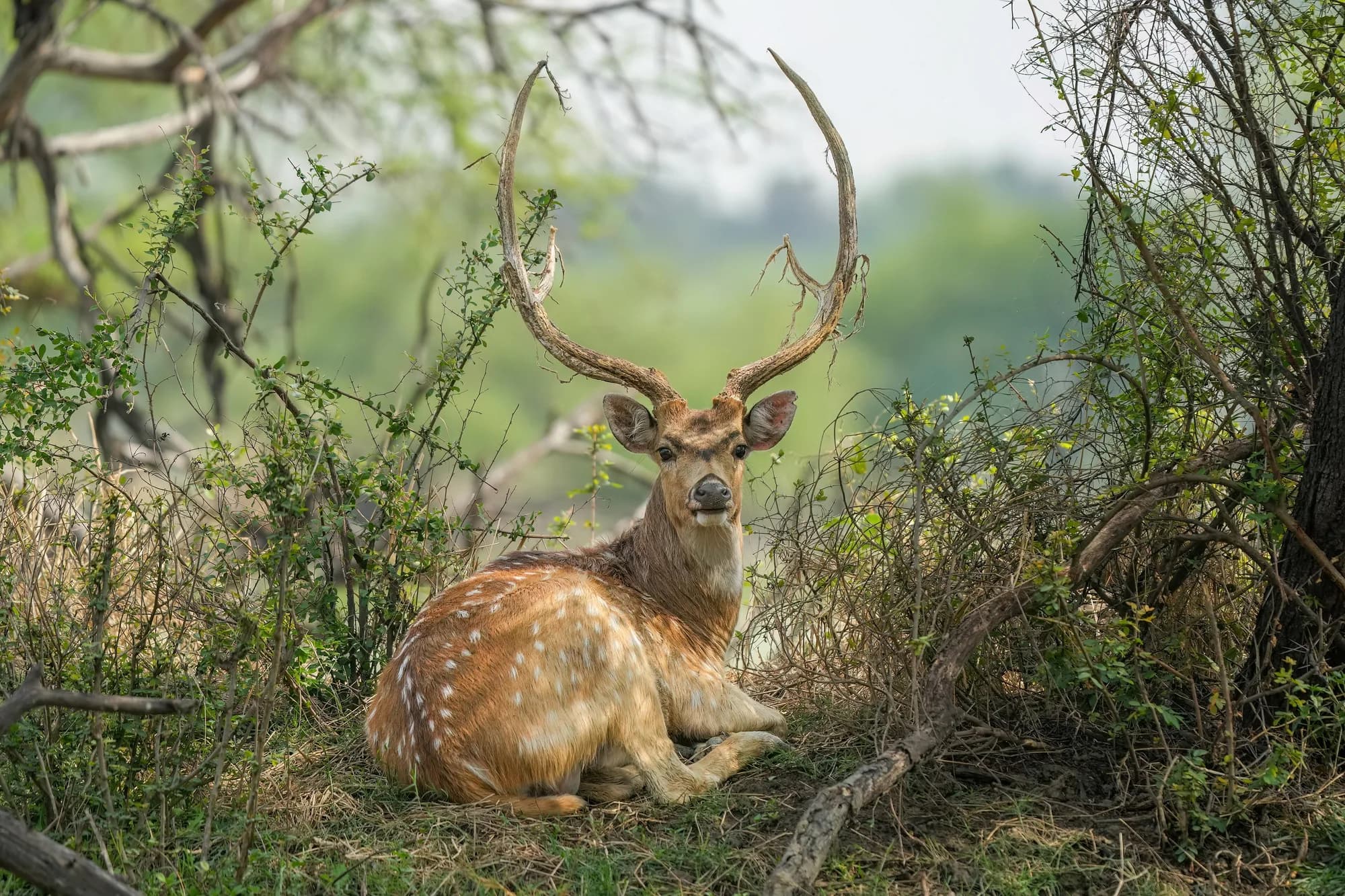
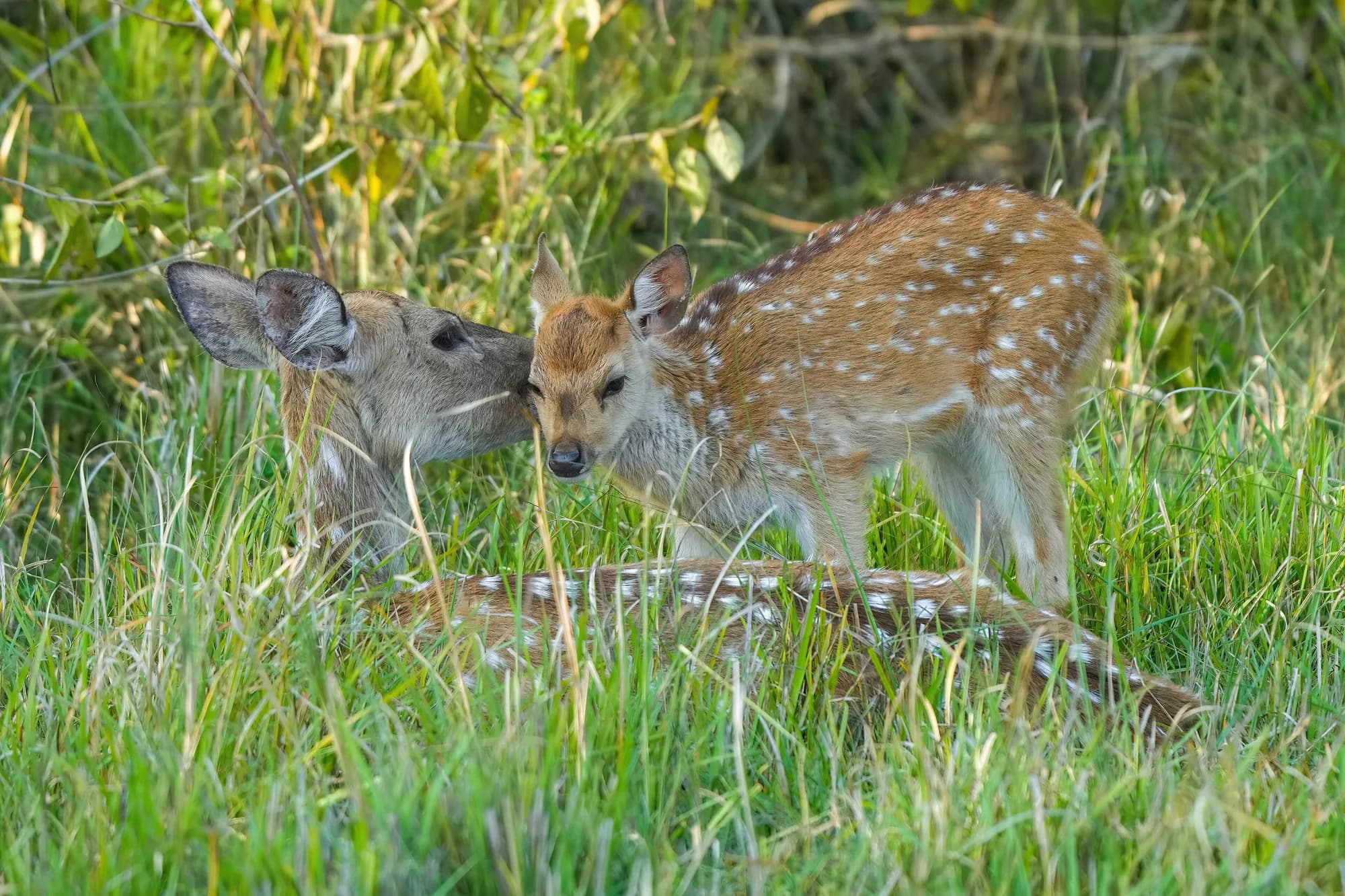
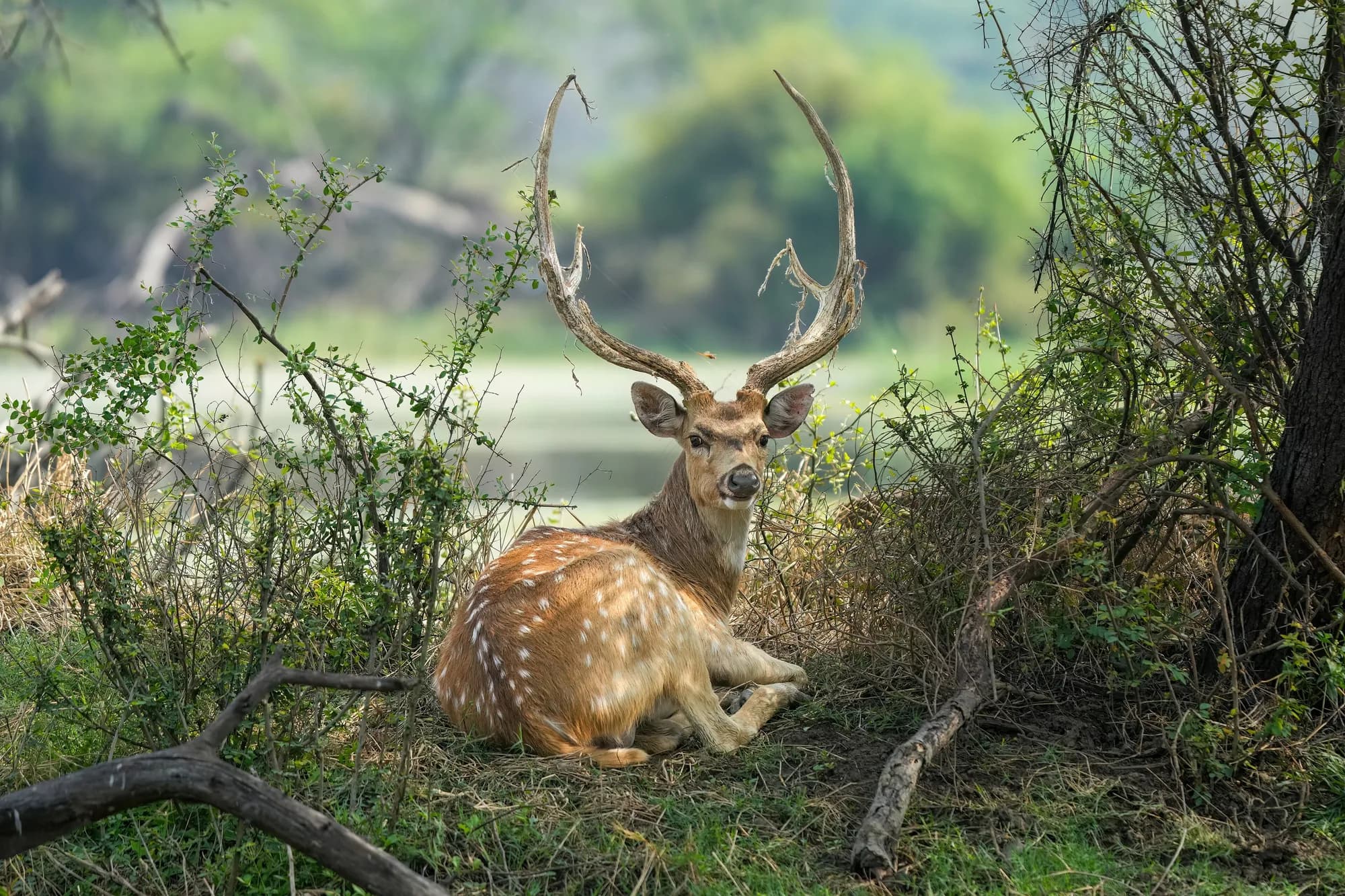
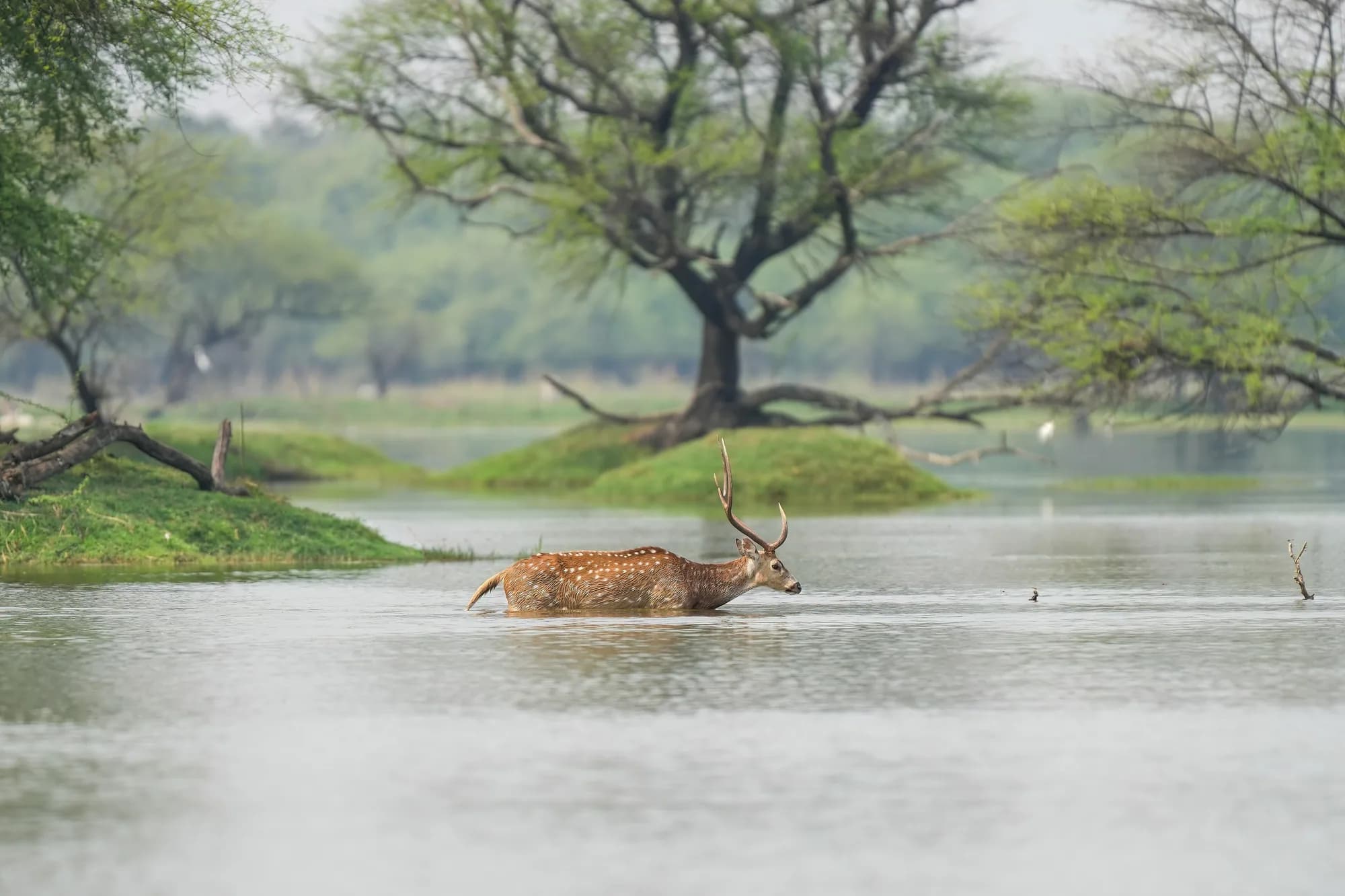
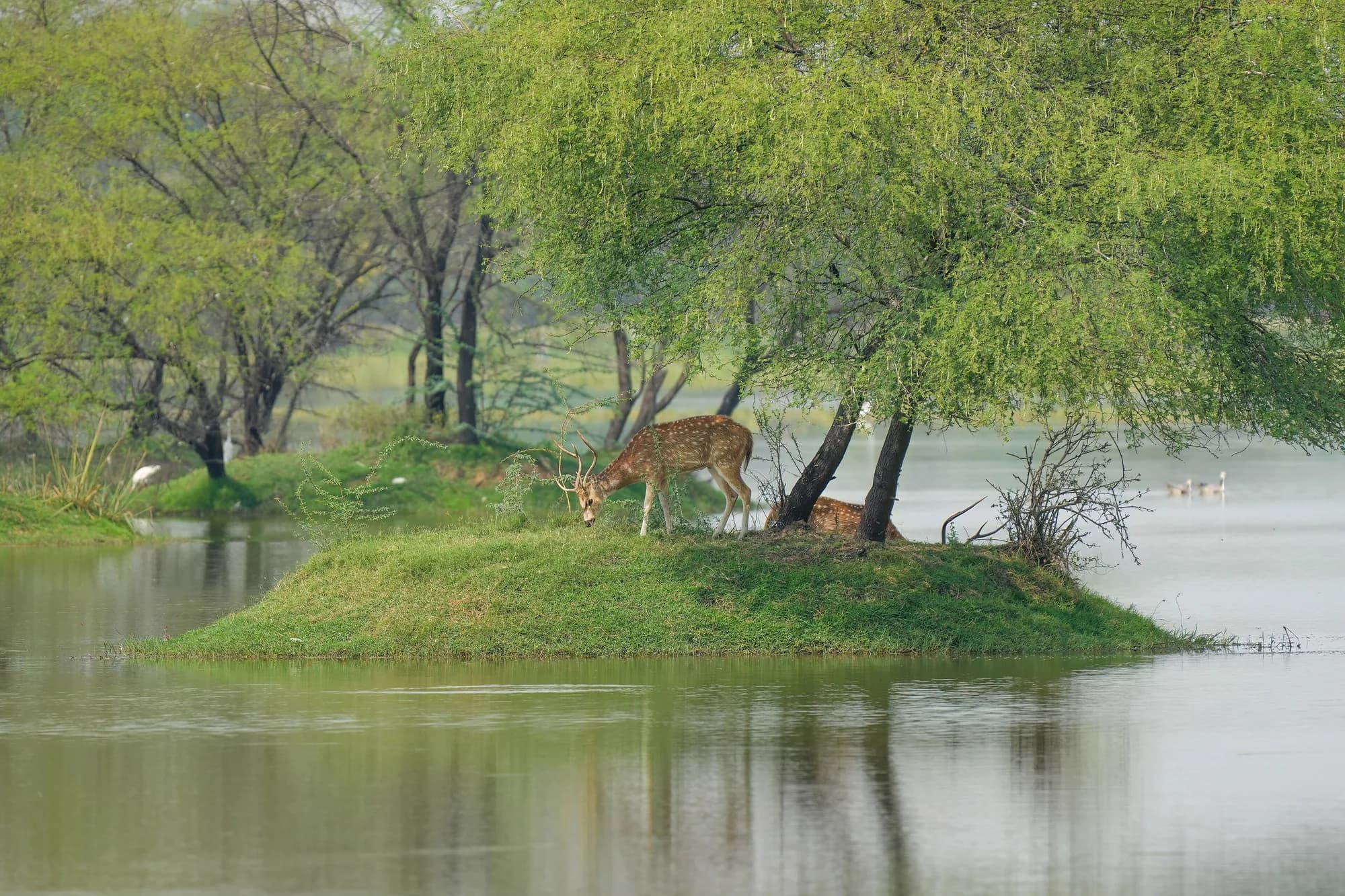
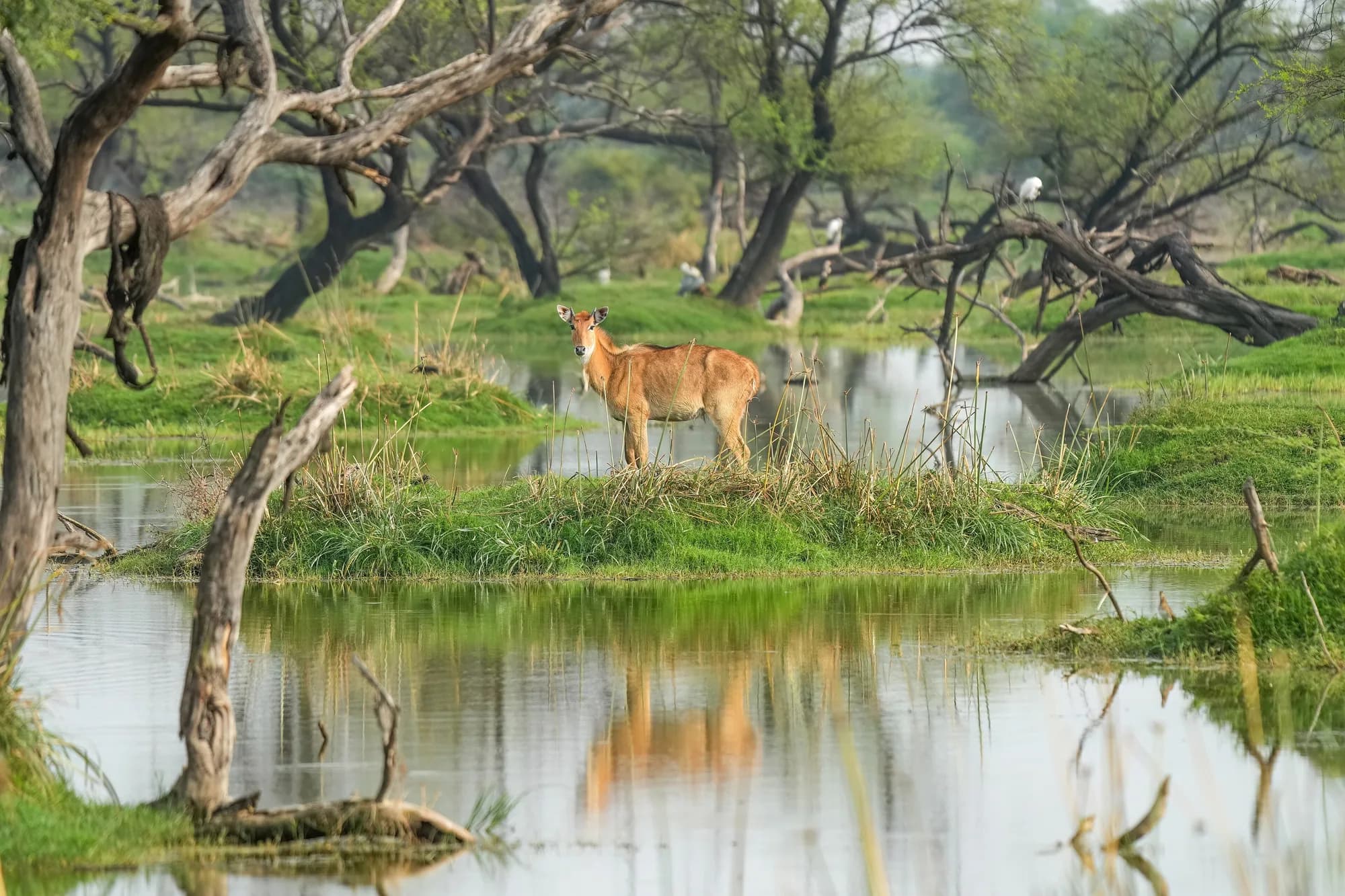
Photographs of Chital in the wild, in Indian reserves. We publish no captive, baited or digitally composited images, and no photograph whose licence we cannot show.
Reading the alarm
A sharp, high, rising bark. Chital call readily — at a jackal, at a vehicle, at very little — so the call alone is weak evidence. What makes it strong is the posture around it.
The langur partnership
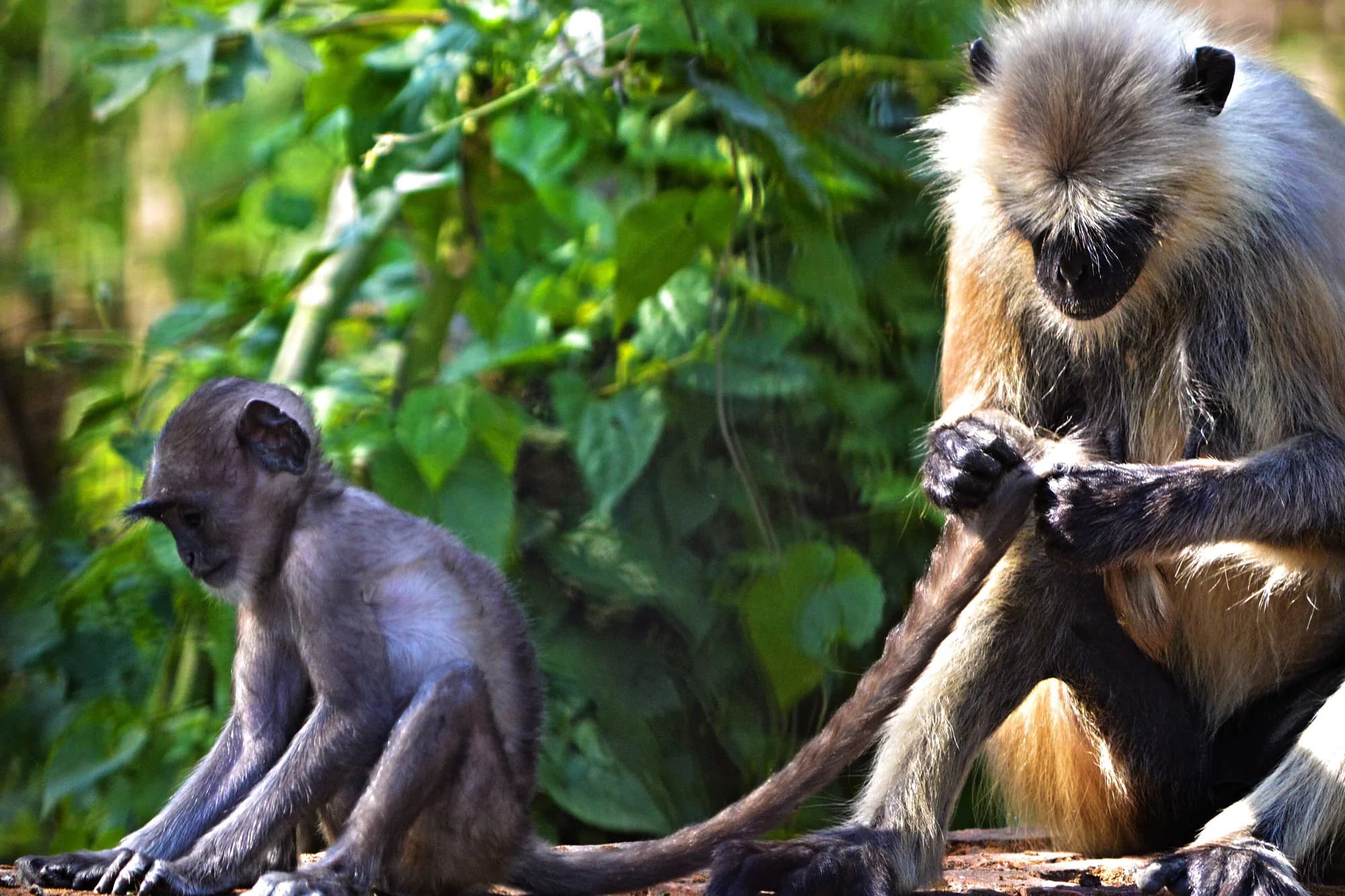
Chital and hanuman langur feed together constantly, and it is a genuine arrangement rather than coincidence. Langurs see a long way from the canopy and drop fruit and leaves as they feed; chital eat the windfall and have far better hearing at ground level.
Two species with different senses, watching for the same cat.
Status and protection
Status and protection
- IUCN Red List
- Least Concern
- Population trend
- · Unknown
- Wildlife Protection Act 1972
- Schedule II (post-2022 amendment numbering)
- CITES
- Not listed in any CITES Appendix
Species-level global assessment for Axis axis; binomial matches exactly.
Assessed 2015 · IUCN Red List assessment
What to book to see one
What you would be booking
- How it is seen
- Any safari. They will be there before you have finished settling into the seat.
- Drives to book
- None required. Spend the attention on the alarm call rather than the animal.
Learn the difference between an idle chital bark and a real one. A single bark from a feeding animal usually means nothing; repeated barking from a herd that has stopped feeding and is all facing one way means a predator.
Kanha — the park in fullQuestions people ask
What does a chital alarm call mean?
Why are chital always with langurs?
Where can I see chital?
Read next
58 reserves, six worth the trip
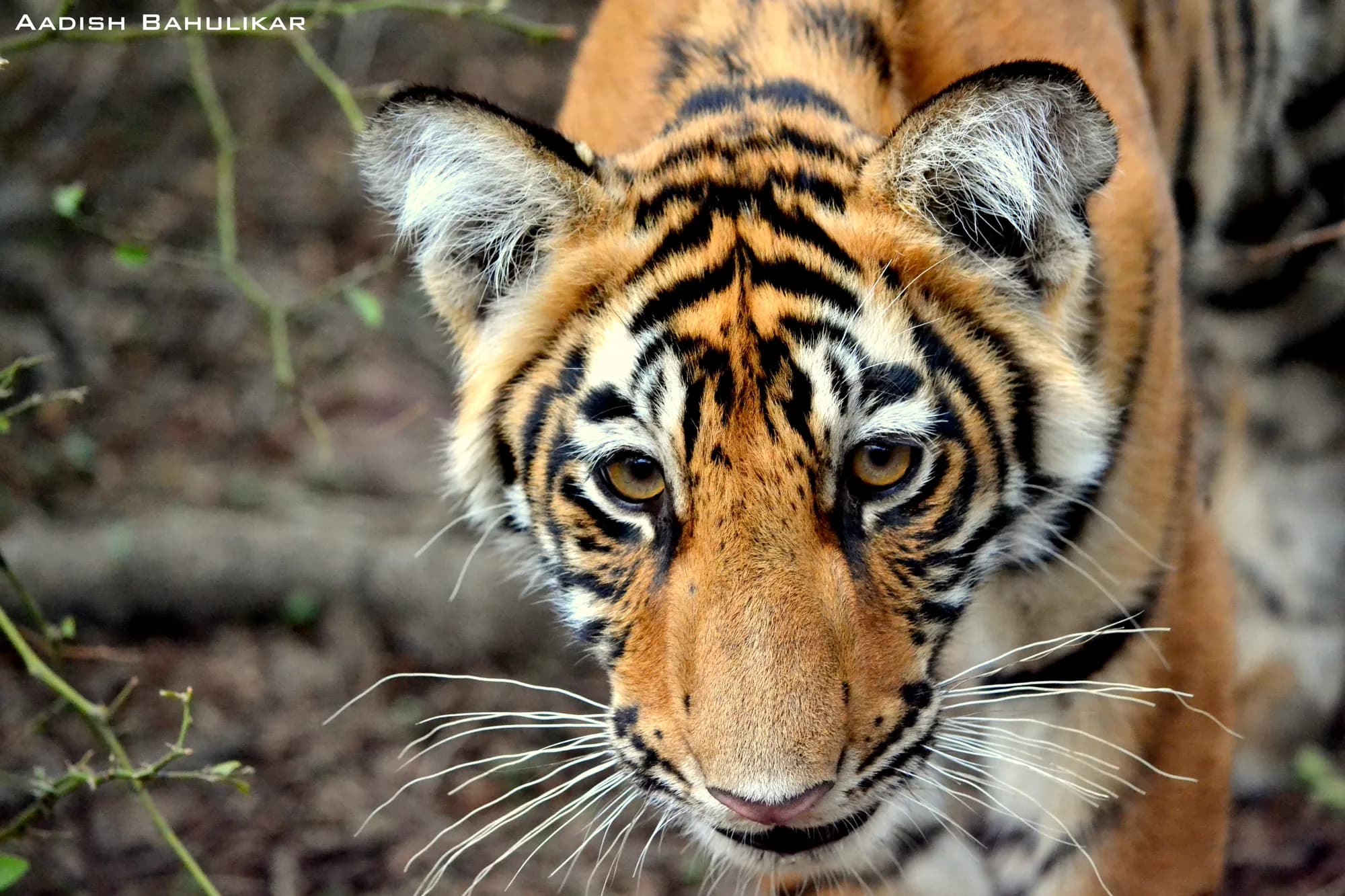
Tiger — what the call is announcing
The animal most people come for, and the one most often missed. Where the odds actually are, and how they move by month and by zone.
Every reserve, and your best spotter
Hanuman langur — the partner
Grey, long-tailed and everywhere, and the single most useful animal on a drive. A langur troop has seen the leopard long before your guide has.
Every reserve, and the call that matters most
Sambar — the call that matters more
India's largest deer, and the animal whose alarm call is worth more to you than any pugmark. When a sambar honks, the vehicle should stop.
Madhya Pradesh
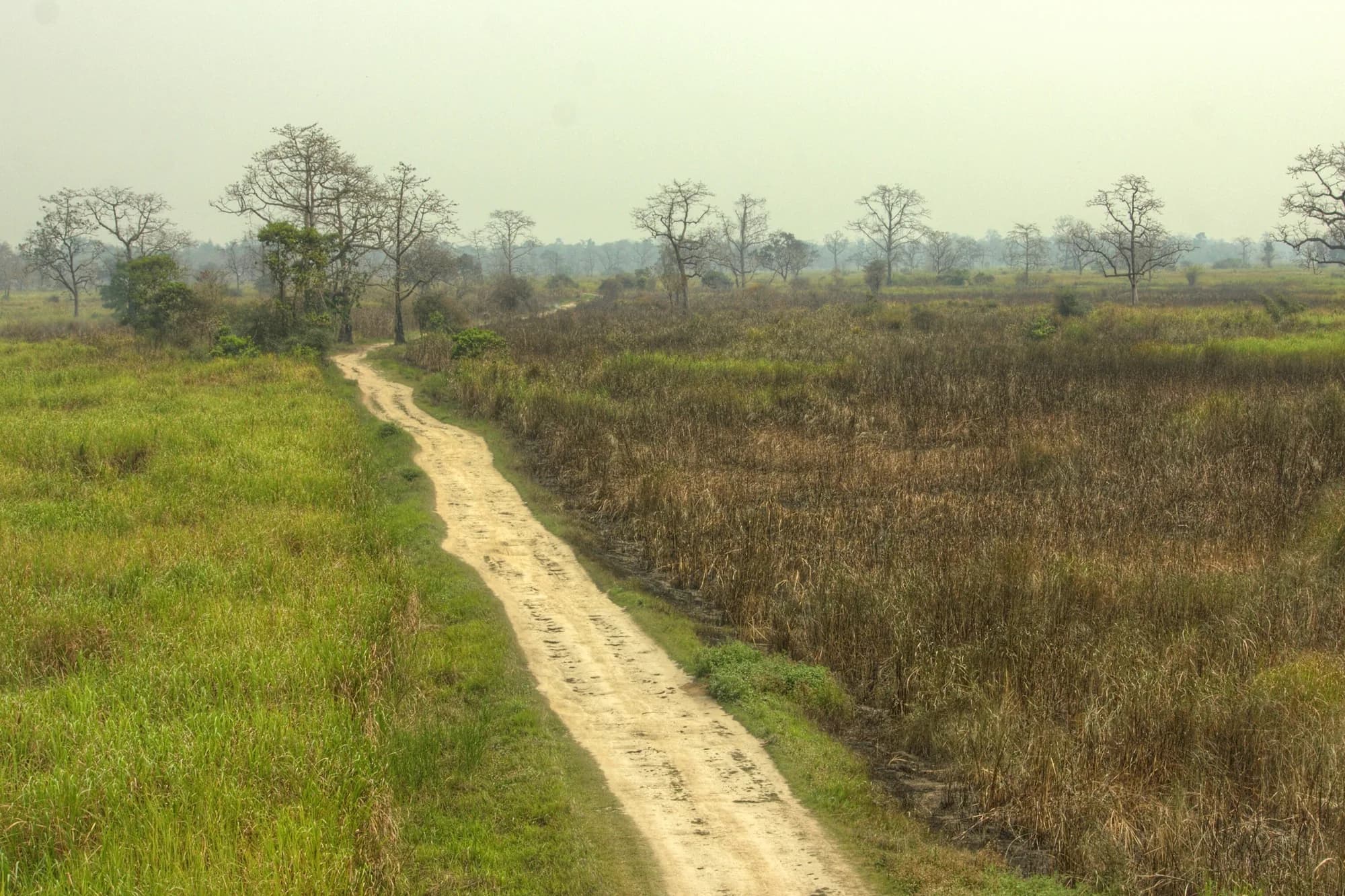
Kanha — the park in full
Sal forest and wide meadows, larger and calmer than Bandhavgarh. Repays four or five drives far more than two.