
Species · Lutrogale perspicillata
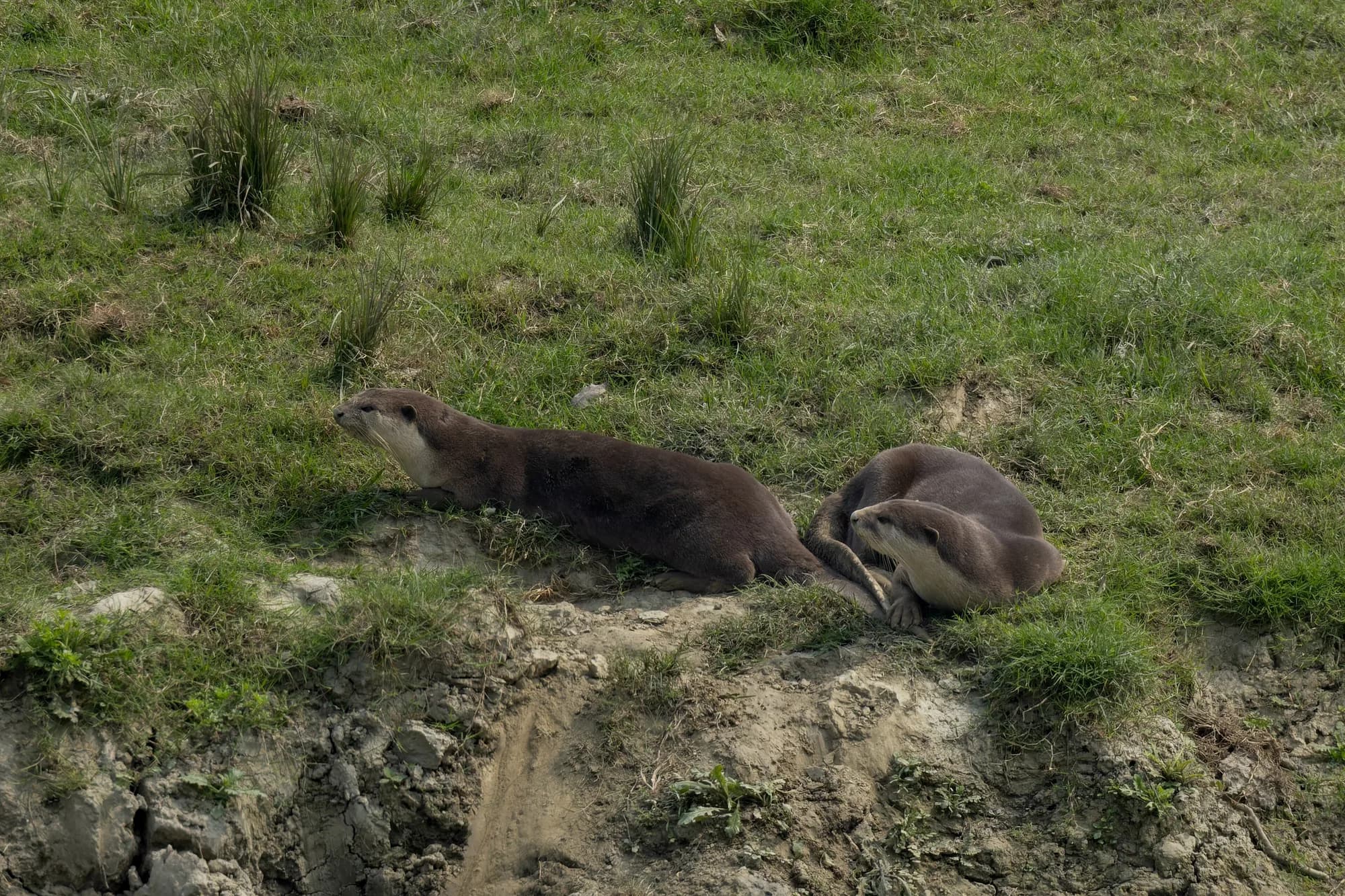
Smooth-coated otter
A family of otters working a river is one of the best sightings in India and almost nobody books for it. Loud, social, and easier to hear than to see.
Also called
- Ud bilav (ऊदबिलाव) · Hindi
- Pan manjar · Marathi
- Neer nai · Malayalam
Checked 30 Aug 2026
- Where
- Rivers across much of India
- Best months
- November–April
- Group
- Family parties, noisy
- Found by
- Sound, usually
Rivers, lakes and backwaters with fish and undisturbed banks. The constraint is clean water and quiet banks rather than forest.
Where it is
Where to actually go
Ranked, with the reason each — these are not interchangeable.
- 01SatpuraMadhya PradeshThe Denwa gives boat access to good otter water, and the reserve is quiet enough that families are relaxed.The boat, early
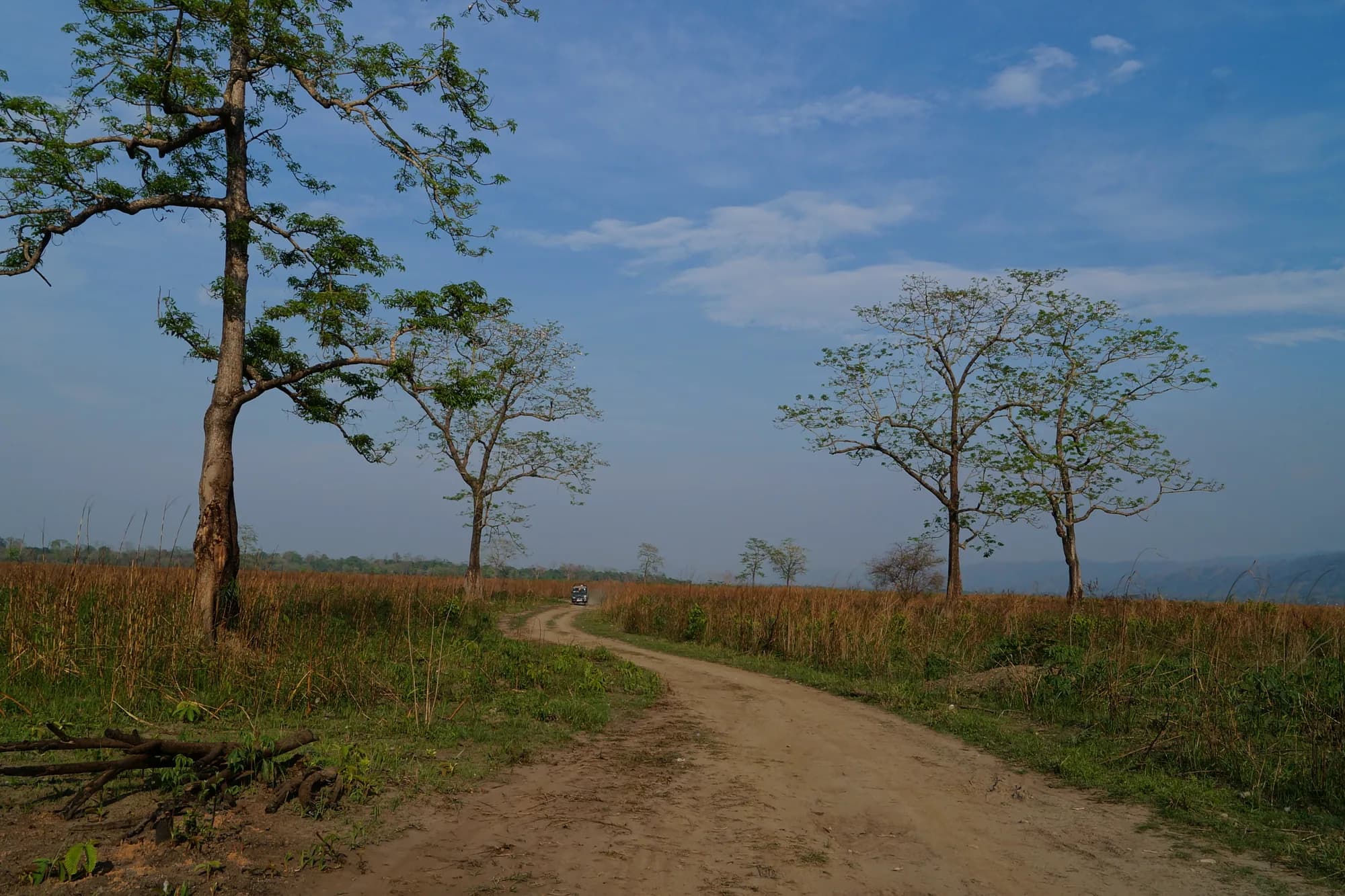
- 02CorbettUttarakhandThe Ramganga holds regular family groups, often visible from the riverside tracks.River-facing zones
- 03PeriyarKeralaSeen from the lake boat, which is a good angle on them.The first boat of the day
- 04KabiniKarnatakaBackwater groups, best in the dry months as the water drops.Alongside elephants and gaur
Where you will not see one
- Dry reservesRanthambore, Gir and the arid parks have little or nothing. This species needs perennial water with fish in it.
- Anywhere expecting a single animalSmooth-coated otters are social and usually in family parties of four to eight. A solitary otter in India is more likely the smaller Asian small-clawed or Eurasian otter.
When to go
When to go
- J
- F
- M
- A
- M
- J
- J
- A
- S
- O
- N
- D
January: best. February: best. March: best. April: good. May: marginal. June: marginal. July: closed or unproductive. August: closed or unproductive. September: closed or unproductive. October: marginal. November: best. December: best.
Through the day
- Dawn
- Morning
- Midday
- Afternoon
- Dusk
- Night
Dawn: most active. Morning: most active. Midday: usually resting. Afternoon: active. Dusk: most active. Night: not normally seen.
What it looks like in the field
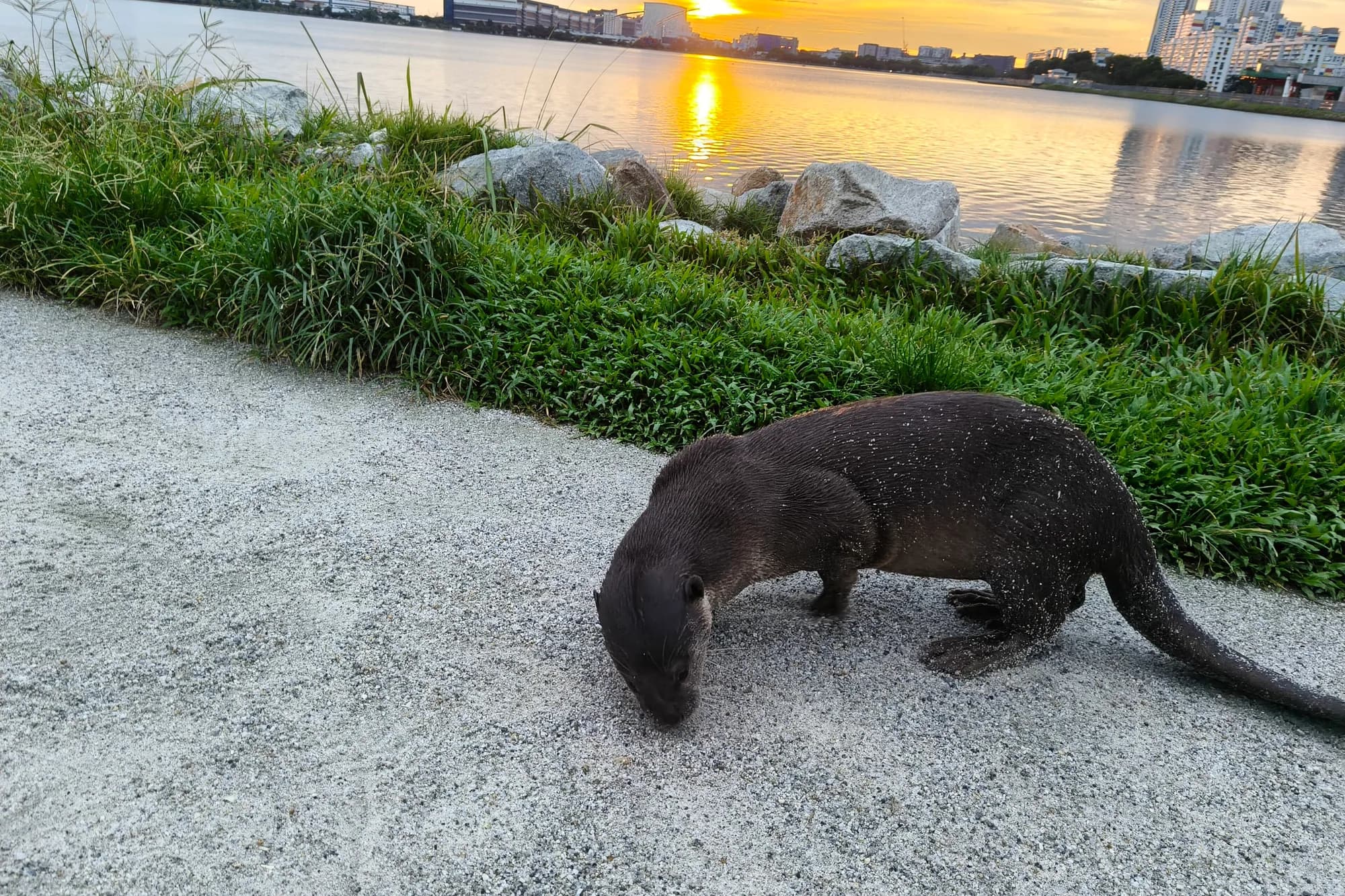
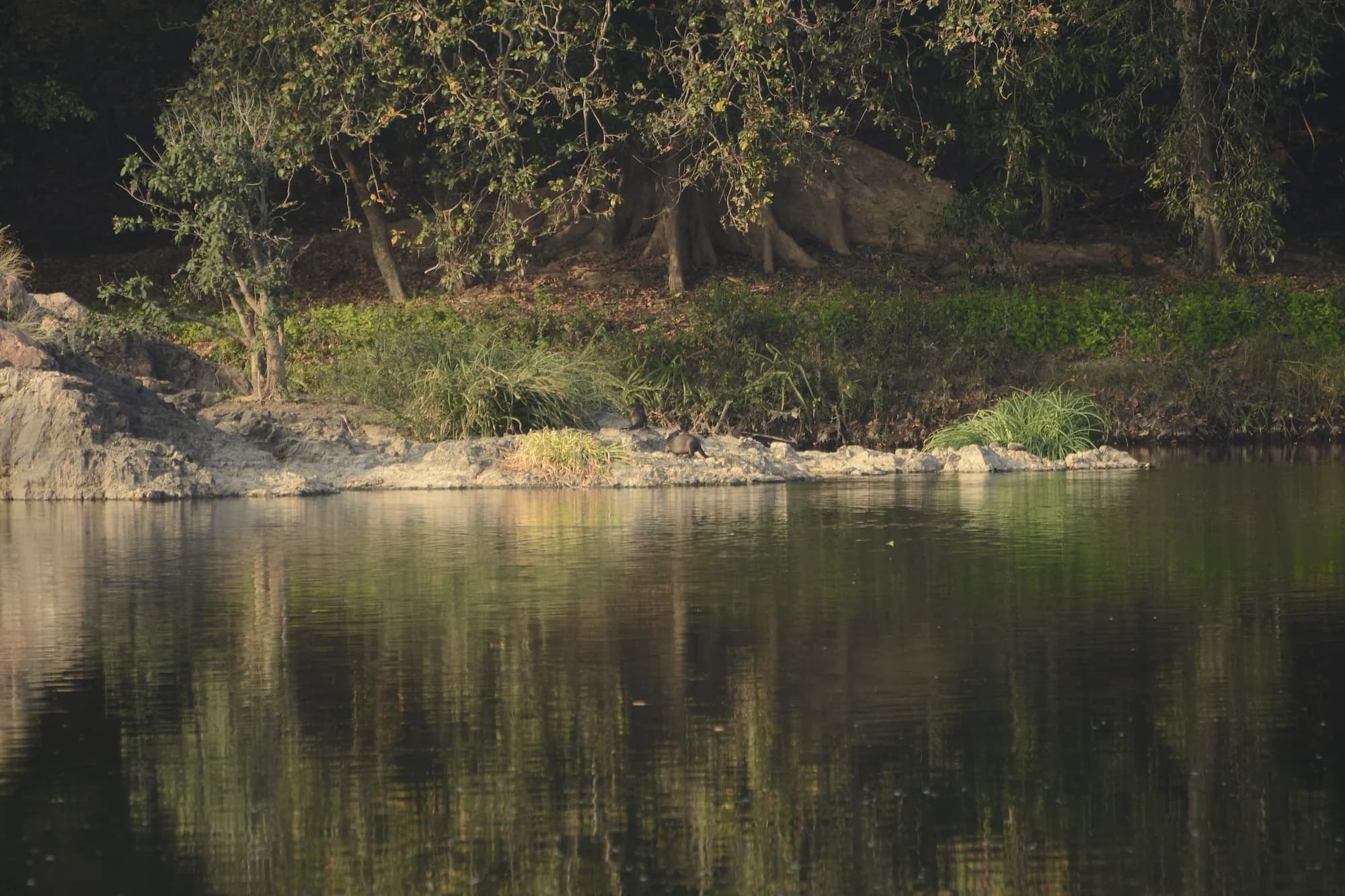
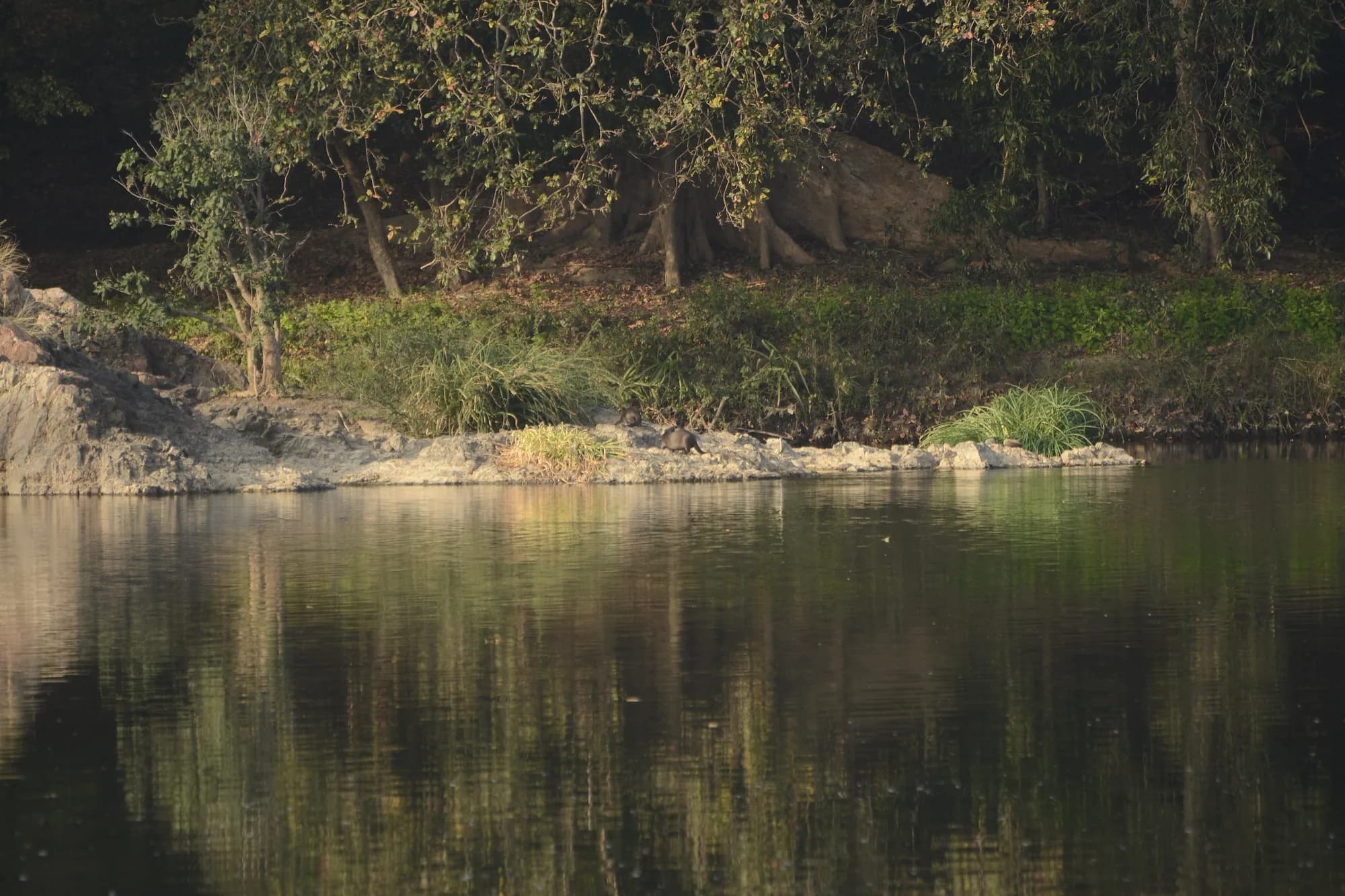
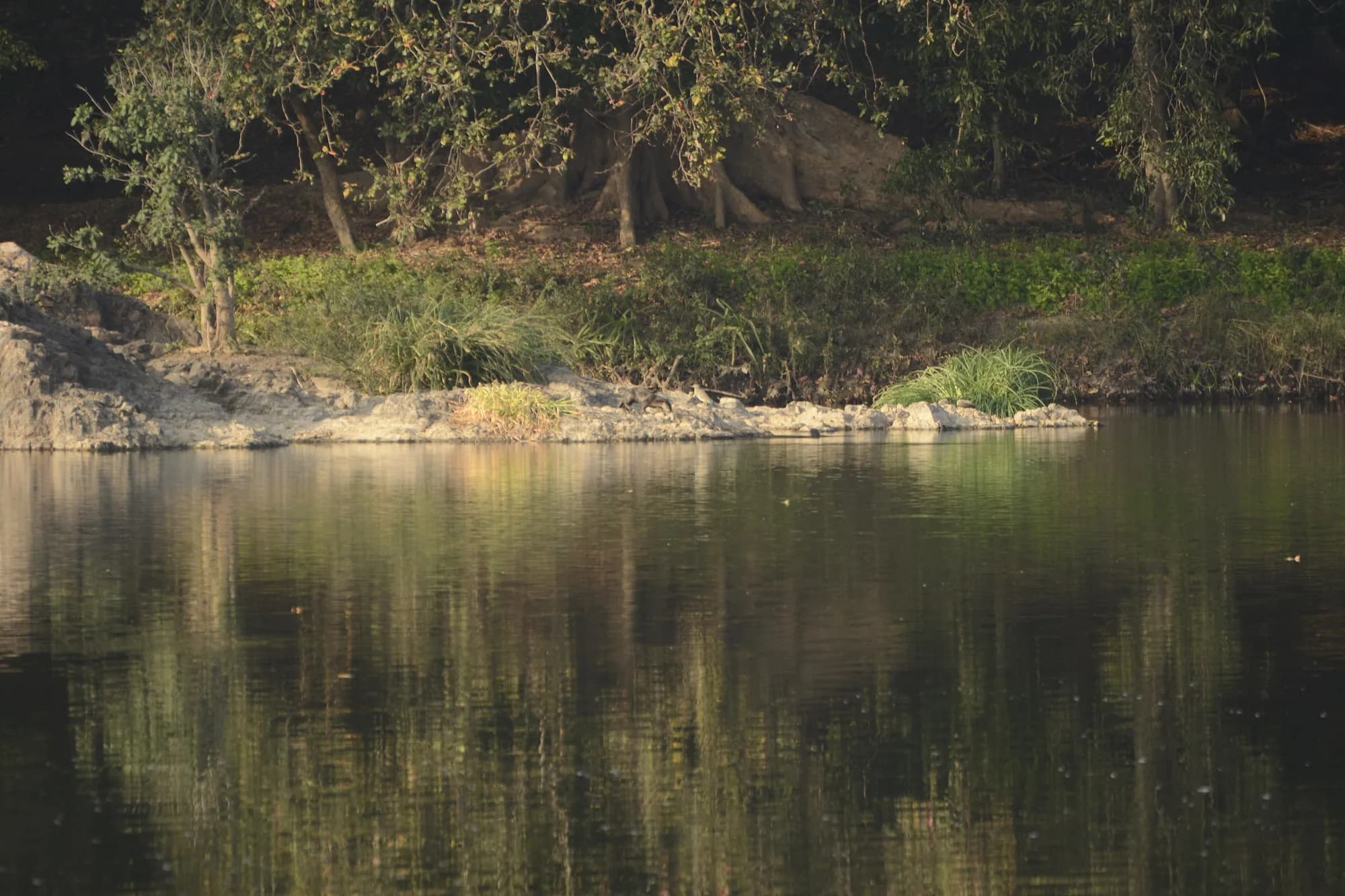
Photographs of Smooth-coated otter in the wild, in Indian reserves. We publish no captive, baited or digitally composited images, and no photograph whose licence we cannot show.
What a sighting is actually like
Loud, busy and generous. A family fishing works a stretch of river cooperatively, calling constantly, hauling out on rocks to eat and rolling around drying off — and none of it is hurried on your account.
It is the closest thing Indian wildlife has to a scene with dialogue.
An indicator you can watch
Otters need fish, clean water and banks nobody is disturbing. Where all three persist they are conspicuous; where any one fails they disappear quickly and quietly.
Status and protection
Status and protection
- IUCN Red List
- Vulnerable
- Population trend
- ↓ Decreasing
- Wildlife Protection Act 1972
- Schedule I (post-2022 amendment numbering)
- CITES
- Appendix I
Species-level global assessment of Lutrogale perspicillata; the binomial given is the full species, not an Indian subspecies.
Assessed 2020 (published in the 2021 Red List) · IUCN Red List assessment
What to book to see one
What you would be booking
- How it is seen
- A boat where one is available — Satpura's Denwa and Periyar's lake both work — otherwise a jeep along a river track.
- Drives to book
- Two or three water-based outings, weighted to early morning.
- Zone or shift
- River stretches with sandbanks and rock, away from fishing pressure.
Listen rather than look. A family group is audible — whistles, chirps and splashing — from well beyond visual range, and most sightings begin with somebody cutting the engine.
Satpura — the park in fullQuestions people ask
Where can I see otters in India?
How many are in a group?
What is the best way to see them?
Read next
Madhya Pradesh
Satpura — the park in full
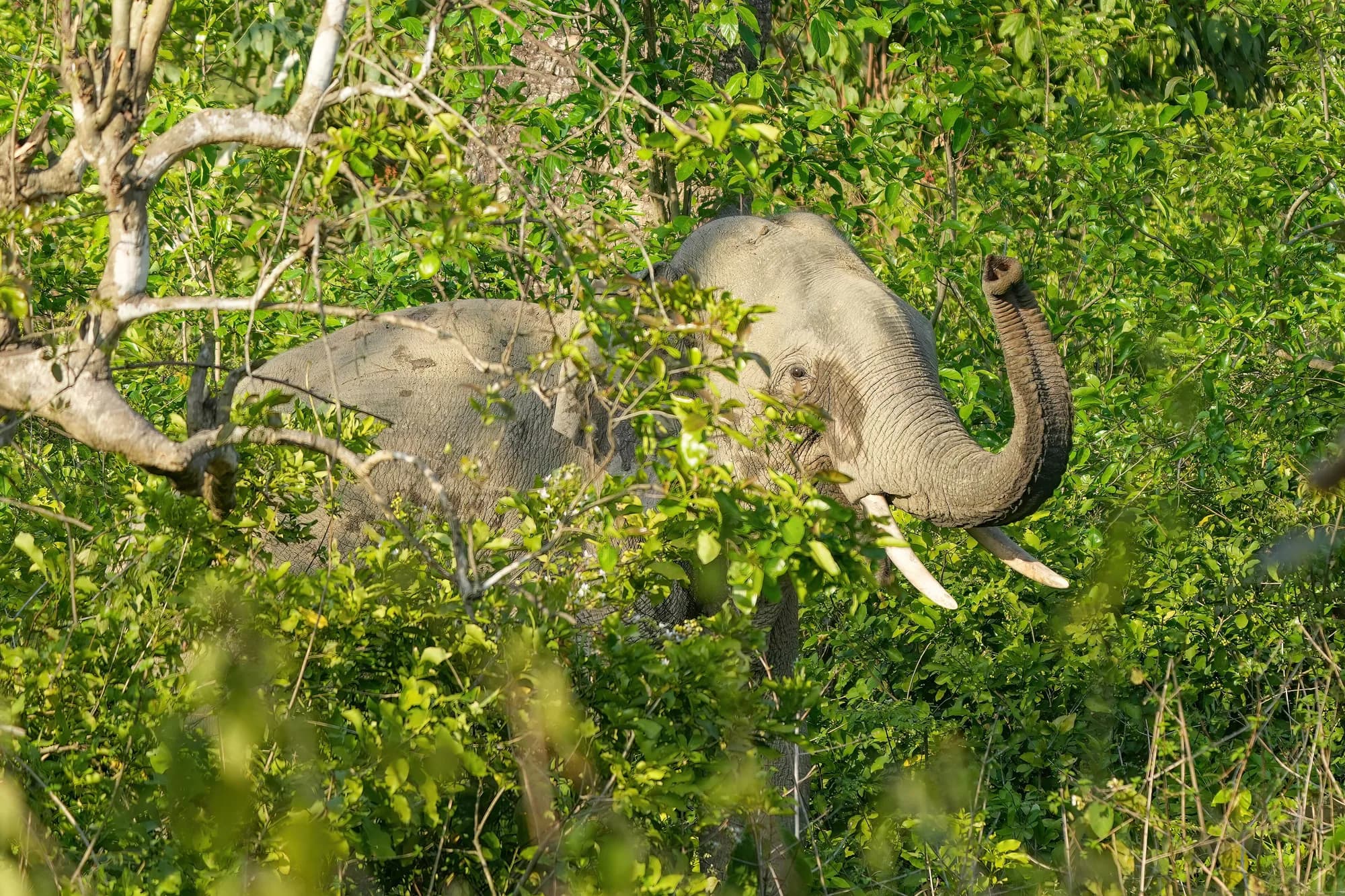
The one central Indian reserve that permits walking and boat safaris. You see less and understand considerably more.
Kabini, Satpura, Periyar
Boat safaris in India
Quiet, low, and no engine note. In late dry season at Kabini it is the best two hours in the park.
The Chambal, above all
Gharial — the other river animal
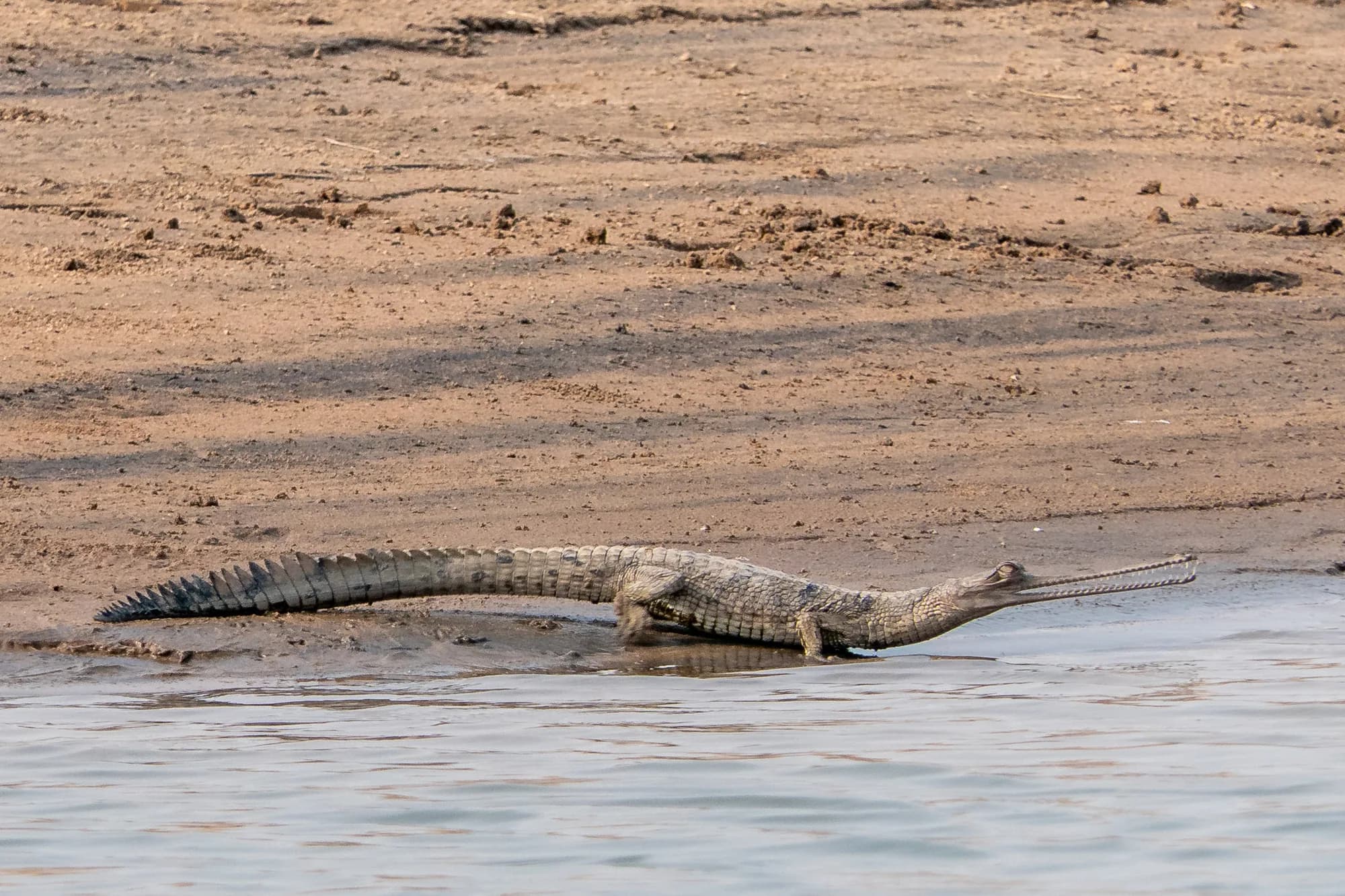
A fish-eating crocodilian with a snout like a pair of tongs, down to a few hundred breeding adults, and hauled out on Chambal sandbanks in winter in numbers that make it look common.
Twelve months, cross-park
When to go, month by month
The single decision that moves the odds most. Heat, crowds, closures and what is actually open, one page per month.