
India / Hemis / When to go to Hemis
When to go to Hemis
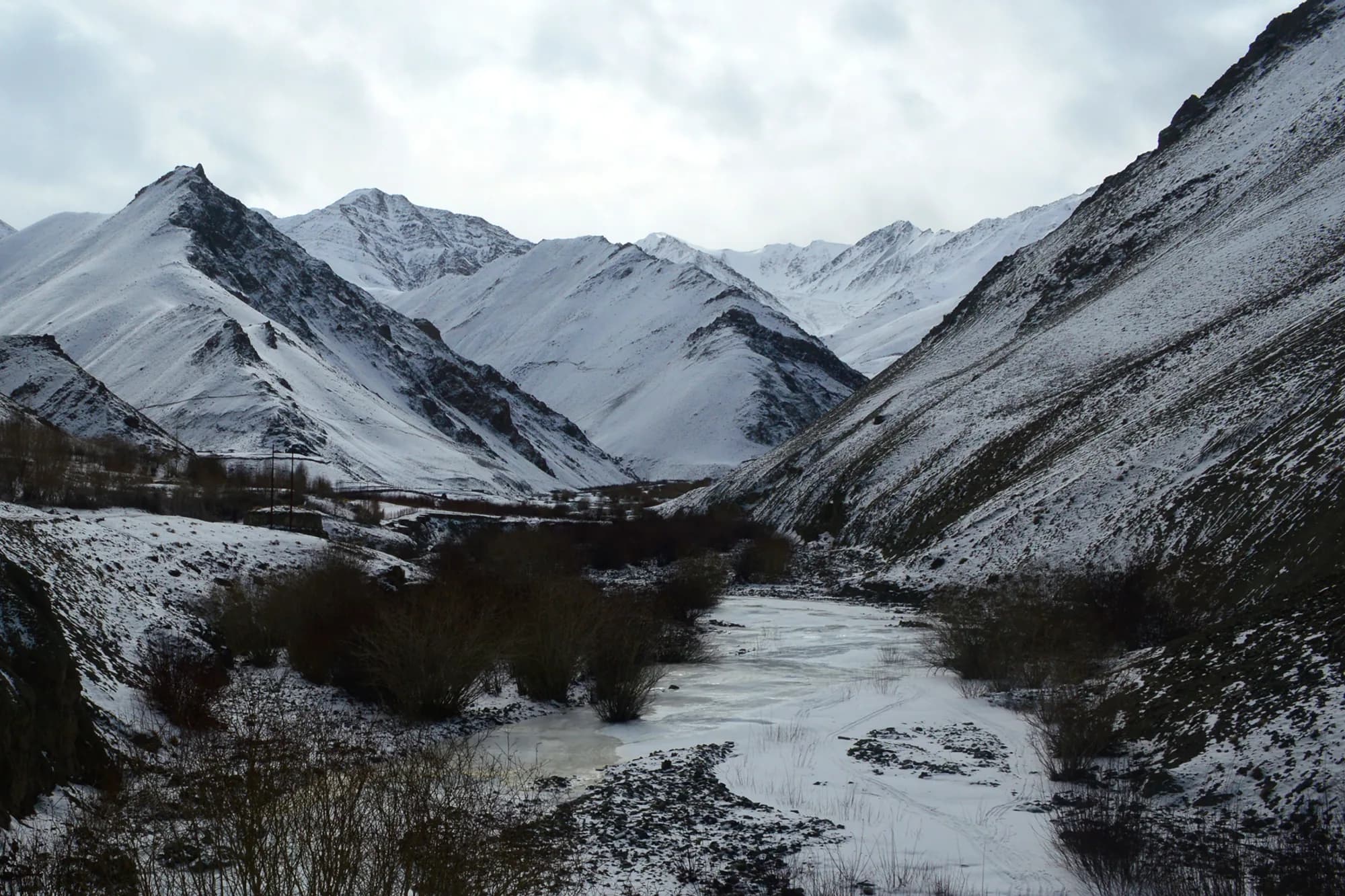
Cold high desert above three thousand metres — the established snow leopard landscape in India. The season runs year-round but the best snow leopard window is January to March when prey descend to lower valleys and the cats follow.
The season, in one line
Hemis is open year-round — there is no monsoon closure. The snow leopard season runs January to March when bharal and ibex descend to lower valleys and the cats follow. February is the single best month: maximum snow leopard activity, bharal rutting, and clearest winter skies.
Open · Best Season
Open · Peak
Open · Good Season
Open · Quiet
Open · Bharal Active
Open · Dry & Clear
Open · Dry
Open · Dry
Open · Clear Skies
Open · Bharal Rut
Open · Quiet
Open · Snow Leopard Starts
Snow leopard traversing a snow-covered rocky slope in Hemis National Park, Ladakh in February
Ratio 16:9 · Alt: Snow leopard walking across snow-covered granite ridge in Hemis National Park with Zanskar range in background
Why winter is the time to go
In summer, bharal and ibex graze on high meadows above 4,500 m — inaccessible to all but the most committed trekkers. In winter, deep snow forces them to lower valleys at 3,000–3,800 m, where snow leopards follow. The cats become more predictable: they concentrate in the Rumbak and Husing valleys where the bharal are. The viewing window is narrow but reliable if you spend 5–7 days in the valley.
Month by month, in full
| Month | Mean min °C | Mean max °C | Record min | Record max | Rainfall mm | Status |
|---|---|---|---|---|---|---|
| January | -16.0 | -3.5 | -22.0 | 2.0 | 10.0 | Snow Leopard Season |
| February | -14.0 | -1.0 | -20.0 | 5.0 | 8.0 | Peak Season |
| March | -8.5 | 4.0 | -14.0 | 10.0 | 12.0 | Snow Leopard Season |
| April | -2.0 | 11.5 | -7.5 | 17.0 | 8.0 | Open · Quiet |
| May | 3.5 | 17.0 | -1.0 | 24.0 | 5.0 | Open · Bharal Active |
| June | 9.5 | 23.5 | 4.5 | 30.0 | 6.0 | Open · Dry & Clear |
| July | 12.0 | 26.0 | 7.0 | 32.0 | 8.0 | Open · Dry |
| August | 11.5 | 25.5 | 6.5 | 31.0 | 8.0 | Open · Dry |
| September | 5.0 | 19.5 | 0.0 | 25.0 | 5.0 | Open · Clear Skies |
| October | -1.5 | 13.0 | -7.0 | 18.0 | 5.0 | Open · Bharal Rut |
| November | -8.0 | 4.5 | -14.0 | 10.0 | 5.0 | Open · Quiet |
| December | -14.5 | -2.5 | -20.0 | 3.0 | 8.0 | Snow Leopard Starts |
January to March — snow leopard season
The Rumbak valley is the operational centre of Hemis snow leopard tracking. Daytime temperatures reach -3.5°C in January — manageable with proper layering. The cats are most active 06:00–09:00 and 15:00–17:30. Sighting rates with experienced local trackers run at 70–80% over a 5-day stay. The bharal rut in February brings maximum feline activity as the cats use the chaos to hunt.
Summer — bharal and open plateau
May to September is the trekking season — the Hemis high-altitude circuits open and bharal are visible grazing on alpine meadows at 4,500–5,500 m. Snow leopard are present but extremely difficult to sight in the open terrain. July and August offer the warmest conditions (+26°C) and are popular for multi-day wilderness treks. The Ladakh marathon runs through park territory in August.
Inner line permit and access rules
Seasonal access
Open year-round
Hemis is one of the only major wildlife destinations in India with no monsoon closure. The Leh–Manali highway closes November–May, but the Leh–Srinagar highway and Leh airport remain open. Rumbak valley is accessible in all months.
Inner line permit
Required for non-Ladakhi visitors
Indian nationals need an inner line permit (ILP) for restricted zones within Hemis. Foreign nationals require a Protected Area Permit (PAP) from the Leh DC office. A licensed local guide is mandatory for the Rumbak snow leopard circuit.
Trek timings and routes
The Rumbak snow leopard circuit starts from Jingchen (3,450 m), a 30-minute drive from Leh on the Indus valley road. The walk to Rumbak village (3,900 m) takes 3–4 hours and is where the snow leopard home-stay camps are based. Most operators run 5–7 night programs with binocular and spotting-scope tracking. Early morning starts (05:30) are essential — the cats are inactive by 10:00.
The monsoon rain shadow
Hemis lies in the rain shadow of the Great Himalayan range. While the rest of India receives 1,000–3,500 mm of monsoon rainfall, Leh receives under 100 mm annually. July and August bring occasional short afternoon thunder showers, but not enough to disrupt trekking. This makes Hemis unique — the only major Indian park where the summer months are accessible and dry.
When to book
- February — peak snow leopard season. Rumbak home-stay camps (8–12 beds total) are often fully booked by December. Book 2–3 months ahead.
- January — cold (-16°C nights) but accessible from Leh; sighting rates are slightly lower than February. Book well in advance.
- March — end of snow leopard season. Warmer and easier to travel; sighting probability drops as bharal move to higher ground.
Data source
IMD Leh station used for climate data
Hemis National Park surrounds the Leh valley. Climate data is from the IMD Leh observation station (3,514 m). Rumbak valley temperatures at 3,900 m run approximately 3–5°C lower than Leh town readings. Data checked 8 Sep 2026.