
India / Hemis / Hemis itinerary
Hemis itinerary
A 7-day Hemis snow leopard program: 2 acclimatisation nights in Leh, then 5 full days at Rumbak (3,900 m) with dedicated snow leopard trackers. February gives 70–80% sighting odds.
Itinerary at a glance
Days 1–2: acclimatise in Leh. Day 3: walk to Rumbak (4 hours). Days 4–7: snow leopard tracking at Rumbak and Husing valley — morning session 05:30–10:00, afternoon session 15:00–17:30. Day 8: return to Leh.
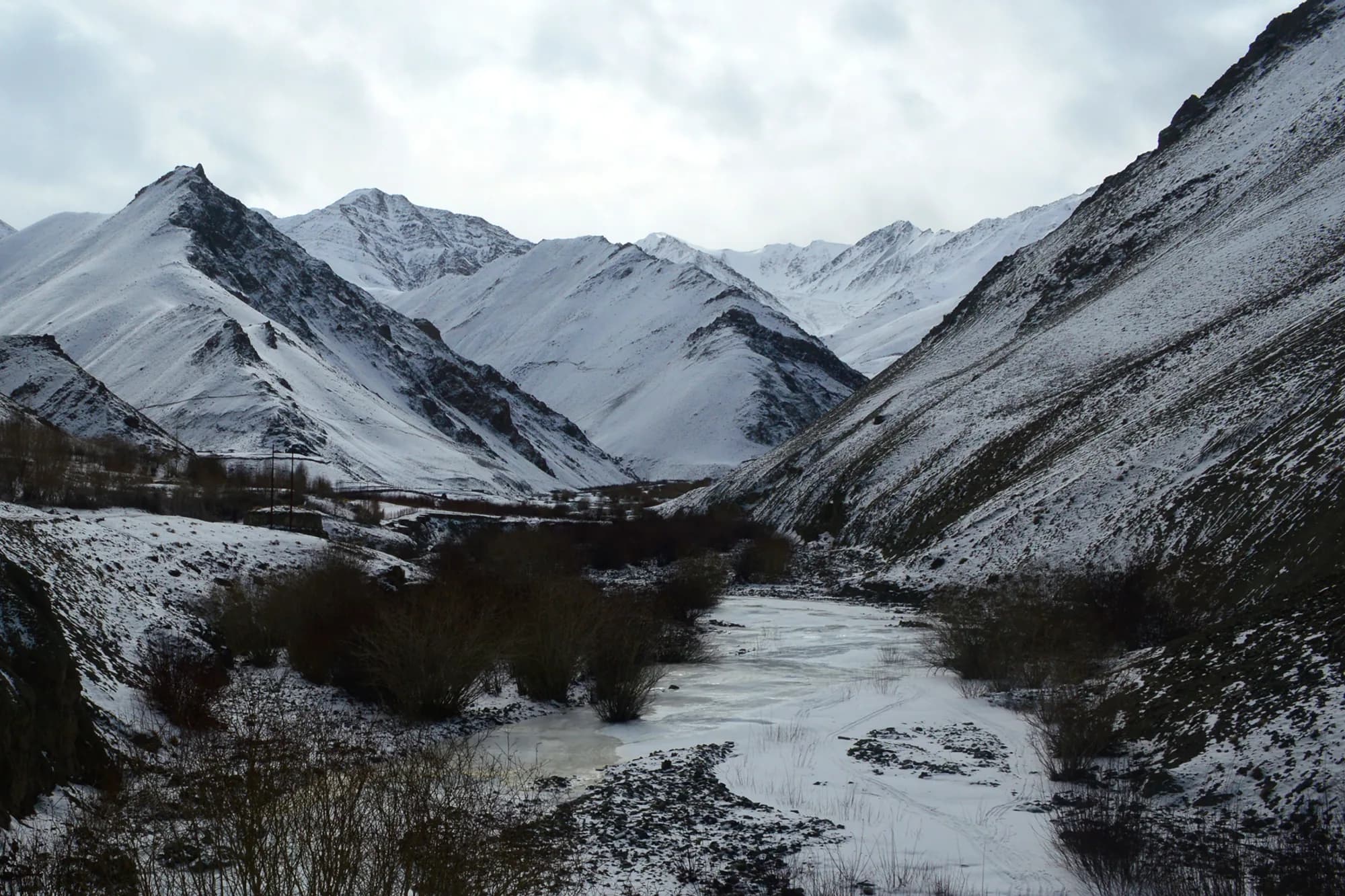
Snow leopard tracker scanning cliff faces above Rumbak valley through spotting scope in winter morning, Hemis National Park
Ratio 16:9 · Alt: Local snow leopard tracker in Rumbak valley scanning granite cliff face with spotting scope at dawn in February, Hemis National Park, Ladakh
Detailed day-by-day
Day 1: arrive Leh (3,514 m), rest
Fly to Leh from Delhi or Srinagar. Do not exert yourself on Day 1 — altitude sickness prevention requires complete rest. Drink water, avoid alcohol, sleep early. Operator pickup from airport and hotel transfer included in most programs.
Day 2: Leh acclimatisation + city orientation
Short easy walk around Leh market (2 hours). Visit Leh Palace for views. Afternoon: operator briefing — tracking method, spotting scope use, snow leopard behaviour. Gear check and weather forecast. Sleep by 21:00.
Day 3: drive Jingchen (45 min) + walk to Rumbak (4 hrs)
Drive to Jingchen trailhead (30 min from Leh). Walk to Rumbak (8 km, gradual climb from 3,450 m to 3,900 m, 4 hours). Arrive 13:00. Settle into home-stay. Afternoon: orientation tracking session (15:00–17:30) — learn the cliff-scanning technique.
Days 4–7: snow leopard tracking (4 full days)
05:30: wake up in the dark. Tea, warm food. 06:00: begin tracking session with local trackers. Scan cliff faces and rocky ridges above Rumbak and Husing valleys using spotting scopes (20–60x). Cats most active 06:00–09:30 and 15:30–17:30. Midday: rest at home-stay, warm food, debrief. Afternoon session 15:00–17:30. Evening: data sharing and tracker debriefs. Sighting odds: 70–80% over 4 days in February.
Day 8: return Leh + depart
Walk from Rumbak to Jingchen (4 hours, descent). Drive to Leh. Hot shower, clean clothes, final operator debrief and certificate. Afternoon flight from Leh or overnight in Leh before morning departure.
Shorter option
4-day option (1 Leh + 3 Rumbak): possible but sighting odds drop to 50–60%. Not recommended for February — the extra 2 Rumbak days are worth it given the cost of getting to Ladakh.
Extended option
9-day option: 2 extra Rumbak days plus a day exploring the Markha valley mouth on the return. Experienced birders add a Tibetan snowcock and horned lark survey on the plateau above Husing.
Getting to and from
Delhi to Leh: 1 hr 20 min flight (IndiGo, Air India). Book 3+ months ahead for February (flights fill up). Srinagar to Leh: 45 min. Return same route. No road alternative in January–February.
Accommodation plan
Nights 1–2: Leh hotel (₹1,500–5,000/room). Nights 3–7: Rumbak home-stay (₹4,000–6,000/person/night, full board). All meals included at Rumbak. Operator programs typically bundle all accommodation.
What to pack
- Down jacket rated -25°C (mandatory for Rumbak nights at -20°C)
- Insulated waterproof trekking boots
- Balaclava and warm gloves
- Hand warmers (essential for camera and binocular use)
- Binoculars (10x42 minimum for supplementing spotting scope)
- Cash (Rumbak has no card payment facilities)
Physical fitness and preparation
Moderate. The walk to Rumbak (8 km, 4 hours, 450 m altitude gain from 3,450 m to 3,900 m) is the main physical challenge. The tracking itself involves walking 2–4 km per session over uneven terrain at altitude. Spend 2 full days acclimatising in Leh before departure to Rumbak — altitude sickness at 3,900 m is a real risk if you rush.
What could go wrong
No snow leopard sighted: even with 70–80% odds, no sighting is possible. The program is non-refundable if sighting fails due to wildlife behaviour. Weather: heavy snowfall can reduce visibility; February is usually dry and clear but storms occur. Medical: altitude sickness — carry Diamox (consult doctor) and descent is the only reliable cure.
Data source
Itinerary verified with local guides
Day-by-day details and timing estimates verified with licensed local guides and trek operators familiar with Hemis. Timings are estimates only — actual pace varies. Checked 8 Sep 2026.