
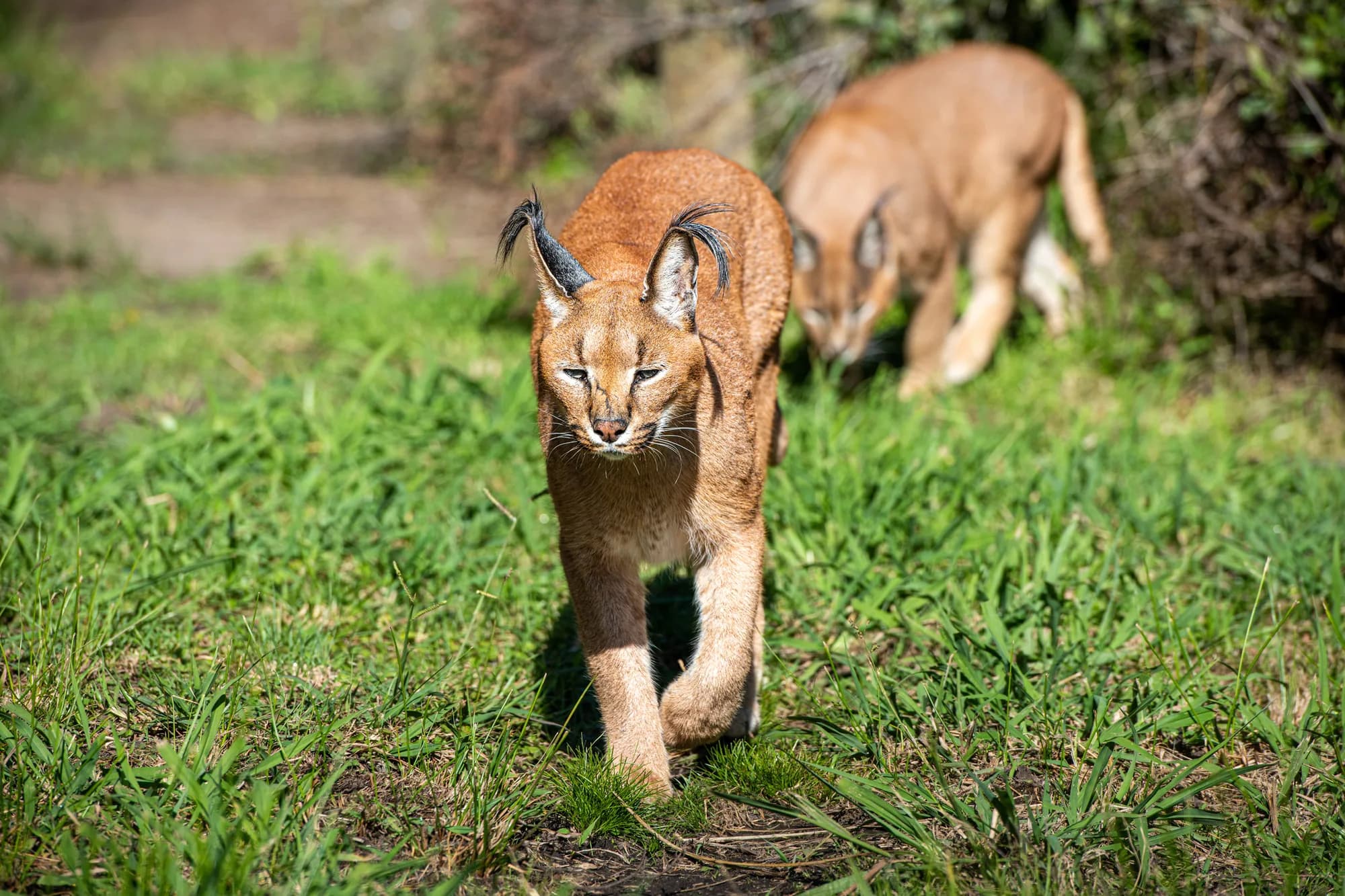
Species · Caracal caracal
Caracal
Possibly the hardest cat to see in India. A handful of Ranthambore camera-trap records and a few sightings a decade carry the entire demand for this animal.
Also called
- Siyagosh (स्याहगोश) — black ear · Hindi
- Junglee billi · Hindi
Checked 30 Aug 2026
- Where
- Rajasthan & Gujarat
- Best months
- November–March
- Sighting odds
- Extremely low
- Ears
- The identifying feature
Dry scrub and rocky semi-desert in northwestern India, at very low density. No acceptable state-level source was found, so the map is left unfilled rather than guessed.
Where it is
Where to actually go
Ranked, with the reason each — these are not interchangeable.
Where you will not see one
- Anywhere as a planThere is no reserve, season, guide or zone that makes this likely. Any itinerary sold on the promise of a caracal is not being straight with you.
- Central and southern IndiaEffectively absent. This is a dry northwestern animal and the central reserves have no meaningful population.
- Confused with a jungle catThe common outcome. Jungle cats are smaller with much shorter ear tufts and a plain sandy coat, and are seen constantly. Caracal ear tufts are absurdly long and unmistakable at any distance.
When to go
When to go
- J
- F
- M
- A
- M
- J
- J
- A
- S
- O
- N
- D
January: best. February: best. March: best. April: good. May: marginal. June: marginal. July: closed or unproductive. August: closed or unproductive. September: marginal. October: good. November: best. December: best.
Through the day
- Dawn
- Morning
- Midday
- Afternoon
- Dusk
- Night
Dawn: active. Morning: usually resting. Midday: usually resting. Afternoon: usually resting. Dusk: most active. Night: most active.
Telling it apart
Told apart from
Dry scrub at dusk, constantly
Ear tufts, and it is not close. A jungle cat has small tufts a centimetre or two long; a caracal's are black, straight and several centimetres, visible in silhouette. Jungle cats are also common and caracals are not.
Ranthambore at dusk
Only at distance in poor light. A caracal is a quarter the size and unspotted, with a plain tawny coat.
Marks chosen to be usable from a moving vehicle — a caracal is rarely still and never close enough for anything subtler.
What it looks like in the field
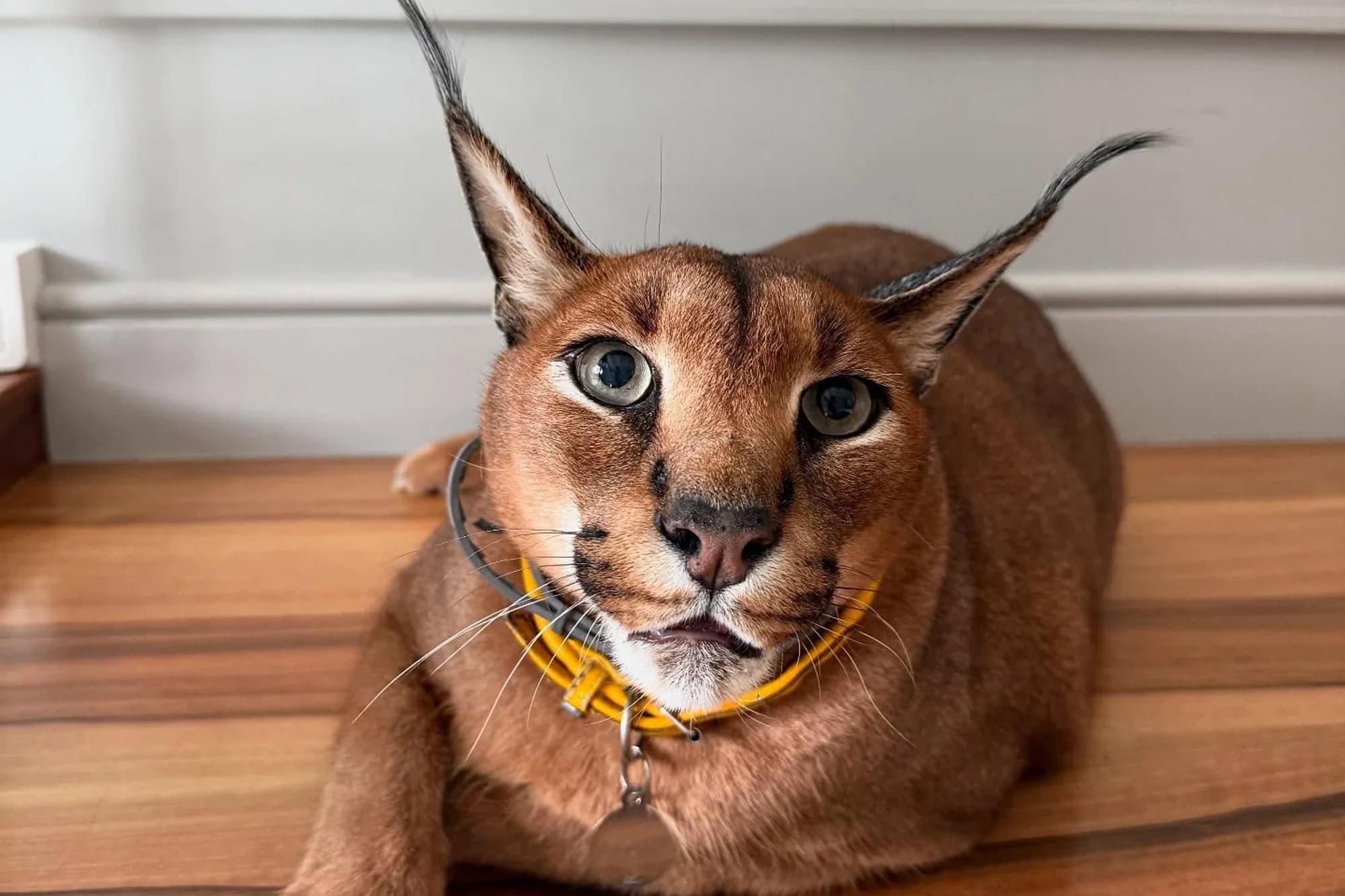
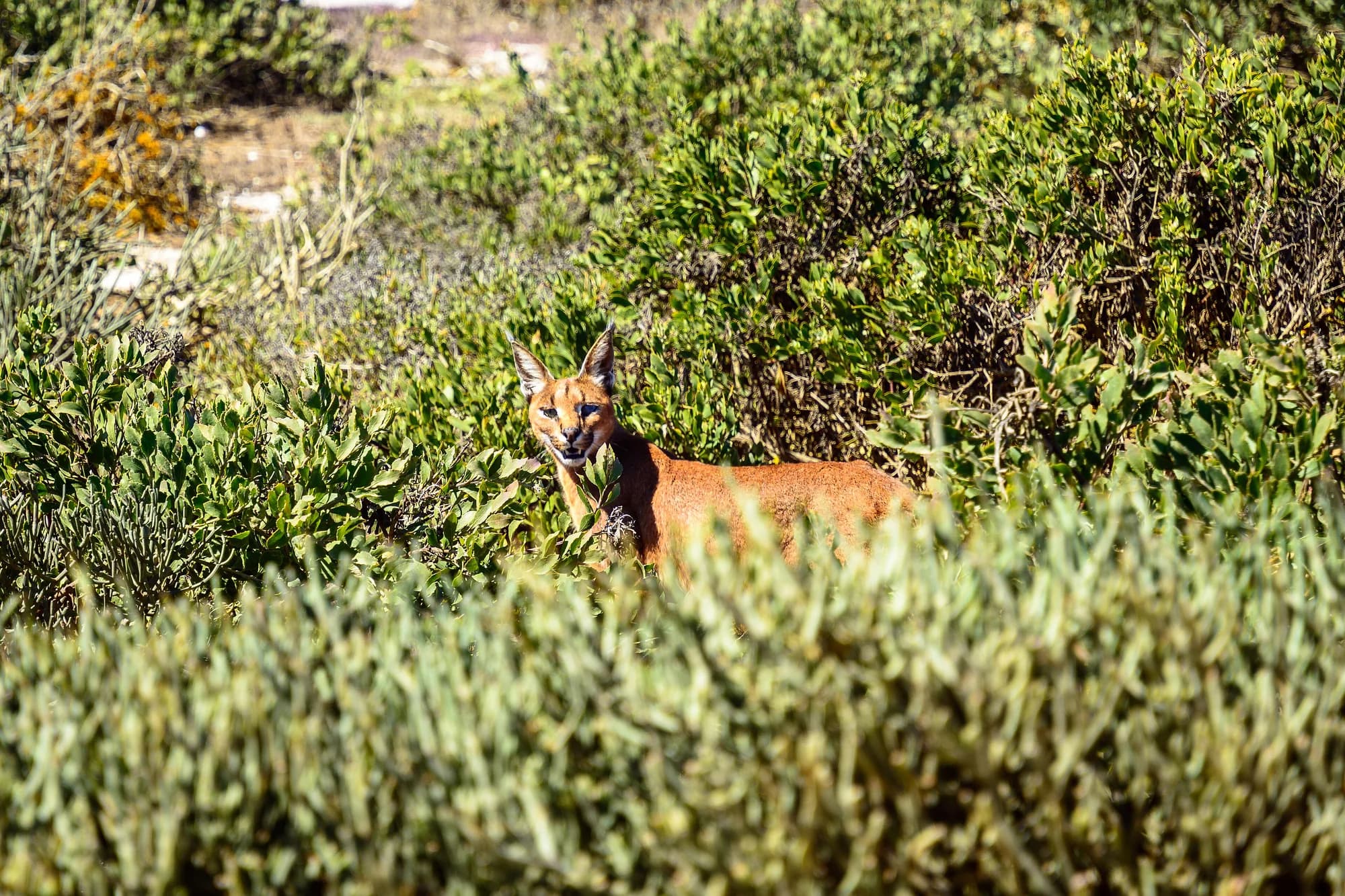
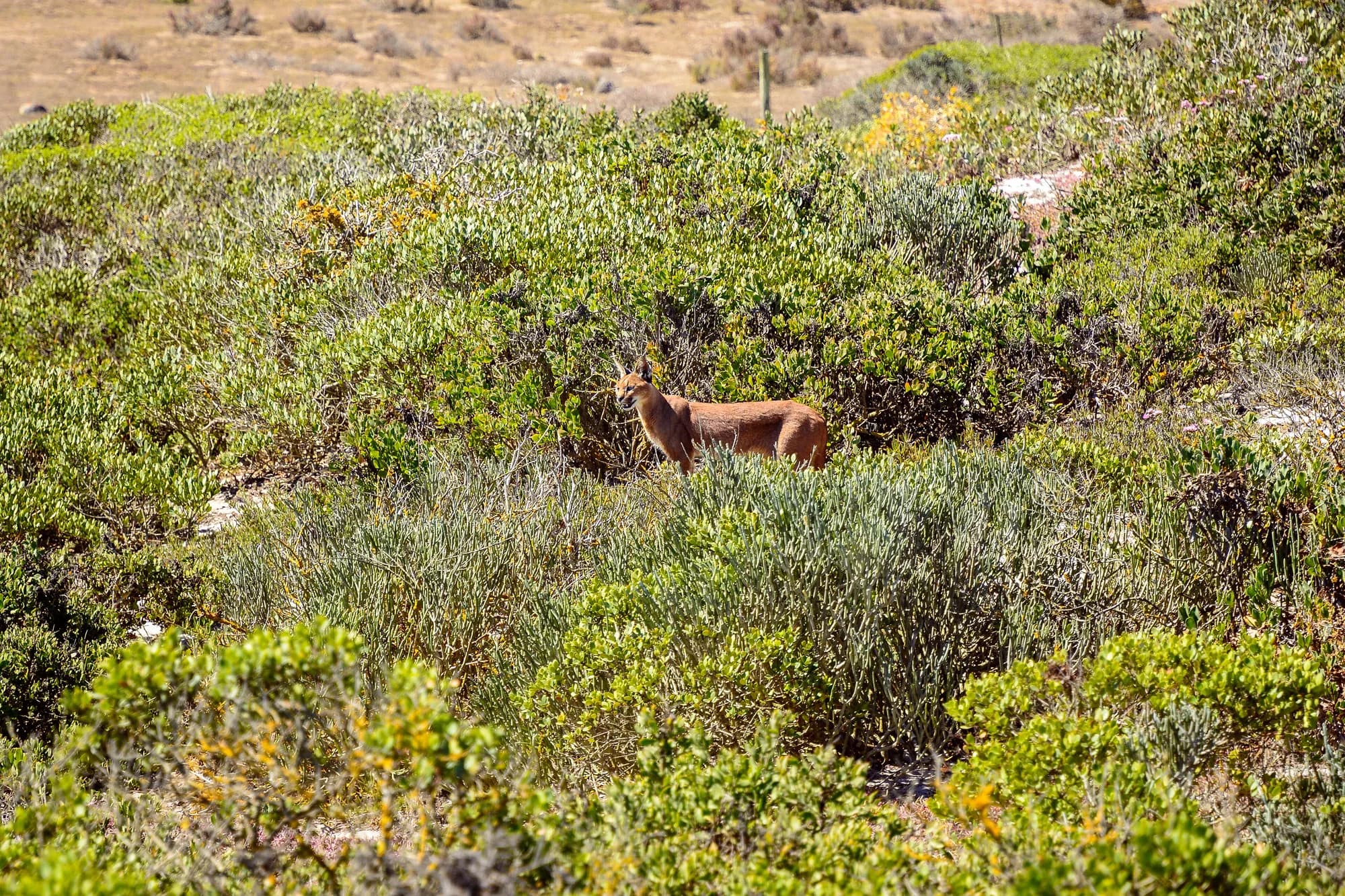
Photographs of Caracal in the wild, in Indian reserves. We publish no captive, baited or digitally composited images, and no photograph whose licence we cannot show.
What a sighting is actually like
For almost everybody, it does not happen. The realistic version is a camera-trap image shown to you by a naturalist, or a very brief crossing at dusk that the vehicle argues about afterwards.
If you see the ears, you will know. Nothing else in India has them.
An honest blank
We publish this page because the search demand is real and because the honest answer is not available elsewhere. There is no technique, no season and no guide that improves your odds meaningfully.
Status and protection
Status and protection
- IUCN Red List
- Least Concern
- Population trend
- · Unknown
- Wildlife Protection Act 1972
- Schedule I (post-2022 amendment numbering)
- CITES
- Appendix I
Species-level global assessment of Caracal caracal; the binomial given is the full species, not an Indian subspecies.
Assessed 2014 (errata version published 2016) · IUCN Red List assessment
What to book to see one
What you would be booking
- How it is seen
- Nothing specific. Evening drives in Ranthambore, and a great deal of luck.
- Drives to book
- Not a numbers game at this density. Go for tigers and treat this as the outside chance it is.
Worth telling your guide anyway. A caracal crossing at dusk gets recorded as a jungle cat by a vehicle that was not thinking about it, and the records matter.
Ranthambore — the park in fullOn the same trip you would also get
- Jungle cat — what you almost certainly saw instead
- Rusty-spotted cat — the other small cat worth the night drive
- Striped hyena — the same ravines at dusk
- Chinkara — the same dry Ranthambore ground
Questions people ask
Can I see a caracal in India?
How do I know it was a caracal and not a jungle cat?
Where do caracals live in India?
Read next
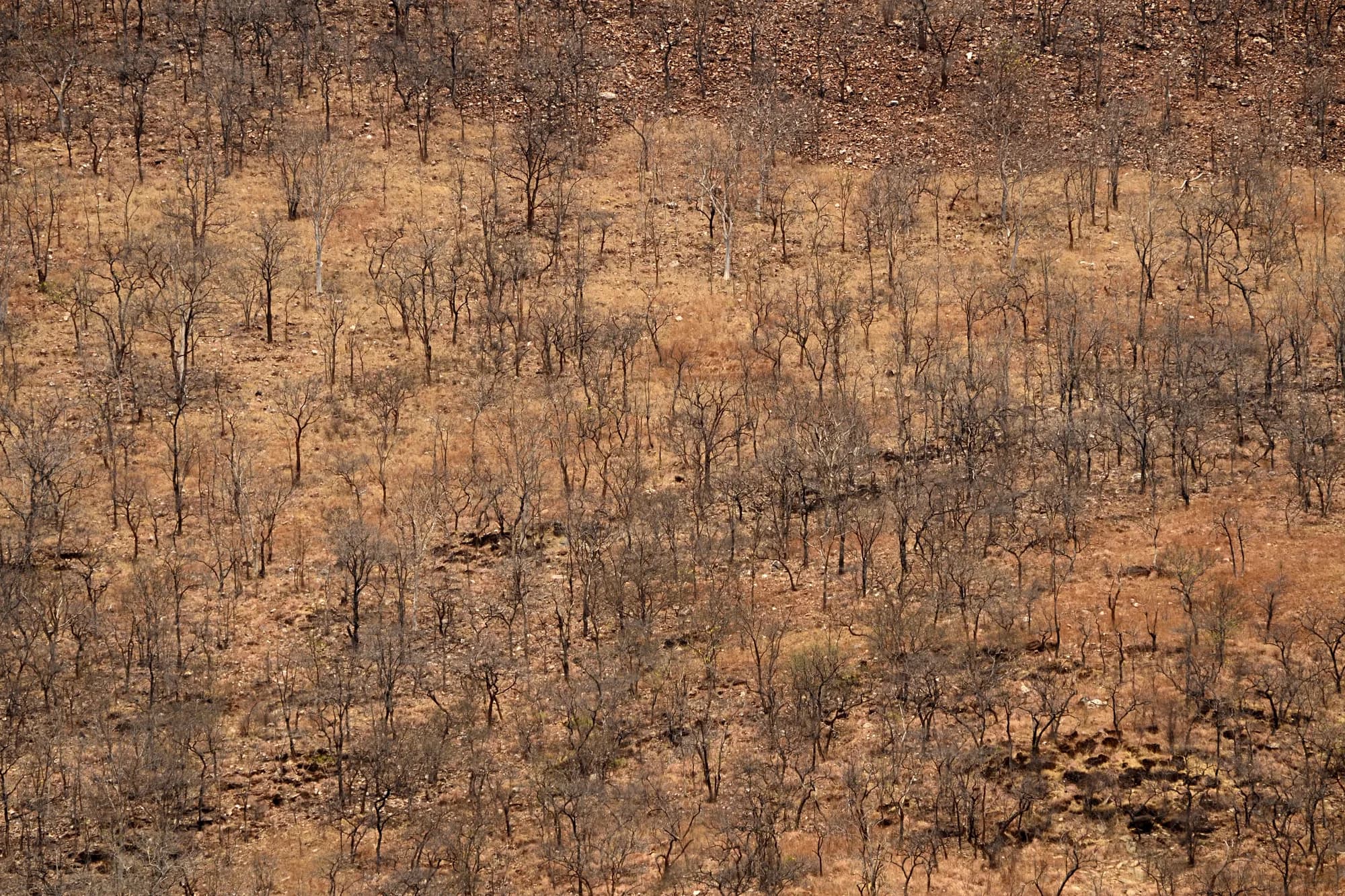
Rajasthan
Ranthambore — the park in full
Dry forest around a fort, and the easiest reserve to reach from Delhi — which is exactly why it is the busiest.
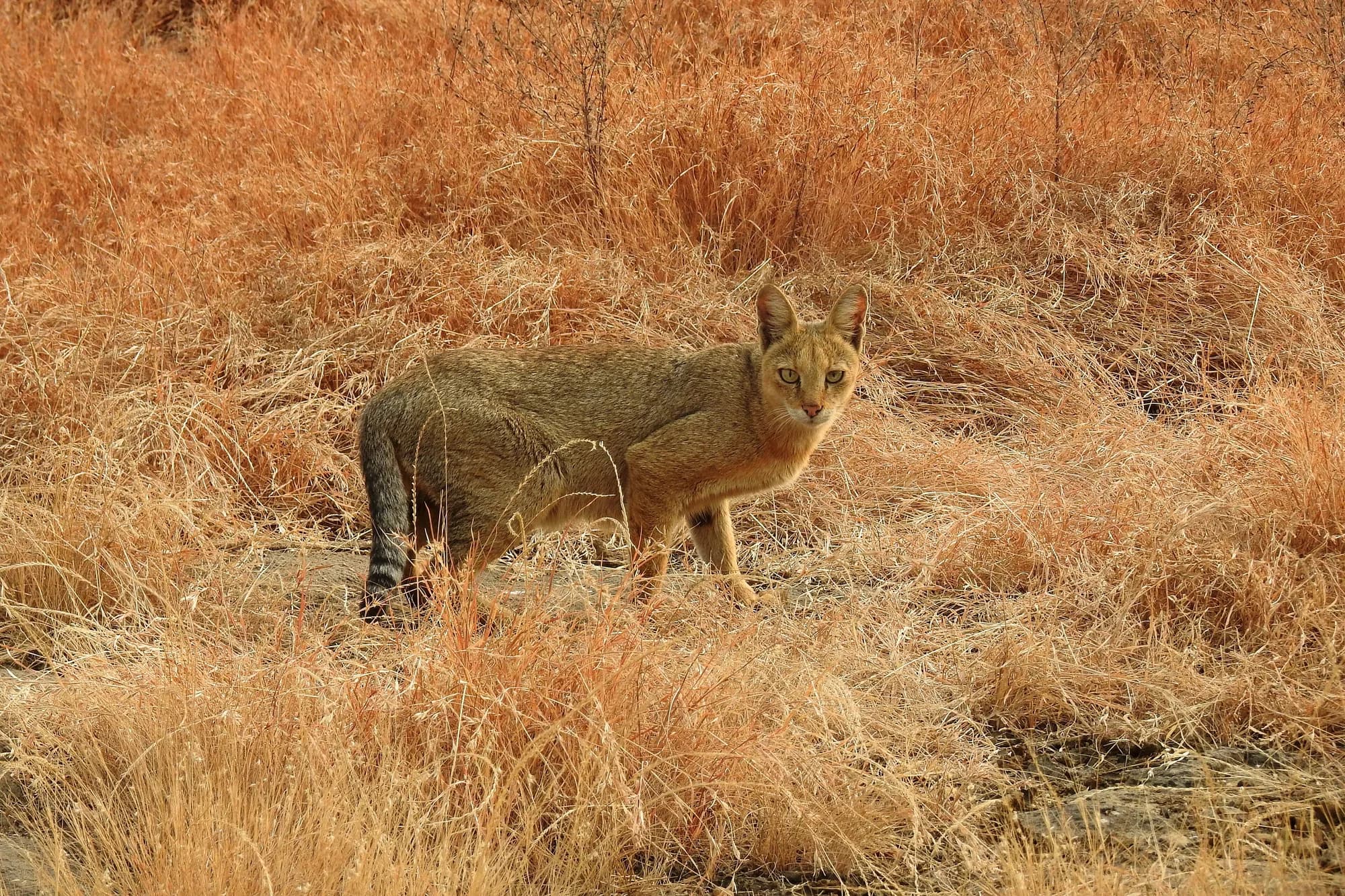
Everywhere, and always misnamed
Jungle cat — what you probably saw
India's most-seen wild cat and its most misidentified. Long-legged, plain sandy, tuft-eared, and reported variously as a caracal, a leopard cub and somebody's escaped tabby.
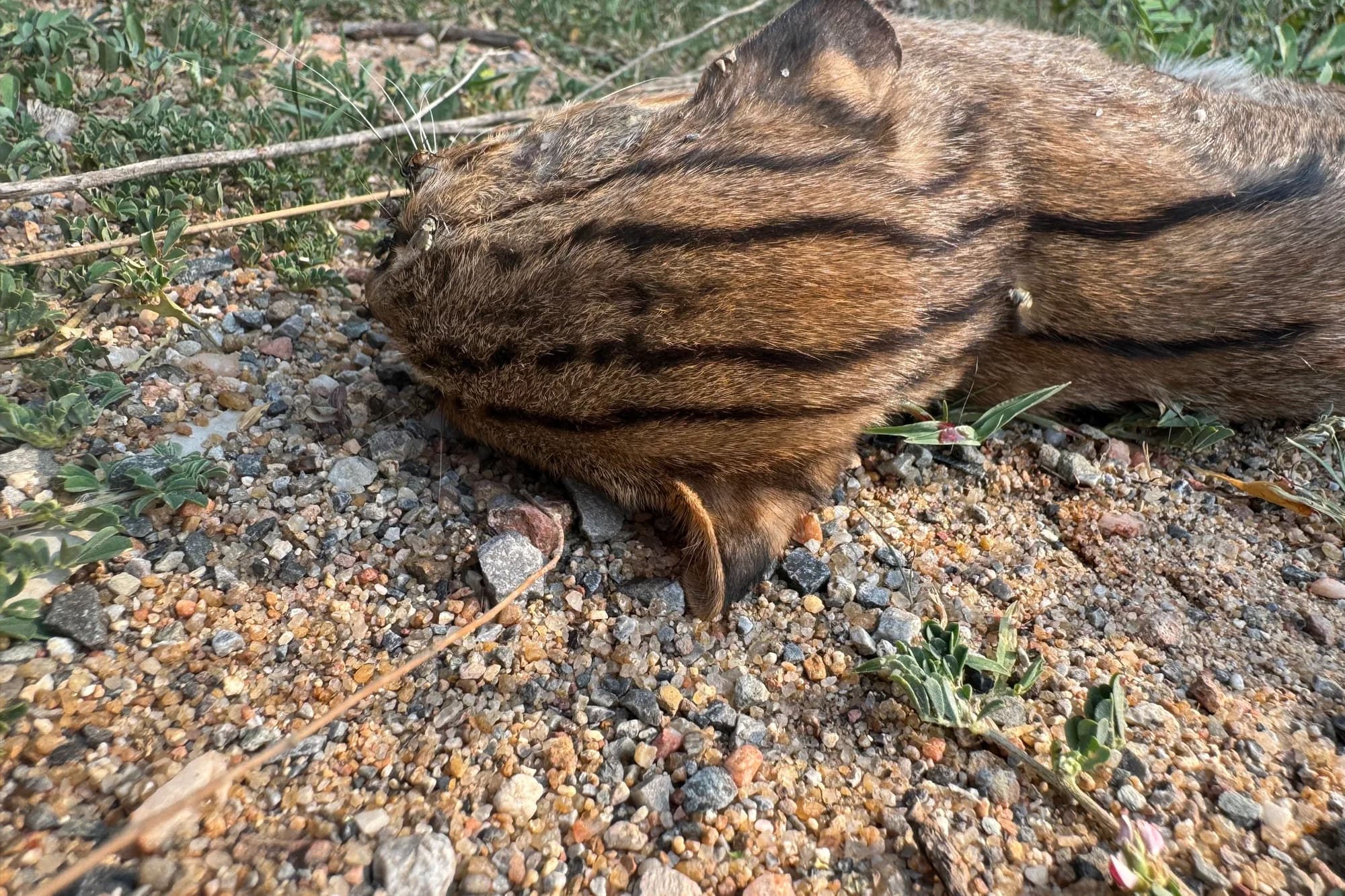
Tadoba, and the smallest cat alive
Rusty-spotted cat — the other small cat
The smallest wild cat in the world, roughly half the weight of a house cat, and Tadoba is the most reliable place on earth to see one.
58 reserves, six worth the trip
Tiger — where and when
The animal most people come for, and the one most often missed. Where the odds actually are, and how they move by month and by zone.