
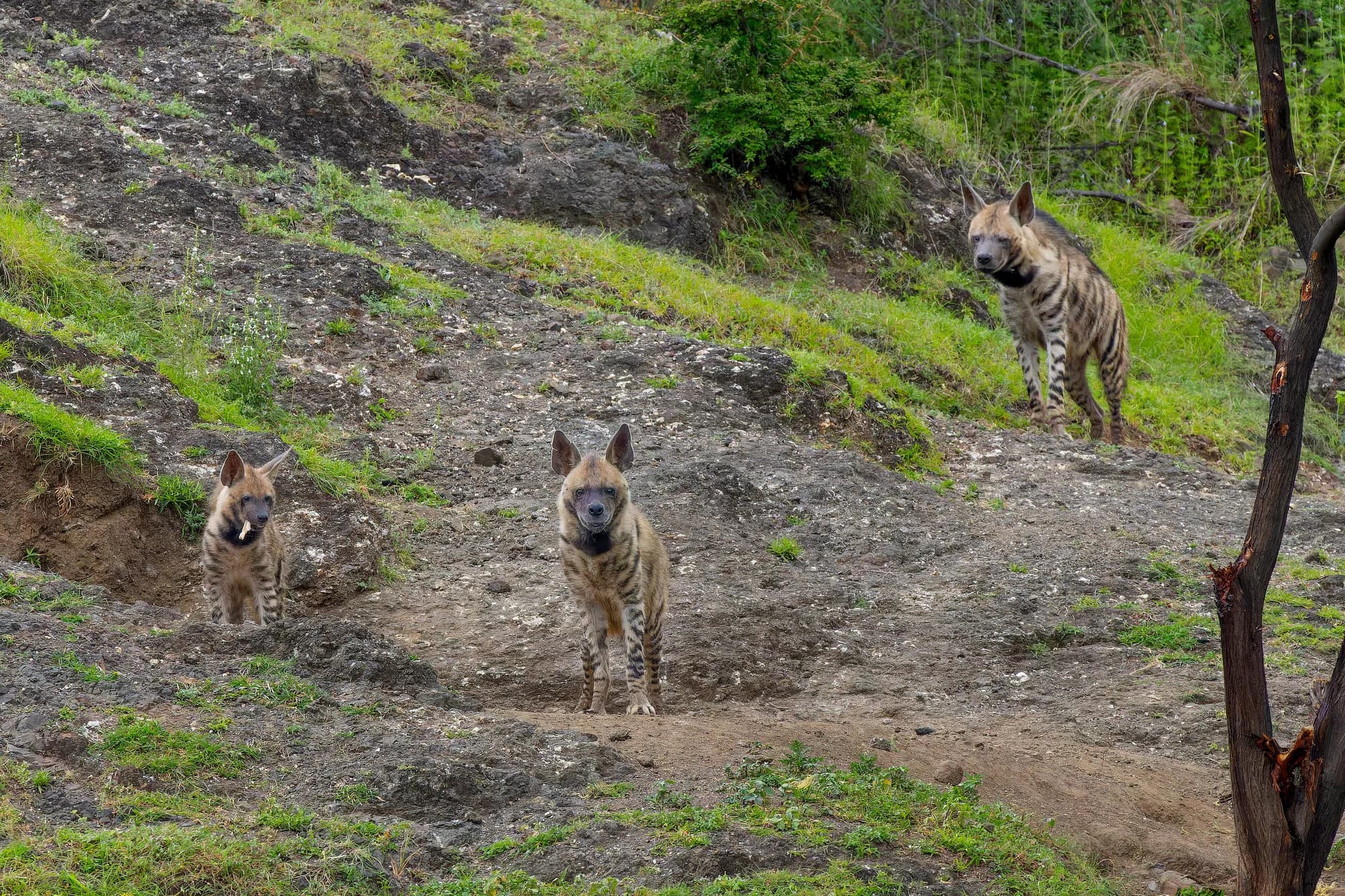
Species · Hyaena hyaena
Striped hyena
A nocturnal scavenger with a mane it raises when alarmed, common across dry India and almost never on anyone's list. One of the best sightings you can have at Jawai.
Also called
- Lakkadbagha (लकड़बग्घा) · Hindi
- Taras · Marathi
- Jarakh · Gujarati
Checked 30 Aug 2026
- Where
- Dry western & central India
- Best months
- November–March
- Active
- After dark, mostly
- Eats
- Almost entirely carrion
Widely distributed across dry India, but the IUCN assessment describes distribution only at country level and no acceptable state-level source was found — so the map here is deliberately unfilled.
Where it is
Where to actually go
Ranked, with the reason each — these are not interchangeable.
- 01JawaiRajasthanGranite hills full of crevices, a strong hyena population, and evening drives that run late. Also leopards on the same rocks, which is why the trip works.Evening drives, and ask for hyena by name
- 02RanthamboreRajasthanRavines and broken ground around the fort, with regular records. A genuine bonus on a tiger trip.The last half hour of the evening shift
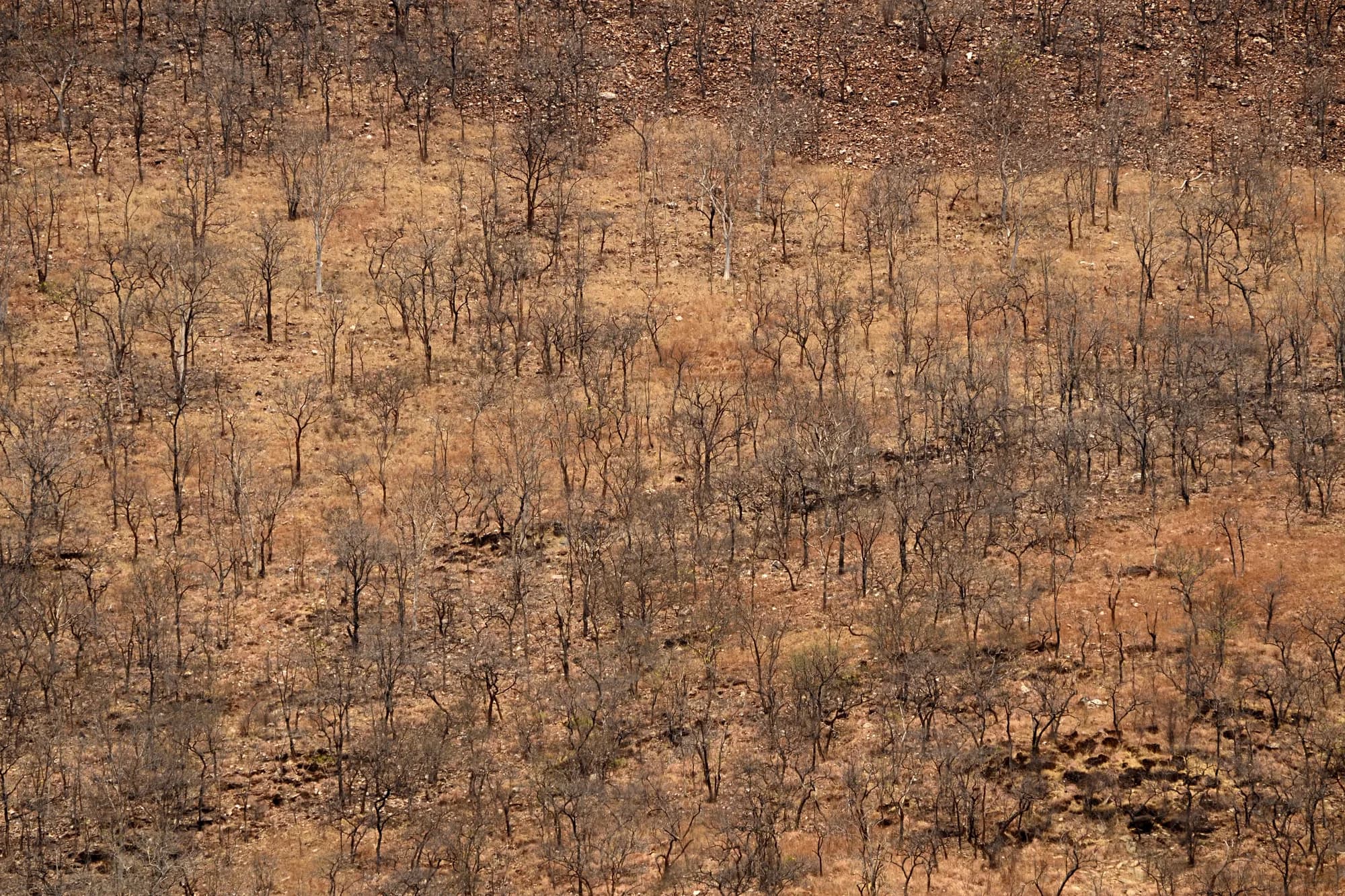
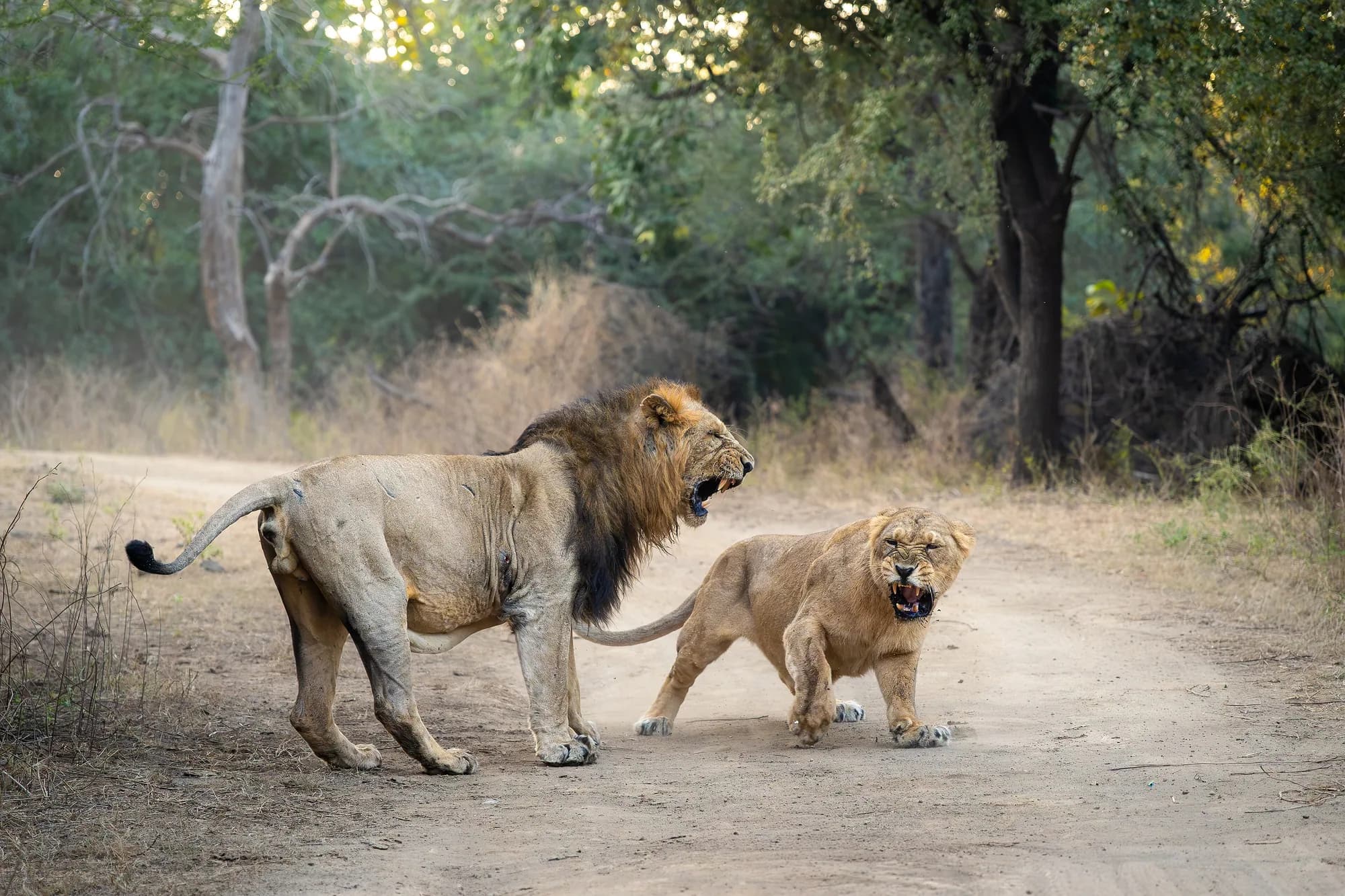
- 03GirGujaratShares the forest with the lions and gets almost no attention as a result.Nobody else in the vehicle will be looking
Where you will not see one
- Anywhere expecting an African spotted hyenaDifferent species and a different animal. Striped hyenas are smaller, solitary, striped rather than spotted, and they scavenge rather than hunt. There is no whooping, no clan, and no laughing.
- The NortheastThe IUCN assessment notes the species does not reach Assam. This is a dry-country animal and the wet east has none.
- On a midday driveNot a range mistake but the usual reason for missing one. They lie up in rock crevices and culverts through the day and move after dark.
When to go
When to go
- J
- F
- M
- A
- M
- J
- J
- A
- S
- O
- N
- D
January: best. February: best. March: best. April: good. May: marginal. June: marginal. July: closed or unproductive. August: closed or unproductive. September: closed or unproductive. October: marginal. November: best. December: best.
Through the day
- Dawn
- Morning
- Midday
- Afternoon
- Dusk
- Night
Dawn: active. Morning: usually resting. Midday: usually resting. Afternoon: usually resting. Dusk: most active. Night: most active.
Telling it apart
Told apart from
Dry grassland at dusk
Build settles it. A hyena's back slopes steeply from high shoulders to low hips and the head is heavy and blunt; a wolf is level-backed with a narrow muzzle. In silhouette at dusk the slope is visible before anything else.
Golden jackal
Everywhere in dry India
Half the size, no mane, no stripes, and usually in a pair. Jackals also trot with the tail down; hyenas move with a rolling, ambling gait.
Feral dog
Buffer zones
The common false alarm at reserve edges. Dogs lack the mane and the sloping back, and are almost always near settlement.
Marks chosen to be usable from a moving vehicle — a striped hyena is rarely still and never close enough for anything subtler.
What it looks like in the field
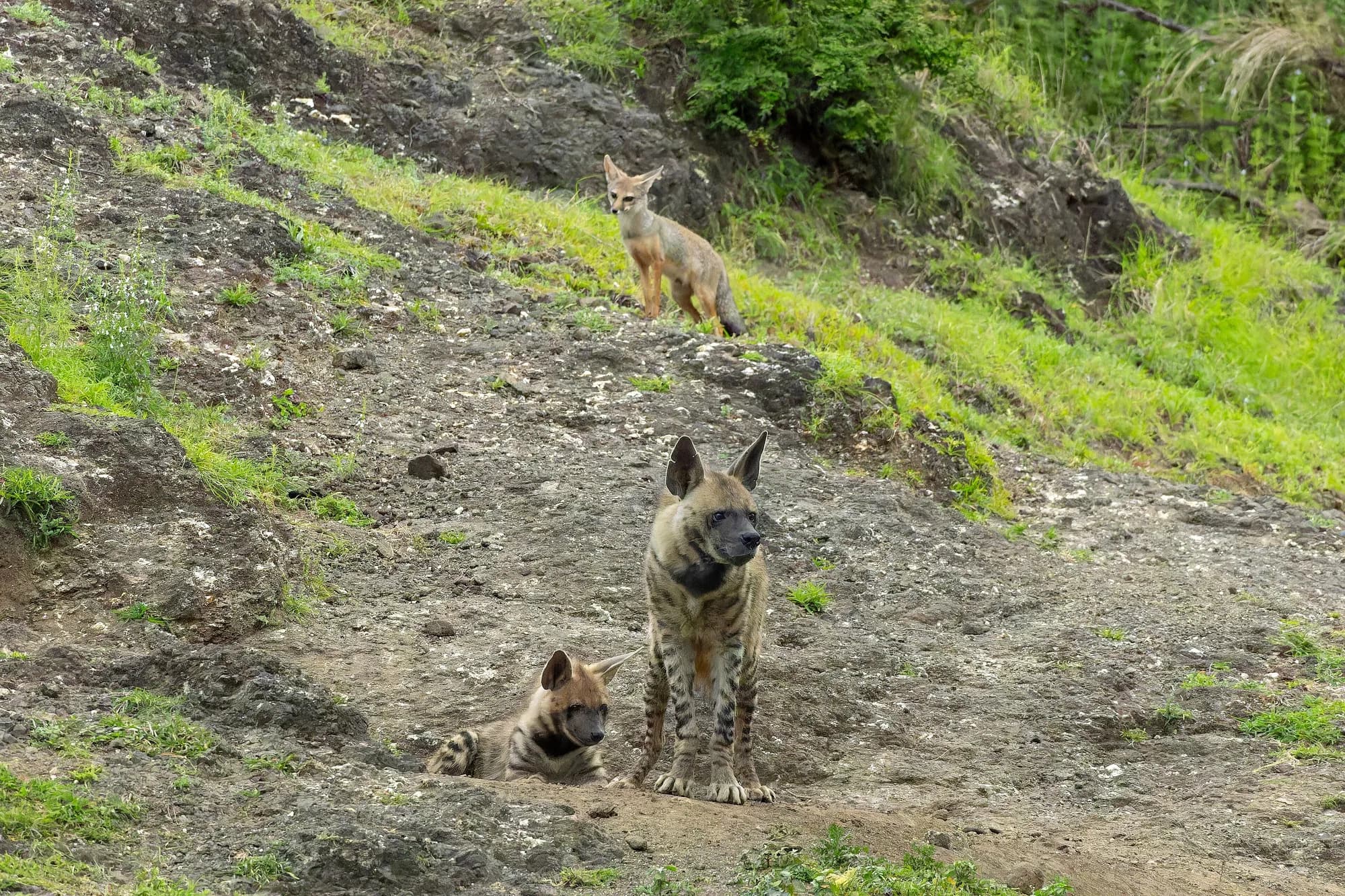
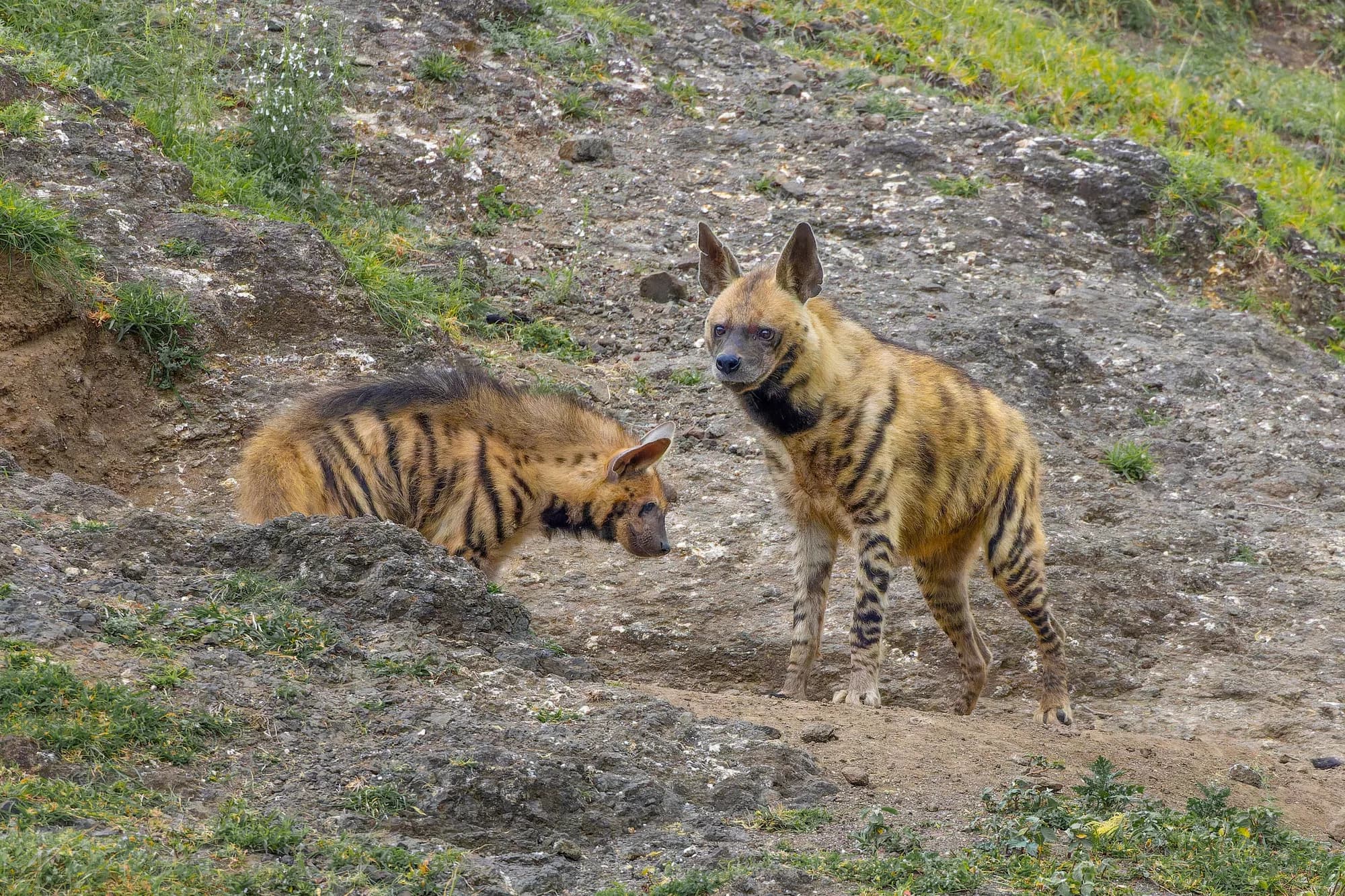
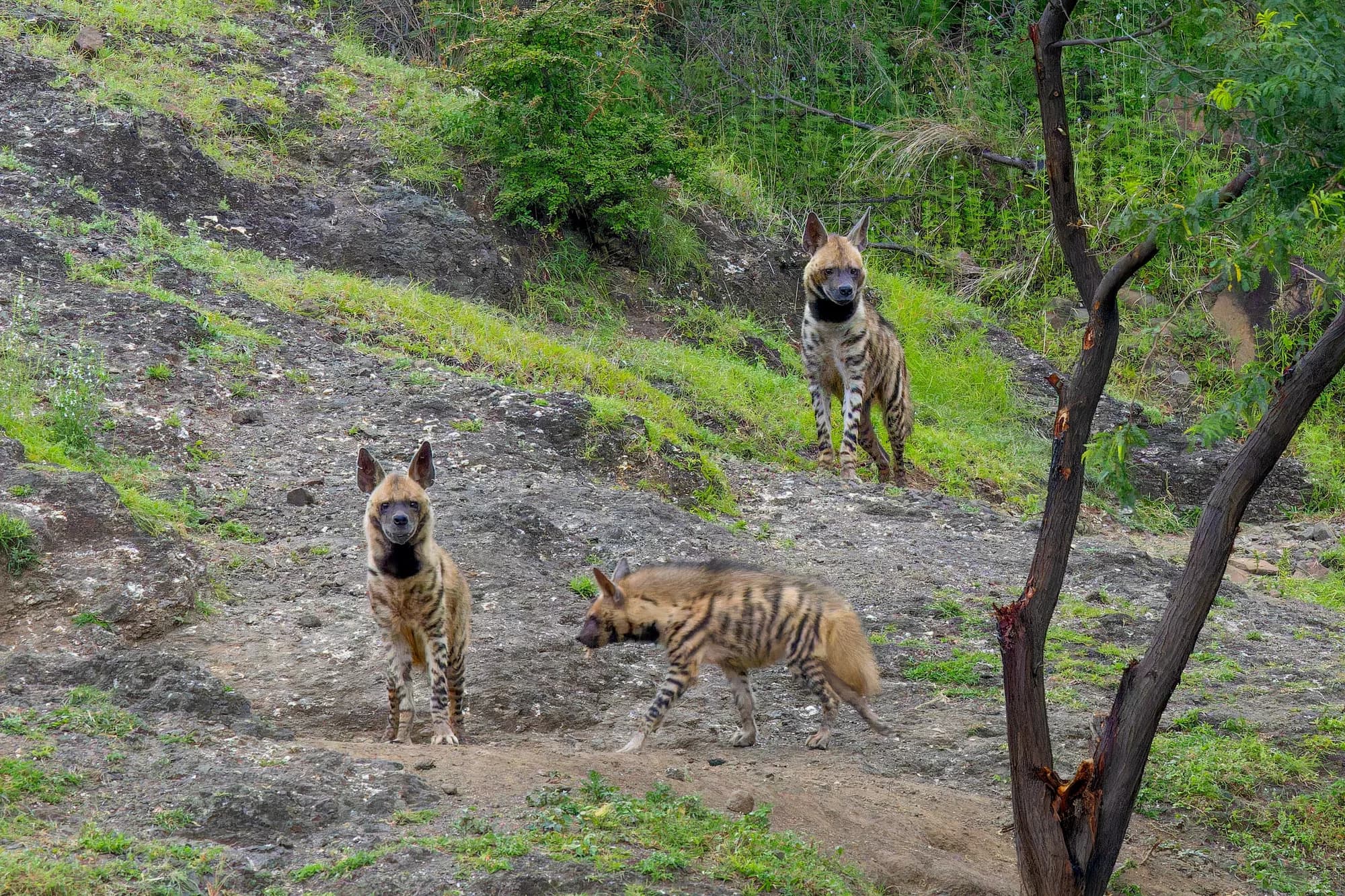
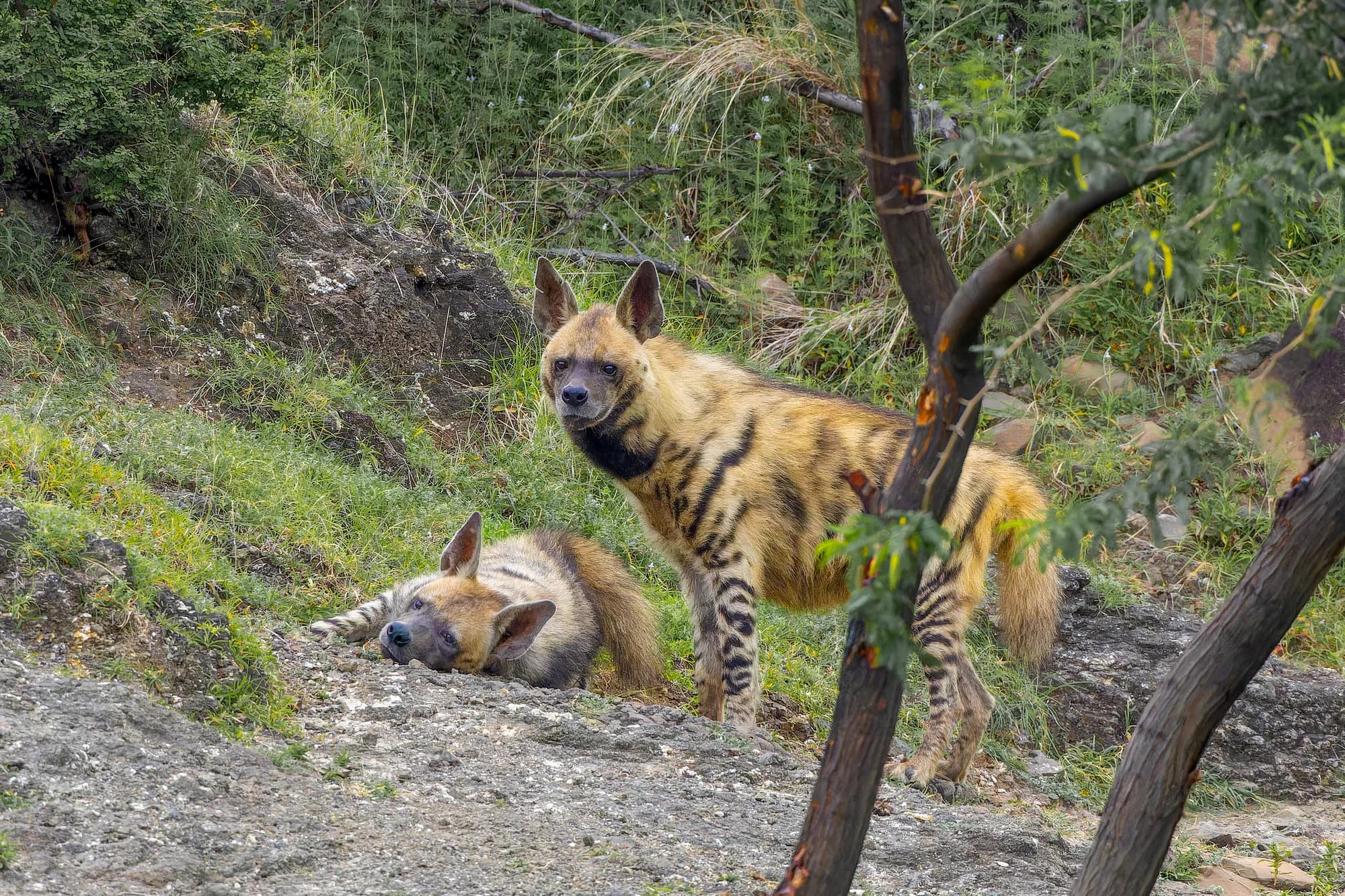
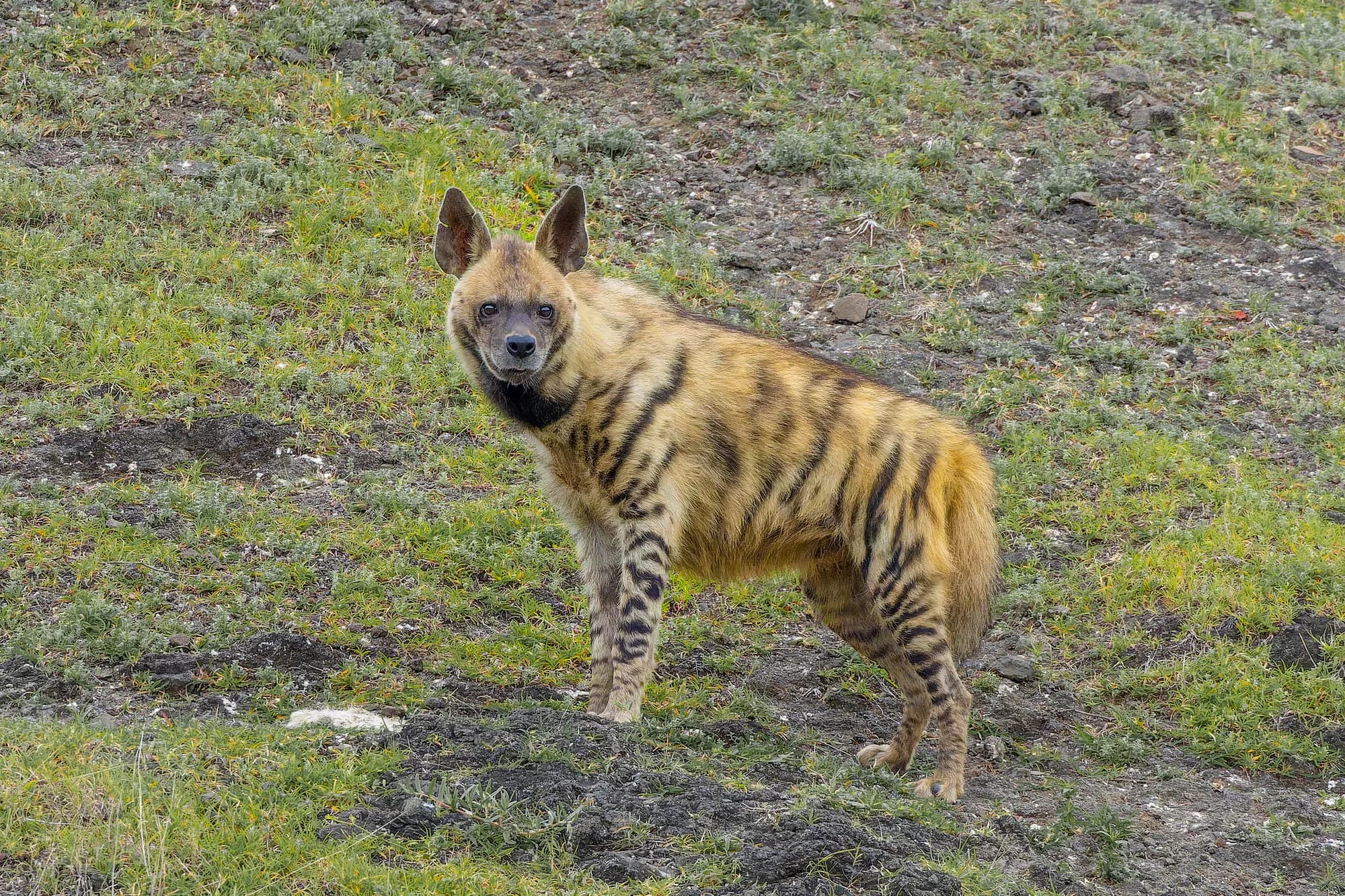
Photographs of Striped hyena in the wild, in Indian reserves. We publish no captive, baited or digitally composited images, and no photograph whose licence we cannot show.
What a sighting is actually like
Brief, and at the wrong end of the light. A sloping shape crosses the track, pauses, and is gone into scrub — and if the mane goes up as it turns, that is the moment worth having been there for.
People who came for a leopard and got a hyena at Jawai are the ones still talking about it.
The most useful animal in the forest
Striped hyenas eat what everything else has left. Bone, hide, the parts no other scavenger can process — their jaws and digestion handle material that would otherwise sit and rot.
Status and protection
Status and protection
- IUCN Red List
- Near Threatened
- Population trend
- ↓ Decreasing
- Wildlife Protection Act 1972
- Schedule I (post-2022 amendment numbering)
- CITES
- Appendix II
Species-level assessment matching the binomial given (Hyaena hyaena). Date assessed 2 October 2014, year published 2015; IUCN annotation 'Needs updating'.
Assessed 2015 · IUCN Red List assessment
What to book to see one
What you would be booking
- How it is seen
- Jeep safari, with the evening shift and a buffer-zone night drive where one is permitted.
- Drives to book
- Four or five evenings if it is the target. This is an animal you get by being out at the last legal minute, repeatedly.
- Zone or shift
- Broken, rocky, dry ground with denning crevices. Jawai's granite is close to ideal.
Tell your guide before the drive. Hyena is not in most guides' default hierarchy and a crossing animal at dusk gets driven past while everyone is facing the other way.
Jawai — the park in fullQuestions people ask
Where is the best place to see a striped hyena?
Is it the same as an African hyena?
Are striped hyenas dangerous?
Read next
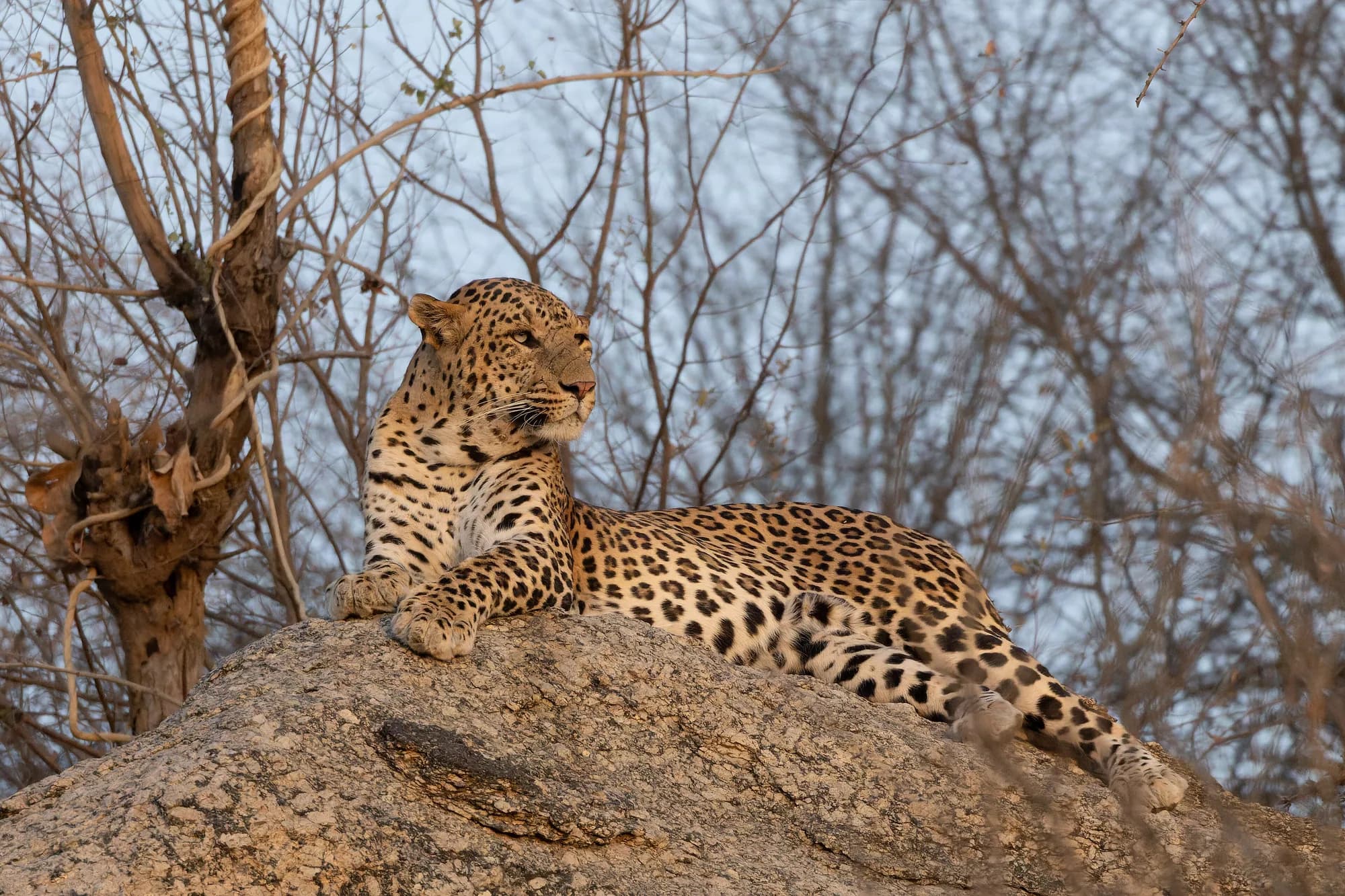
Rajasthan
Jawai — the park in full
Granite hill country where leopards den in caves in full view. Not a national park — a working landscape that happens to hold them.
Everywhere, and reliably nowhere
Indian leopard — the same granite
Present in almost every reserve on this site and reliably seen in almost none of them. The two landscapes that change that, and why they do.
Rajasthan
Ranthambore — the park in full
Dry forest around a fort, and the easiest reserve to reach from Delhi — which is exactly why it is the busiest.
Twelve months, cross-park
When to go, month by month
The single decision that moves the odds most. Heat, crowds, closures and what is actually open, one page per month.