
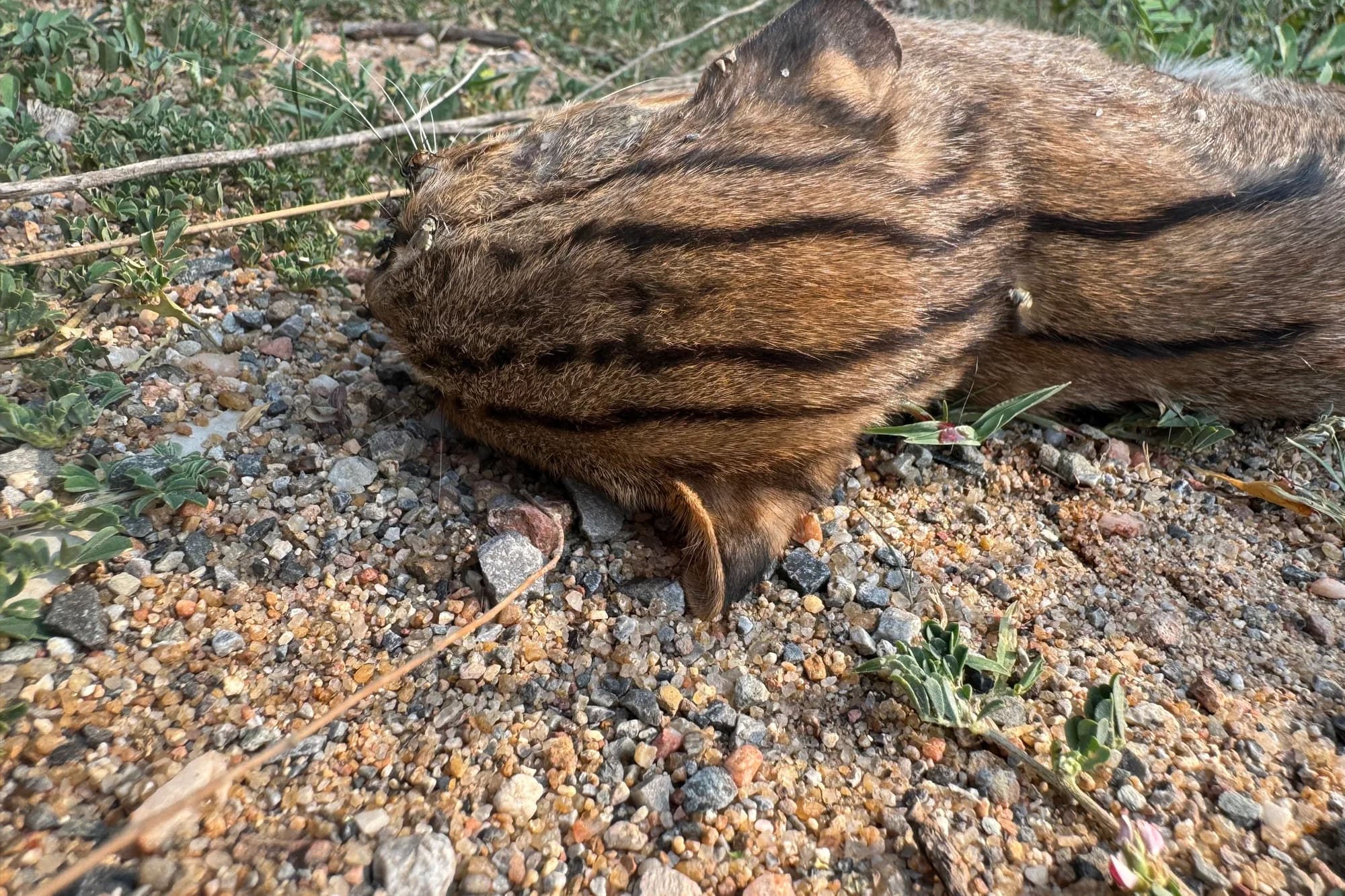
Species · Prionailurus rubiginosus
Rusty-spotted cat
The smallest wild cat in the world, roughly half the weight of a house cat, and Tadoba is the most reliable place on earth to see one.
Also called
- Chittur bokka · Marathi
- Chhota billi · Hindi
Checked 30 Aug 2026
- Where
- Central & southern India
- Best months
- November–April
- Weight
- Around 1.5 kg
- Note
- World's smallest cat
Dry deciduous forest and scrub across peninsular India, plus Sri Lanka. Far more widespread than the sighting rate suggests.
Where it is
Where to actually go
Ranked, with the reason each — these are not interchangeable.
- 01TadobaMaharashtraThe most reliable rusty-spotted cat site in the world, on buffer night drives. Genuinely findable here and almost nowhere else.Book night safaris, three or four
- 02SatpuraMadhya PradeshNight drives in the buffer, with lower density but a quieter experience.A good second option
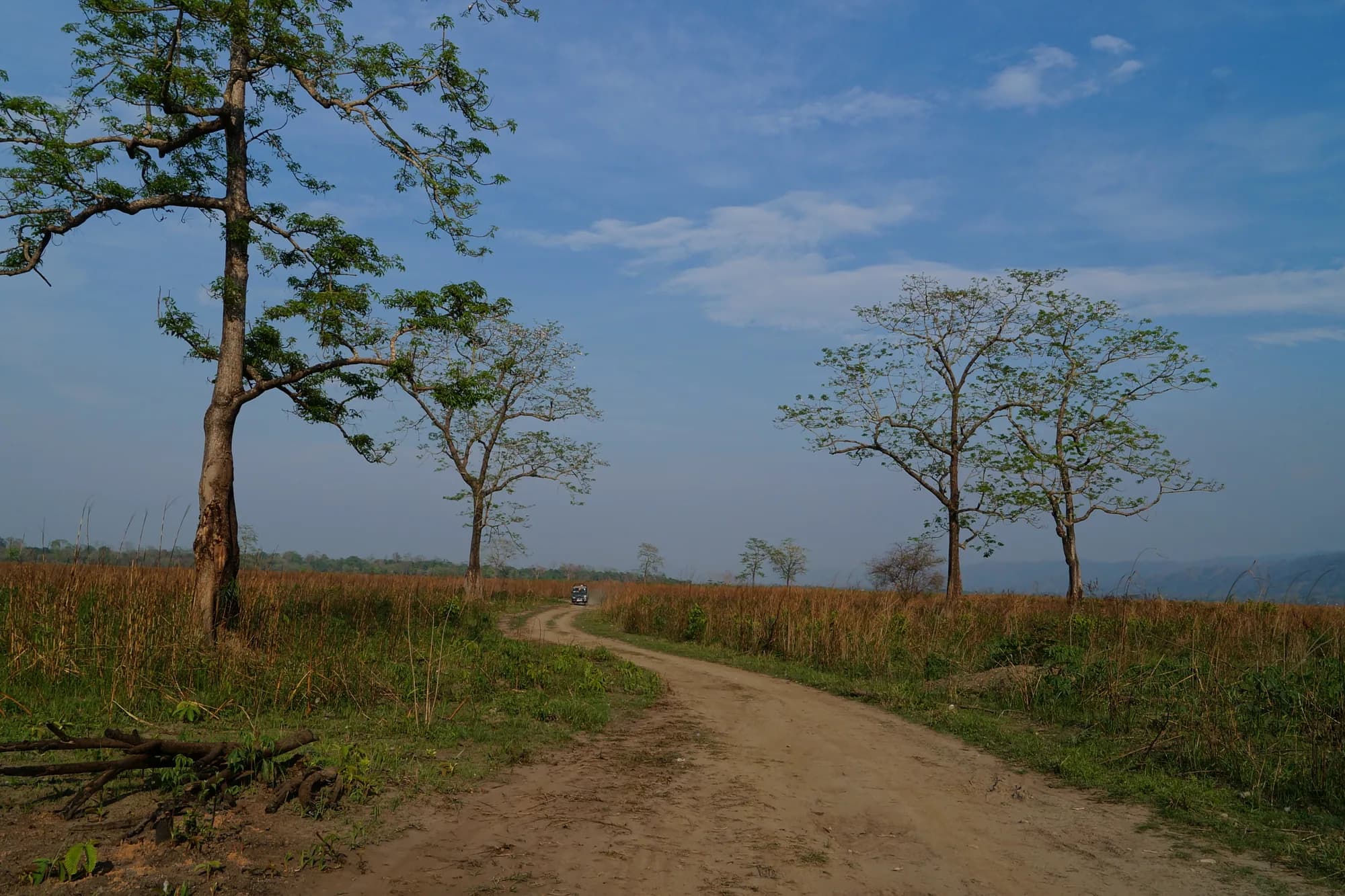
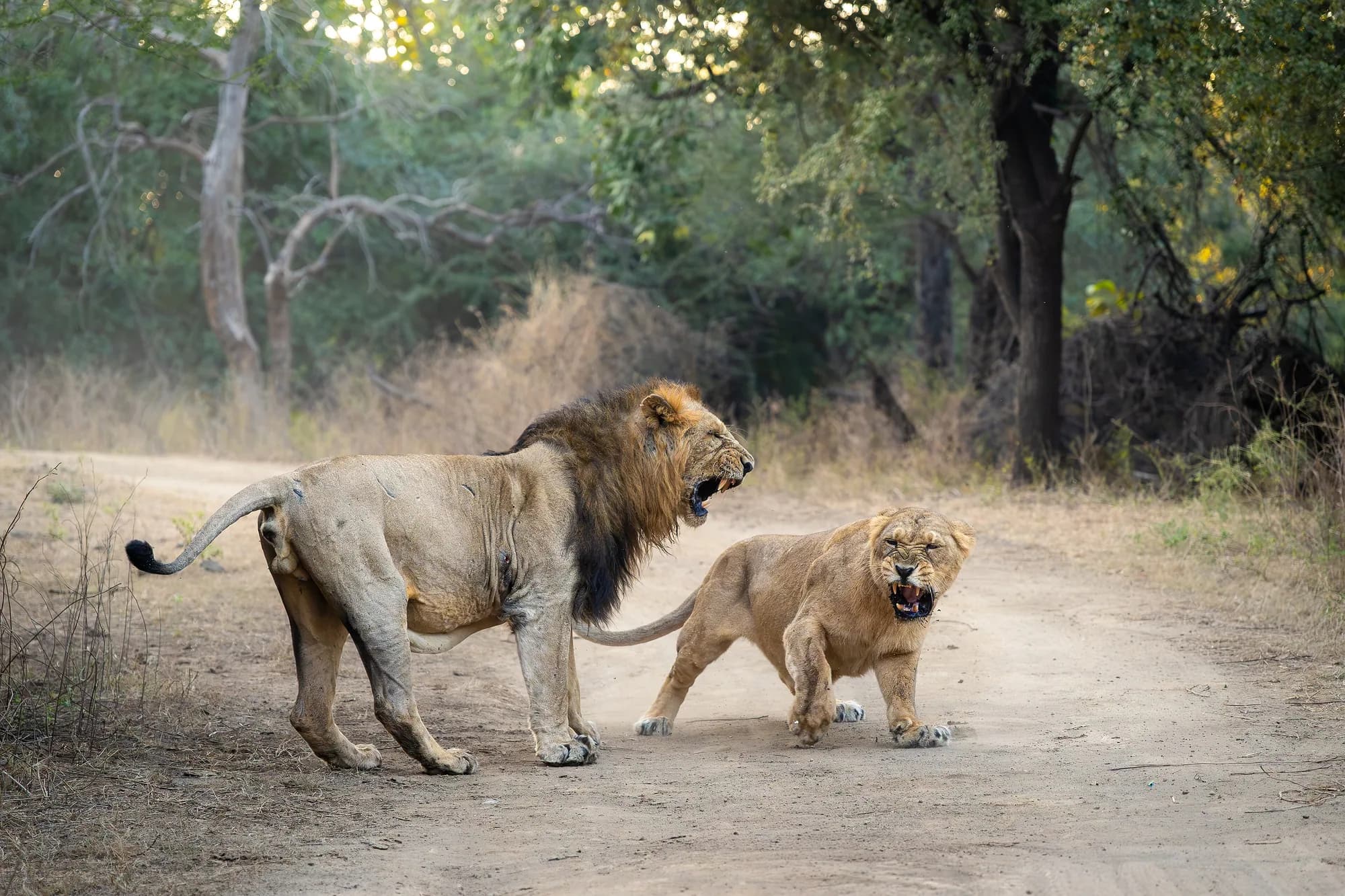
- 03GirGujaratPresent and almost never sought, because everybody is looking at lions.Ask, and nobody else will have
Where you will not see one
- On a core-zone day driveAlmost never. Core zones close at dusk and this cat starts moving after that. The buffer night drive is the whole opportunity.
- Anywhere expecting a kittenThe commonest reporting error is a rusty-spotted cat logged as a leopard cub or a domestic kitten. Adults are this small; there is no larger version.
When to go
When to go
- J
- F
- M
- A
- M
- J
- J
- A
- S
- O
- N
- D
January: best. February: best. March: best. April: good. May: marginal. June: marginal. July: closed or unproductive. August: closed or unproductive. September: closed or unproductive. October: marginal. November: best. December: best.
Through the day
- Dawn
- Morning
- Midday
- Afternoon
- Dusk
- Night
Dawn: usually resting. Morning: usually resting. Midday: usually resting. Afternoon: usually resting. Dusk: active. Night: most active.
Telling it apart
Told apart from
Every night drive
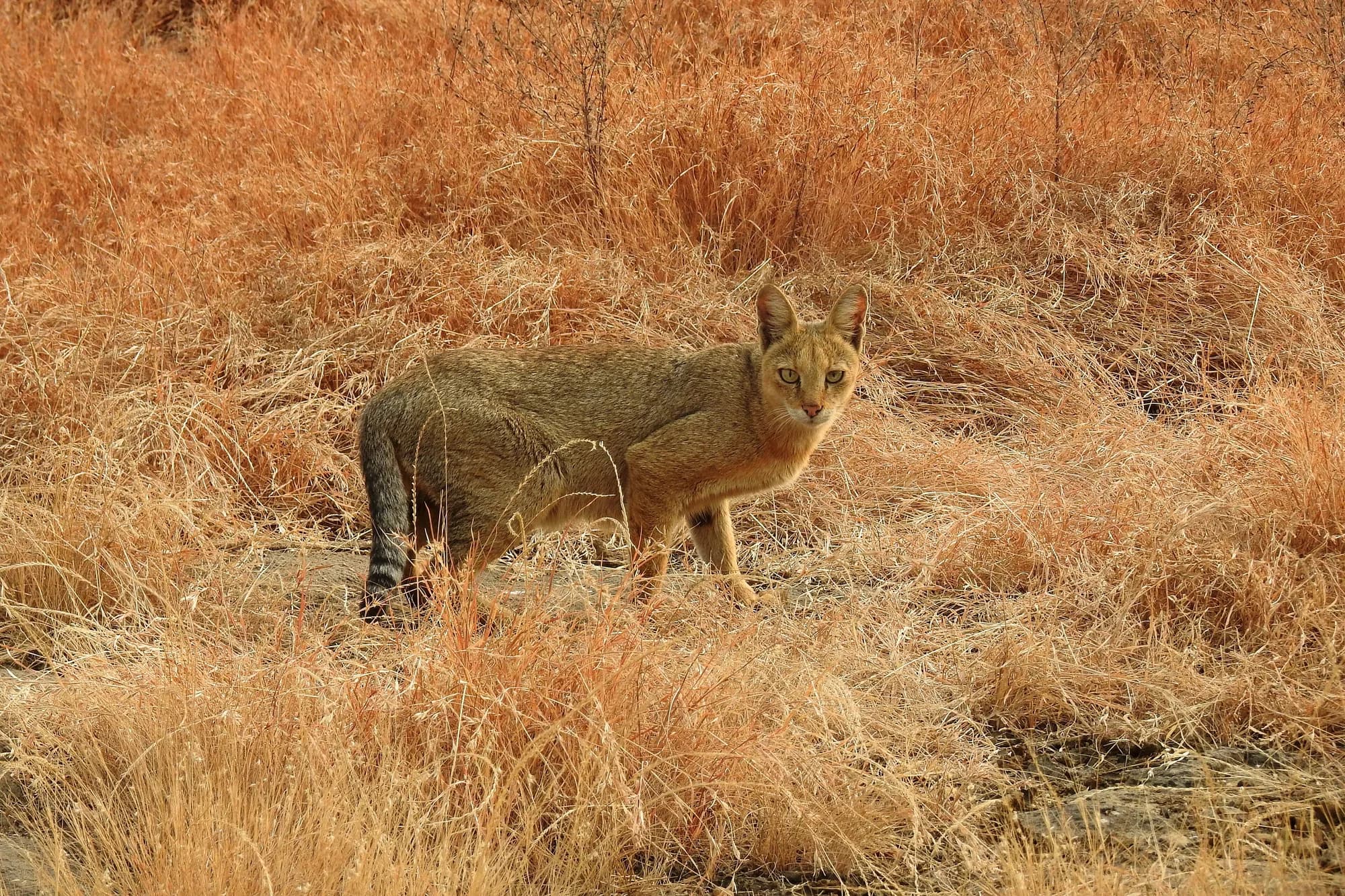
Size, and it is dramatic. A jungle cat is three or four times heavier with long legs and a plain sandy coat. A rusty-spotted cat is smaller than a domestic cat and blotched.
Central Indian night drives
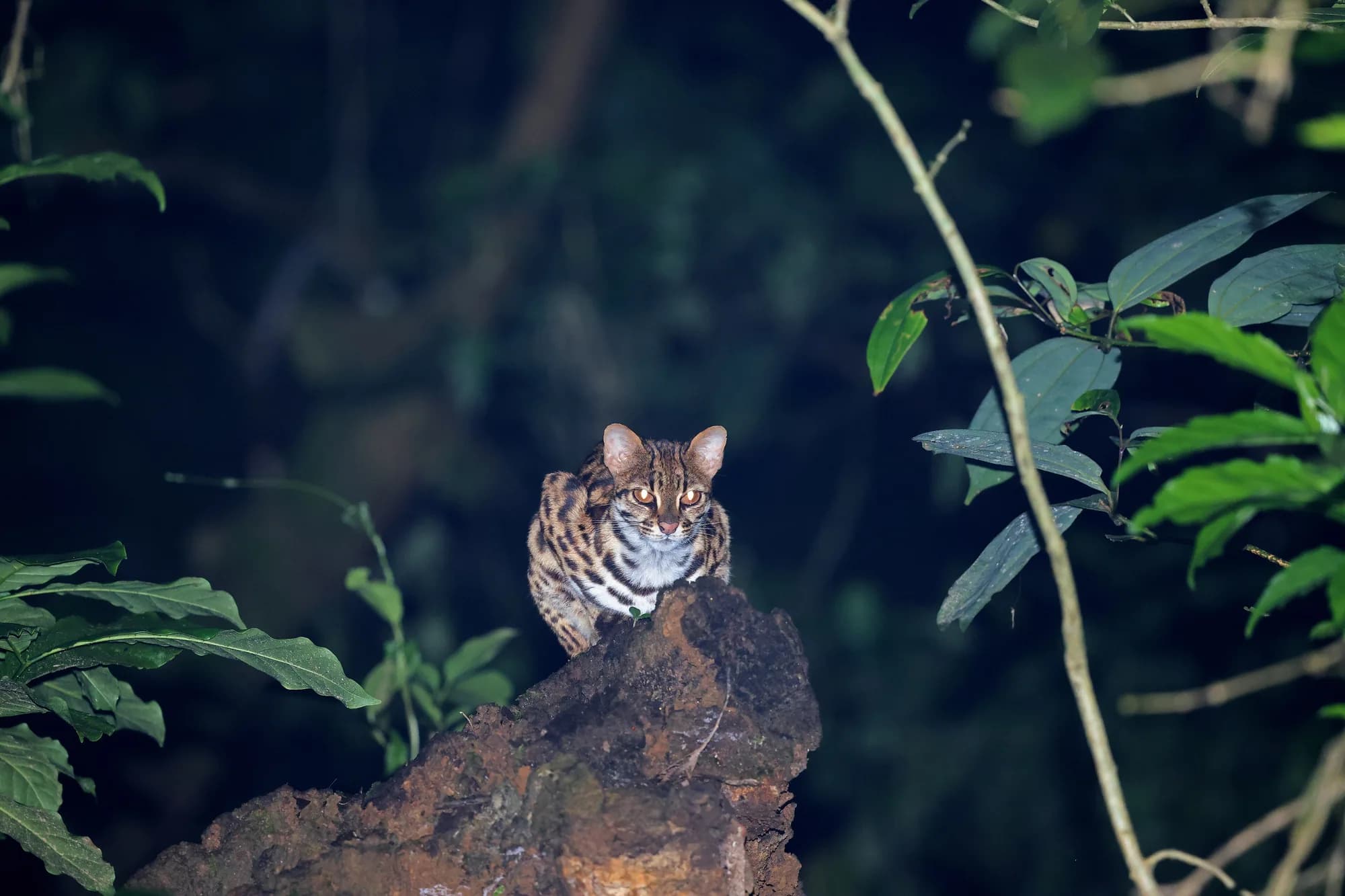
Leopard cats are twice the size with bold dark spots and strong white facial stripes. Rusty-spotted cats have soft rusty blotches and a much finer face.
A domestic kitten
Reserve edges
Genuinely the most common mistake near buffer villages. Look at the eyes — they are enormous relative to the head in a way no kitten's are — and at the dark lines running back from the inner corner.
Marks chosen to be usable from a moving vehicle — a rusty-spotted cat is rarely still and never close enough for anything subtler.
What it looks like in the field
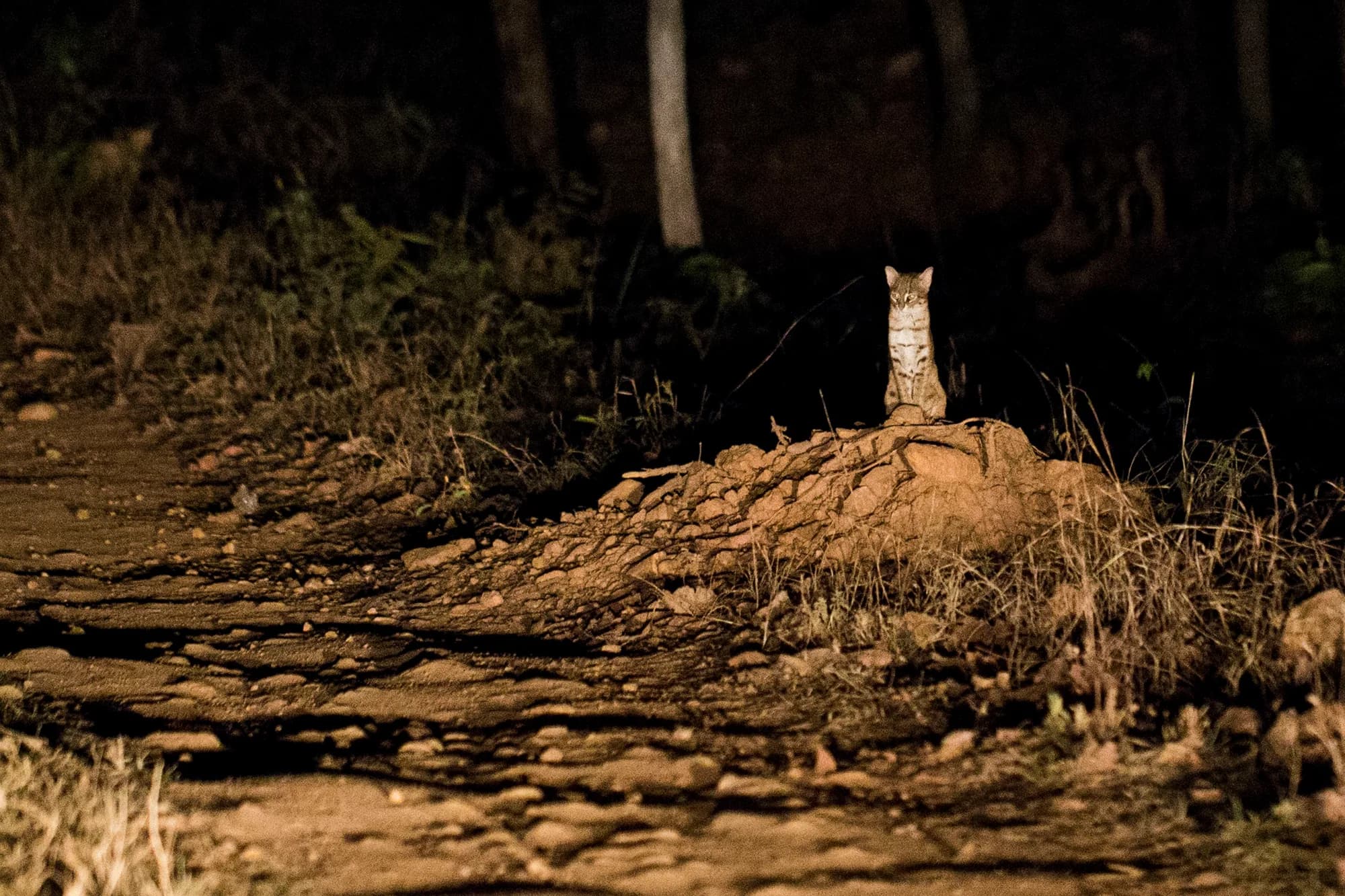
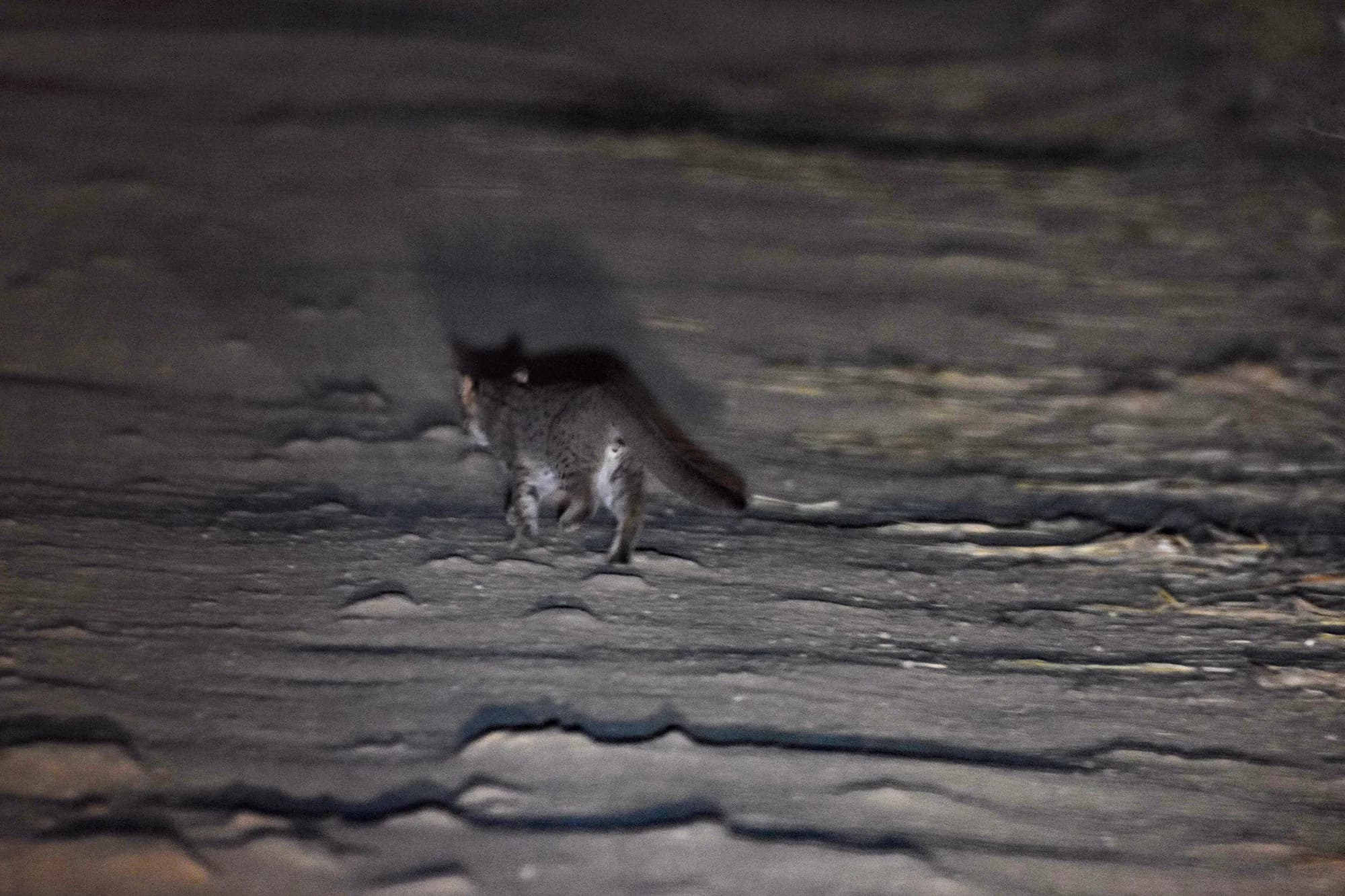
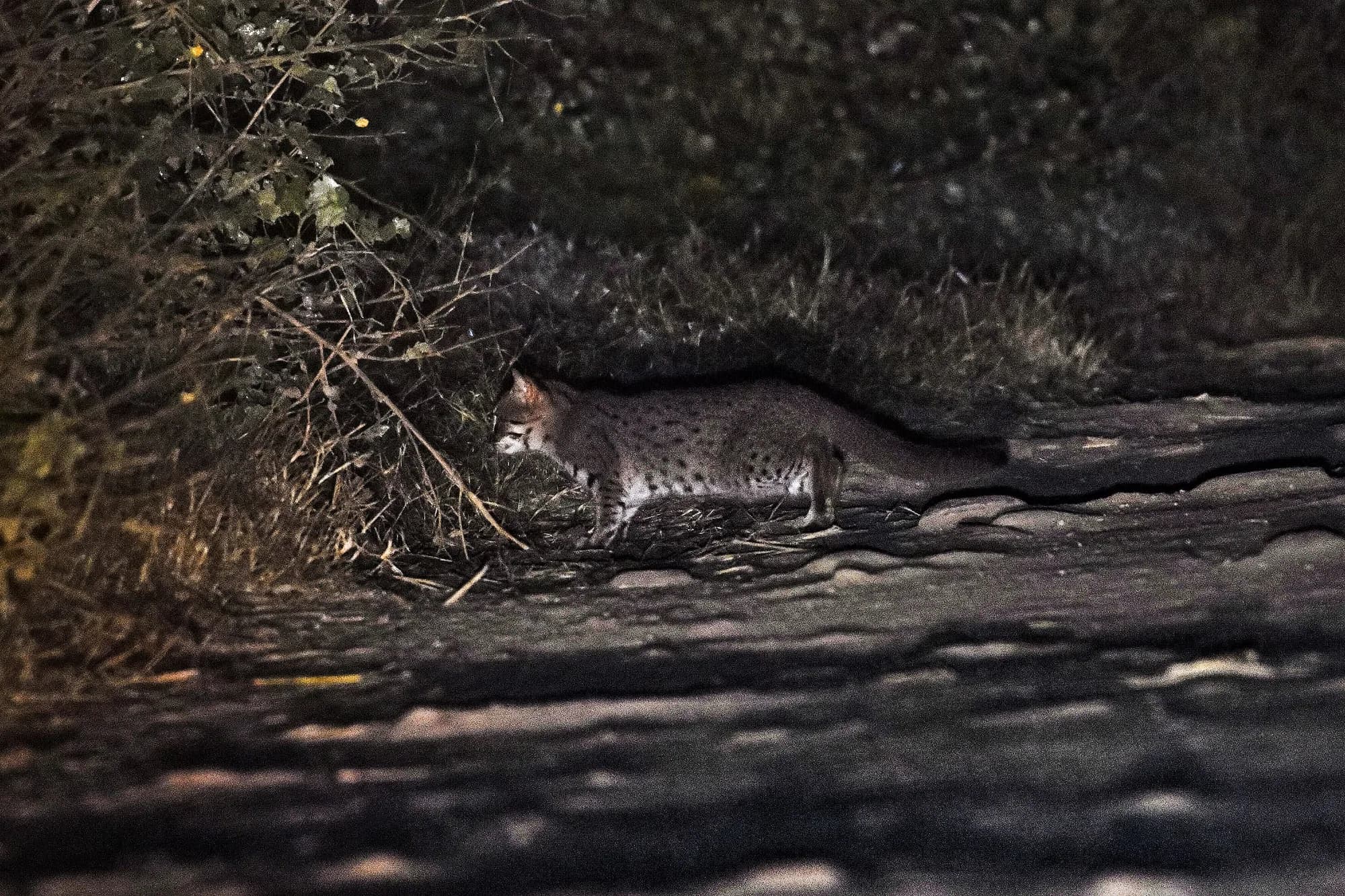
Photographs of Rusty-spotted cat in the wild, in Indian reserves. We publish no captive, baited or digitally composited images, and no photograph whose licence we cannot show.
What a sighting is actually like
Two enormous eyes in a lamp beam, low to the ground, and a body far smaller than your brain will accept. Most people’s first reaction is that it must be a kitten.
It is a fully grown wild cat that weighs about as much as a bag of sugar.
Why the night drive matters
This species is a straightforward case for buffer-zone night safaris. The animal is common enough and the habitat is right, but core zones shut before it wakes up.
Status and protection
Status and protection
- IUCN Red List
- Near Threatened
- Population trend
- ↓ Decreasing
- Wildlife Protection Act 1972
- Schedule I (post-2022 amendment numbering)
- CITES
- Appendix I
Species-level global assessment of Prionailurus rubiginosus; the binomial given is the full species, not an Indian subspecies.
Assessed 2014 (published in the 2016 Red List) · IUCN Red List assessment
What to book to see one
What you would be booking
- How it is seen
- A buffer-zone night drive, in the reserves that permit them.
- Drives to book
- Three or four night drives at Tadoba. Nothing else on this list depends so completely on one product.
- Zone or shift
- Tadoba's buffer, where night safaris run and the population is dense.
Book the night drive specifically when you book the park. It is a separate permit from the core-zone shifts and sells out independently.
Tadoba — the park in fullQuestions people ask
Where can I see a rusty-spotted cat?
How small is it really?
Can I see one on a normal safari?
Read next
Maharashtra
Tadoba — the park in full
Open teak and bamboo, and a reputation for daylight sightings that has been earned rather than marketed.
Everywhere, and always misnamed
Jungle cat — the size comparison
India's most-seen wild cat and its most misidentified. Long-legged, plain sandy, tuft-eared, and reported variously as a caracal, a leopard cub and somebody's escaped tabby.
Night drives, and misreported constantly
Leopard cat — the other small cat
A house-cat-sized spotted cat with bold white face stripes, common across forested India, and the animal most often reported as a leopard cub.
58 reserves, six worth the trip
Tiger — where and when
The animal most people come for, and the one most often missed. Where the odds actually are, and how they move by month and by zone.