
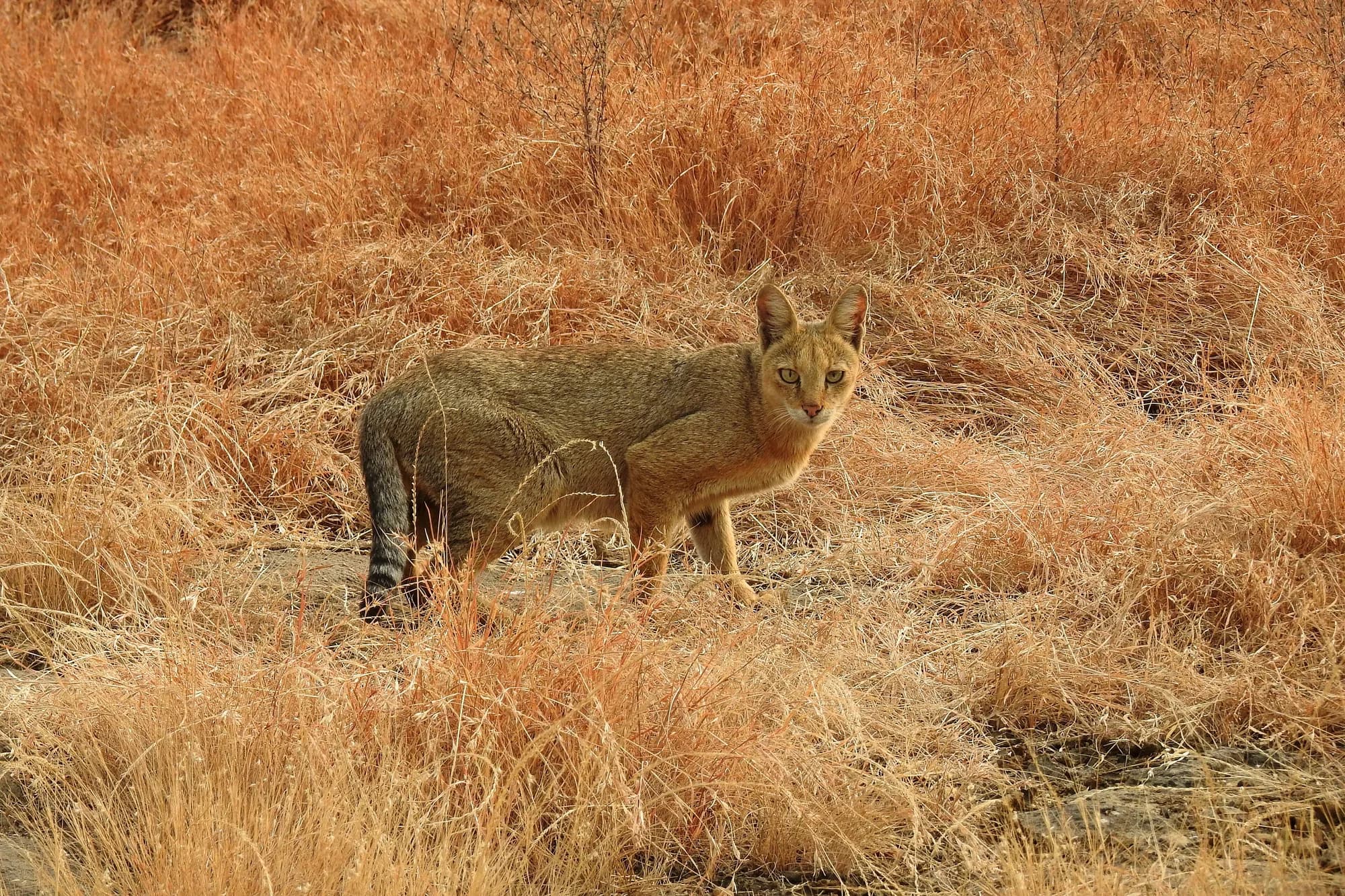
Species · Felis chaus
Jungle cat
India's most-seen wild cat and its most misidentified. Long-legged, plain sandy, tuft-eared, and reported variously as a caracal, a leopard cub and somebody's escaped tabby.
Also called
- Jangli billi (जंगली बिल्ली) · Hindi
- Ran manjar · Marathi
- Ban biral · Bengali
Checked 30 Aug 2026
- Where
- Across almost all of India
- Best months
- November–April
- Habitat
- Grass, scrub, crop edge
- Note
- Most-seen wild cat here
One of the most widely distributed carnivores in India, using grassland, scrub, wetland edge and farmland — including ground no other cat here will use.
Where it is
Where to actually go
Ranked, with the reason each — these are not interchangeable.
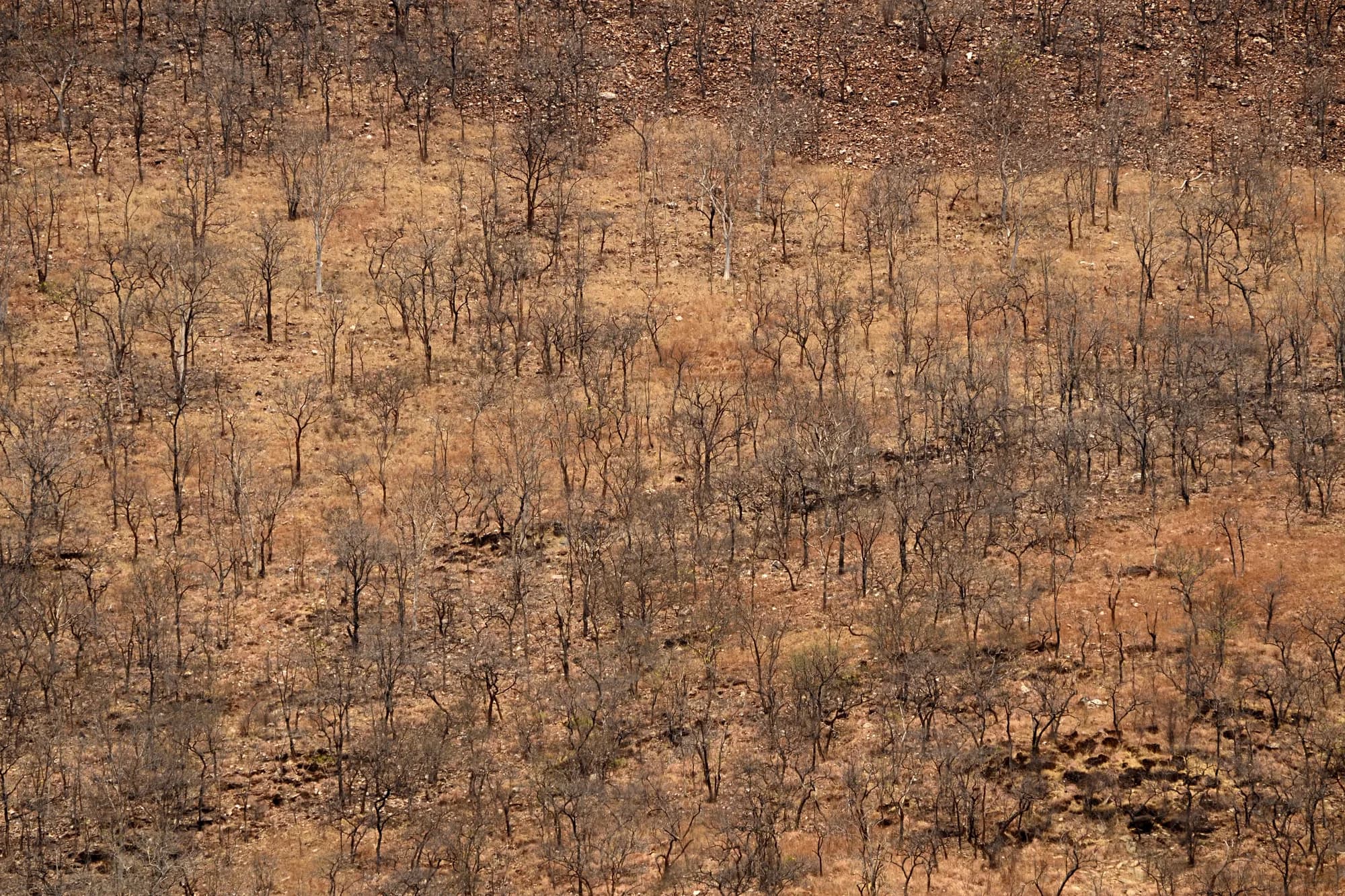
- 01RanthamboreRajasthanOpen ground and lake edges produce regular daylight sightings, often hunting.Almost guaranteed over three days
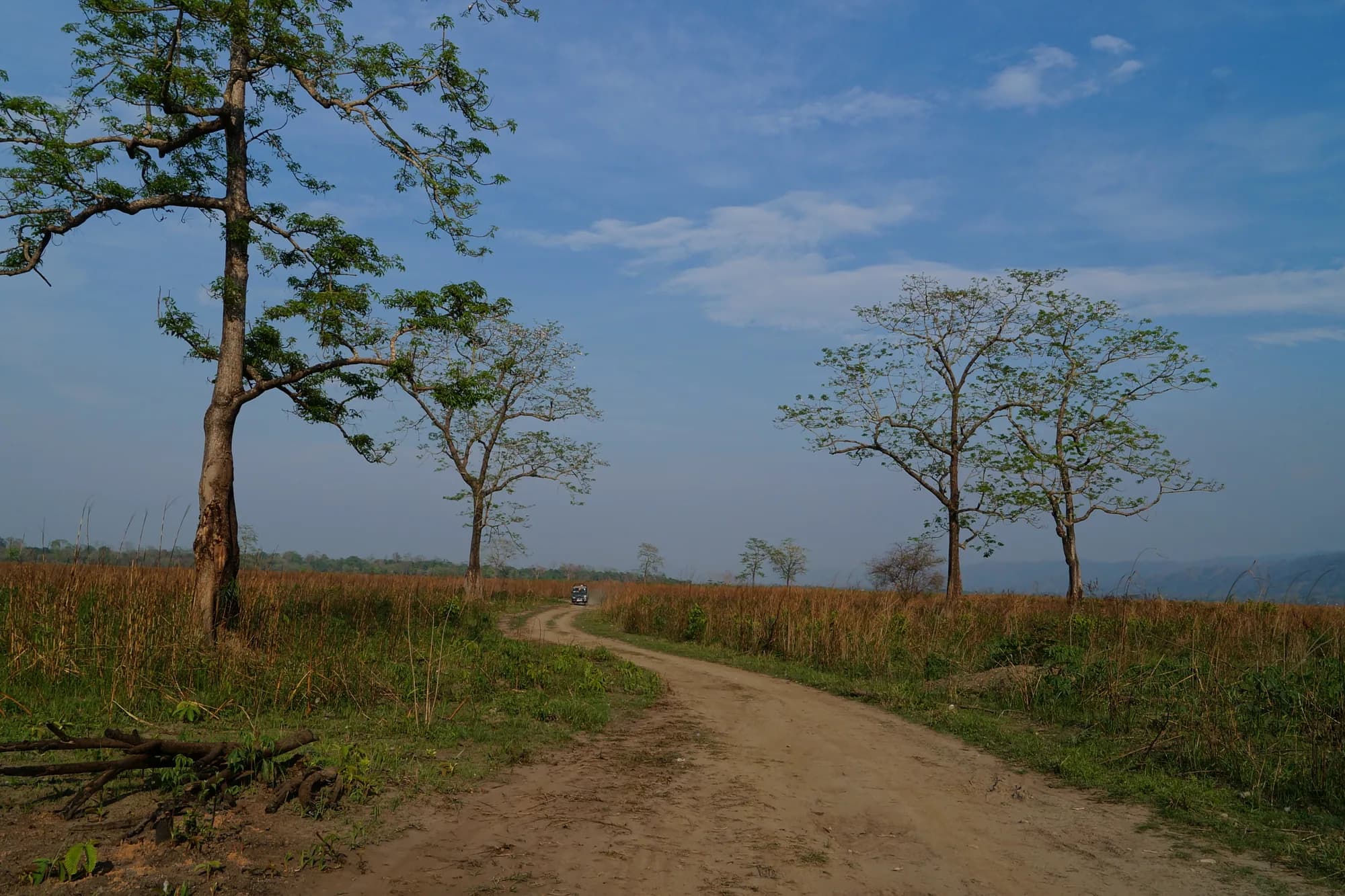
- 02CorbettUttarakhandThe grassland chaurs are excellent for them, and sightings are frequent.Morning shift on the chaurs
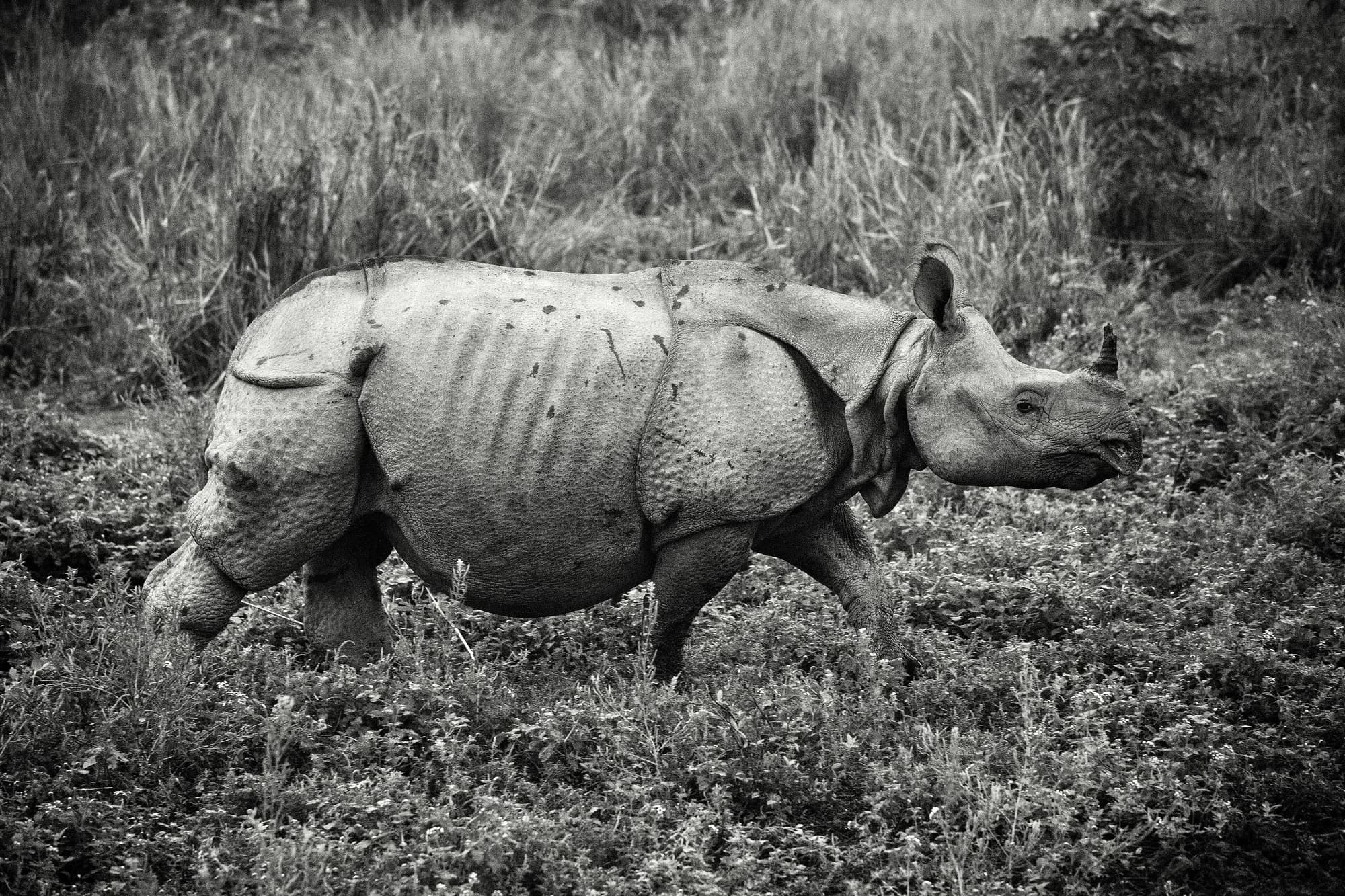
- 03KazirangaAssamRegular in the grassland, alongside the rhinos.A constant background presence
Where you will not see one
- Deep forestA common wrong assumption from the name. Jungle cats prefer open grassland, reed bed, scrub and crop edge, and are scarce inside closed canopy.
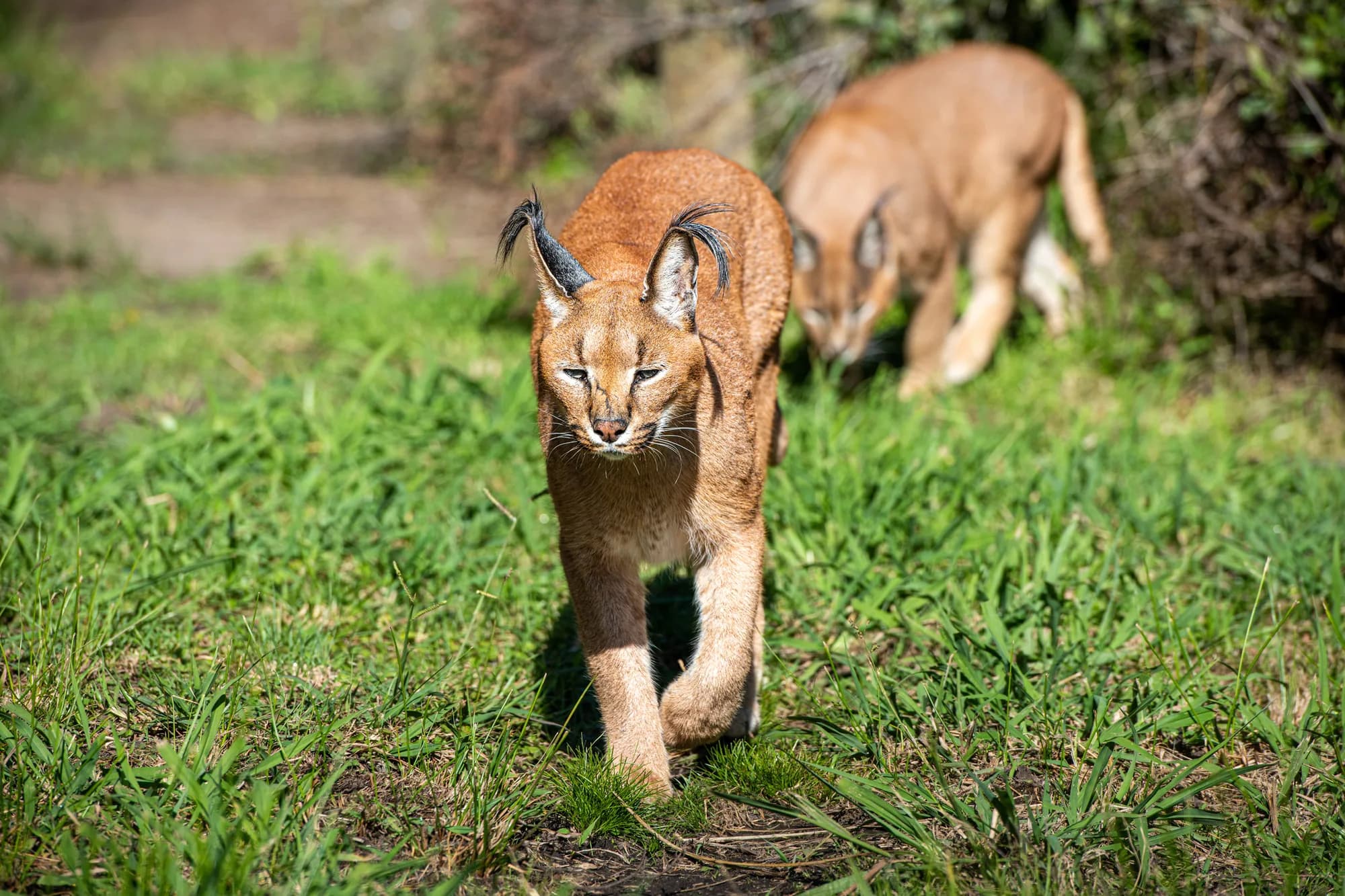
- As a caracalThe upgrade most often applied to this animal. Caracal ear tufts are long, black and dramatic; a jungle cat's are small dark points a centimetre or so long.
When to go
When to go
- J
- F
- M
- A
- M
- J
- J
- A
- S
- O
- N
- D
January: best. February: best. March: best. April: good. May: marginal. June: marginal. July: closed or unproductive. August: closed or unproductive. September: closed or unproductive. October: marginal. November: best. December: best.
Through the day
- Dawn
- Morning
- Midday
- Afternoon
- Dusk
- Night
Dawn: most active. Morning: active. Midday: usually resting. Afternoon: active. Dusk: most active. Night: active.
Telling it apart
Told apart from
Dry scrub at dusk
Ear tufts. A caracal's are long, straight and black, obvious in silhouette; a jungle cat's are small points. Caracals are also rare and jungle cats are everywhere, so the prior probability matters.
Forest edges at night
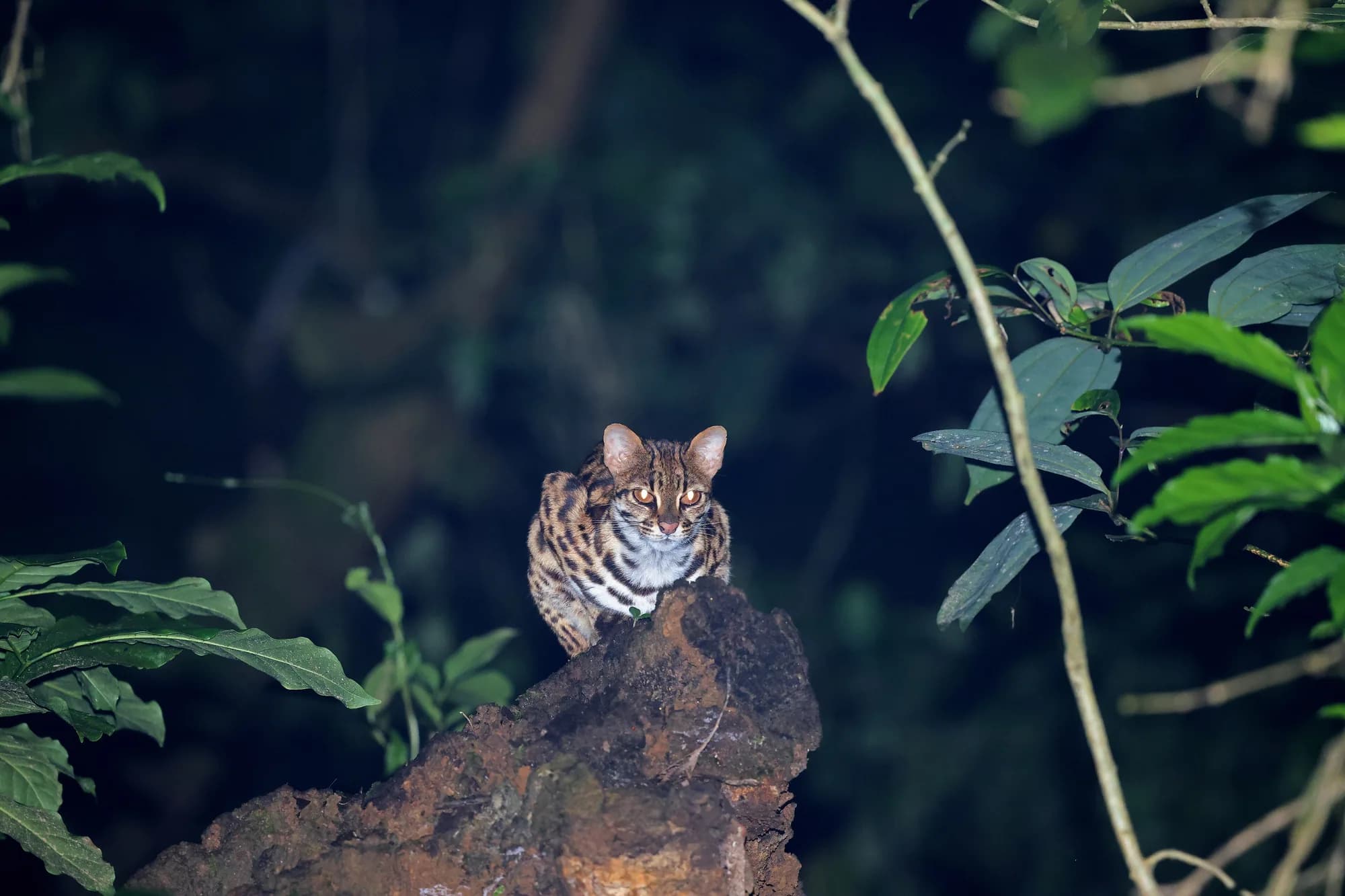
Spots. Leopard cats are boldly spotted with white face stripes; jungle cats are plain sandy with no body markings at all.
A feral domestic cat
Village edges and buffer zones
Leg length and tail. Jungle cats are noticeably long-legged with a short tail — roughly a third of the body — where a domestic cat is shorter-legged with a long tail.
Marks chosen to be usable from a moving vehicle — a jungle cat is rarely still and never close enough for anything subtler.
What it looks like in the field
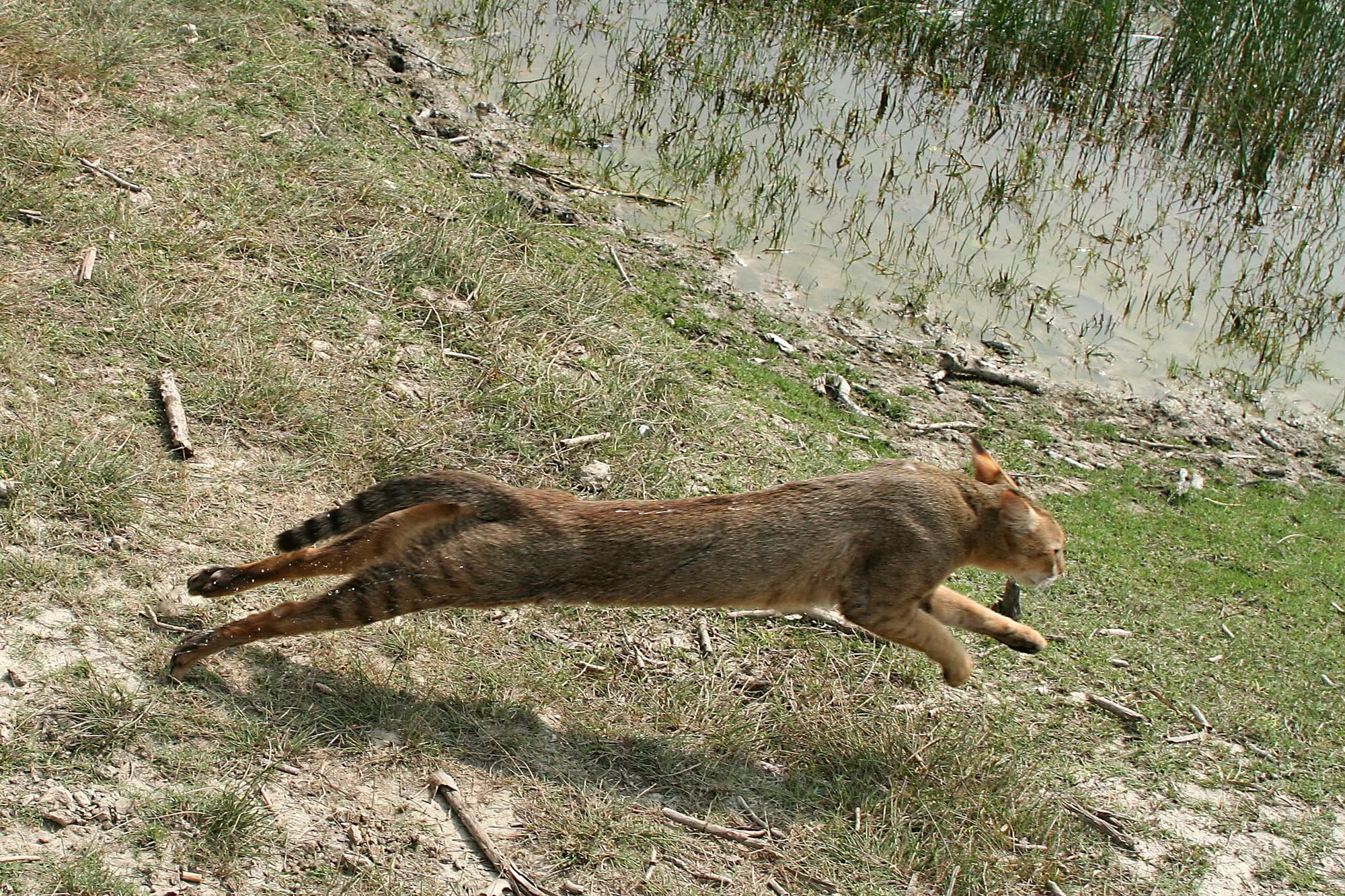
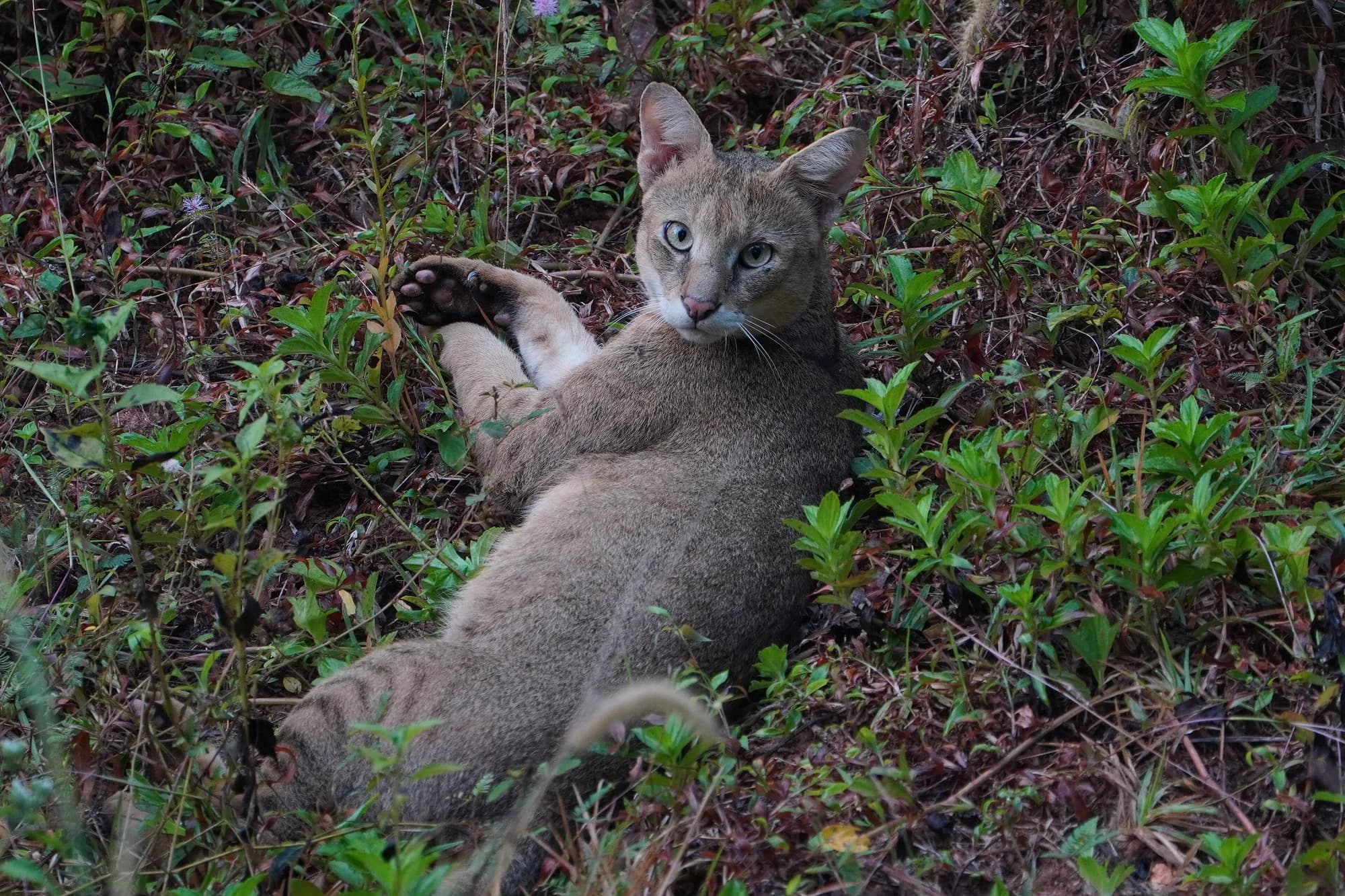
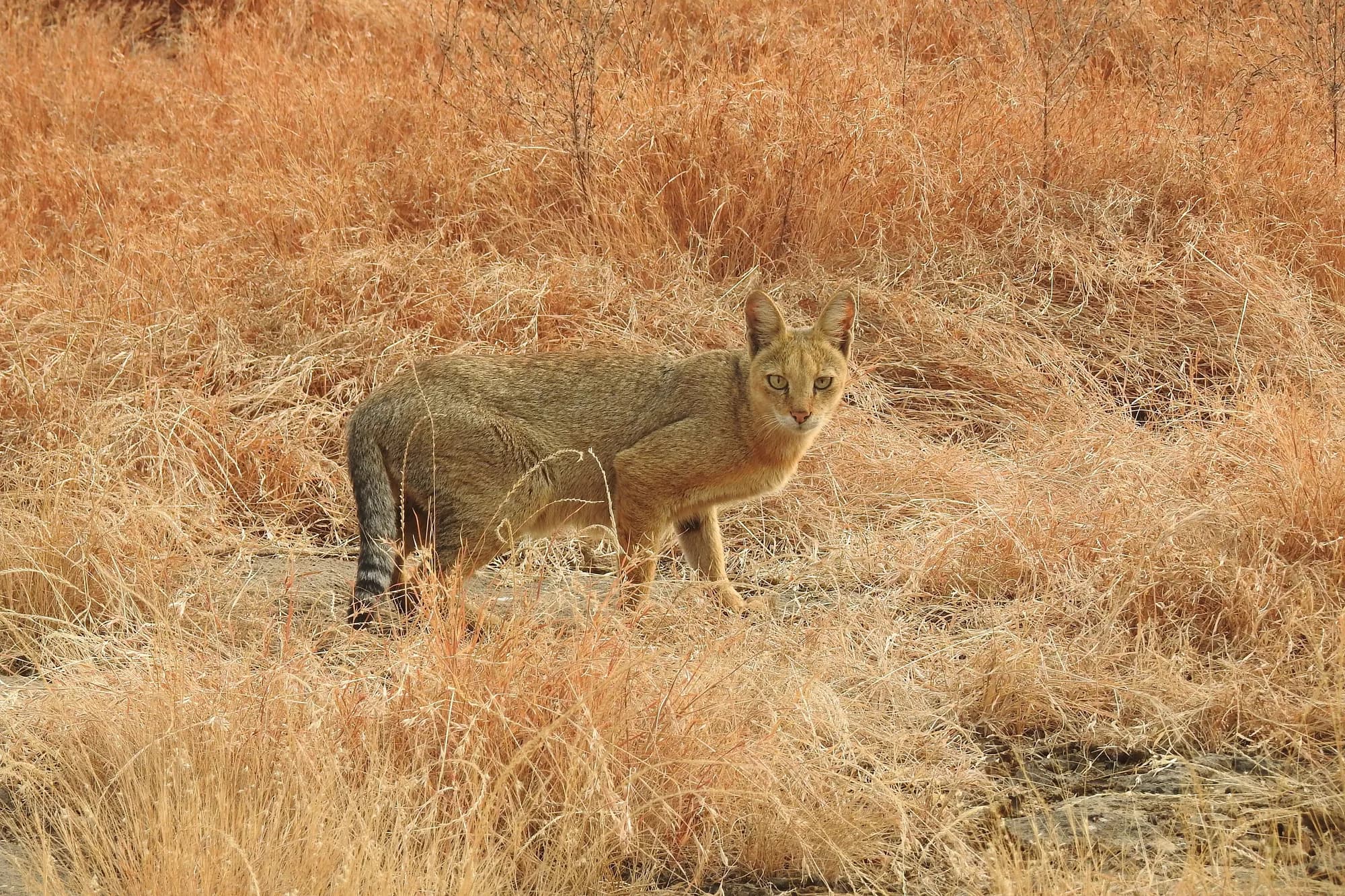
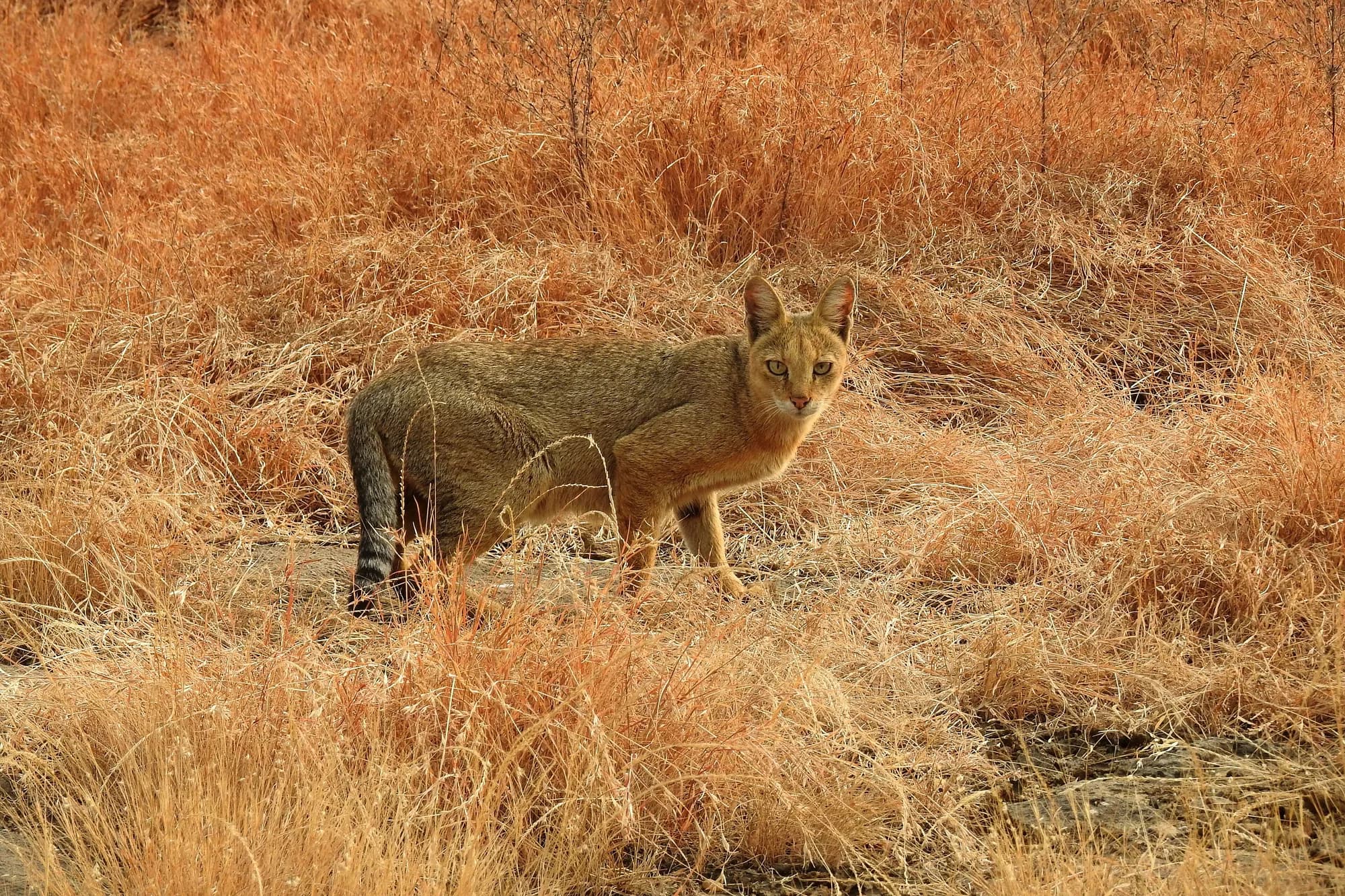
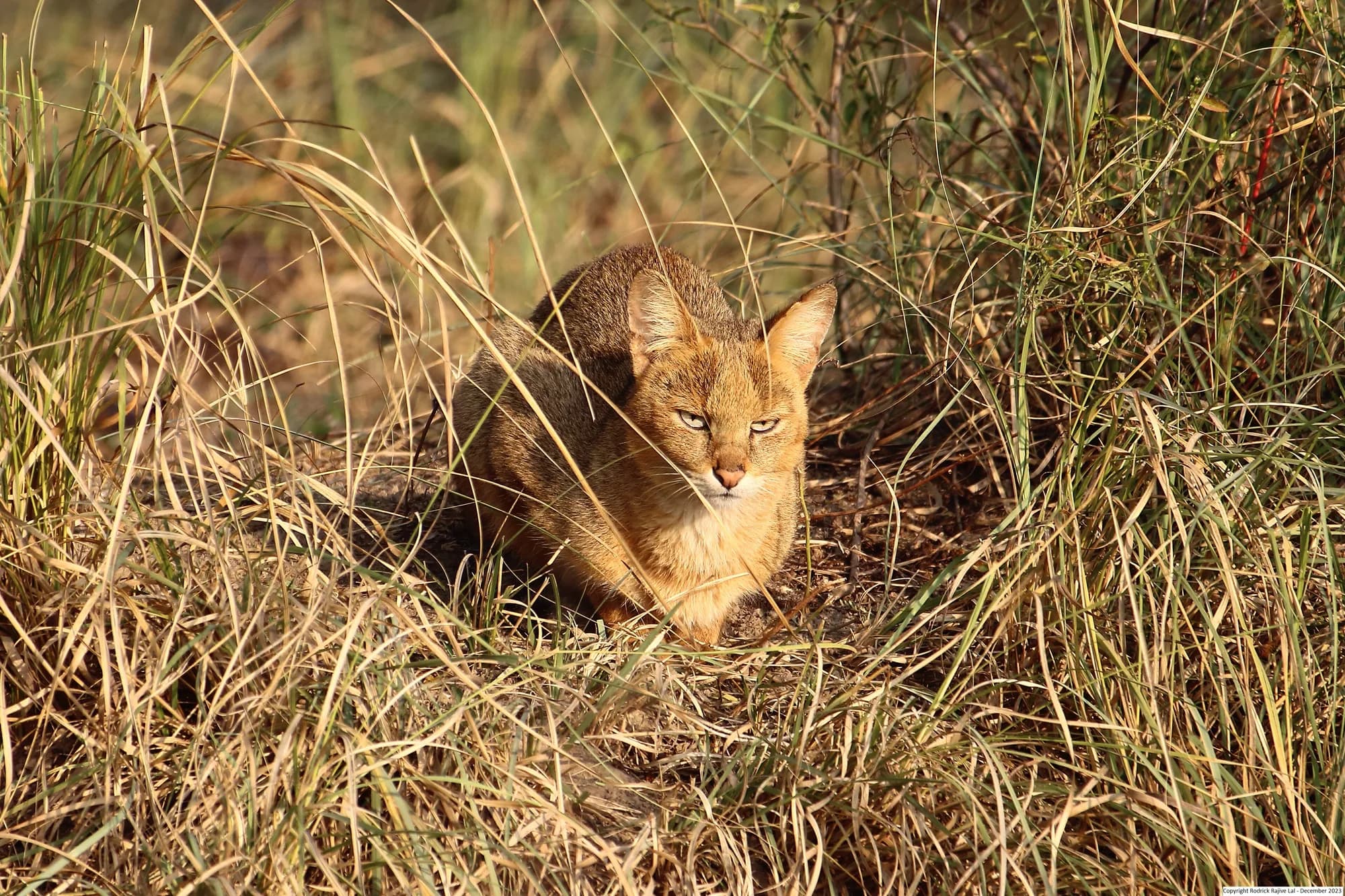
Photographs of Jungle cat in the wild, in Indian reserves. We publish no captive, baited or digitally composited images, and no photograph whose licence we cannot show.
What a sighting is actually like
Often the best cat-hunting you will watch. A jungle cat working a grass edge in daylight, pausing, then launching a vertical pounce onto something in the grass — a full hunting sequence, in the open, with no waiting.
You will see this cat hunt. You will almost certainly never see a tiger hunt.
Worth stopping for
Almost every vehicle drives past. It is plain, it is common, and it is not the animal anybody paid for, which means the one wild cat most visitors actually get to watch behaving naturally goes unwatched.
Status and protection
Status and protection
- IUCN Red List
- Least Concern
- Population trend
- ↓ Decreasing
- Wildlife Protection Act 1972
- Schedule I (post-2022 amendment numbering)
- CITES
- Appendix II
Species-level global assessment of Felis chaus; the binomial given is the full species, not an Indian subspecies.
Assessed 2014 (amended version of the 2016 assessment, published in the 2021 Red List) · IUCN Red List assessment
What to book to see one
What you would be booking
- How it is seen
- Any jeep safari. No arrangement needed at all.
- Drives to book
- You will very likely see one without trying, on almost any central or northern Indian safari.
Worth stopping for anyway. It is genuinely a wild cat, it is hunting in front of you in daylight, and it is passed over constantly because it is not stripey.
Ranthambore — the park in fullQuestions people ask
Is the jungle cat common in India?
How do I tell it from a caracal?
Does it live in the jungle?
Read next
Ranthambore, and vanishingly rarely
Caracal — what people think they saw
Possibly the hardest cat to see in India. A handful of Ranthambore camera-trap records and a few sightings a decade carry the entire demand for this animal.
Night drives, and misreported constantly
Leopard cat — the spotted one
A house-cat-sized spotted cat with bold white face stripes, common across forested India, and the animal most often reported as a leopard cub.
Rajasthan
Ranthambore — the park in full
Dry forest around a fort, and the easiest reserve to reach from Delhi — which is exactly why it is the busiest.
Tadoba, and the smallest cat alive
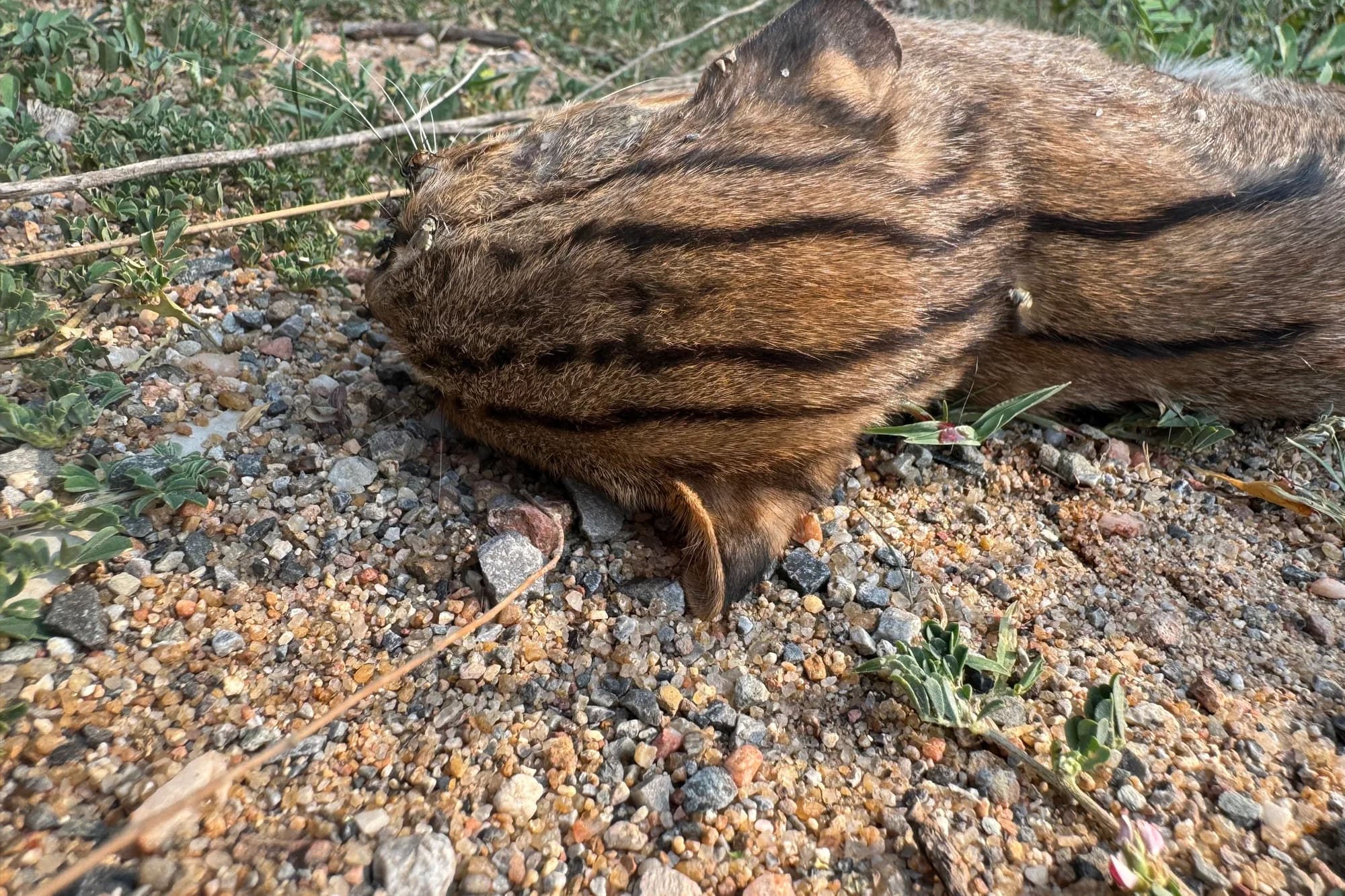
Rusty-spotted cat — the tiny one
The smallest wild cat in the world, roughly half the weight of a house cat, and Tadoba is the most reliable place on earth to see one.