
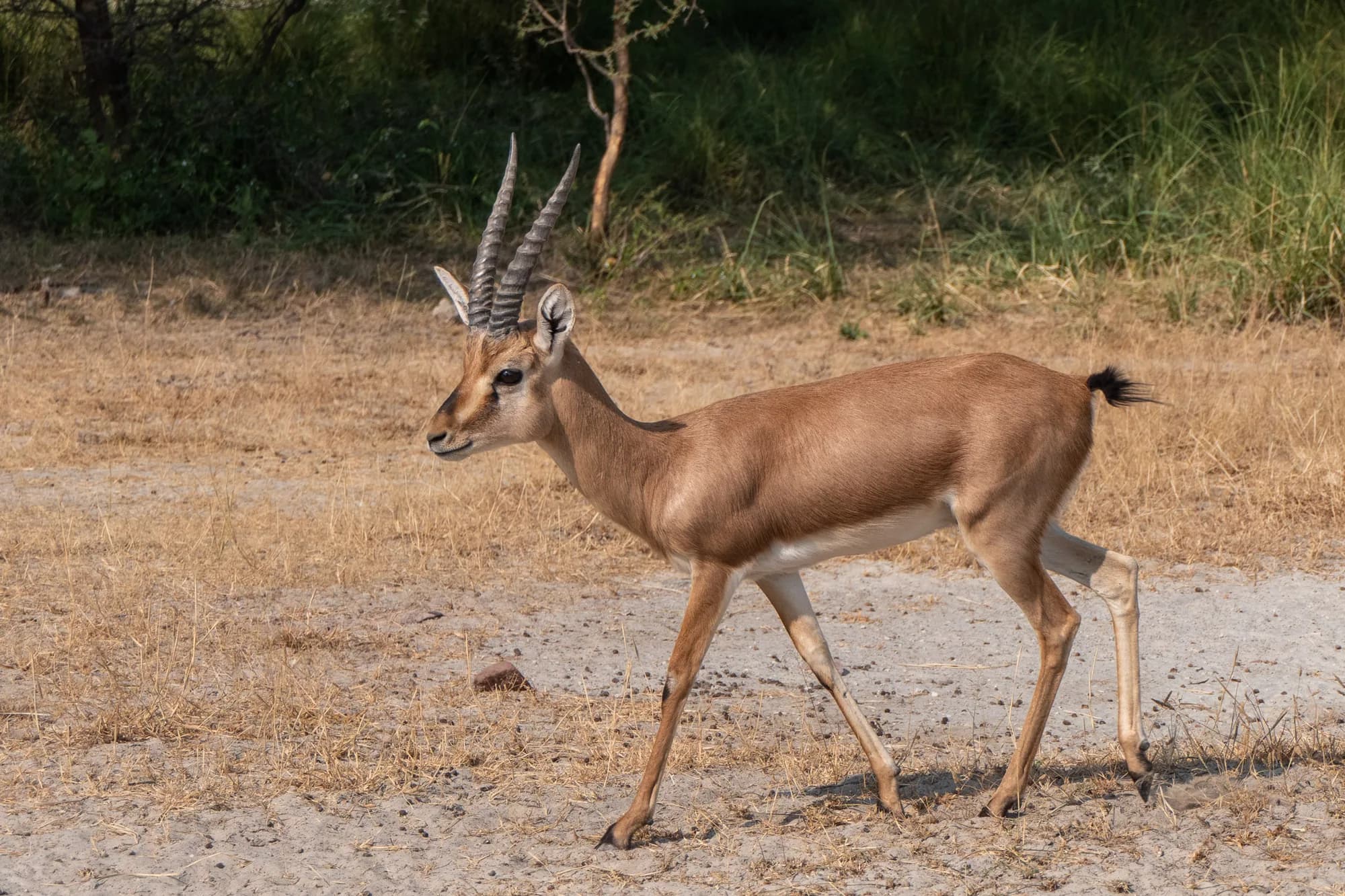
Species · Gazella bennettii
Chinkara
India's gazelle — small, sandy and built for heat, going long stretches without drinking. The animal that makes Ranthambore and Jawai look like the dry country they are.
Also called
- Chinkara (चिंकारा) · Hindi
- Chikara · Hindi
- Chinkara · Gujarati
Checked 30 Aug 2026
- Where
- Rajasthan, Gujarat & the dry belt
- Best months
- November–March
- Water
- Can go without for long
- Note
- India's only gazelle
Arid and semi-arid scrub, sand and open dry forest across northwestern India.
Where it is
Where to actually go
Ranked, with the reason each — these are not interchangeable.
- 01JawaiRajasthanOpen scrub between granite hills, with chinkara in the foreground of almost every leopard photograph anyone takes here.Constant, and worth looking at
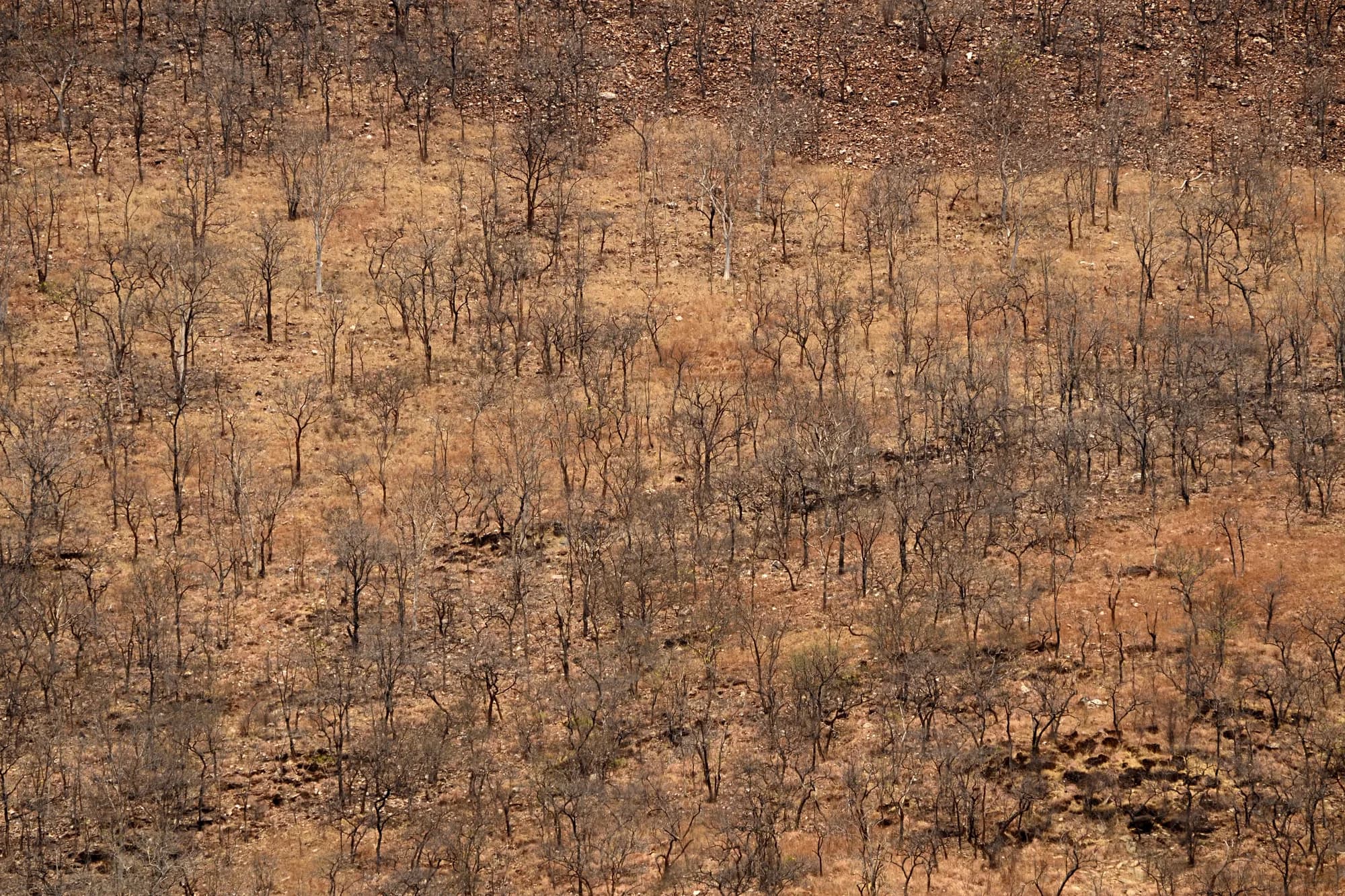
- 02RanthamboreRajasthanDry forest and open ground, with regular sightings on most routes.A background presence
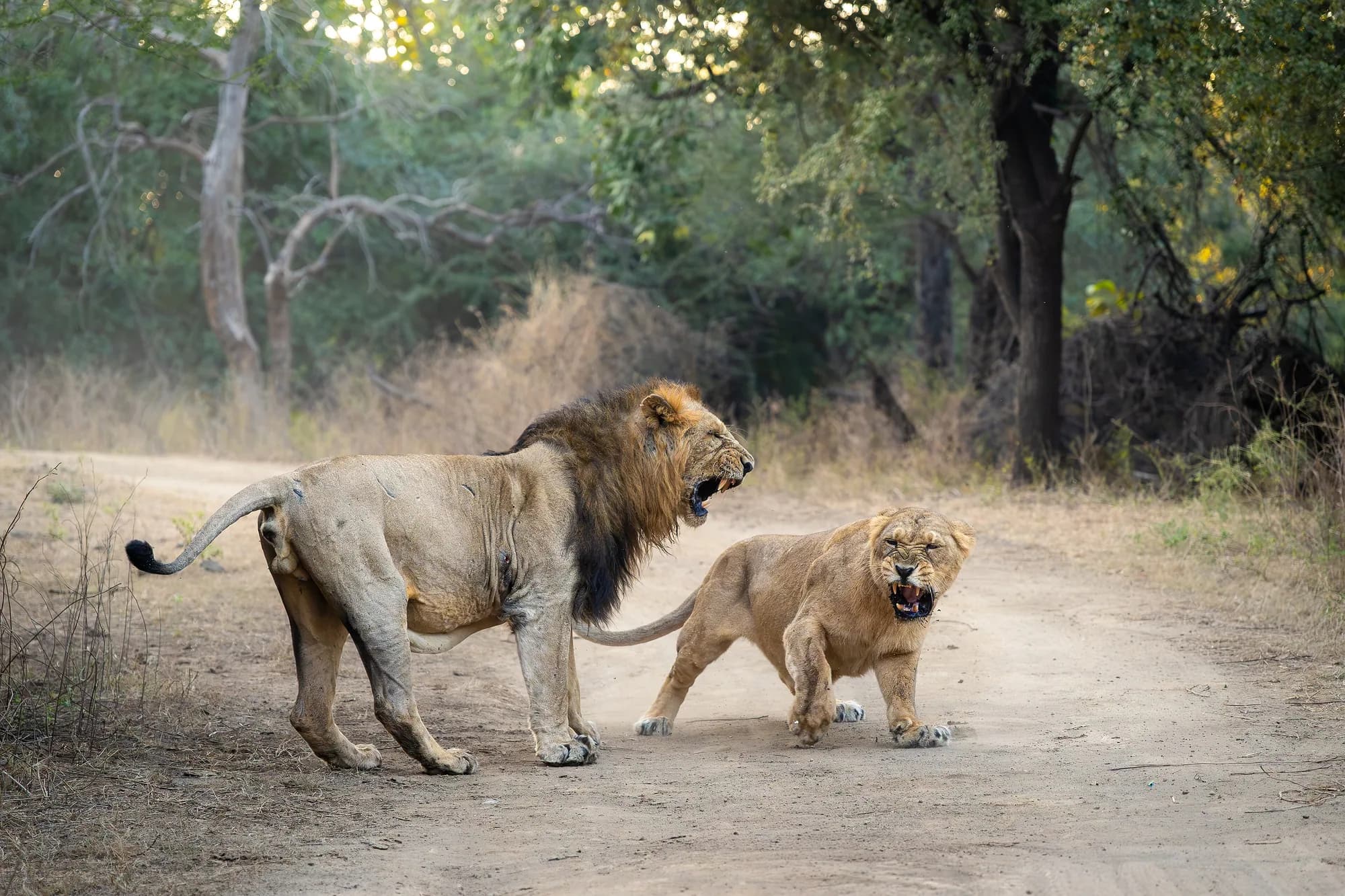
- 03GirGujaratThe drier edges of the forest hold them, alongside blackbuck.Both antelopes in one drive
Where you will not see one
- Wet or forested IndiaNothing in the Ghats, the Northeast or the moist central forests. This is a dry-country specialist.
- Confused with blackbuckDifferent animal. Blackbuck are larger with long spiral horns and, in mature males, a hard black-and-white coat. Chinkara are small, sandy and have short ringed horns in both sexes.
When to go
When to go
- J
- F
- M
- A
- M
- J
- J
- A
- S
- O
- N
- D
January: best. February: best. March: best. April: good. May: marginal. June: marginal. July: closed or unproductive. August: closed or unproductive. September: marginal. October: good. November: best. December: best.
Through the day
- Dawn
- Morning
- Midday
- Afternoon
- Dusk
- Night
Dawn: most active. Morning: active. Midday: usually resting. Afternoon: active. Dusk: most active. Night: not normally seen.
What it looks like in the field
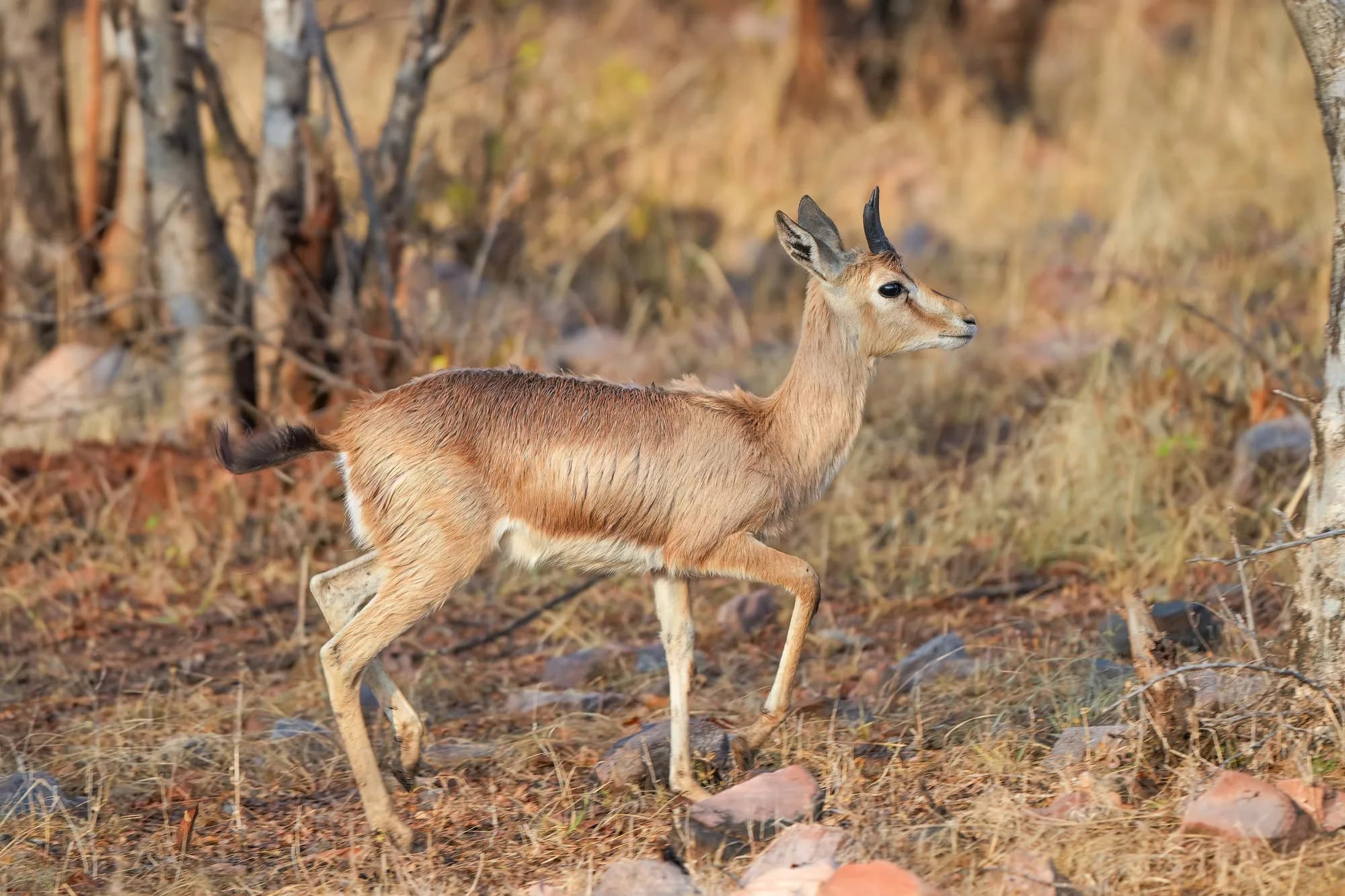
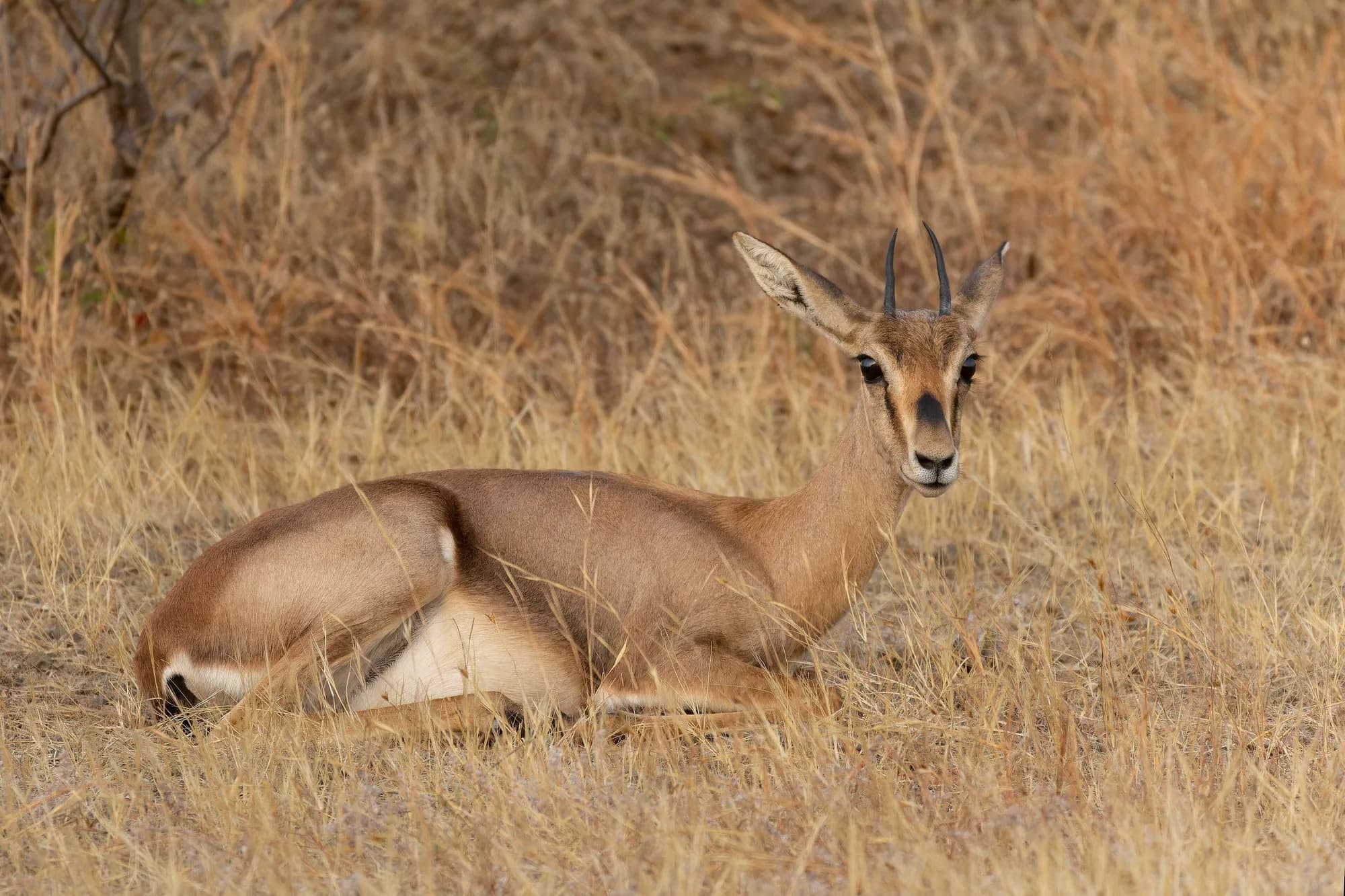
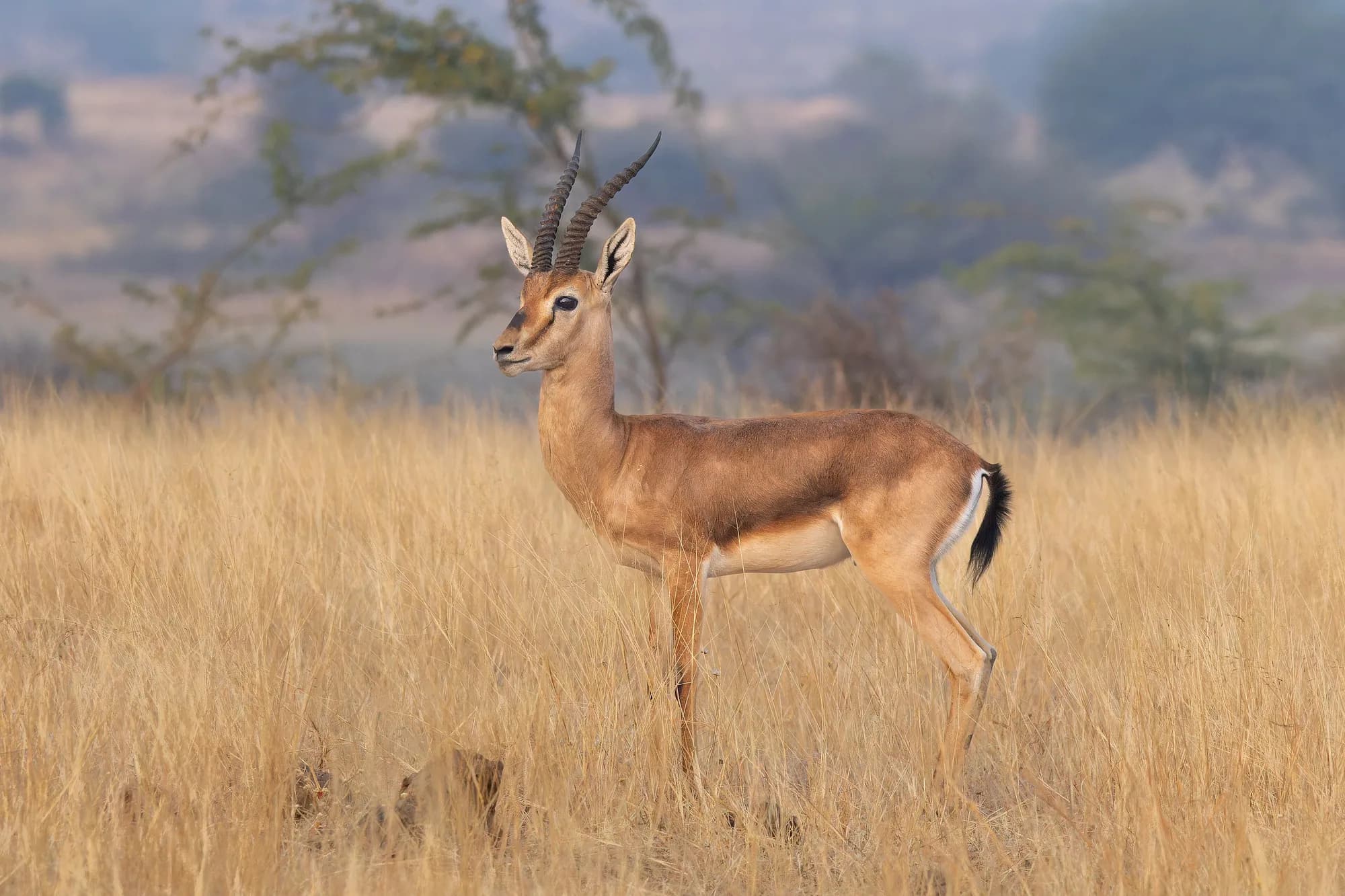
Photographs of Chinkara in the wild, in Indian reserves. We publish no captive, baited or digitally composited images, and no photograph whose licence we cannot show.
What a sighting is actually like
Alert and quickly over. Chinkara are nervous animals in open country and usually give you a head-up stare and then a bouncing run, which is itself worth watching.
They make the landscape read correctly. Without them Ranthambore looks like forest.
Built for no water
Chinkara can survive long periods without drinking, taking what they need from vegetation and dew. It is the adaptation that lets them use ground nothing else grazes.
Status and protection
Status and protection
- IUCN Red List
- Least Concern
- Population trend
- ↓ Decreasing
- Wildlife Protection Act 1972
- Schedule I (post-2022 amendment numbering)
- CITES
- Appendix III (listed by Pakistan)
Species-level global assessment of Gazella bennettii; the binomial given is the full species, not an Indian subspecies.
Assessed 2016 (published in the 2017 Red List) · IUCN Red List assessment
What to book to see one
What you would be booking
- How it is seen
- Any jeep safari in the dry northwestern parks.
- Drives to book
- No arrangement needed. You will see them on most drives at Ranthambore or Jawai.
Look for the dark face stripes. At distance in heat haze they are the quickest way to separate a chinkara from a young nilgai or a goat.
Jawai — the park in fullQuestions people ask
Where can I see chinkara?
How is it different from a blackbuck?
Do chinkara need to drink?
Read next
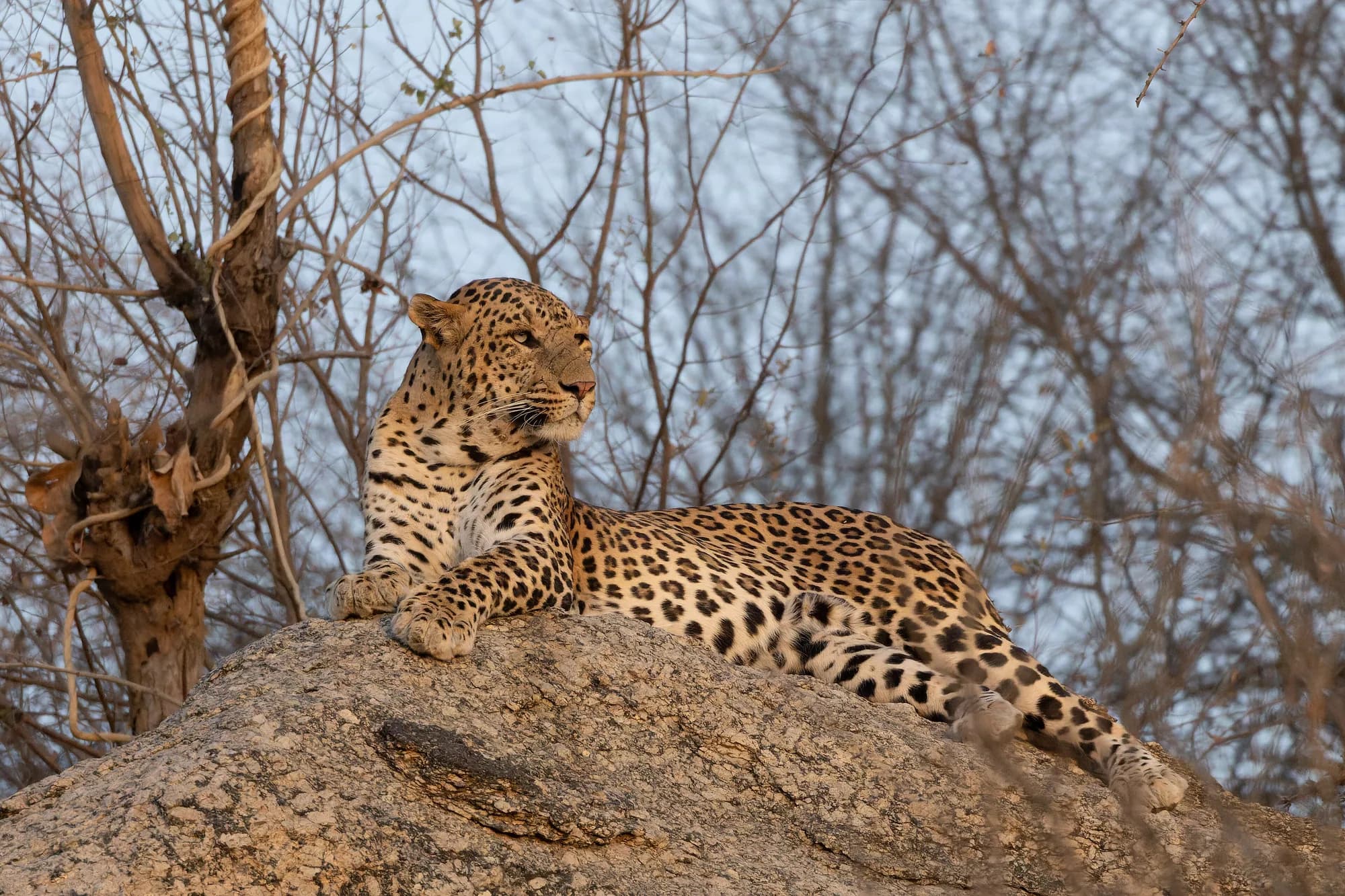
Rajasthan
Jawai — the park in full
Granite hill country where leopards den in caves in full view. Not a national park — a working landscape that happens to hold them.
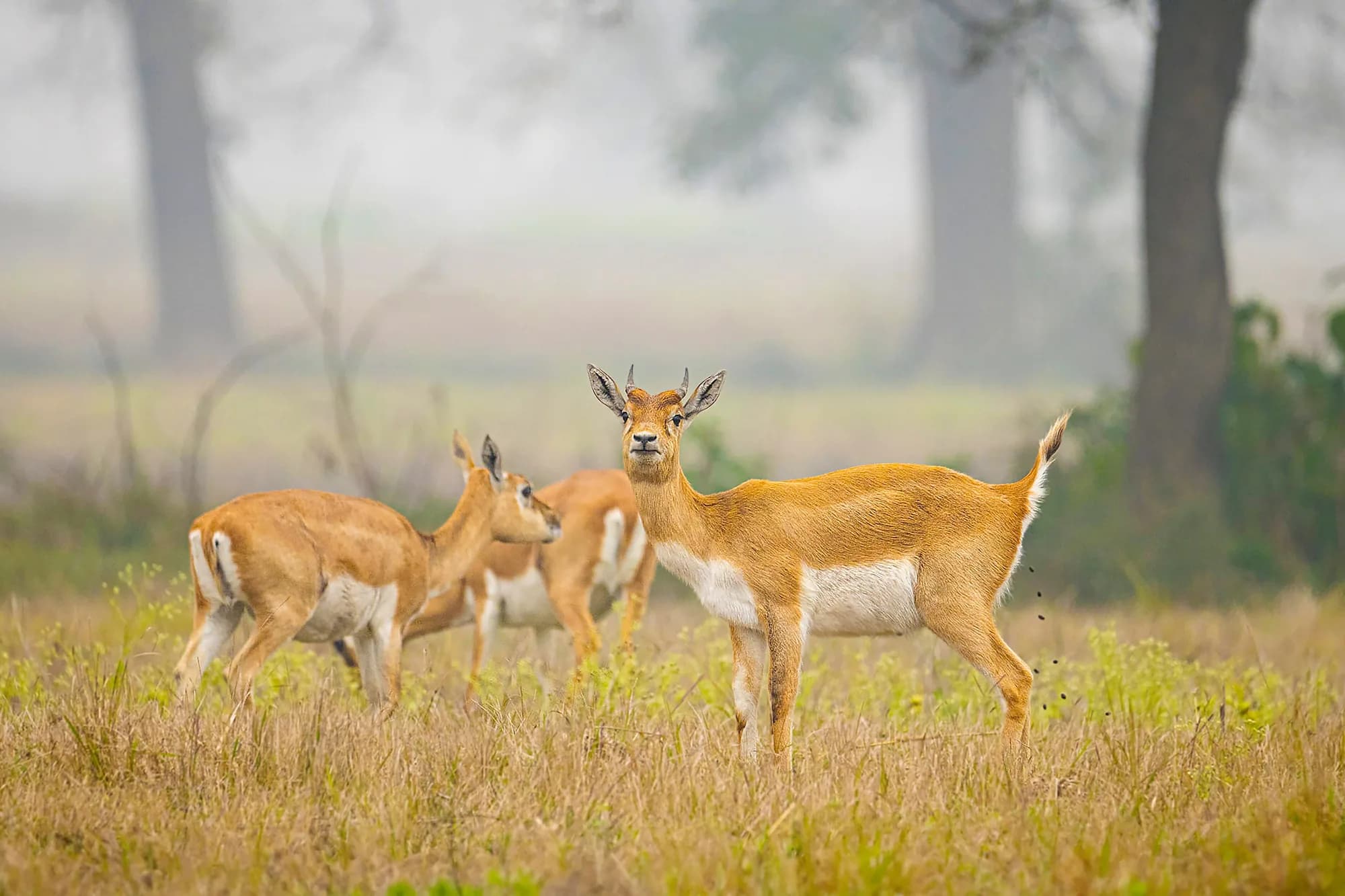
Grassland, and Velavadar above all
Blackbuck — the other antelope
India's most striking antelope — spiral horns, a hard black-and-white male in the rut — on flat open grassland where you can watch a hundred at once.
Everywhere in the north, and ignored
Nilgai — the big one
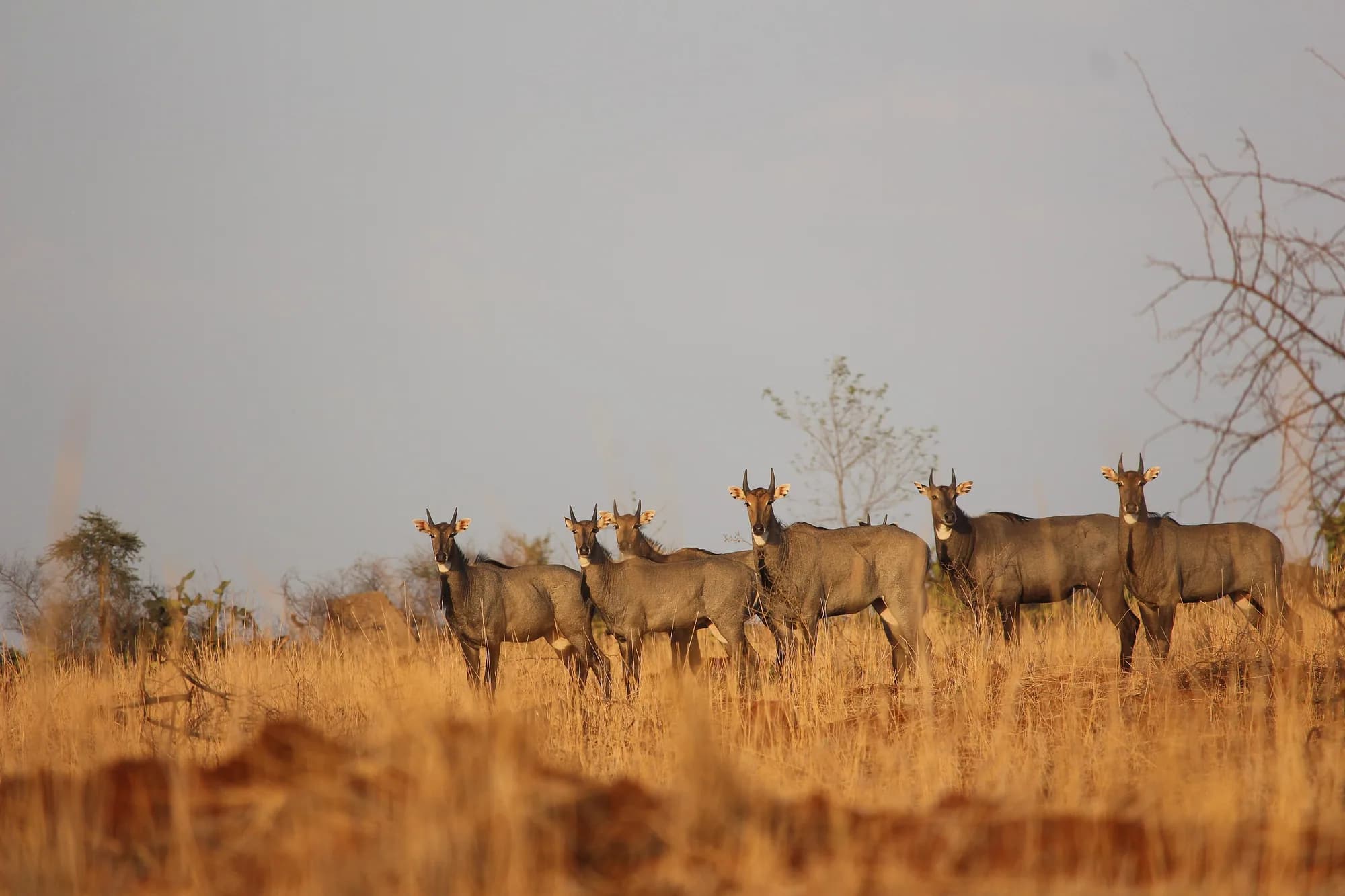
Asia's largest antelope, seen by every visitor to northern India and looked at by almost none of them. The bulls are slate blue-grey and genuinely strange animals.
Rajasthan
Ranthambore — the park in full
Dry forest around a fort, and the easiest reserve to reach from Delhi — which is exactly why it is the busiest.