
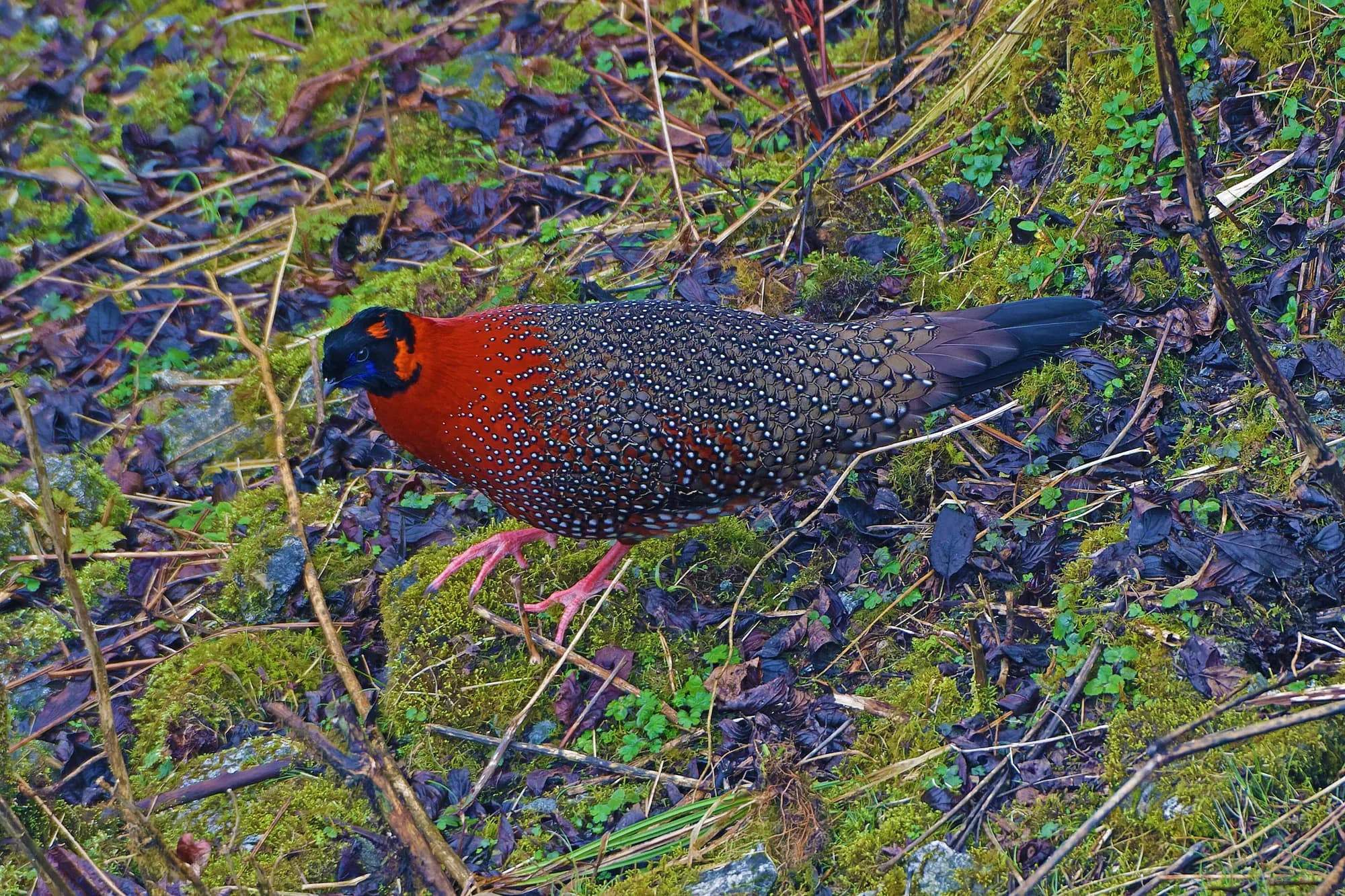
Species · Tragopan satyra
Satyr tragopan
A crimson, white-spotted pheasant in eastern Himalayan rhododendron forest, and the other reason to walk the Singalila ridge in spring.
Also called
- Munal — used loosely for several pheasants · Nepali
- Taak · Lepcha
Checked 30 Aug 2026
- Where
- Sikkim, north Bengal, Arunachal
- Best months
- April–May
- Altitude
- About 2,400–4,000 m
- Pairs with
- Red panda
Moist temperate rhododendron, oak and bamboo forest in the eastern Himalaya — essentially the same band that holds red panda.
Where it is
Where to actually go
Ranked, with the reason each — these are not interchangeable.
- 01SingalilaWest BengalThe ridge trail in April, with birds calling from below the path and red panda in the same forest.April, five days
- 02Neora ValleyWest BengalDenser forest, better habitat, much worse visibility.For a second attempt
Where you will not see one
- The western HimalayaThat is the western tragopan, a different species. The two ranges do not meet.
- Outside springDetectable almost entirely by the breeding call. Off-season this is a bird you walk past.
When to go
When to go
- J
- F
- M
- A
- M
- J
- J
- A
- S
- O
- N
- D
January: marginal. February: marginal. March: marginal. April: best. May: best. June: good. July: marginal. August: marginal. September: marginal. October: good. November: marginal. December: marginal.
Through the day
- Dawn
- Morning
- Midday
- Afternoon
- Dusk
- Night
Dawn: most active. Morning: active. Midday: usually resting. Afternoon: active. Dusk: active. Night: not normally seen.
What it looks like in the field
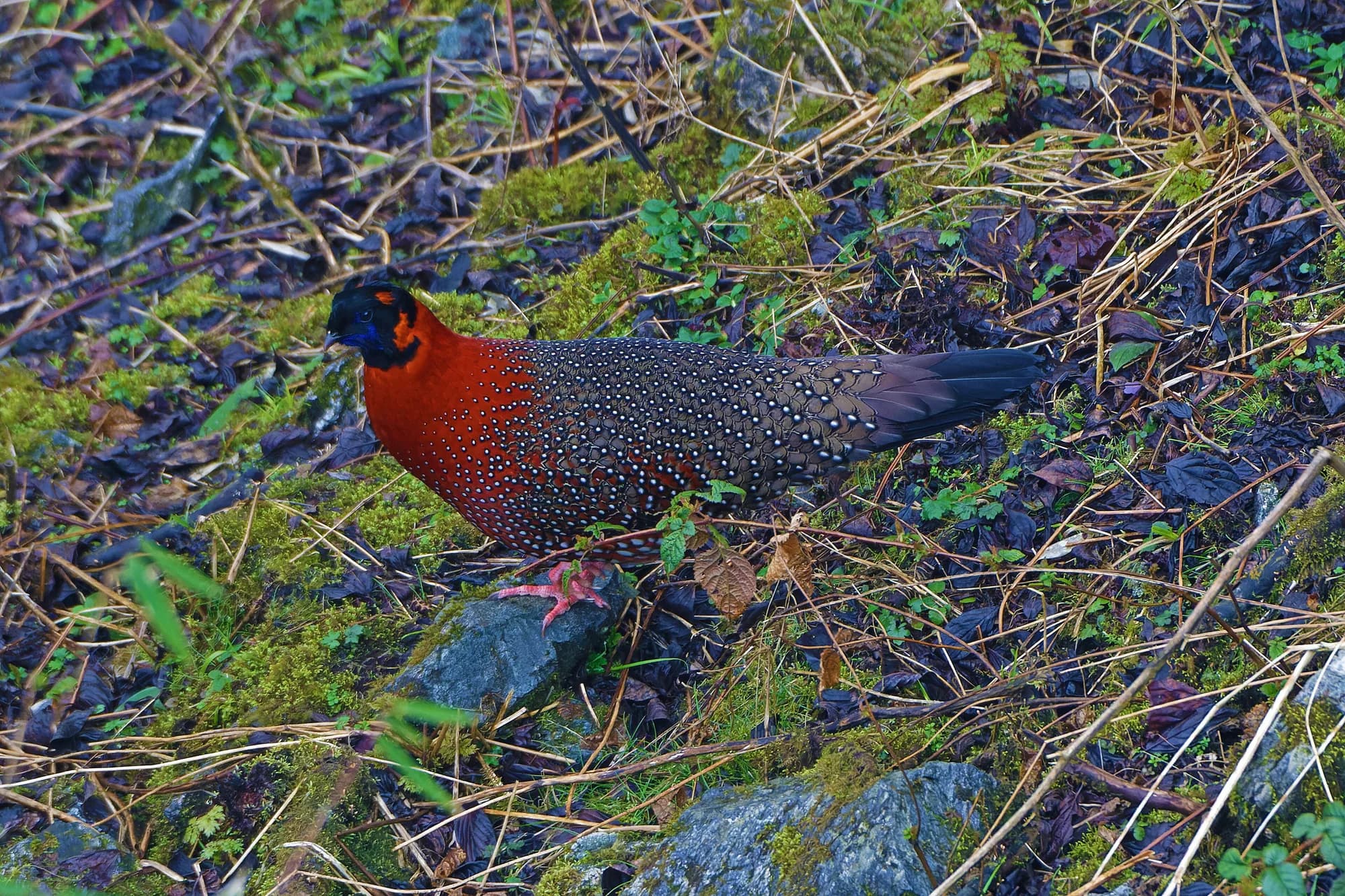
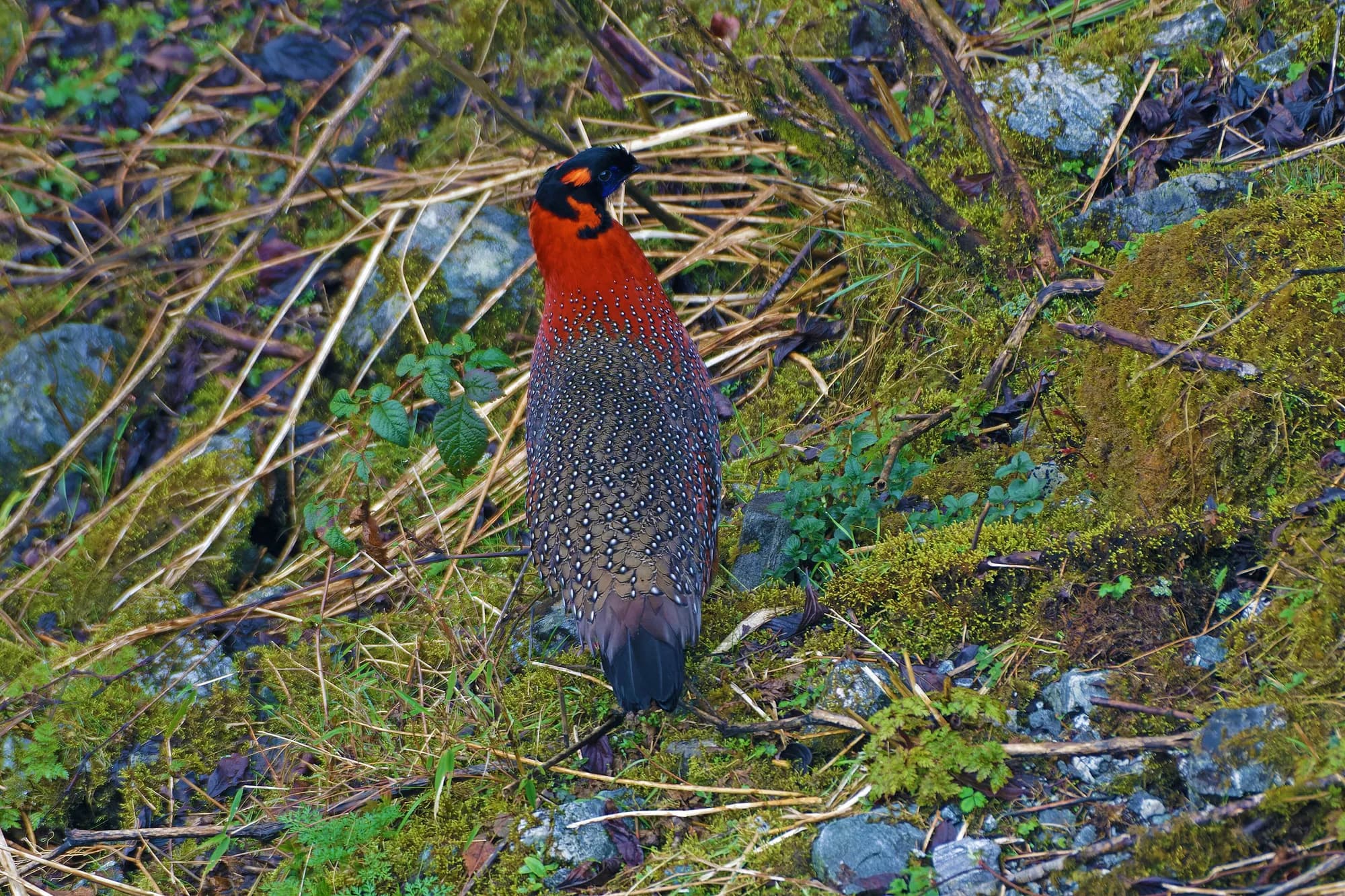
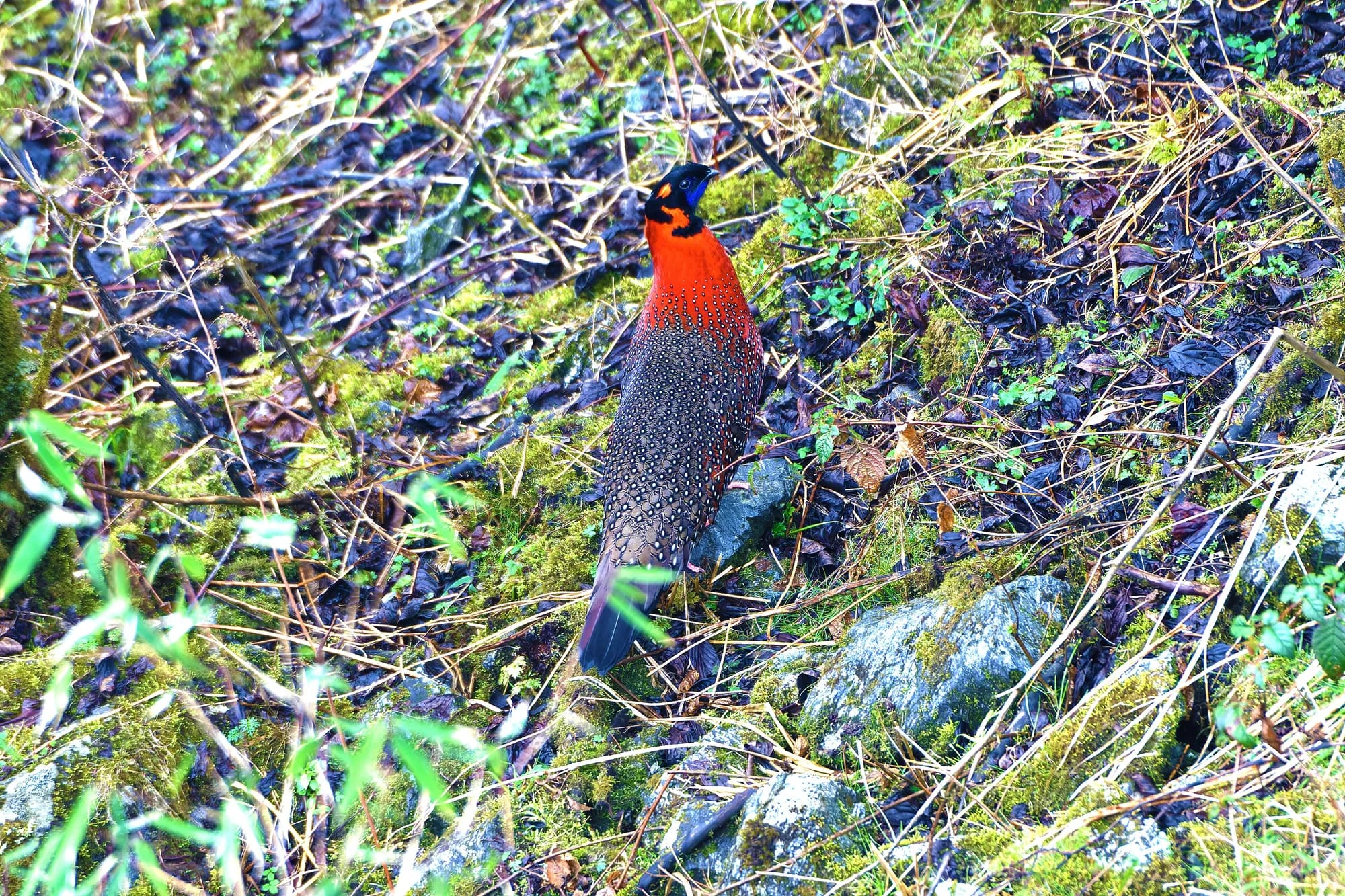
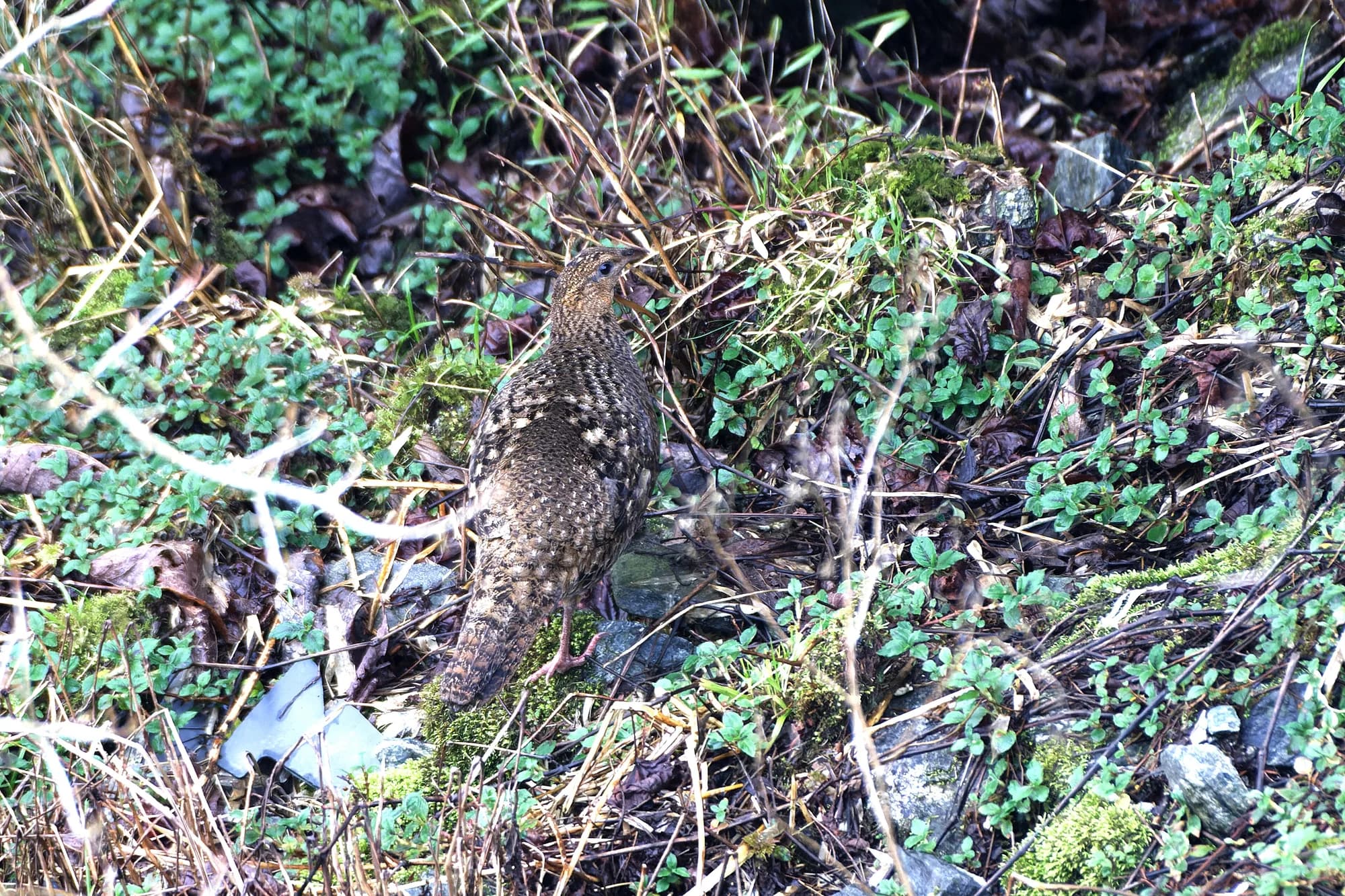
Photographs of Satyr tragopan in the wild, in Indian reserves. We publish no captive, baited or digitally composited images, and no photograph whose licence we cannot show.
What a sighting is actually like
A loud wailing call from below the trail before light, then patience. The good sighting is a male crossing an open patch of trail at dawn — crimson against wet moss, for a few seconds.
Status and protection
Status and protection
- IUCN Red List
- Least Concern
- Population trend
- ↓ Decreasing
- Wildlife Protection Act 1972
- Schedule I
- CITES
- Appendix III
Global, species-level assessment of Tragopan satyra; binomial matches exactly. Last assessed 01 July 2024.
Assessed 2024 · IUCN Red List assessment
What to book to see one
What you would be booking
- How it is seen
- The Singalila ridge trek in spring, with local spotters — the same trip as the red panda.
- Drives to book
- Five days on the ridge covers both species properly.
This is the strongest argument for going to Singalila in April rather than autumn: rhododendron in flower, tragopans calling, and red panda on the same trail.
Red panda — the same trekOn the same trip you would also get
- Red panda — the same Singalila trek, in the same forest
- Himalayan monal — higher on the same ridge
- Western tragopan — the western species
- Koklass pheasant — the same altitude band
Questions people ask
Where can I see a satyr tragopan?
When should I go?
How is it different from a western tragopan?
Read next
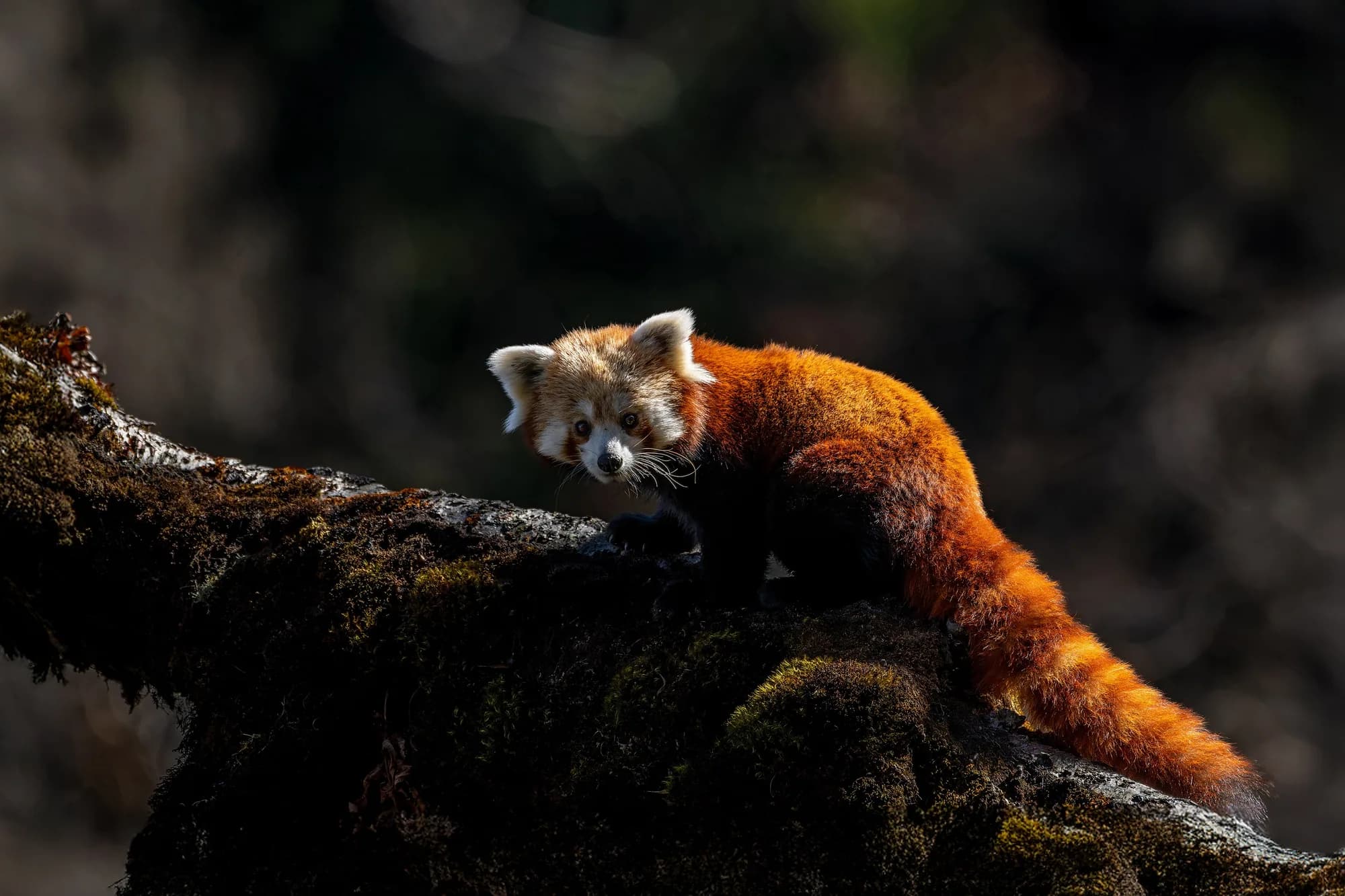
Singalila and Sikkim, above 2,400 m
Red panda — the same trek
Enormous recognition, almost no sightings. A bamboo-eating carnivore in cold cloud forest, found by walking a ridge in the wet and looking at the undersides of branches.
Himachal, and the hardest of them
Western tragopan — the western one
A black-headed, white-spotted pheasant in dense western Himalayan forest, and the hardest galliforme in India to see. A trip-defining bird for the people who want it.
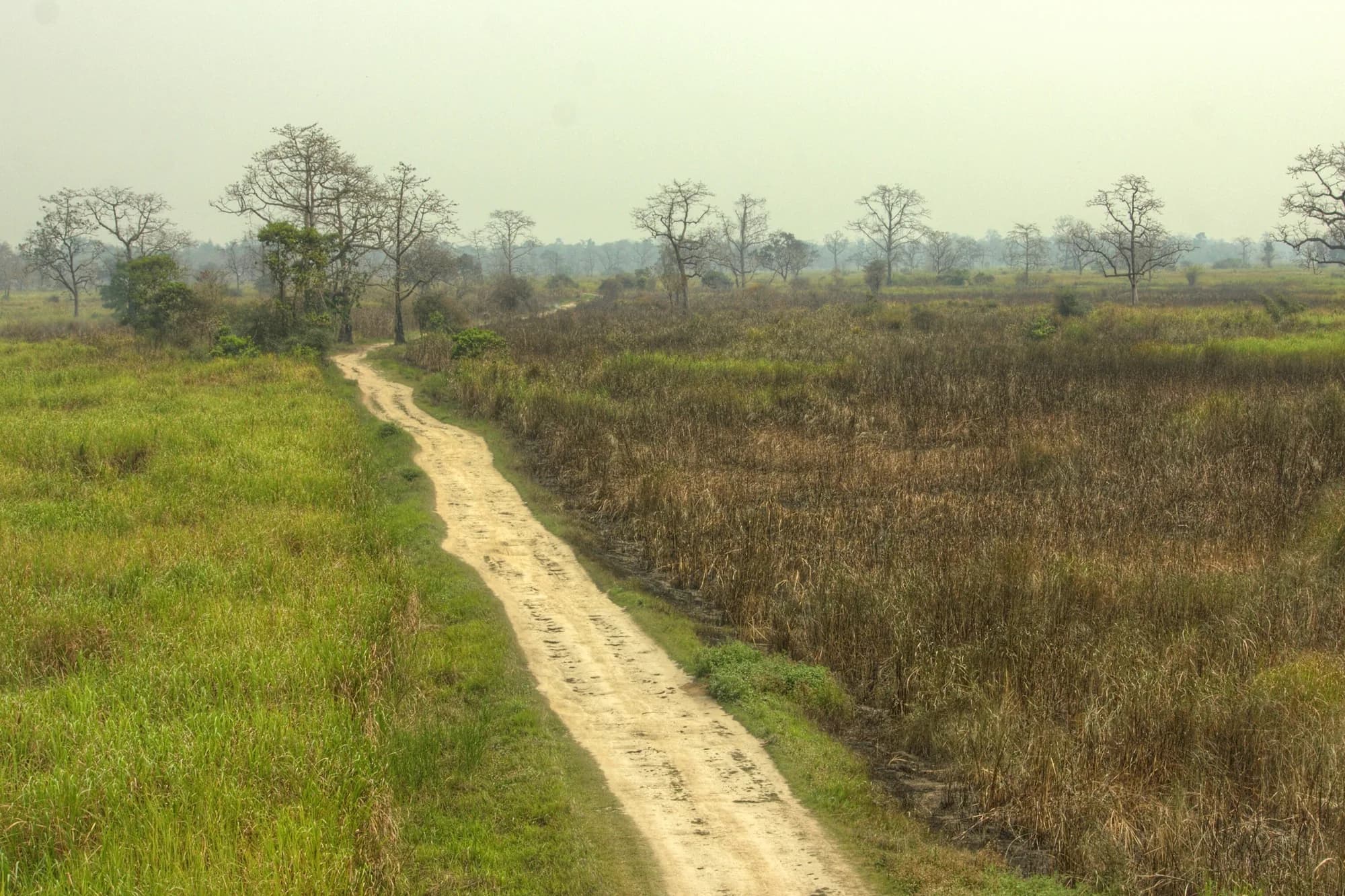
November to February
Birding on an Indian safari
Every reserve here is a birding destination whether or not it is sold as one. Say so when you book.
One short list
What to pack
Most of what gets recommended online is sold by whoever is recommending it. This is the list that is actually short.