
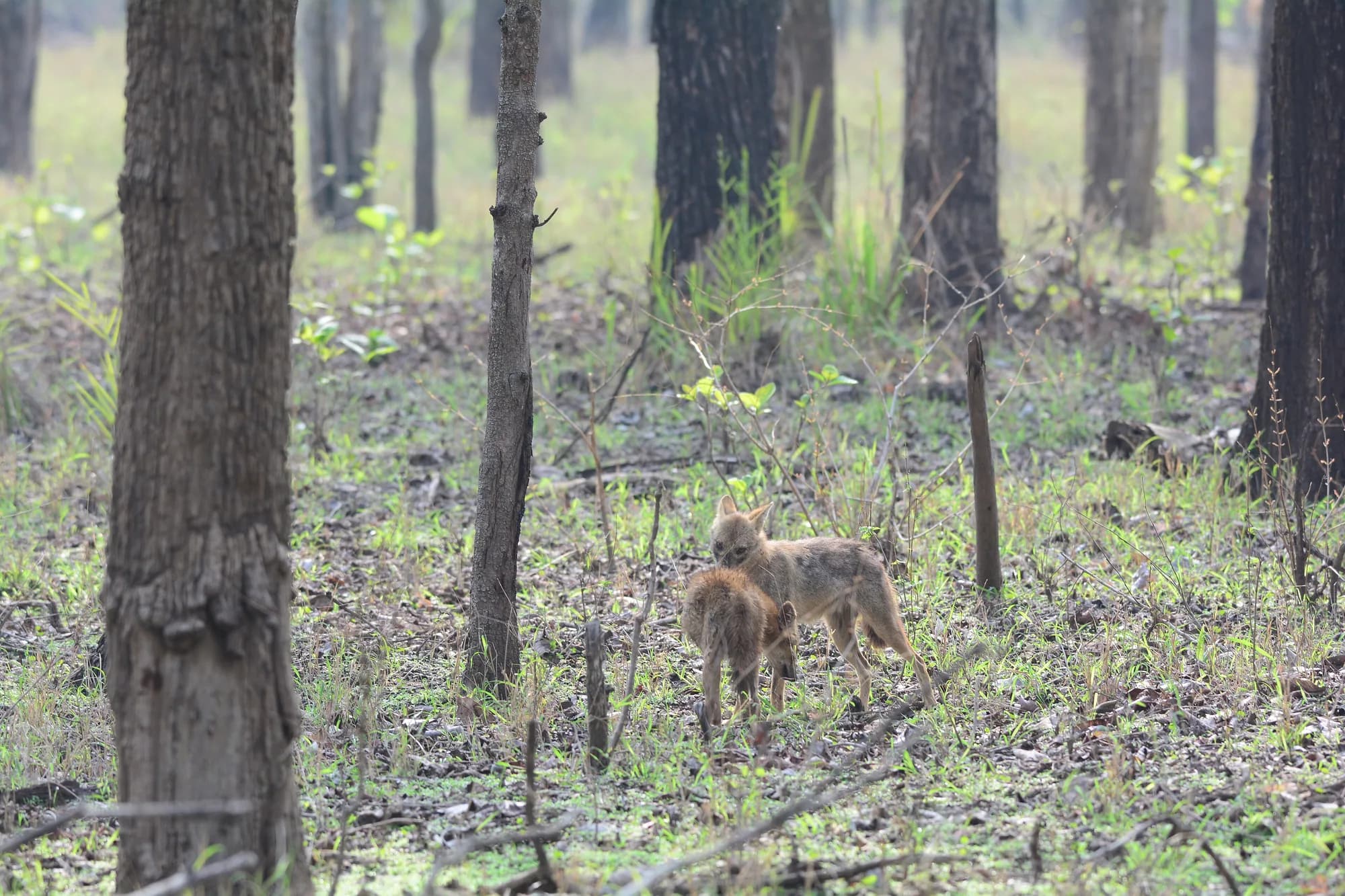
Species · Canis aureus
Golden jackal
The most widespread wild canid in India, seen on almost every drive and identified as almost everything else. The howling that wakes you at the lodge is this.
Also called
- Siyar (सियार) · Hindi
- Gidar · Hindi
- Kolha · Marathi
- Shial · Bengali
Checked 30 Aug 2026
- Where
- Across almost all of India
- Best months
- November–April
- Heard
- At dusk, in chorus
- Note
- Not a fox, not a wolf
Scrub, grassland, farmland and forest edge across almost the whole country. One of the few large carnivores that has adapted well to living near people.
Where it is
Where to actually go
Ranked, with the reason each — these are not interchangeable.
- 01RanthamboreRajasthanAbundant and confiding, often around the lakes at dusk with the whole picture — deer, crocodiles, jackals — in one frame.Evening shift
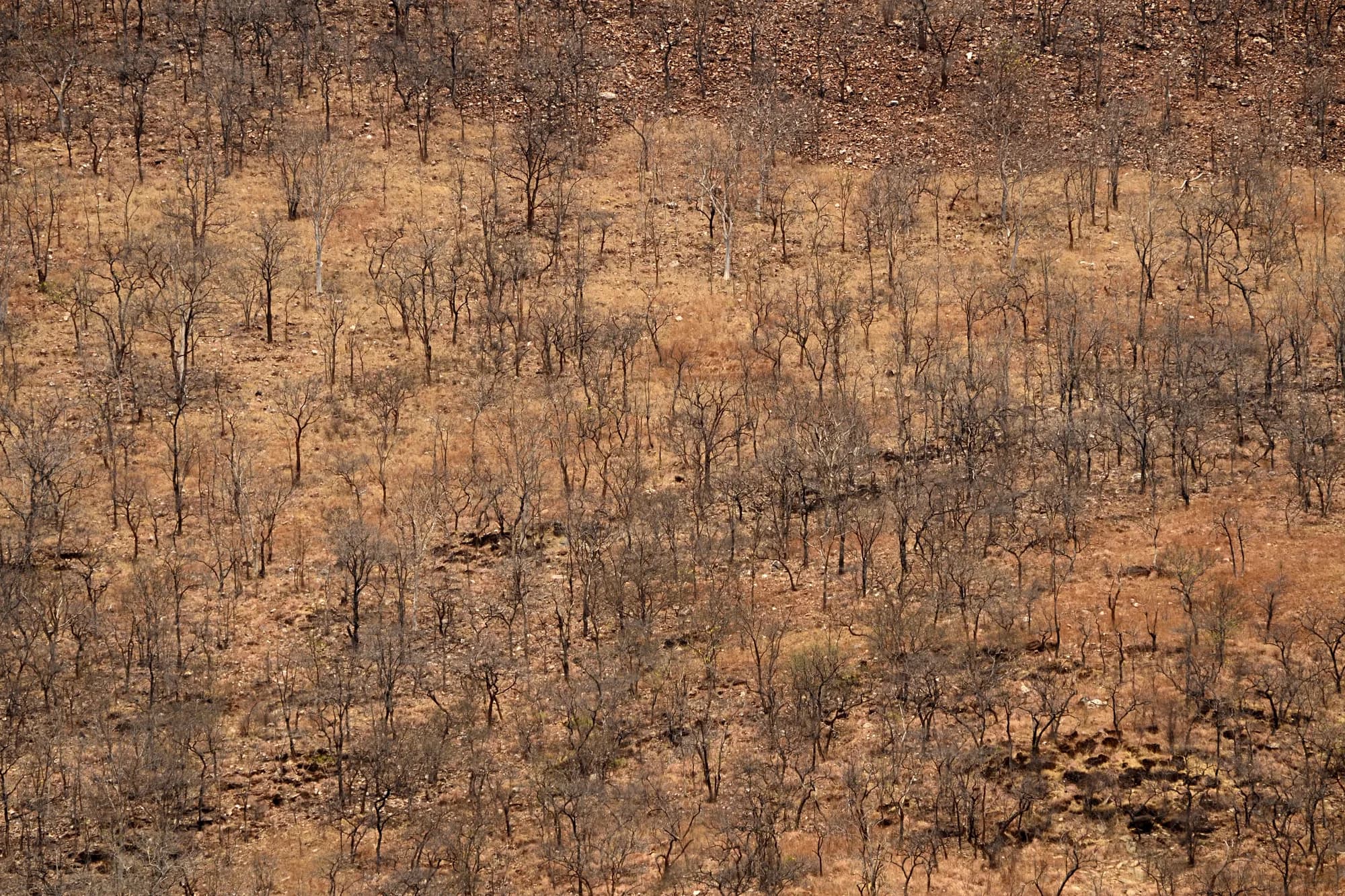
- 02BandhavgarhMadhya PradeshMeadow edges at first and last light, and a reliable dusk chorus from the lodge.Listen at dusk
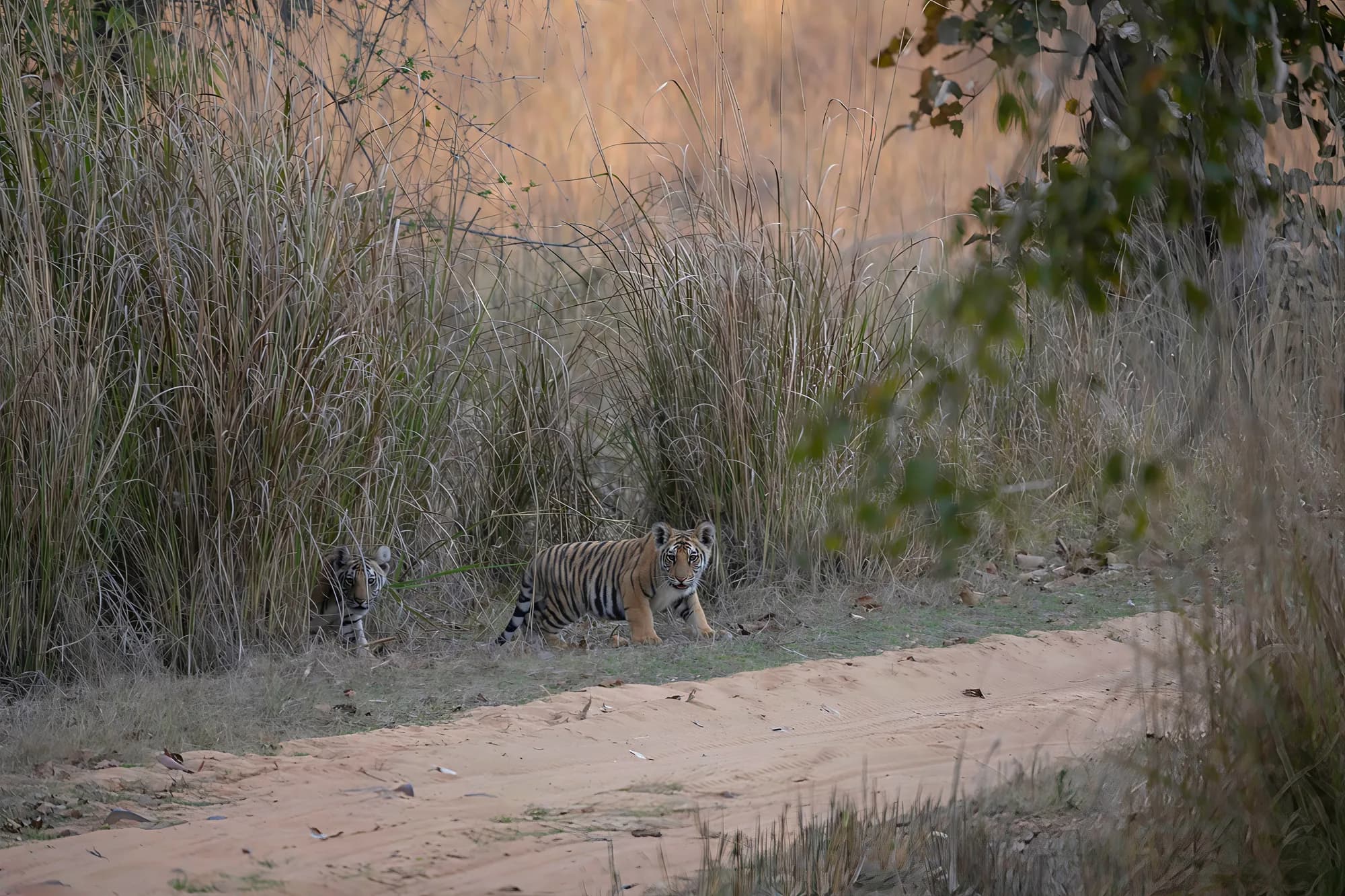
- 03GirGujaratCommon in the same forest as the lions, and largely ignored as a result.Nobody else will be looking
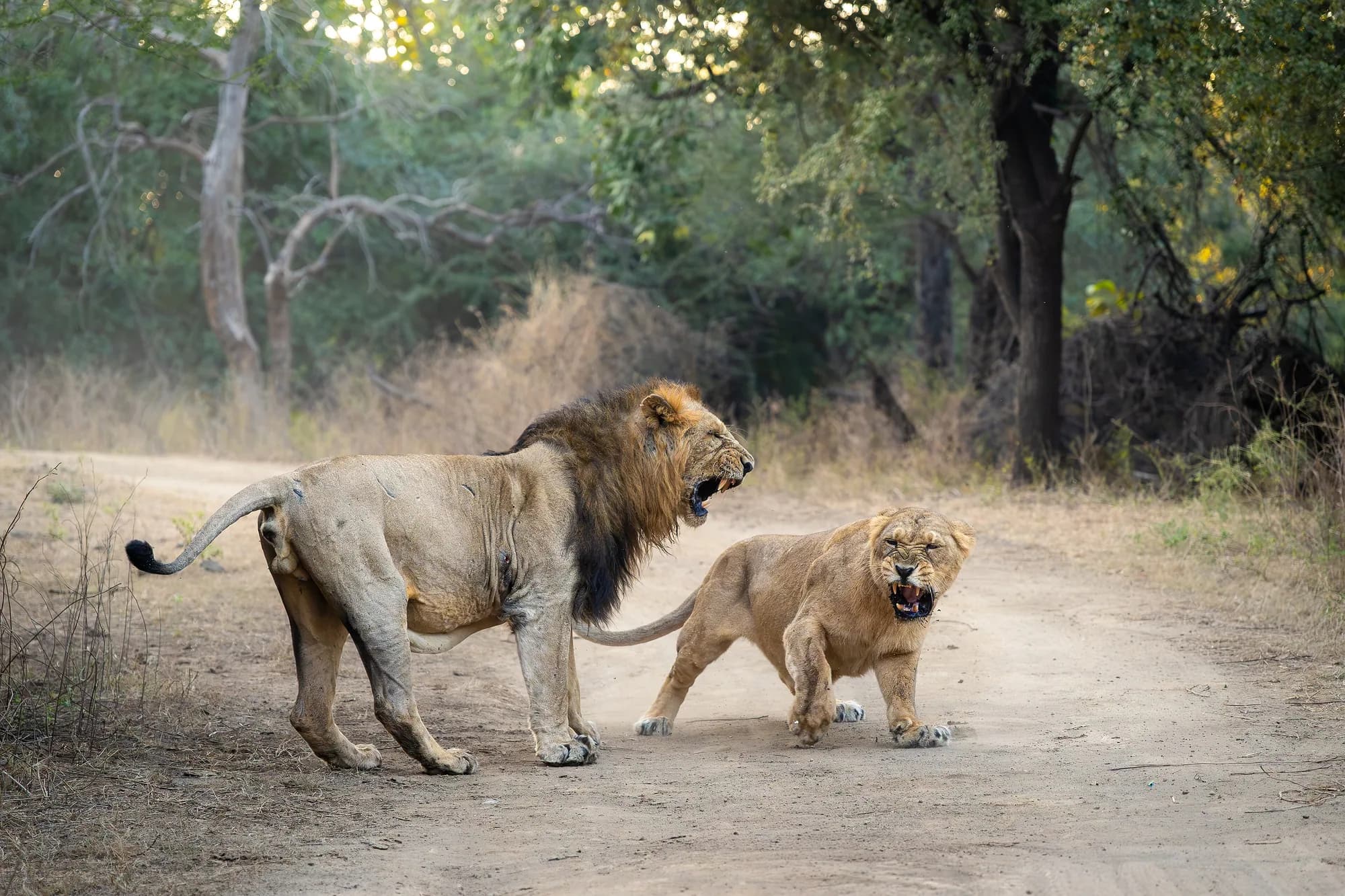
Where you will not see one
- Confused with a wolfHalf the size, with a shorter muzzle and a russet-grizzled coat rather than sandy grey. Most reported Indian wolves are jackals, and it is the commonest carnivore misidentification here.
- Confused with an Indian foxA fox is smaller again, with a bushy black-tipped tail carried out behind and much larger ears for its head. Jackals are heavier and coarser.
When to go
When to go
- J
- F
- M
- A
- M
- J
- J
- A
- S
- O
- N
- D
January: best. February: best. March: best. April: good. May: marginal. June: marginal. July: closed or unproductive. August: closed or unproductive. September: closed or unproductive. October: marginal. November: best. December: best.
Through the day
- Dawn
- Morning
- Midday
- Afternoon
- Dusk
- Night
Dawn: most active. Morning: active. Midday: usually resting. Afternoon: active. Dusk: most active. Night: active.
What it looks like in the field
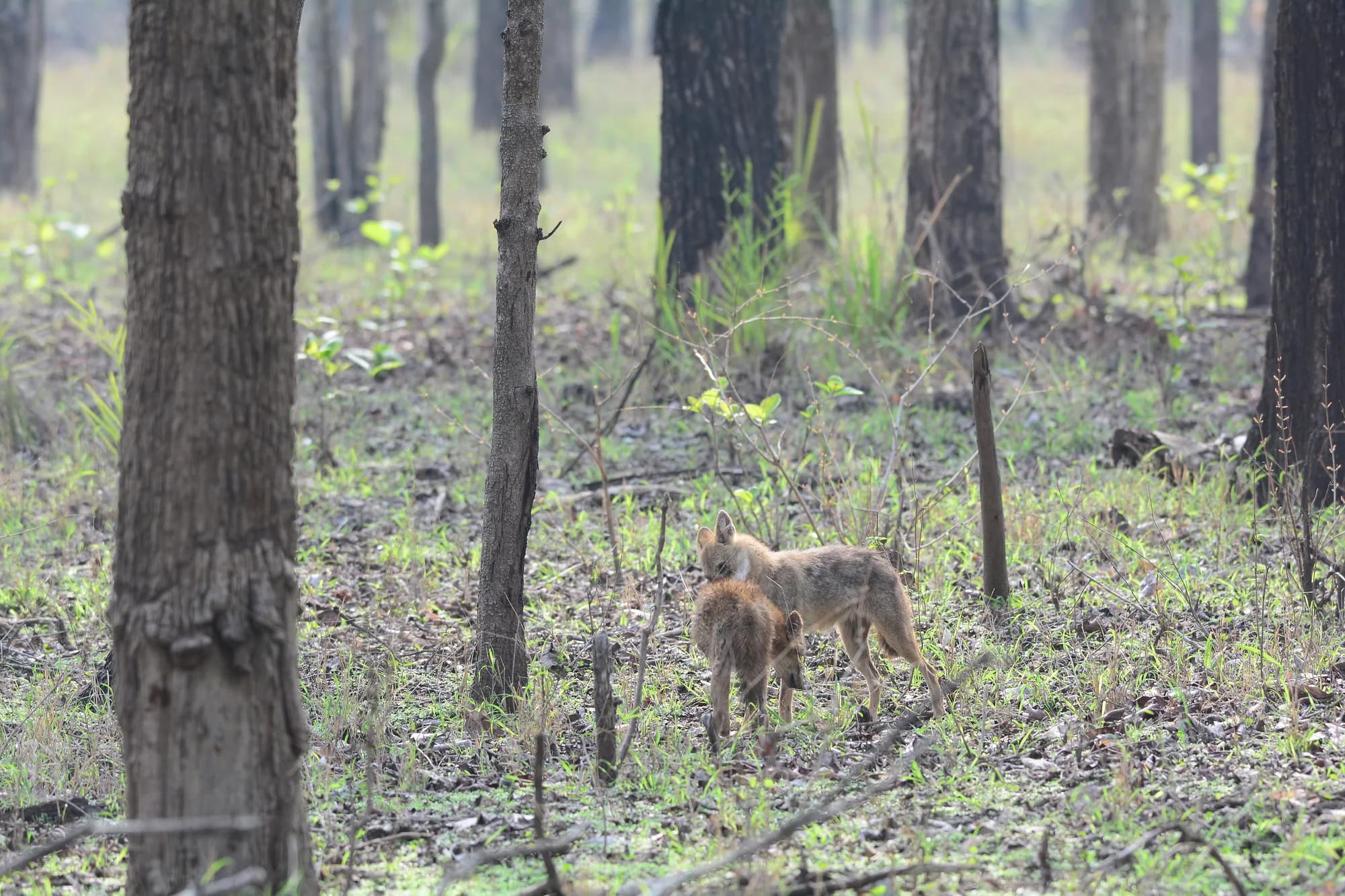
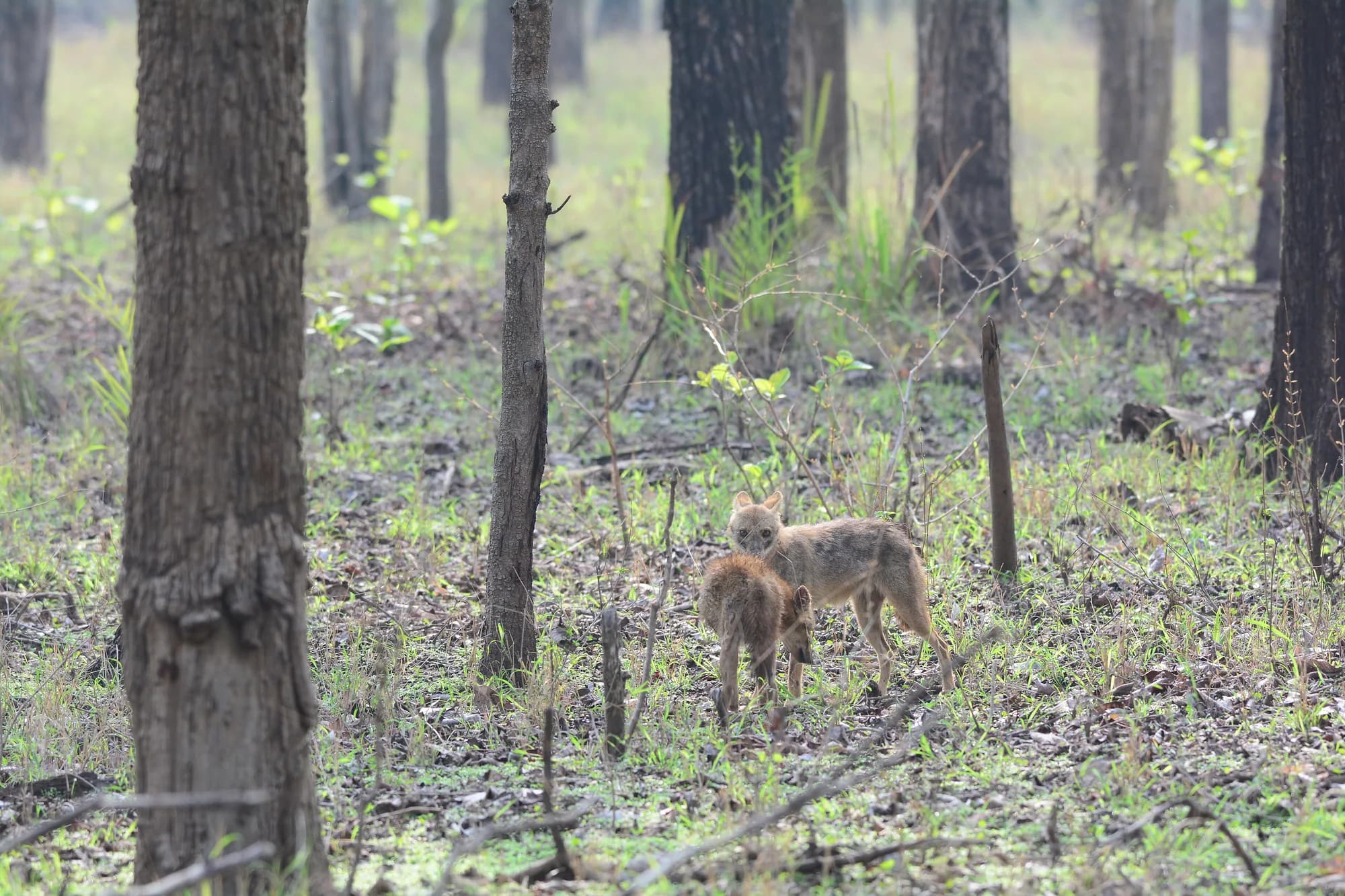
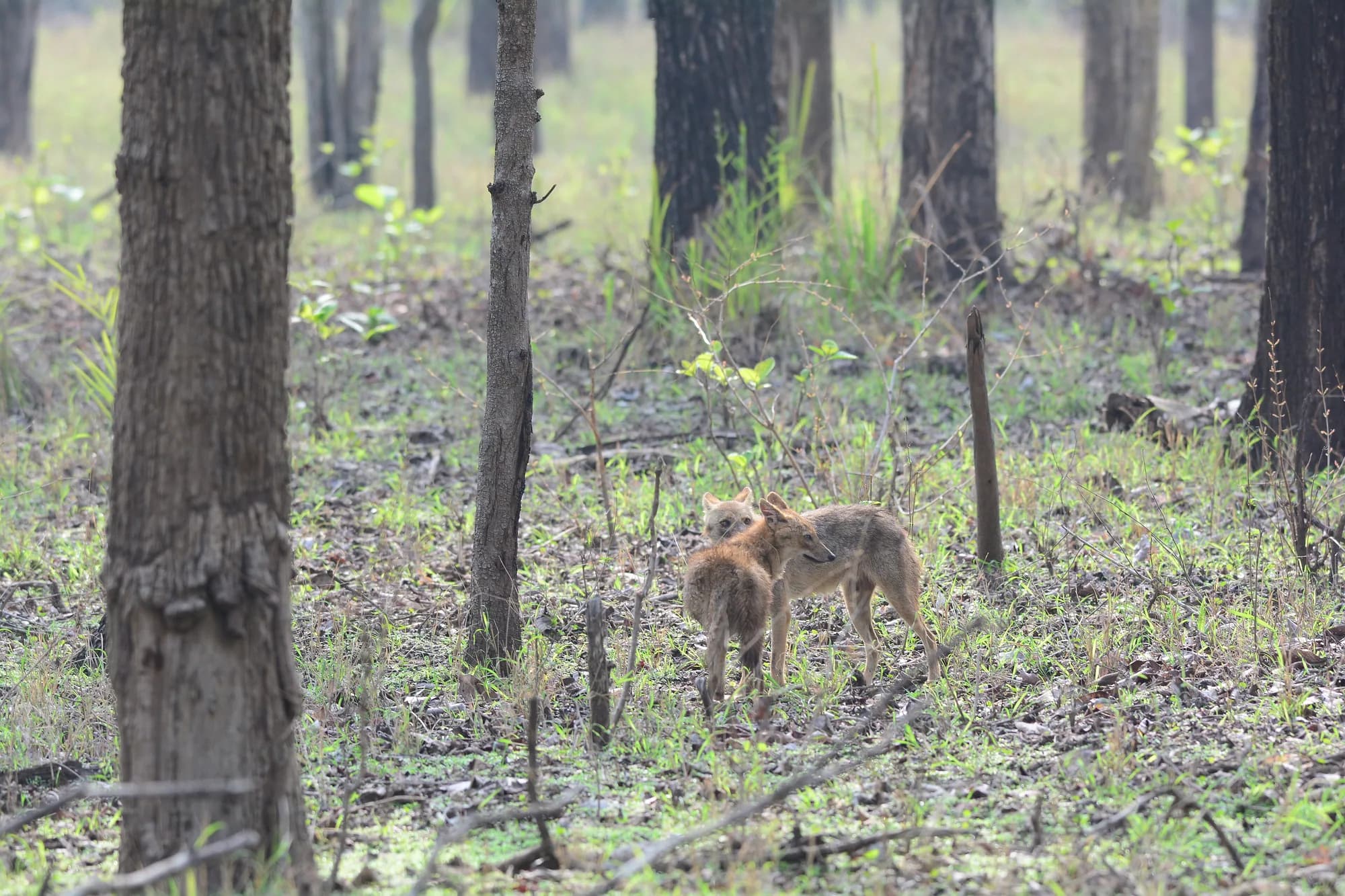
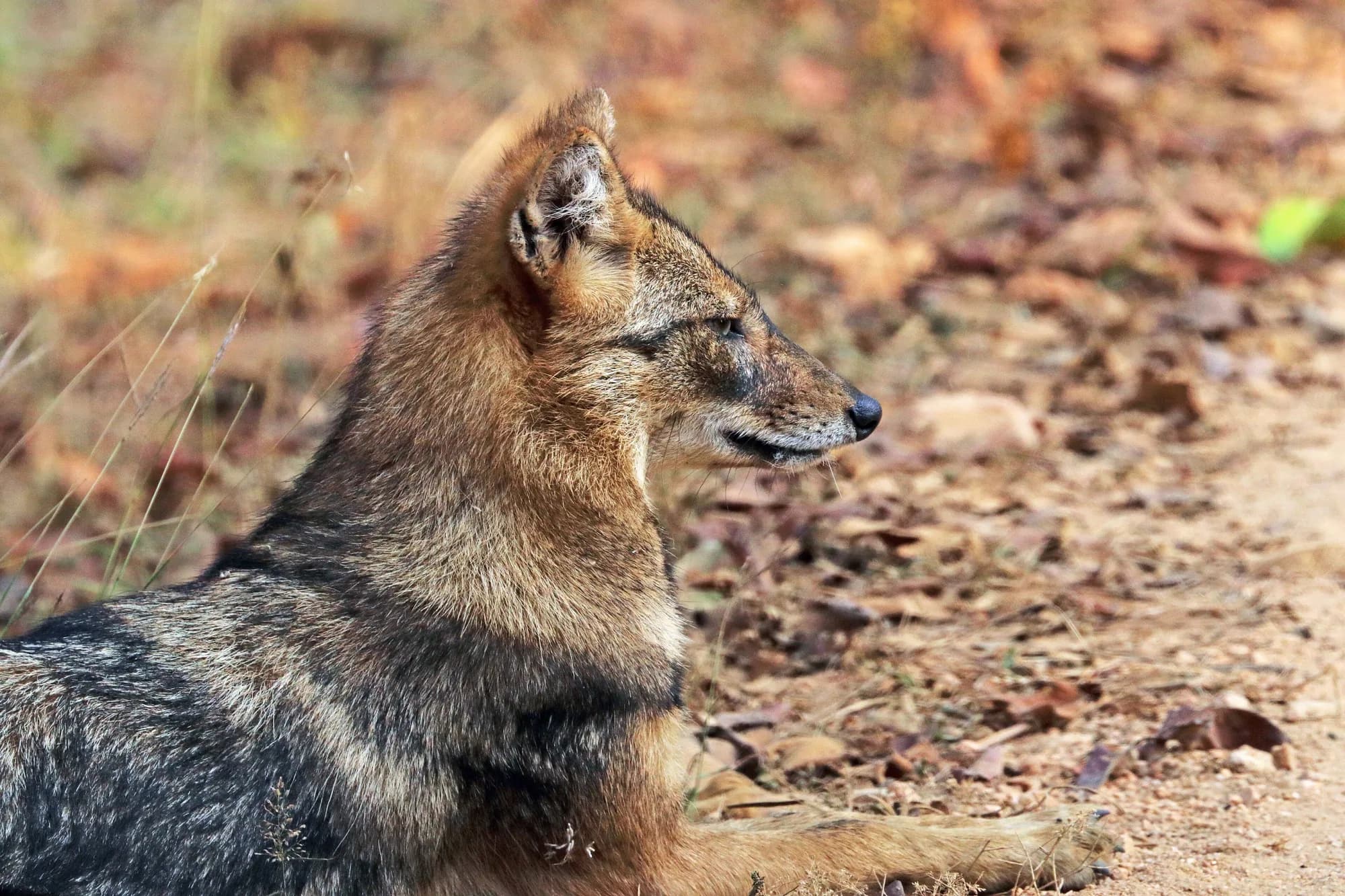
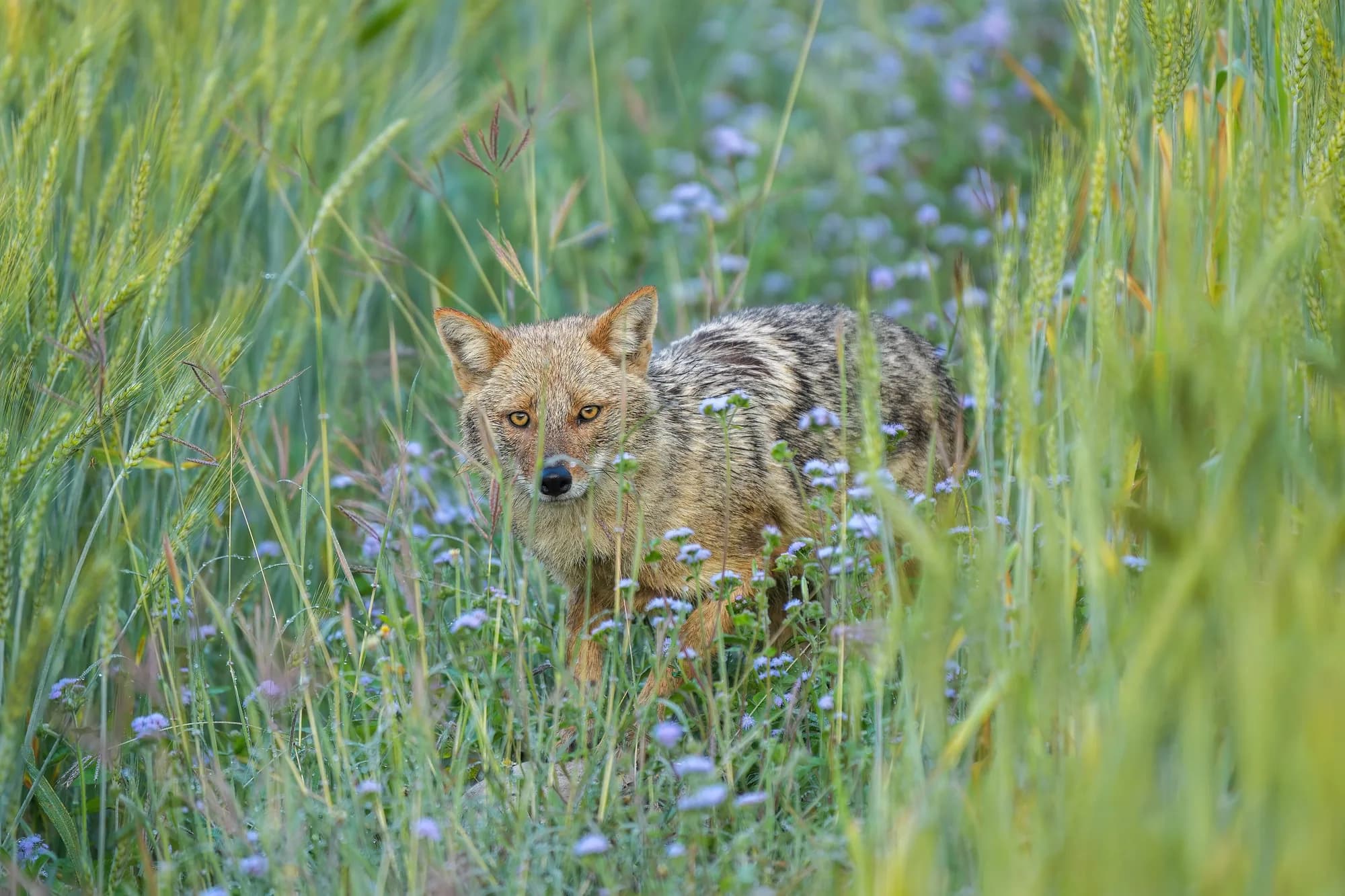
Photographs of Golden jackal in the wild, in Indian reserves. We publish no captive, baited or digitally composited images, and no photograph whose licence we cannot show.
What a sighting is actually like
Unhurried and slightly wary. A jackal crossing a track will usually stop, look at the vehicle properly, and carry on — which makes it one of the easier animals to actually watch rather than glimpse.
Everyone drives past. It is a wild canid doing its job in front of you.
The night chorus
A rising, wavering group howl that starts with one animal and is answered across the valley, usually at dusk and again before dawn. It is territorial, it carries a long way, and it is the sound most first-time visitors ask about the next morning.
Status and protection
Status and protection
- IUCN Red List
- Least Concern
- Population trend
- ↑ Increasing
- Wildlife Protection Act 1972
- Schedule I
- CITES
- Appendix III
Assessment is for the full species Canis aureus, which is the binomial given. Global scope.
Assessed 2018 · IUCN Red List assessment
What to book to see one
What you would be booking
- How it is seen
- Any jeep safari. No arrangement, no permit, no planning.
- Drives to book
- None needed. You will see one, probably several.
Worth watching properly at a carcass. Jackals arrive before the vultures and read the situation faster than anything else on the scene, which makes them the most informative animal at a kill.
Ranthambore — the park in fullQuestions people ask
What is howling at night near my lodge?
How do I tell a jackal from a wolf?
Where will I see one?
Read next
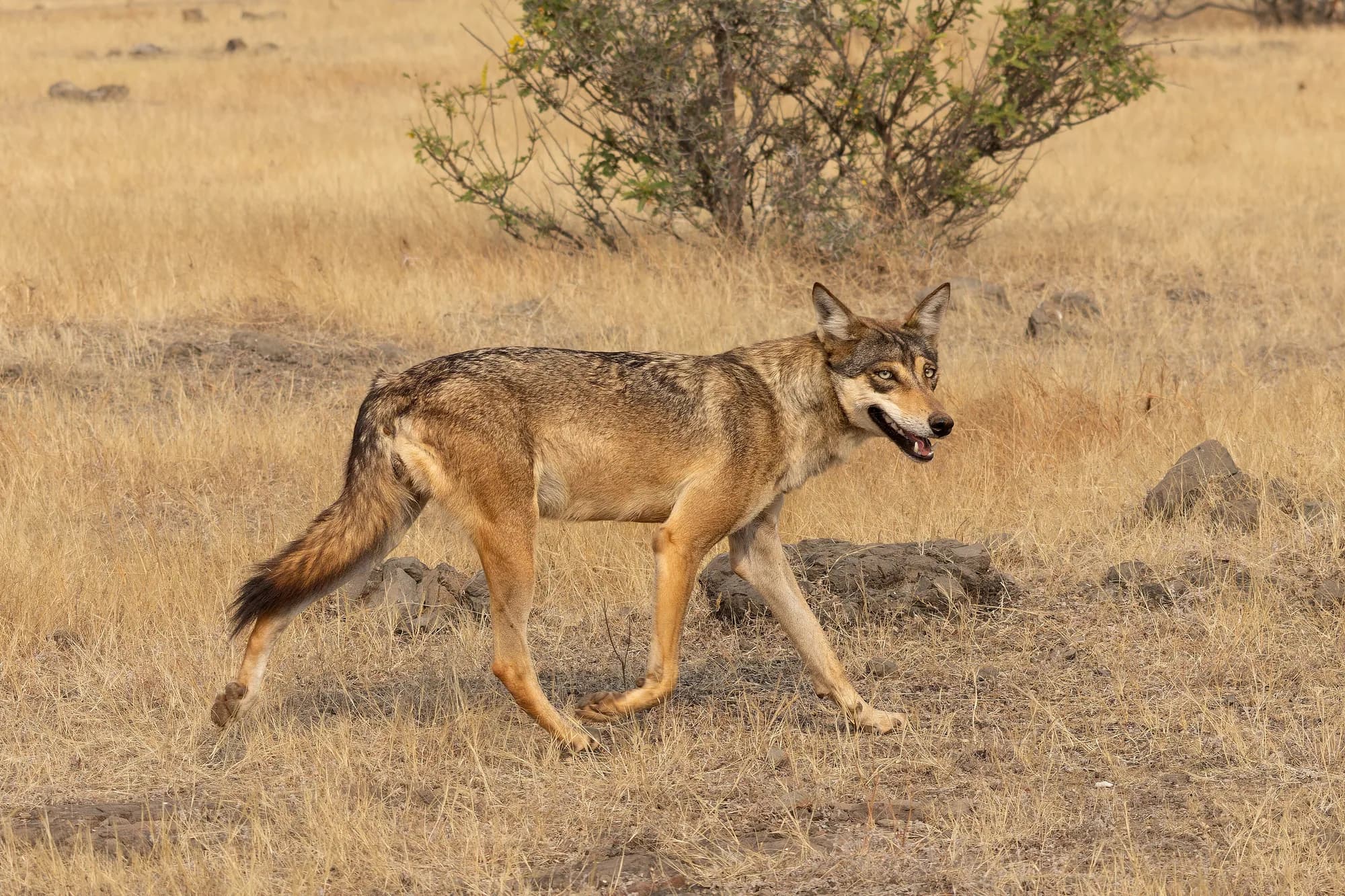
Grassland, not forest
Indian wolf — the confusion
One of the oldest wolf lineages alive, hunting blackbuck across grassland that almost nobody protects. Rarer in India than the tiger, and with a fraction of the attention.
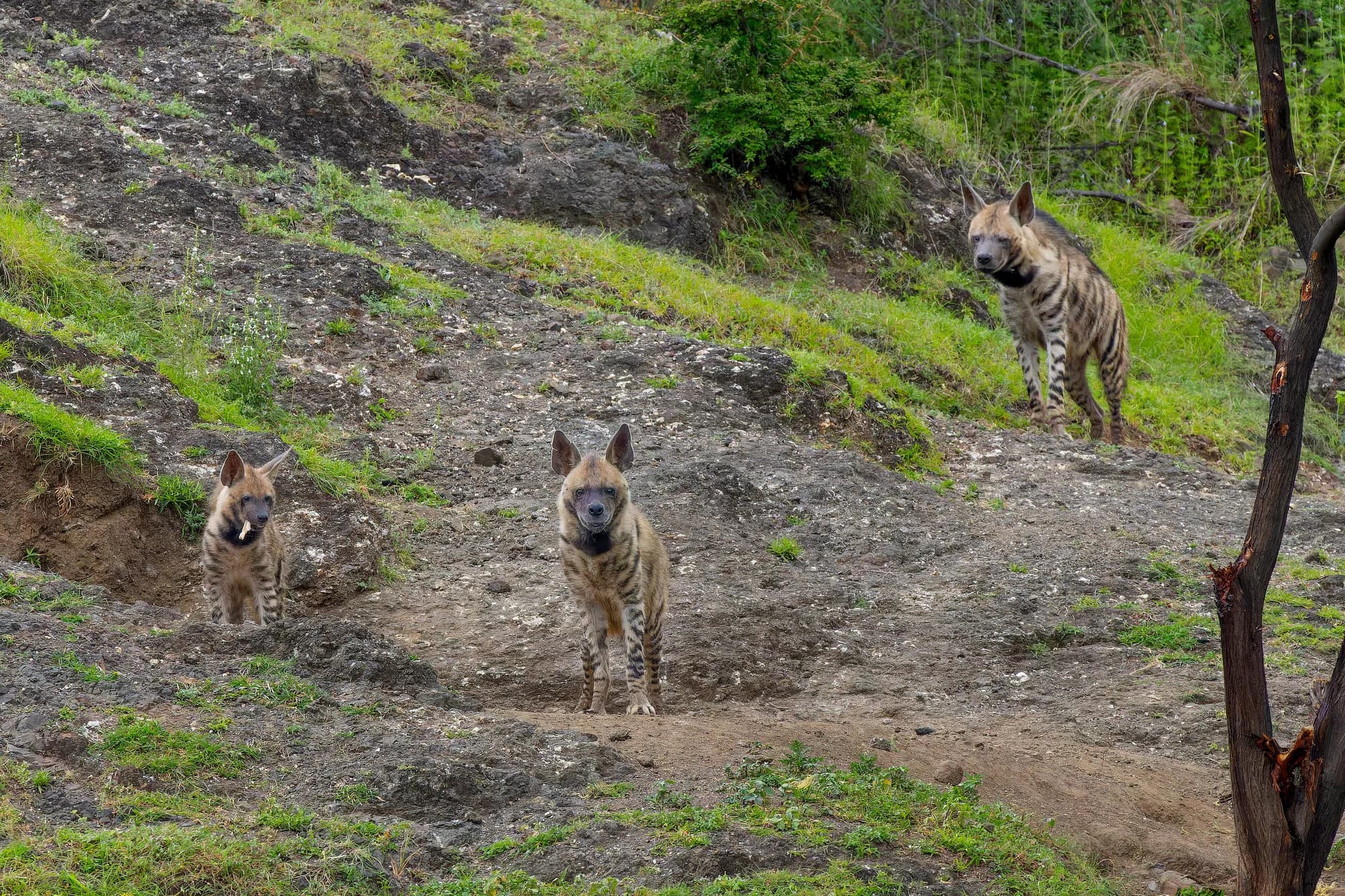
Four reserves, at dusk, rarely looked for
Striped hyena — the other scavenger
A nocturnal scavenger with a mane it raises when alarmed, common across dry India and almost never on anyone's list. One of the best sightings you can have at Jawai.
Rajasthan
Ranthambore — the park in full
Dry forest around a fort, and the easiest reserve to reach from Delhi — which is exactly why it is the busiest.
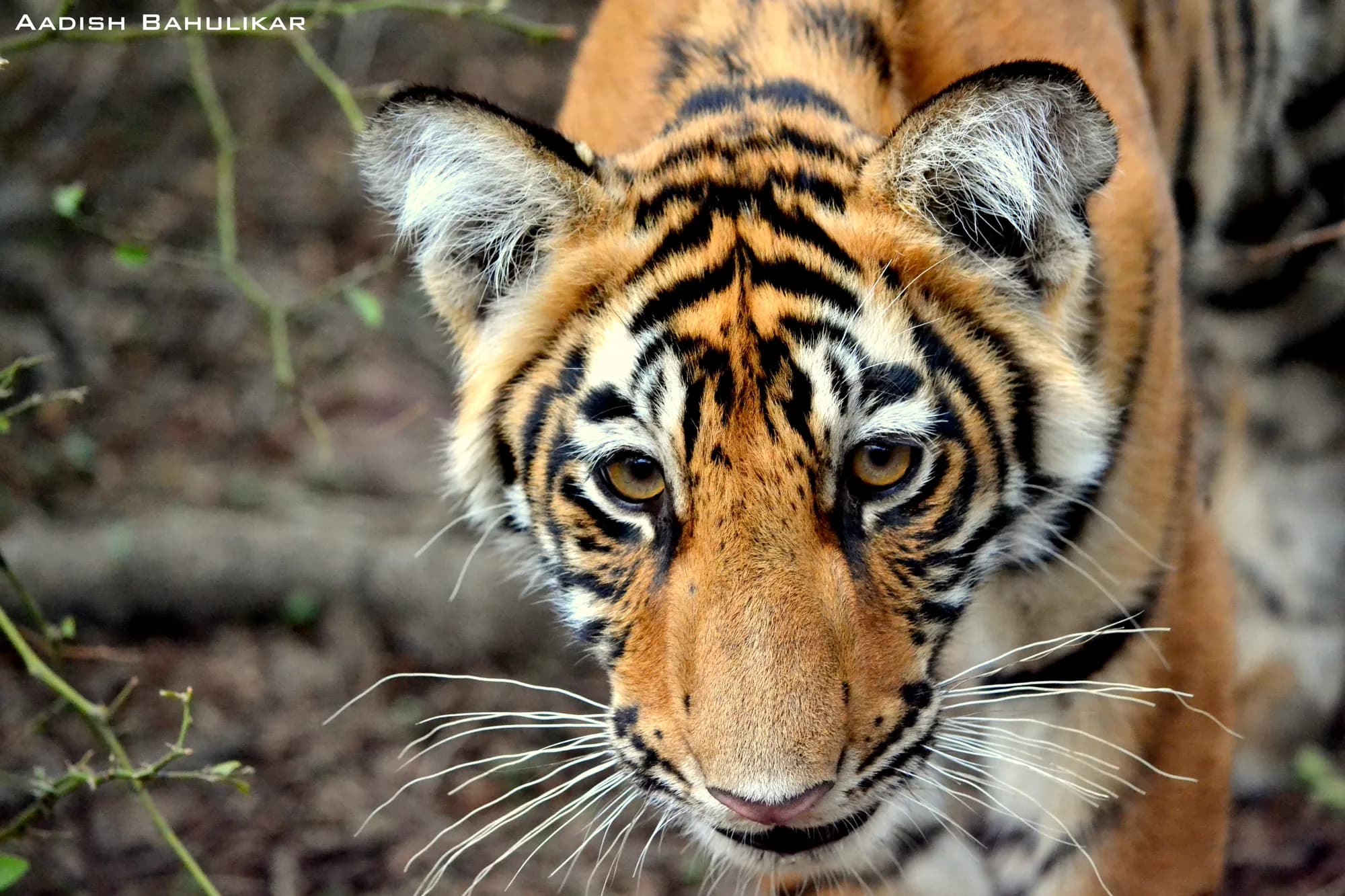
58 reserves, six worth the trip
Tiger — where and when
The animal most people come for, and the one most often missed. Where the odds actually are, and how they move by month and by zone.