
Ngorongoro
The crater floor, and black rhino you can actually find
A collapsed volcano twenty kilometres across with twenty-five thousand large animals living on the floor of it, and Maasai herders grazing cattle among them — a conservation area rather than a national park, which is exactly why the cattle are there.
Ngorongoro at a glance
- Region
- Arusha
- Area
- Not publishedNot recorded
- Safari zones
- Not publishedNot verified from the department yet
- Booking
- Not publishedOfficial portal not confirmed yet
Permit data last verified .
When to go
- J
- F
- M
- A
- M
- J
- J
- A
- S
- O
- N
- D
January: best. February: best. March: best. April: marginal. May: marginal. June: best. July: best. August: best. September: best. October: best. November: best. December: best.
Everything on Ngorongoro
Safari booking
How to book, which portal, when slots open
Know morePermits & fees
Fee table by nationality, with the source and date
Know moreZones
Every zone, its gate, and what people actually see
Know moreBest time to visit
Month by month, closures and sighting patterns
Know moreWhere to stay
Lodges and camps by tier, and what each is near
Know moreWildlife
Species present, populations, realistic odds
Know moreHow to reach
Rail, air and road, with verified transfer times
Know moreItineraries
Two, three and five night trips a partner can deliver
Know moreSafari cost
The full trip budget, not the headline number
Know moreSightings log
What guests reported, and when
Know more
What Ngorongoro is a destination for
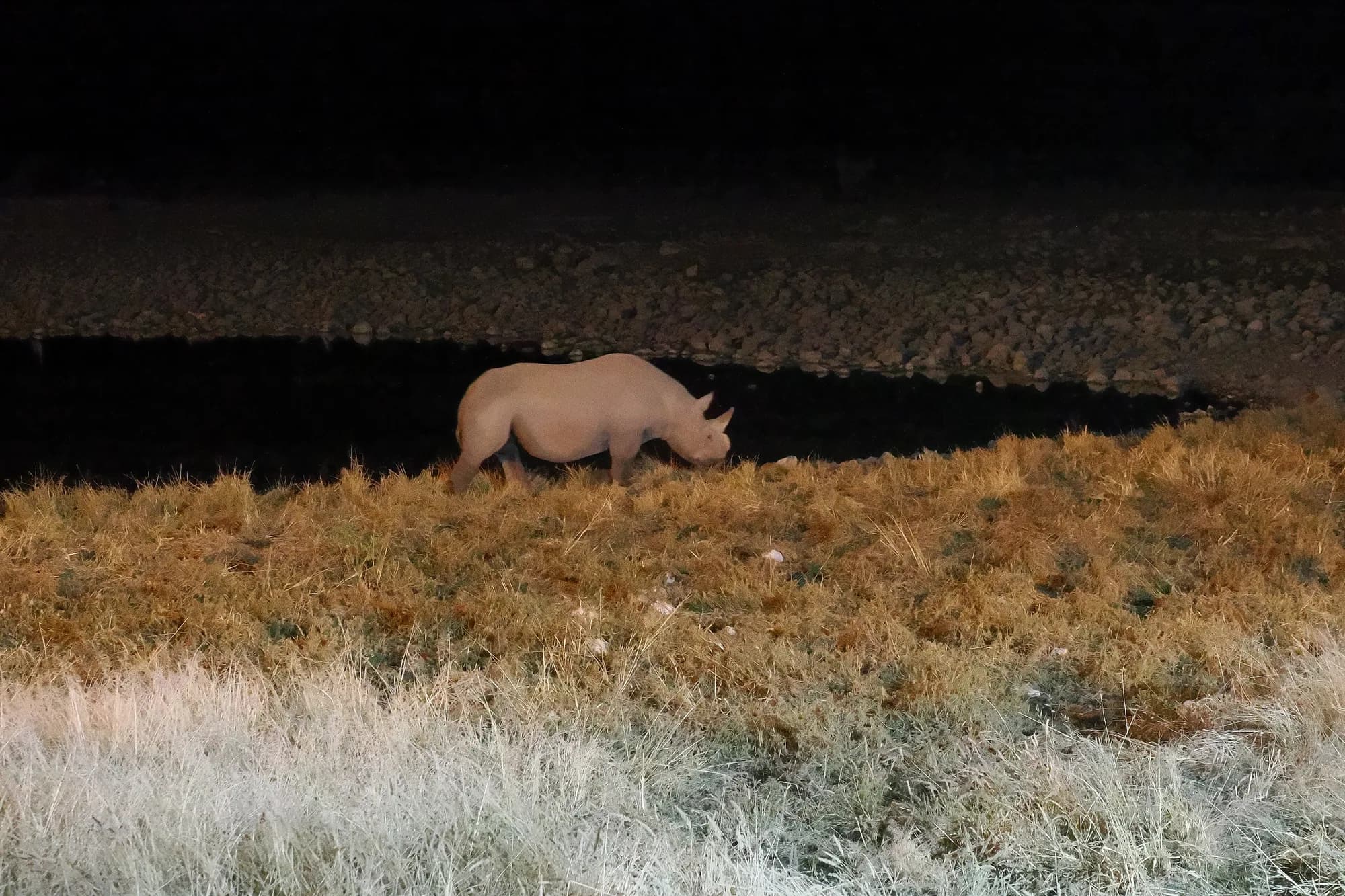
Black rhinoceros
Seven countries here, and genuinely rare in all of them
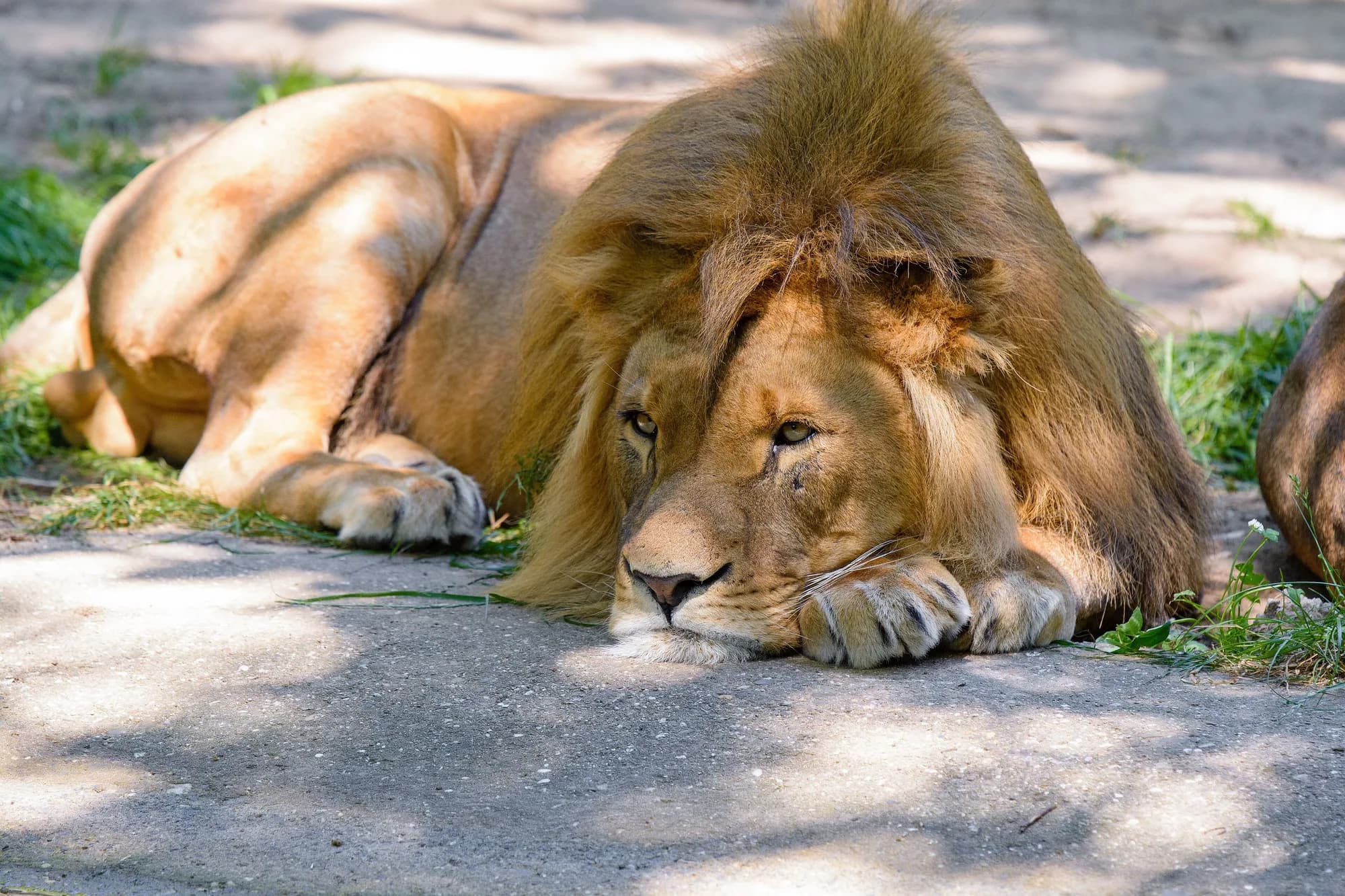
African lion
Nine countries here, and thinner on the ground than it looks
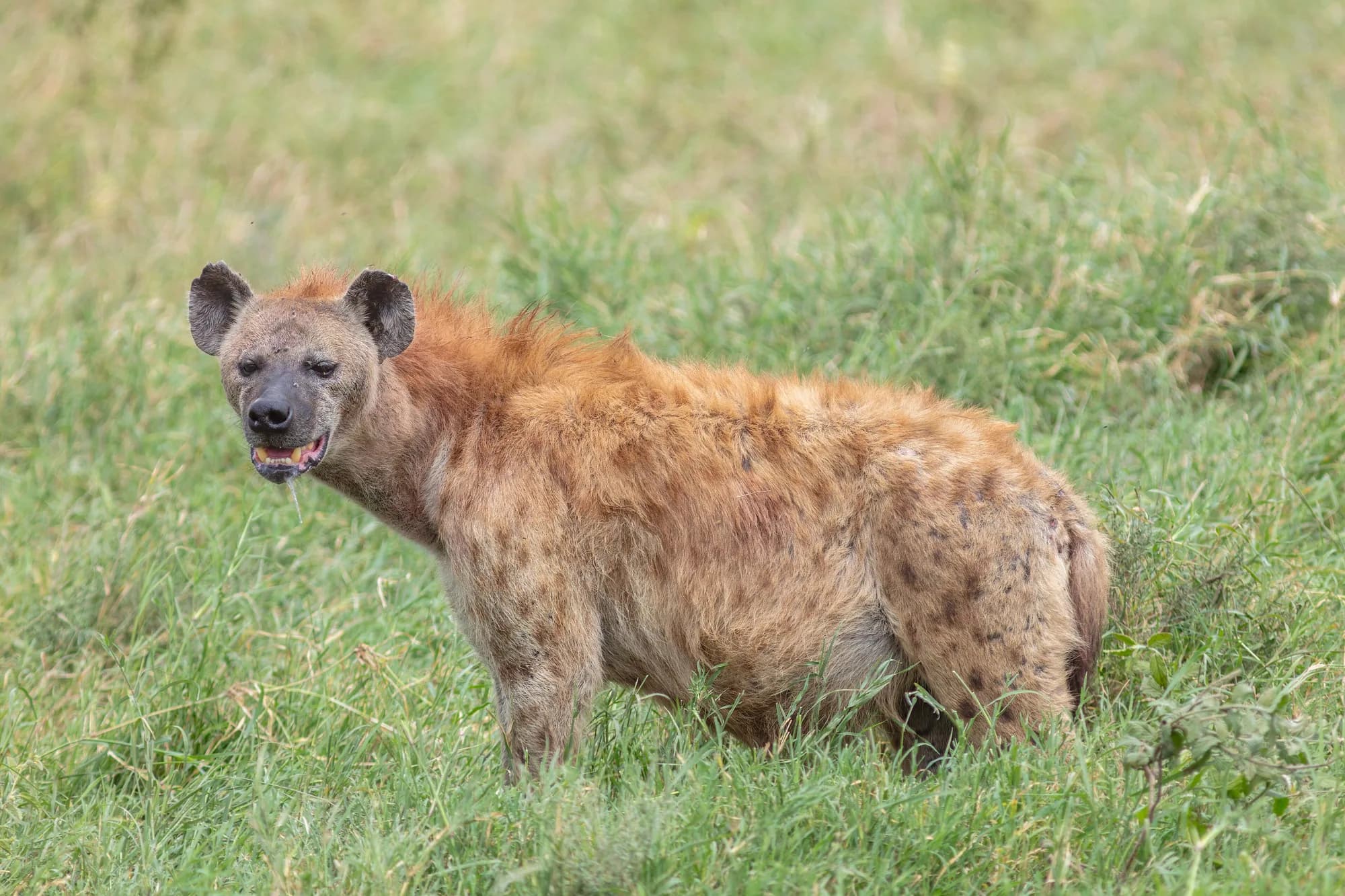
Spotted hyena
Common across the savanna parks, and badly misunderstood
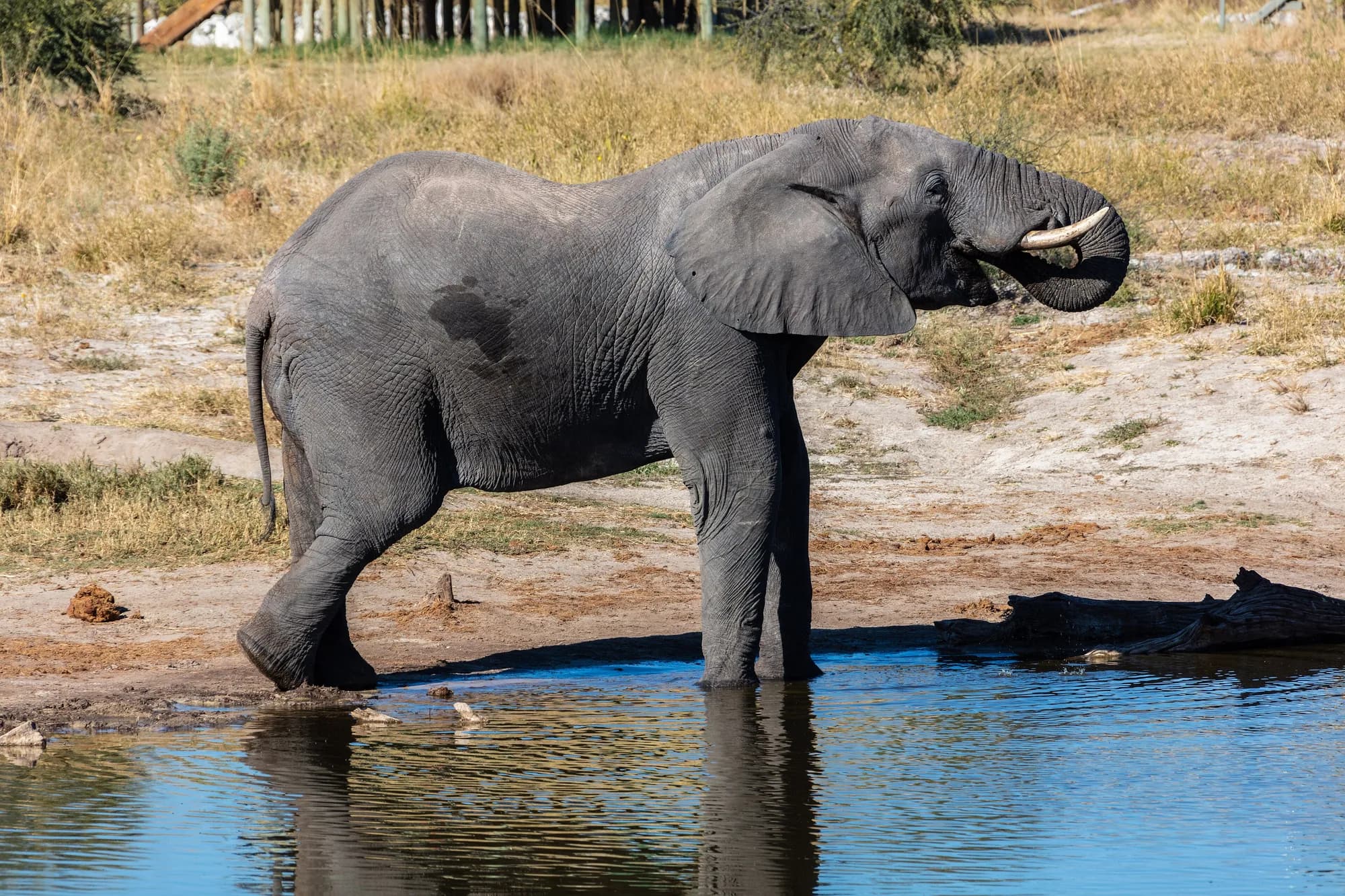
African savanna elephant
Nine countries on this site, and the easiest of the big animals
Greater flamingo
Soda lakes and coastal pans in four countries here
Questions people ask about Ngorongoro
What is the best time to visit Ngorongoro?
June–October and December–March. That is our reading of when the park rewards a trip. Its official closure window is not something we have verified from the department, so confirm the dates before you book.
How much does a safari at Ngorongoro cost?
Ngorongoro is run by the NCAA, not TANAPA, and it is the one place on this site with a separate charge for going down into the crater. Entry is USD 70.80 per person per day for a non-East African of 16 or over, USD 35.40 for an expatriate or Tanzanian resident, and TZS 11,800 for a Tanzanian or East African citizen. Under-fives are free. On top of that, the crater service fee is charged PER VEHICLE PER TRIP: USD 295 for non-East Africans, TZS 11,800 for citizens — so a descent costs a small group more than their entry does. The vehicle permit is separate again and scales with weight, from USD 47.20 up to USD 354 for a foreign-registered vehicle. Public camping is USD 35.40 and a special campsite USD 70.80. A permit is valid for one entry within 24 hours. Crater descent gates close at 4pm and ascent gates at 6pm. Source: Ngorongoro Conservation Area Authority — Tariffs, read 30 August 2026. One thing to know before you budget: NCAA publishes this tariff with no effective date and no expiry — it is undated rather than expired. The only date attachable to it is the page's own last-modified stamp of 26 July 2023, which is a publication timestamp and not a validity window. NCAA's own footer says tariffs may change without notice. Note also that NCAA states no VAT treatment at all.