
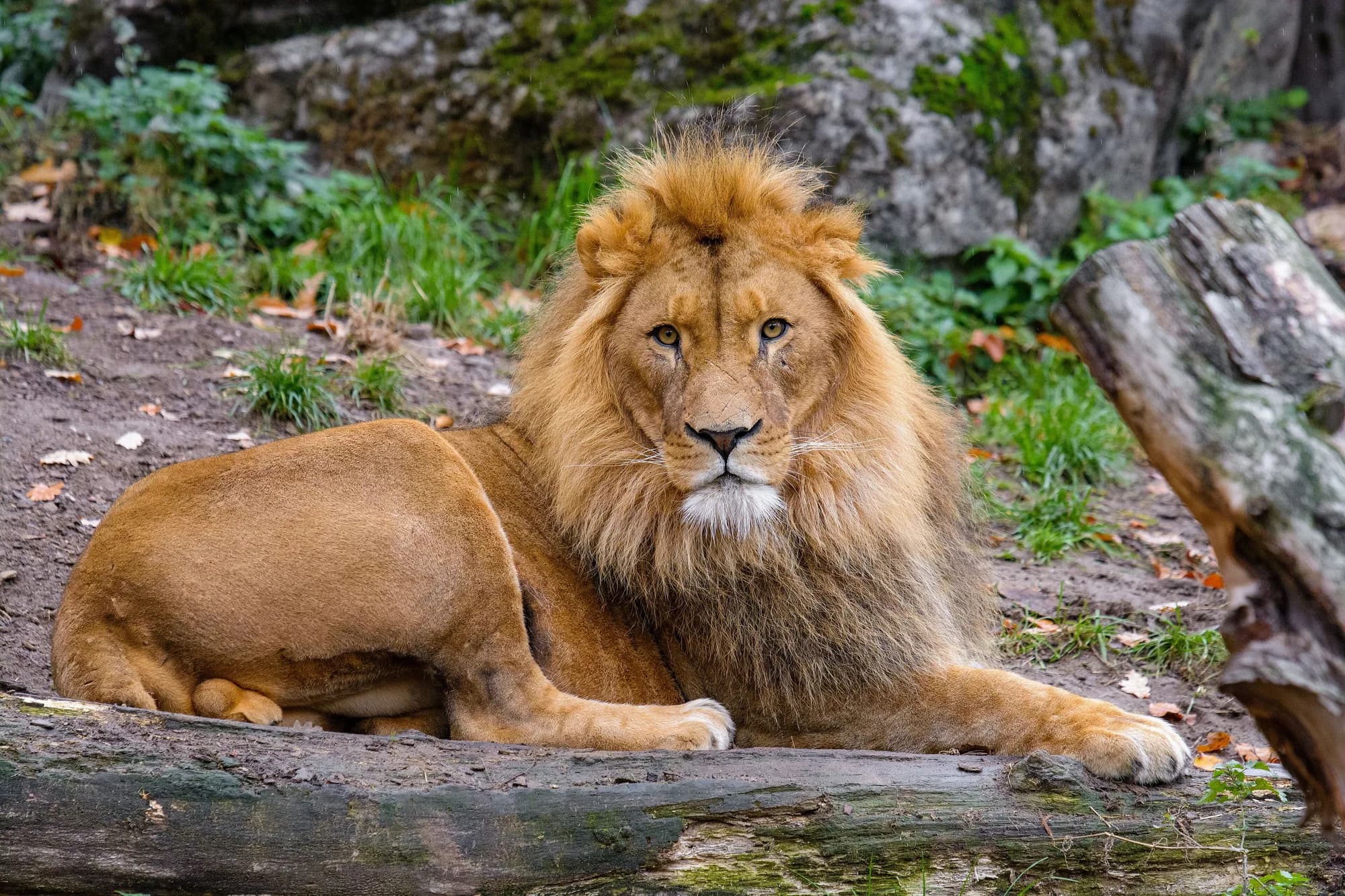
Species · Panthera leo
African lion
The animal everyone books the trip for, and the one most often seen asleep. Lions are not hard to find in a good park — they are hard to find doing anything, and the difference between those two sentences is most of what separates a good lion trip from a disappointing one.
Also called
- Simba · Swahili
- Leeu · Afrikaans
- Shumba · Shona
- Tau · Setswana
Checked 27 Sept 2026
- Where
- Nine countries here
- Best months
- Dry season, and the Mara in Aug–Oct
- Pride
- Related females, 2–20
- Odds
- High in the right park, over three drives
Savanna and open woodland in eastern and southern Africa, plus one isolated West African population outside the scope of this site. The range has collapsed to a fraction of its historical extent and what remains is mostly inside protected areas — which is why park choice decides this one so completely.
Where it is
HabitatSavanna and open woodland with large prey. Almost everything that remains is inside protected areas.
Worth travelling for
The highest reliable density on this site, in country open enough to see into.
The Seronera valley holds lions in any month regardless of where the migration is.
Kruger's south is the best self-drive lion country anywhere; Kgalagadi has the black-maned Kalahari animals.
Night drives are routine, which is the only way to watch a lion do something.
The Savuti and Duba prides hunt buffalo, and are among the heaviest lions on the continent.
Also occurs
ZimbabweNamibiaUgandaRwandaMozambiqueEthiopiaIndia
Present, but not where you would go to see one.
Gone from
North Africa entirelyMost of West AfricaEgyptMoroccoAlgeriaTunisia
Range this species has been lost from. It is the fact a map of where it currently lives cannot show you.
Where to actually go
Ranked, with the reason each — these are not interchangeable.
- 01Maasai MaraKenyaThe highest reliable lion density on this site, open country you can actually see into, and prides habituated to vehicles over decades.August–October, with the migration in
- 02SerengetiTanzaniaThe Seronera valley holds lions all year regardless of where the migration is, and the kopjes give you the classic sighting.Seronera, any month
- 03KrugerSouth AfricaSelf-drivable, affordable, and the southern section is genuinely good. The trade-off is traffic at every sighting.The south, and go at gate-opening
- 04South LuangwaZambiaNight drives are permitted and normal here, which means you see hunting rather than sleeping. The best park on this list for lion behaviour.For a lion doing something
- 05Kgalagadi TransfrontierSouth AfricaThe black-maned Kalahari lions, on red dunes, in a park with almost nobody in it. Lower density, far higher quality of sighting.For the photograph, not the odds
Where you will not see one
- The Cape parksNo lions in Table Mountain, Garden Route, Bontebok, Agulhas or West Coast. South Africa's lion parks are Kruger and Kgalagadi, and both are a long way from Cape Town.
- The gorilla and chimp forestsBwindi, Mgahinga, Volcanoes, Nyungwe, Kibale, Mahale and Gombe are forest parks with no lions. A gorilla trek and a lion are two separate holidays.
- Ngorongoro Crater, for numbersThe crater pride is small, closely watched and genetically isolated. It is a reliable sighting and it is not a good place to see lion society working.
When to go
When to go
- J
- F
- M
- A
- M
- J
- J
- A
- S
- O
- N
- D
January: marginal. February: marginal. March: marginal. April: marginal. May: good. June: best. July: best. August: best. September: best. October: best. November: good. December: marginal.
Through the day
- Dawn
- Morning
- Midday
- Afternoon
- Dusk
- Night
Dawn: most active. Morning: active. Midday: not normally seen. Afternoon: usually resting. Dusk: most active. Night: most active.
What it looks like in the field
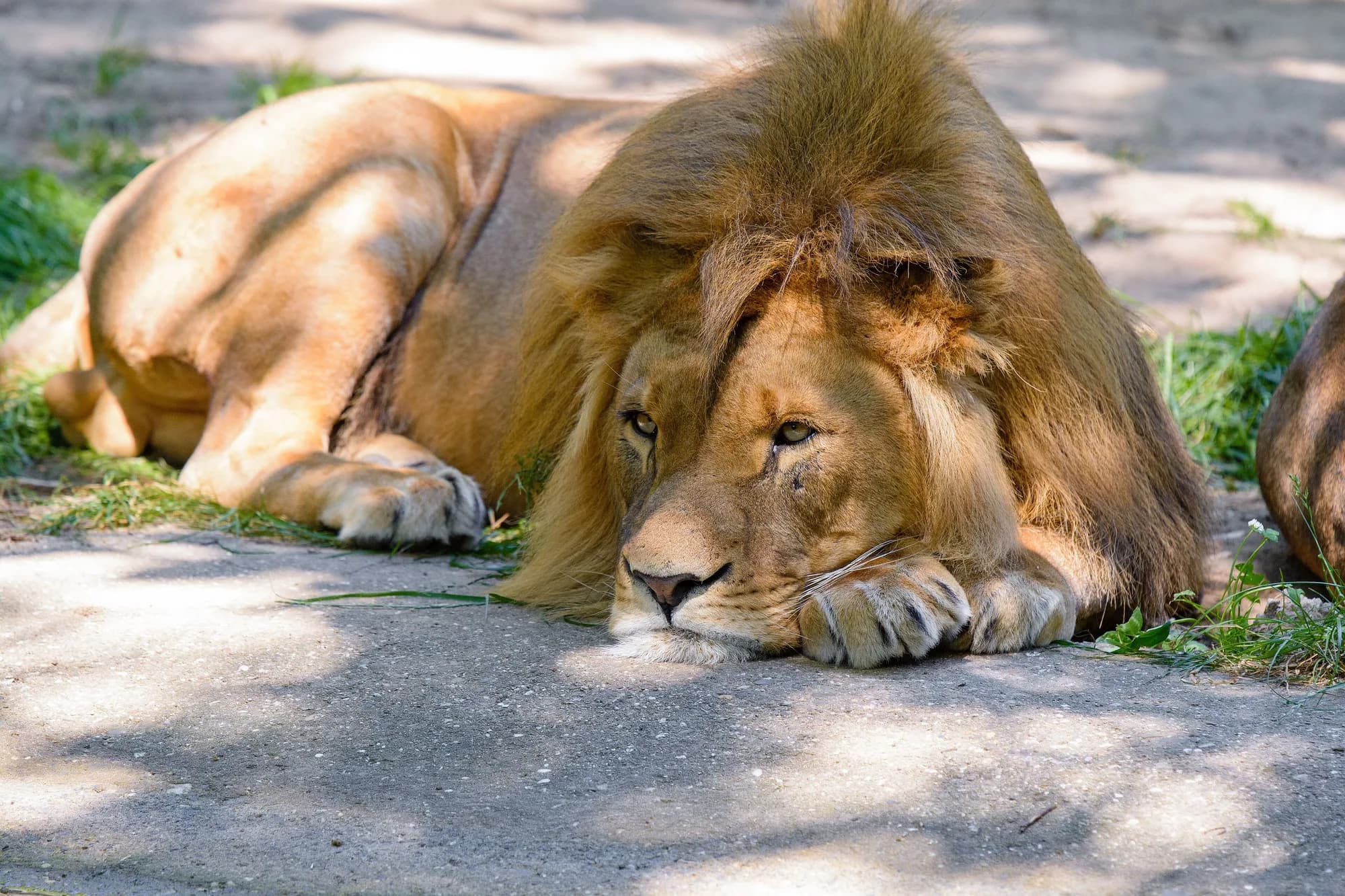
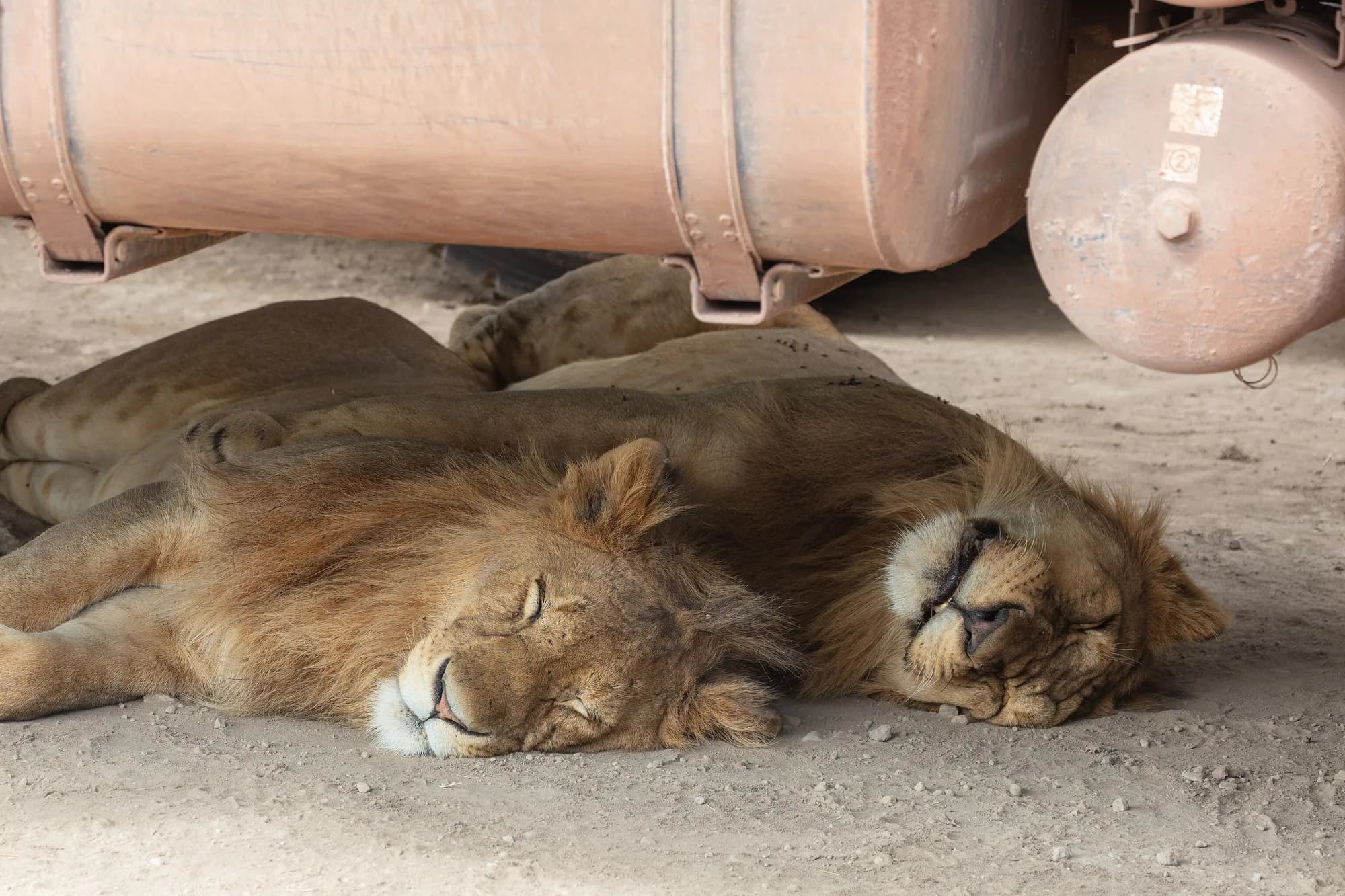
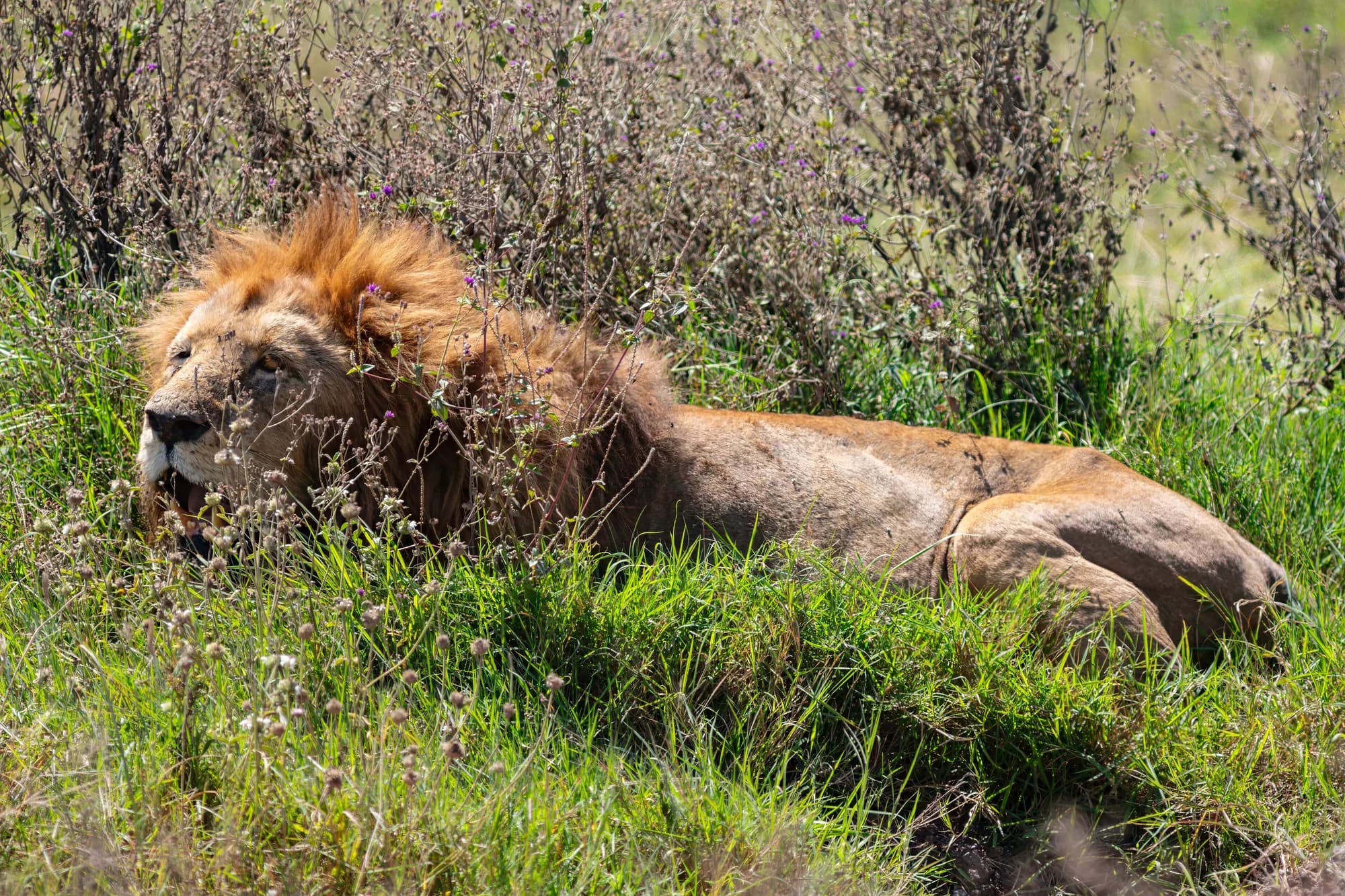
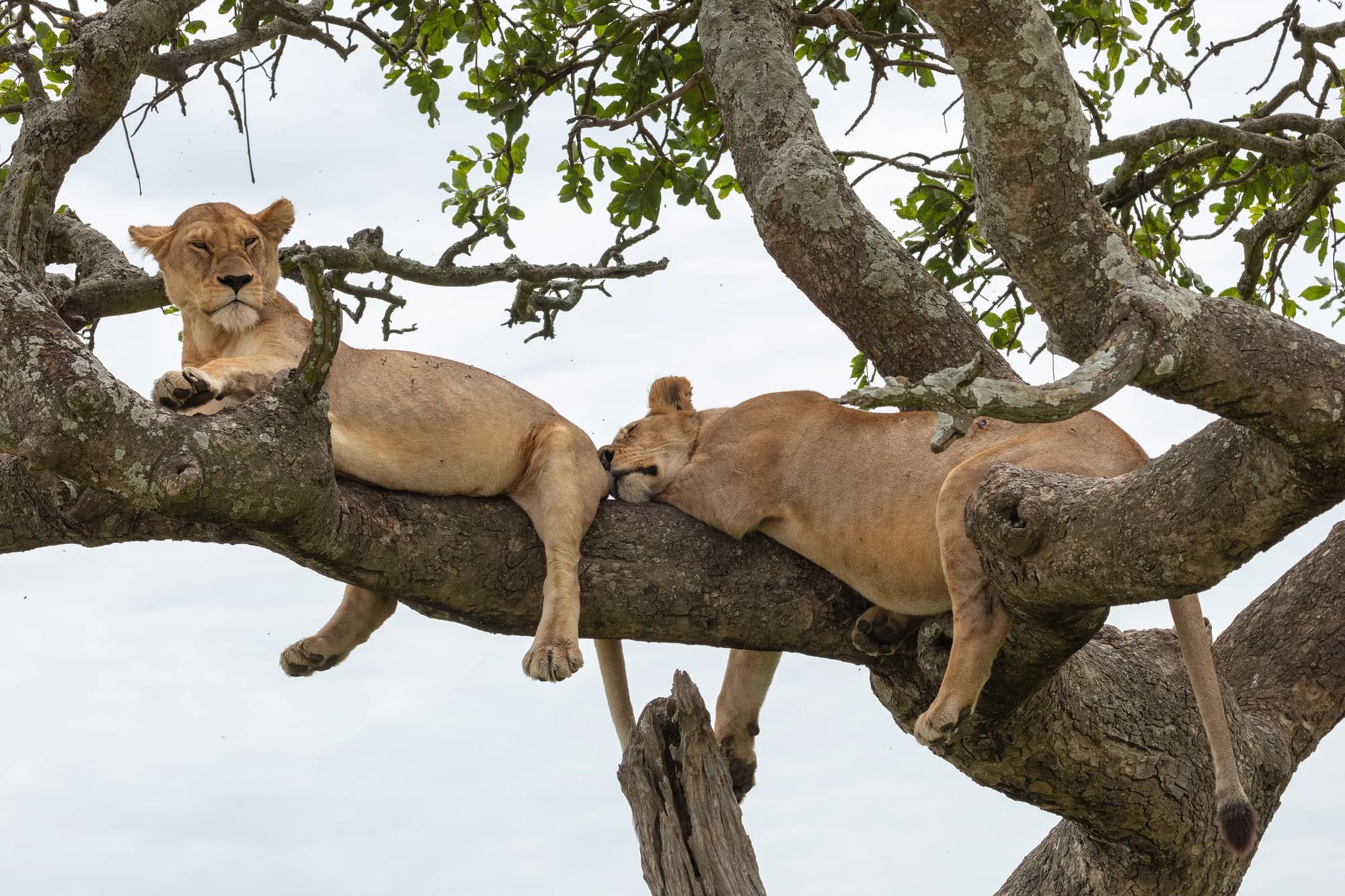
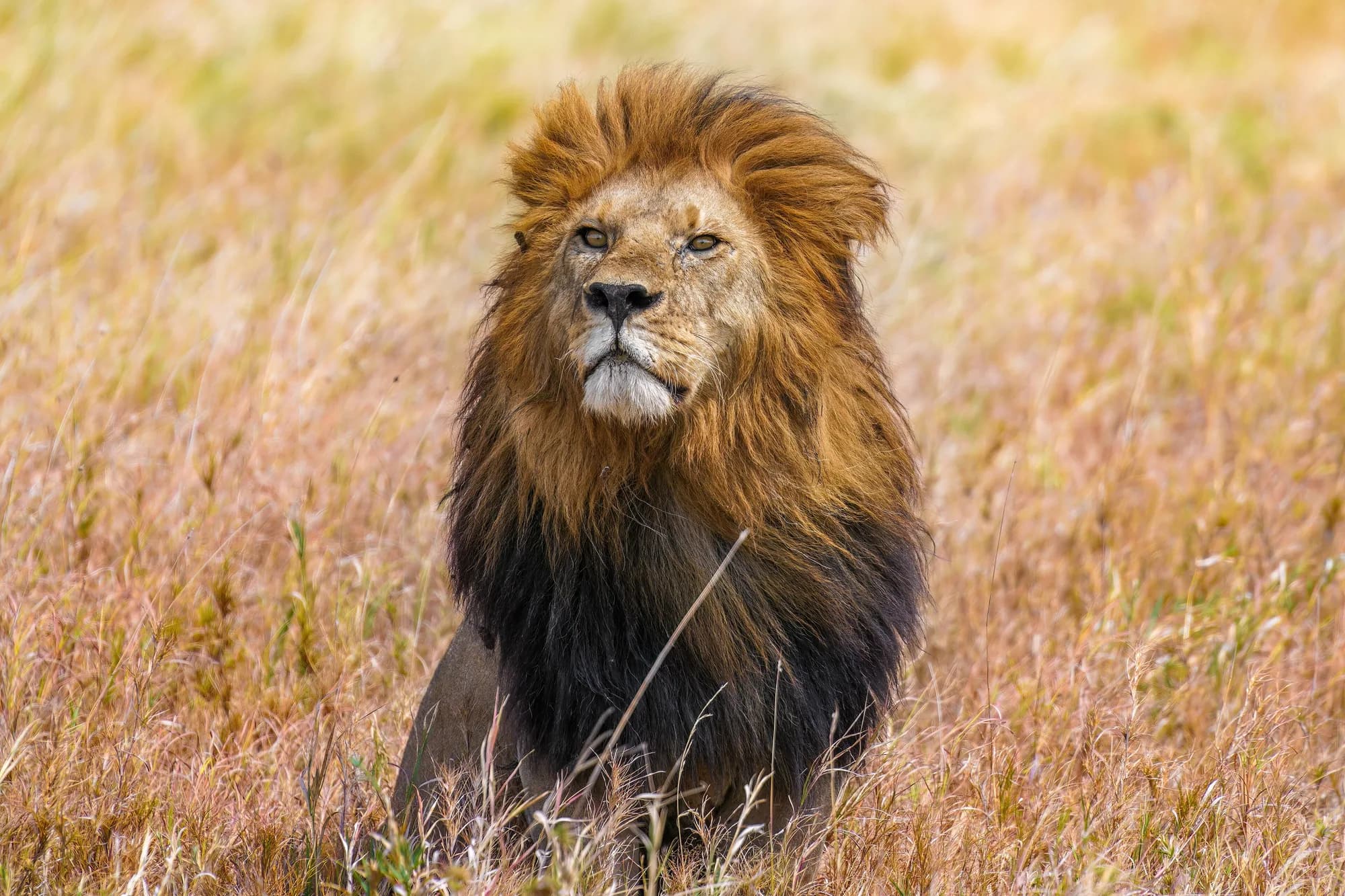
Photographs of African lion in the wild, in Indian reserves. We publish no captive, baited or digitally composited images, and no photograph whose licence we cannot show.
Which park, and why
Lion density varies by more than an order of magnitude between the parks on this site, and the marketing does not tell you that. The Mara, the Serengeti’s Seronera valley and southern Kruger are in one category. Most of the rest are places where lions exist and are seen on perhaps one drive in three. If a lion is the reason for the trip, the park choice is the decision and everything else is detail.
The second decision is whether you want odds or quality. Kgalagadi and Ruaha give fewer sightings of better animals in emptier country; the Mara gives you a pride with nine other vehicles at it. Both are legitimate and people are rarely told to choose.
Reading a pride
A pride is a group of related females and their cubs. The males attached to it are a coalition — often brothers, sometimes not — who hold tenure for a few years before being driven out. Almost everything dramatic you may witness follows from that arrangement: a new coalition taking over kills the cubs of the old one, and the females come into oestrus within days.
Hunting is done mostly by the females, mostly at night, and mostly unsuccessfully. If you arrive at a kill in the morning, the order of feeding tells you the structure: males first where they are present, regardless of who did the work.
Status and protection
Status and protection
- IUCN Red List
- Vulnerable
- Population trend
- ↓ Decreasing
- CITES
- Appendix II
Species-level assessment for Panthera leo, matching the binomial on the page.
Assessed 2025 · IUCN Red List assessment
What to book to see one
What you would be booking
- How it is seen
- Game drives, and specifically the first one of the day.
- Drives to book
- Three, minimum, in a park that has them. One drive is a coin toss; three in the Mara or Kruger's south makes a sighting close to expected.
- Zone or shift
- In Kruger, the southern and central sections. In the Serengeti, the Seronera valley year-round. In the Mara, wherever the crossings are in August–October.
Night drives change the animal. Lions are nocturnal hunters and most parks that allow night drives — Zambia's Luangwa above all — show you a lion doing something rather than a lion asleep.
Maasai MaraOn the same trip you would also get
- Spotted hyena — at the same kill, constantly
- African buffalo — the prey that fights back
- African leopard — the same parks, the opposite temperament
Questions people ask
Where is the best place to see lions in Africa?
How many drives do I need to be confident of seeing a lion?
Why are the lions always asleep?
What is a black-maned lion?
Read next
Six countries here, and three parks worth booking for
African leopard — the other big cat
Present in almost every park on this site and seen in very few of them. Leopards are the one big cat where the park choice is not a preference but the whole answer — outside a handful of reserves with habituated animals, a sighting is luck.
Six countries here, and it needs open country
Cheetah — the one that hunts in daylight
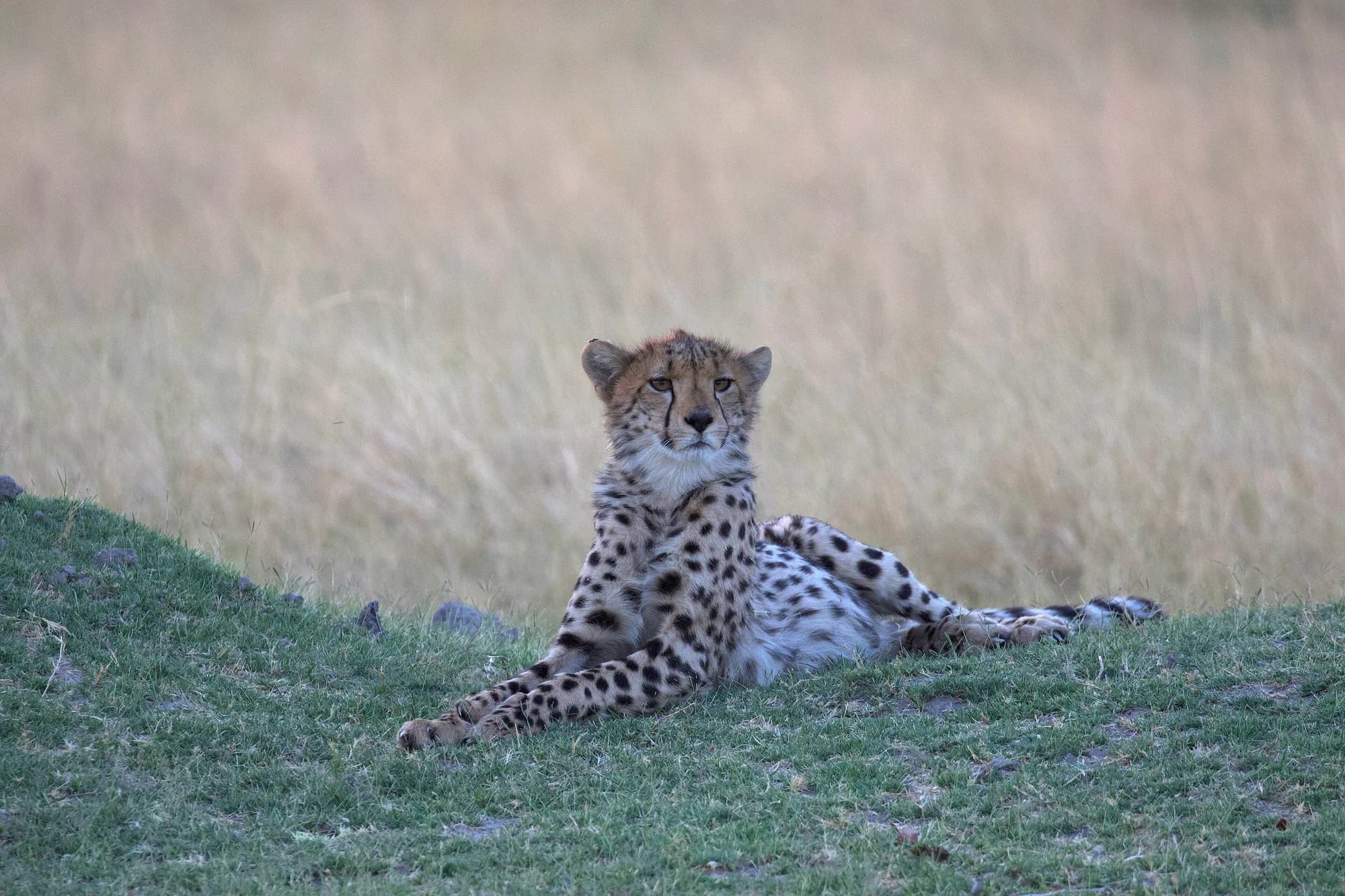
The one large African predator that hunts in daylight, which makes it the most watchable and the most photographed. It is also the rarest of the big cats on this site, and it loses kills to almost everything.
Maasai Mara
South Luangwa — where night drives are normal