
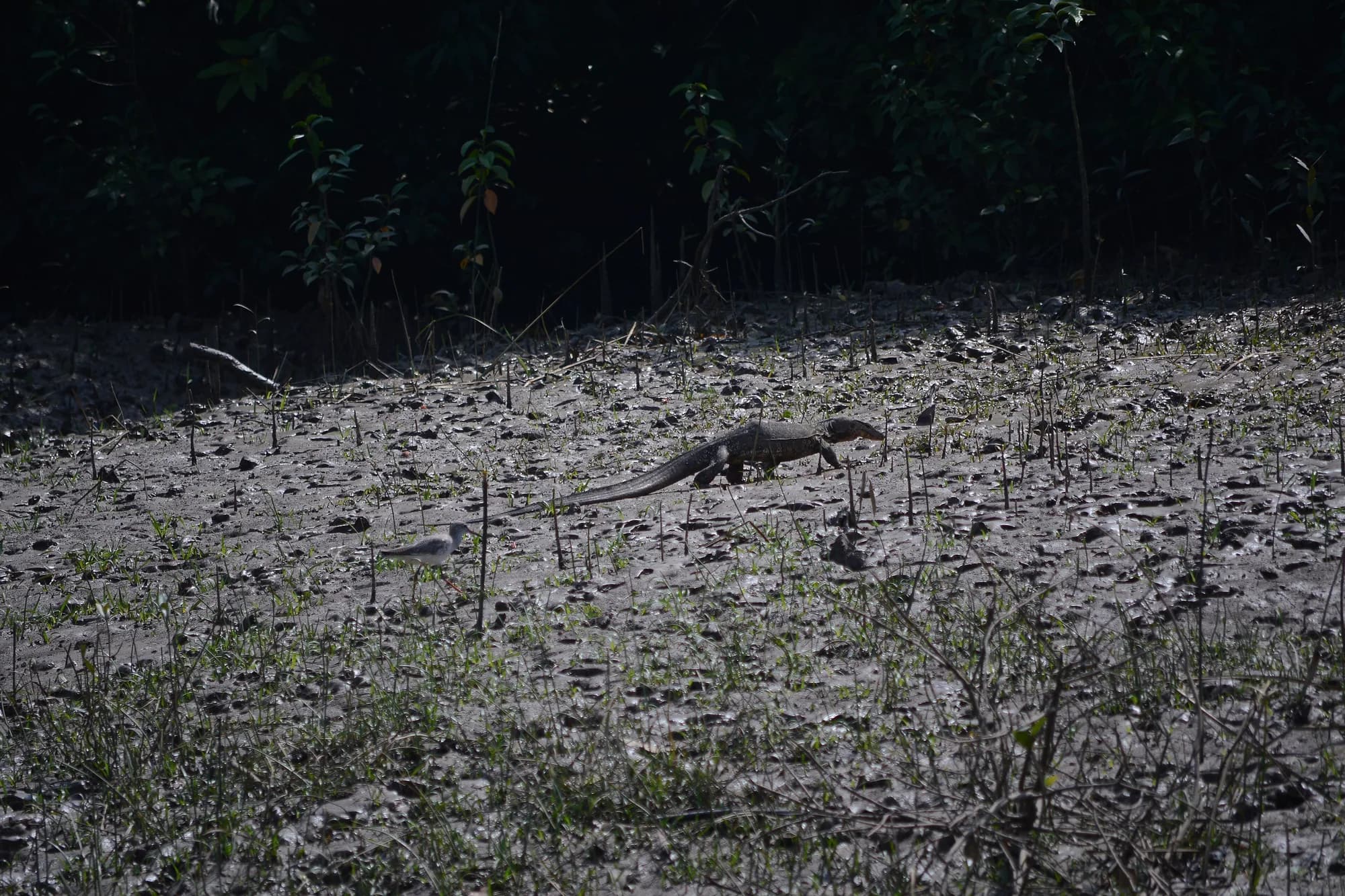
Species · Varanus bengalensis
Bengal monitor
The large lizard everyone sees crossing a forest road and nobody can name. Up to a metre and a half, a strong climber, and entirely harmless.
Also called
- Goh (गोह) · Hindi
- Ghorpad · Marathi
- Ghoh · Gujarati
Checked 30 Aug 2026
- Where
- Across most of India
- Best months
- November–April
- Length
- Up to about 1.5 m
- Note
- Harmless to people
Forest, scrub, farmland and riverbank across almost the whole country, using burrows, termite mounds and tree hollows.
Where it is
Where to actually go
Ranked, with the reason each — these are not interchangeable.
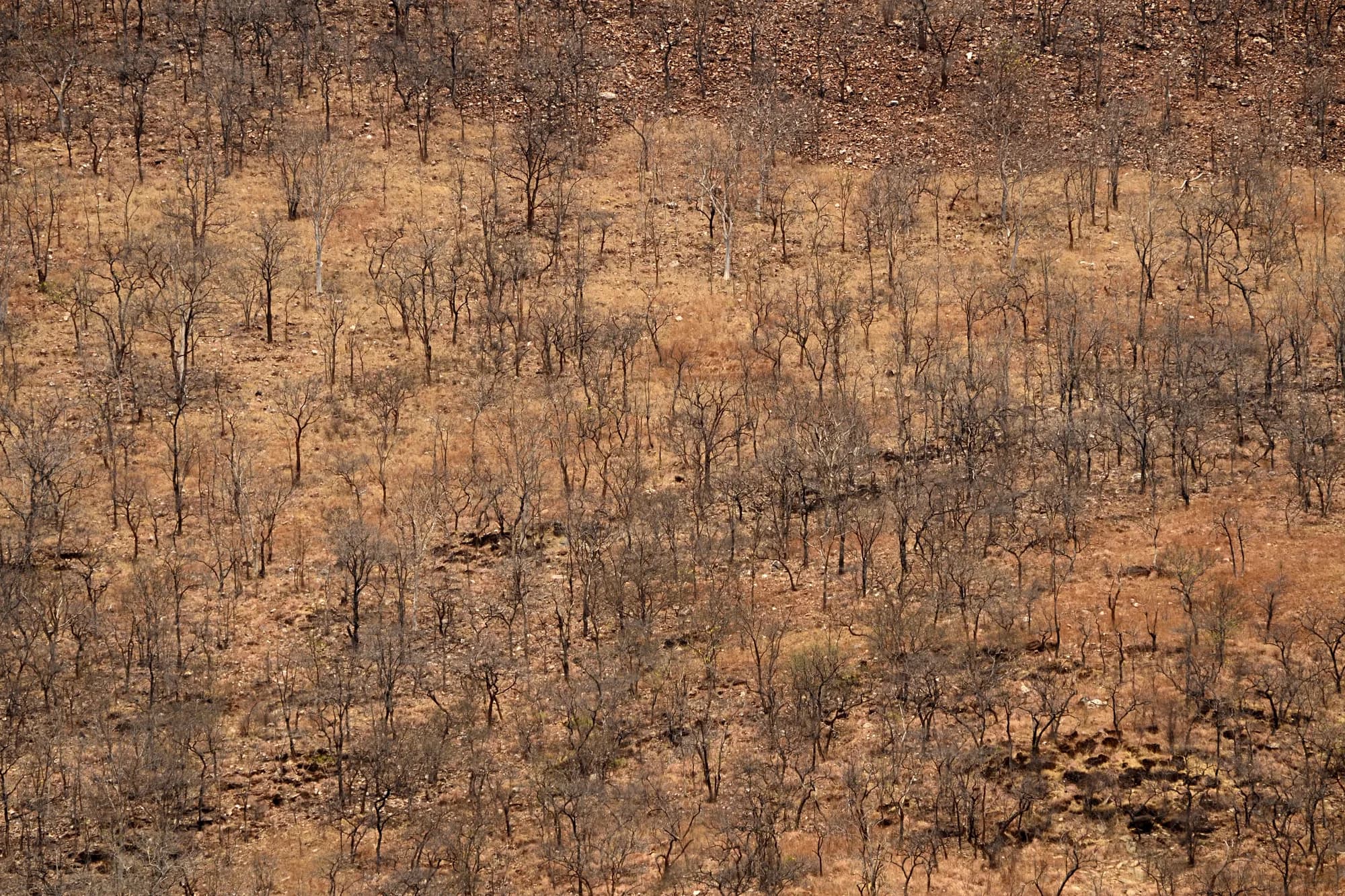
Where you will not see one
- Assumed to be dangerousHarmless. Bengal monitors have no venom of consequence to people and will flee rather than confront. The reputation comes from size alone.
- Confused with a crocodile at distanceIt happens on riverbanks. A monitor has visible legs, a much narrower body and moves with a distinct side-to-side gait.
When to go
When to go
- J
- F
- M
- A
- M
- J
- J
- A
- S
- O
- N
- D
January: best. February: best. March: best. April: best. May: good. June: marginal. July: closed or unproductive. August: closed or unproductive. September: closed or unproductive. October: marginal. November: best. December: best.
Through the day
- Dawn
- Morning
- Midday
- Afternoon
- Dusk
- Night
Dawn: usually resting. Morning: most active. Midday: most active. Afternoon: active. Dusk: usually resting. Night: not normally seen.
What it looks like in the field
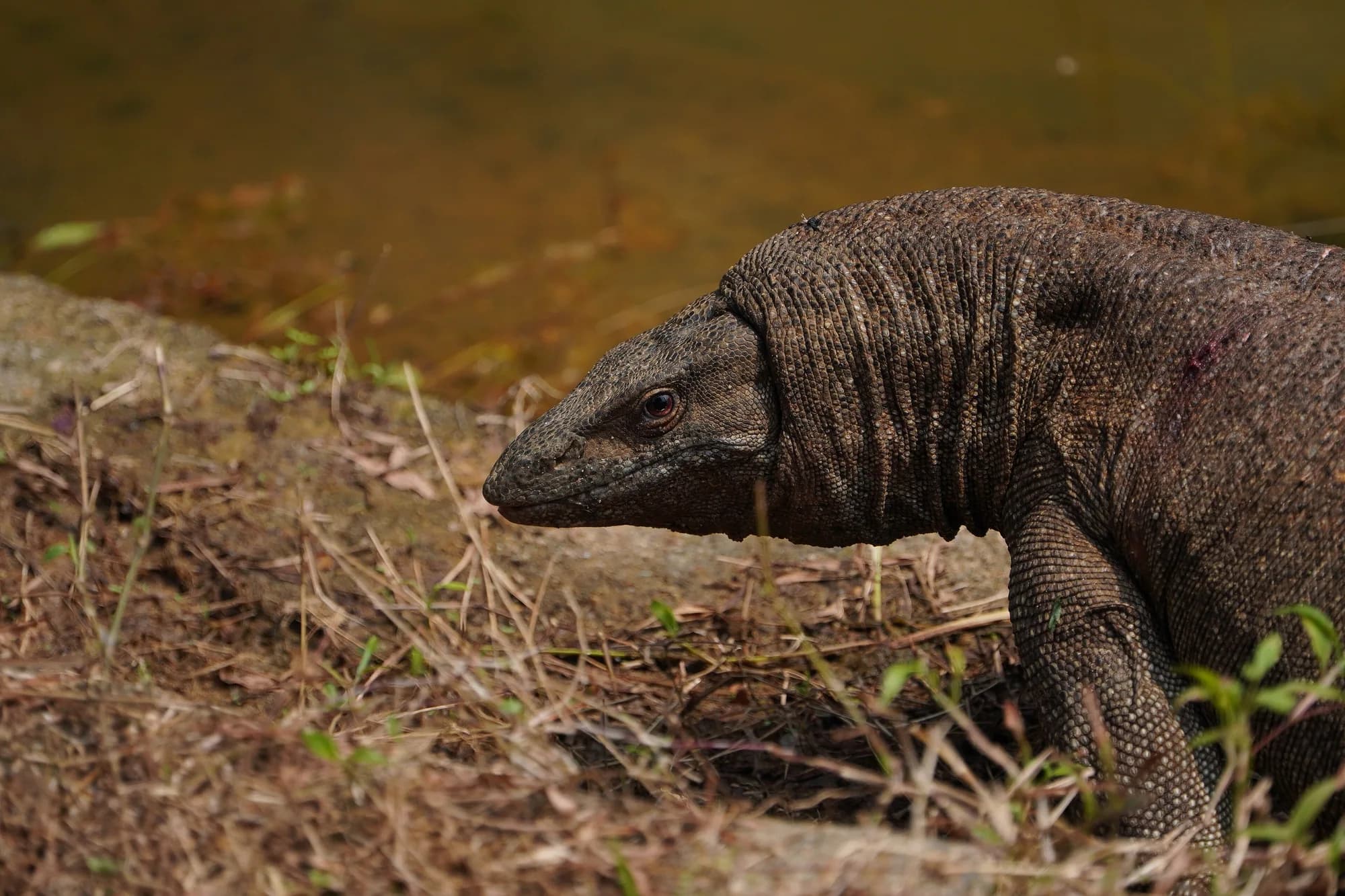
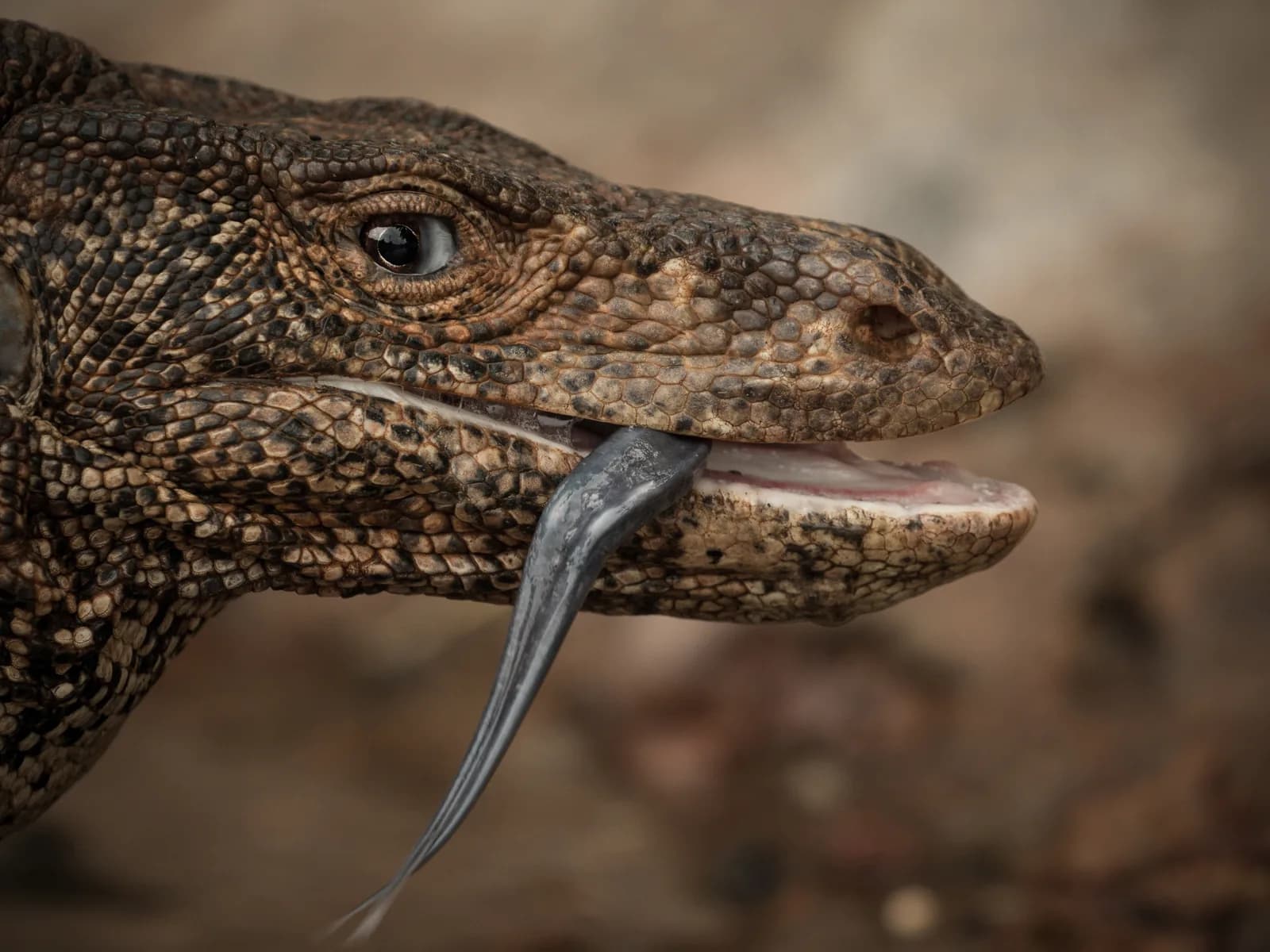
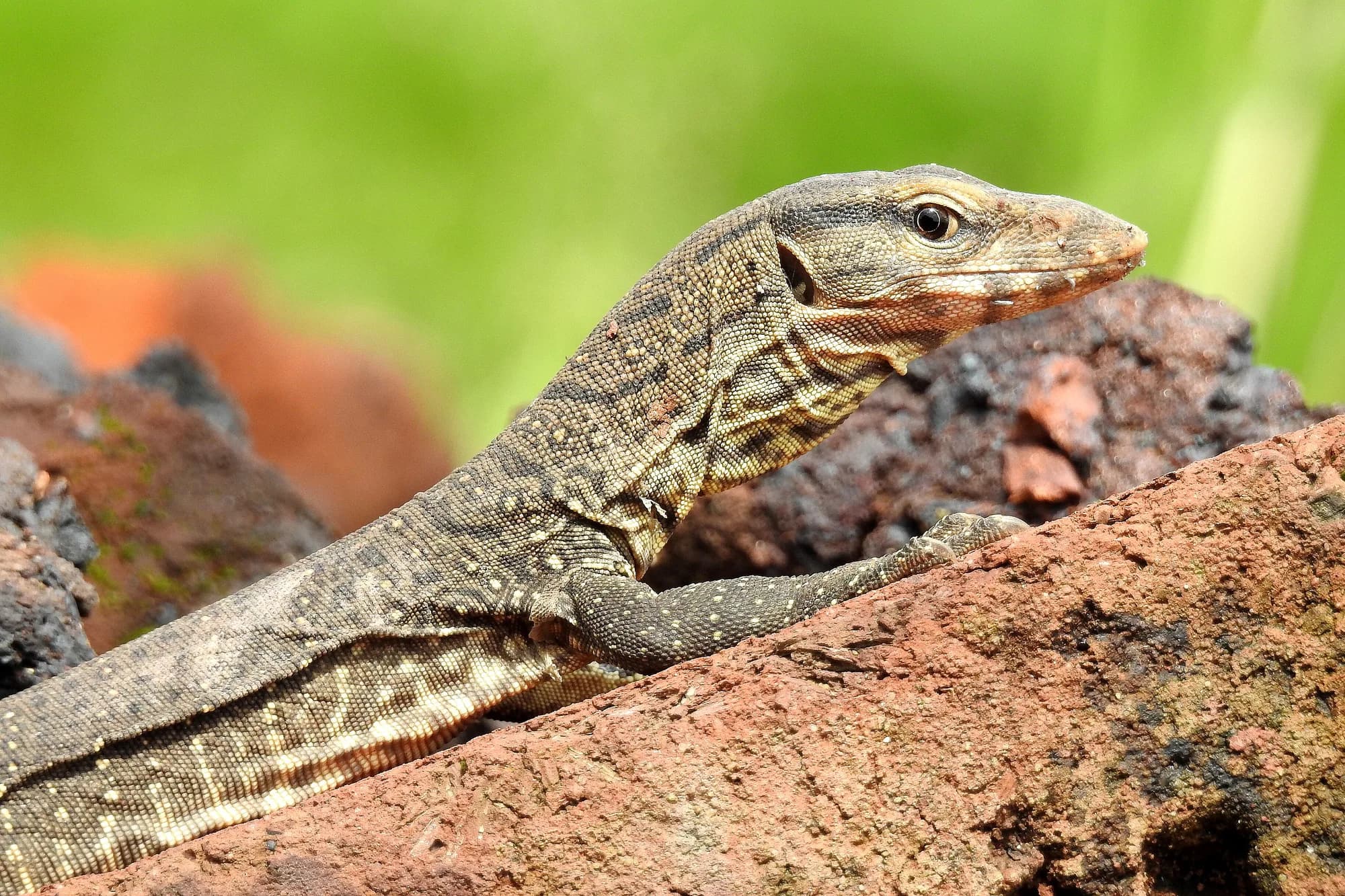
Photographs of Bengal monitor in the wild, in Indian reserves. We publish no captive, baited or digitally composited images, and no photograph whose licence we cannot show.
What a sighting is actually like
A large lizard crossing the track at an unhurried diagonal, tongue flicking, then stopping halfway to look at the vehicle before carrying on. Ten or fifteen seconds, in full light.
Status and protection
Status and protection
- IUCN Red List
- Near Threatened
- Population trend
- ↓ Decreasing
- Wildlife Protection Act 1972
- Schedule I
- CITES
- Appendix I
Species-level assessment for Varanus bengalensis; binomial matches exactly. Listed as Near Threatened under criteria A2d. Last assessed 08 June 2018. Note that V.
Assessed 2018 · IUCN Red List assessment
What to book to see one
What you would be booking
- How it is seen
- Any drive, mid-morning.
- Drives to book
- None needed. Ask the guide to stop rather than drive over it.
They are hunted for skin and for supposed medicinal value, which is the real pressure on the species. A reserve population crossing tracks in daylight is a sign that particular forest is well protected.
Bandhavgarh — the park in fullQuestions people ask
What is the big lizard on the road?
Is it dangerous?
Where will I see one?
Read next
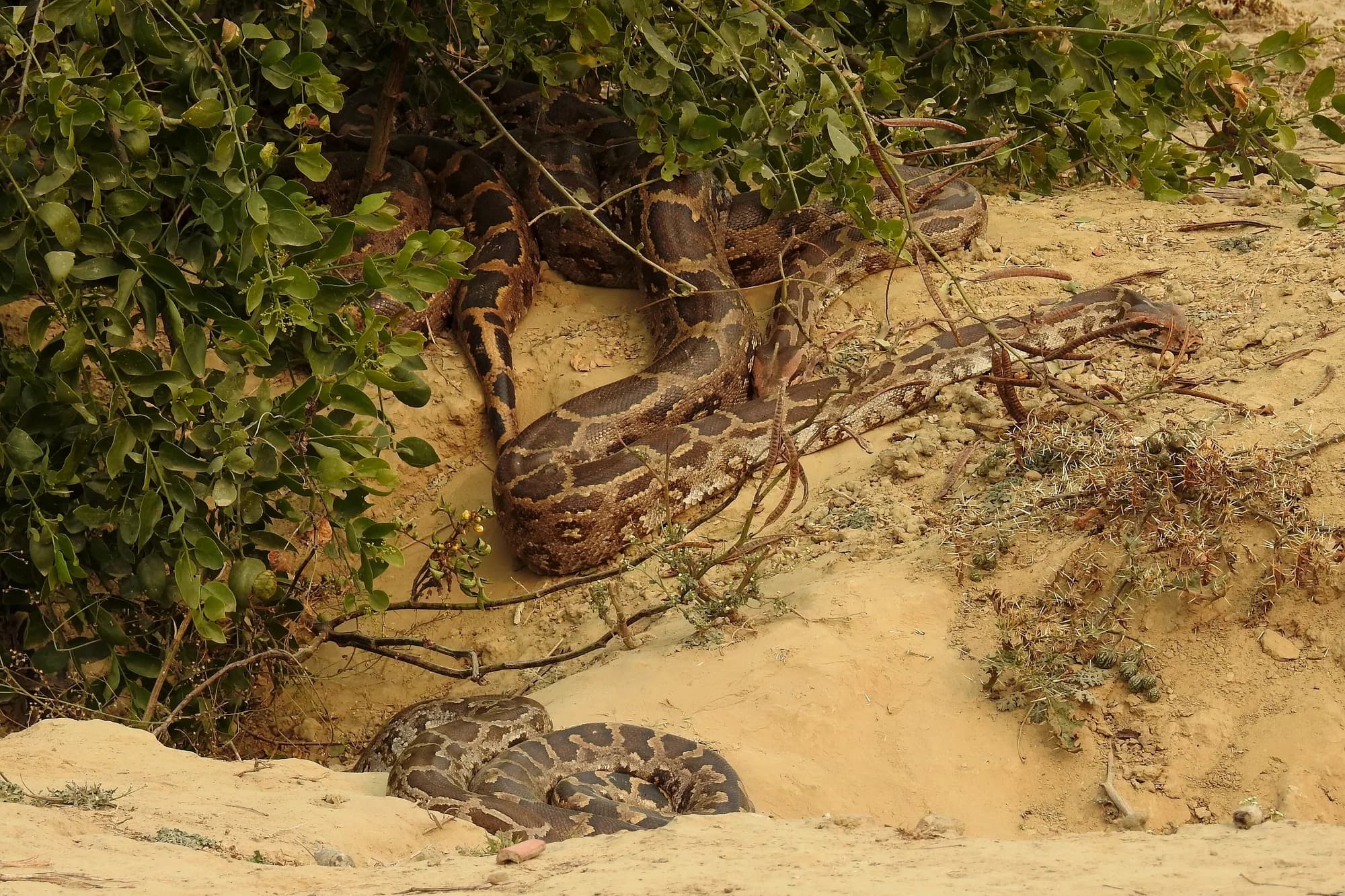
Basking at a burrow mouth on a cold morning
Rock python — shares the burrows
A heavy-bodied constrictor up to four metres, and one of the few large snakes in India you can plan to see — on cold mornings, at known burrows.
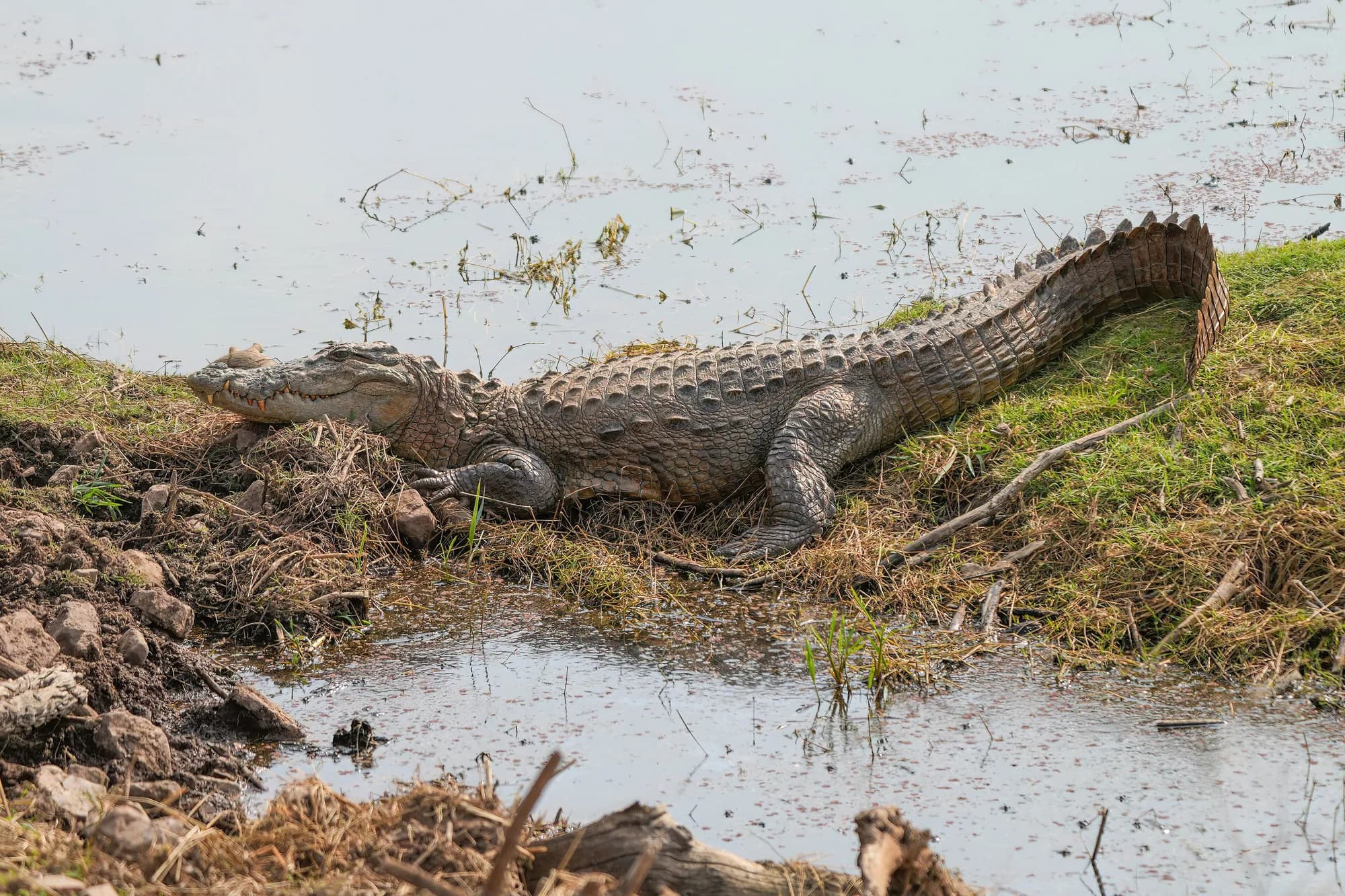
Every waterhole in the dry reserves
Mugger — the distance confusion
The crocodile you will actually see in India — broad-snouted, common, and basking on the bank of every dry-forest lake while everyone photographs the deer behind it.
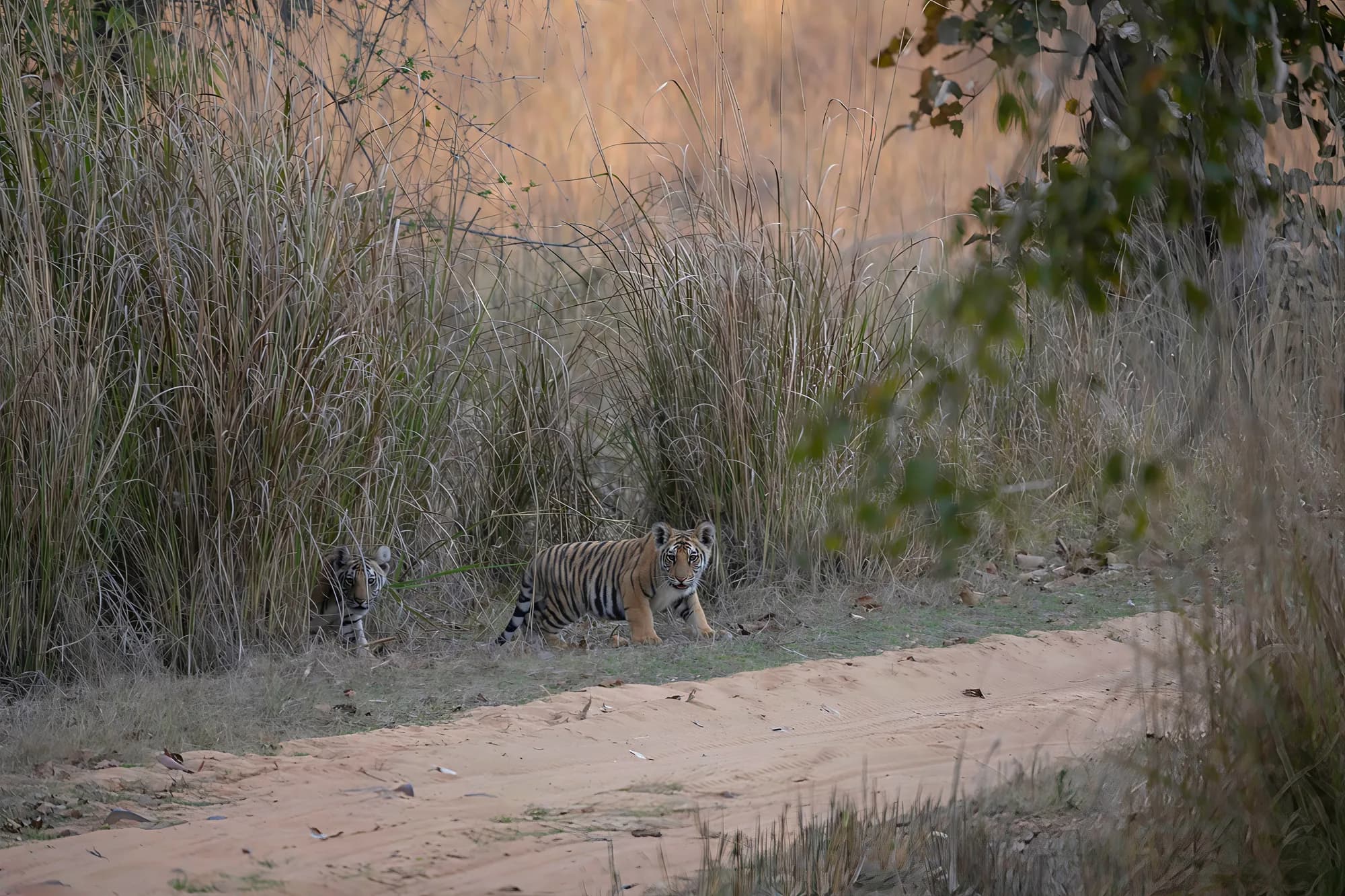
Madhya Pradesh
Bandhavgarh — the park in full
The highest tiger density in India in a compact area — which is why it is the reserve most often recommended for a first trip.
Every reserve, and nobody names it
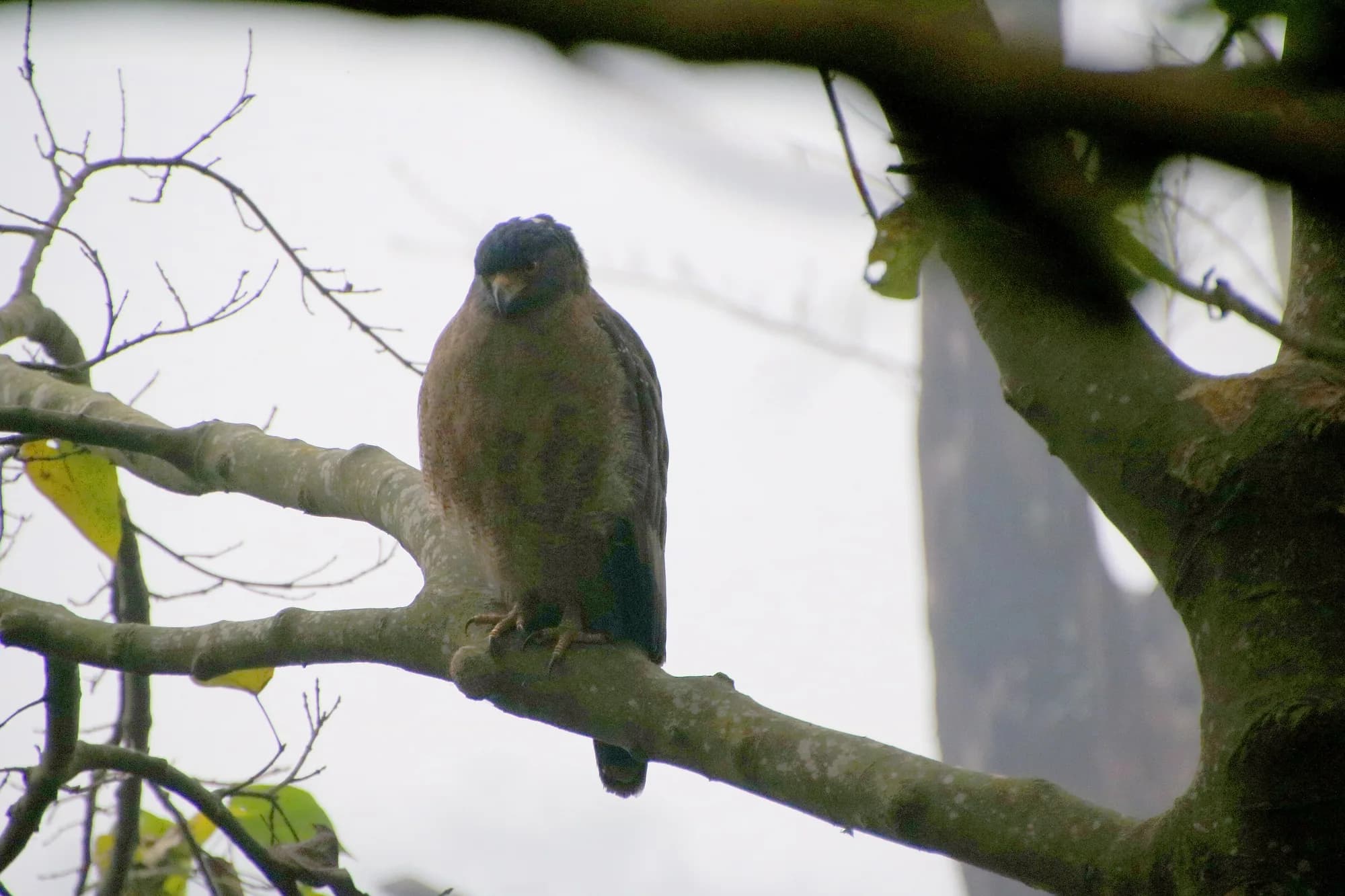
Serpent eagle — a predator of young monitors
The raptor every visitor photographs and nobody can identify. Its whistling call is part of the soundtrack of an Indian forest.