
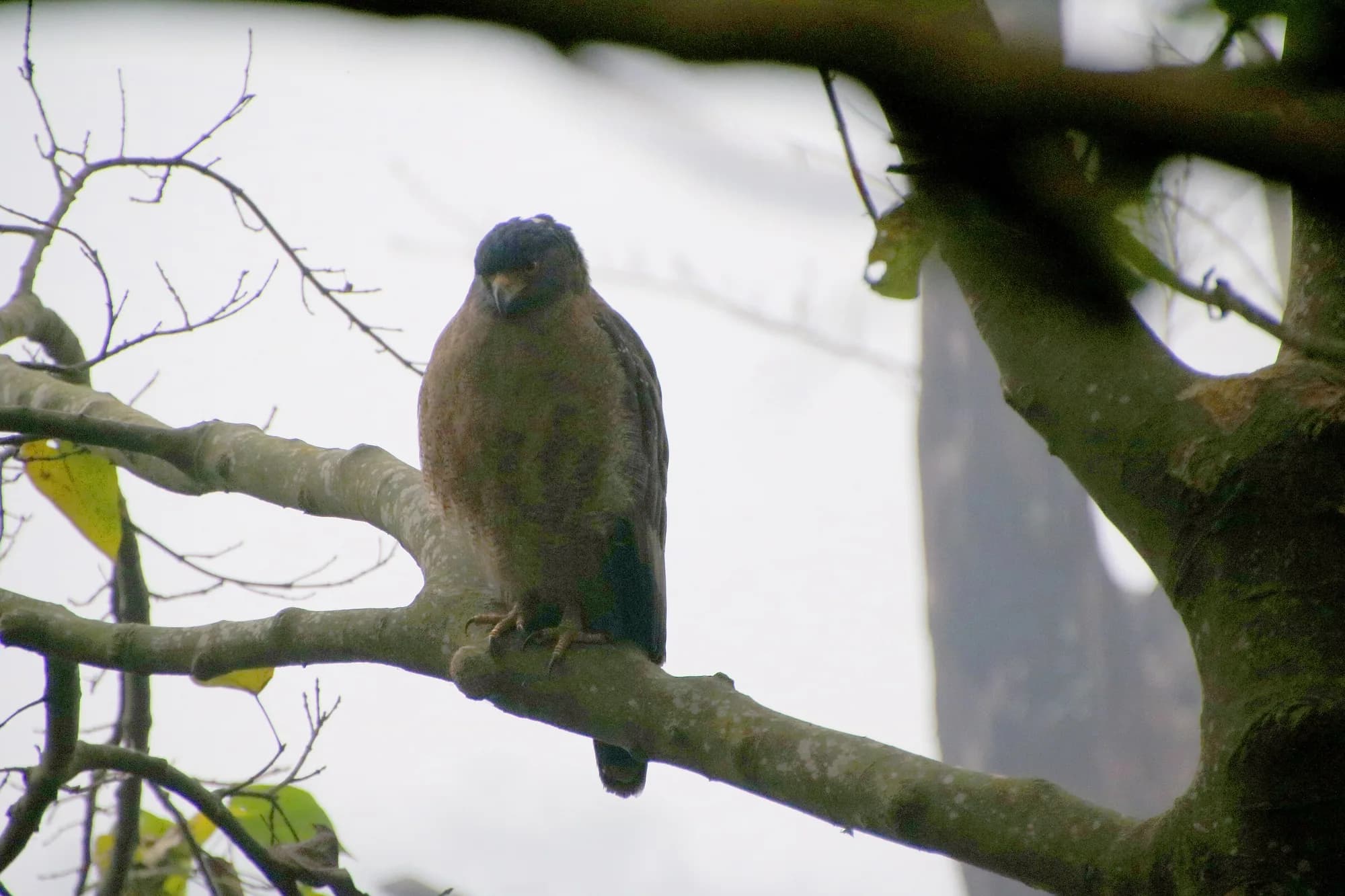
Species · Spilornis cheela
Crested serpent eagle
The raptor every visitor photographs and nobody can identify. Its whistling call is part of the soundtrack of an Indian forest.
Also called
- Dogra (डोगरा) · Hindi
- Sarpa gruda · Marathi
Checked 30 Aug 2026
- Where
- Every reserve in this list
- Best months
- November–April
- Call
- A rising whistle
- Eats
- Snakes, mostly
Forest and forest edge across almost the whole country wherever there are snakes and lizards to take.
Where it is
Where to actually go
Ranked, with the reason each — these are not interchangeable.
Where you will not see one
- Confused with a changeable hawk-eagleHawk-eagles are slimmer with a longer tail and a pointed crest, and lack the bare yellow facial skin. The serpent eagle's face is the quickest tell.
- Assumed to be a common bird not worth stopping forIt is common, and it is a snake-eating eagle sitting ten metres from the vehicle. Worth thirty seconds.
When to go
When to go
- J
- F
- M
- A
- M
- J
- J
- A
- S
- O
- N
- D
January: best. February: best. March: best. April: good. May: marginal. June: marginal. July: marginal. August: marginal. September: marginal. October: good. November: best. December: best.
Through the day
- Dawn
- Morning
- Midday
- Afternoon
- Dusk
- Night
Dawn: active. Morning: most active. Midday: most active. Afternoon: active. Dusk: active. Night: not normally seen.
What it looks like in the field
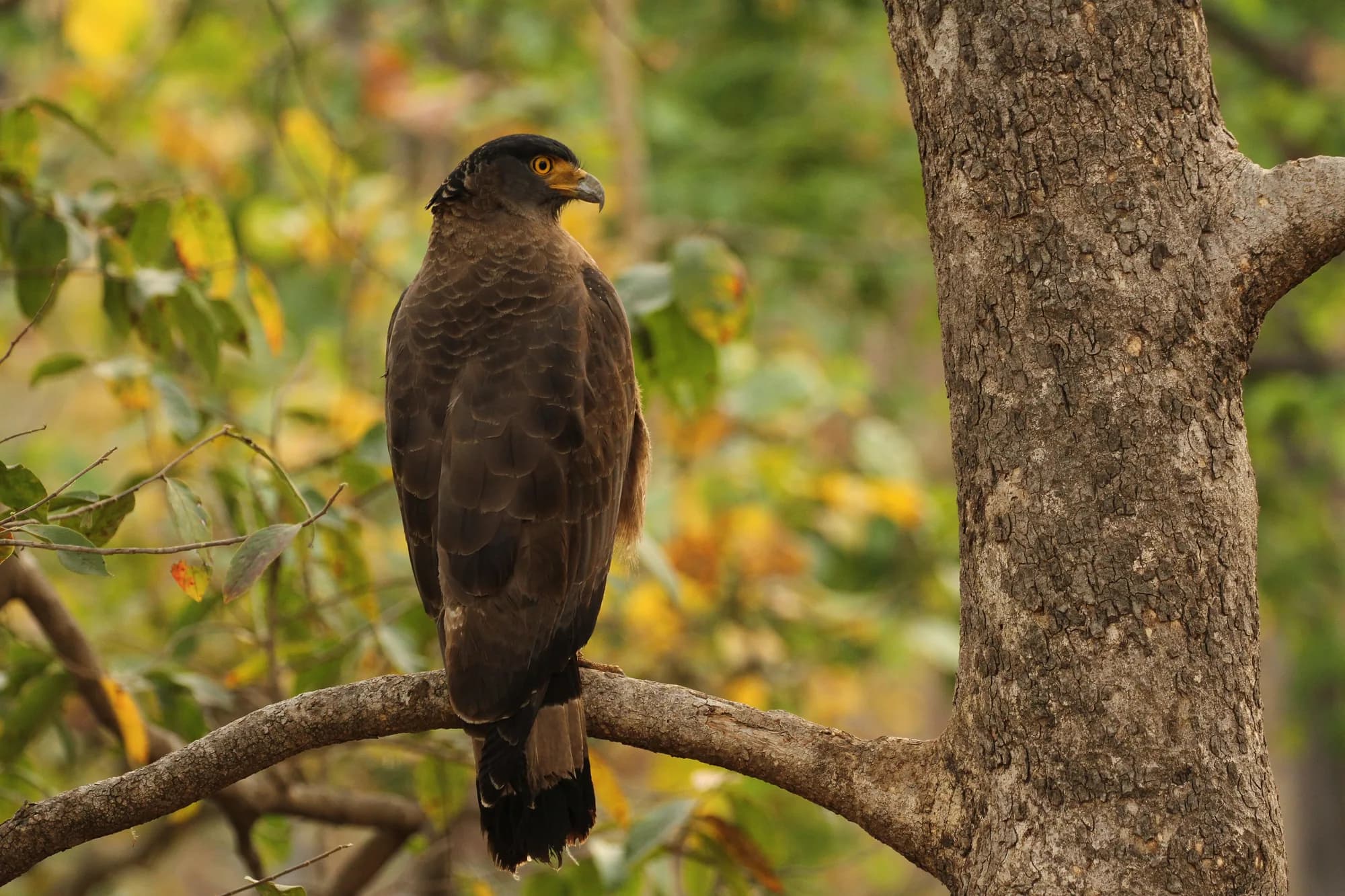
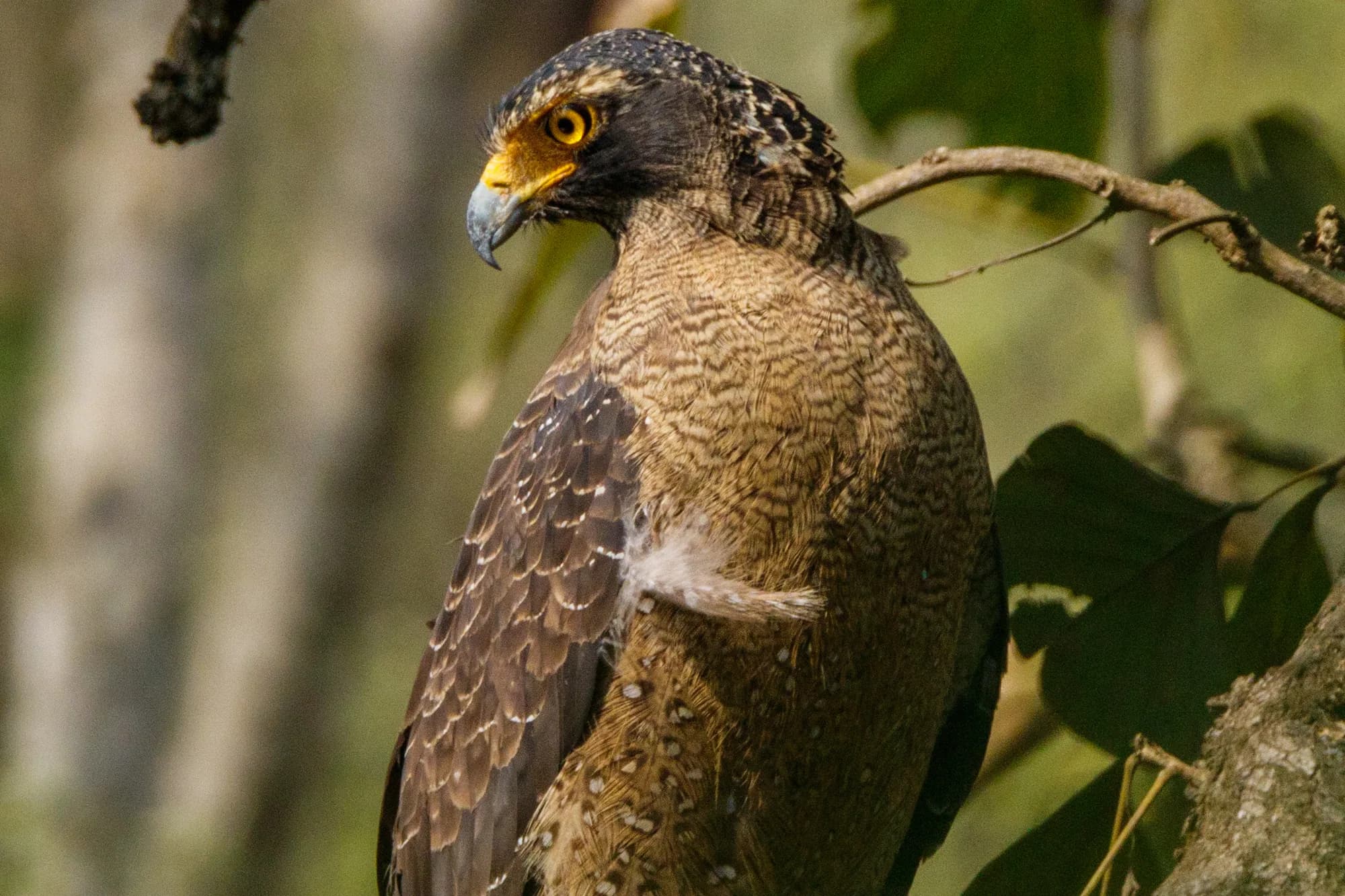
Photographs of Crested serpent eagle in the wild, in Indian reserves. We publish no captive, baited or digitally composited images, and no photograph whose licence we cannot show.
What a sighting is actually like
A thickset brown raptor sitting motionless on a bare branch over the track, entirely unbothered, with a black-and-white crest that goes up when it takes an interest in you.
Status and protection
Status and protection
- IUCN Red List
- Least Concern
- Population trend
- ↓ Decreasing
- Wildlife Protection Act 1972
- Schedule I
- CITES
- Appendix II
Species-level assessment. Spilornis cheela is a wide-ranging polytypic species with many named subspecies across South and Southeast Asia;
Assessed 2025 · IUCN Red List assessment
What to book to see one
What you would be booking
- How it is seen
- Any drive. Look at the bare branches over the track.
- Drives to book
- None. You will see several.
Learn the call — a rising, plaintive kluee-wip given in flight. Once you know it you will realise it has been the background of every drive you have ever taken in India.
Kanha — the park in fullQuestions people ask
What is the eagle I keep seeing on the tracks?
How do I identify it?
Does it really eat snakes?
Read next
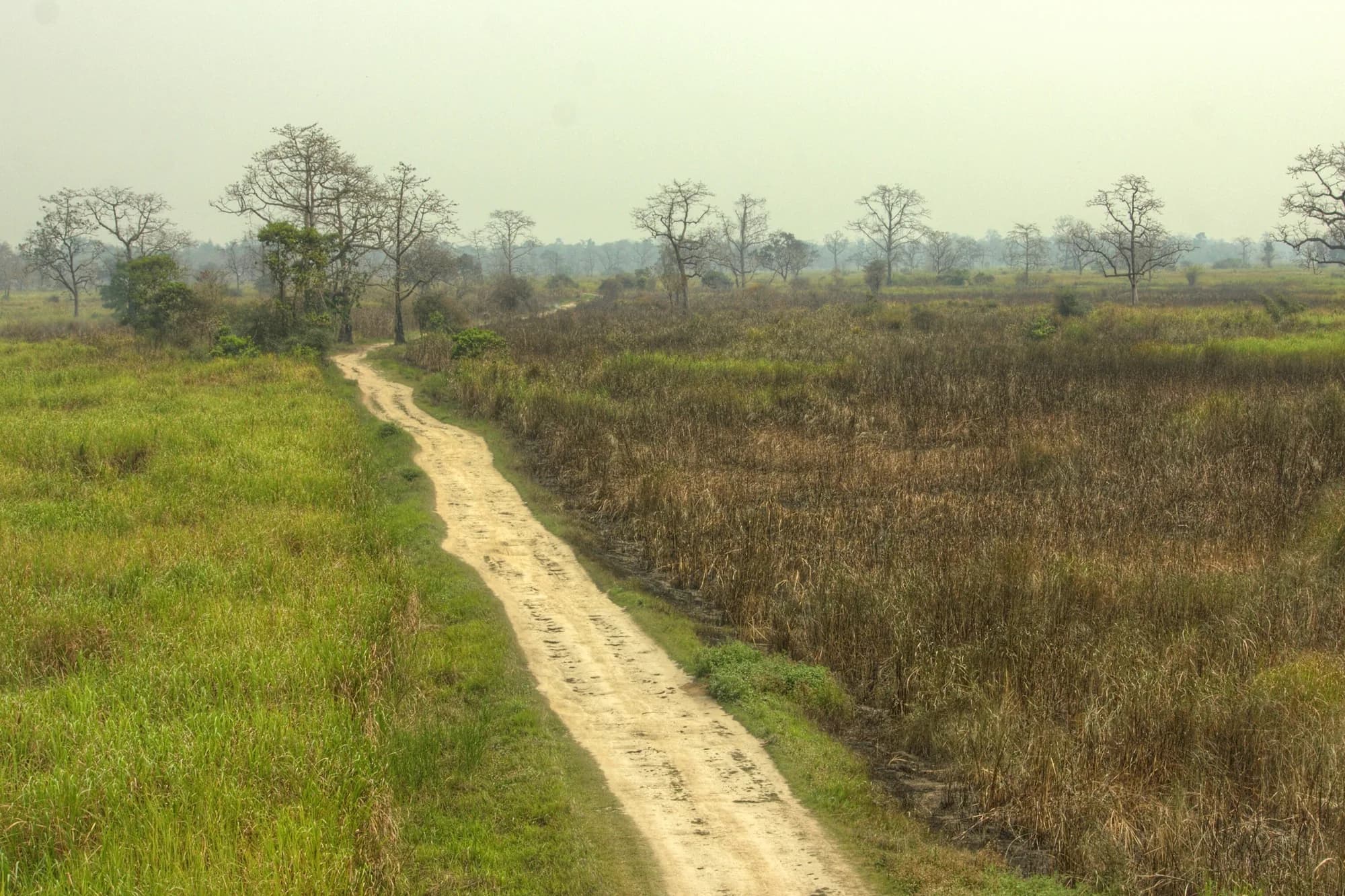
Madhya Pradesh
Kanha — the park in full
Sal forest and wide meadows, larger and calmer than Bandhavgarh. Repays four or five drives far more than two.
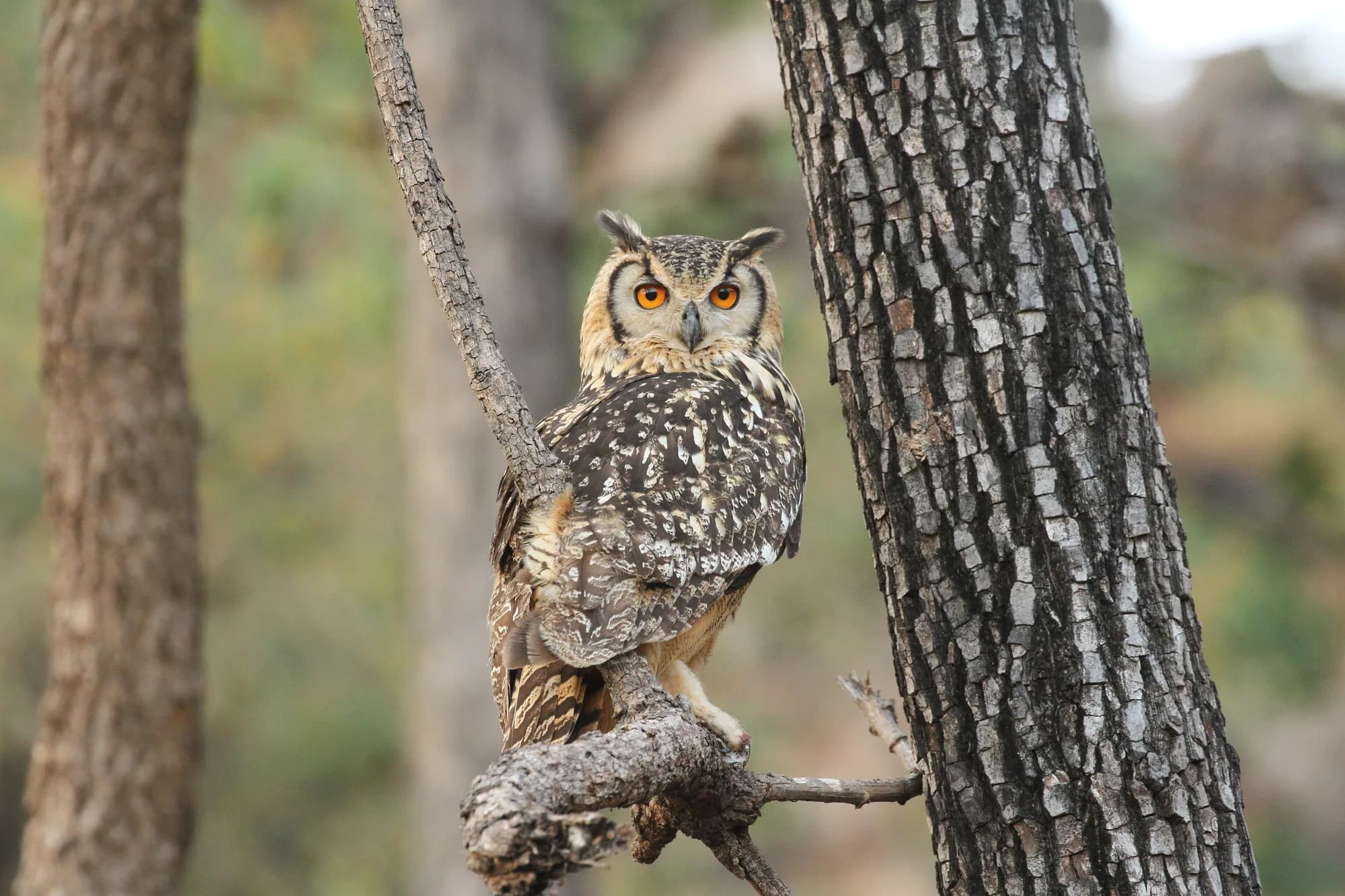
Ravines and fort walls, often in daylight
Indian eagle-owl — the night raptor
A large horned owl of ravines and rocky ground, frequently found roosting in the open in daylight — which makes it the easiest big owl in India to see properly.
November to February
Birding on an Indian safari
Every reserve here is a birding destination whether or not it is sold as one. Say so when you book.
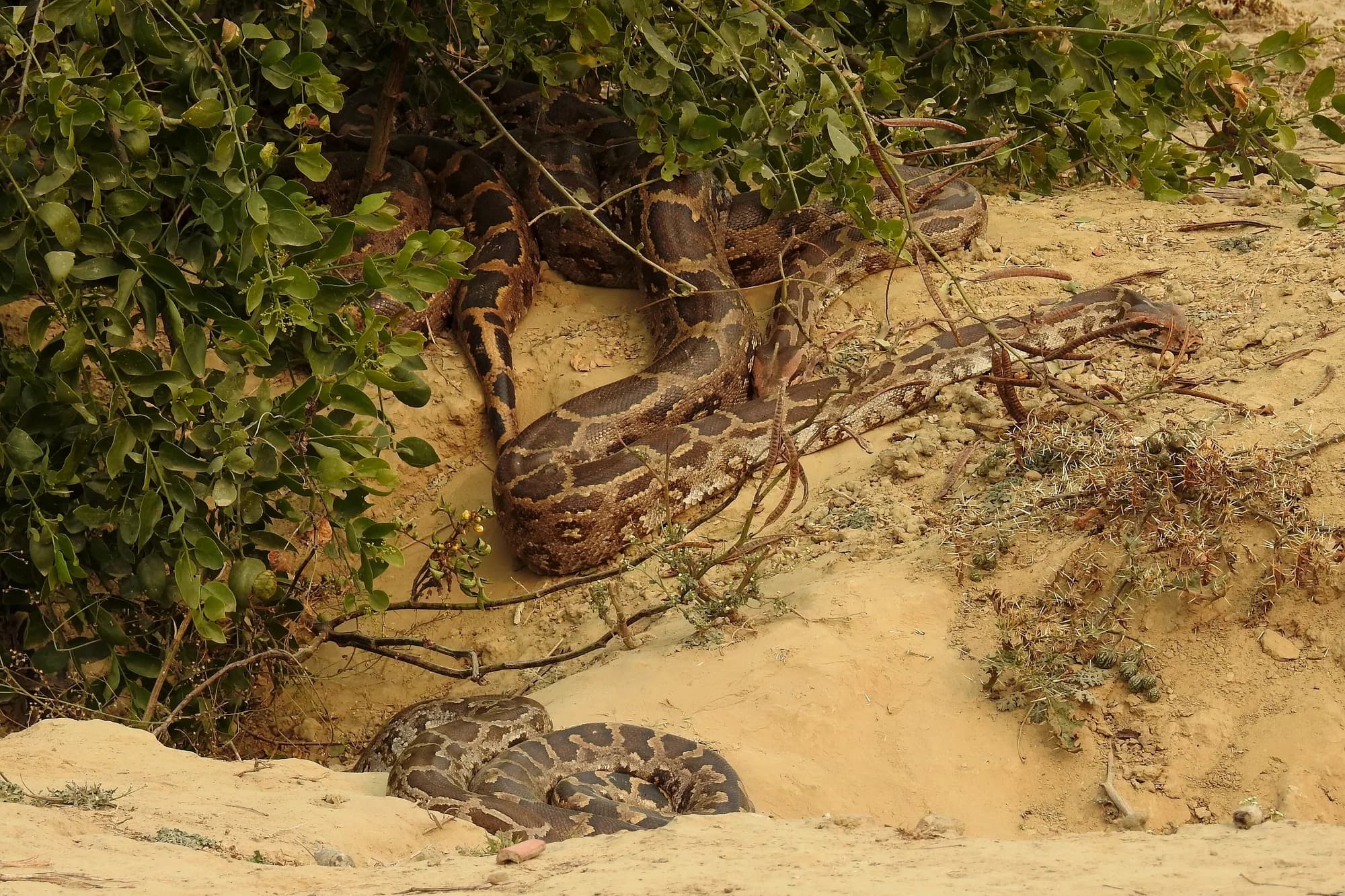
Basking at a burrow mouth on a cold morning
Rock python — larger than it can manage
A heavy-bodied constrictor up to four metres, and one of the few large snakes in India you can plan to see — on cold mornings, at known burrows.