
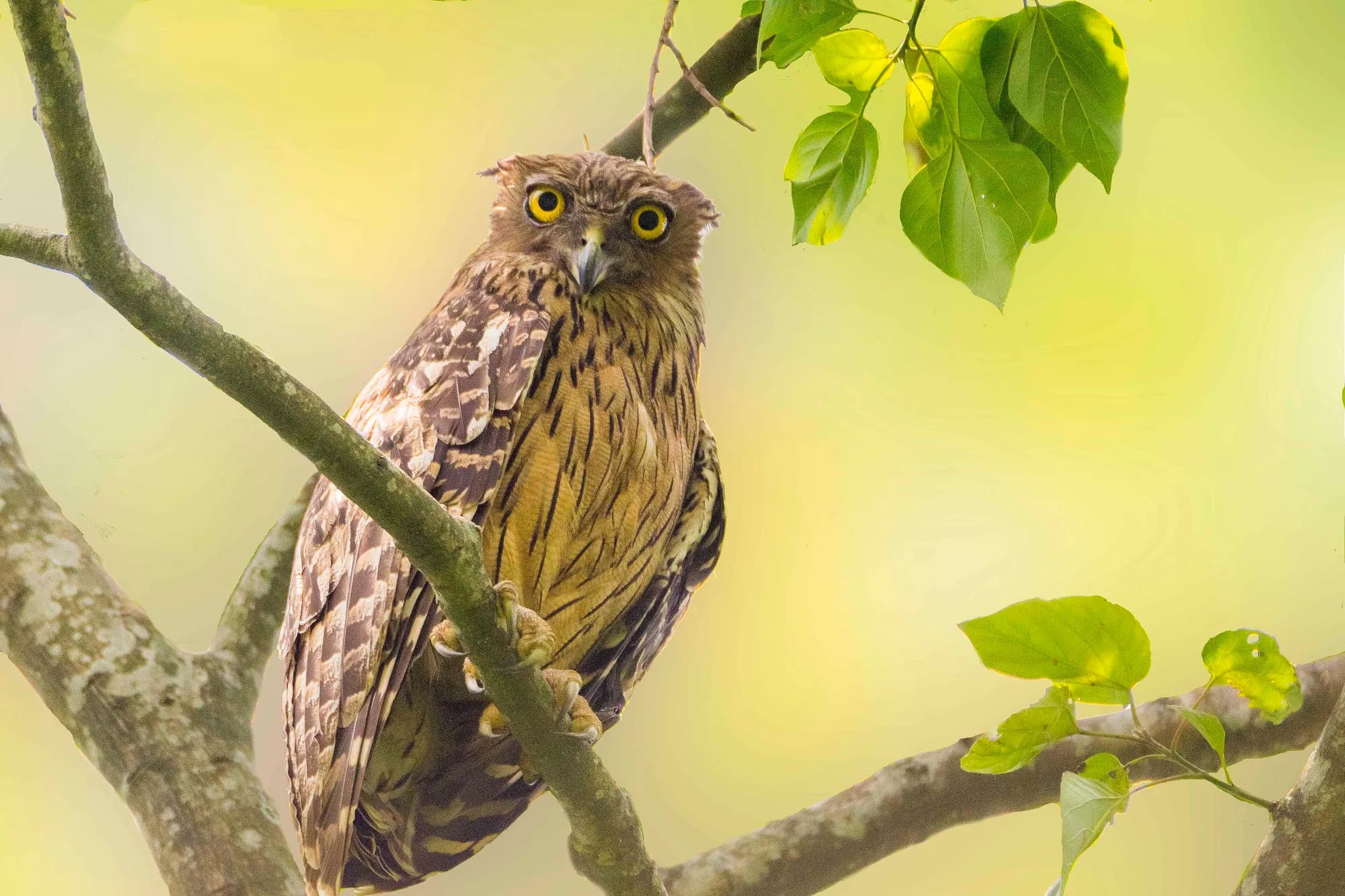
Species · Ketupa zeylonensis
Brown fish owl
A large owl that hunts fish from riverside branches and roosts above the crossings every vehicle drives through. Regularly overhead, and almost always missed.
Also called
- Ulu (उल्लू) · Hindi
- Ghubad · Marathi
- Meen kooman · Malayalam
Checked 30 Aug 2026
- Where
- Across most of India
- Best months
- November–April
- Hunts
- Fish, frogs and crabs
- Roosts
- Over water, in daylight
Riverine and lakeside forest across most of India, always tied to water with fish in it.
Where it is
Where to actually go
Ranked, with the reason each — these are not interchangeable.
Where you will not see one
- Away from waterTied to rivers, lakes and backwaters. Dry forest away from water holds eagle-owls instead.
- Confused with an eagle-owlHabitat first. Fish owls are browner and shaggier with untidy sideways tufts and yellow eyes; eagle-owls are on rock with erect tufts and orange eyes.
When to go
When to go
- J
- F
- M
- A
- M
- J
- J
- A
- S
- O
- N
- D
January: best. February: best. March: best. April: good. May: marginal. June: marginal. July: closed or unproductive. August: closed or unproductive. September: closed or unproductive. October: marginal. November: best. December: best.
Through the day
- Dawn
- Morning
- Midday
- Afternoon
- Dusk
- Night
Dawn: active. Morning: usually resting. Midday: usually resting. Afternoon: active. Dusk: most active. Night: most active.
What it looks like in the field
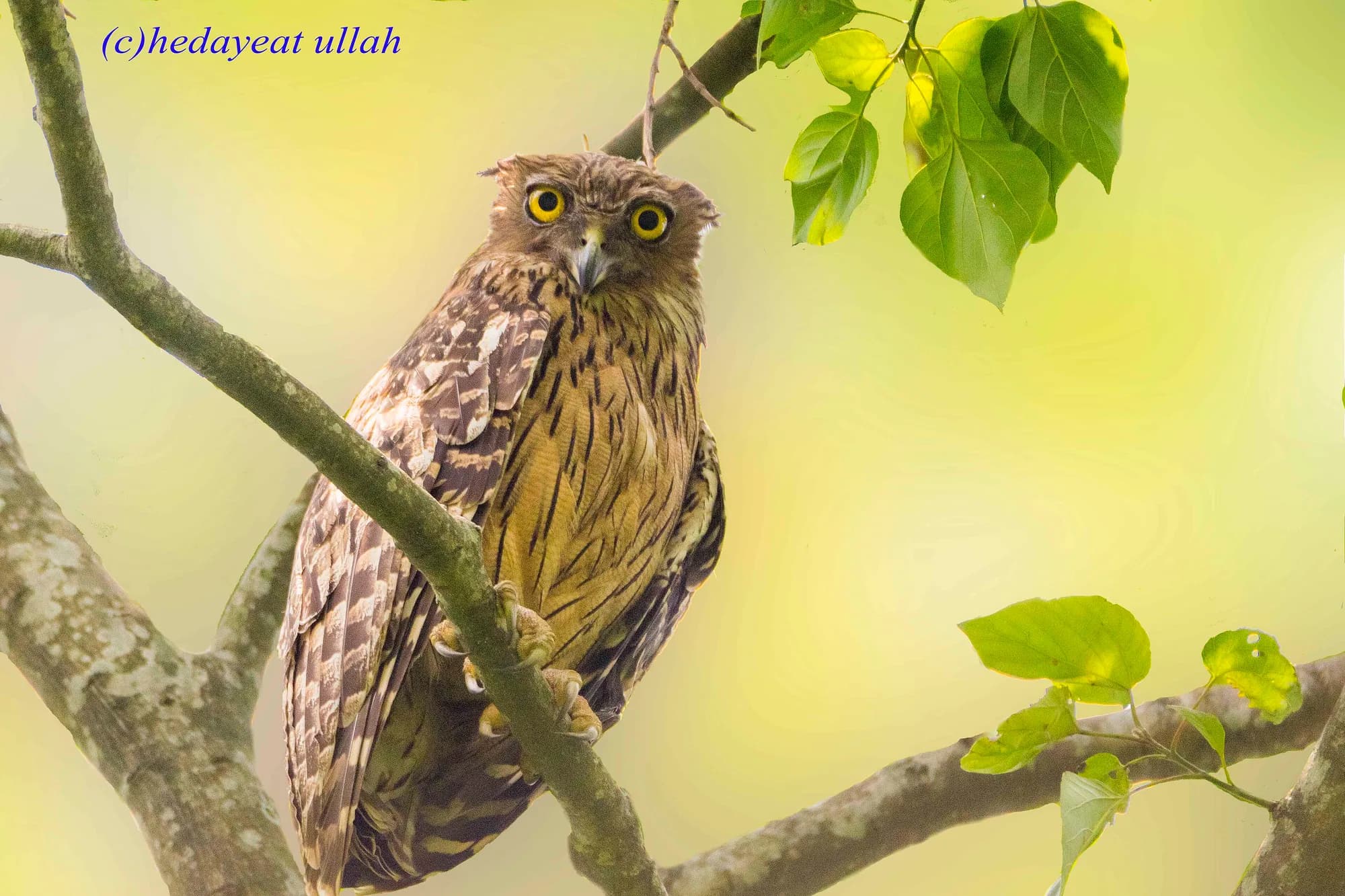
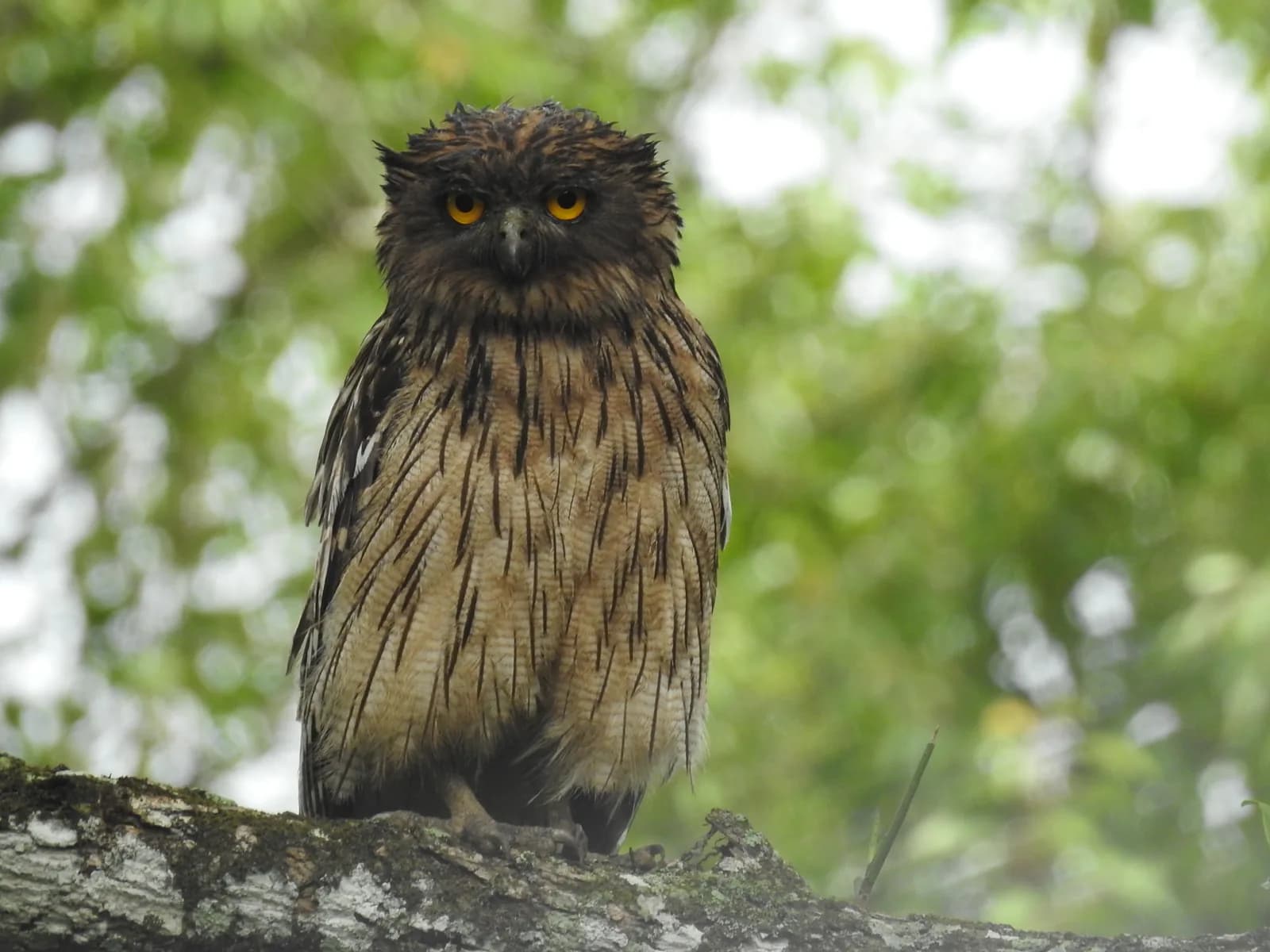
Photographs of Brown fish owl in the wild, in Indian reserves. We publish no captive, baited or digitally composited images, and no photograph whose licence we cannot show.
What a sighting is actually like
A large shaggy brown owl sitting quietly on a branch four metres above a river crossing, watching the water, entirely unbothered by the vehicle passing beneath.
Status and protection
Status and protection
- IUCN Red List
- Least Concern
- Population trend
- ↓ Decreasing
- Wildlife Protection Act 1972
- Schedule I
- CITES
- Appendix II
Species-level assessment for Ketupa zeylonensis; binomial matches exactly. Assessor BirdLife International 2025, last assessed 28 May 2025.
Assessed 2025 · IUCN Red List assessment
What to book to see one
What you would be booking
- How it is seen
- Any drive that crosses a river, or a boat.
- Drives to book
- None specific — but ask the guide to stop at the crossings and look up.
The best chance on any Indian safari is the moment the vehicle slows to cross a river. Almost nobody looks up at that point, because everyone is watching the water.
Corbett — the park in fullQuestions people ask
Where can I see a brown fish owl?
Can I see it in daylight?
How is it different from an eagle-owl?
Read next
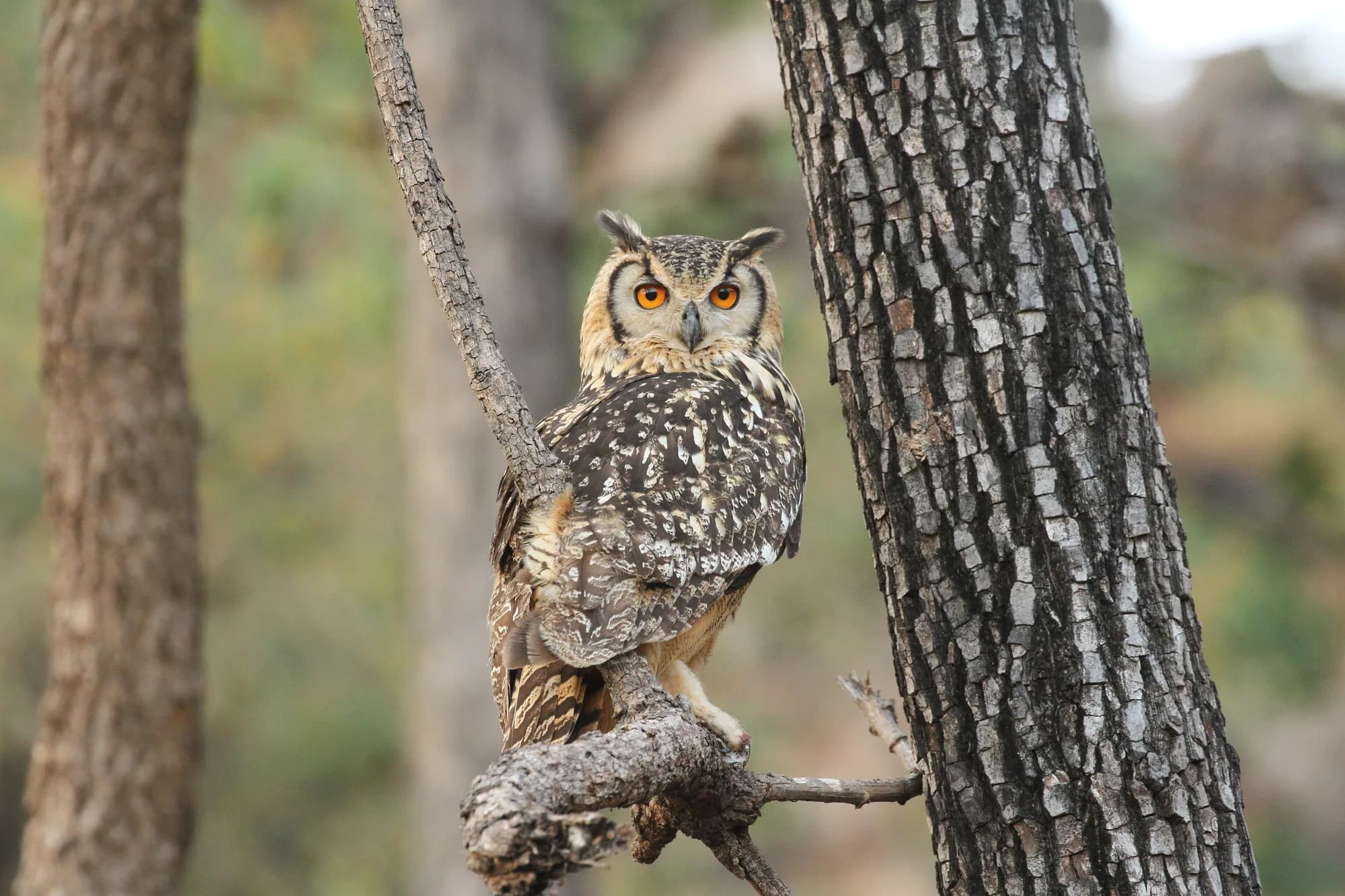
Ravines and fort walls, often in daylight
Indian eagle-owl — the rock one
A large horned owl of ravines and rocky ground, frequently found roosting in the open in daylight — which makes it the easiest big owl in India to see properly.
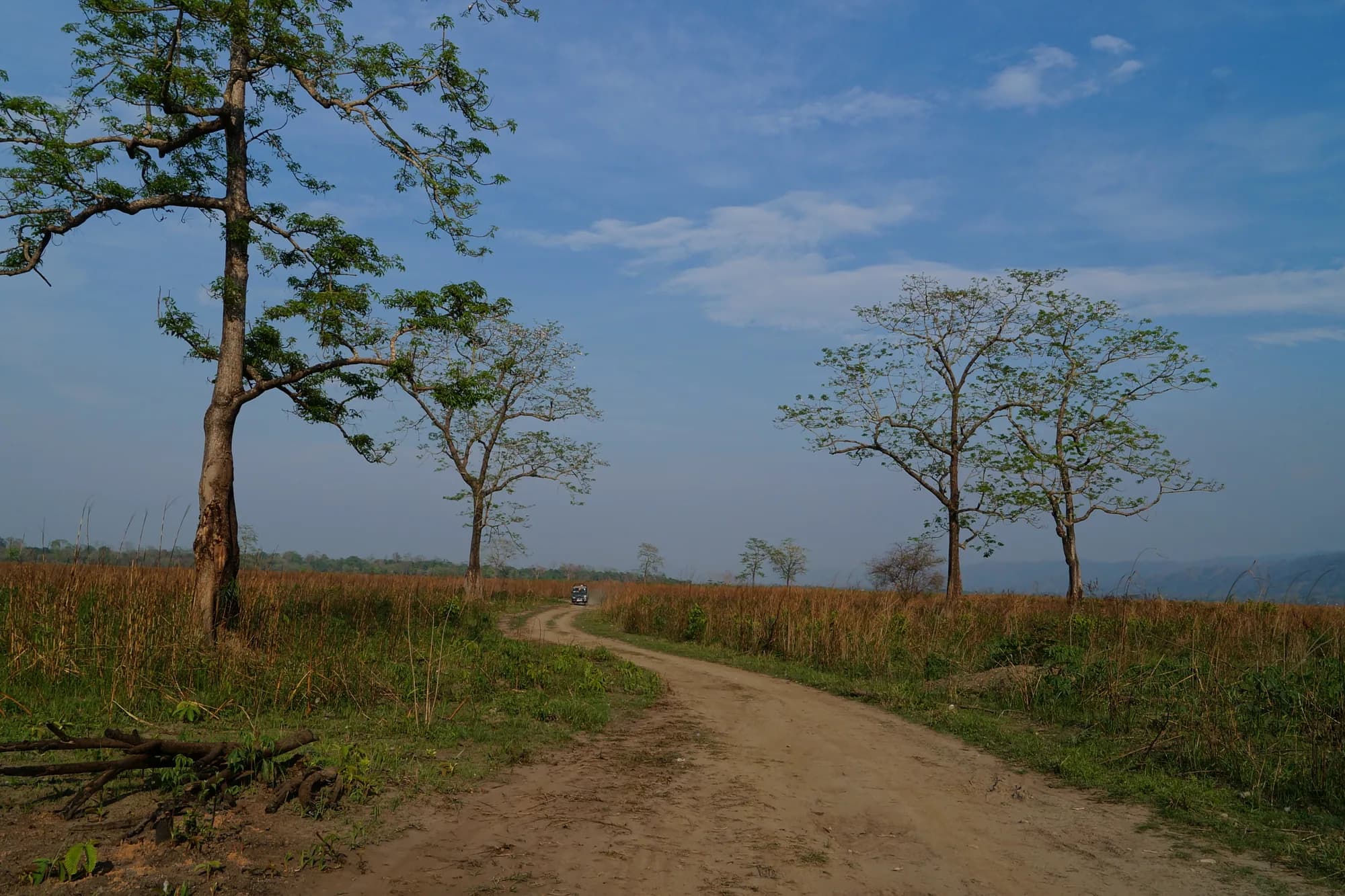
Uttarakhand
Corbett — the park in full
River, sal and grassland in the Himalayan foothills, and the oldest national park in India. The most varied terrain on this list and the hardest tigers to see because of it.
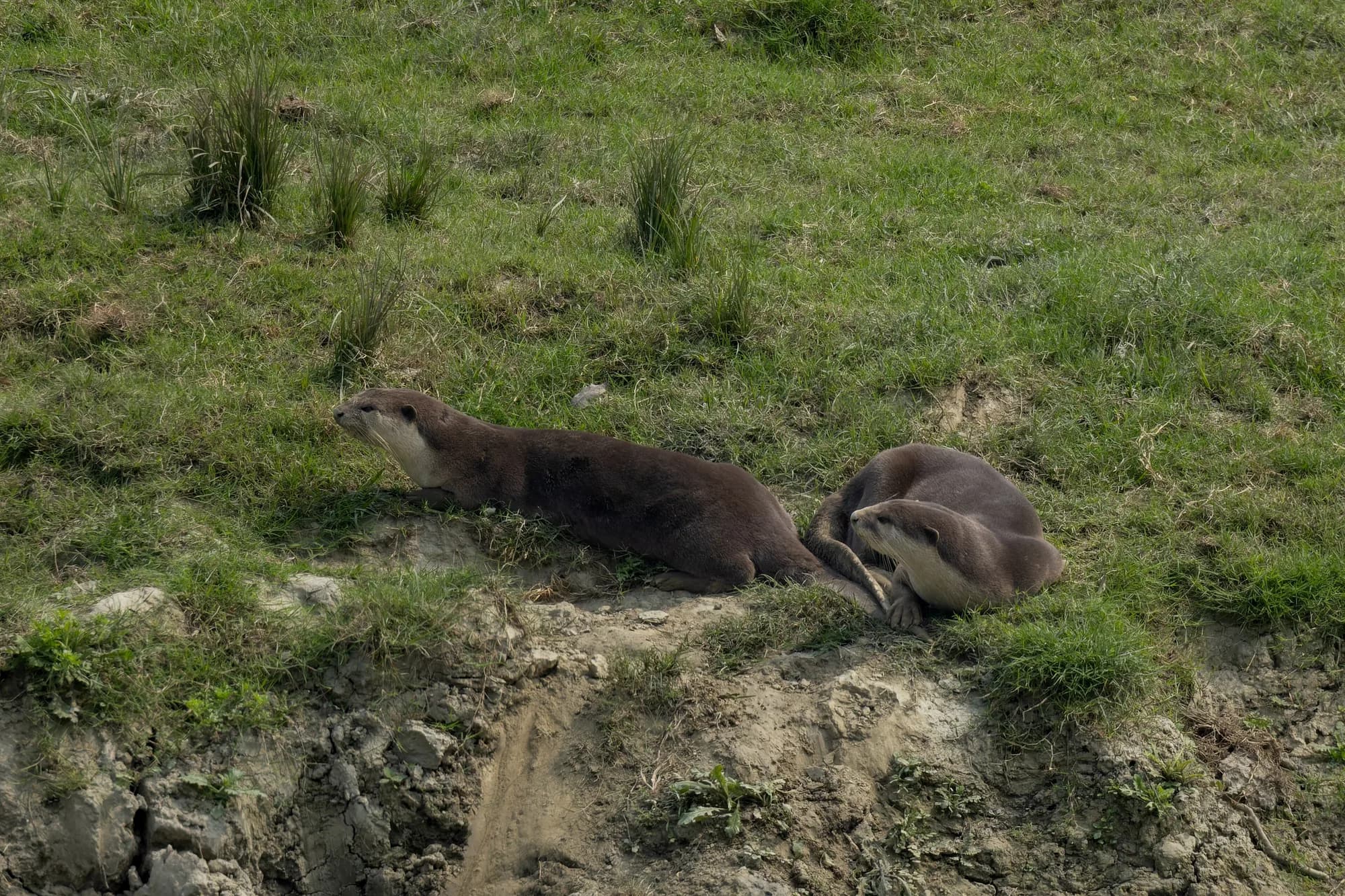
Rivers, in noisy family groups
Otter — the same rivers
A family of otters working a river is one of the best sightings in India and almost nobody books for it. Loud, social, and easier to hear than to see.
November to February
Birding on an Indian safari
Every reserve here is a birding destination whether or not it is sold as one. Say so when you book.