
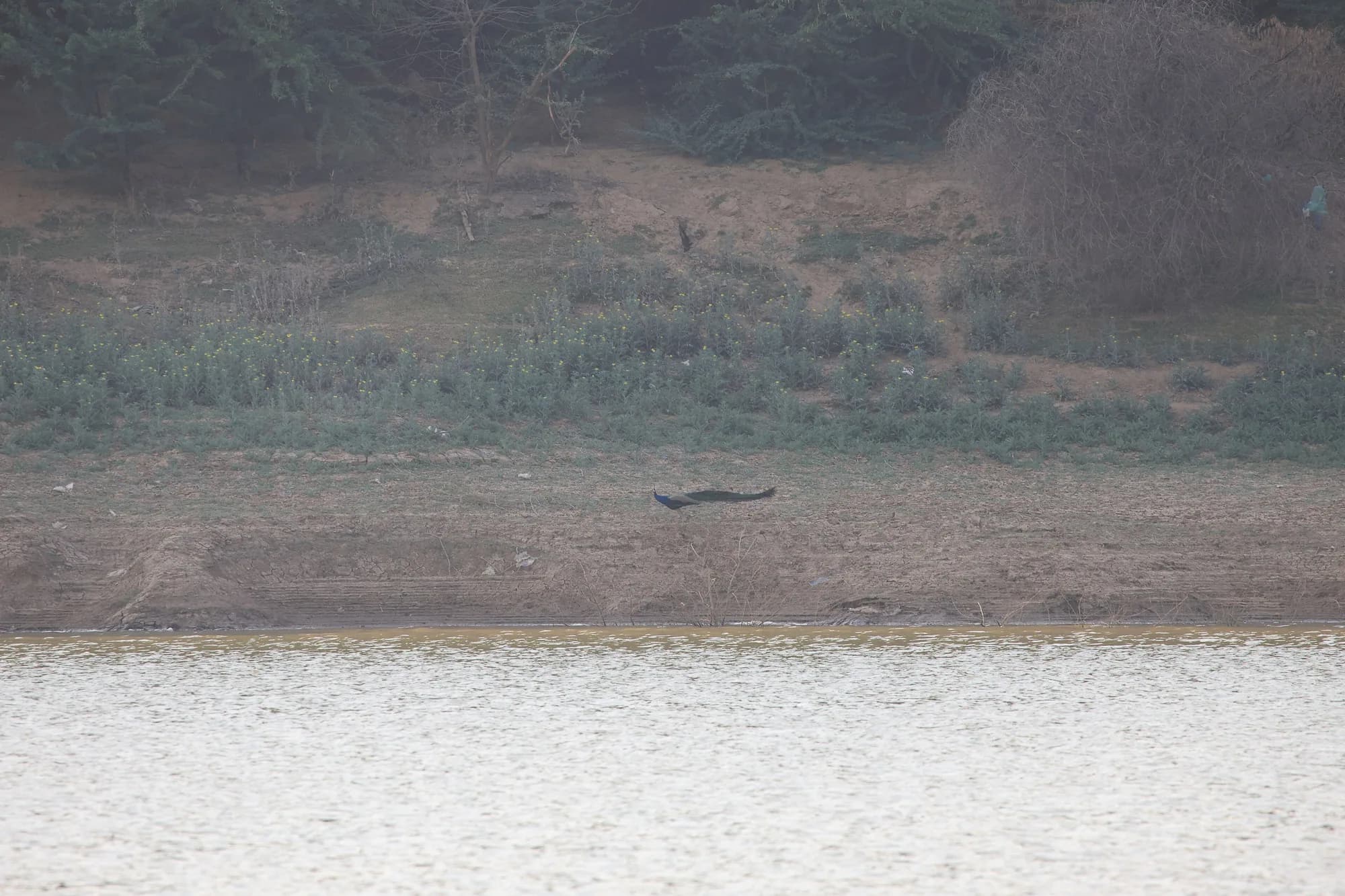
Species · Pavo cristatus
Indian peafowl
The national bird, in every reserve and most villages, and a genuine part of the alarm-call system that finds you a leopard.
Also called
- Mor (मोर) · Hindi
- Mor · Marathi
- Mayil · Tamil
Checked 30 Aug 2026
- Where
- Almost all of India
- Best months
- June–September for display
- Note
- The national bird
- Calls
- At predators, loudly
Dry and moist deciduous forest, scrub, farmland and village across almost the whole country.
Where it is
Where to actually go
Ranked, with the reason each — these are not interchangeable.
Where you will not see one
- Assumed to be tameReserve peafowl are wild birds that happen to be habituated. The ones around temples and villages are also wild — this is a species that has simply chosen to live with people.
- Expecting the train all yearMales shed the train after the monsoon and regrow it. A peacock in December is a considerably less impressive animal.
When to go
When to go
- J
- F
- M
- A
- M
- J
- J
- A
- S
- O
- N
- D
January: best. February: best. March: good. April: marginal. May: marginal. June: best. July: best. August: best. September: best. October: good. November: best. December: best.
Through the day
- Dawn
- Morning
- Midday
- Afternoon
- Dusk
- Night
Dawn: most active. Morning: active. Midday: usually resting. Afternoon: active. Dusk: most active. Night: not normally seen.
What it looks like in the field
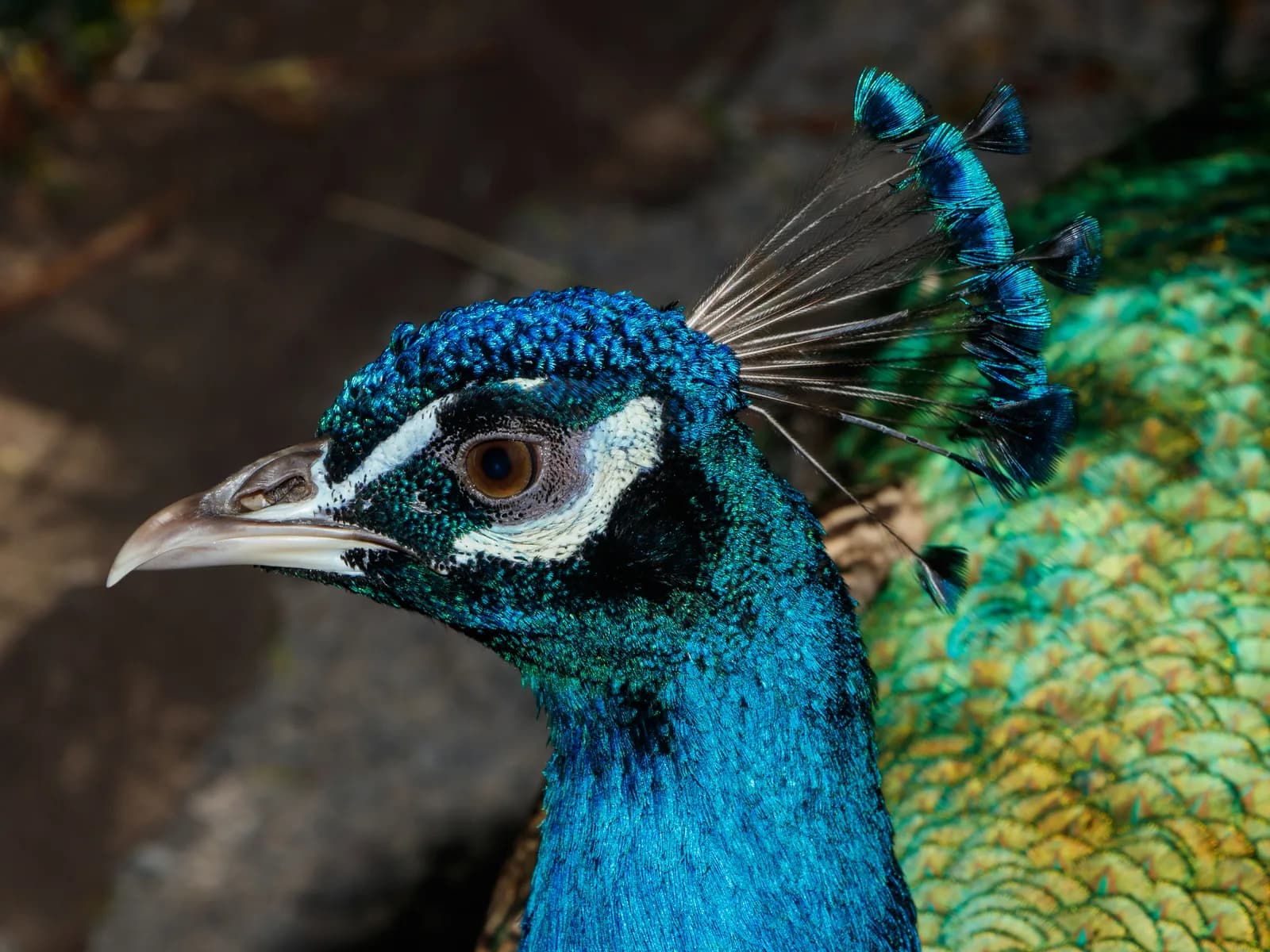
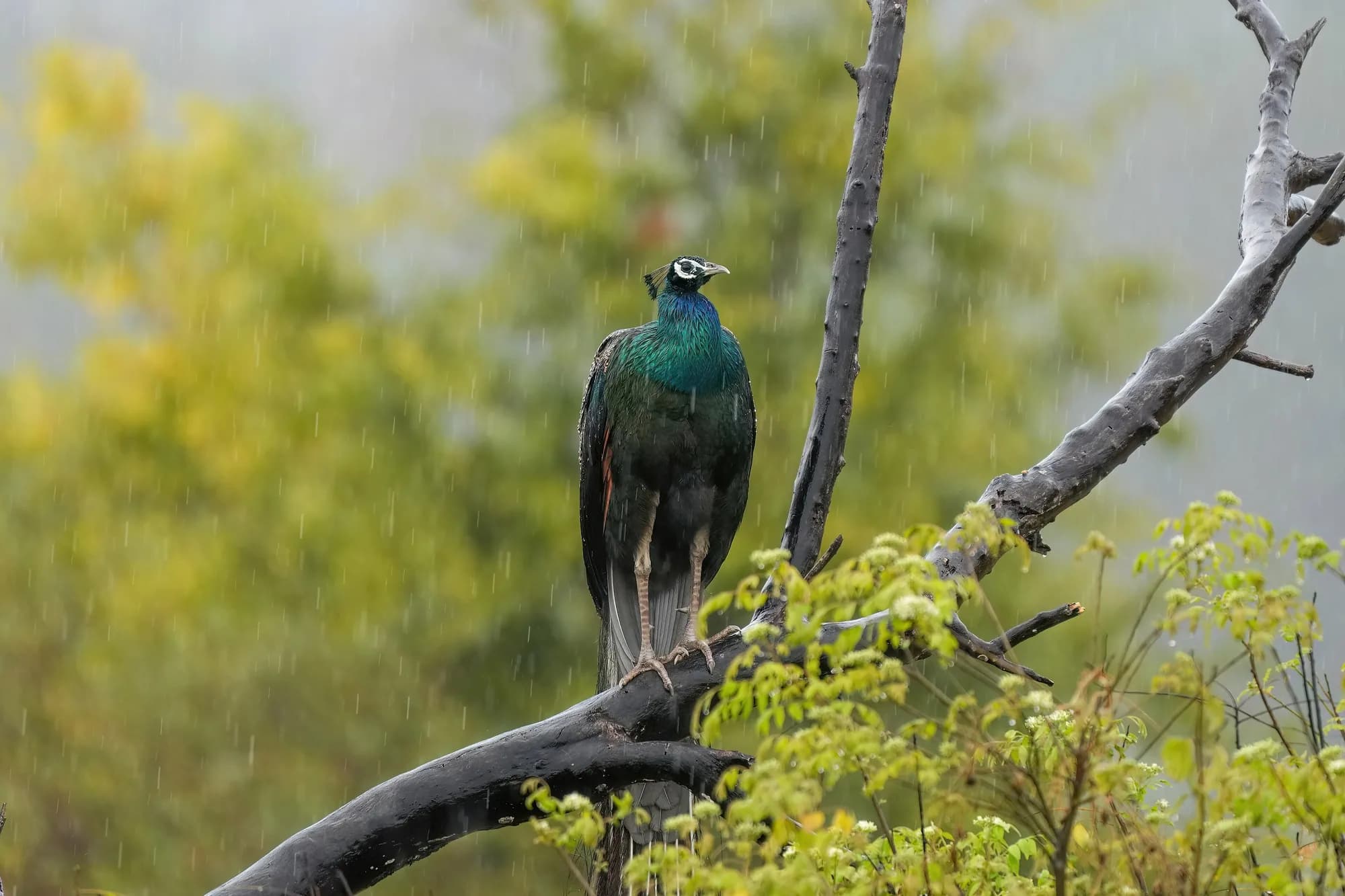
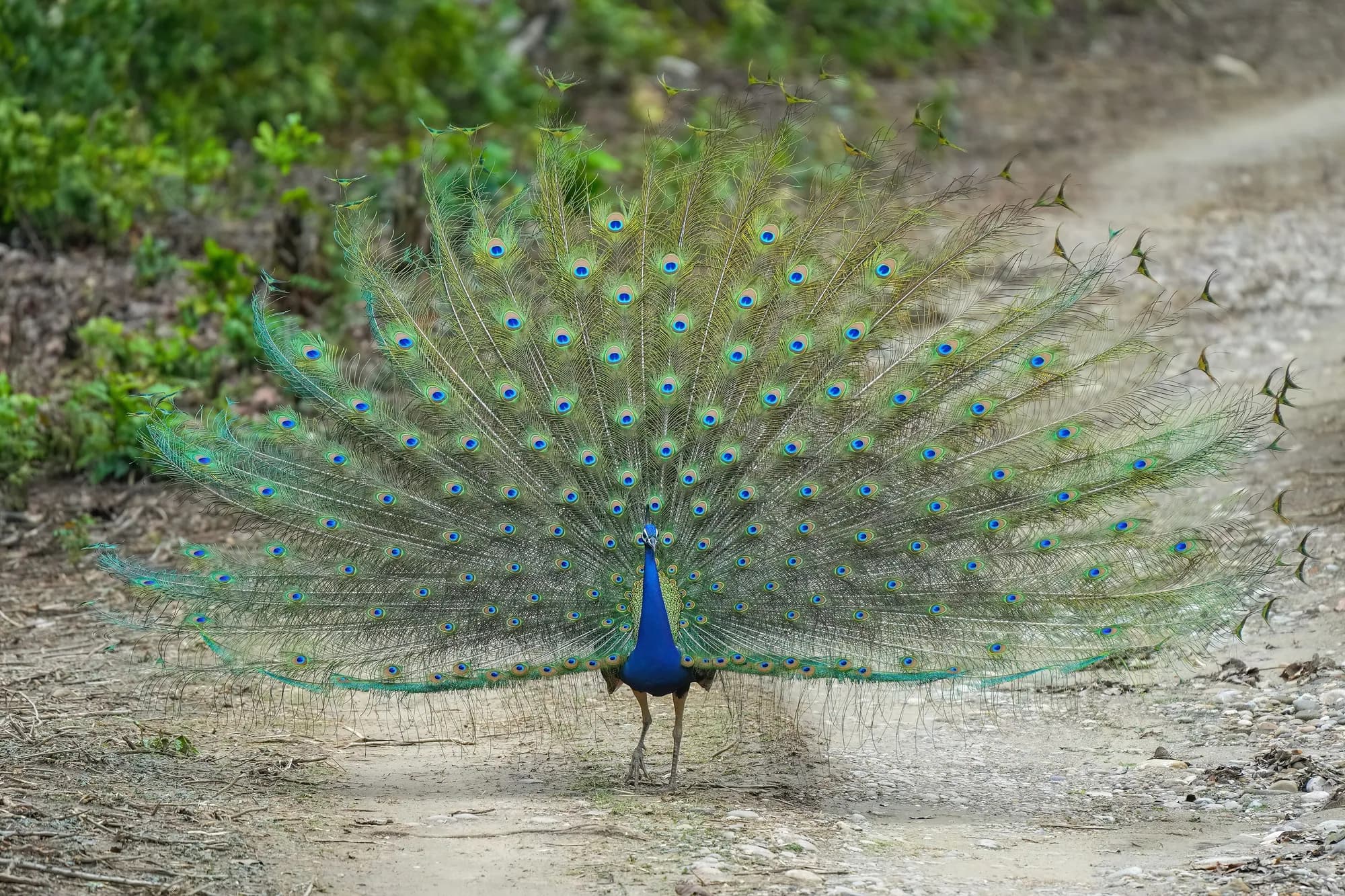
Photographs of Indian peafowl in the wild, in Indian reserves. We publish no captive, baited or digitally composited images, and no photograph whose licence we cannot show.
The alarm, and its weight
A loud repeated call, usually from a bird that has just flown up. Peafowl call at almost anything — a jackal, a vehicle, another peacock — so on its own it is weak evidence and gets over-read constantly.
Status and protection
Status and protection
- IUCN Red List
- Least Concern
- Population trend
- ↑ Increasing
- Wildlife Protection Act 1972
- Schedule I
- CITES
- Appendix III
Global, species-level assessment of Pavo cristatus; binomial matches exactly.
Assessed 2025 · IUCN Red List assessment
What to book to see one
What you would be booking
- How it is seen
- Any drive, anywhere. No arrangement.
- Drives to book
- None. You will see dozens.
Listen rather than look. The loud repeated call is a real alarm and it is often the first sound before a leopard sighting — weak on its own, useful when a deer follows it.
Ranthambore — the park in fullQuestions people ask
Do peacocks lose their tails?
Is a peafowl alarm call worth stopping for?
Where will I see them?
Read next
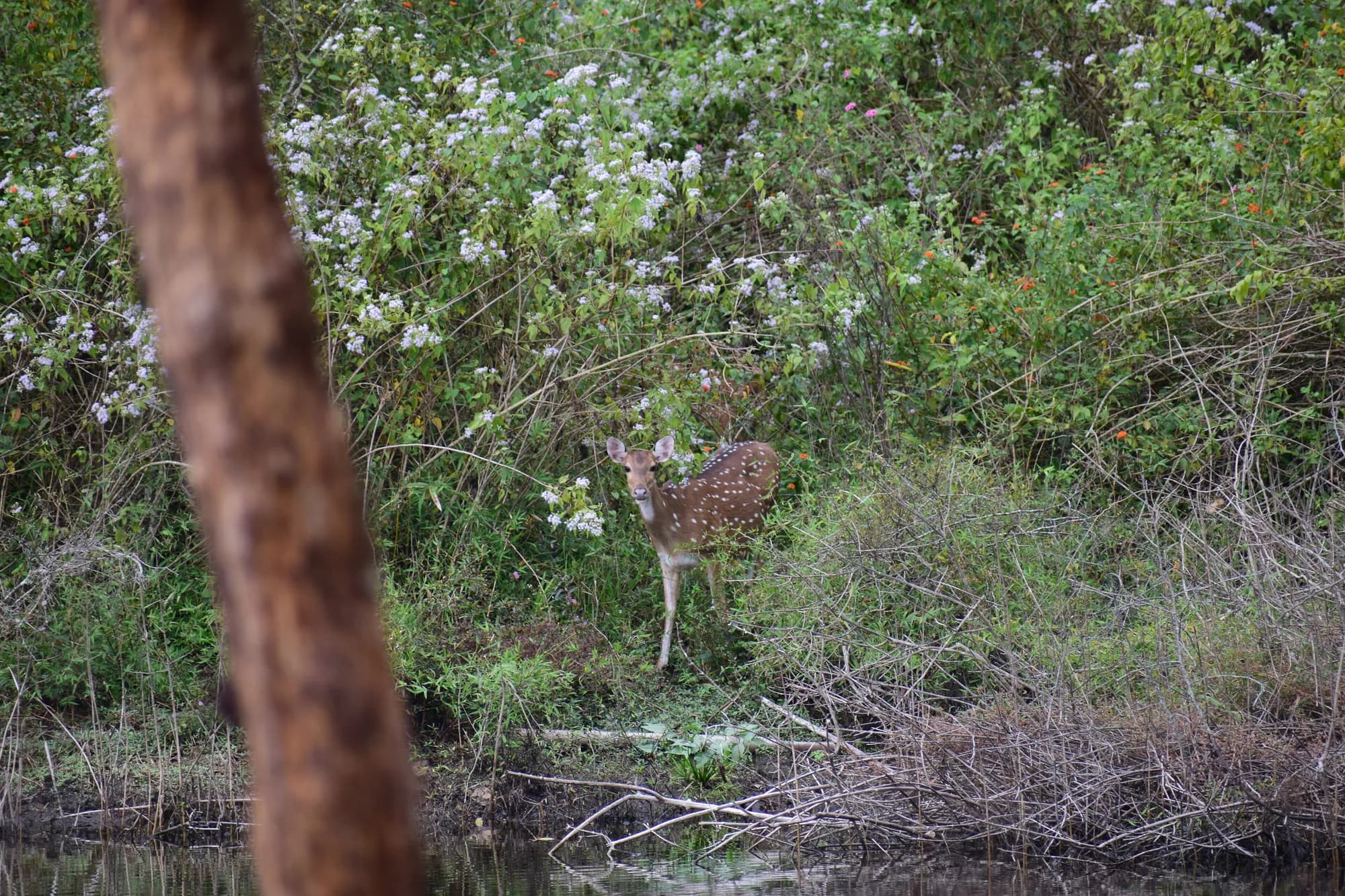
Every reserve, in very large numbers
Chital — the alarm that matters more
The spotted deer everyone sees within ten minutes and stops noticing by the second drive. Also the most common alarm call in central India, and the main reason tigers eat.
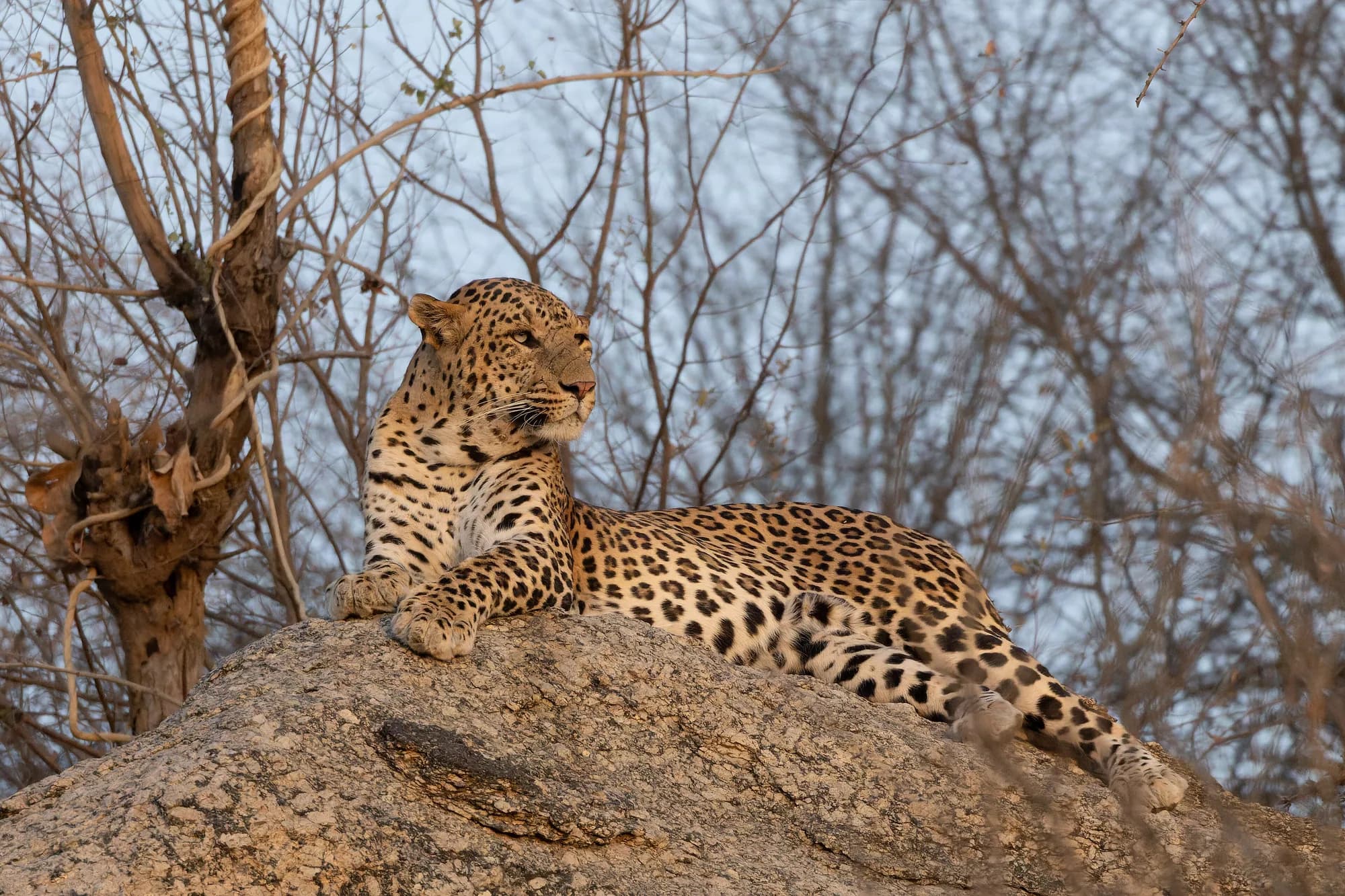
Everywhere, and reliably nowhere
Indian leopard — what they call at
Present in almost every reserve on this site and reliably seen in almost none of them. The two landscapes that change that, and why they do.
Rajasthan
Ranthambore — the park in full
Dry forest around a fort, and the easiest reserve to reach from Delhi — which is exactly why it is the busiest.
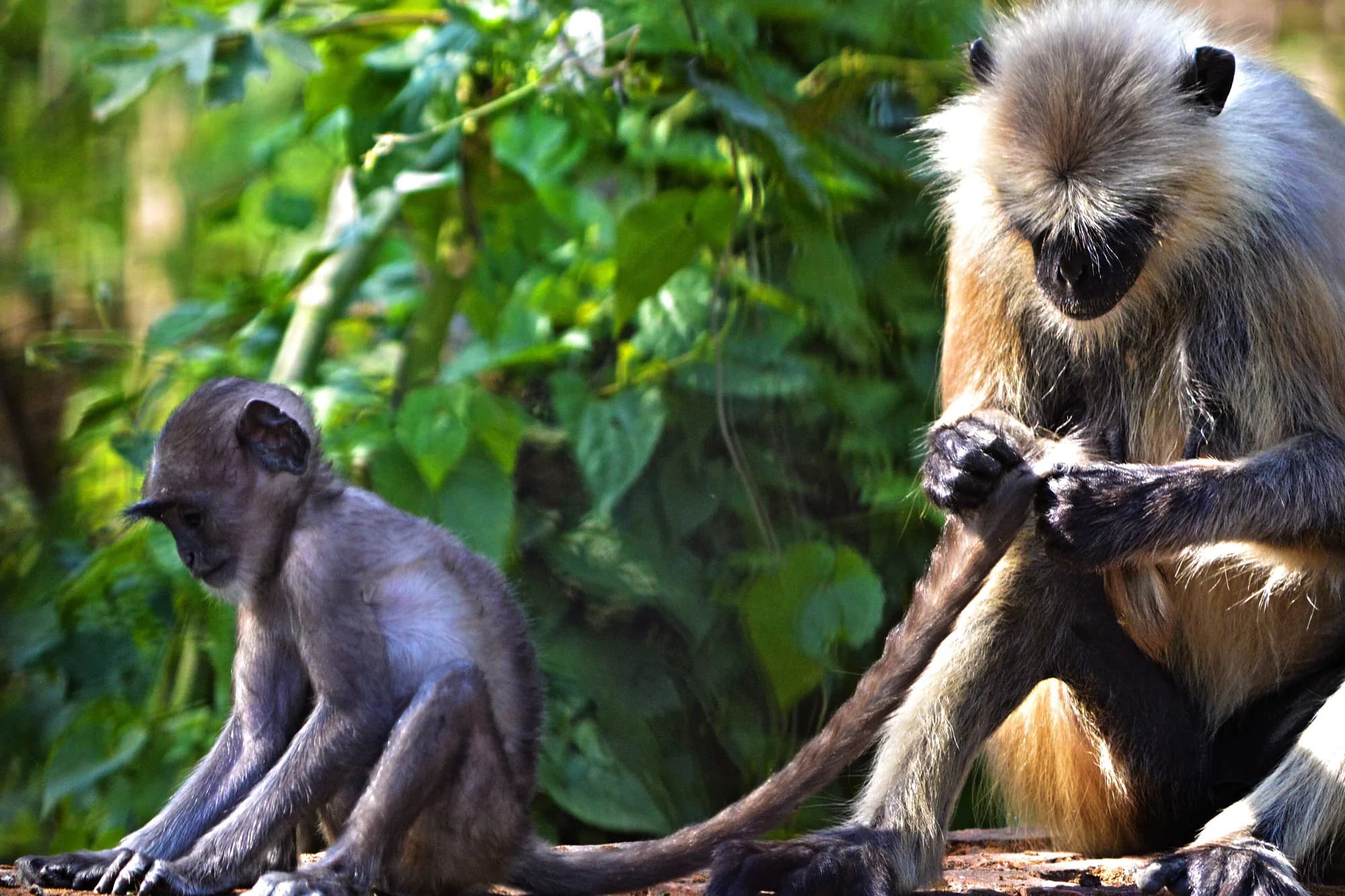
Every reserve, and your best spotter
Hanuman langur — the best spotter
Grey, long-tailed and everywhere, and the single most useful animal on a drive. A langur troop has seen the leopard long before your guide has.