
Species · Hystrix indica
Indian crested porcupine
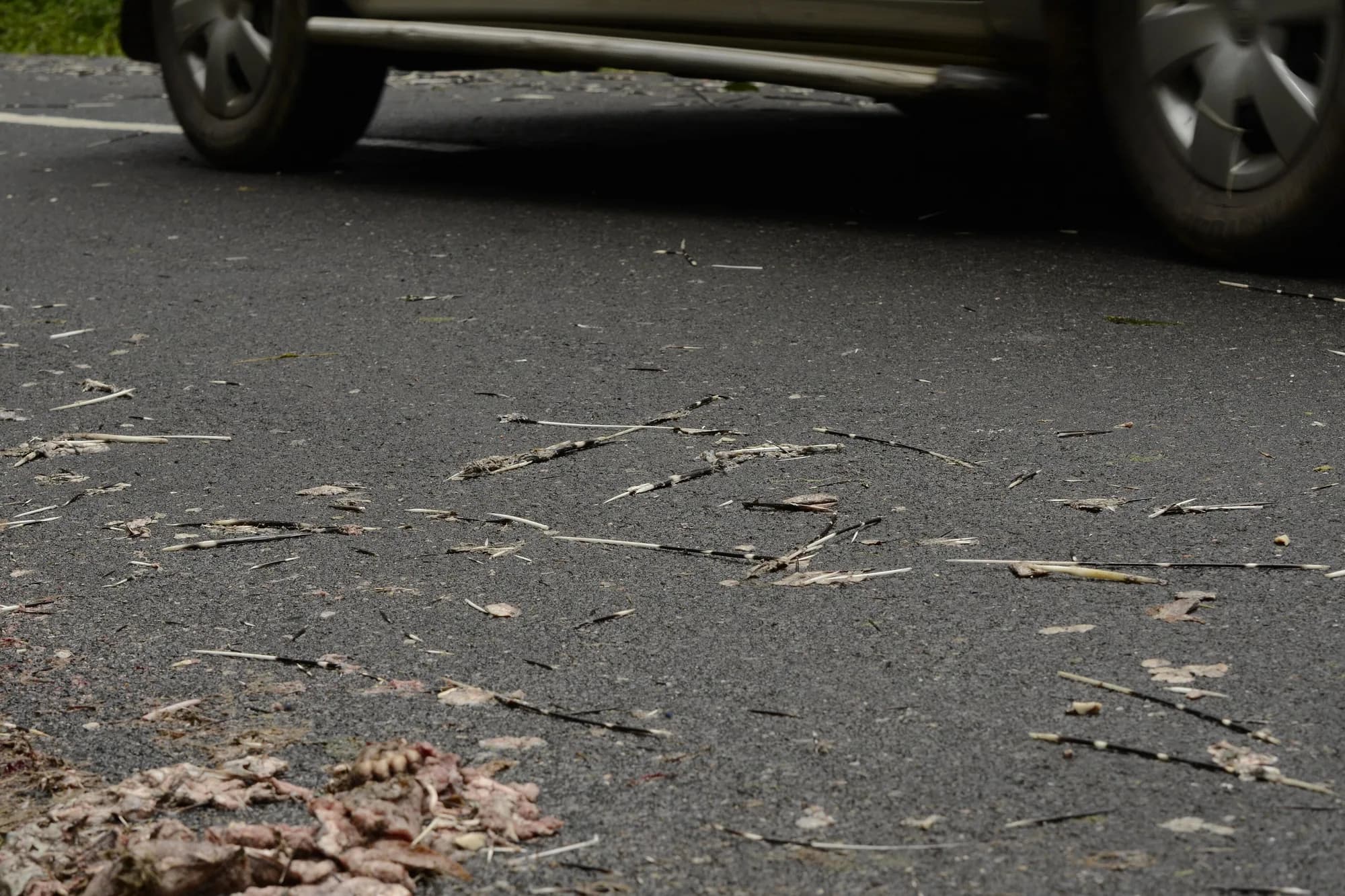
You will find the quills long before you find the animal. A large nocturnal rodent that walks off tigers, and the source of the most commonly picked-up field sign in India.
Also called
- Sahi (साही) · Hindi
- Sayal · Marathi
- Shedadi · Gujarati
Checked 30 Aug 2026
- Where
- Across most of India
- Best months
- November–April
- Active
- After dark, entirely
- Sign
- Shed quills, everywhere
Dry scrub, rocky ground and farmland across most of India, denning in rock crevices and burrows.
Where it is
Where to actually go
Ranked, with the reason each — these are not interchangeable.
- 01SatpuraMadhya PradeshBuffer night drives, quiet tracks, and rocky denning ground. The most likely place to see one rather than its quills.Night safari
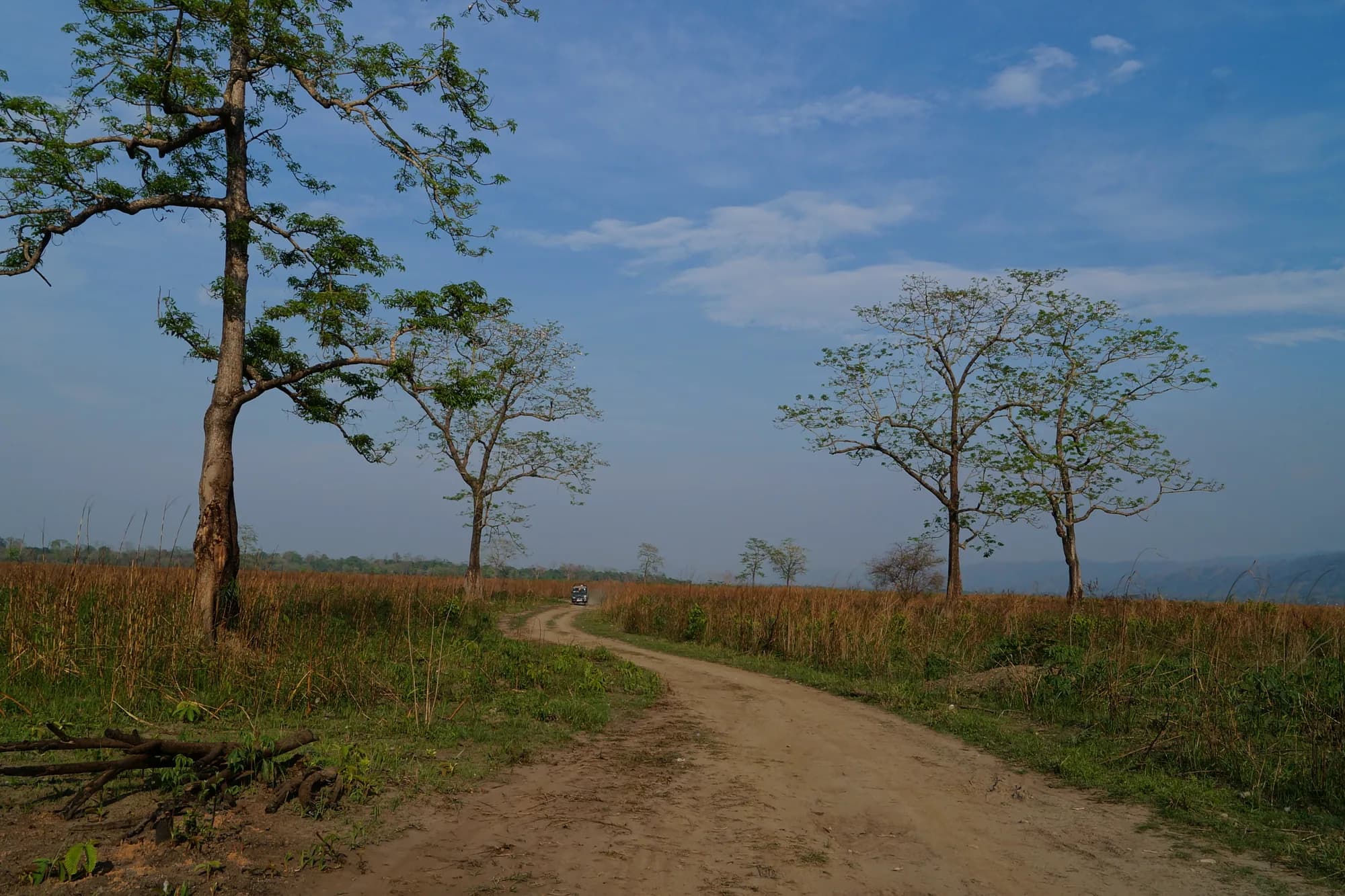
- 02TadobaMaharashtraBuffer night safaris regularly produce them, alongside civets and rusty-spotted cat.The same drive as the small cats
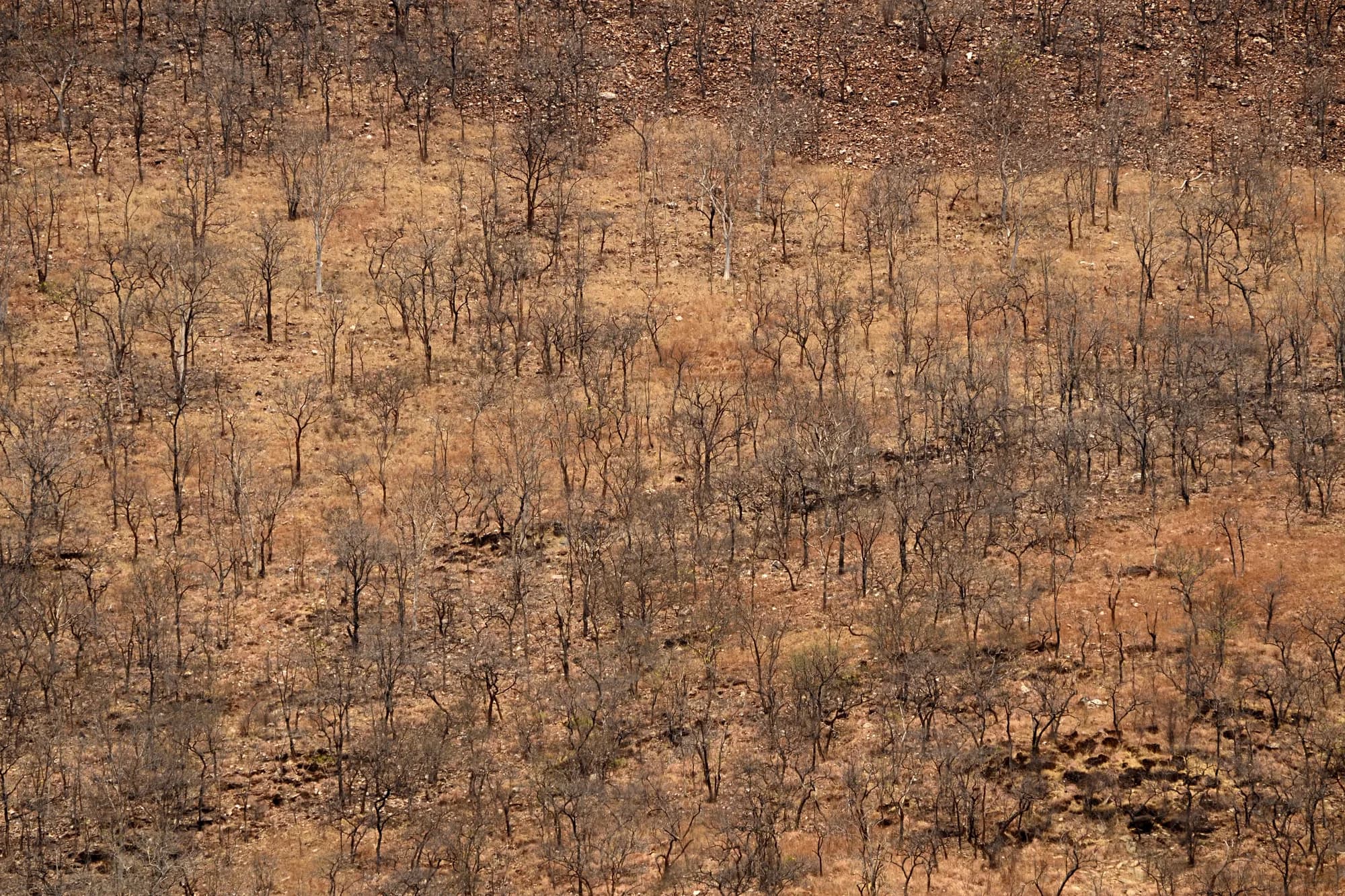
- 03RanthamboreRajasthanRavines and fort ground hold plenty, and the quills are on every track.Sign, mostly
Where you will not see one
- On a day driveEffectively never. They are in a burrow or a rock crevice from dawn to dusk, so the daylight sighting is the sign rather than the animal.
- Anywhere expecting them to shoot quillsA myth with real staying power. Quills detach on contact when the animal reverses into a threat; nothing is fired.
When to go
When to go
- J
- F
- M
- A
- M
- J
- J
- A
- S
- O
- N
- D
January: best. February: best. March: best. April: good. May: marginal. June: marginal. July: closed or unproductive. August: closed or unproductive. September: closed or unproductive. October: marginal. November: best. December: best.
Through the day
- Dawn
- Morning
- Midday
- Afternoon
- Dusk
- Night
Dawn: usually resting. Morning: not normally seen. Midday: not normally seen. Afternoon: not normally seen. Dusk: active. Night: most active.
What it looks like in the field
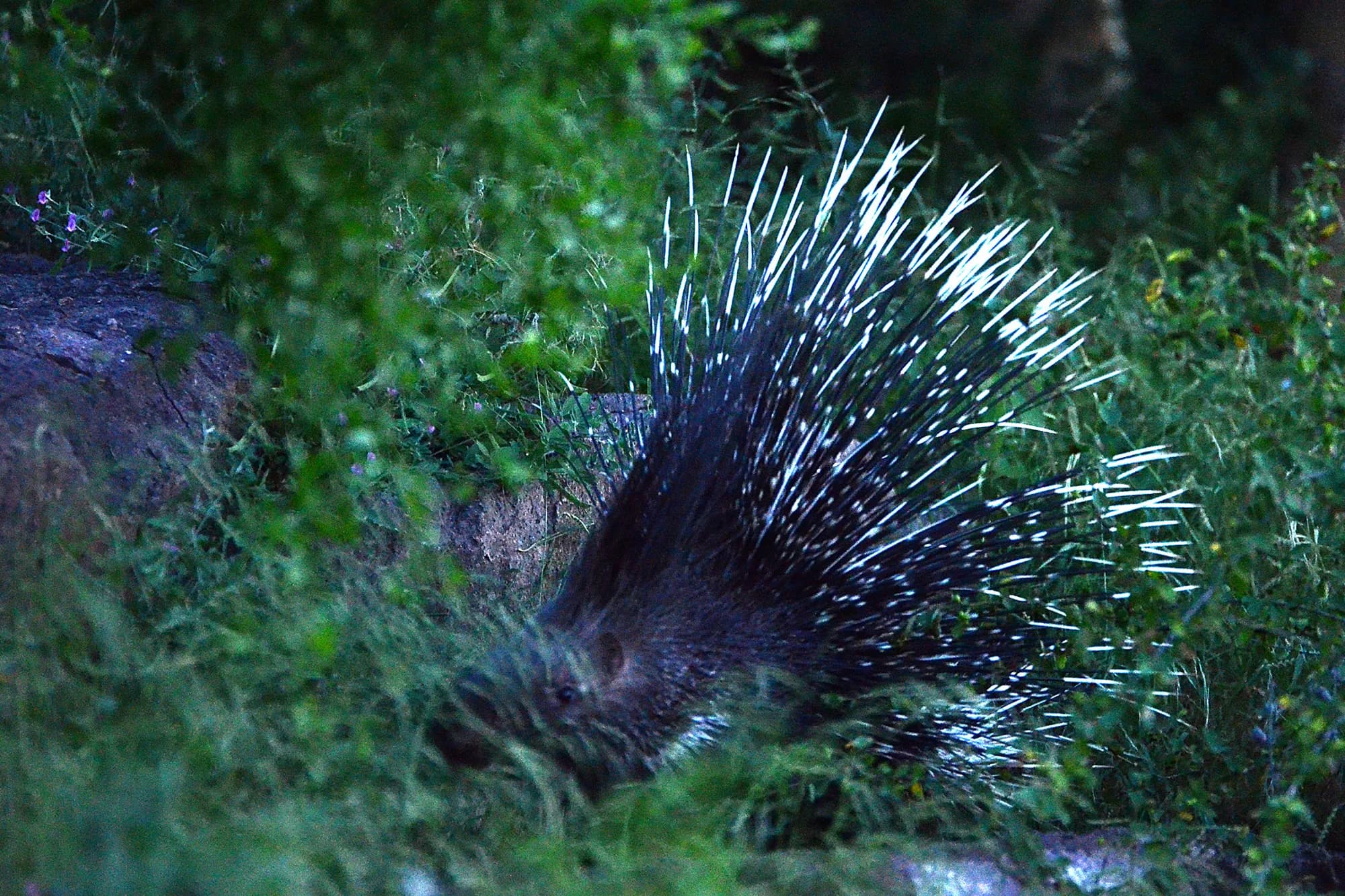
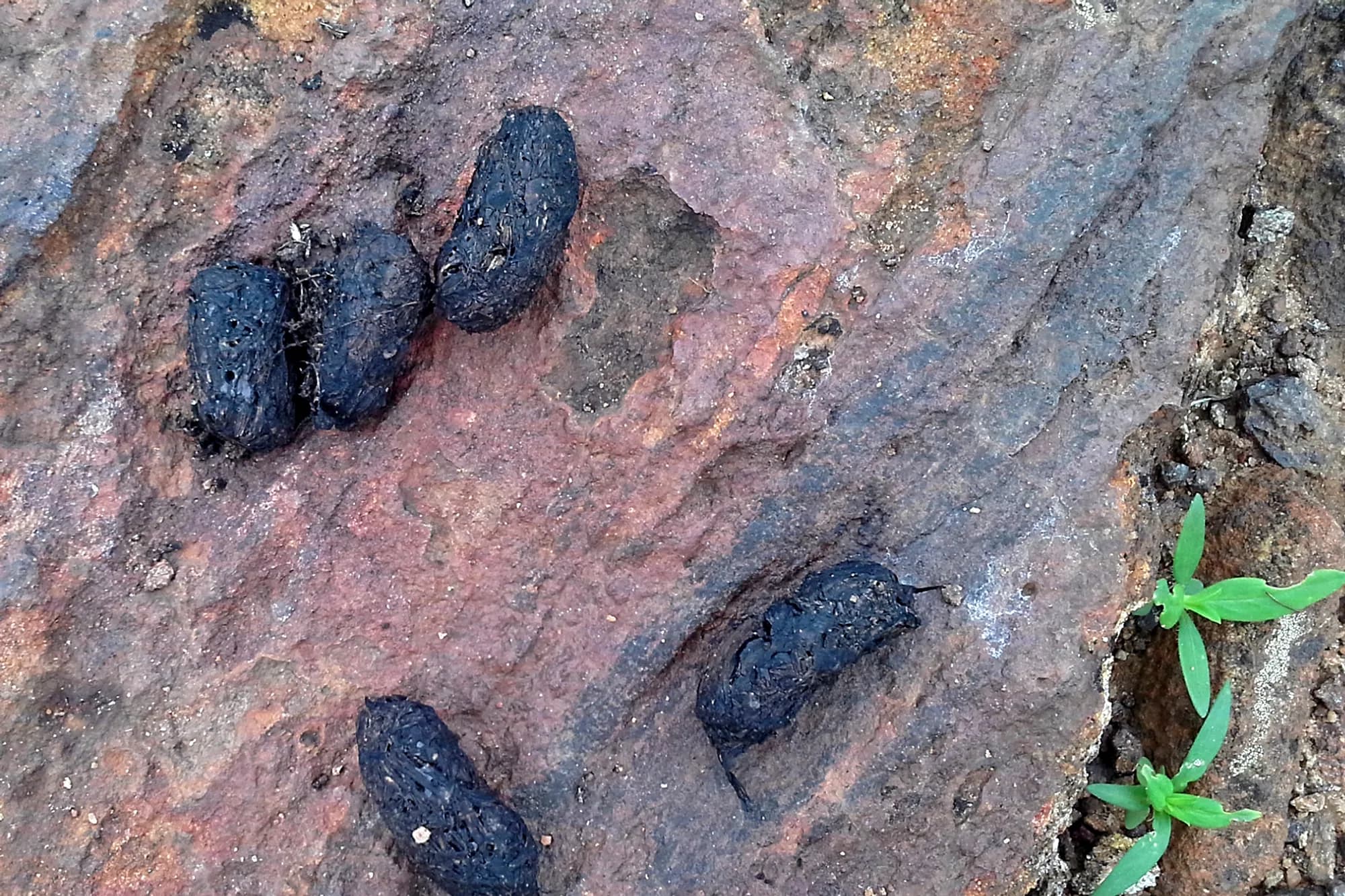
Photographs of Indian crested porcupine in the wild, in Indian reserves. We publish no captive, baited or digitally composited images, and no photograph whose licence we cannot show.
What a sighting is actually like
Low, wide and unexpectedly large in a lamp beam, with the quills going up as the vehicle stops. They are not fast and they do not panic — the defence is to turn around and reverse, which is disconcerting to watch.
A banded quill on the track is the most collected object in Indian wildlife tourism.
The animal that walks off tigers
Porcupine quills are a serious problem for a big cat. Embedded quills in the face or paw fester, and a tiger crippled by an infected quill wound is a tiger that turns to easier prey.
Status and protection
Status and protection
- IUCN Red List
- Least Concern
- Population trend
- → Stable
- Wildlife Protection Act 1972
- Schedule I (post-2022 amendment numbering)
- CITES
- Not listed in any CITES Appendix
Species-level global assessment for Hystrix indica; binomial matches exactly.
Assessed 2021 · IUCN Red List assessment
What to book to see one
What you would be booking
- How it is seen
- A buffer-zone night drive. Otherwise you are collecting quills.
- Drives to book
- Two or three night drives where they are offered.
Pick up a quill if you find one on the track and put it back. They are one of the few field signs a visitor can hold, and they are also collected commercially, which is why leaving them where they lie matters.
Satpura — the park in fullQuestions people ask
Can porcupines shoot their quills?
Where can I see one?
Why do guides mention porcupines when talking about tigers?
Read next
Madhya Pradesh
Satpura — the park in full
The one central Indian reserve that permits walking and boat safaris. You see less and understand considerably more.
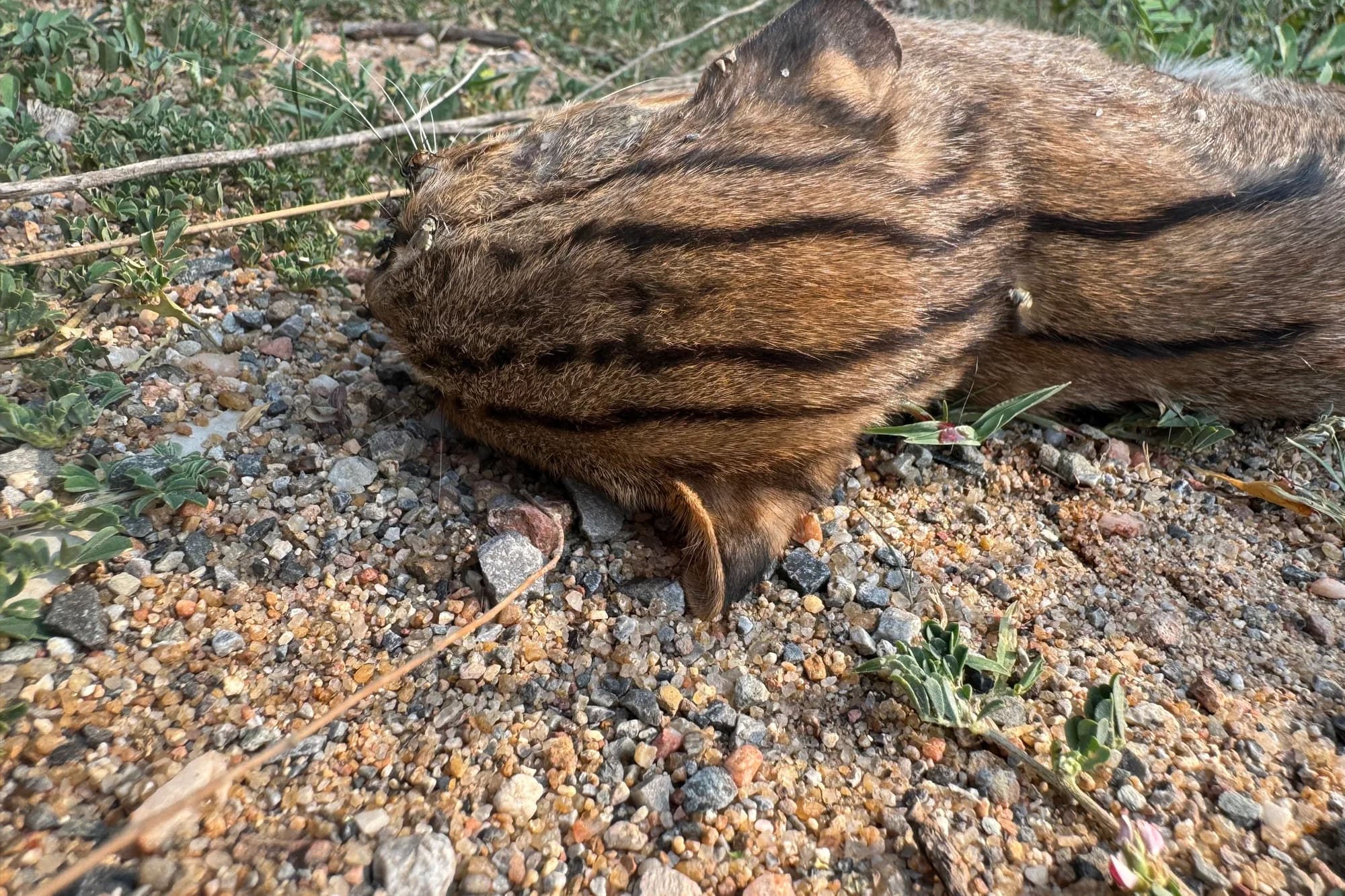
Tadoba, and the smallest cat alive
Rusty-spotted cat — the same night drive
The smallest wild cat in the world, roughly half the weight of a house cat, and Tadoba is the most reliable place on earth to see one.
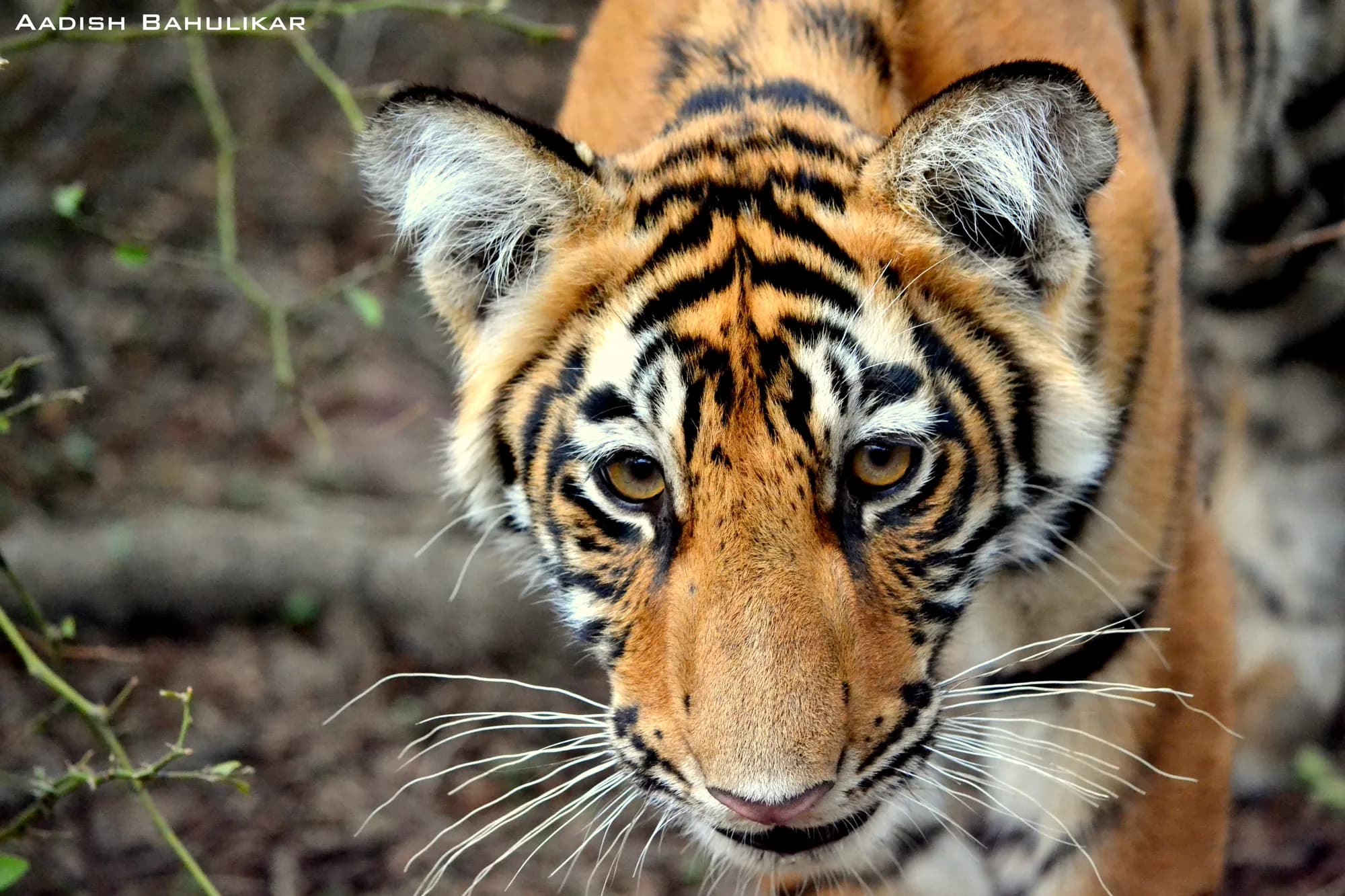
58 reserves, six worth the trip
Tiger — where and when
The animal most people come for, and the one most often missed. Where the odds actually are, and how they move by month and by zone.
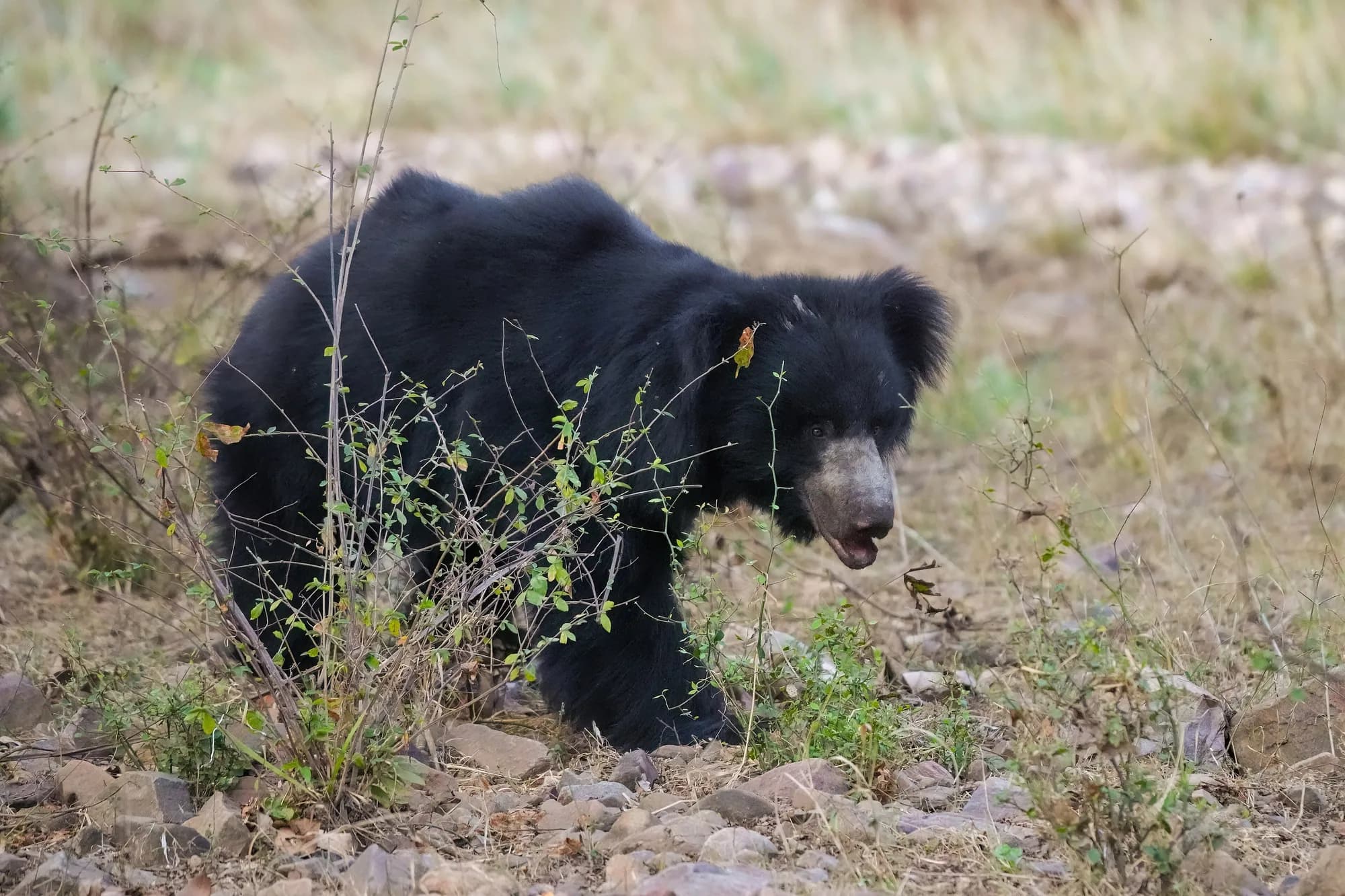
Nine reserves, and Satpura above all
Sloth bear — the other night animal
The animal most guides would rather show you than a tiger, and the one most likely to be walked past in the dark. Where the diggings are, and why the odds are better on foot.