
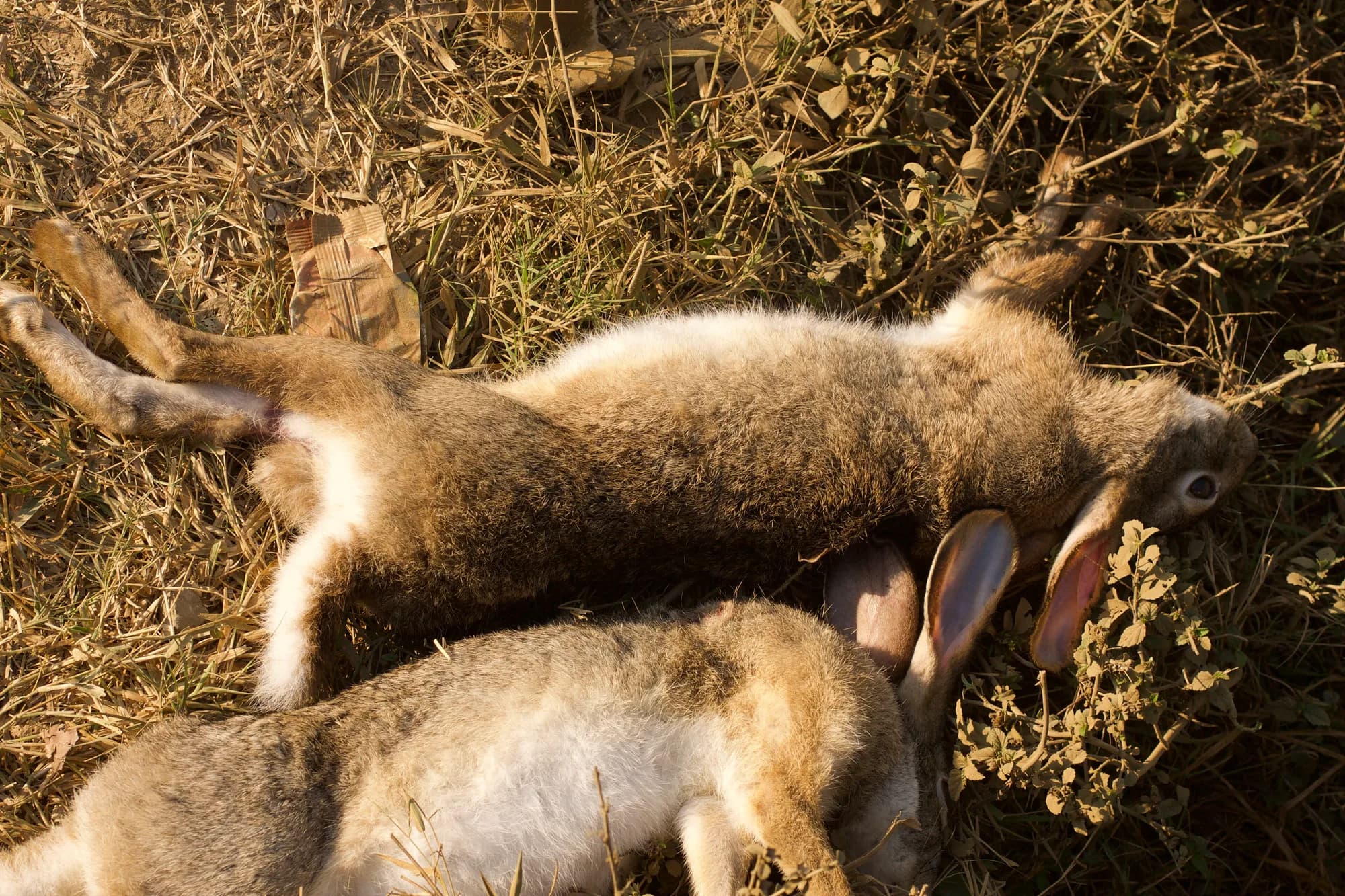
Species · Lepus nigricollis
Indian hare
The most-seen mammal on an evening drive after the deer, and prey for almost everything with teeth. Worth a look for the black nape that names it.
Also called
- Khargosh (खरगोश) · Hindi
- Sasa · Marathi
- Muyal · Tamil
Checked 30 Aug 2026
- Where
- Almost all of India
- Best months
- November–April
- Tell
- Black nape patch
- Role
- Prey for everything
Grassland, scrub, farmland and open forest across almost the whole country, from sea level into the hills.
Where it is
Where to actually go
Ranked, with the reason each — these are not interchangeable.
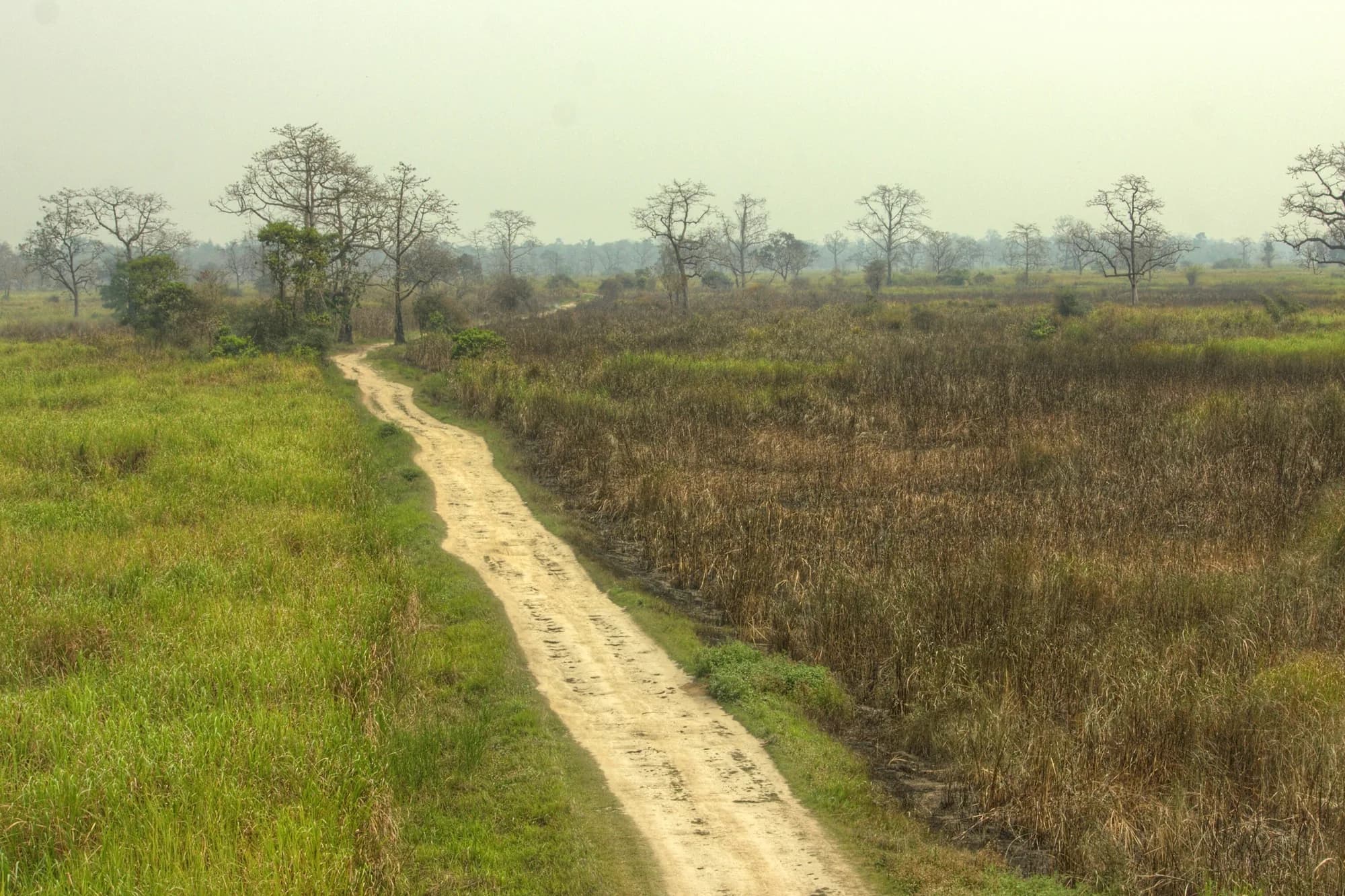
Where you will not see one
- Confused with a rabbitIndia has no wild rabbits. Every wild lagomorph you see on a drive is a hare — born furred and open-eyed, living above ground rather than in a burrow.
- Expected in dense forestAn open-country animal. Meadow edges, scrub and track verges rather than closed canopy.
When to go
When to go
- J
- F
- M
- A
- M
- J
- J
- A
- S
- O
- N
- D
January: best. February: best. March: best. April: good. May: marginal. June: marginal. July: closed or unproductive. August: closed or unproductive. September: closed or unproductive. October: marginal. November: best. December: best.
Through the day
- Dawn
- Morning
- Midday
- Afternoon
- Dusk
- Night
Dawn: active. Morning: usually resting. Midday: usually resting. Afternoon: active. Dusk: most active. Night: most active.
What it looks like in the field
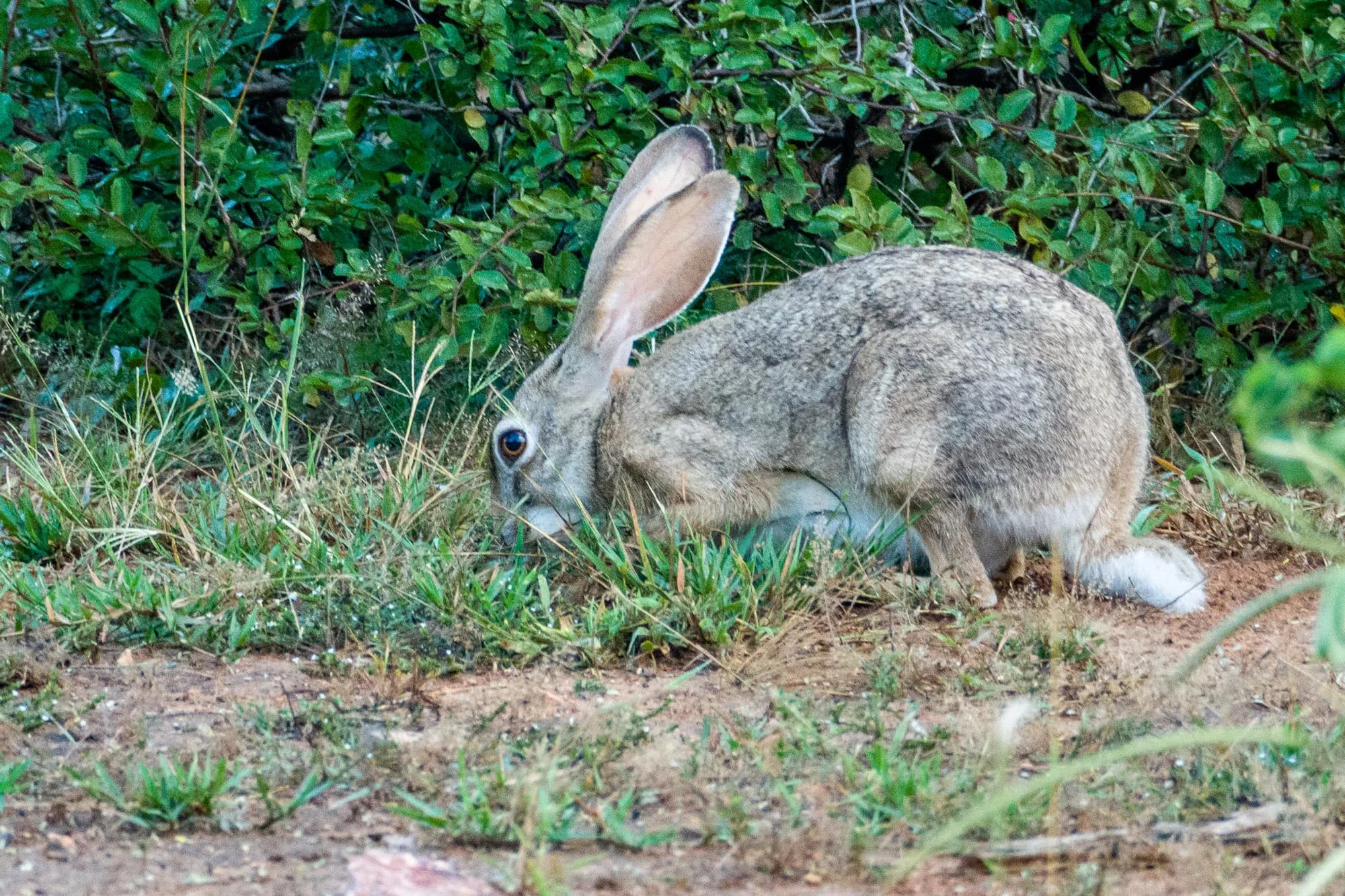
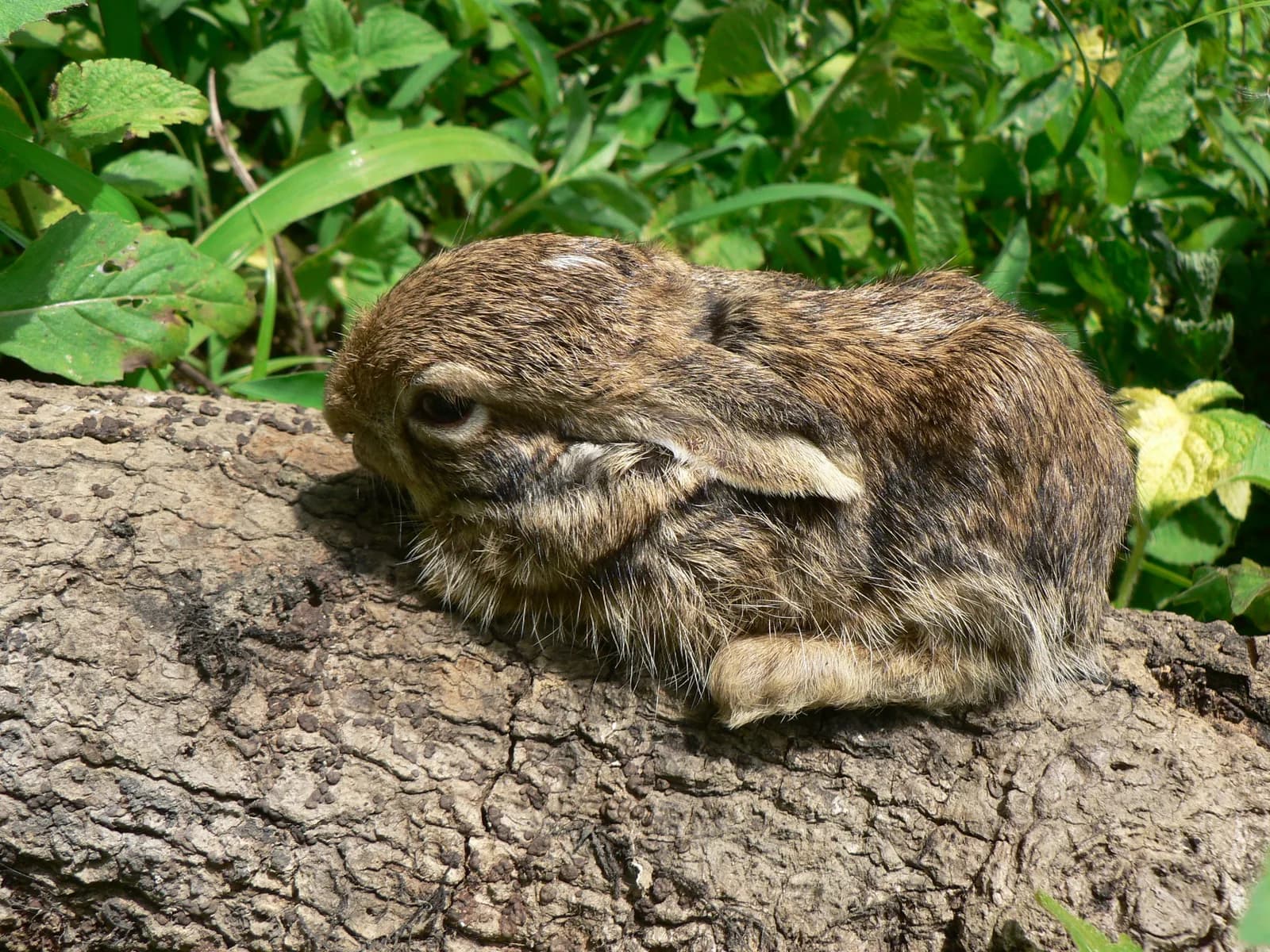
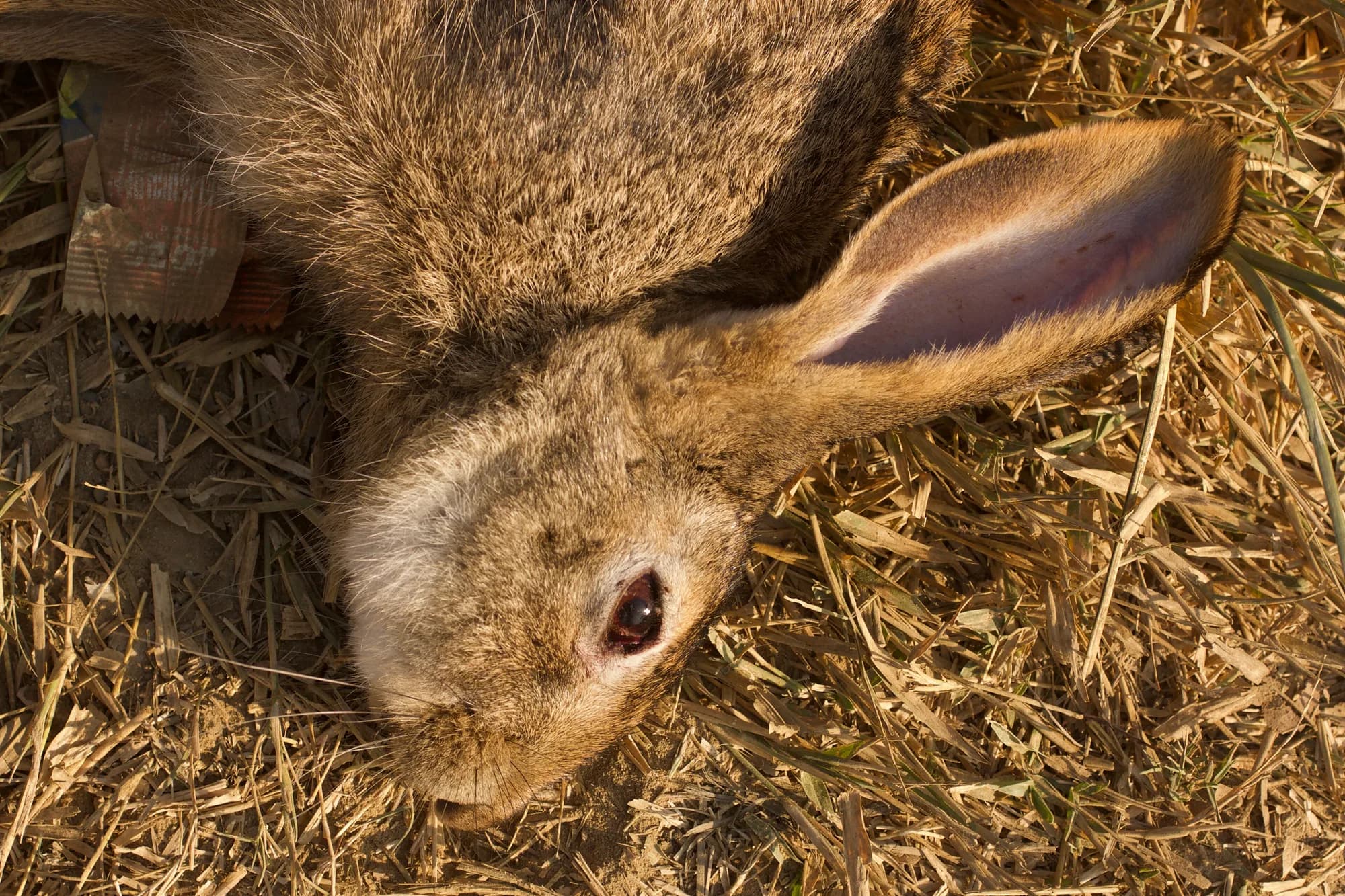
Photographs of Indian hare in the wild, in Indian reserves. We publish no captive, baited or digitally composited images, and no photograph whose licence we cannot show.
Prey, and why that matters
Almost everything eats them — jackal, fox, jungle cat, caracal, eagle-owl, python. A healthy hare population is a large part of what supports the small-predator community you actually see on an evening drive.
Status and protection
Status and protection
- IUCN Red List
- Least Concern
- Population trend
- · Unknown
- Wildlife Protection Act 1972
- Schedule II
- CITES
- Not listed
Species-level assessment of Lepus nigricollis, matching the binomial given. Date assessed 30 June 2018; year published 2019 (Nameer & Smith 2019, e.T41282A45188041).
Assessed 2018 · IUCN Red List assessment
What to book to see one
What you would be booking
- How it is seen
- Any evening drive.
- Drives to book
- None needed.
Watch what happens when one freezes. The flatten-then-zigzag sequence is a complete anti-predator strategy playing out in front of you, and it is the reason so many hares survive so many predators.
Ranthambore — the park in fullQuestions people ask
Are there rabbits in India?
How do I identify it?
Where will I see one?
Read next
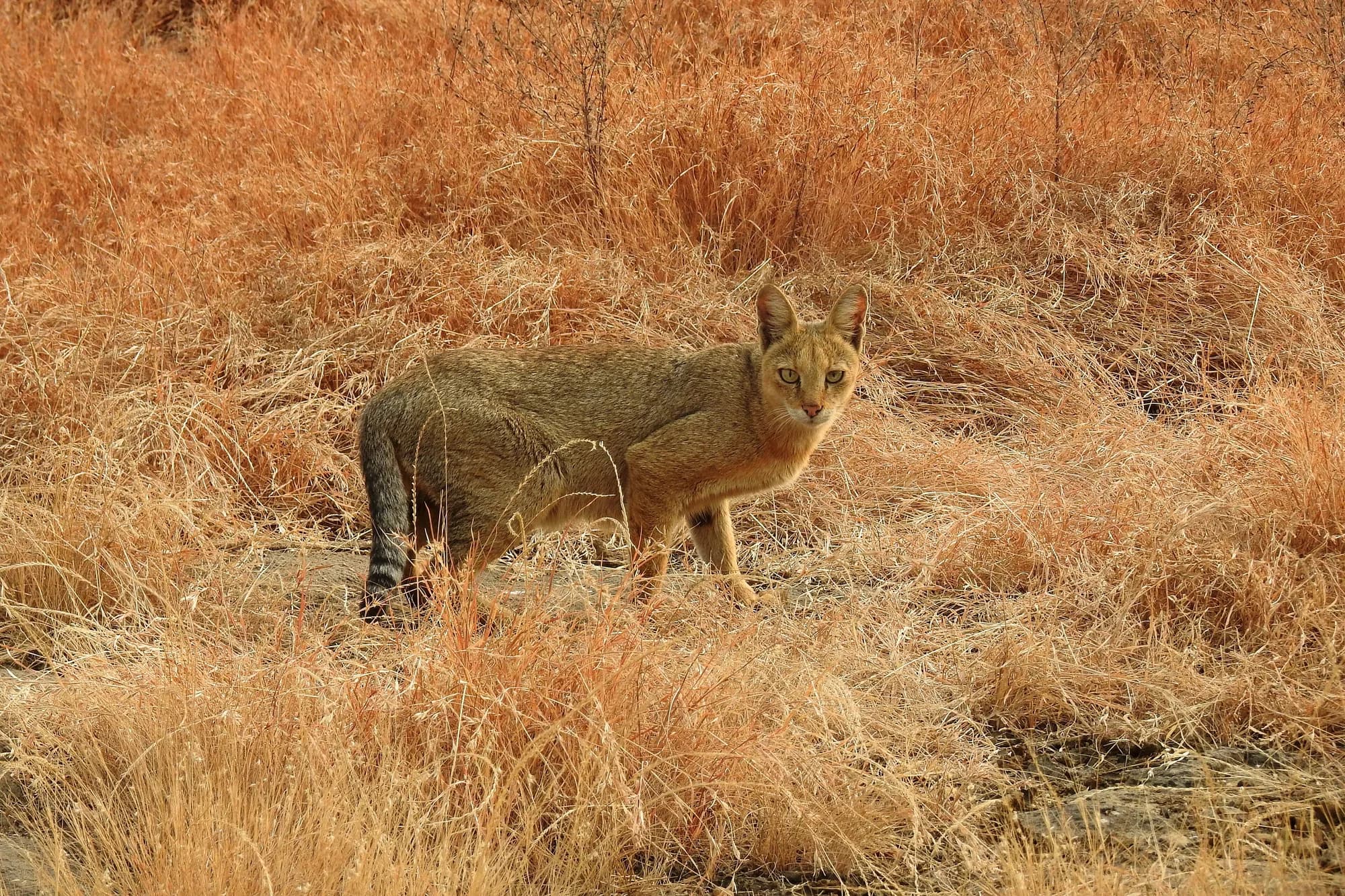
Everywhere, and always misnamed
Jungle cat — the predator
India's most-seen wild cat and its most misidentified. Long-legged, plain sandy, tuft-eared, and reported variously as a caracal, a leopard cub and somebody's escaped tabby.
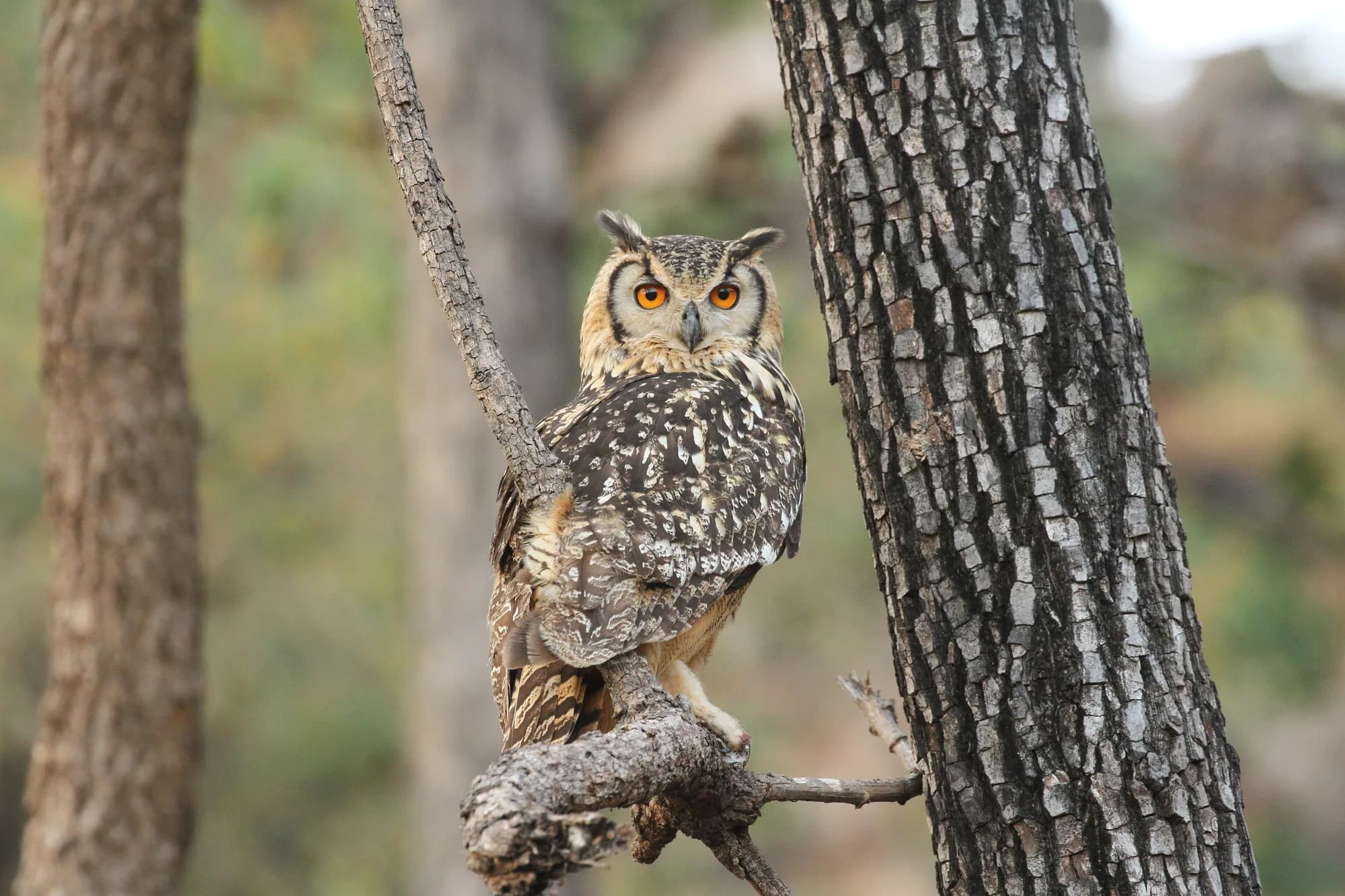
Ravines and fort walls, often in daylight
Indian eagle-owl — the other predator
A large horned owl of ravines and rocky ground, frequently found roosting in the open in daylight — which makes it the easiest big owl in India to see properly.
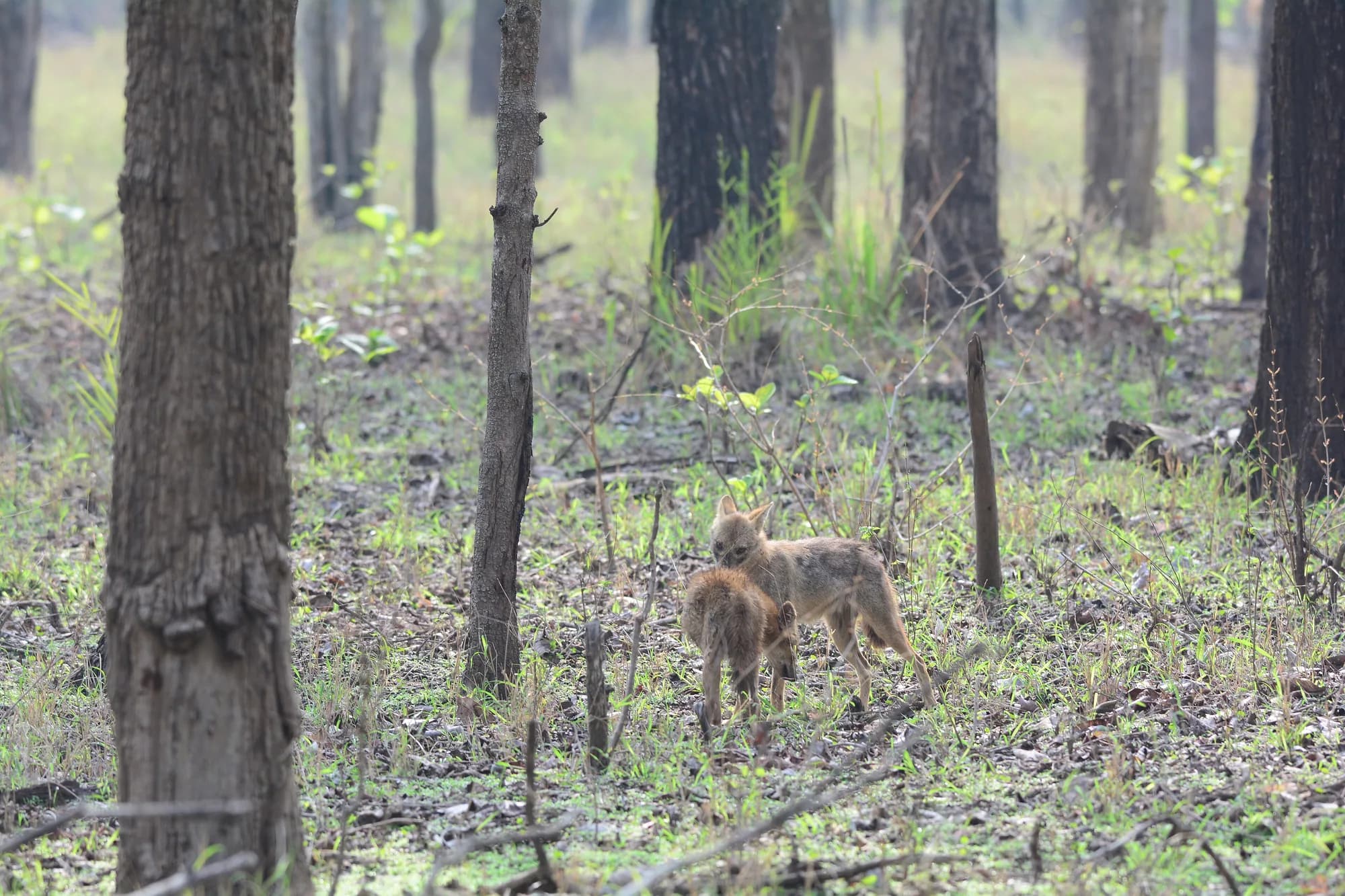
Every reserve, and the night chorus
Golden jackal — the other predator
The most widespread wild canid in India, seen on almost every drive and identified as almost everything else. The howling that wakes you at the lodge is this.
Rajasthan
Ranthambore — the park in full
Dry forest around a fort, and the easiest reserve to reach from Delhi — which is exactly why it is the busiest.