
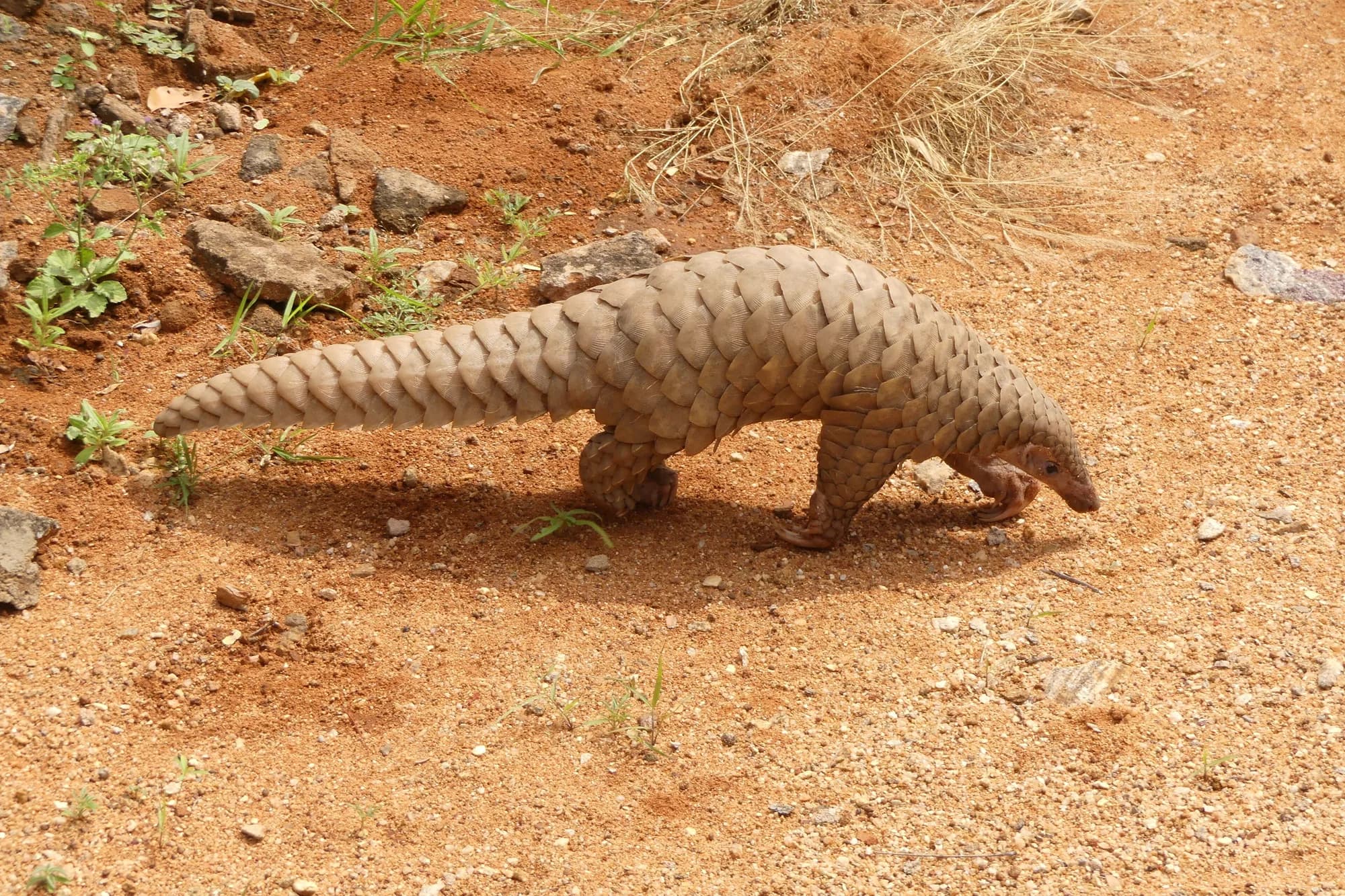
Species · Manis crassicaudata
Indian pangolin
The most trafficked wild mammal on earth, and one almost nobody sees. It lives across most of India, comes out only at night, and the honest encounter is a burrow rather than an animal.
Also called
- Sallu saap / Chiti-khor (सल्लू साँप) · Hindi
- Khavlya manjar · Marathi
- Chippu handi · Kannada
Checked 31 Aug 2026
- Where
- Most of India south of the Himalaya
- Best months
- November–March, at night
- Diet
- Ants and termites, nothing else
- Note
- Schedule I, and heavily trafficked
Dry and moist deciduous forest, scrub and farmland across most of peninsular and northern India. Widespread on paper and genuinely uncommon on the ground, because decades of poaching have hollowed out populations that no survey ever counted properly.
Where it is
Where to actually go
Ranked, with the reason each — these are not interchangeable.
- 01SatpuraMadhya PradeshNight drives in the buffer, walking safaris that let you read ground, and guides who actually log sign.Buffer, after dark
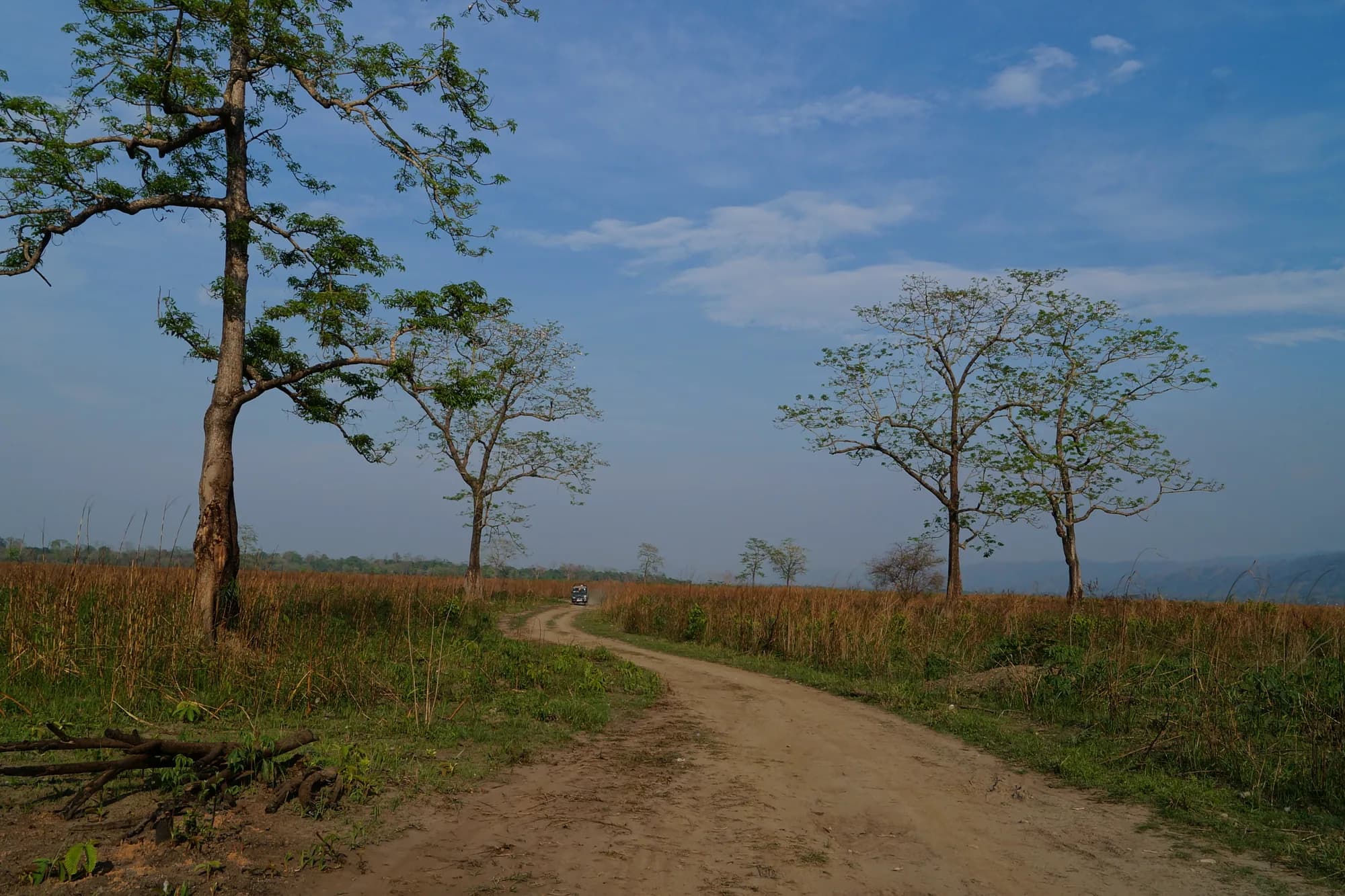
- 02TadobaMaharashtraA healthy buffer population and enough night traffic on buffer roads that animals are occasionally caught crossing.Buffer night drives
- 03GirGujaratPresent through the scrub, with sign easy to find in the dry season on open ground.Sign, not sightings
Where you will not see one
- A morning safariPangolins are strictly nocturnal and spend the daylight hours underground. No amount of daytime drives improves the odds.
- Anywhere, if you need a guaranteeThere is no reserve in India where a pangolin can be arranged. Guides with twenty years in the same forest have single-figure sightings. Treat any operator who promises one as a warning.
When to go
When to go
- J
- F
- M
- A
- M
- J
- J
- A
- S
- O
- N
- D
January: best. February: best. March: good. April: marginal. May: marginal. June: closed or unproductive. July: closed or unproductive. August: closed or unproductive. September: marginal. October: good. November: best. December: best.
Through the day
- Dawn
- Morning
- Midday
- Afternoon
- Dusk
- Night
Dawn: usually resting. Morning: not normally seen. Midday: not normally seen. Afternoon: not normally seen. Dusk: active. Night: most active.
What it looks like in the field
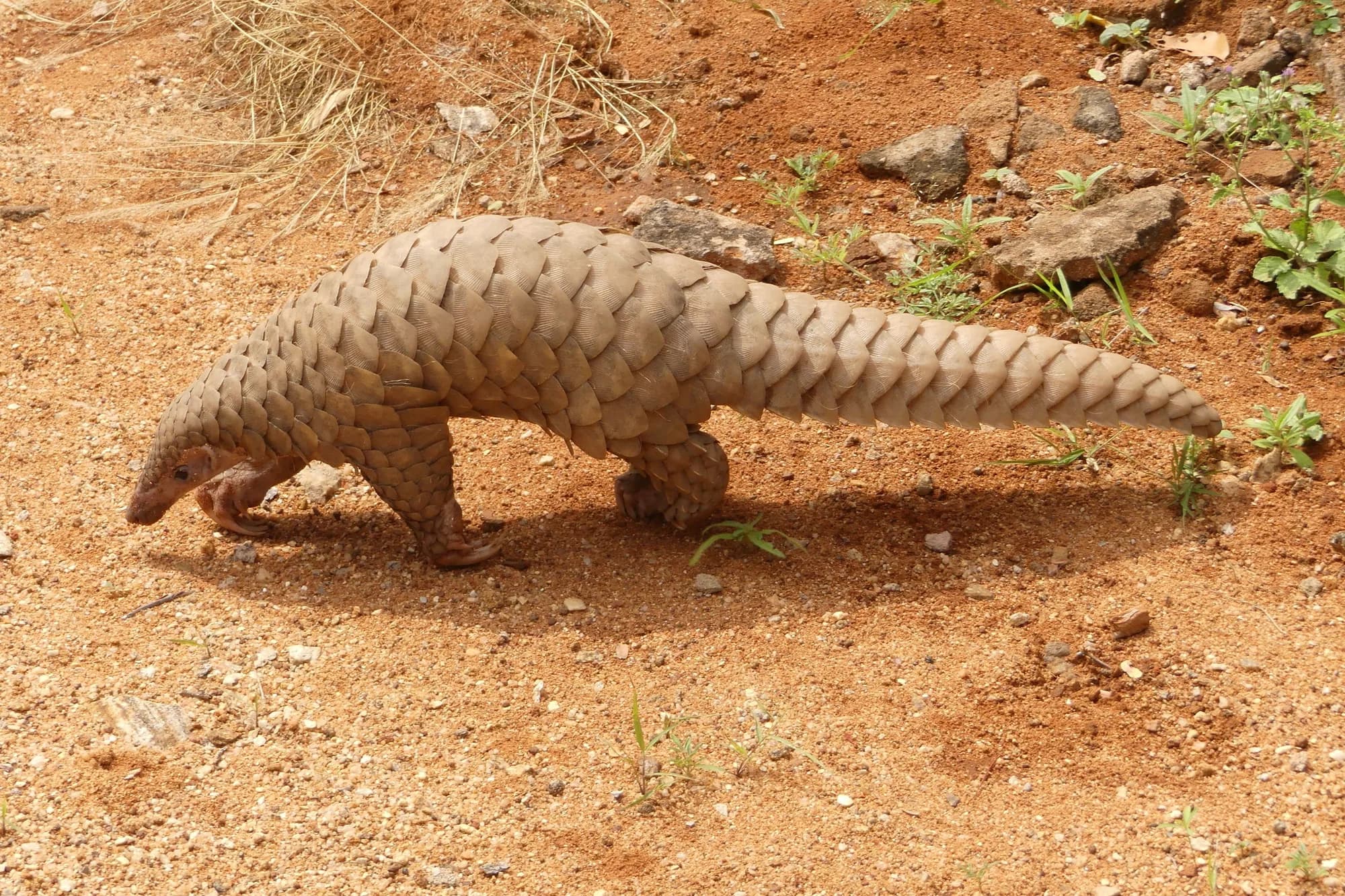

Photographs of Indian pangolin in the wild, in Indian reserves. We publish no captive, baited or digitally composited images, and no photograph whose licence we cannot show.
Signs and calls
- Burrow
- A rounded hole in hard ground, wider than tall, with a fan of excavated earth. Old ones are used by porcupine, hyena and monitor lizards afterwards.
- Opened termite mound
- A deep clawed gouge into the side of a mound, unlike the shallow scrape a sloth bear leaves and unlike the neat hole of a monitor.
- Tracks
- Knuckle-walking front feet and full hind prints, with a tail drag between them in soft dust.
Why the numbers are so bad
Pangolin scales are keratin — the same material as a fingernail — and they are traded in tonnes for medicine that does not work. India has lost enormous numbers of animals to that trade, and because nobody ever counted pangolins properly to begin with, the losses are recorded in seizure statistics rather than population figures.
Reading a burrow
Because the animal is out for so few hours, sign is the realistic encounter. Fresh spoil at a burrow mouth, a termite mound gouged deep on one side, knuckle tracks with a tail drag — those are the things you can actually find on a walking safari.
A guide who shows you a pangolin burrow and says so plainly is being more honest than one who promises the animal.
Status and protection
Status and protection
- IUCN Red List
- Endangered
- Population trend
- ↓ Decreasing
- Wildlife Protection Act 1972
- Schedule I (post-2022 amendment numbering)
- CITES
- Appendix I
Species-level global assessment of Manis crassicaudata; the binomial given is the full species, not an Indian subspecies.
Assessed 2019 · IUCN Red List assessment
What to book to see one
What you would be booking
- How it is seen
- A night drive in a buffer zone where they are permitted — Satpura is the most practical — or a camera trap left where the burrows are.
- Drives to book
- There is no number that works. Book the night drives for what they do reliably produce: civets, hyena, nightjars and porcupine. Treat the pangolin as a lottery ticket that came free.
If you find a burrow or an opened termite mound, that is the sighting. Note it, photograph it and leave. Standing over an active burrow with a torch is how an animal abandons a refuge it dug over several nights.
Satpura — the park in fullQuestions people ask
Can I see a pangolin on an Indian safari?
Why is the Indian pangolin endangered?
What signs should I look for?
Read next
Nine reserves, and Satpura above all
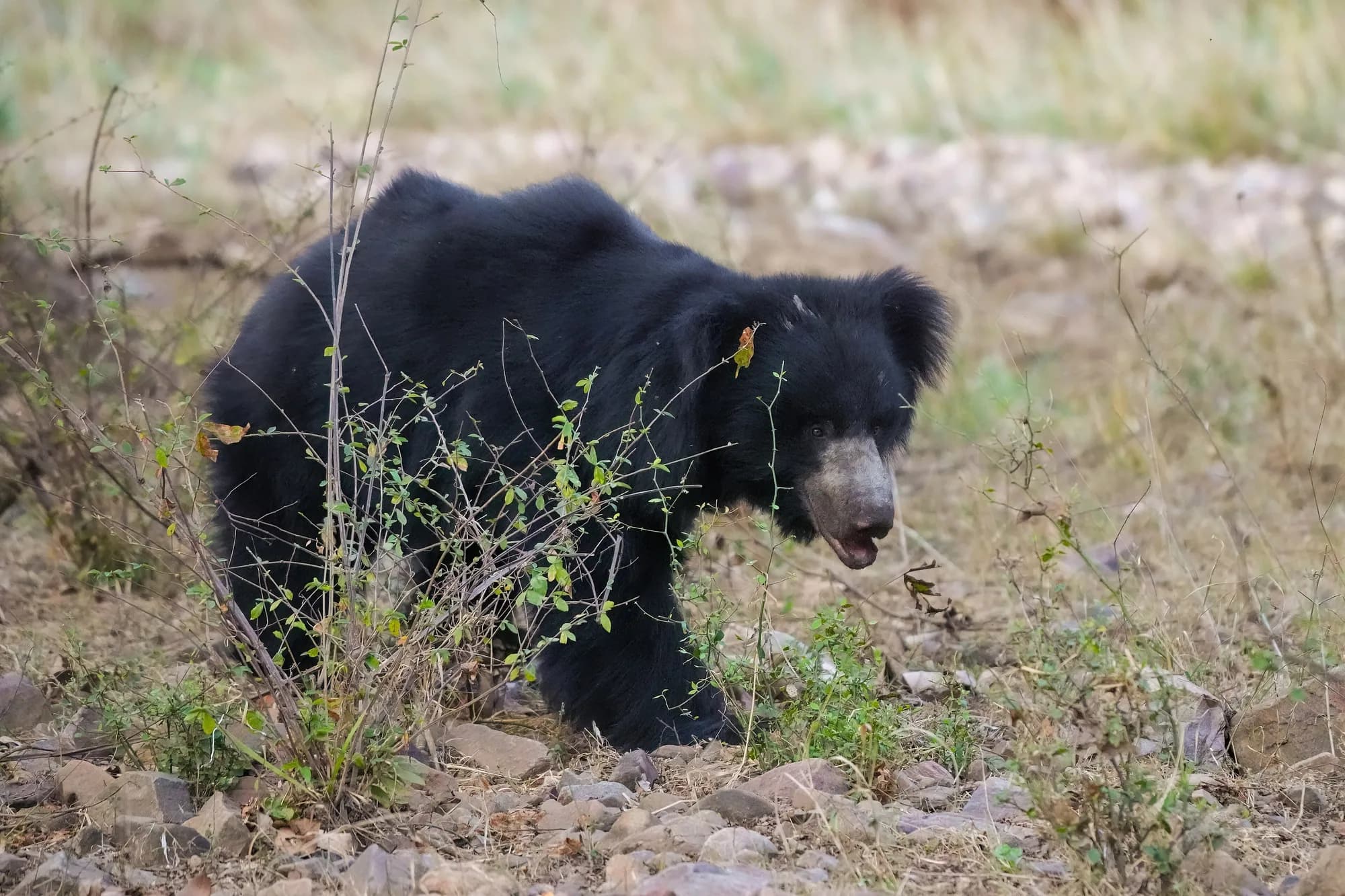
Sloth bear — the other termite specialist
The animal most guides would rather show you than a tiger, and the one most likely to be walked past in the dark. Where the diggings are, and why the odds are better on foot.
Quills on the track, animal rarely
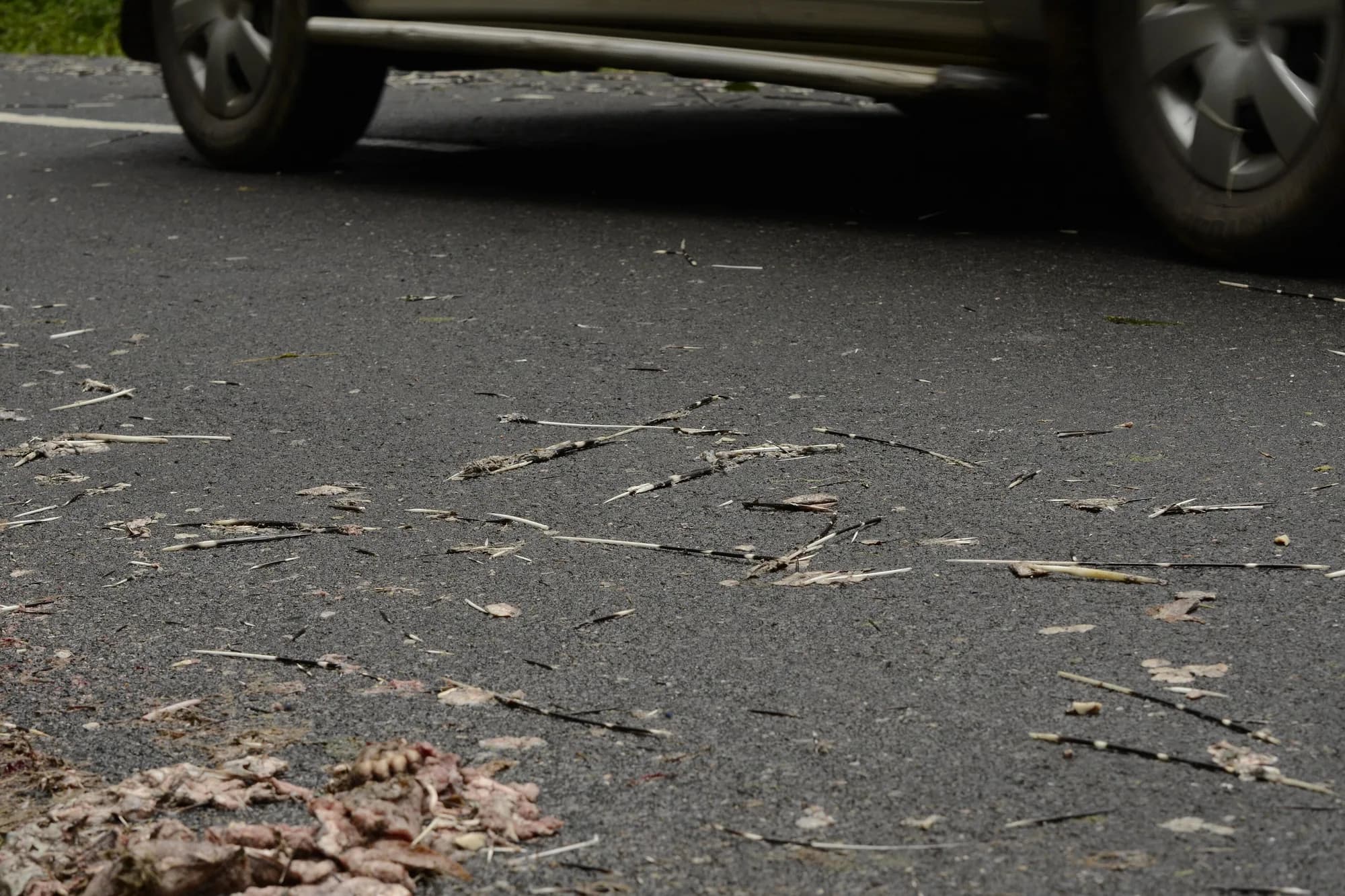
Indian crested porcupine — the same burrows
You will find the quills long before you find the animal. A large nocturnal rodent that walks off tigers, and the source of the most commonly picked-up field sign in India.
Four reserves, at dusk, rarely looked for
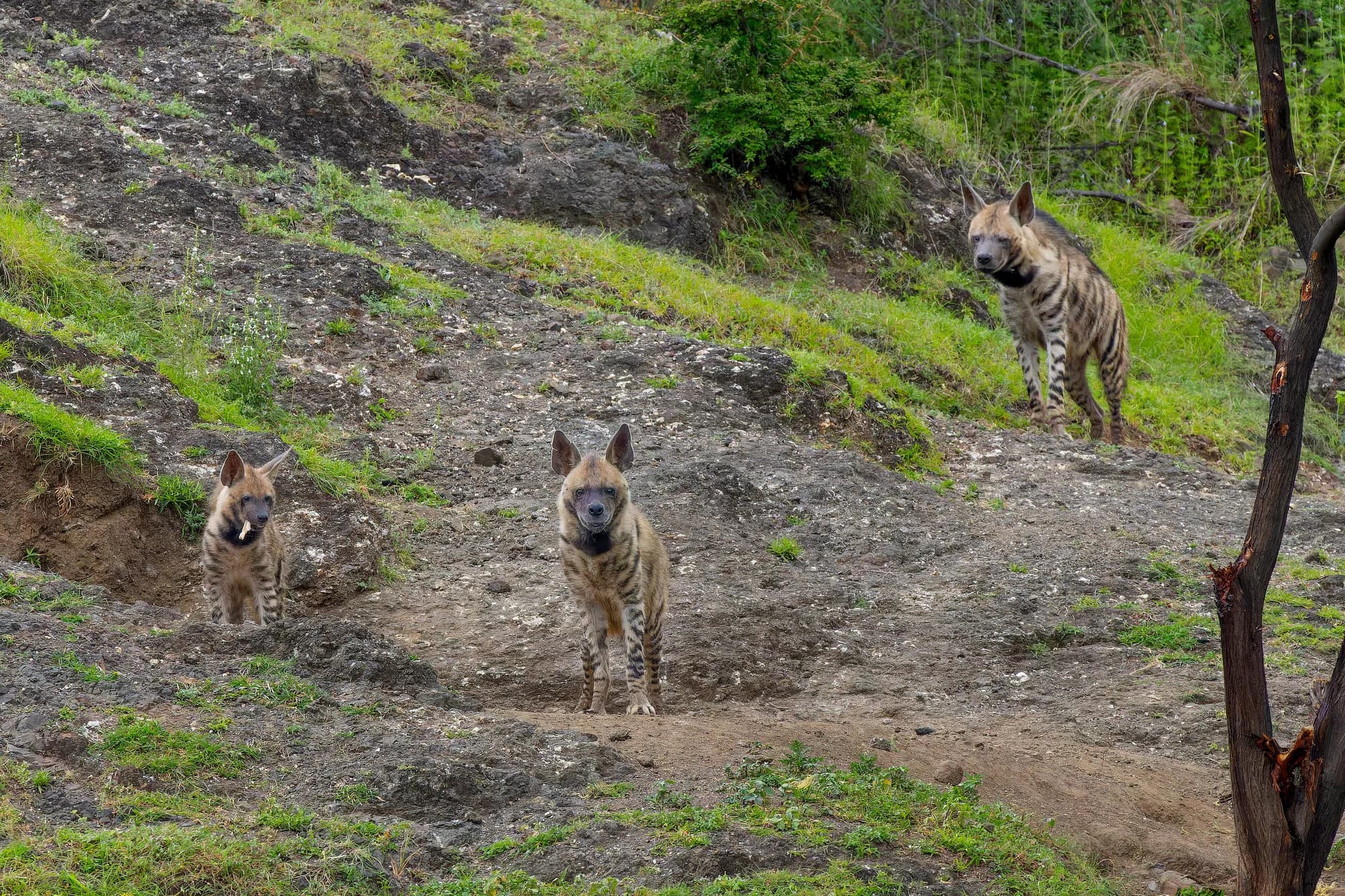
Striped hyena — the night drive regular
A nocturnal scavenger with a mane it raises when alarmed, common across dry India and almost never on anyone's list. One of the best sightings you can have at Jawai.
Madhya Pradesh
Satpura — the park in full
The one central Indian reserve that permits walking and boat safaris. You see less and understand considerably more.