
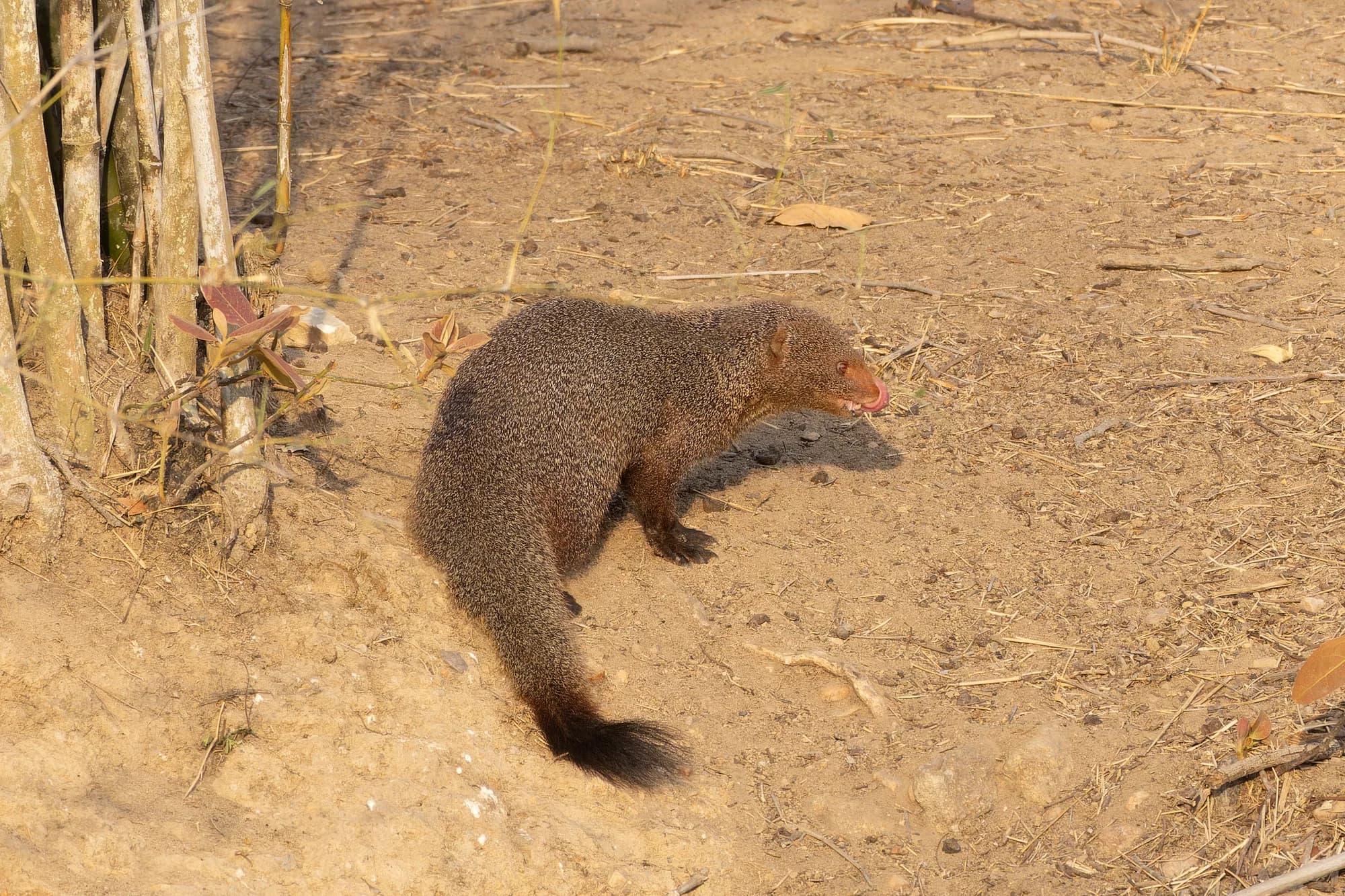
Species · Urva smithii
Ruddy mongoose
The forest mongoose, told from the common grey one by a black-tipped tail carried curled upward. Diurnal, confiding, and on almost every drive.
Also called
- Nevla (नेवला) · Hindi
- Mungus · Marathi
- Keeri · Malayalam
Checked 30 Aug 2026
- Where
- Peninsular India
- Best months
- November–April
- Tell
- Black tail tip, curled
- Active
- Daylight, usefully
Deciduous and moist forest across peninsular India, generally in better cover than the common grey mongoose uses.
Where it is
Where to actually go
Ranked, with the reason each — these are not interchangeable.
Where you will not see one
- Confused with the common grey mongooseThe grey is paler, uses open scrub and villages, and has no black tail tip. The ruddy is russet, keeps to forest, and carries the tail curled with the black tip showing.
- Snake charmersWorth stating plainly: mongoose kept for snake shows are taken from the wild and are illegal to hold. It has nothing to do with a wild sighting.
When to go
When to go
- J
- F
- M
- A
- M
- J
- J
- A
- S
- O
- N
- D
January: best. February: best. March: best. April: good. May: marginal. June: marginal. July: closed or unproductive. August: closed or unproductive. September: closed or unproductive. October: marginal. November: best. December: best.
Through the day
- Dawn
- Morning
- Midday
- Afternoon
- Dusk
- Night
Dawn: most active. Morning: most active. Midday: usually resting. Afternoon: active. Dusk: active. Night: not normally seen.
What it looks like in the field
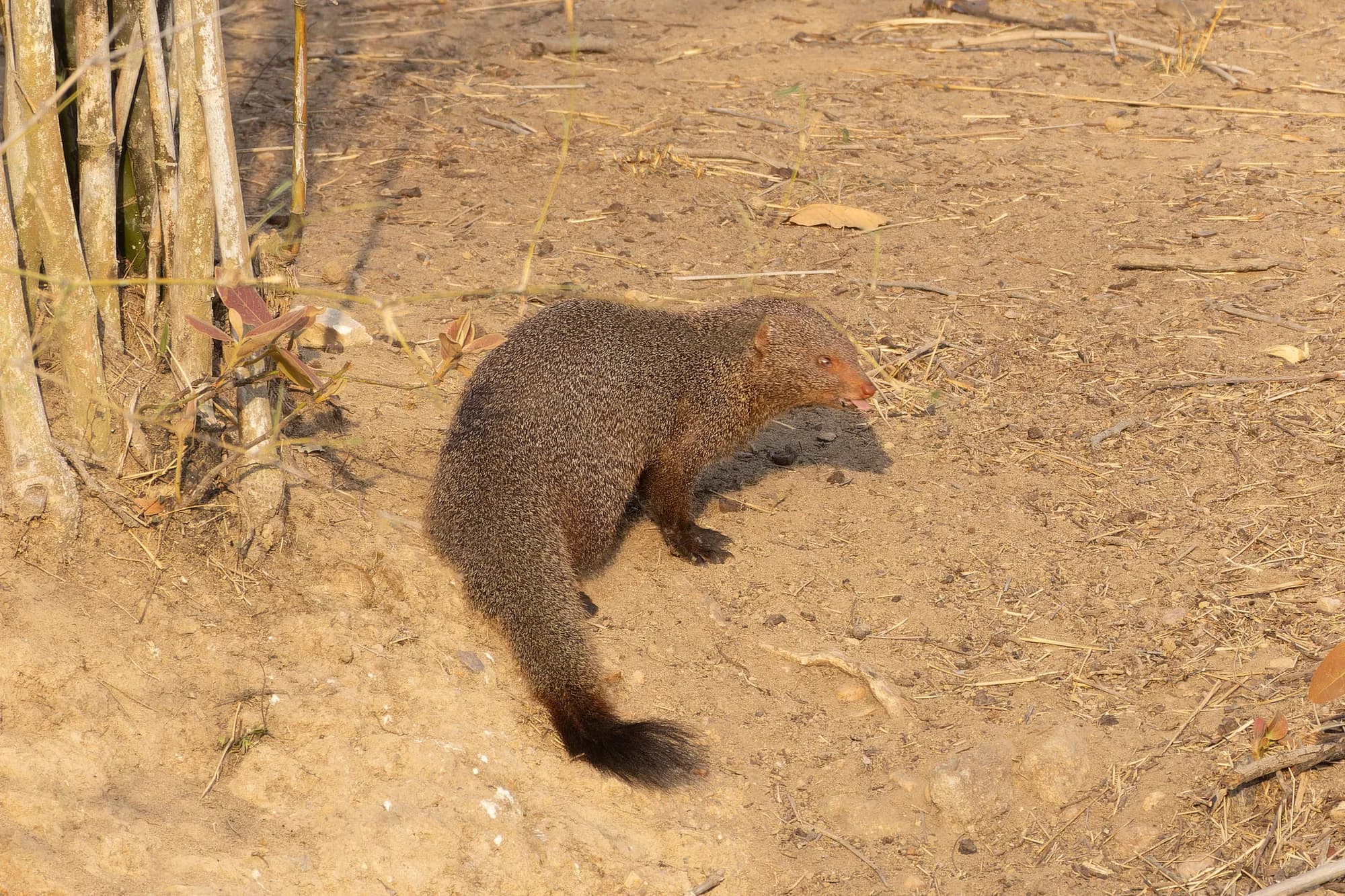
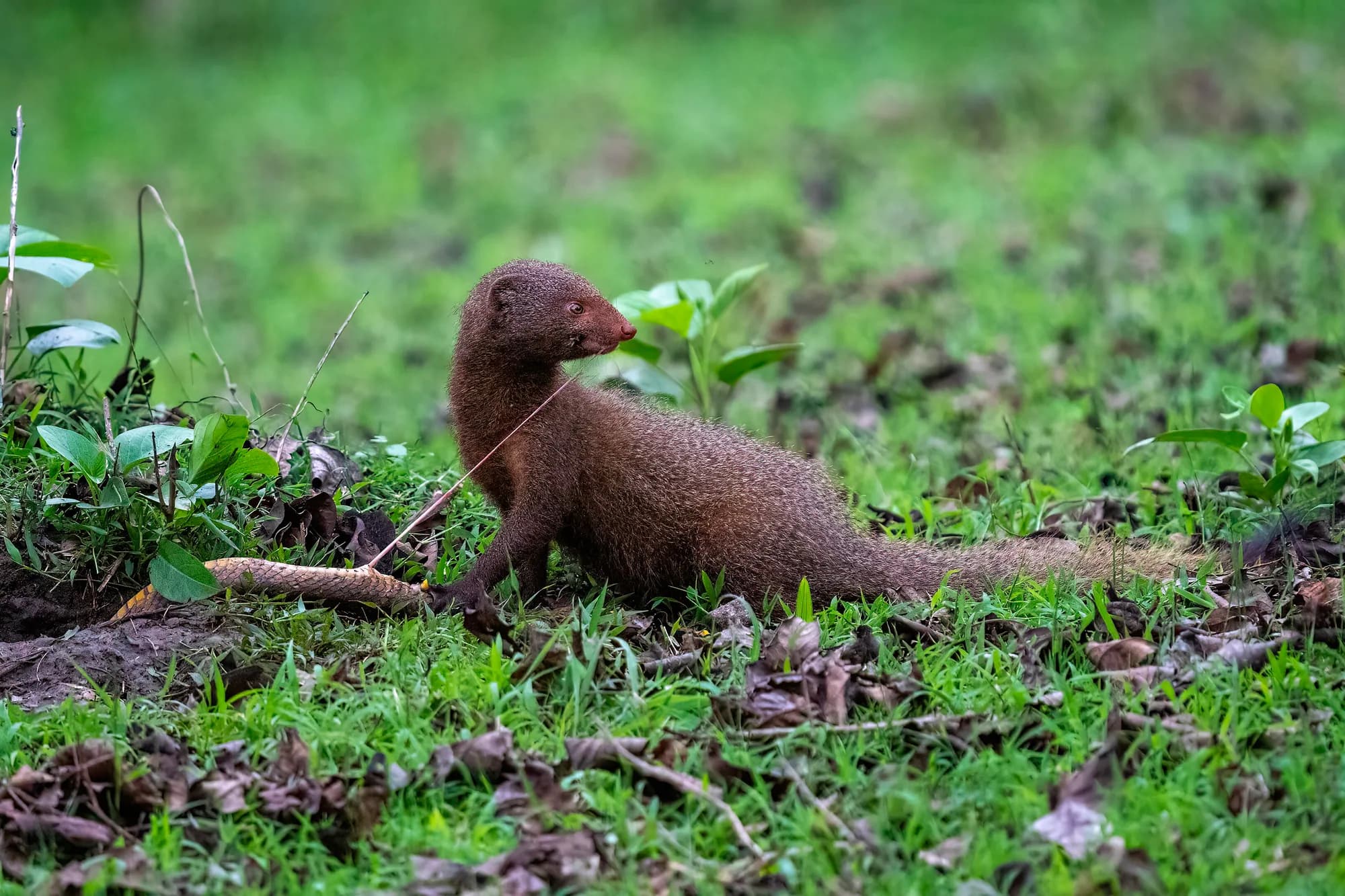
Photographs of Ruddy mongoose in the wild, in Indian reserves. We publish no captive, baited or digitally composited images, and no photograph whose licence we cannot show.
What a sighting is actually like
A long russet animal crossing the track at a purposeful trot, stopping once to look back, tail curled with the black tip showing. Ten seconds, in good light, most mornings.
It is the small carnivore you can actually watch, which makes it worth naming properly.
Which mongoose is it
India has several. The two you will meet are this and the common grey, and they split cleanly by habitat as much as by appearance.
Status and protection
Status and protection
- IUCN Red List
- Least Concern
- Population trend
- · Unknown
- Wildlife Protection Act 1972
- Schedule I
- CITES
- Appendix III
Assessment is for the full species, published under the current name Urva smithii (the binomial given). CITES and the older literature use the synonym Herpestes smithii.
Assessed 2015 · IUCN Red List assessment
What to book to see one
What you would be booking
- How it is seen
- Any jeep safari. No arrangement needed.
- Drives to book
- None. You will see one on most drives in a peninsular reserve.
Watch the tail rather than the coat. Colour varies with light and dust; the curled black tip does not.
Kanha — the park in fullQuestions people ask
How do I identify a ruddy mongoose?
Where will I see one?
Do mongooses really fight cobras?
Read next
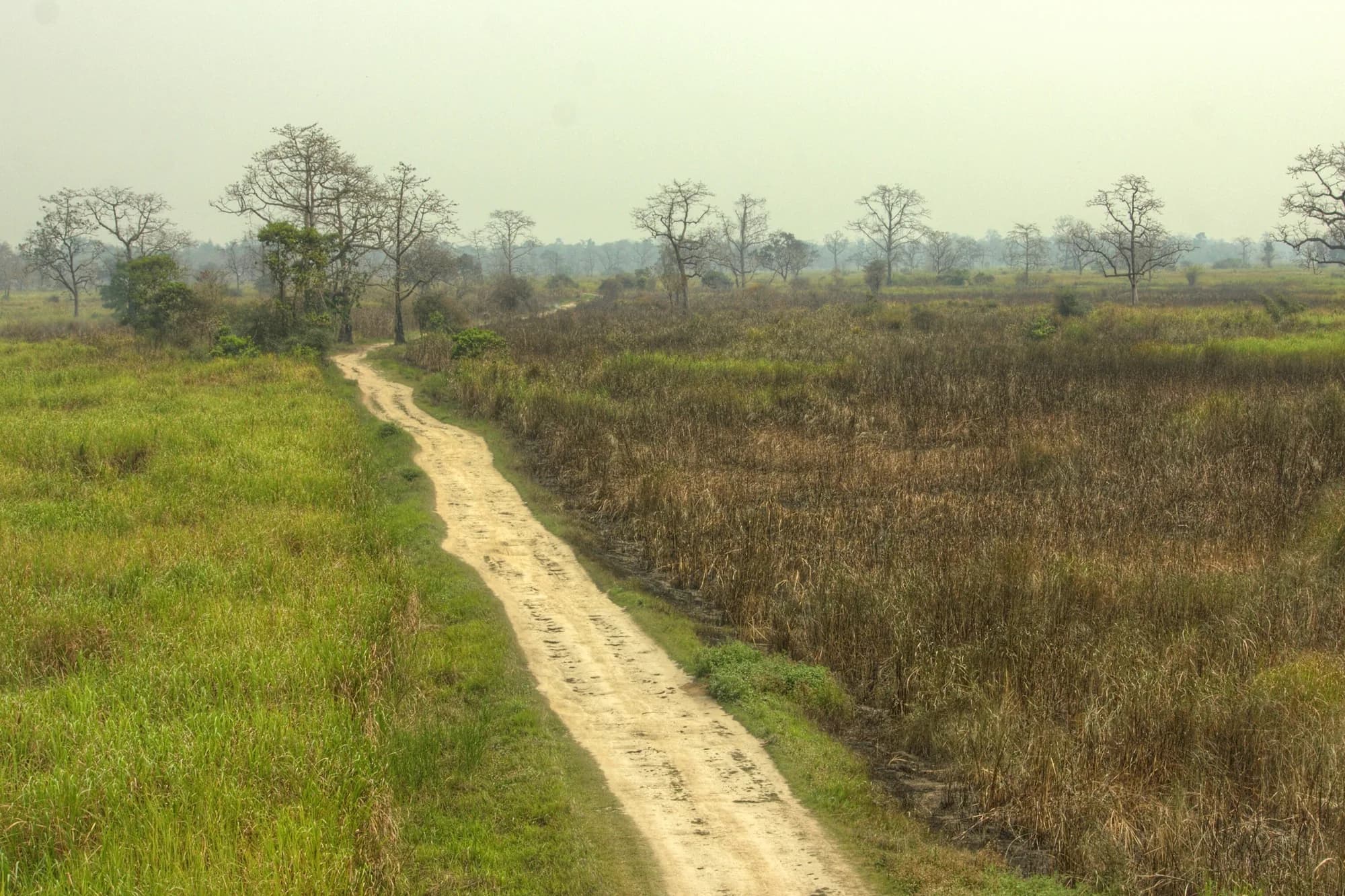
Madhya Pradesh
Kanha — the park in full
Sal forest and wide meadows, larger and calmer than Bandhavgarh. Repays four or five drives far more than two.
Everywhere, and always misnamed
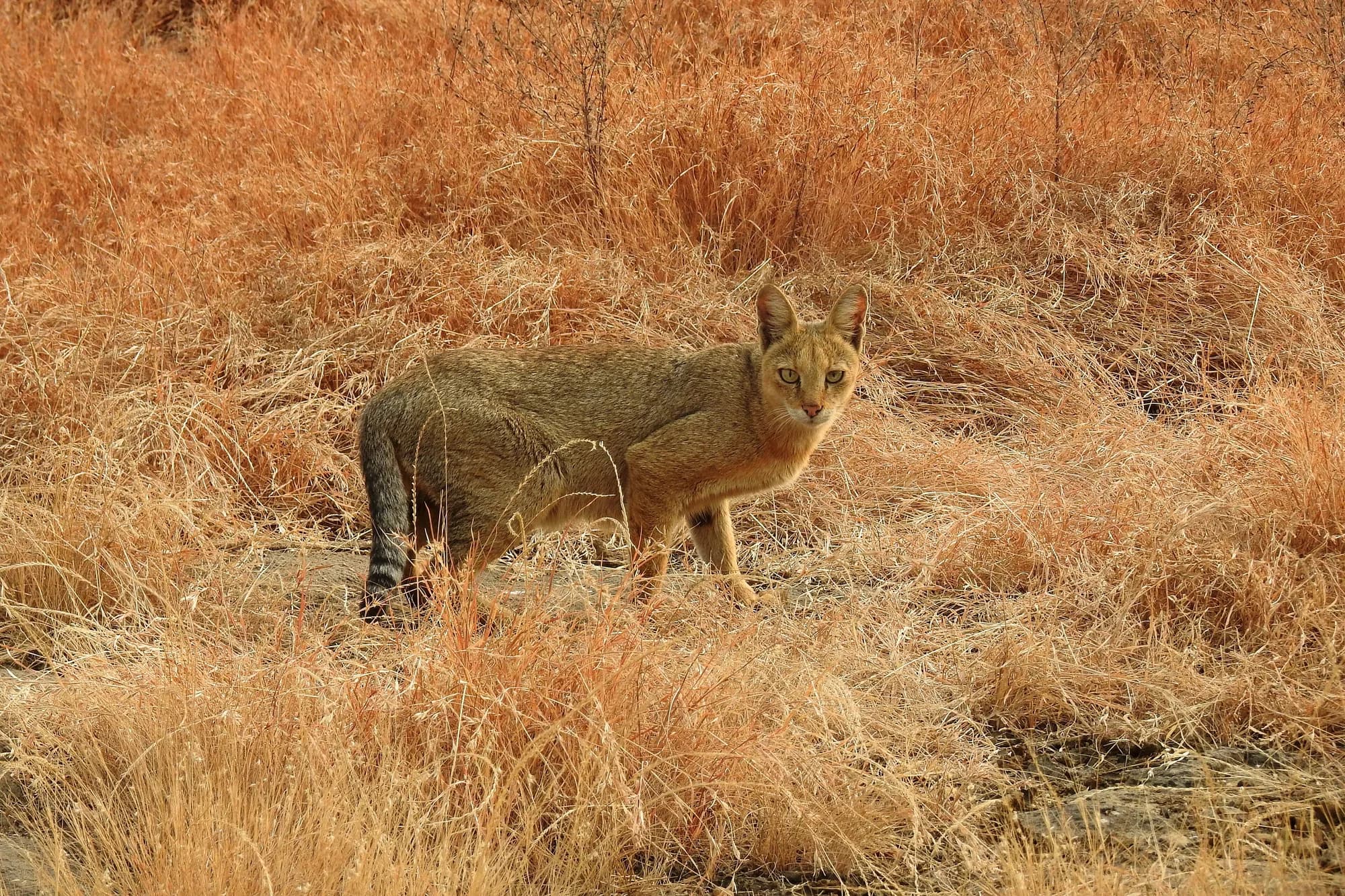
Jungle cat — the other daylight hunter
India's most-seen wild cat and its most misidentified. Long-legged, plain sandy, tuft-eared, and reported variously as a caracal, a leopard cub and somebody's escaped tabby.
Night drives, on the ground
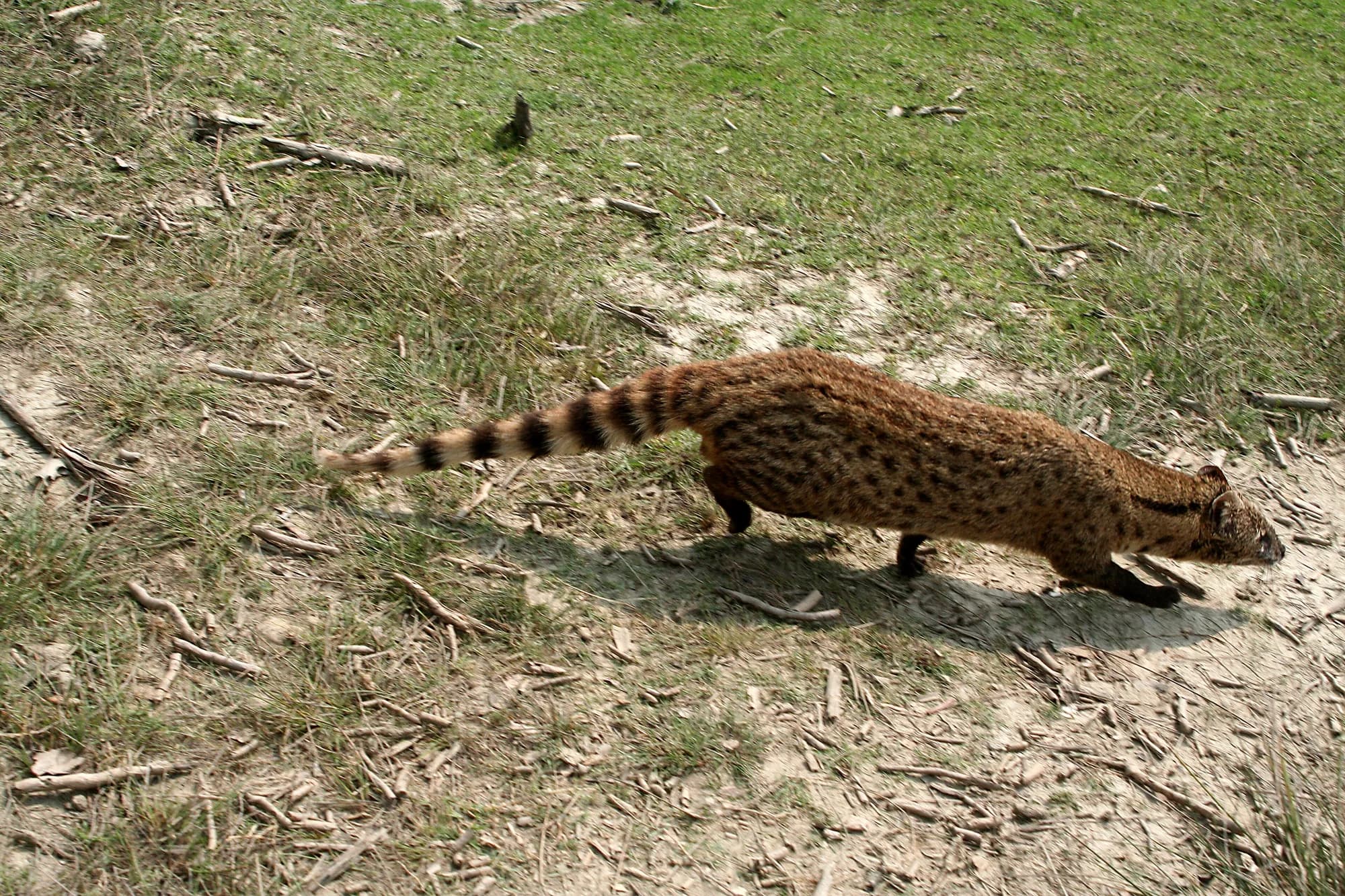
Small Indian civet — the night version
Spotted, banded-tailed and far more terrestrial than the palm civet it is constantly confused with. A regular on any Indian night drive, and rarely named correctly.
Our position
Travelling responsibly
Where we stand on vehicle crowding, baiting and playback — and what we will not link to, whoever is paying.