
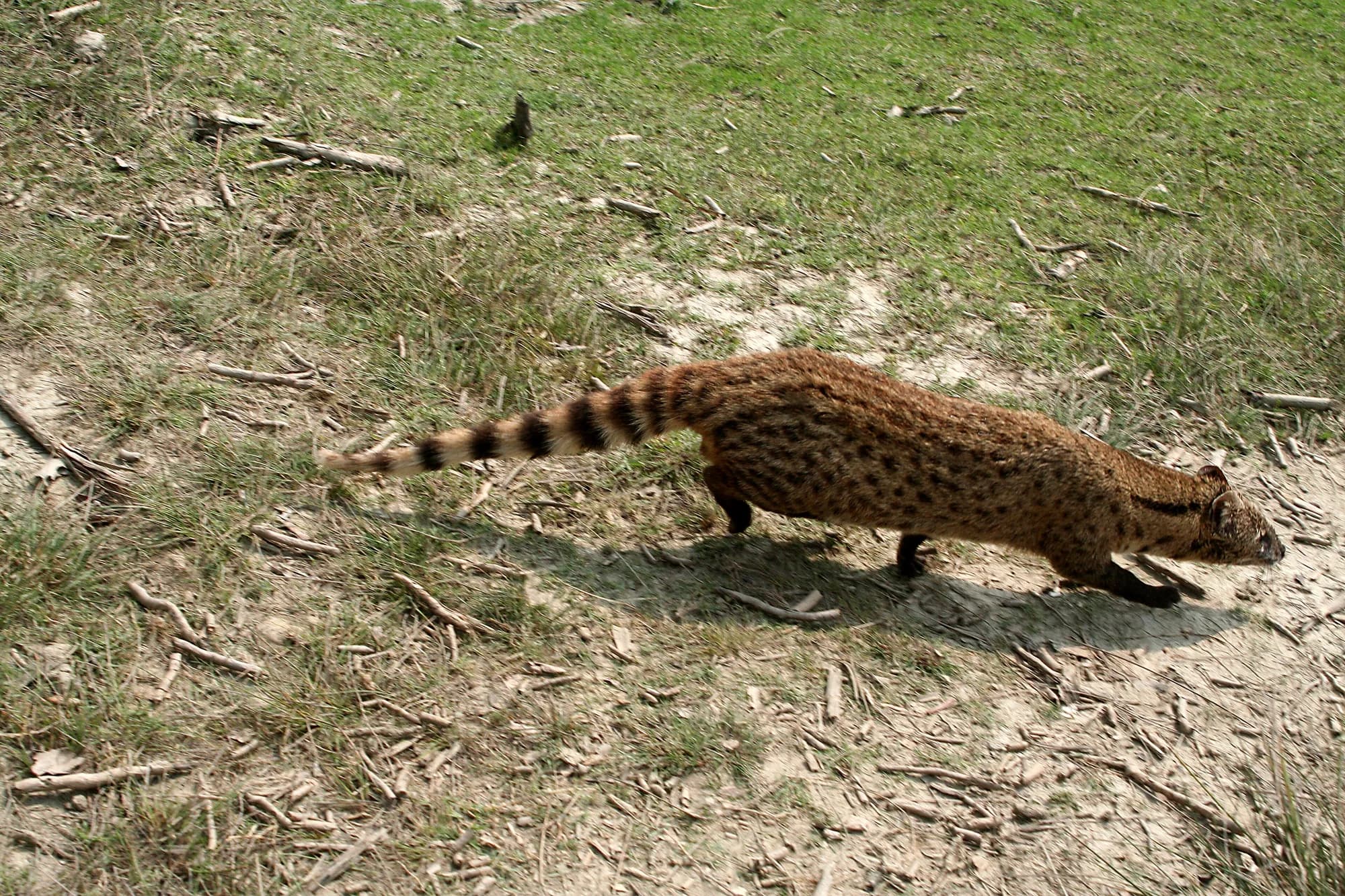
Species · Viverricula indica
Small Indian civet
Spotted, banded-tailed and far more terrestrial than the palm civet it is constantly confused with. A regular on any Indian night drive, and rarely named correctly.
Also called
- Kasturi (कस्तूरी) · Hindi
- Jawadi manjar · Marathi
- Punugu bekku · Kannada
Checked 30 Aug 2026
- Where
- Across most of India
- Best months
- November–April
- Active
- Night, entirely
- Tail
- Boldly banded
Scrub, grassland, forest edge and farmland across most of India, and comfortable close to villages.
Where it is
Where to actually go
Ranked, with the reason each — these are not interchangeable.
- 01SatpuraMadhya PradeshBuffer night drives on open tracks, where a ground-dwelling civet is exactly what you are set up to find.Night safari
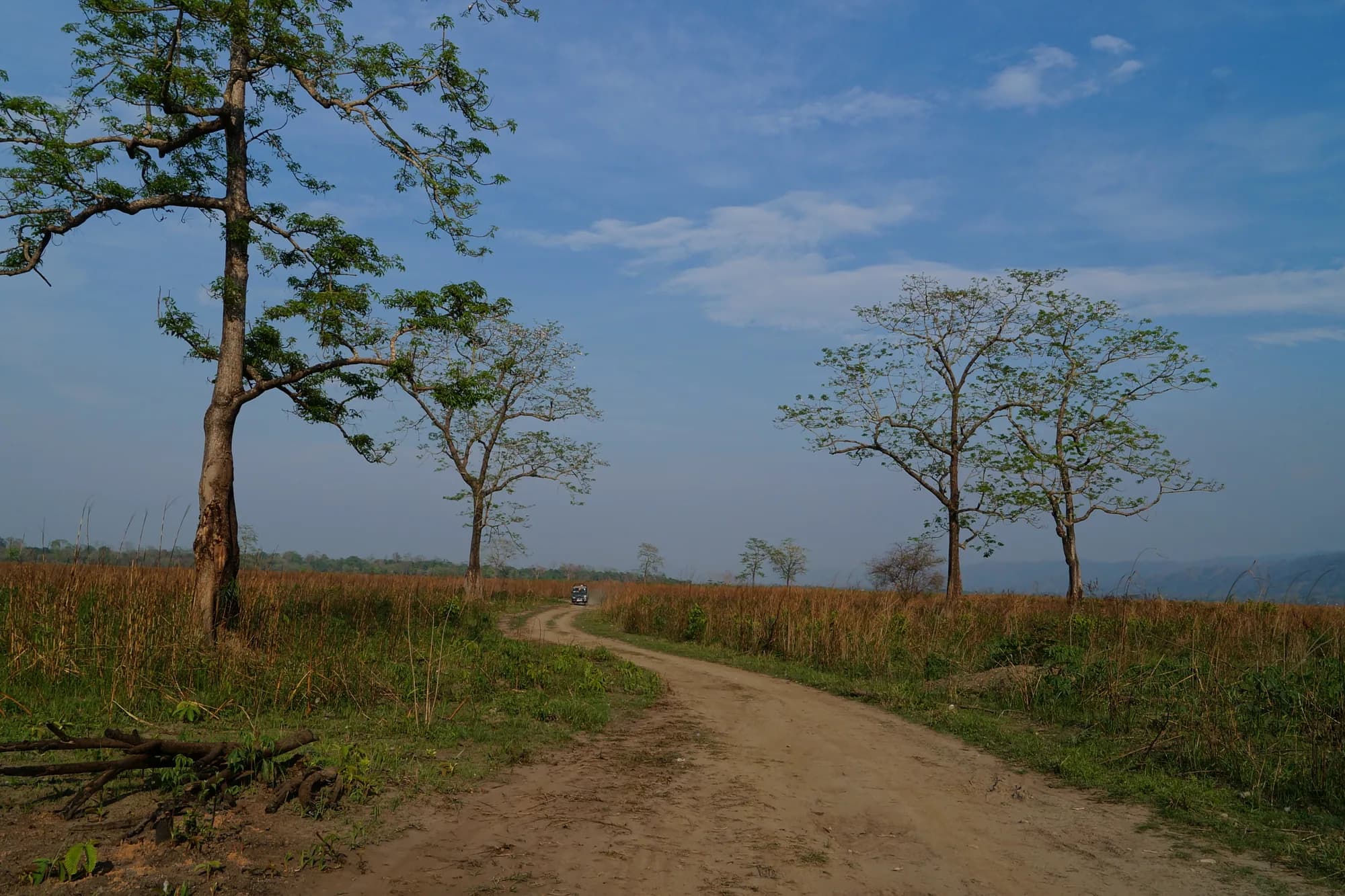
- 02TadobaMaharashtraRegular on the buffer night safaris.Alongside the small cats
- 03KabiniKarnatakaTrack edges after dark, and around plantation boundaries.Ask about night access
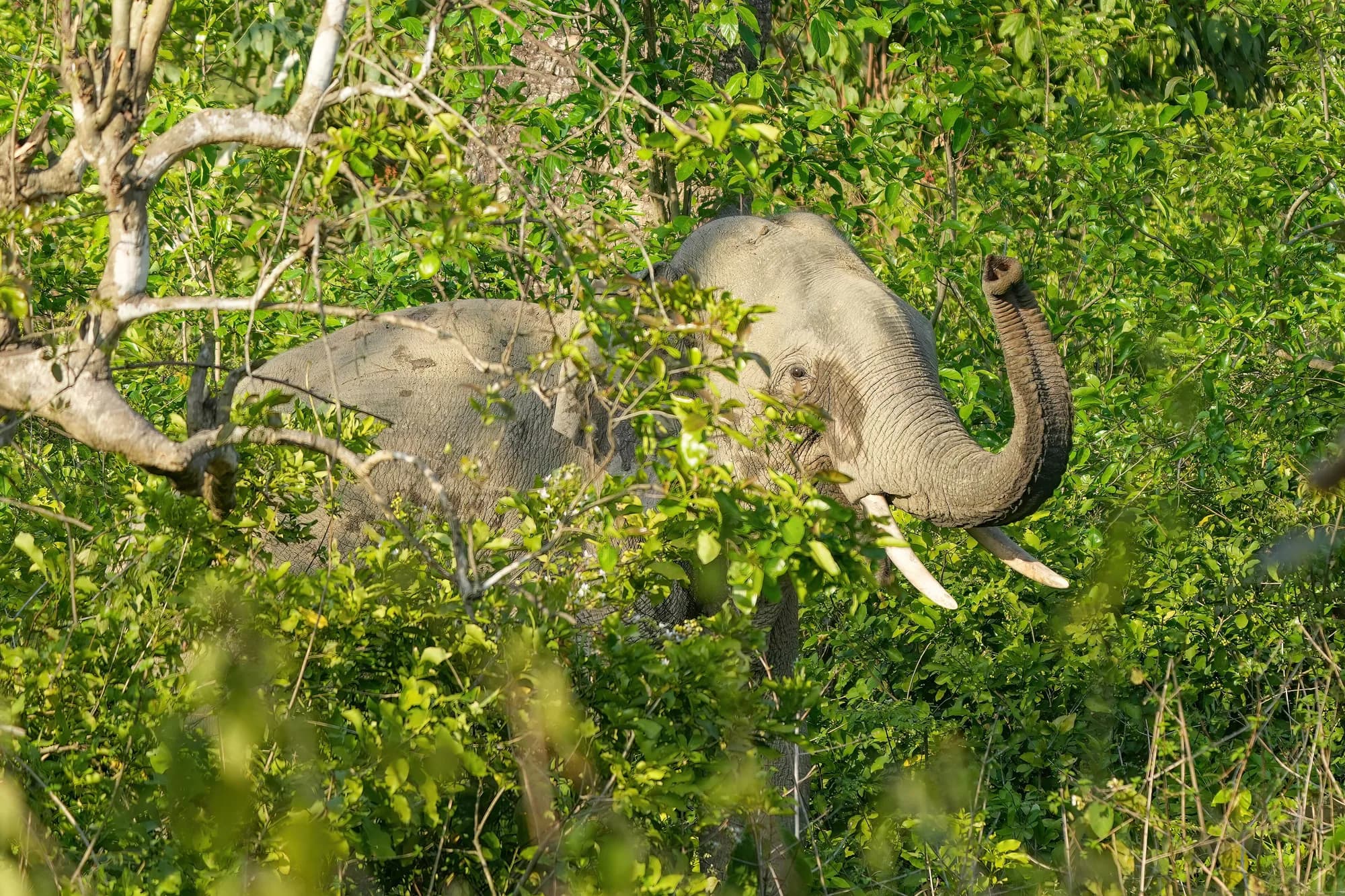
Where you will not see one
- In a treeThat is the palm civet. Small Indian civets are ground animals and the split is the quickest way to separate the two.
- On a day driveNocturnal throughout. The daylight version of this animal is a set of tracks.
When to go
When to go
- J
- F
- M
- A
- M
- J
- J
- A
- S
- O
- N
- D
January: best. February: best. March: best. April: good. May: marginal. June: marginal. July: closed or unproductive. August: closed or unproductive. September: closed or unproductive. October: marginal. November: best. December: best.
Through the day
- Dawn
- Morning
- Midday
- Afternoon
- Dusk
- Night
Dawn: usually resting. Morning: not normally seen. Midday: not normally seen. Afternoon: not normally seen. Dusk: active. Night: most active.
What it looks like in the field
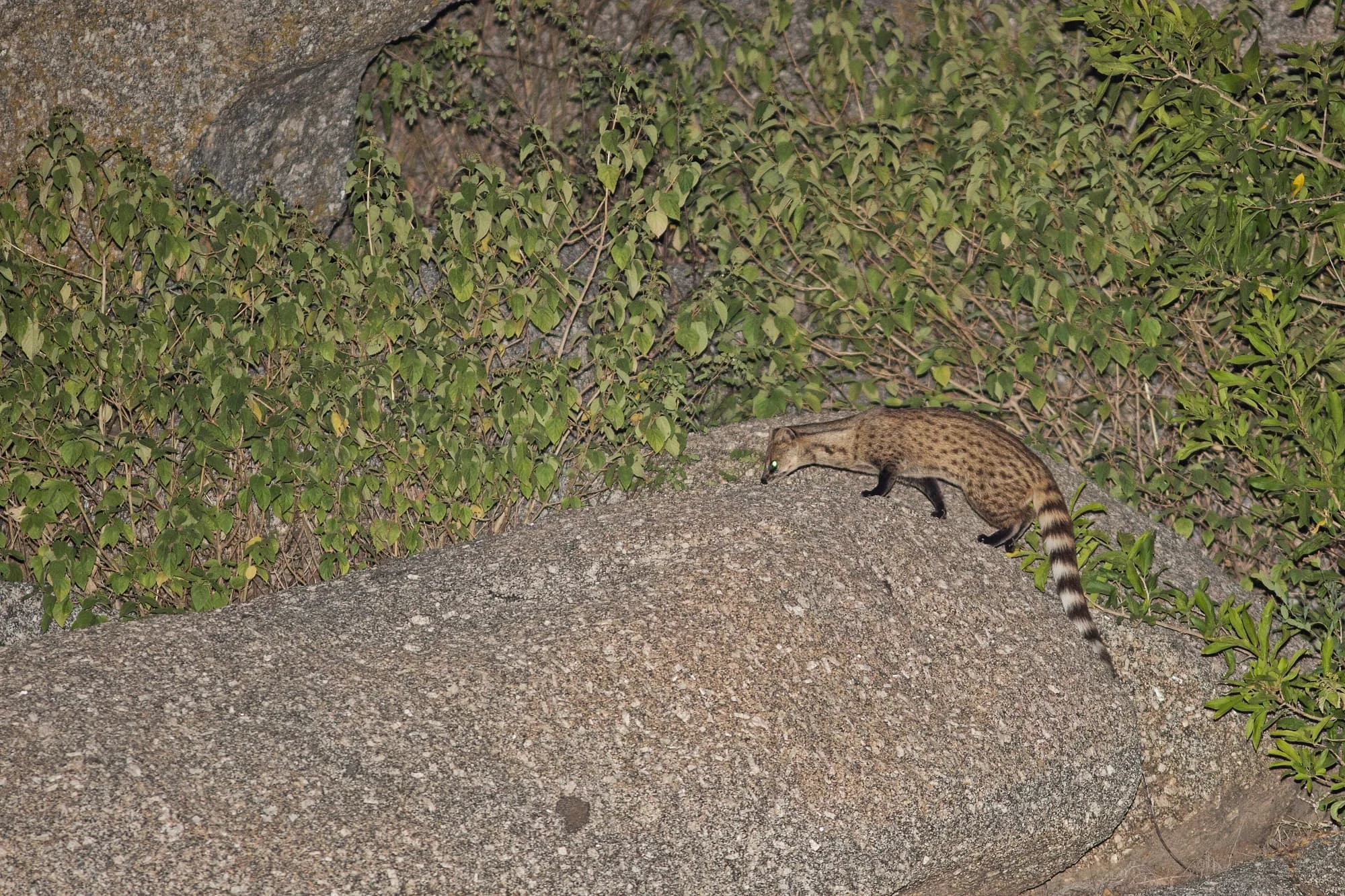
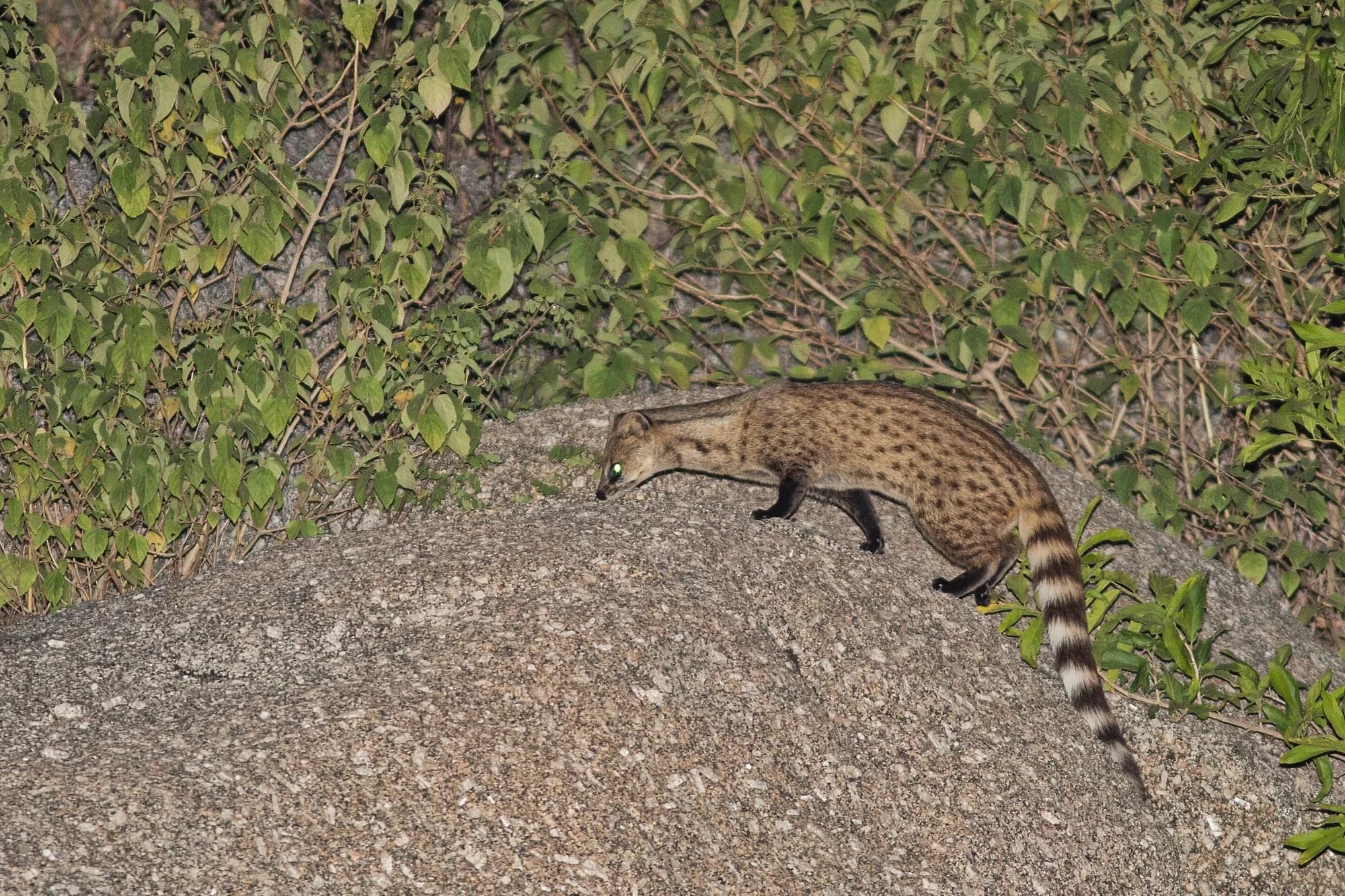
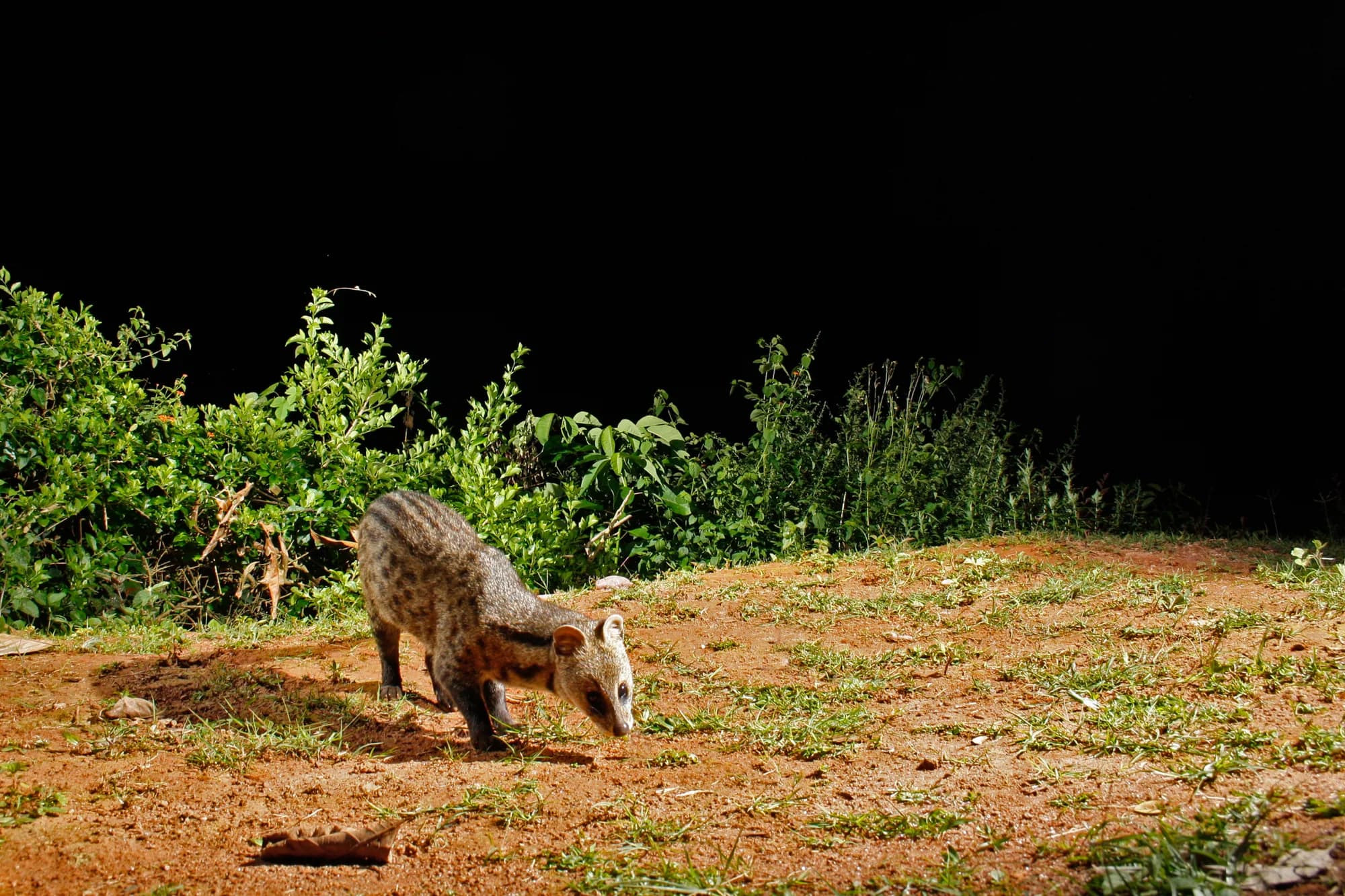
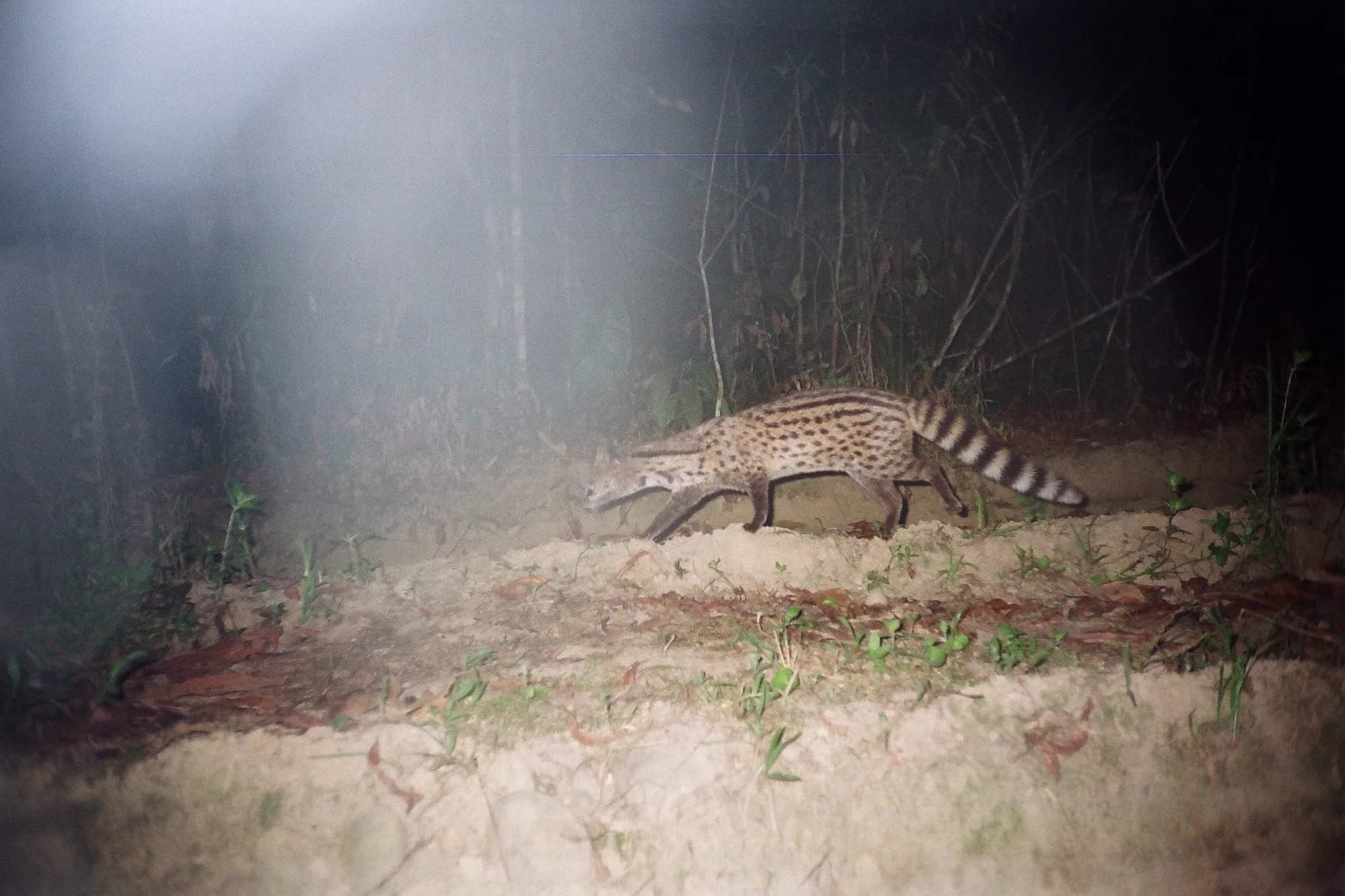
Photographs of Small Indian civet in the wild, in Indian reserves. We publish no captive, baited or digitally composited images, and no photograph whose licence we cannot show.
What a sighting is actually like
A low spotted animal trotting along the edge of a track, tail up, ignoring the vehicle until it decides not to. Usually ten or fifteen seconds, on the ground, which is the whole identification.
Ground and banded tail. Tree and plain tail. That is the entire test.
Telling the two civets apart
Small Indian civet: spotted flanks, a tail with clear dark bands along its whole length, a pointed face without a mask, and almost always on the ground.
Status and protection
Status and protection
- IUCN Red List
- Least Concern
- Population trend
- → Stable
- Wildlife Protection Act 1972
- Schedule I
- CITES
- Appendix III
Assessment is for the full species Viverricula indica, which is the binomial given. Global scope.
Assessed 2015 · IUCN Red List assessment
What to book to see one
What you would be booking
- How it is seen
- A buffer night drive on open tracks.
- Drives to book
- One or two night drives.
Both civets usually turn up on the same drive, which makes it the best opportunity to learn the difference properly rather than from a book.
Satpura — the park in fullQuestions people ask
How do I tell it from a palm civet?
Where will I see one?
Are they common?
Read next
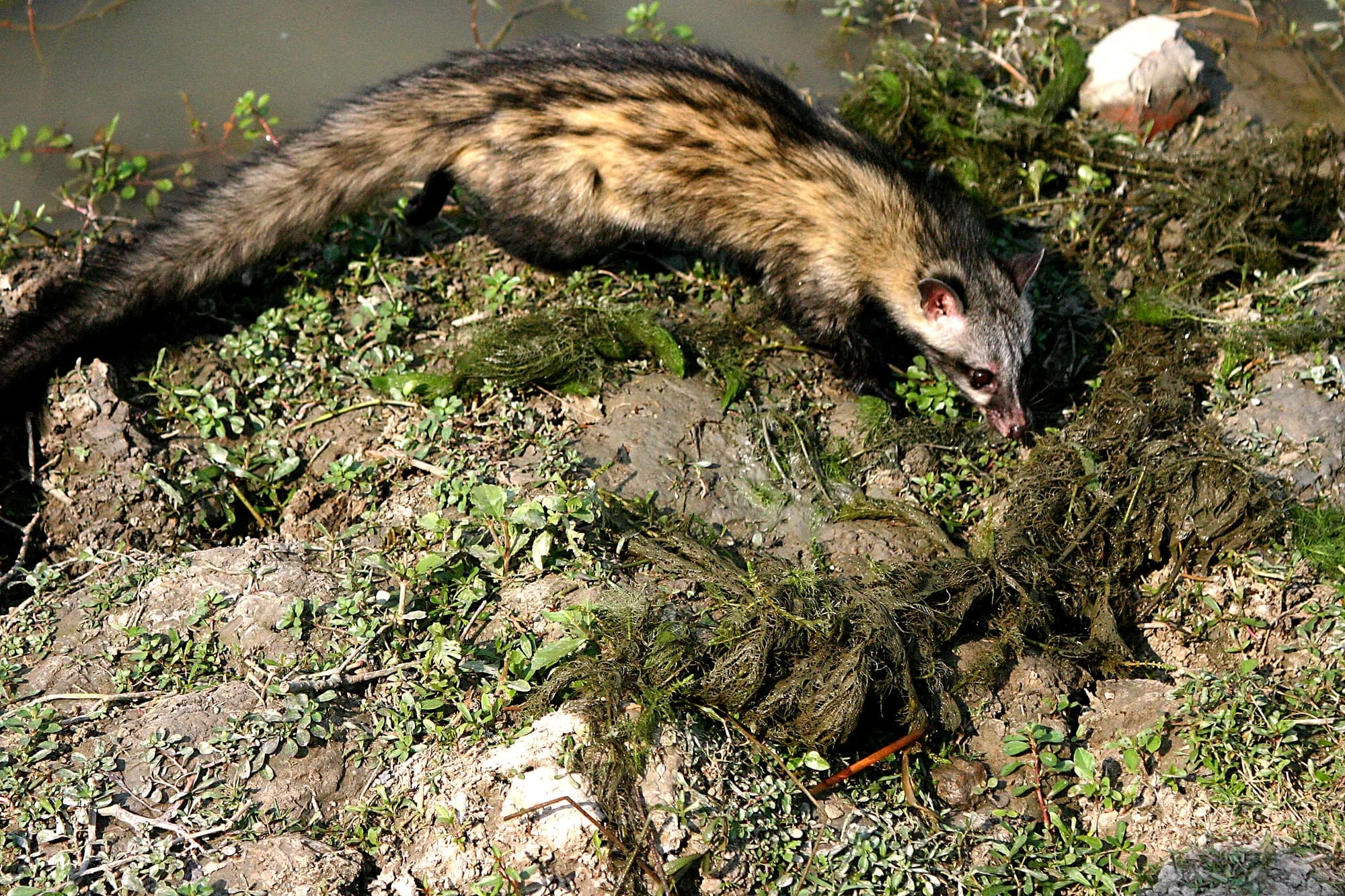
The most likely animal on a night drive
Palm civet — the confusion
Grey, long-bodied and entirely nocturnal, sleeping in a roof beam by day and eating fruit by night. The mammal you are most likely to actually see after dark in India.
Madhya Pradesh
Satpura — the park in full
The one central Indian reserve that permits walking and boat safaris. You see less and understand considerably more.
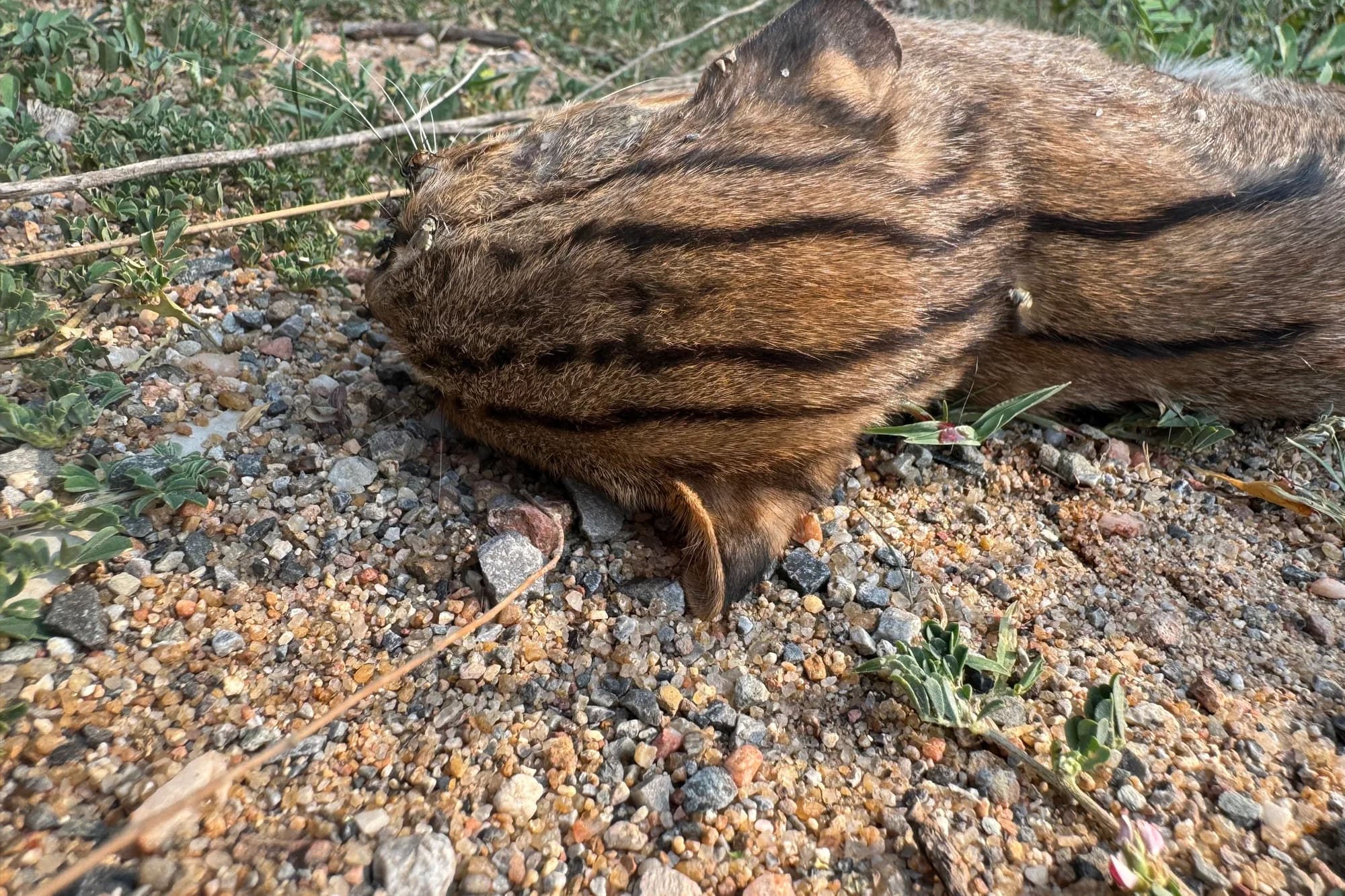
Tadoba, and the smallest cat alive
Rusty-spotted cat — the same drive
The smallest wild cat in the world, roughly half the weight of a house cat, and Tadoba is the most reliable place on earth to see one.
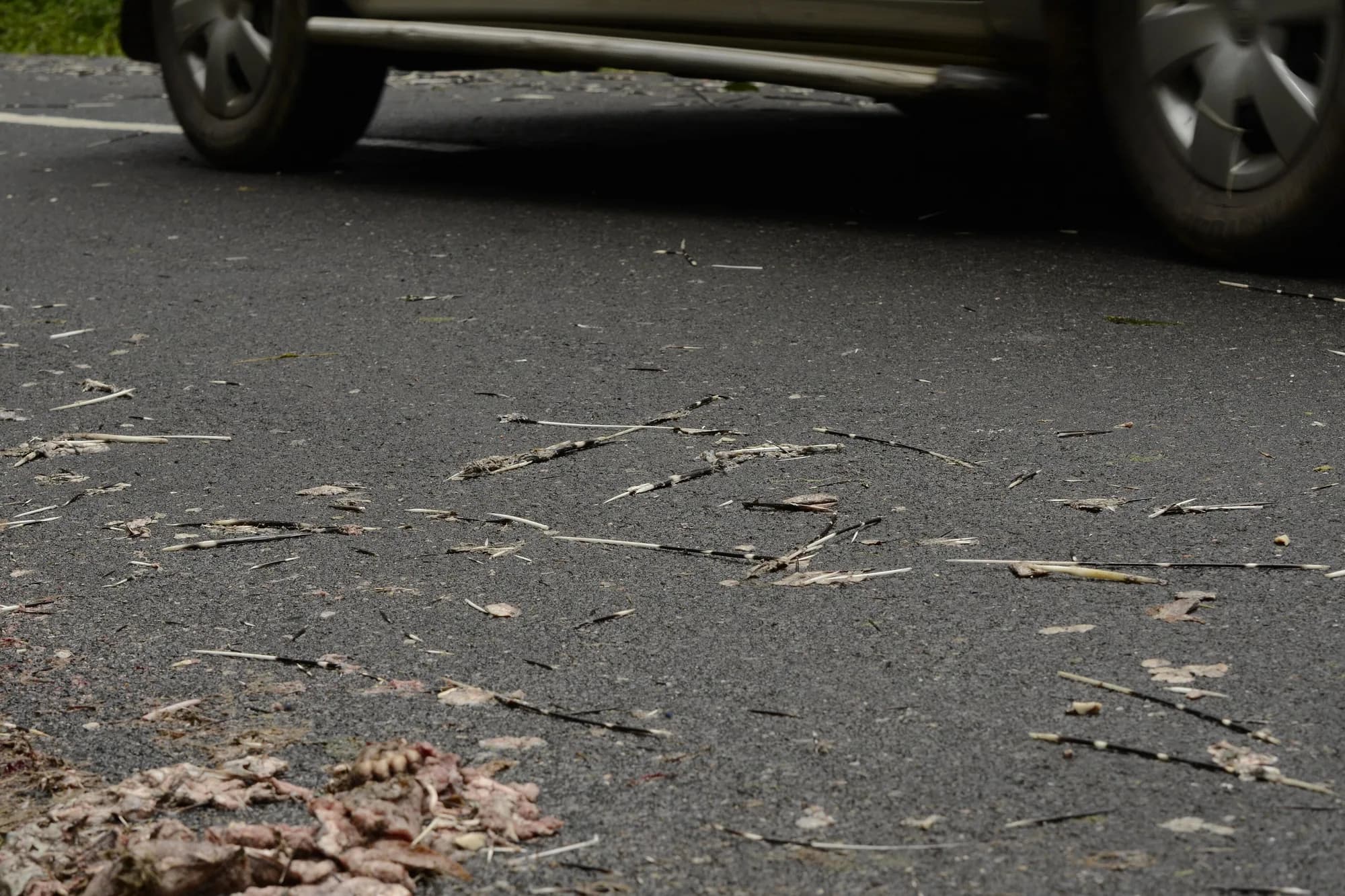
Quills on the track, animal rarely
Porcupine — the same drive
You will find the quills long before you find the animal. A large nocturnal rodent that walks off tigers, and the source of the most commonly picked-up field sign in India.