
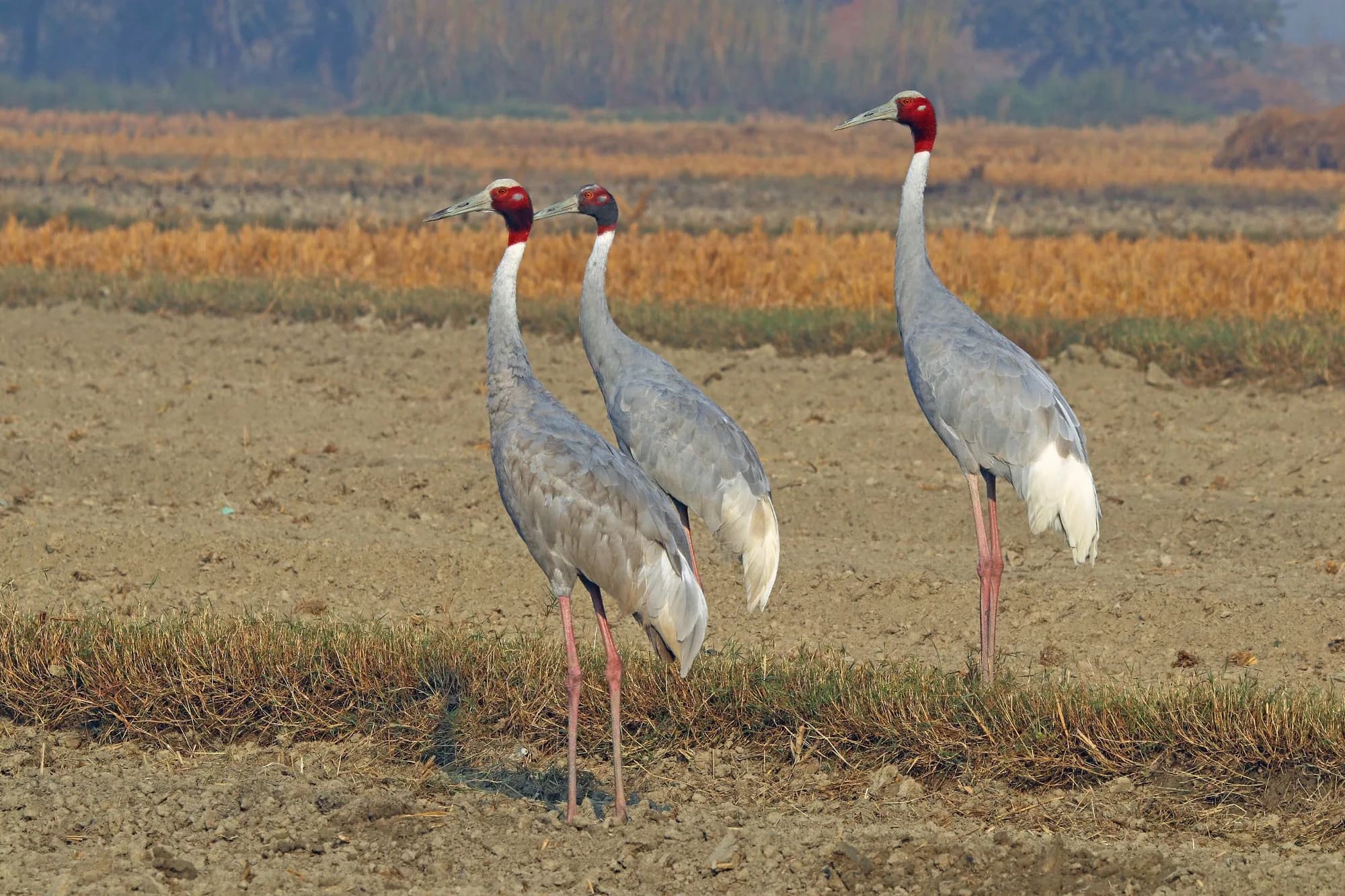
Species · Antigone antigone
Sarus crane
The tallest flying bird on earth, standing nearly as high as a person, living in farmland rather than wilderness and pairing for life.
Also called
- Sarus (सारस) · Hindi
- Kunj · Hindi
- Saras · Gujarati
Checked 30 Aug 2026
- Where
- North & central India
- Best months
- November–March
- Height
- Up to about 1.8 m
- Pairs
- For life
Shallow wetlands, paddy and marsh across the northern plains. Most of the world population lives on Indian farmland rather than inside protected areas.
Where it is
Where to actually go
Ranked, with the reason each — these are not interchangeable.
- 01Etawah and the Ganga plainUttar PradeshThe world stronghold, on farmland rather than in a park. Pairs are visible from the road across large parts of the district.With a local birder
- 02KeoladeoRajasthanThe classic wetland site, easy to combine with Ranthambore or Agra.Half a day
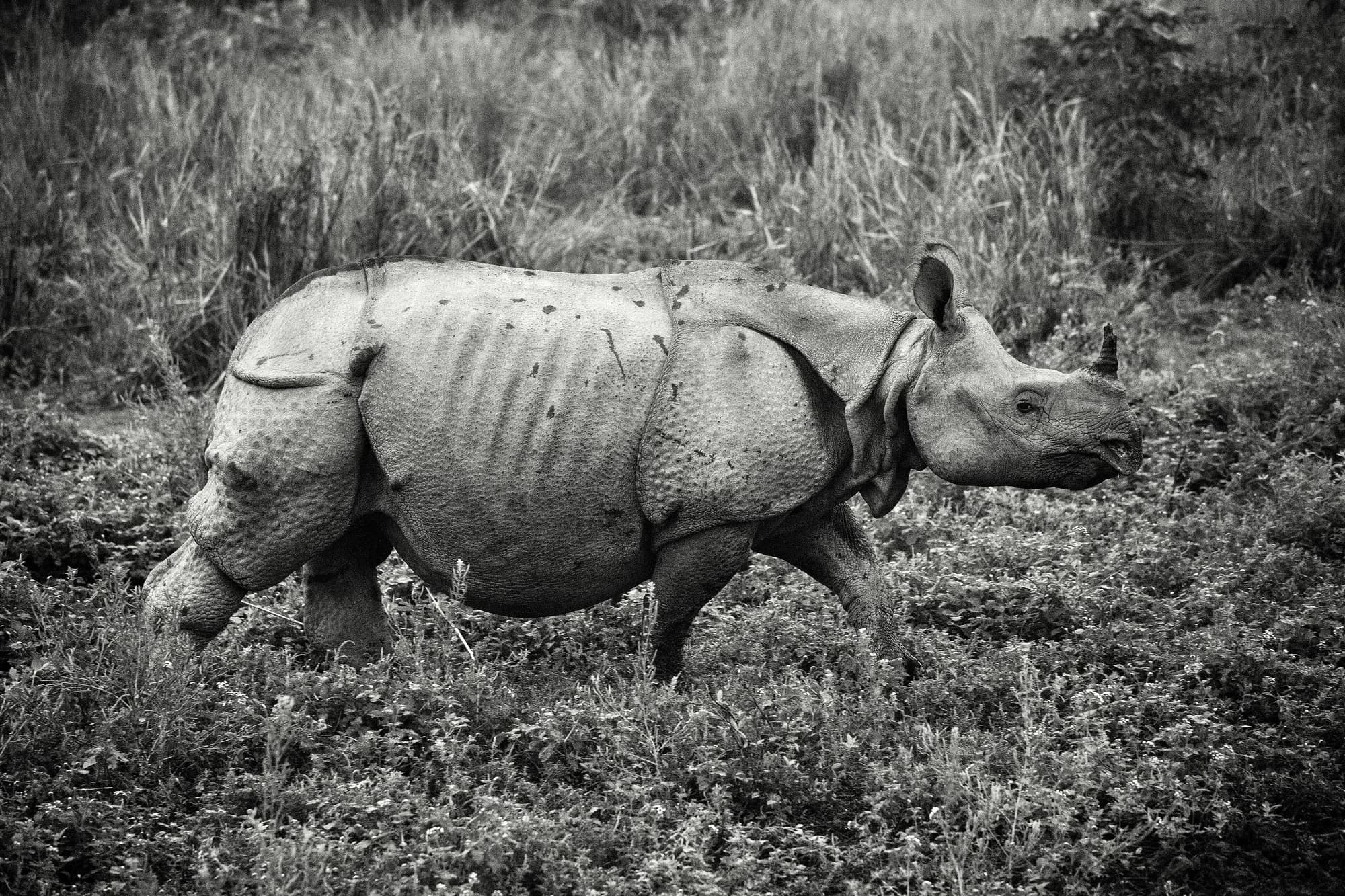
- 03KazirangaAssamThe eastern population, on the floodplain grassland.A bonus on a rhino trip
Where you will not see one
- Inside tiger reservesMostly wrong habitat. Sarus are wetland and farmland birds, and the reserves people book do not hold them.
- Confused with a demoiselle or common craneThose are winter visitors in flocks; sarus are resident, far larger, and almost always in pairs or family parties with a bare red head and neck.
When to go
When to go
- J
- F
- M
- A
- M
- J
- J
- A
- S
- O
- N
- D
January: best. February: best. March: best. April: good. May: marginal. June: marginal. July: marginal. August: good. September: good. October: best. November: best. December: best.
Through the day
- Dawn
- Morning
- Midday
- Afternoon
- Dusk
- Night
Dawn: most active. Morning: most active. Midday: active. Afternoon: active. Dusk: most active. Night: not normally seen.
What it looks like in the field
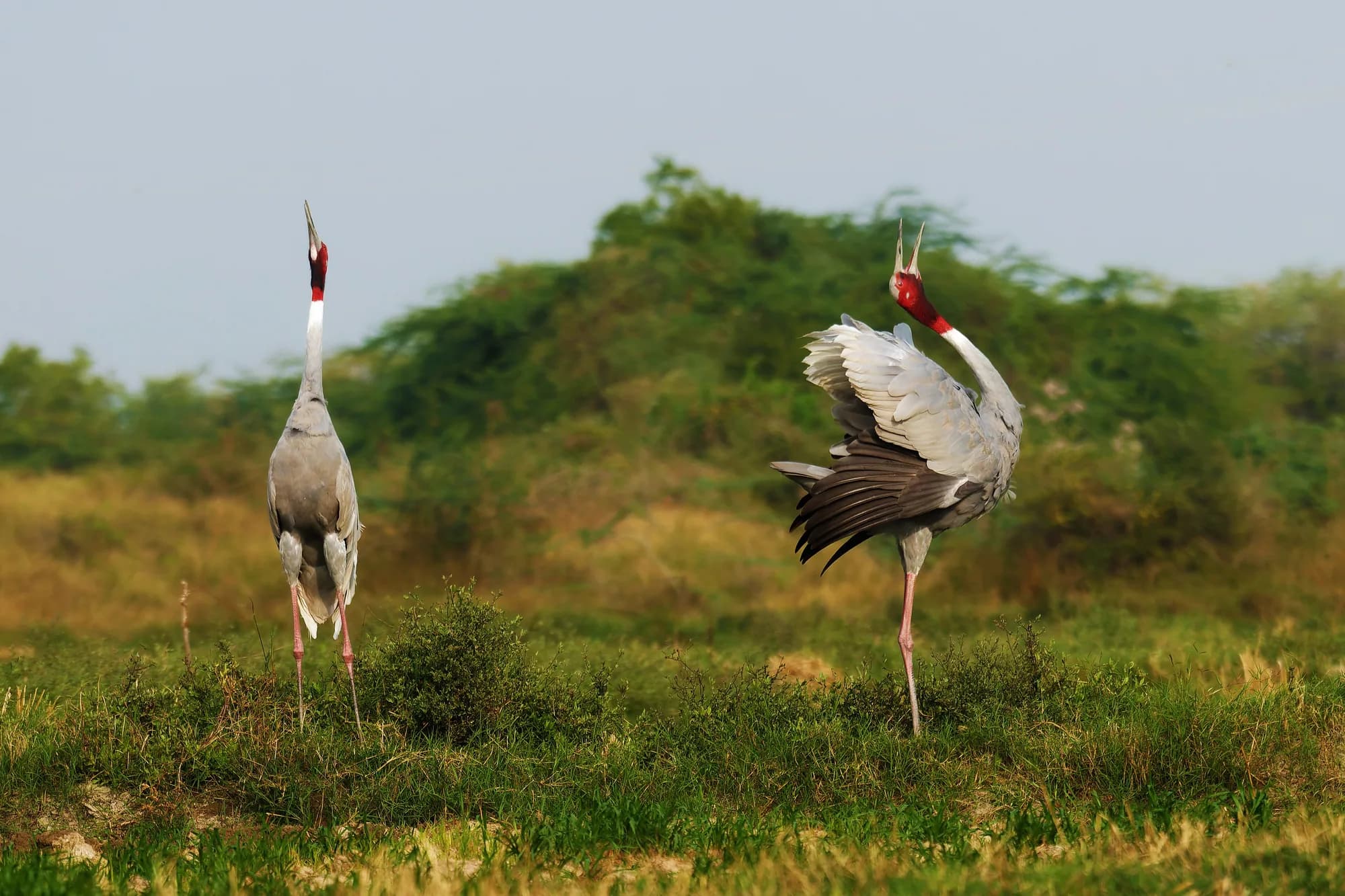
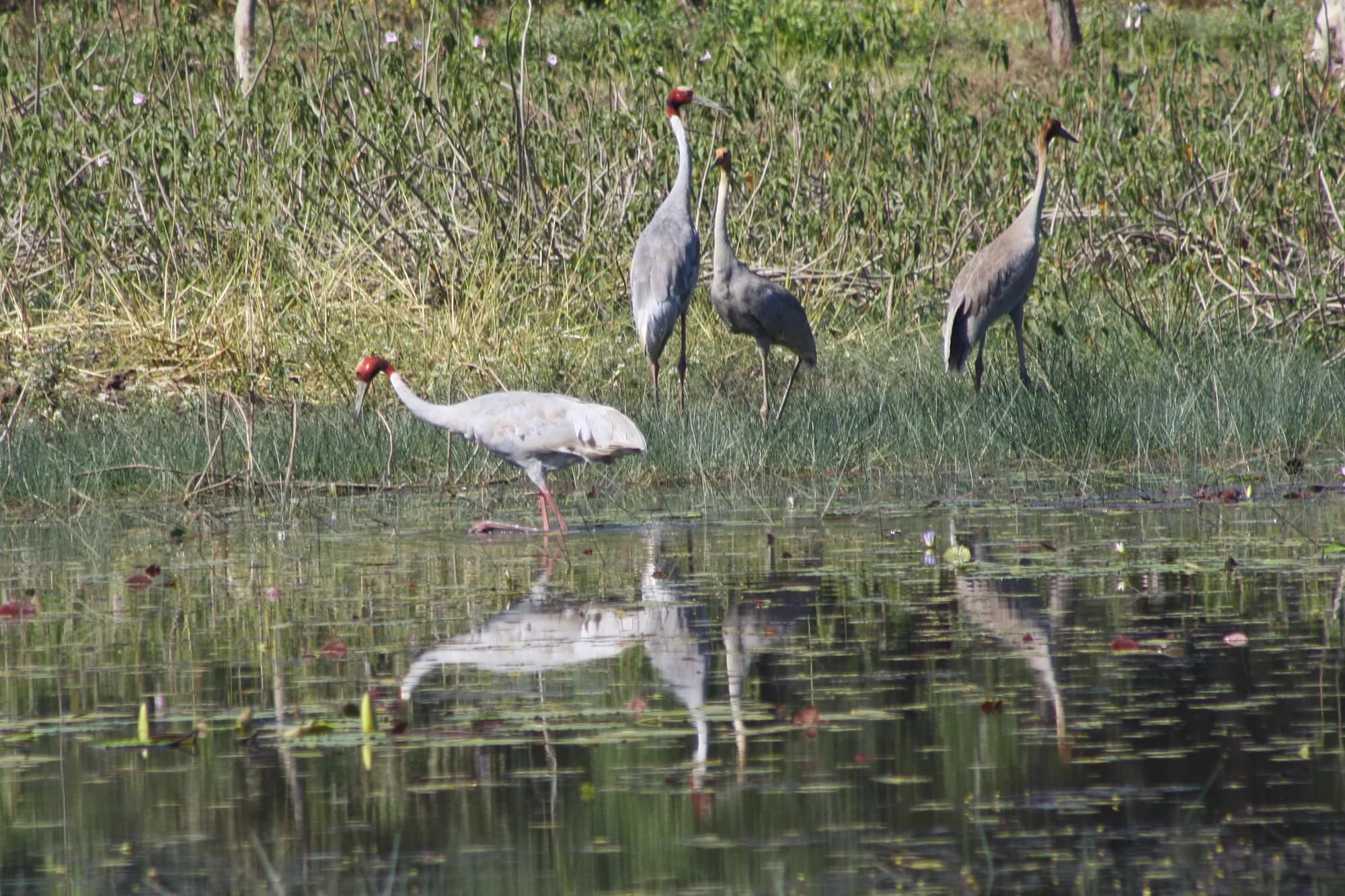
Photographs of Sarus crane in the wild, in Indian reserves. We publish no captive, baited or digitally composited images, and no photograph whose licence we cannot show.
What a sighting is actually like
Unmissable. A grey bird the height of a person standing in a paddy field, usually with its mate a few metres away, entirely unbothered by the road.
The unison call — both birds, heads back, answering each other — carries for kilometres.
A bird that lives with people
Sarus cranes nest in flooded paddy and feed alongside farmers, and in much of Uttar Pradesh they are tolerated on religious grounds and treated as auspicious.
Status and protection
Status and protection
- IUCN Red List
- Vulnerable
- Population trend
- ↓ Decreasing
- Wildlife Protection Act 1972
- Schedule I
- CITES
- Appendix II
IUCN publishes this assessment under the name Grus antigone, not Antigone antigone.
Assessed 2025 · IUCN Red List assessment
What to book to see one
What you would be booking
- How it is seen
- No permit and no safari. A drive through the right farmland with a local birder.
- Drives to book
- A morning. They are large, conspicuous and stationary enough to find.
Because they live on farmland, seeing them well depends on landowner goodwill rather than a gate ticket. Go with someone local and keep to the field bunds.
Birding on an Indian safariOn the same trip you would also get
- Black-necked stork — the other giant on the same wetlands
- Greater adjutant — Assam's version of the same story
- Indian skimmer — the river bird, on the Chambal
- Mugger crocodile — in the same shallow water
Questions people ask
How tall is a sarus crane?
Where can I see one?
Do they really pair for life?
Read next
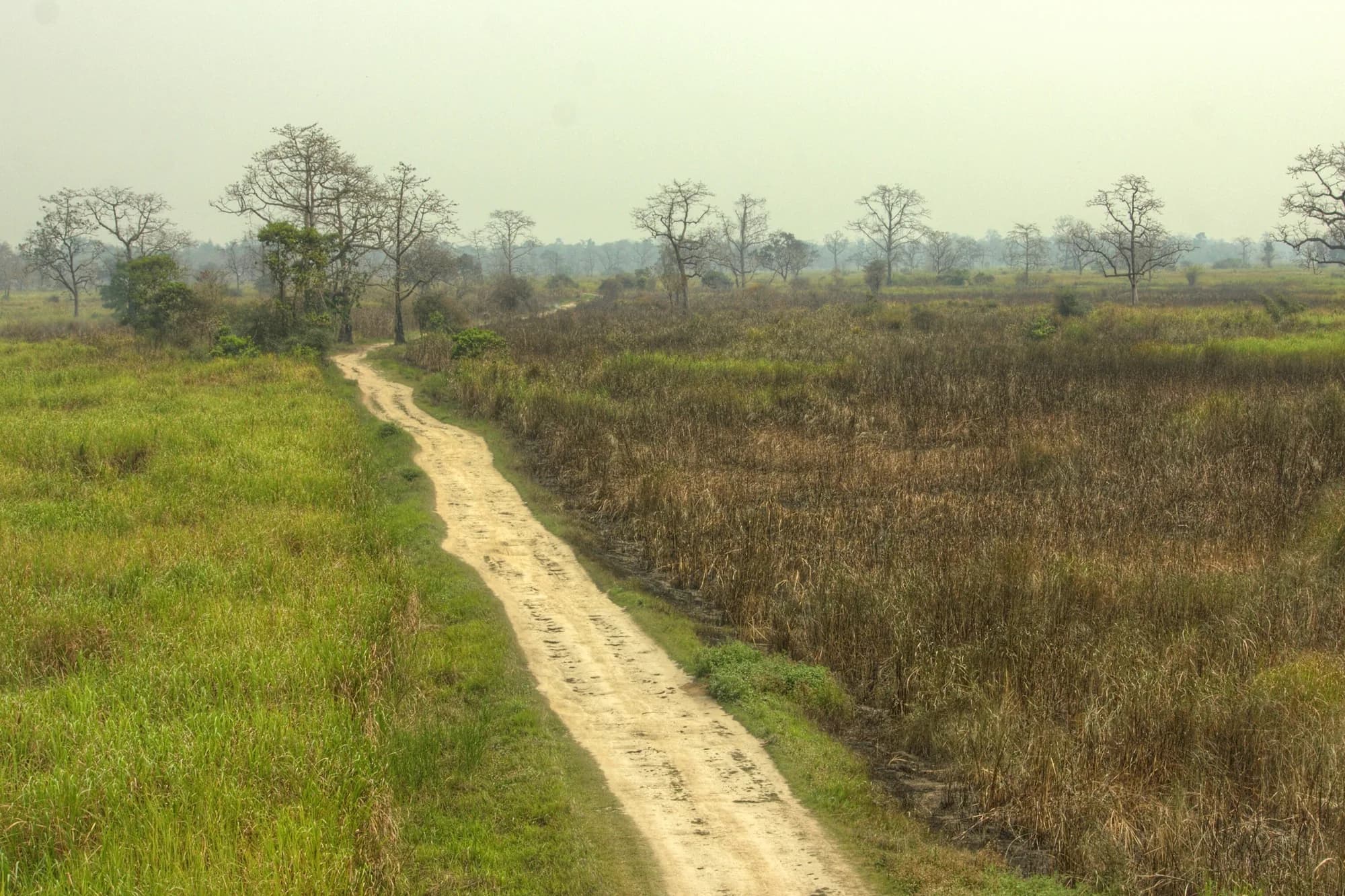
November to February
Birding on an Indian safari
Every reserve here is a birding destination whether or not it is sold as one. Say so when you book.
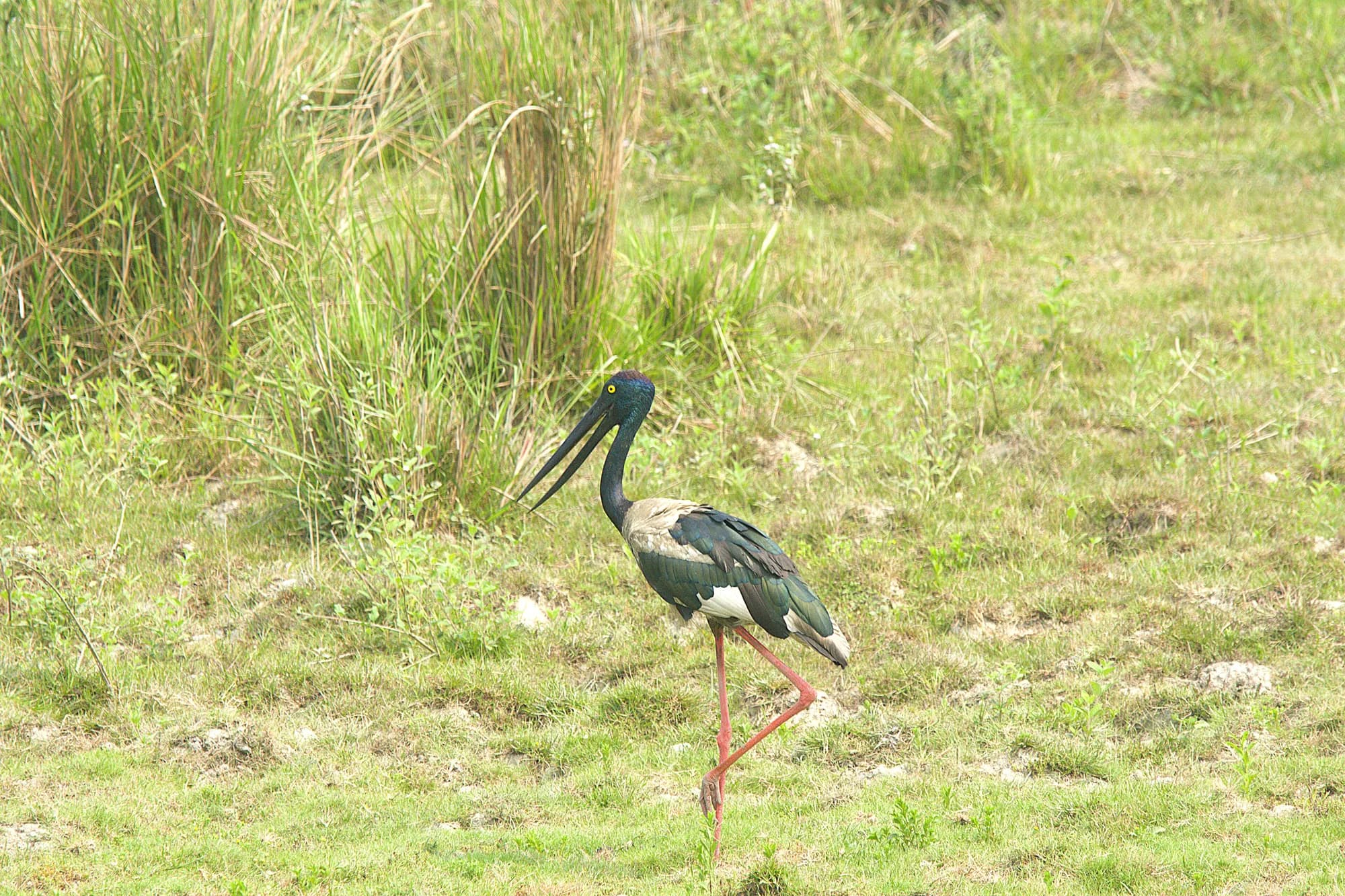
One pair, one wetland, for years
Black-necked stork — the other big wader
A huge iridescent stork that holds the same wetland territory year after year. If your guide knows where the pair is, you will see them.
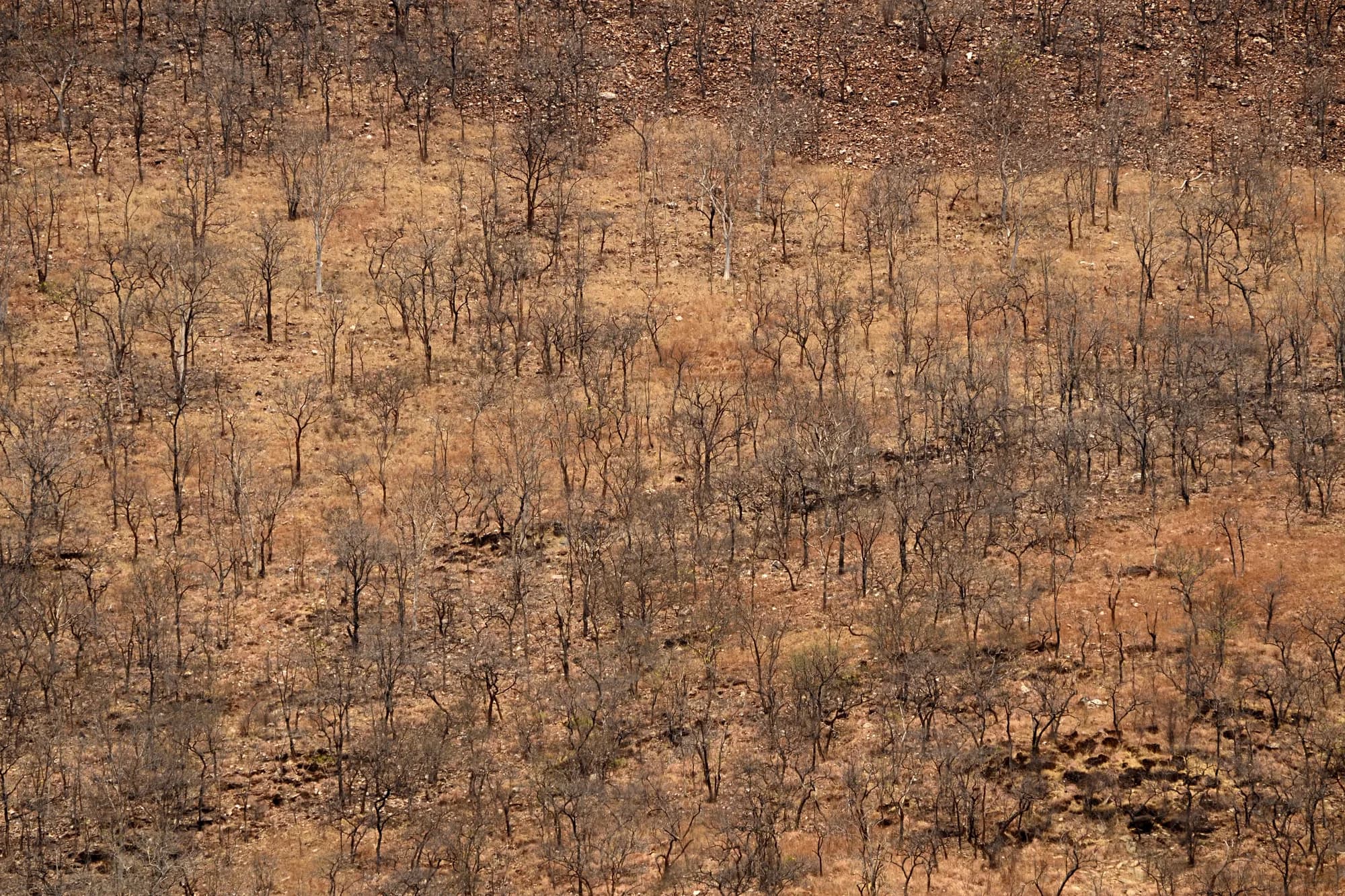
Rajasthan
Ranthambore — the usual pairing
Dry forest around a fort, and the easiest reserve to reach from Delhi — which is exactly why it is the busiest.
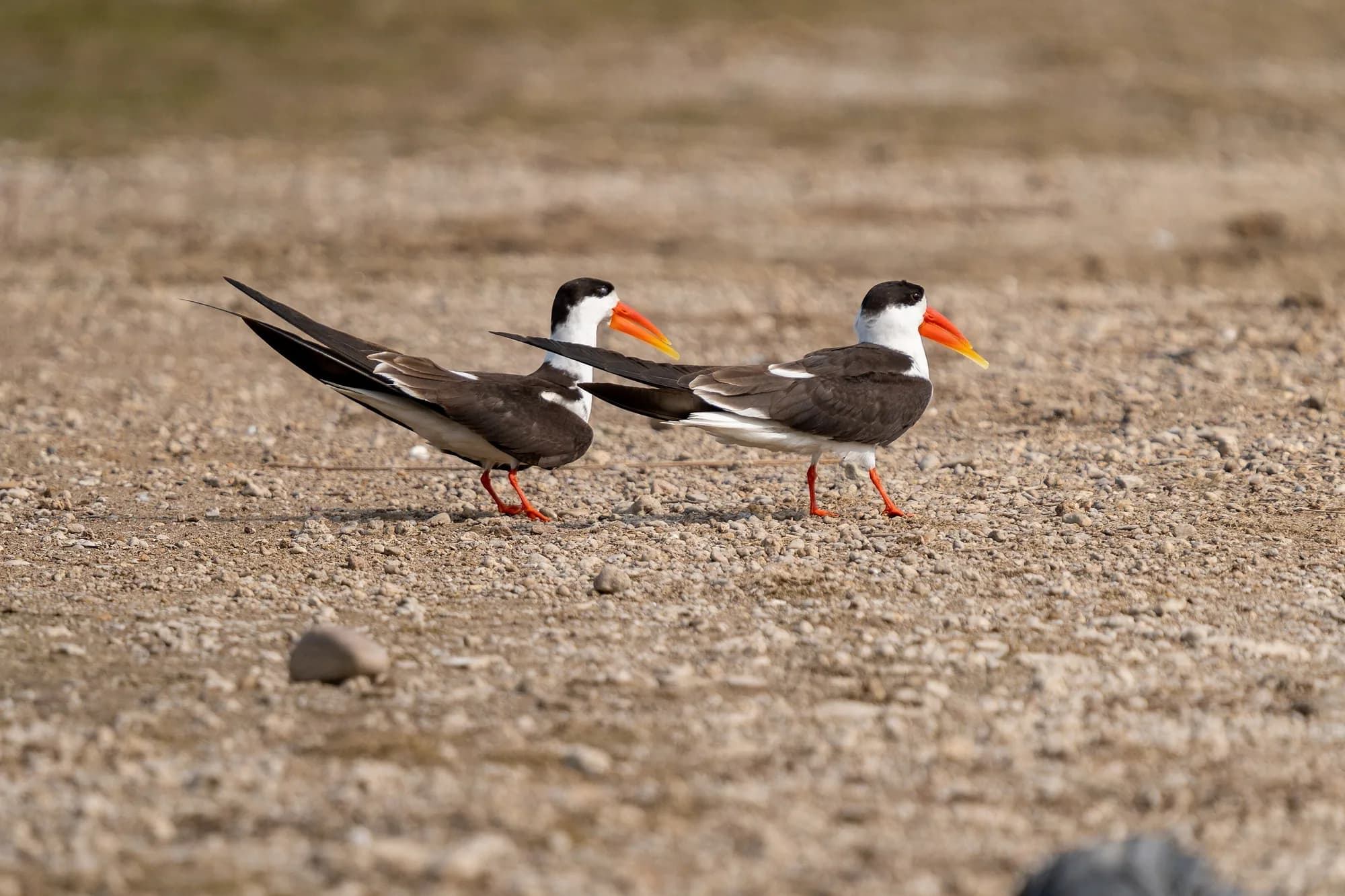
The Chambal, and few rivers else
Indian skimmer — the other river bird
A tern-like bird with an orange bill whose lower half is longer than the upper, feeding by ploughing the water surface at speed. The Chambal holds most of what is left.