
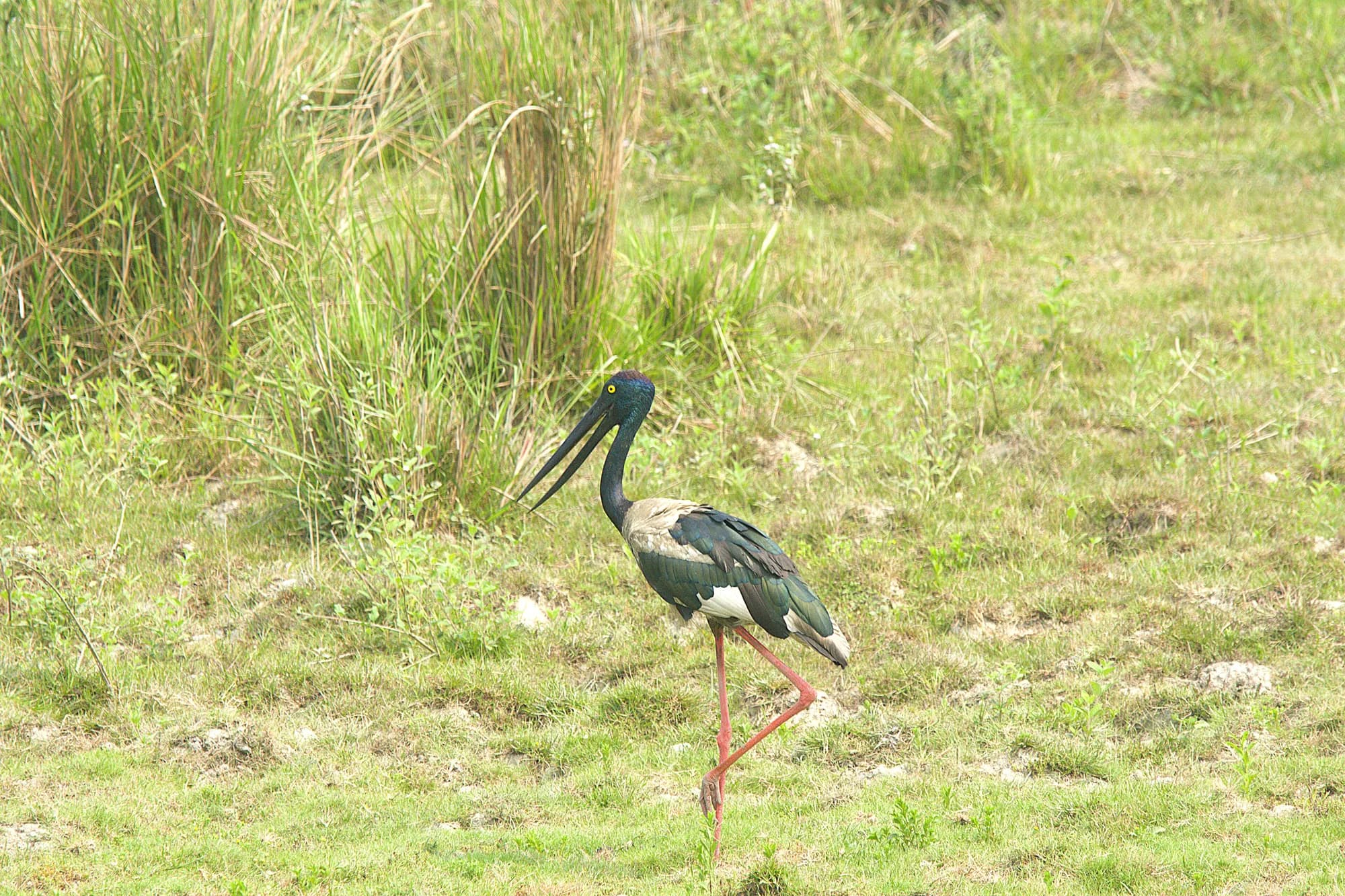
Species · Ephippiorhynchus asiaticus
Black-necked stork
A huge iridescent stork that holds the same wetland territory year after year. If your guide knows where the pair is, you will see them.
Also called
- Loharjang (लोहारजंग) · Hindi
- Jangil · Hindi
- Telia bog · Assamese
Checked 30 Aug 2026
- Where
- North & central India
- Best months
- November–March
- Territory
- Held for years
- Note
- Eye colour differs by sex
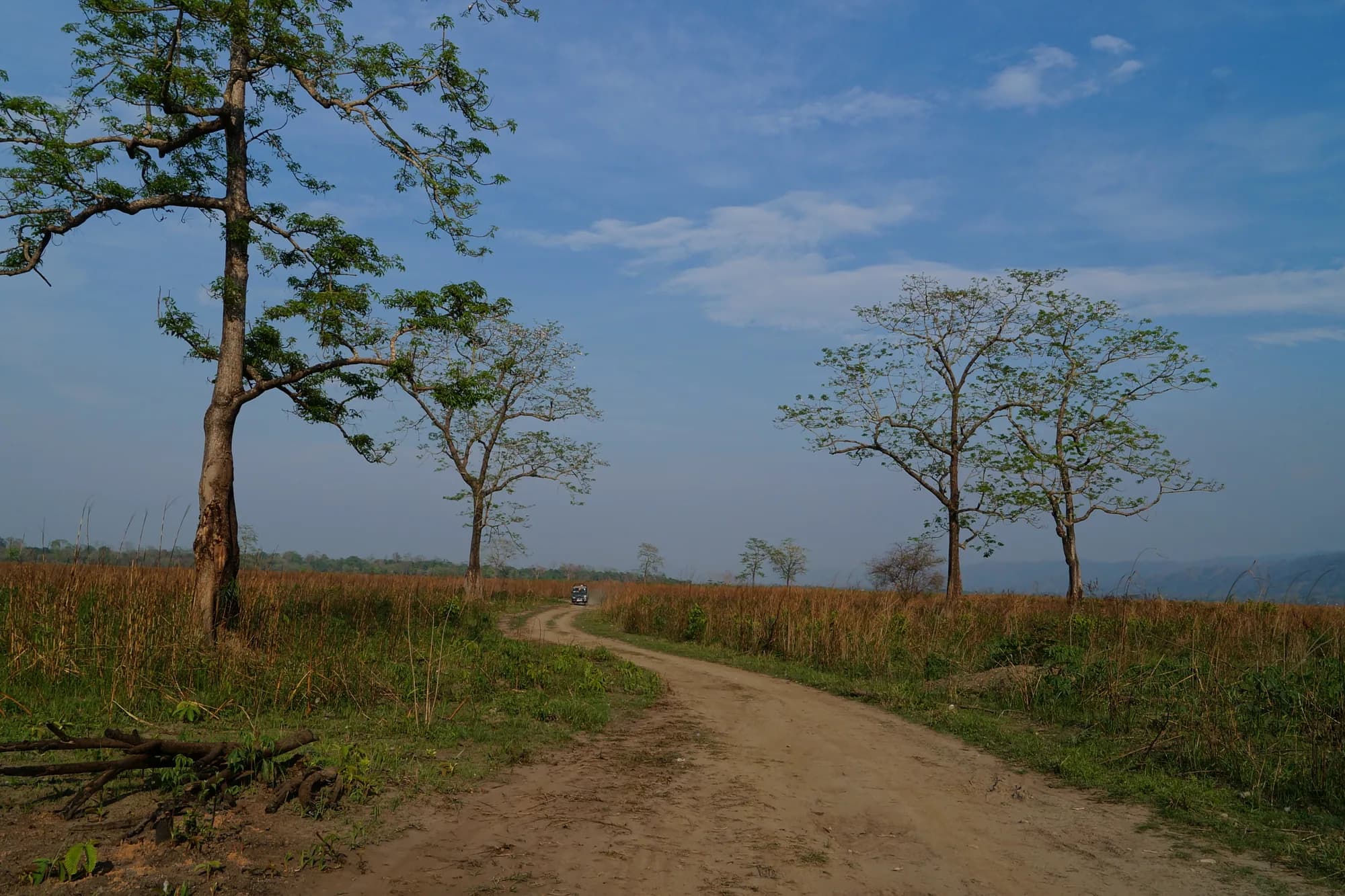
Large shallow wetlands, floodplain and reservoir margins across northern and central India, at low density and in fixed territories.
Where it is
Where to actually go
Ranked, with the reason each — these are not interchangeable.
Where you will not see one
- In large numbersTerritorial and thinly spread. You will see a pair or a single bird, never a flock, and a wetland holds one pair rather than several.
- Confused with a painted storkPainted storks are gregarious, pink-tinged and yellow-billed, in colonies. Black-necked storks are solitary, glossy black-and-white and red-legged.
When to go
When to go
- J
- F
- M
- A
- M
- J
- J
- A
- S
- O
- N
- D
January: best. February: best. March: best. April: good. May: marginal. June: marginal. July: marginal. August: marginal. September: good. October: good. November: best. December: best.
Through the day
- Dawn
- Morning
- Midday
- Afternoon
- Dusk
- Night
Dawn: most active. Morning: most active. Midday: active. Afternoon: active. Dusk: most active. Night: not normally seen.
What it looks like in the field
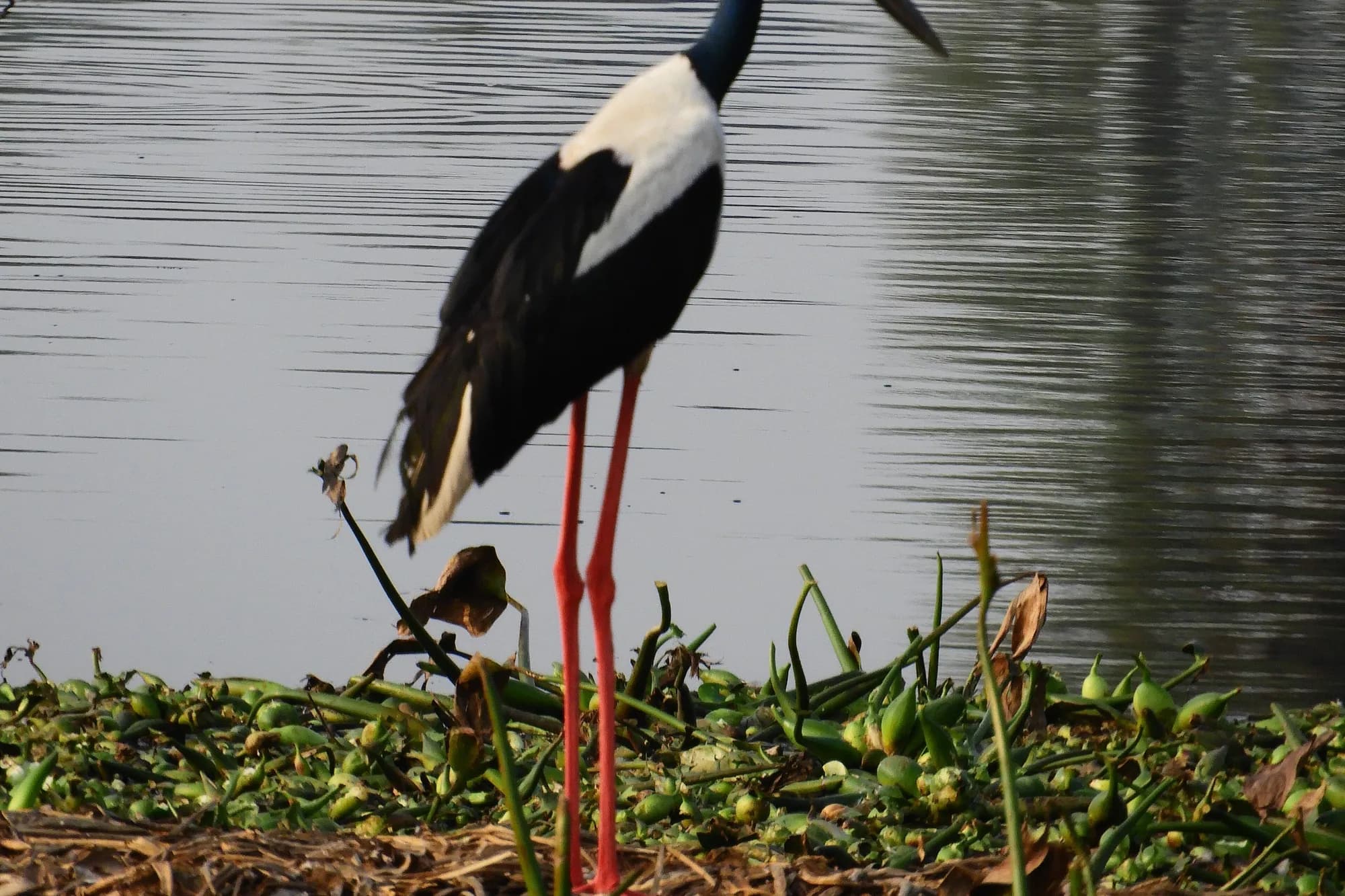
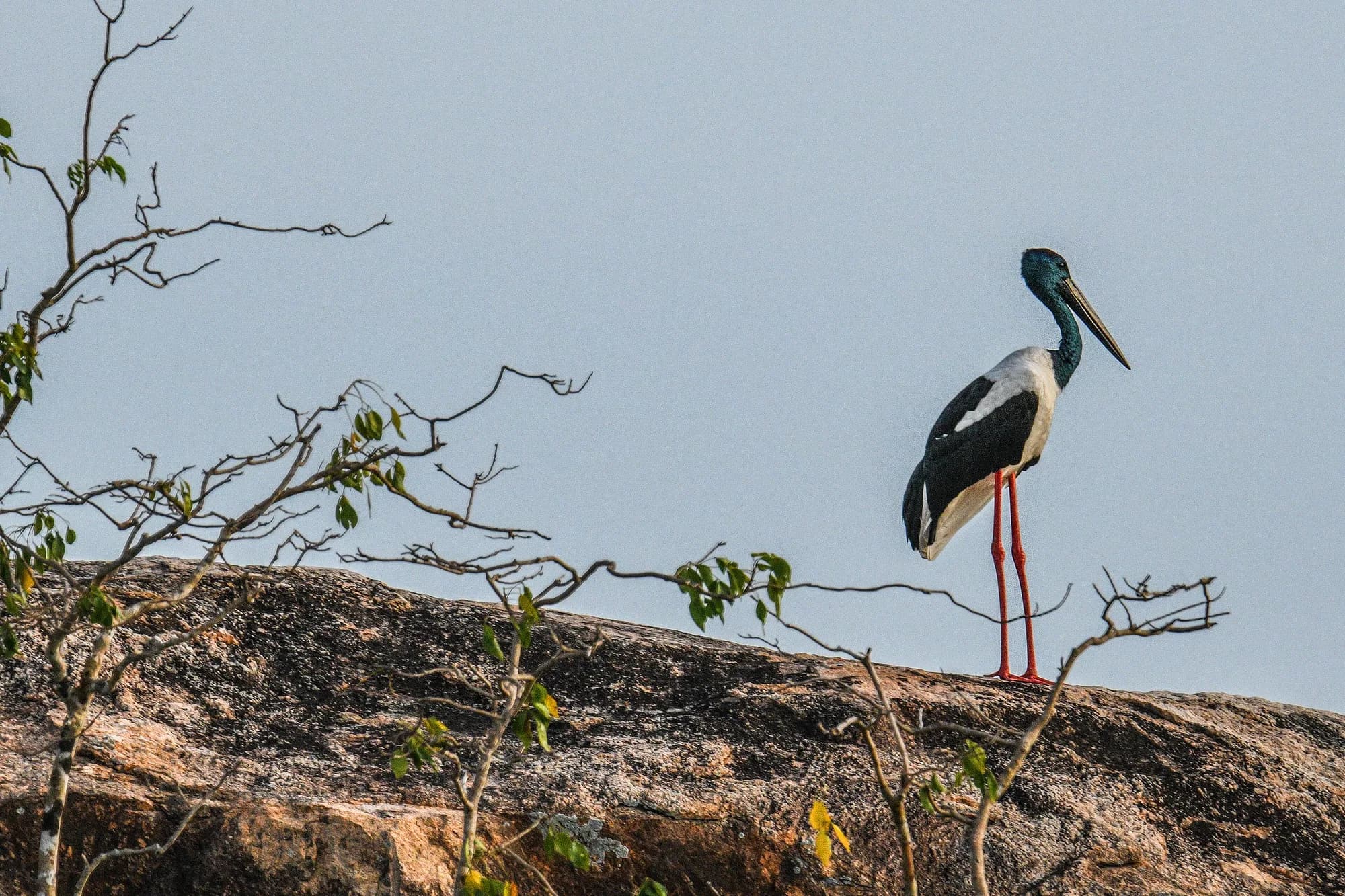
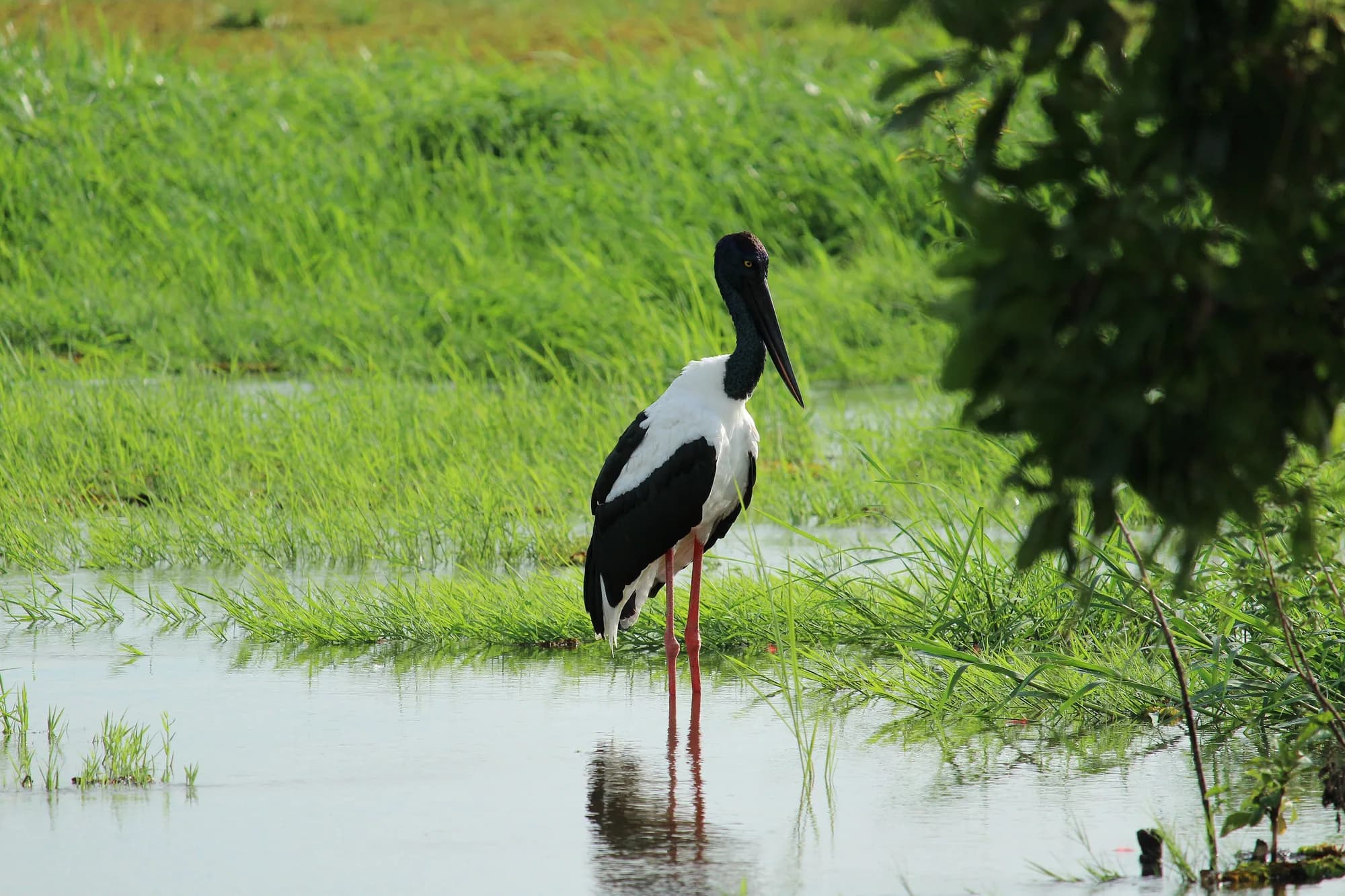
Photographs of Black-necked stork in the wild, in Indian reserves. We publish no captive, baited or digitally composited images, and no photograph whose licence we cannot show.
What a sighting is actually like
Large, still and unmistakable. A black-and-white stork standing in shallow water on red legs with a neck that goes green and purple when the light catches it, usually with its mate somewhere in the same frame.
Status and protection
Status and protection
- IUCN Red List
- Least Concern
- Population trend
- ↓ Decreasing
- Wildlife Protection Act 1972
- Schedule II
- CITES
- Not listed
Species-level global assessment covering both the Asian and Australasian populations, taxon id 22697702. Indian birds belong to the Asian population;
Assessed 2025 · IUCN Red List assessment
What to book to see one
What you would be booking
- How it is seen
- Any drive past a large wetland, or a boat.
- Drives to book
- One or two, if the guide knows the territory. This is a bird you find by asking rather than by searching.
Ask your guide directly whether the resident pair is still on territory. Because they hold the same ground for years, local knowledge converts this from a lucky sighting into a near-certainty.
Kaziranga — the park in fullQuestions people ask
Where can I see a black-necked stork?
Are they common?
How do I tell males from females?
Read next
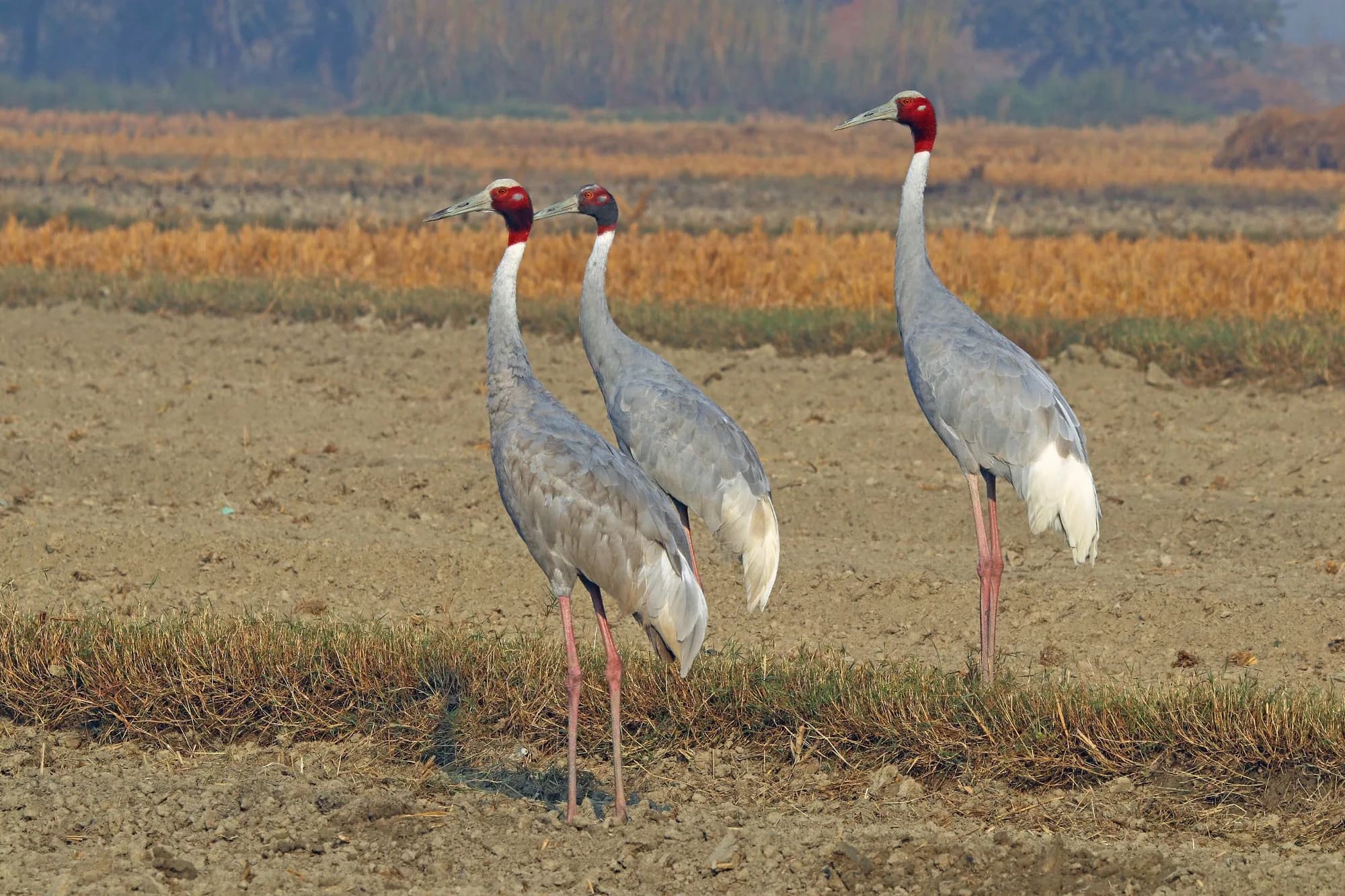
Wetlands and paddy, in pairs for life
Sarus crane — the other giant wader
The tallest flying bird on earth, standing nearly as high as a person, living in farmland rather than wilderness and pairing for life.
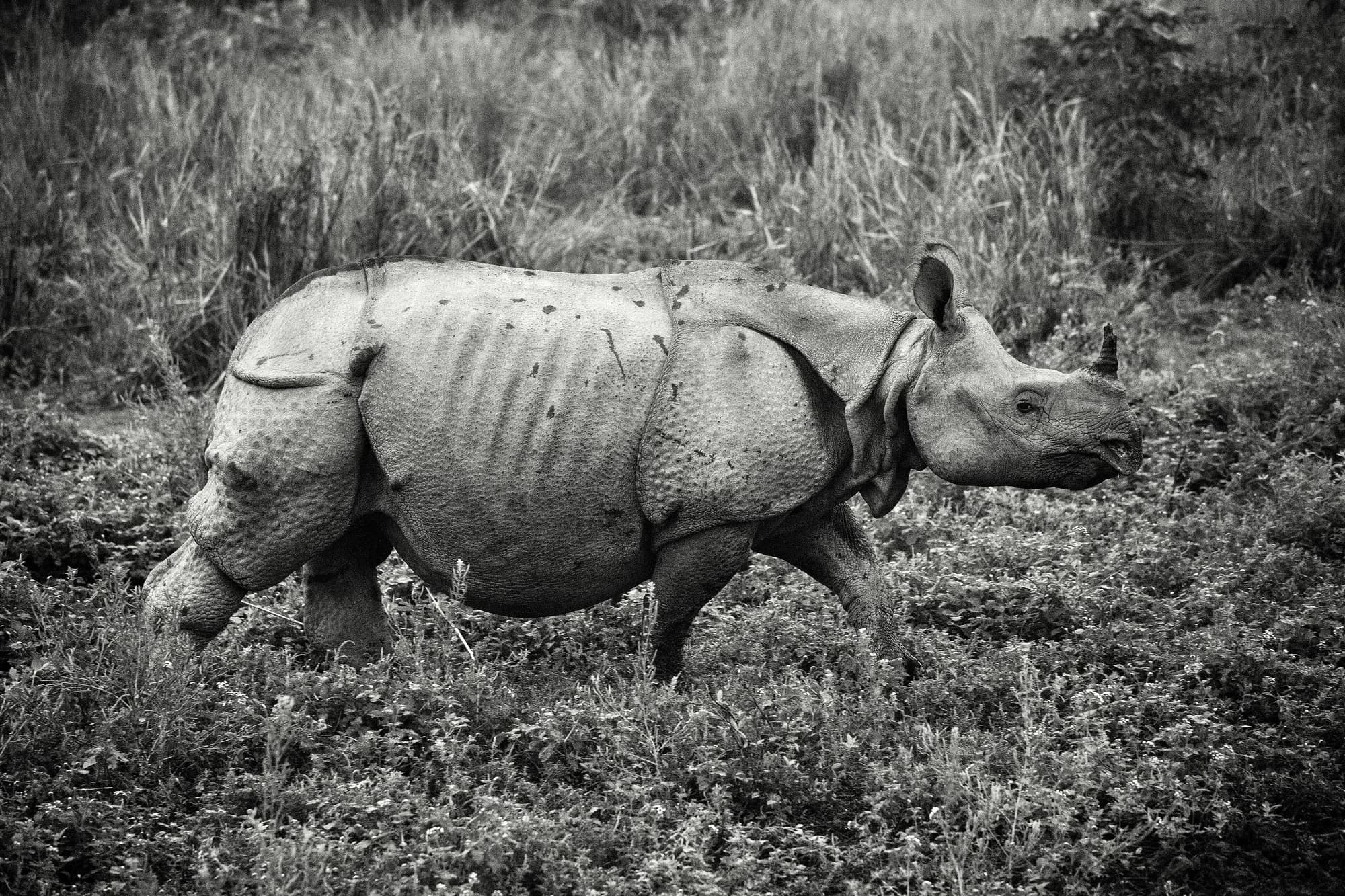
Assam
Kaziranga — the park in full
Floodplain grassland, one-horned rhino in daylight, and the one Indian park where the headline animal is close to certain.
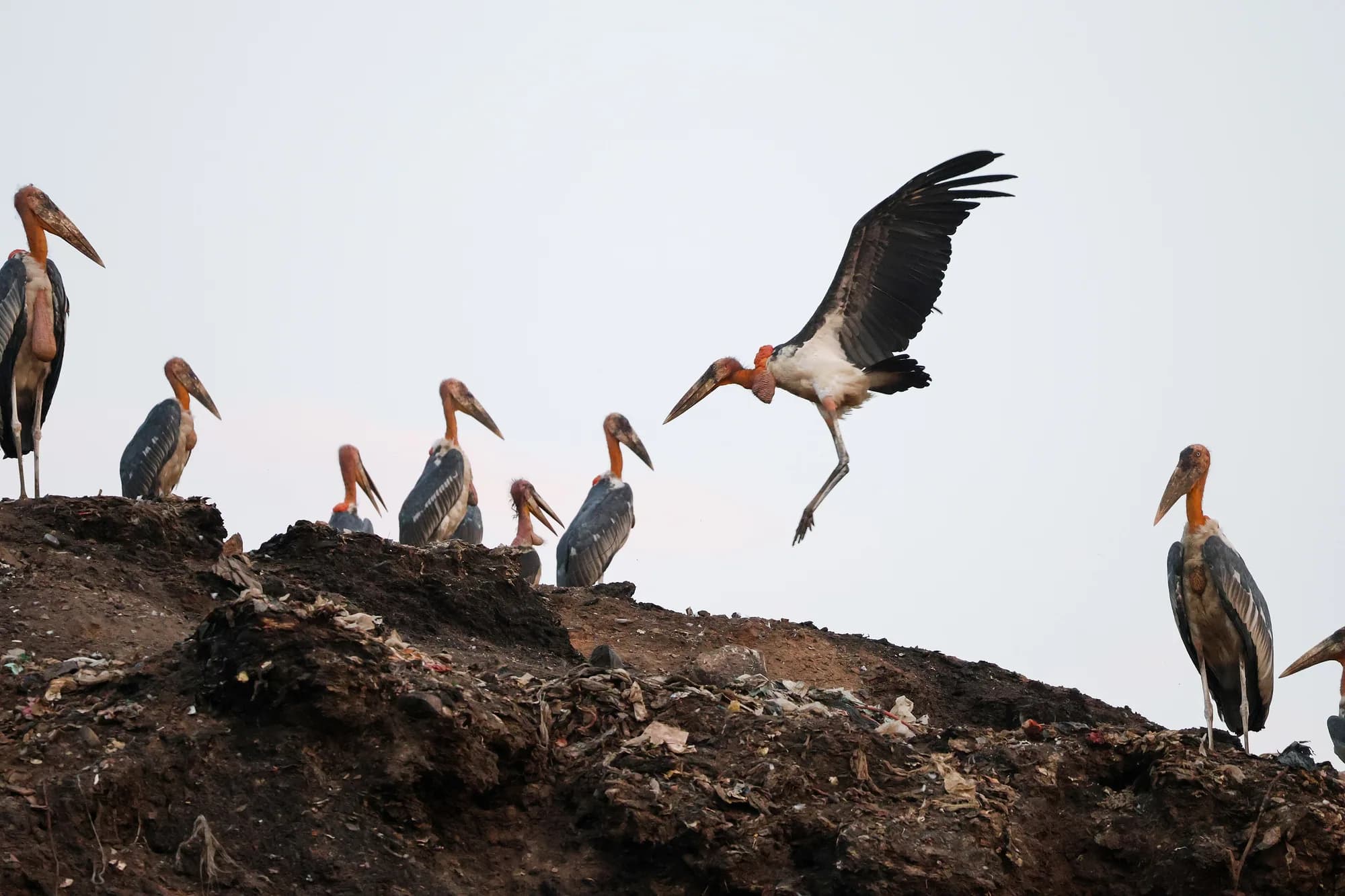
Assam, and a rubbish dump
Greater adjutant — the same wetlands
One of the rarest storks alive, standing a metre and a half tall, and most of the world population lives around Guwahati — a good deal of it on a landfill.
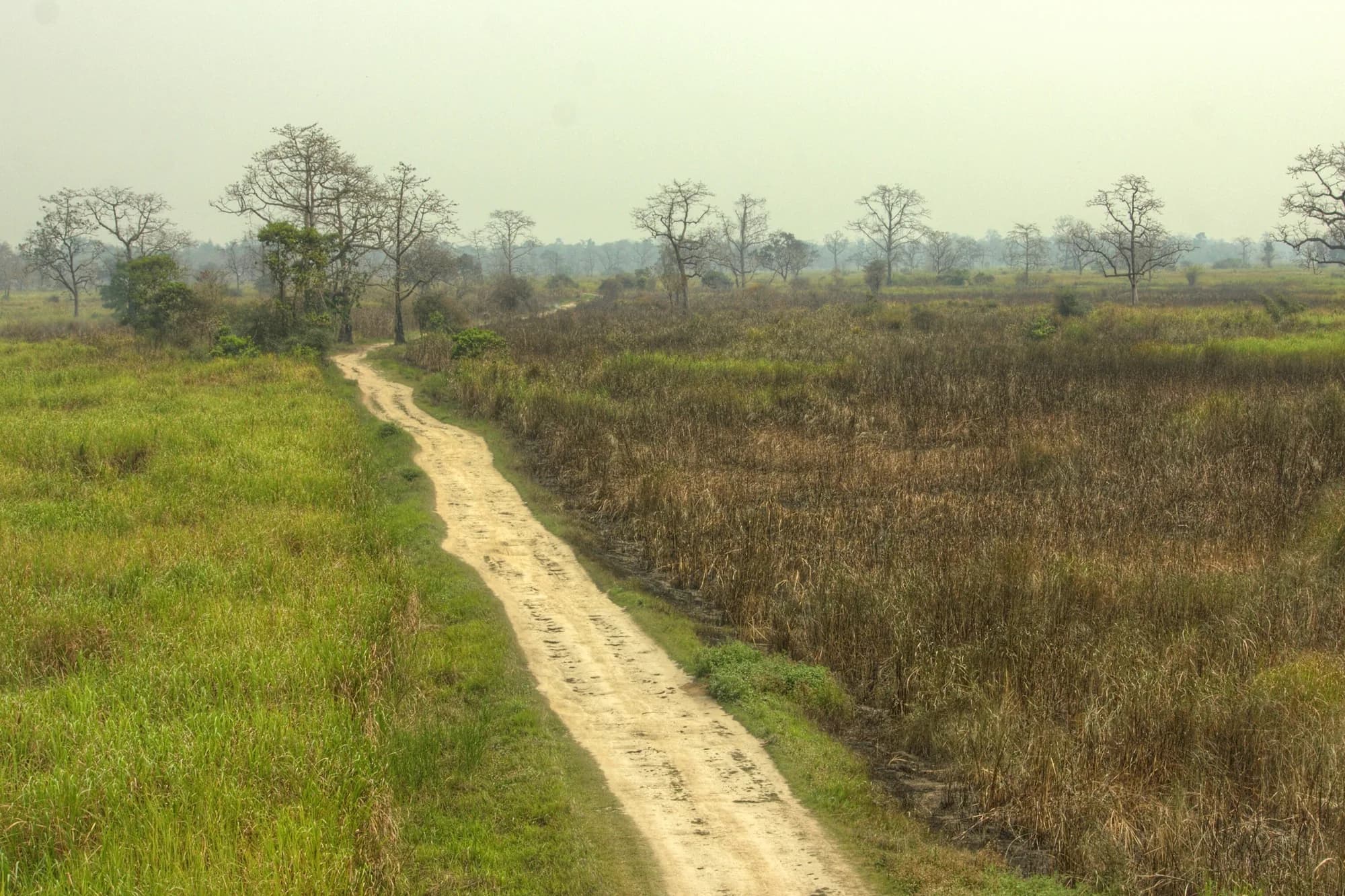
November to February
Birding on an Indian safari
Every reserve here is a birding destination whether or not it is sold as one. Say so when you book.