
Hwange
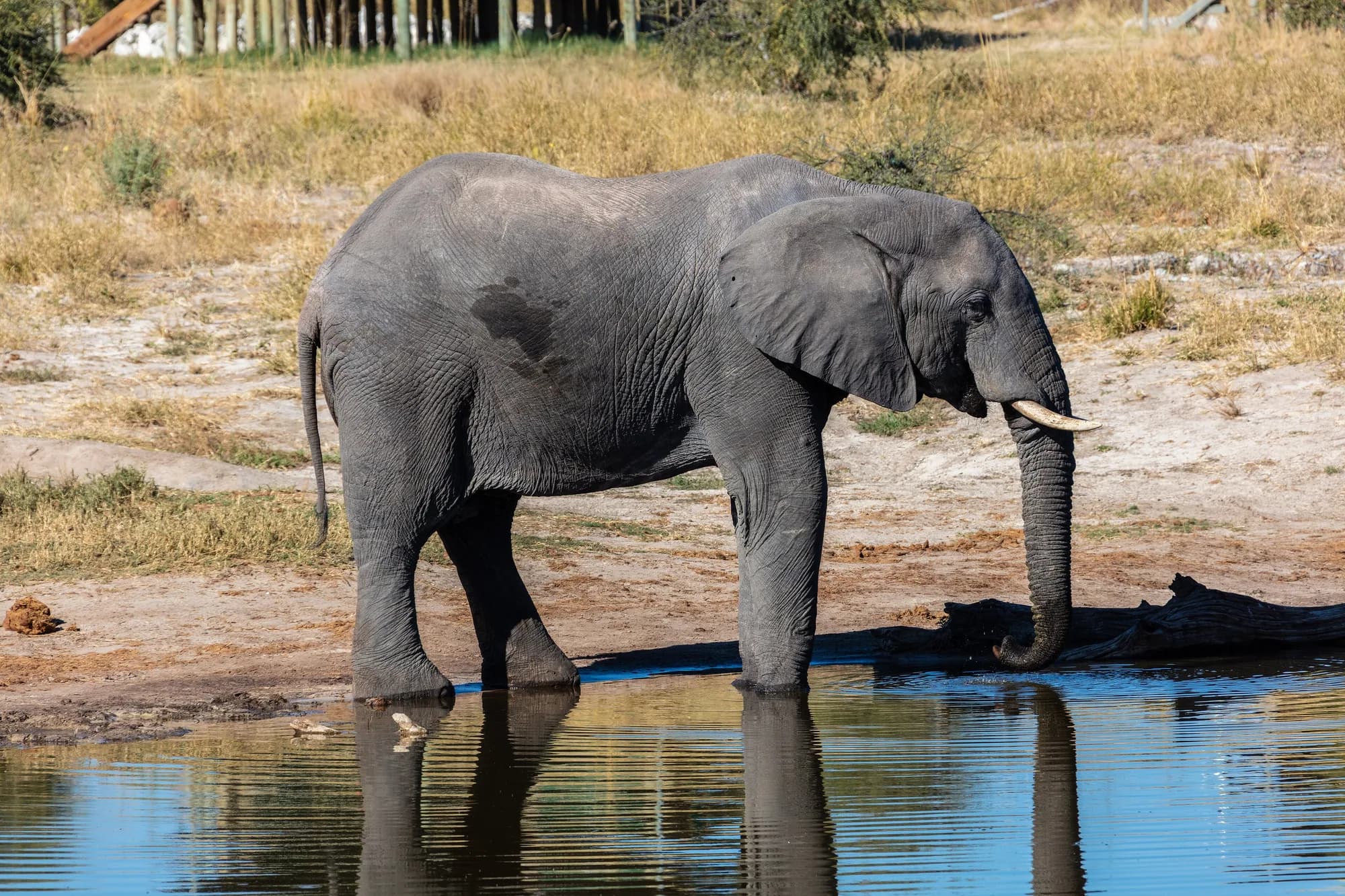
Forty-five thousand elephants, on pumped water
Fourteen and a half thousand square kilometres of Kalahari sand with no significant natural water through the dry season — the game survives the dry season on pumped waterholes, which is both the park's great artificiality and the reason its elephant viewing is what it is.
Hwange at a glance
- Province
- Matabeleland North
- Area
- Not publishedNot recorded
- Safari zones
- Not publishedNot verified from the department yet
- Booking
- Not publishedOfficial portal not confirmed yet
Permit data last verified .
When to go
- J
- F
- M
- A
- M
- J
- J
- A
- S
- O
- N
- D
January: marginal. February: marginal. March: marginal. April: marginal. May: marginal. June: marginal. July: best. August: best. September: best. October: best. November: marginal. December: marginal.
Everything on Hwange
Safari booking
How to book, which portal, when slots open
Know morePermits & fees
Fee table by nationality, with the source and date
Know moreZones
Every zone, its gate, and what people actually see
Know moreBest time to visit
Month by month, closures and sighting patterns
Know moreWhere to stay
Lodges and camps by tier, and what each is near
Know moreWildlife
Species present, populations, realistic odds
Know moreHow to reach
Rail, air and road, with verified transfer times
Know moreItineraries
Two, three and five night trips a partner can deliver
Know moreSafari cost
The full trip budget, not the headline number
Know moreSightings log
What guests reported, and when
Know more
What Hwange is a destination for
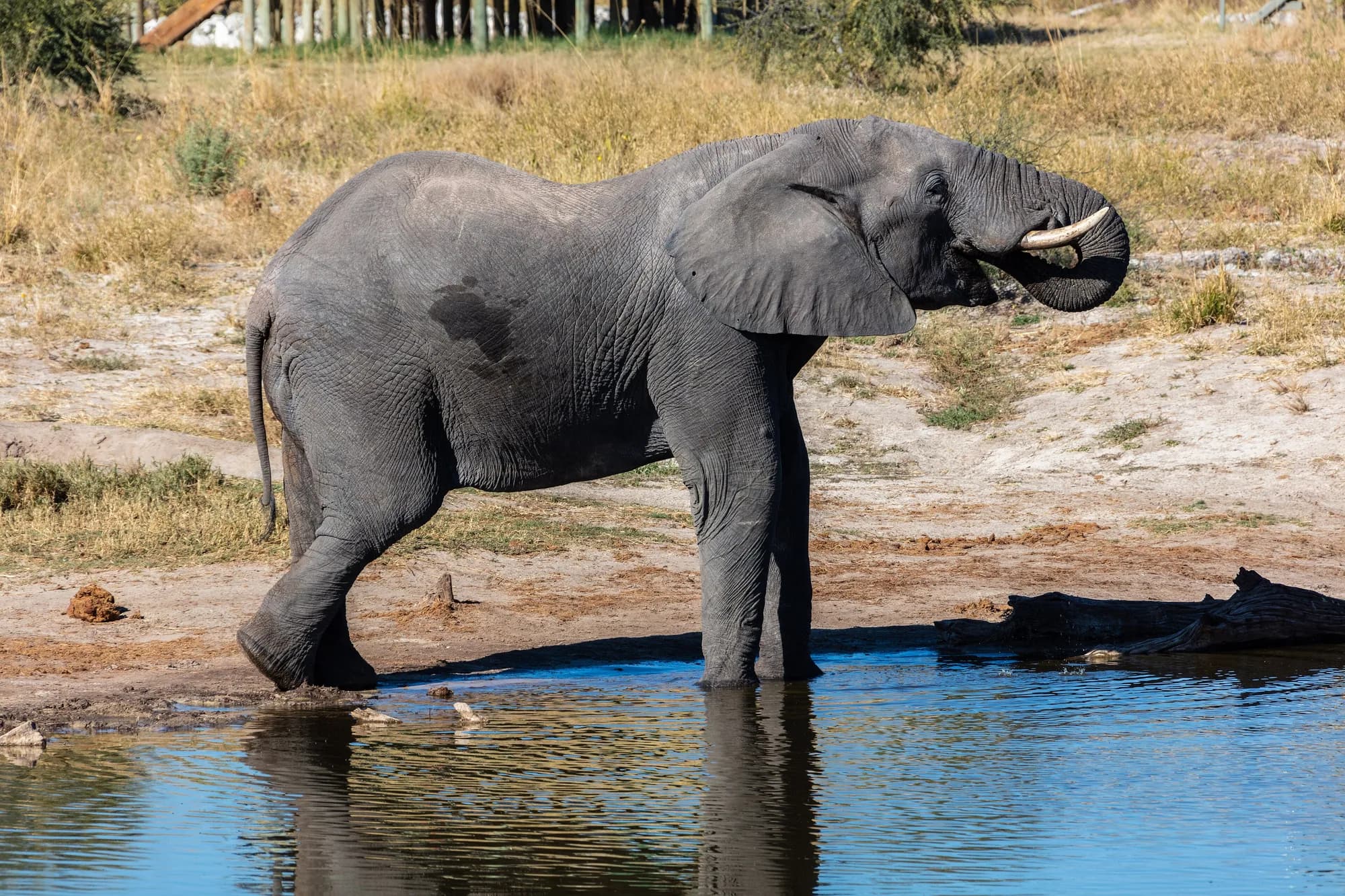
African savanna elephant
Nine countries on this site, and the easiest of the big animals
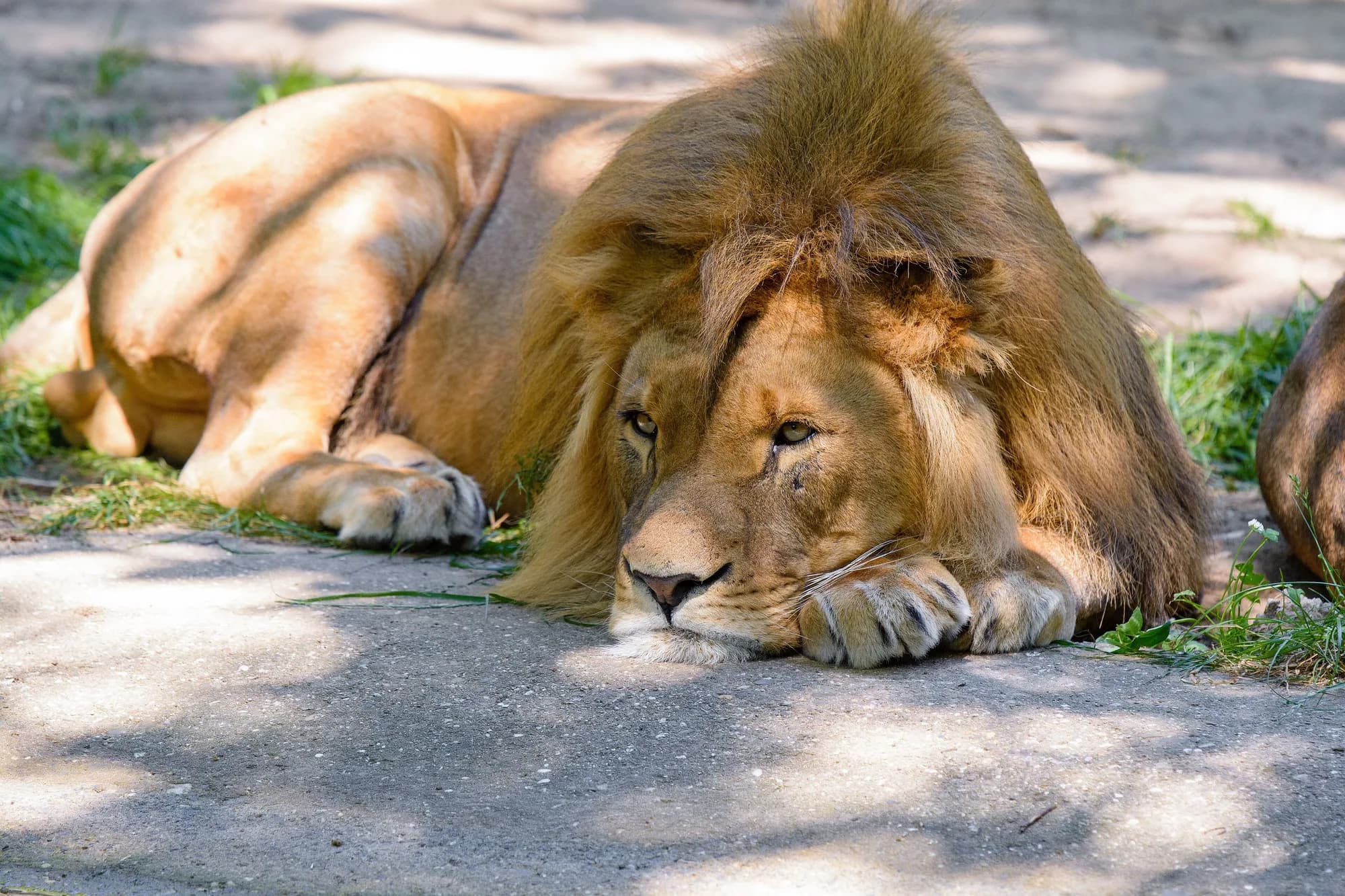
African lion
Nine countries here, and thinner on the ground than it looks
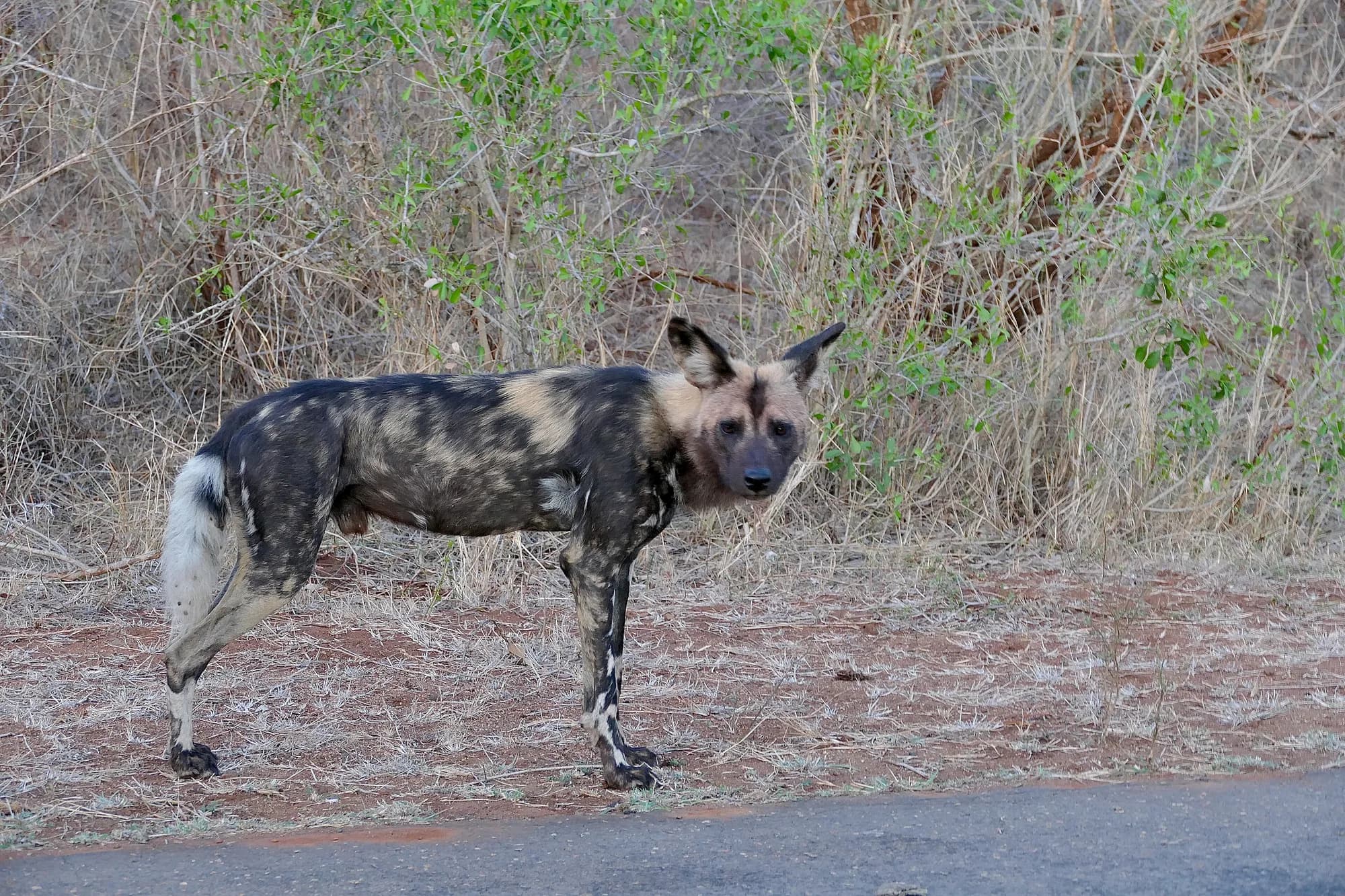
African wild dog
Six countries here, and about 6,600 left in all of Africa
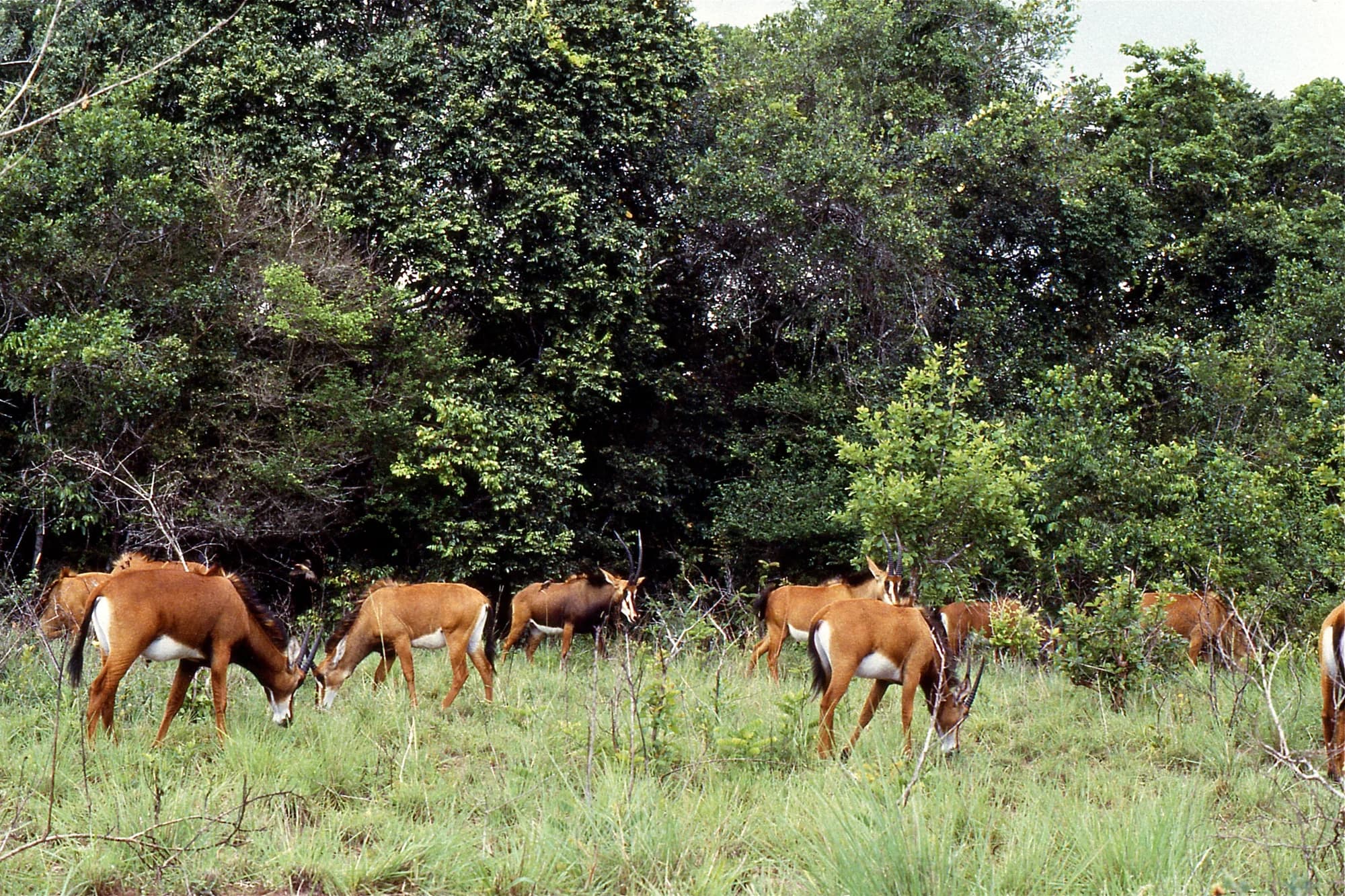
Sable antelope
Six countries here, in miombo woodland
Roan antelope
Three countries here, in the same woodland as sable
Questions people ask about Hwange
What is the best time to visit Hwange?
July–October. That is our reading of when the park rewards a trip. Its official closure window is not something we have verified from the department, so confirm the dates before you book.
How much does a safari at Hwange cost?
A day visitor who is neither Zimbabwean nor SADC pays USD 24; a SADC visitor USD 18; a local USD 5. Staying inside the park drops it to USD 12, 10 and 3. Main Camp, Robins and Sinamatella are priced identically. Source: ZimParks — De-Gazetted Tariff 2026 (Accommodation, Conservation Fees, Vehicle Entry, Events), read 30 August 2026.