
Species · Panthera pardus pardus
African leopard
Present in almost every park on this site and seen in very few of them. Leopards are the one big cat where the park choice is not a preference but the whole answer — outside a handful of reserves with habituated animals, a sighting is luck.
Also called
- Chui · Swahili
- Luiperd · Afrikaans
- Mbada · Shona
Checked 27 Sept 2026
- Where
- Six countries here
- Best months
- Dry season, June–October
- Habits
- Solitary, nocturnal, arboreal
- Odds
- Low, unless you pick the park
The widest range of any big cat — forest, savanna, mountain and desert margin across almost all of sub-Saharan Africa. Wide range and high visibility are unrelated: leopards persist in farmland and on city edges precisely because they are good at not being seen.
Where it is
HabitatAlmost anything with cover — forest, savanna, mountain, desert margin and farmland. Cover matters far more than wilderness.
Worth travelling for
The best leopard park on this site by a clear margin, with night drives as standard.
The Seronera sausage trees are the most reliable daylight leopard in East Africa.
Habituated animals along the Talek and Mara rivers, and enough vehicles that sightings get radioed.
Genuinely high density in the south, but daylight-only and road-bound for self-drivers.
Also occurs
ZimbabweNamibiaBotswanaUgandaMozambiqueEthiopiaMorocco
Present, but not where you would go to see one.
Gone from
Much of North AfricaLarge parts of West Africa
Range this species has been lost from. It is the fact a map of where it currently lives cannot show you.
Where to actually go
Ranked, with the reason each — these are not interchangeable.
- 01South LuangwaZambiaThe best leopard park on this site by a clear margin. High density in riverine forest, and night drives are standard rather than exceptional.Night drives, dry season
- 02SerengetiTanzaniaThe Seronera valley's sausage trees are the most reliable daylight leopard in East Africa, and guides know the individual animals.Seronera, and look up
- 03Maasai MaraKenyaHabituated animals along the Talek and Mara rivers, and enough vehicles that a sighting gets radioed. Good odds, shared.The river forest
- 04KrugerSouth AfricaGenuinely high density, especially in the south, but self-drivers are confined to roads in daylight. Sightings happen and cannot be planned.Possible, not plannable
- 05RuahaTanzaniaRocky country that suits them, very few vehicles, and a park that rewards a longer stay generally.For quiet, not for odds
Where you will not see one
- Anywhere, on one driveThe commonest disappointment on this site. Leopards are in nearly every park listed and reliably seen in about four of them. Assume nothing from presence.
- Ngorongoro CraterThe crater walls hold leopards and the floor — where you spend the day — effectively does not. It is one of the weaker Big Five parks for this animal despite being sold on the Big Five.
- The desert parksKgalagadi, Namib-Naukluft and the Richtersveld have leopards at very low density in enormous country. Go for the gemsbok and the dunes.
When to go
When to go
- J
- F
- M
- A
- M
- J
- J
- A
- S
- O
- N
- D
January: marginal. February: marginal. March: marginal. April: marginal. May: good. June: best. July: best. August: best. September: best. October: best. November: good. December: marginal.
Through the day
- Dawn
- Morning
- Midday
- Afternoon
- Dusk
- Night
Dawn: most active. Morning: usually resting. Midday: not normally seen. Afternoon: usually resting. Dusk: most active. Night: most active.
What it looks like in the field
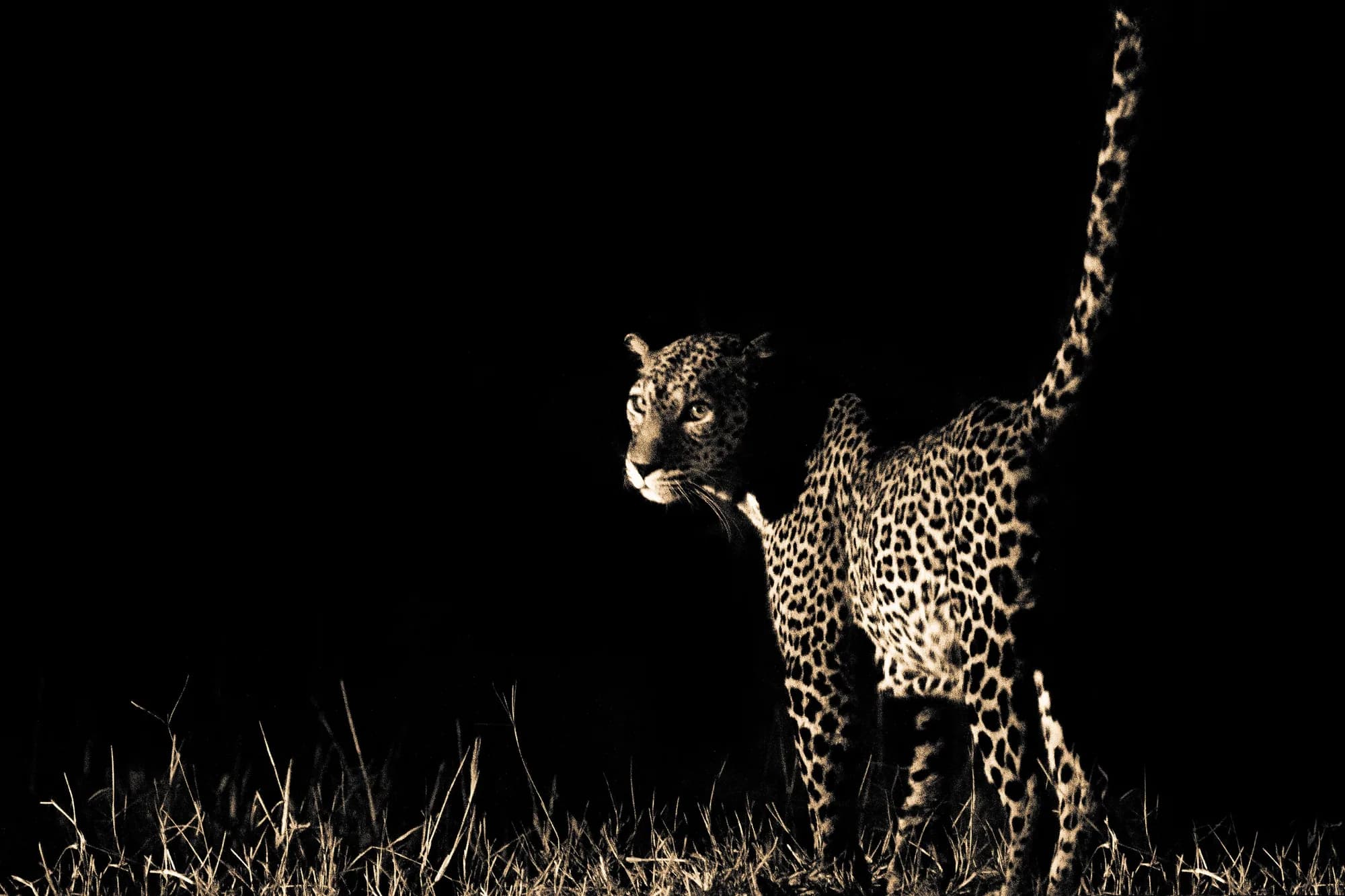
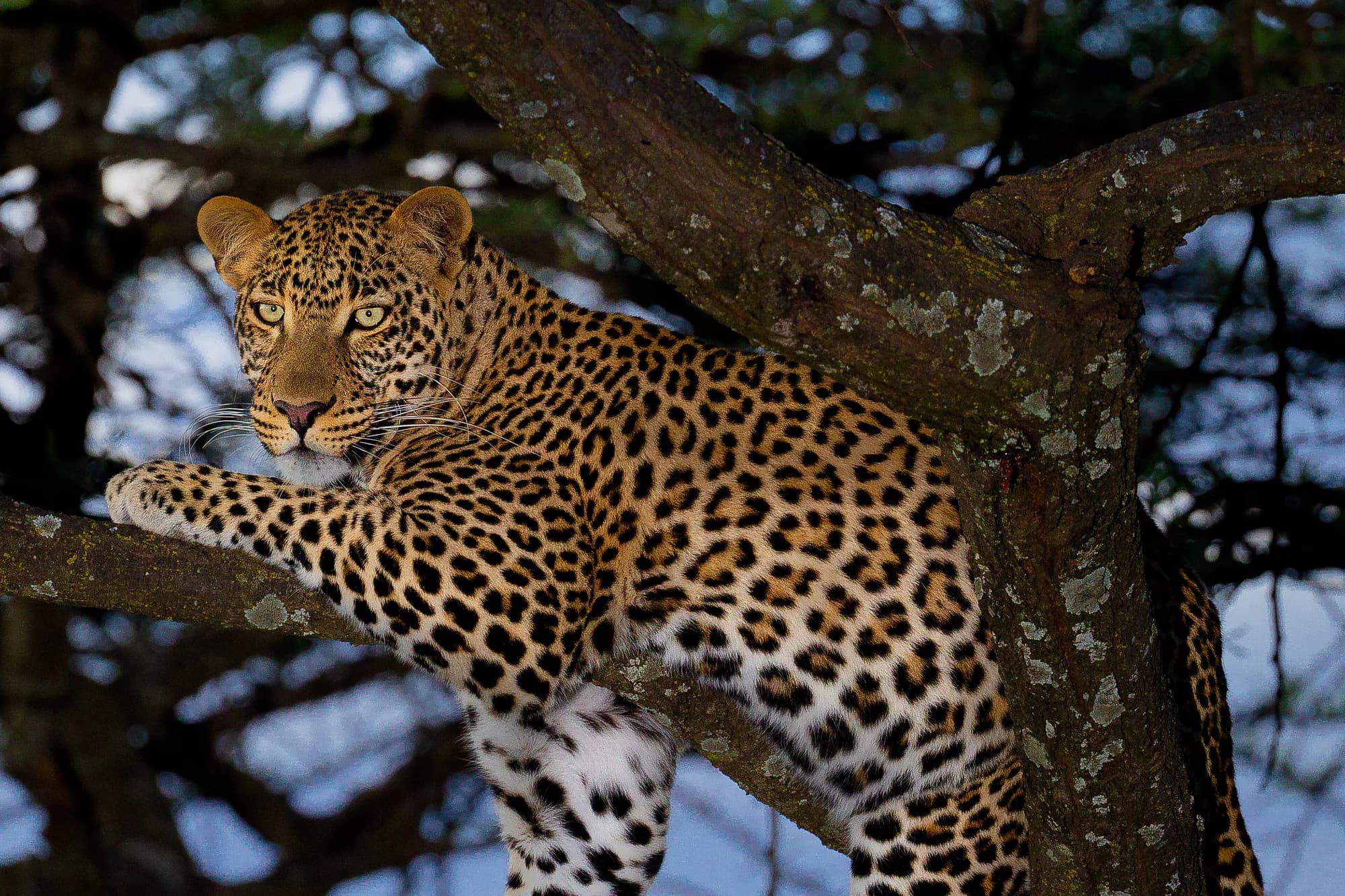
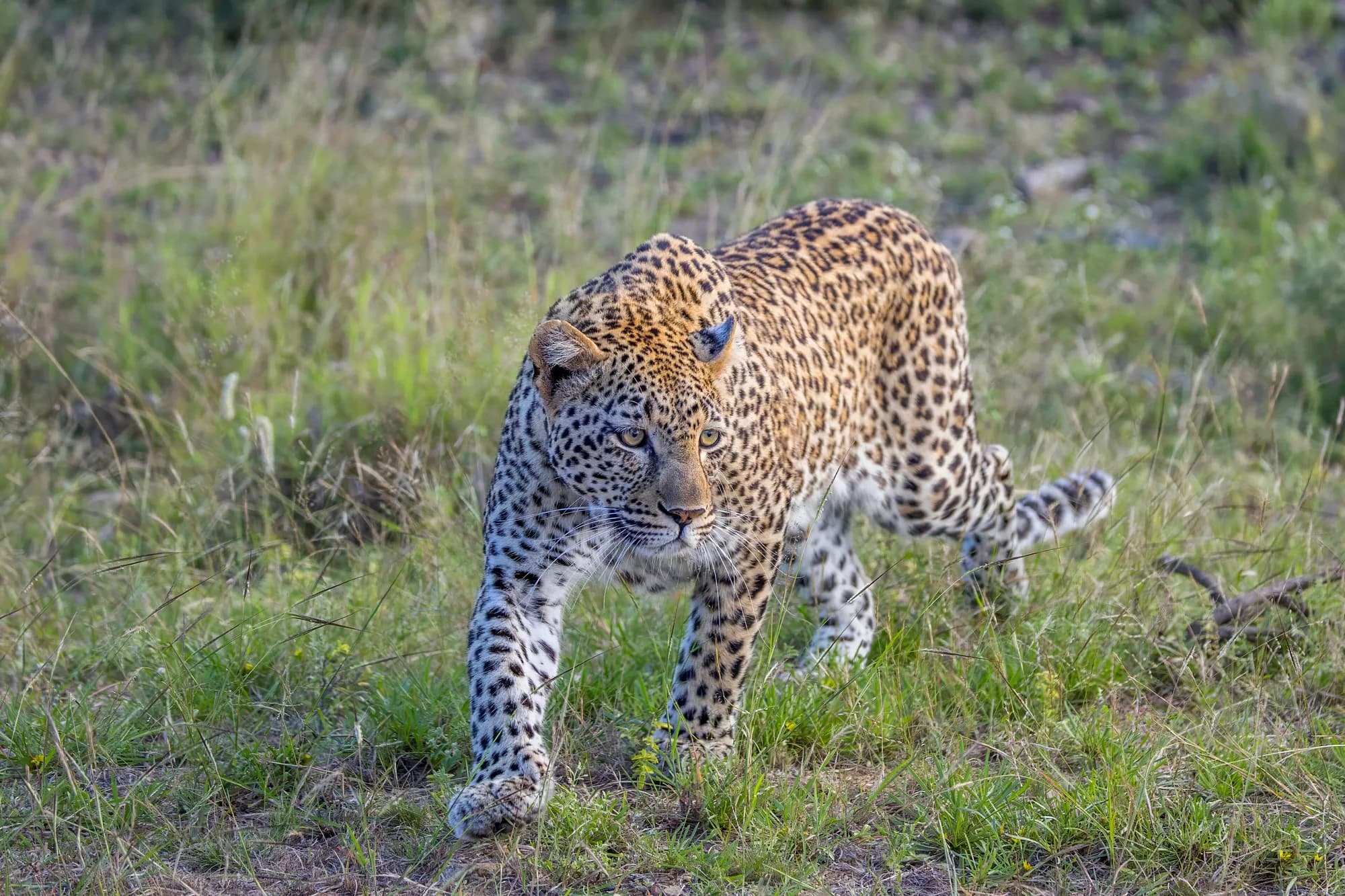
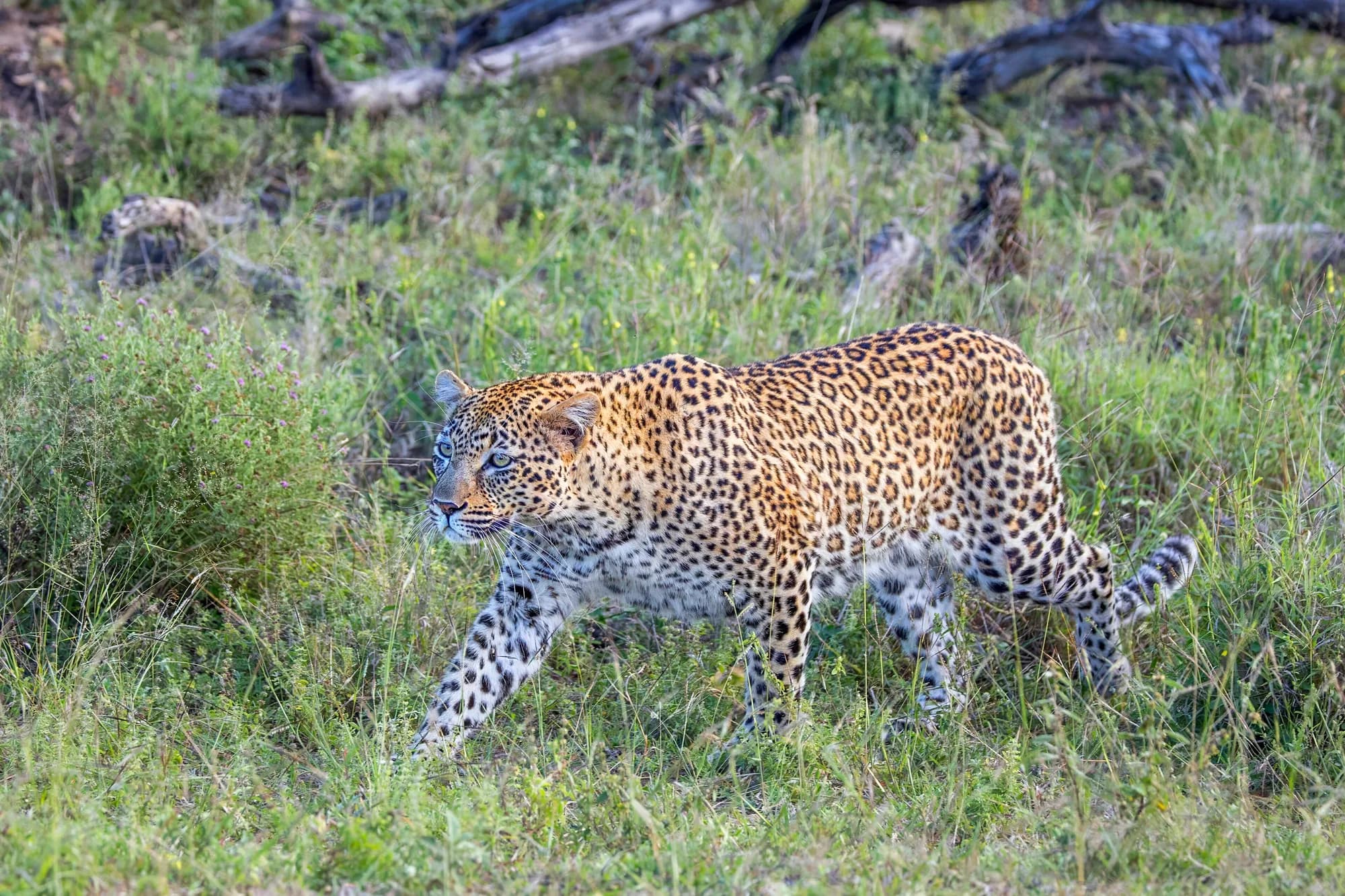
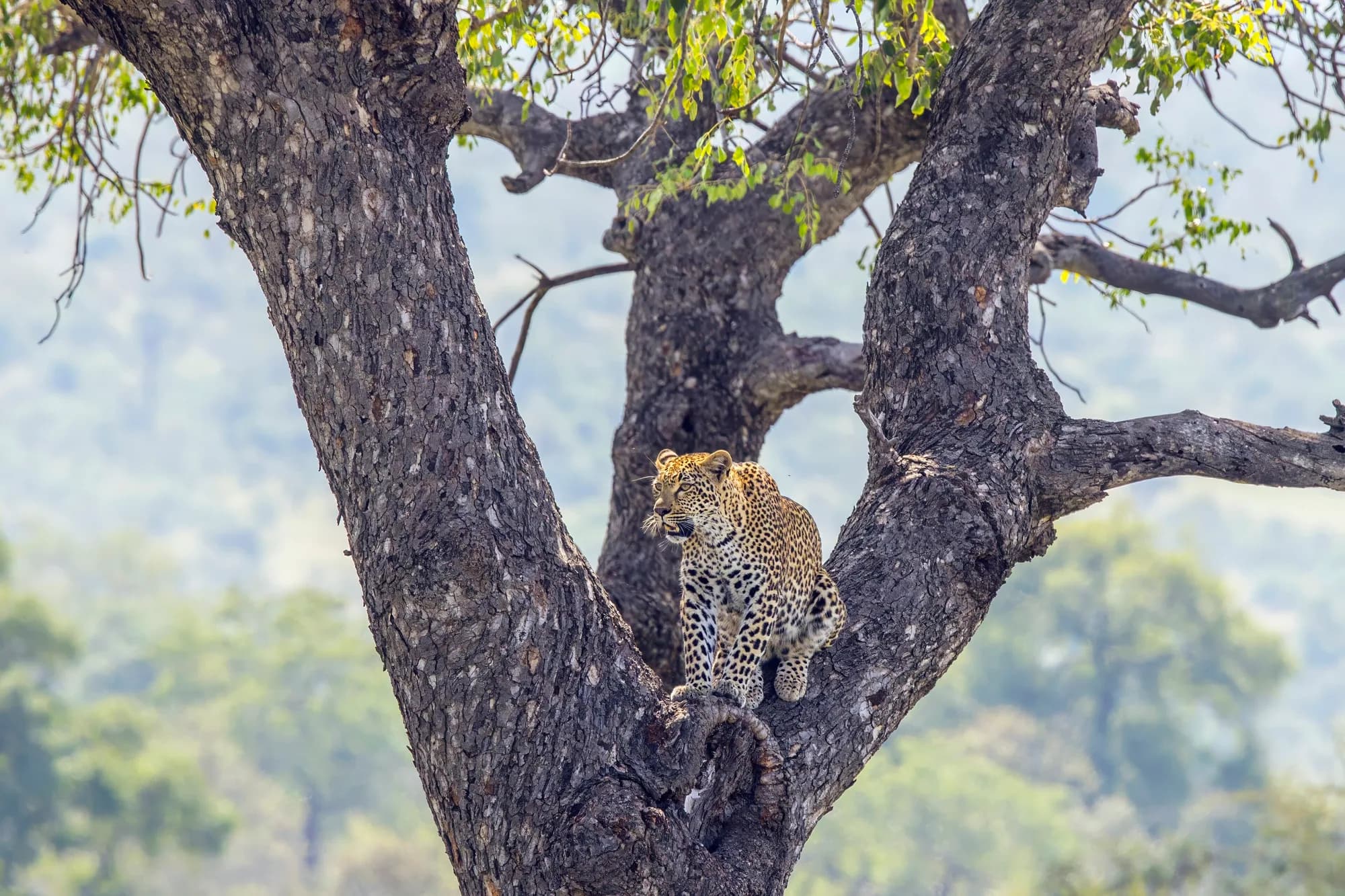
Photographs of African leopard in the wild, in Indian reserves. We publish no captive, baited or digitally composited images, and no photograph whose licence we cannot show.
The parks that actually deliver
Every reserve in Africa lists the leopard, because every reserve has them. Four places on this site turn that into a sighting with any regularity: South Luangwa, the Seronera valley of the Serengeti, the river forest of the Mara, and southern Kruger. Everywhere else, treat a leopard as a gift.
What those four share is not density — it is habituation and access. The animals are used to vehicles, the guides know individuals by name and territory, and in Zambia’s case you are allowed out after dark. Density without habituation produces a tail disappearing into grass, which is what most leopard sightings actually are.
How to find one
Look up. A leopard spends the day in cover and often above ground, and the shape people miss is a tail hanging straight down from a horizontal branch. Sausage trees, fig trees and any large-limbed riverine tree near a dry watercourse are worth a slow pass.
Then listen. Baboons and vervets give a specific, sustained alarm for a cat on the ground, and impala snort. A guide who stops the engine in apparently empty bush is usually working a sound rather than a sighting. The other reliable sign is a kill hoisted into a tree, which no other African predator does and which means the animal is within a few hundred metres.
Status and protection
Status and protection
- IUCN Red List
- Vulnerable
- Population trend
- ↓ Decreasing
- CITES
- Appendix I
Species-level assessment for Panthera pardus. The page's binomial is the nominate African subspecies P. p.
Assessed 2025 · IUCN Red List assessment
What to book to see one
What you would be booking
- How it is seen
- Game drives in a reserve with habituated individuals, or night drives anywhere that permits them.
- Drives to book
- Four or more, unless you are in South Luangwa or Sabi Sand, where two or three is realistic.
- Zone or shift
- Riverine forest and rocky kopjes, not open plain. In the Serengeti, the sausage trees of the Seronera valley are the classic place to look up.
Private reserves adjoining Kruger produce leopard sightings that the national park does not, because the animals are habituated over generations and vehicles may leave the road. That is a different product, and this site's Kruger pages are about the park.
South LuangwaOn the same trip you would also get
- Spotted hyena — the reason leopards cache kills in trees
- African lion — the same parks, easier
Questions people ask
Where is the best place to see a leopard in Africa?
Why did I not see a leopard on my safari?
How do I tell a leopard from a cheetah?
Read next
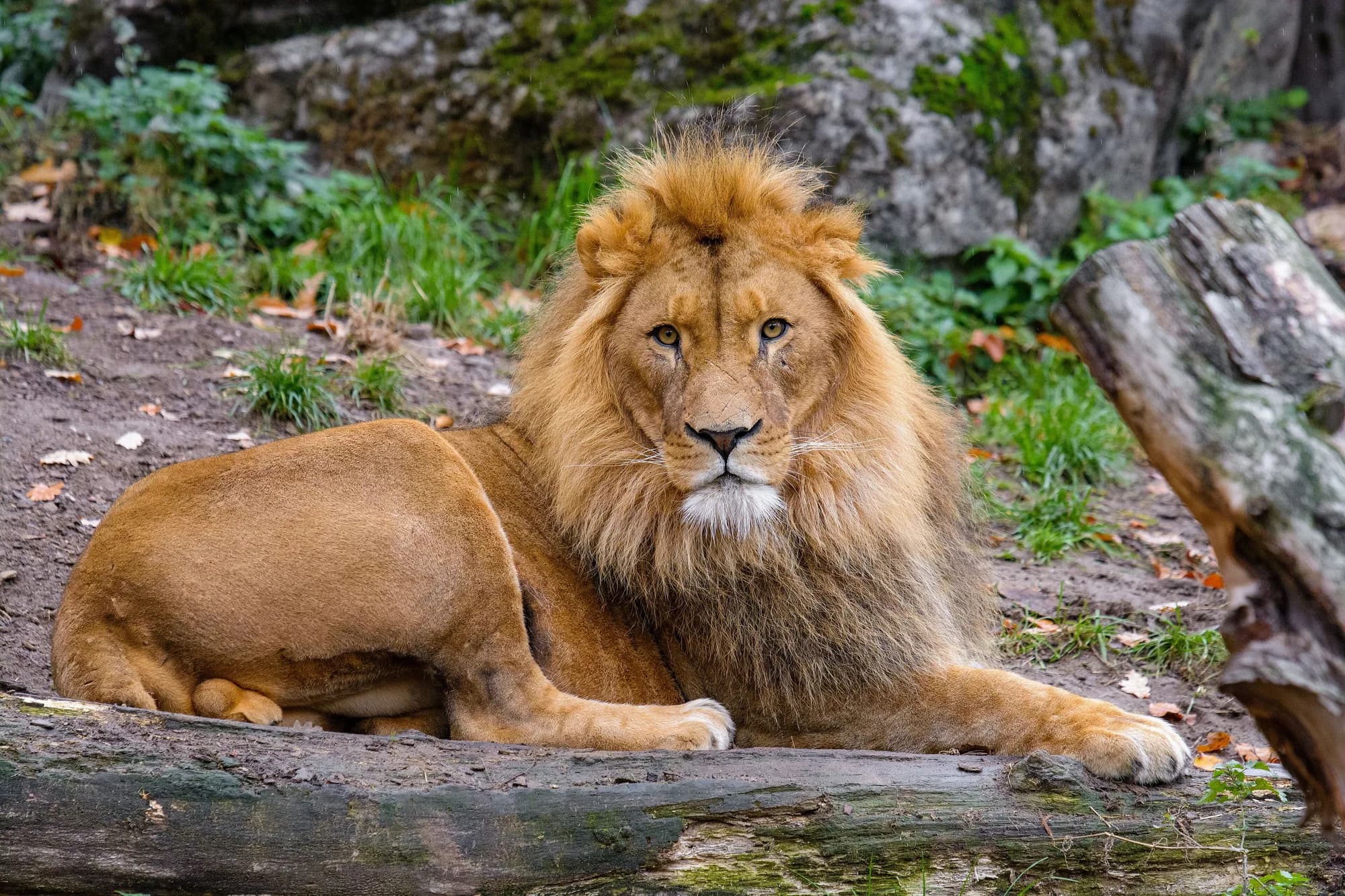
Nine countries here, and thinner on the ground than it looks
African lion
The animal everyone books the trip for, and the one most often seen asleep. Lions are not hard to find in a good park — they are hard to find doing anything, and the difference between those two sentences is most of what separates a good lion trip from a disappointing one.
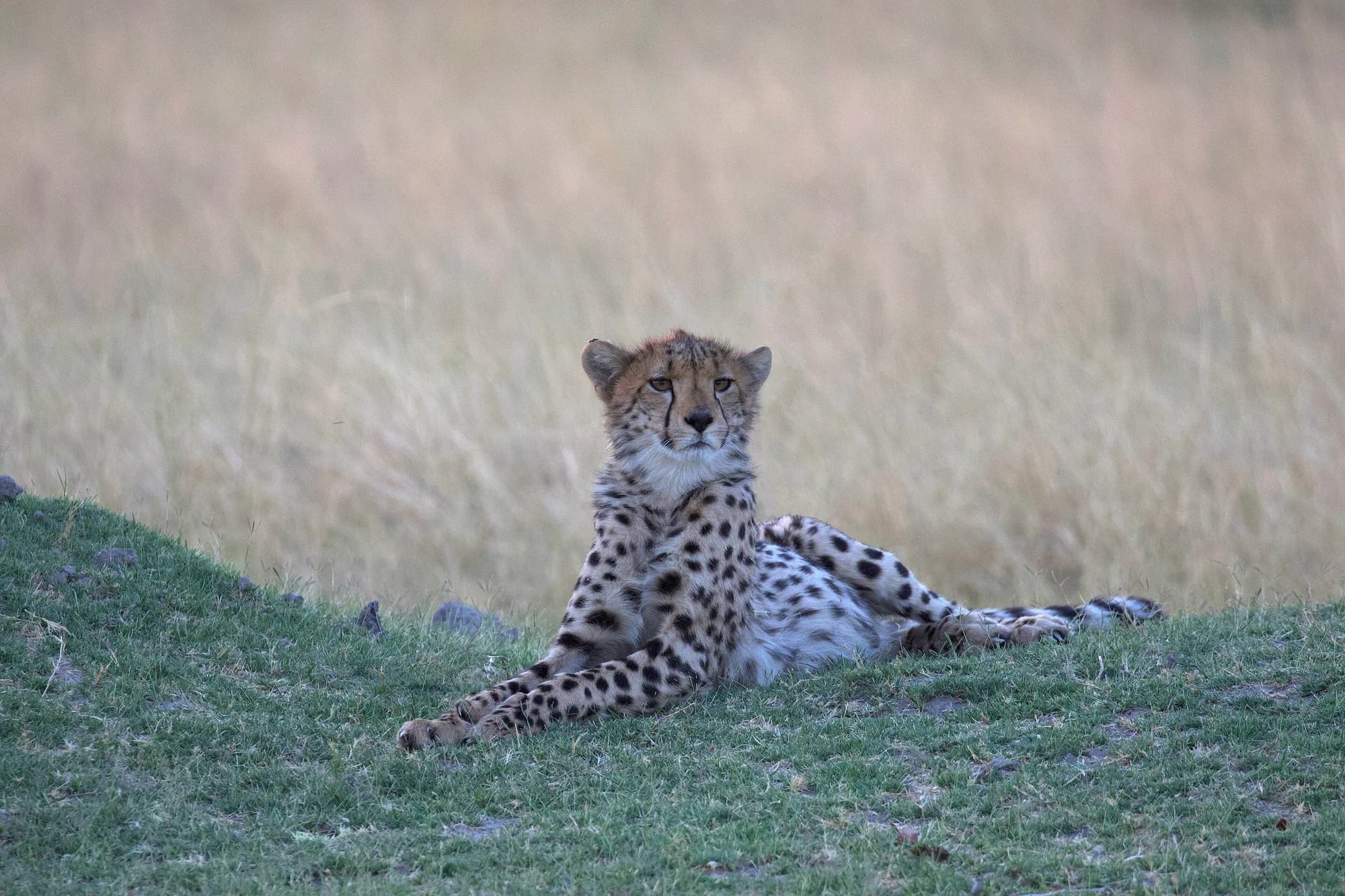
Six countries here, and it needs open country
Cheetah — the daylight cat
The one large African predator that hunts in daylight, which makes it the most watchable and the most photographed. It is also the rarest of the big cats on this site, and it loses kills to almost everything.
South Luangwa — the leopard park