
Species · Mellivora capensis
Honey badger
Global name recognition from television and near-zero sighting rate in India. Nocturnal, solitary, and genuinely as belligerent as advertised.
Also called
- Bijju (बिज्जू) · Hindi
- Ghorpad khavdya · Marathi
Checked 30 Aug 2026
- Where
- Dry India, thinly
- Best months
- November–April
- Active
- Night, almost entirely
- Note
- Not actually a badger
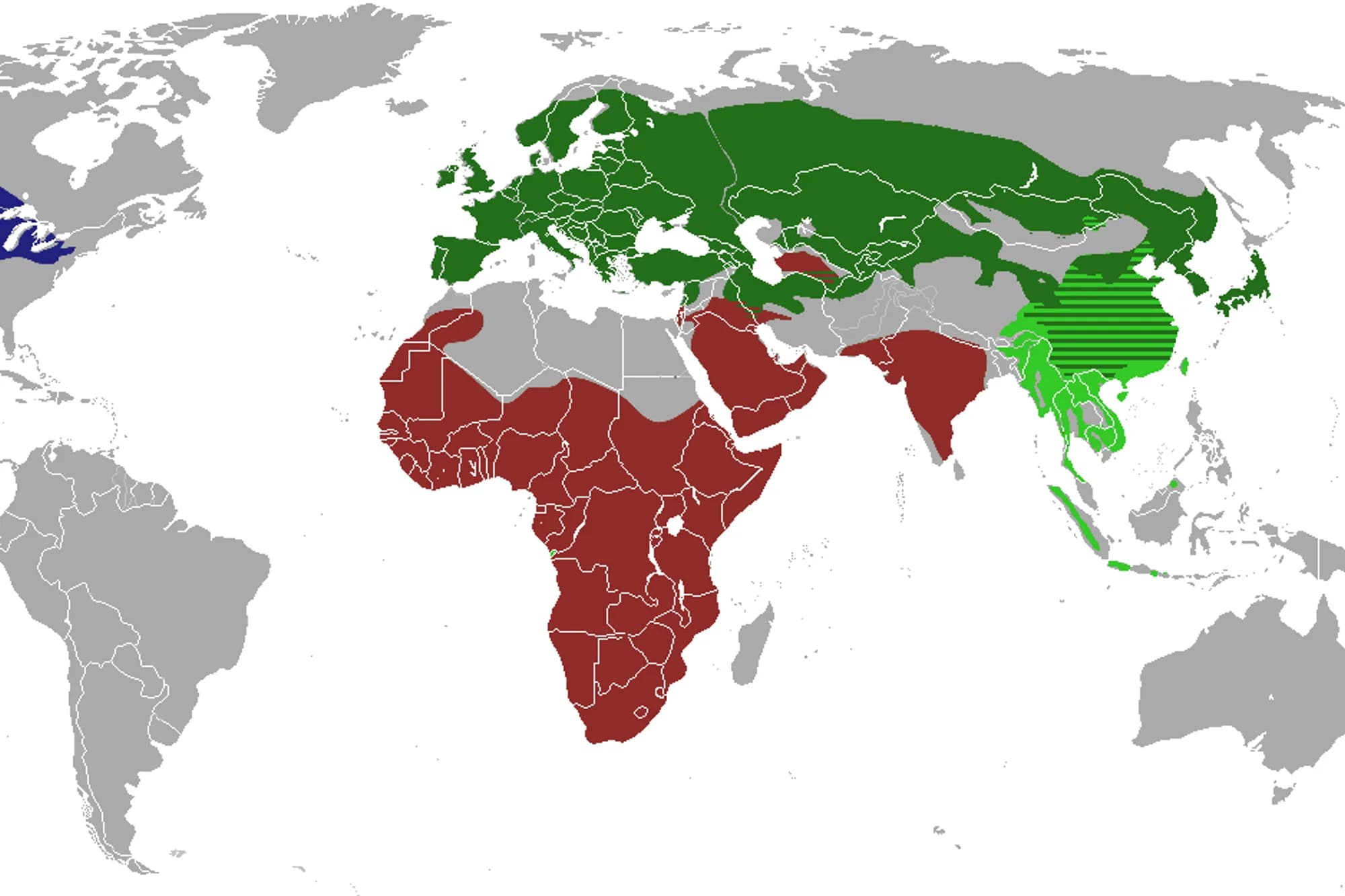
Thinly distributed across dry and deciduous India. Present far more widely than the sighting rate suggests, which is true of most nocturnal mustelids.
Where it is
Where to actually go
Ranked, with the reason each — these are not interchangeable.
- 01SatpuraMadhya PradeshBuffer night drives and quiet tracks give the best chance in India, which is still not much of one.Night safari
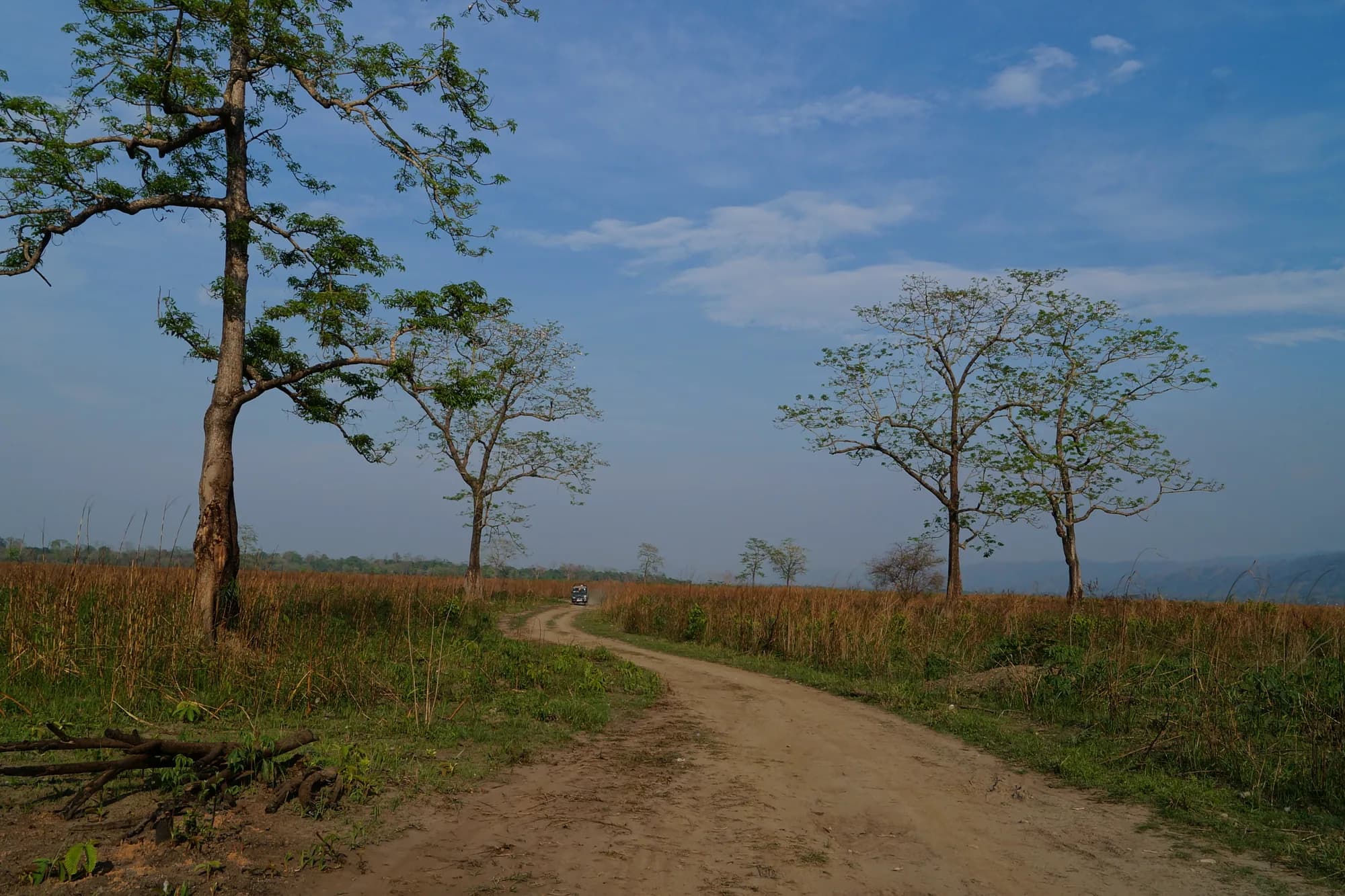
- 02RanthamboreRajasthanOccasional records around the ravines and fort ground.Luck
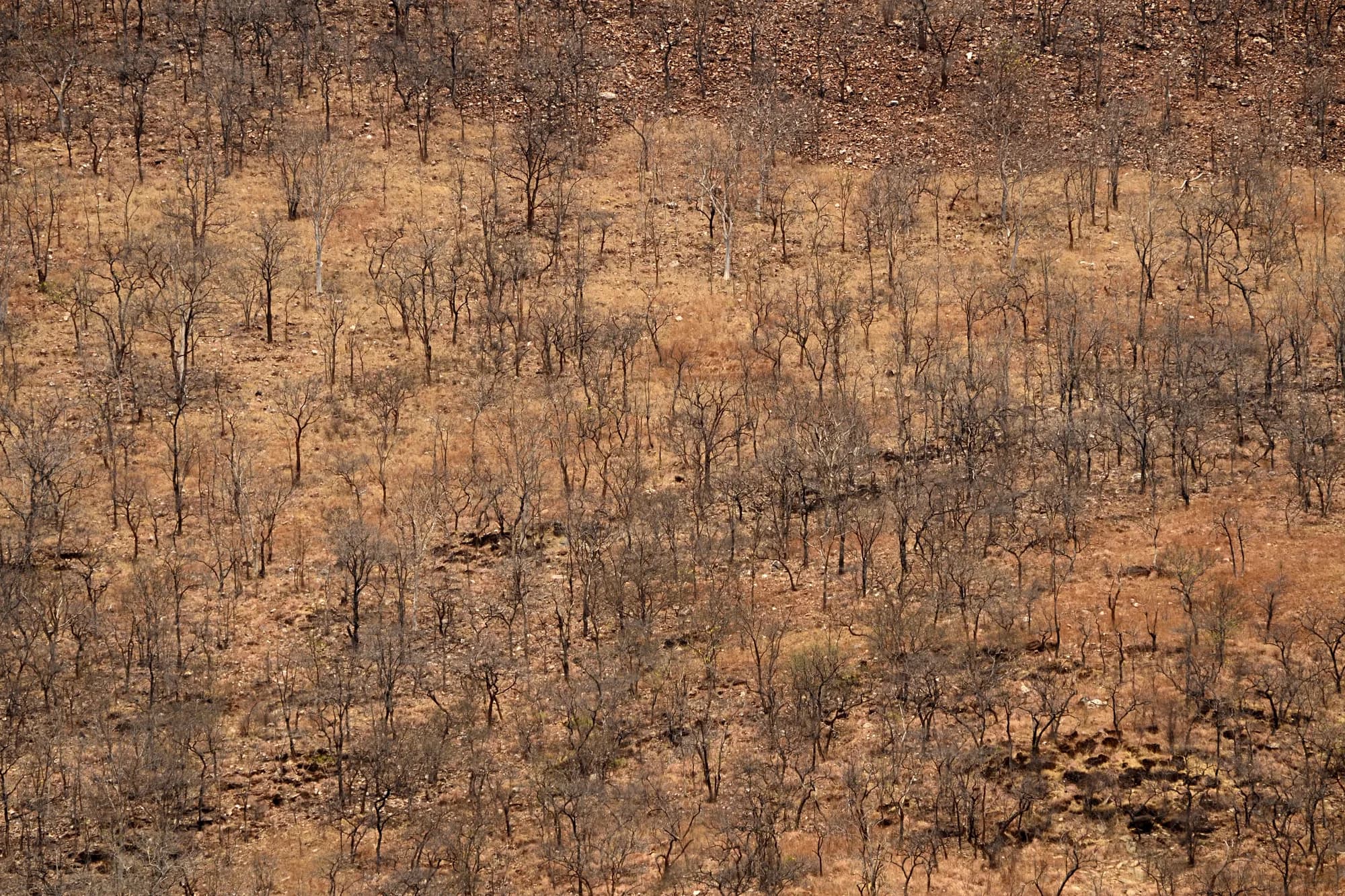
- 03GirGujaratPresent in the scrub and effectively never looked for.Ask, and expect nothing
Where you will not see one
- As a planNo reserve, season or guide makes this likely. Anyone selling a honey badger sighting is not being straight with you.
- Confused with a ratel in a documentarySame animal — ratel is the older name — but the African footage everyone has seen is not what an Indian sighting looks like. Here it is a shape crossing a track at night.
When to go
When to go
- J
- F
- M
- A
- M
- J
- J
- A
- S
- O
- N
- D
January: best. February: best. March: best. April: good. May: marginal. June: marginal. July: closed or unproductive. August: closed or unproductive. September: closed or unproductive. October: marginal. November: best. December: best.
Through the day
- Dawn
- Morning
- Midday
- Afternoon
- Dusk
- Night
Dawn: usually resting. Morning: not normally seen. Midday: not normally seen. Afternoon: not normally seen. Dusk: active. Night: most active.
What it looks like in the field
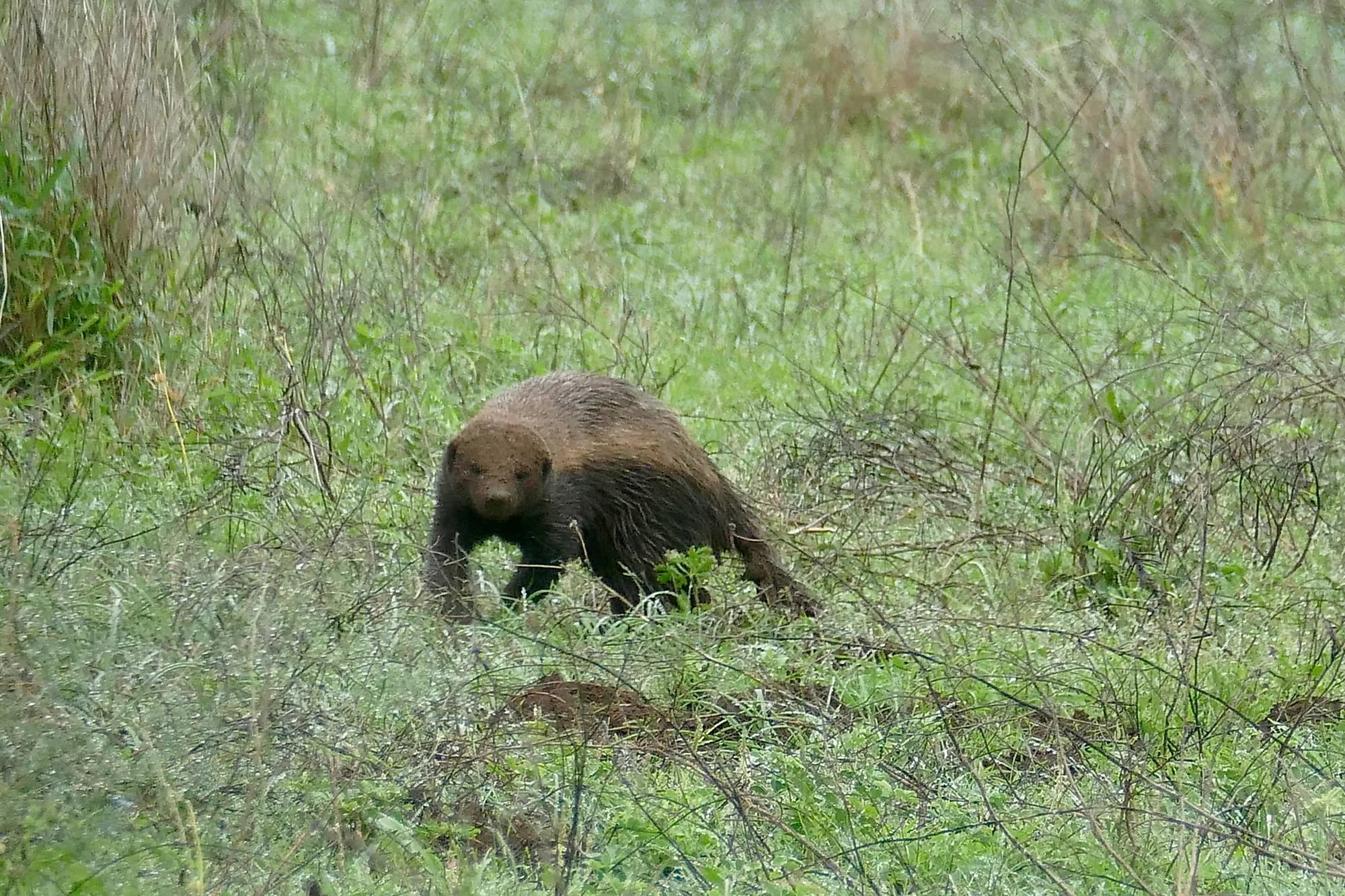
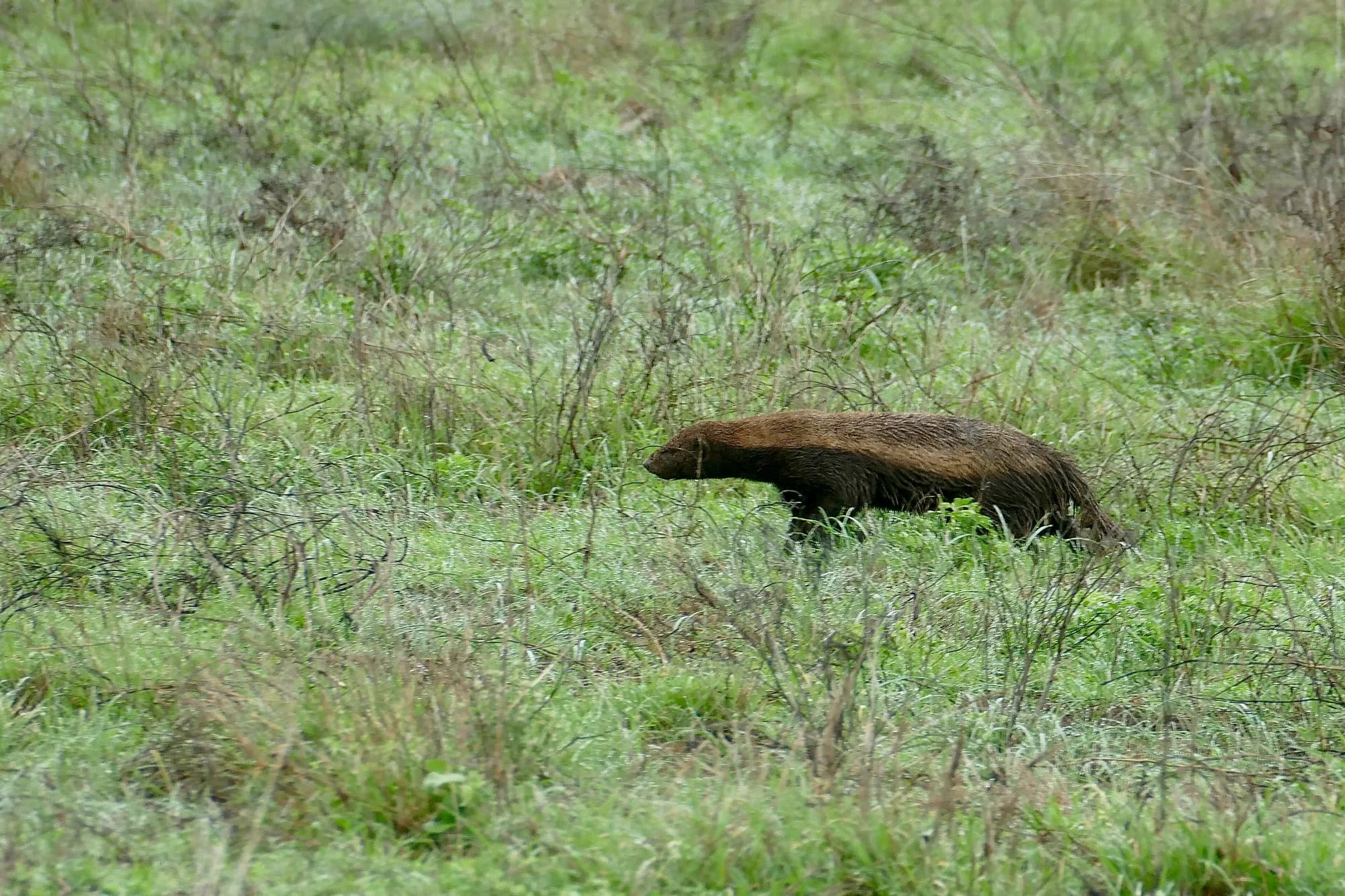
Photographs of Honey badger in the wild, in Indian reserves. We publish no captive, baited or digitally composited images, and no photograph whose licence we cannot show.
What a sighting is actually like
Almost always brief and almost always at night. A low, heavy, pale-backed animal crossing a track at a purposeful trot, entirely unbothered by the vehicle, and gone.
They do not hurry for anything, which is most of the reputation in one gait.
The reputation, checked
It is broadly earned. The skin is loose enough that a held animal can turn inside it, the claws are built for digging through hard ground, and they will defend a carcass against animals many times their size.
Status and protection
Status and protection
- IUCN Red List
- Least Concern
- Population trend
- ↓ Decreasing
- Wildlife Protection Act 1972
- Schedule I
- CITES
- Appendix III
Assessment is for the full species Mellivora capensis, which is the binomial given. Global scope (Africa, Arabia and South Asia), not India-specific.
Assessed 2015 · IUCN Red List assessment
What to book to see one
What you would be booking
- How it is seen
- A buffer night drive, and luck.
- Drives to book
- Not a numbers game. Book the night drive for the civets and the small cats, and treat this as the outside chance.
Tell your guide anyway. Honey badger records in Indian reserves are thin enough that a reported sighting has some value beyond your own trip.
Satpura — the park in fullQuestions people ask
Can I see a honey badger in India?
Is it the same as a ratel?
Are they dangerous?
Read next
Madhya Pradesh
Satpura — the park in full
The one central Indian reserve that permits walking and boat safaris. You see less and understand considerably more.
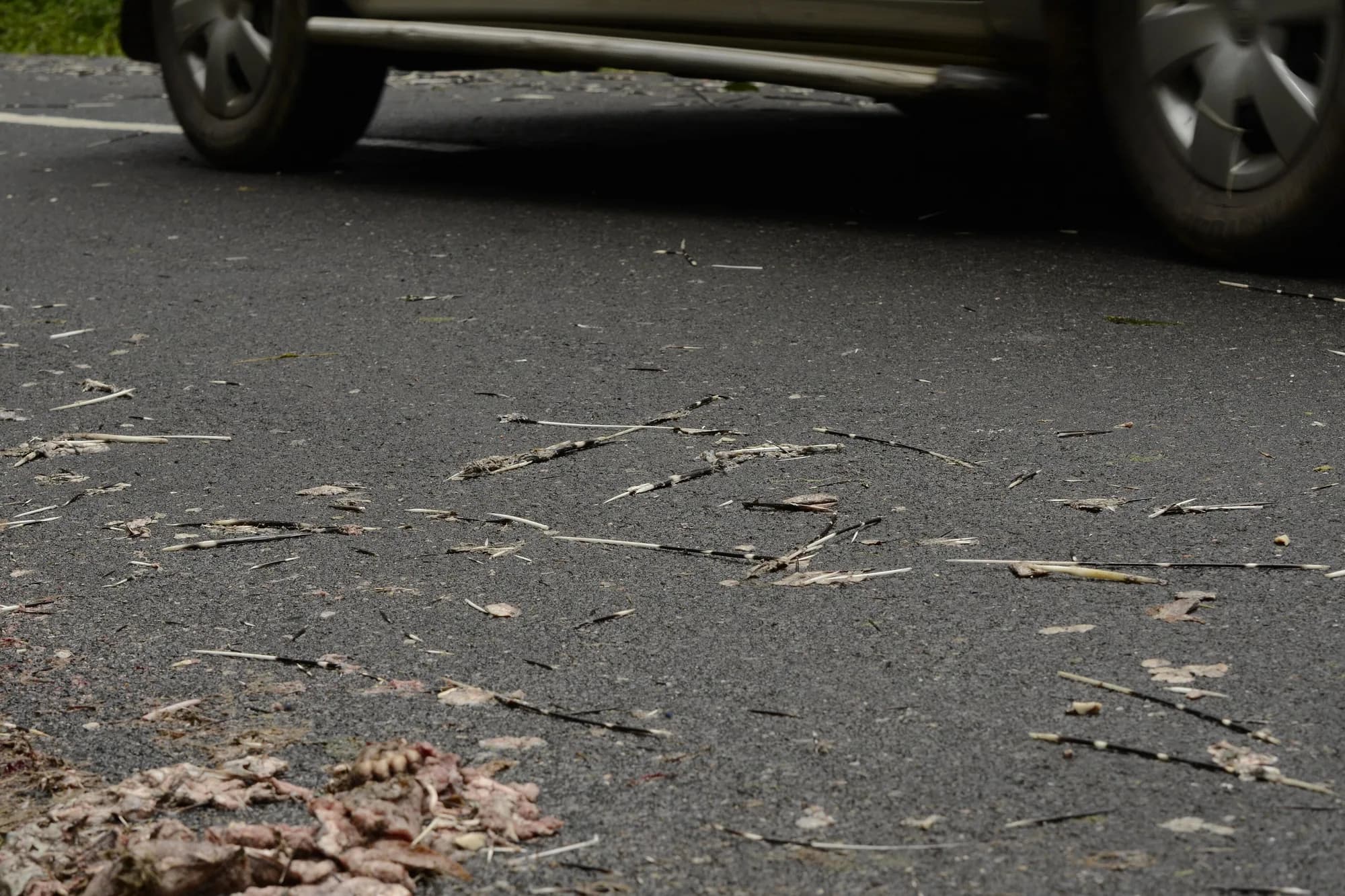
Quills on the track, animal rarely
Porcupine — the same night drive
You will find the quills long before you find the animal. A large nocturnal rodent that walks off tigers, and the source of the most commonly picked-up field sign in India.
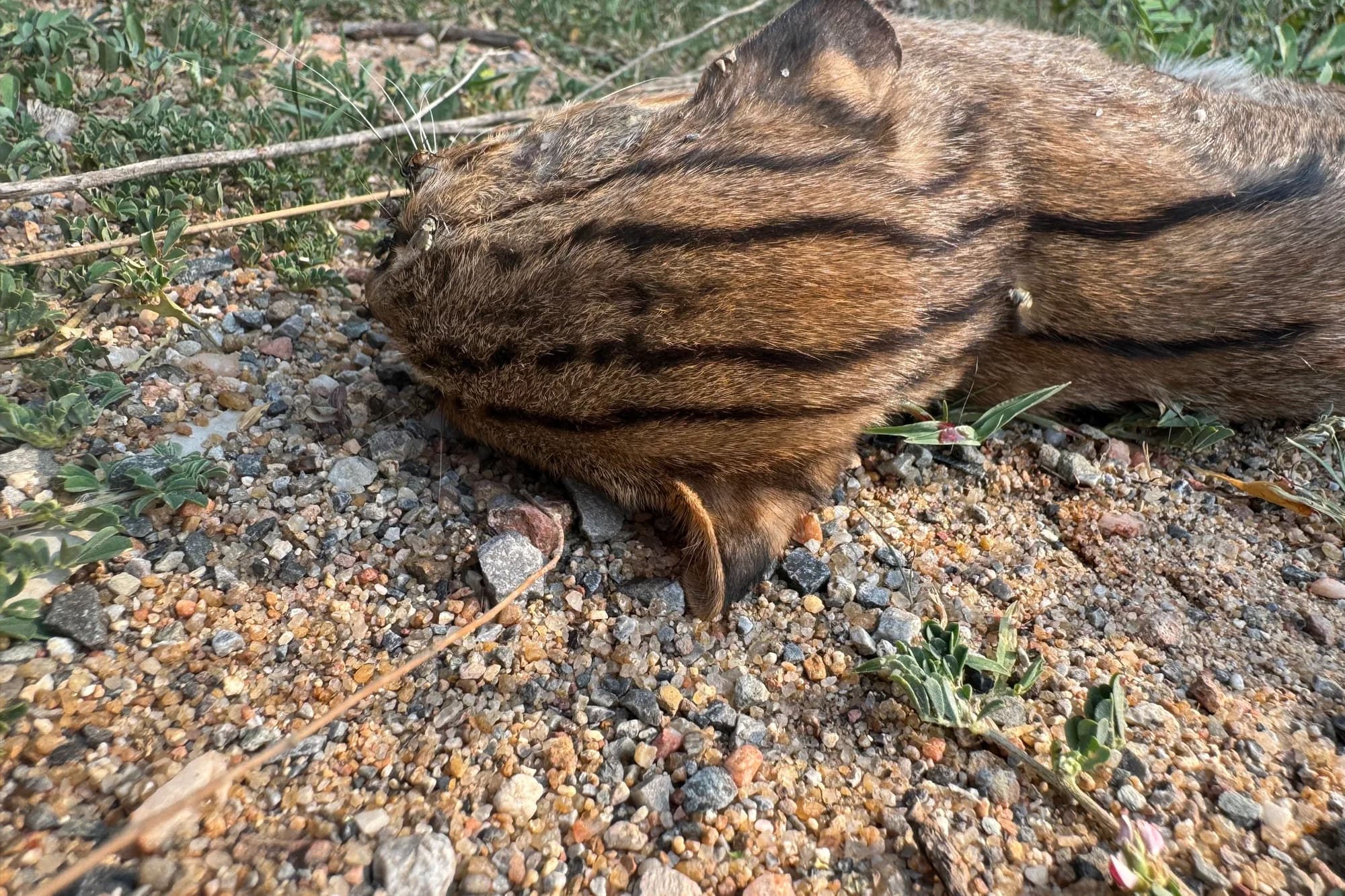
Tadoba, and the smallest cat alive
Rusty-spotted cat — the other night target
The smallest wild cat in the world, roughly half the weight of a house cat, and Tadoba is the most reliable place on earth to see one.
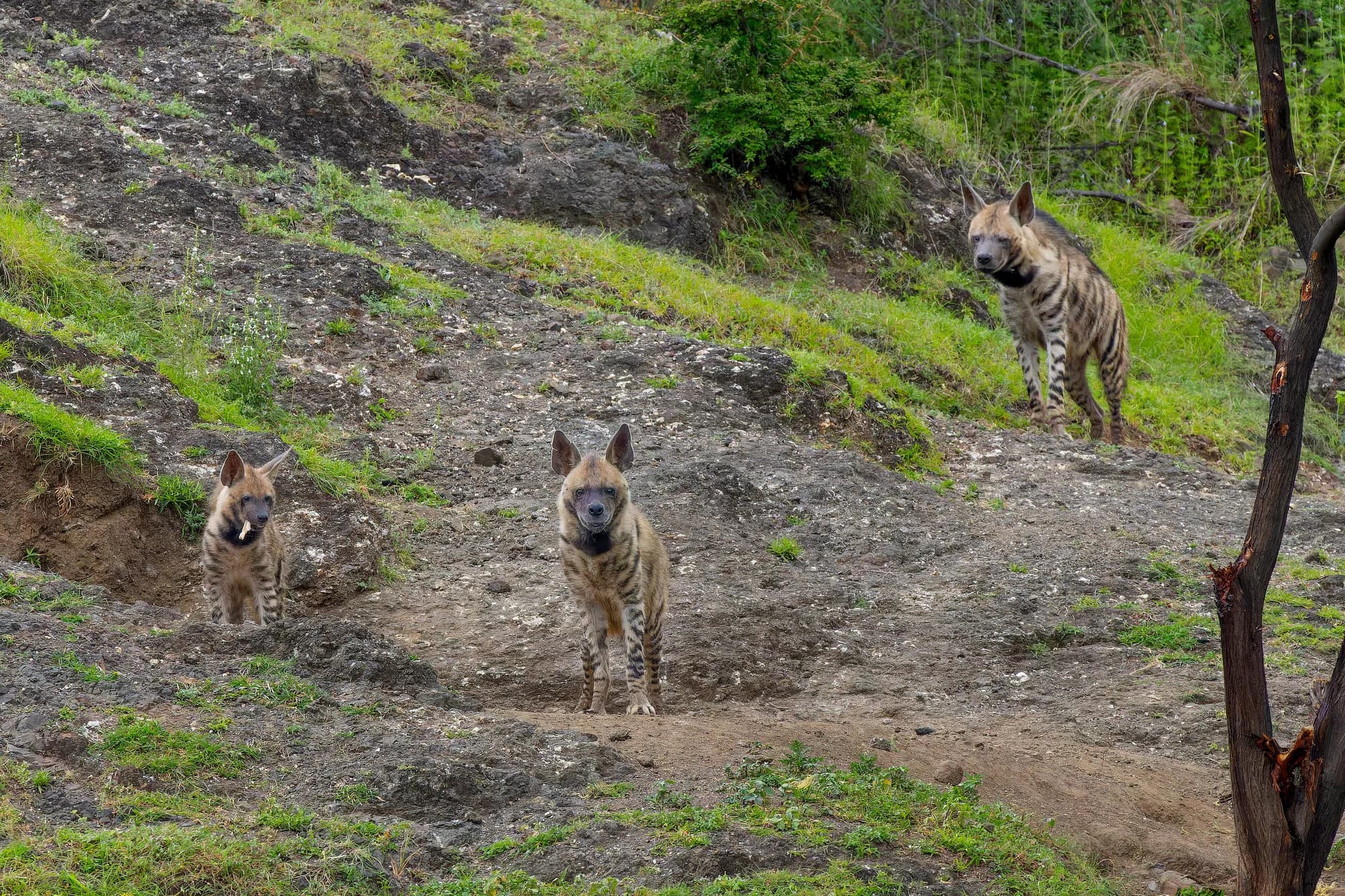
Four reserves, at dusk, rarely looked for
Striped hyena — the other scavenger
A nocturnal scavenger with a mane it raises when alarmed, common across dry India and almost never on anyone's list. One of the best sightings you can have at Jawai.